The Little Things That Add Up
Most mobility problems don't show up as pain. They show up as small workarounds, tiny compromises you build into your day without ever noticing you're doing it. You reach for the top shelf with your whole torso instead of just your arm, or you avoid a hike you used to love because your ankles feel off on uneven ground. None of it looks like a real problem until, one day, it very much is. Here's 20 small mobility issues people tend to brush off for way too long.
1. Tight Ankles
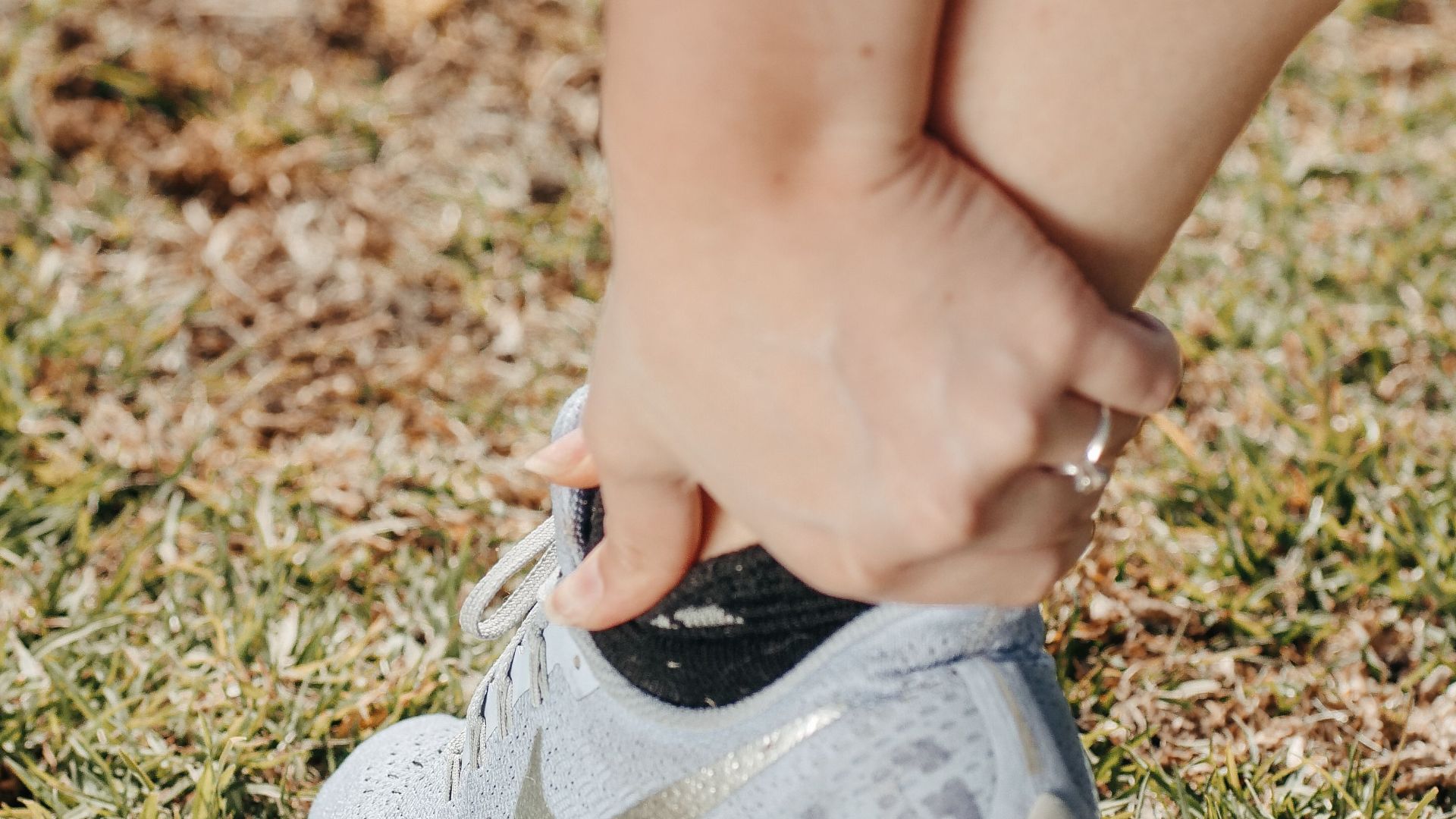
You don't think about ankle mobility until you squat down for something on a low shelf and your heels lift off the ground without permission. That lost range gets borrowed from your knees and lower back instead, and most people just chalk it up to "not being that flexible" anymore.
2. Rounded Shoulders
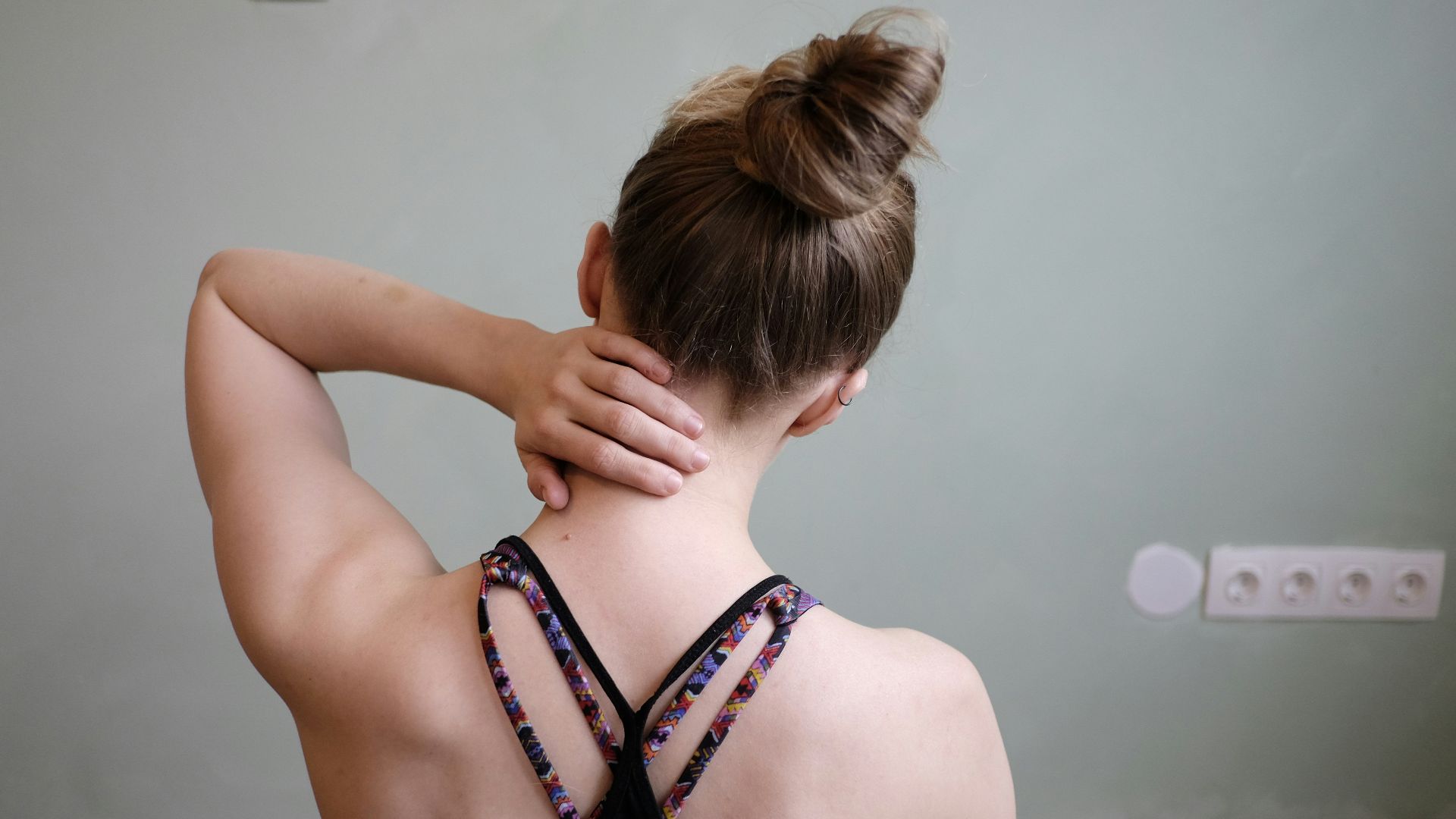
Years hunched over a laptop roll your shoulders forward until that becomes your resting posture instead of a habit you fall into. Standing up straight starts to feel oddly effortful, like fighting your own body just to look normal.
3. Weak Grip Strength
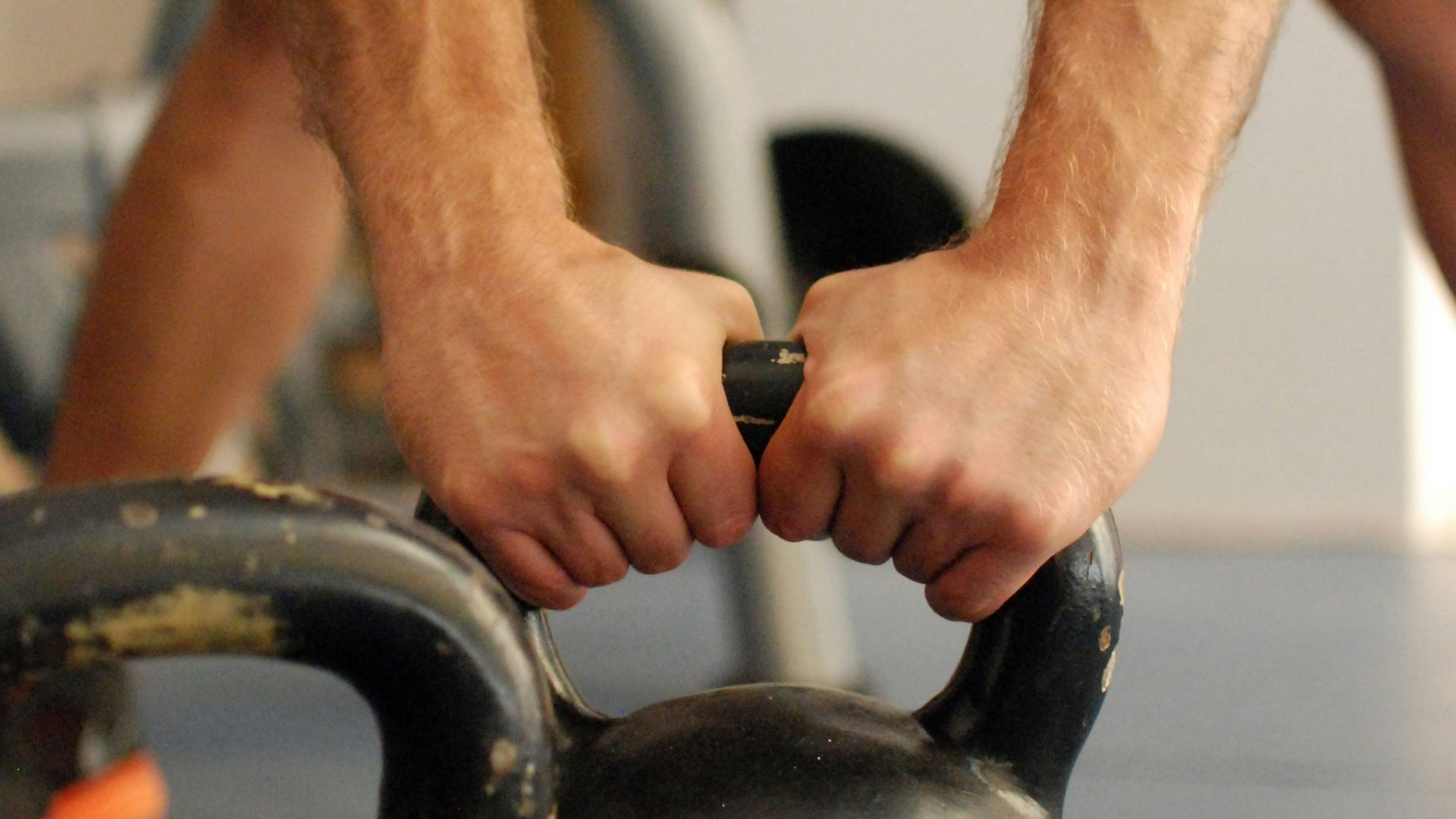
Grip strength fades quietly if your days involve typing instead of carrying or climbing anything heavier than a coffee mug. You notice it first with jar lids, or a handshake that used to feel strong and now feels a little apologetic.
4. Poor Hip Rotation
Checking your blind spot while backing out of a parking spot reveals a lot about your hips if your whole torso has to swivel because it won't rotate far enough alone. The stiffness rarely announces itself; it just narrows the list of things you're willing to try.

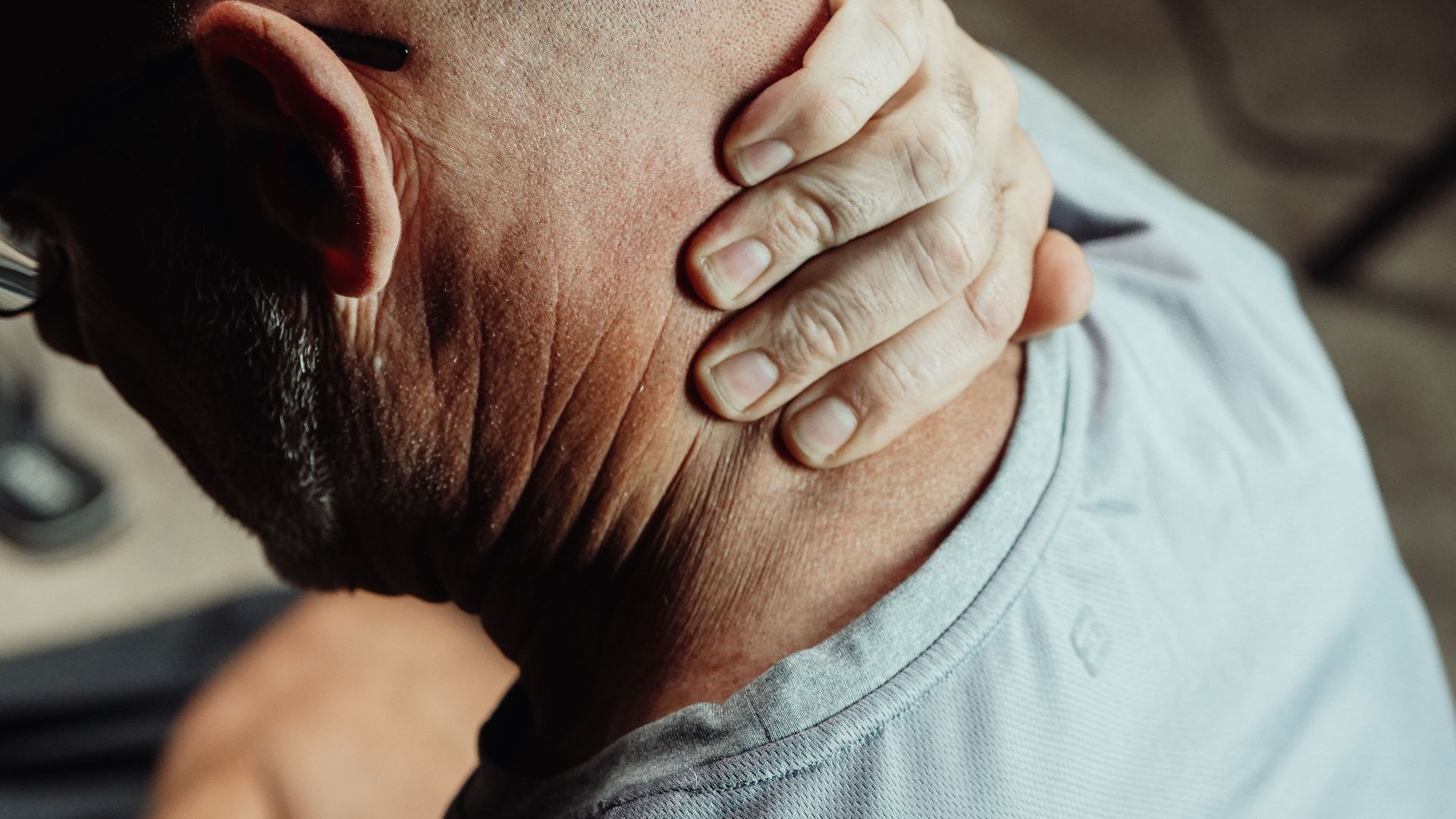
5. Forward Head Posture
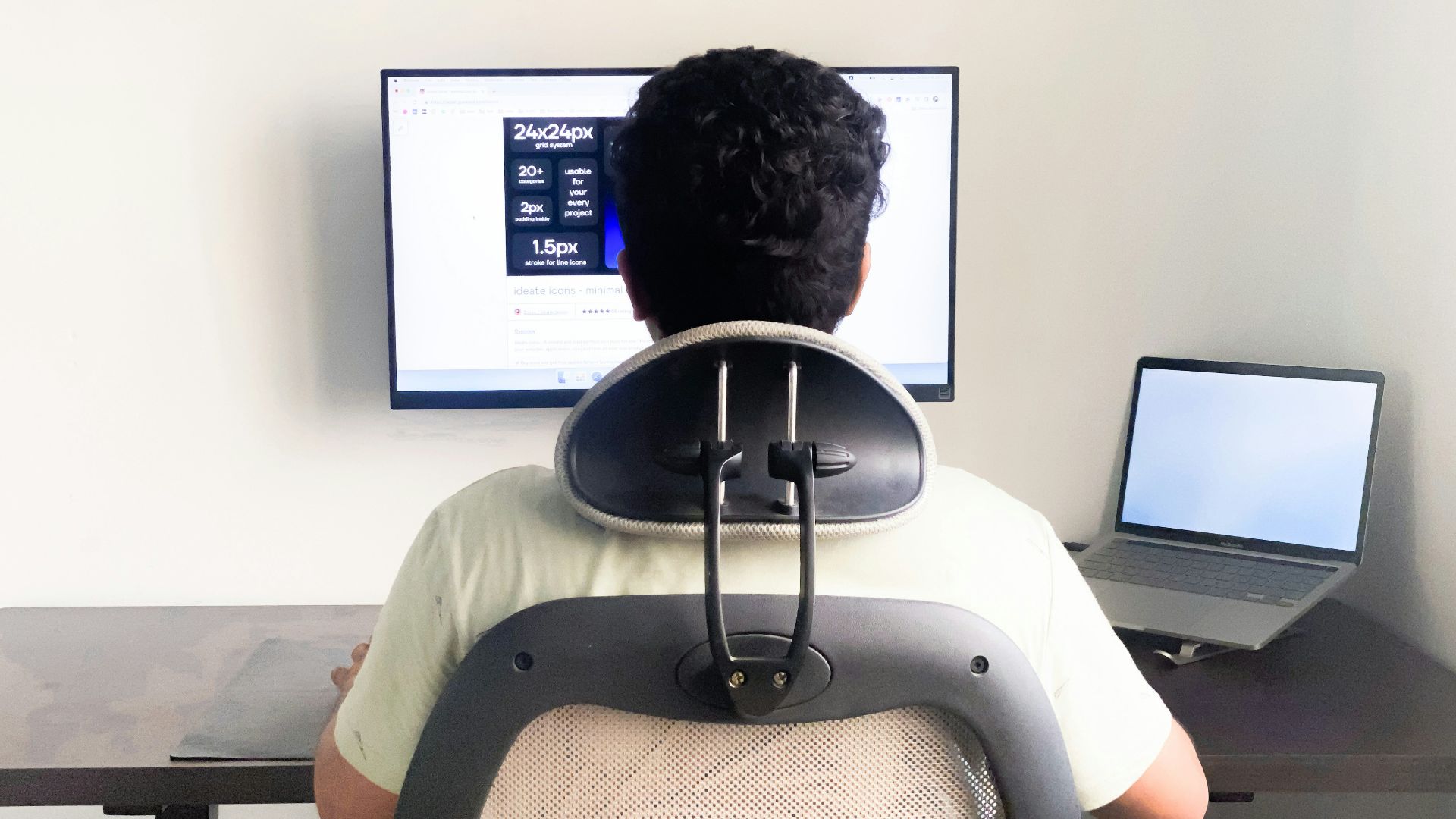
That slight forward tilt from years of looking down at phones adds real weight to your neck and upper back, sometimes an extra ten or twenty pounds of effective strain. It creeps in slowly enough that you adjust to it, right up until a massage therapist presses on your upper traps and you flinch.
6. Tight Hip Flexors
Sitting for eight hours a day shortens the muscles at the front of your hip, and standing up afterward doesn't undo it. You feel it as odd tightness during a lunge, or as lower back tension with no obvious cause.
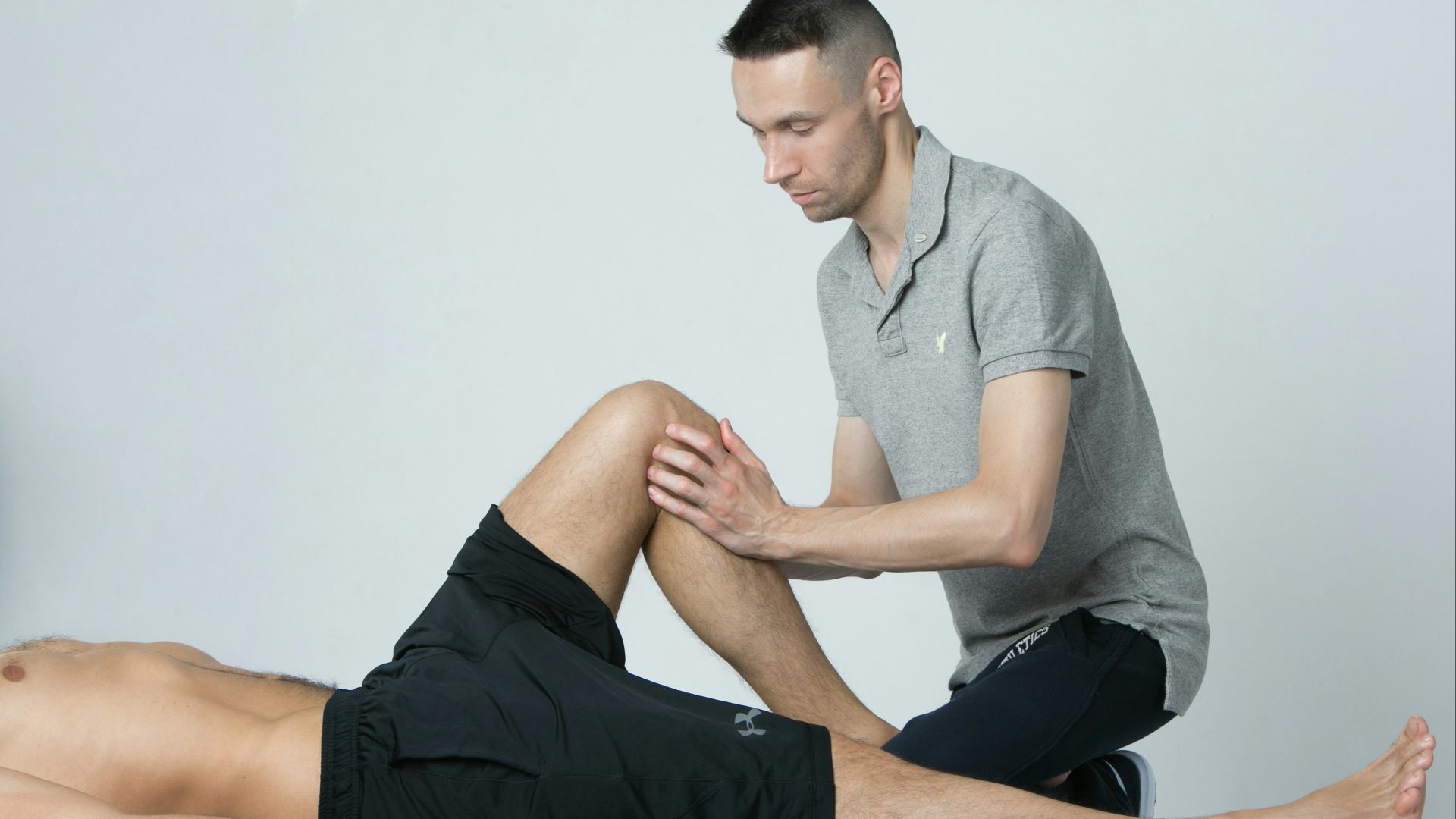
7. Limited Thoracic Rotation
Turning to look behind you while backing up a car can reveal that your upper back doesn't rotate the way it used to. People blame the neck or shoulders, when the real culprit is a mid-back that's lost its twist from years of sitting still.
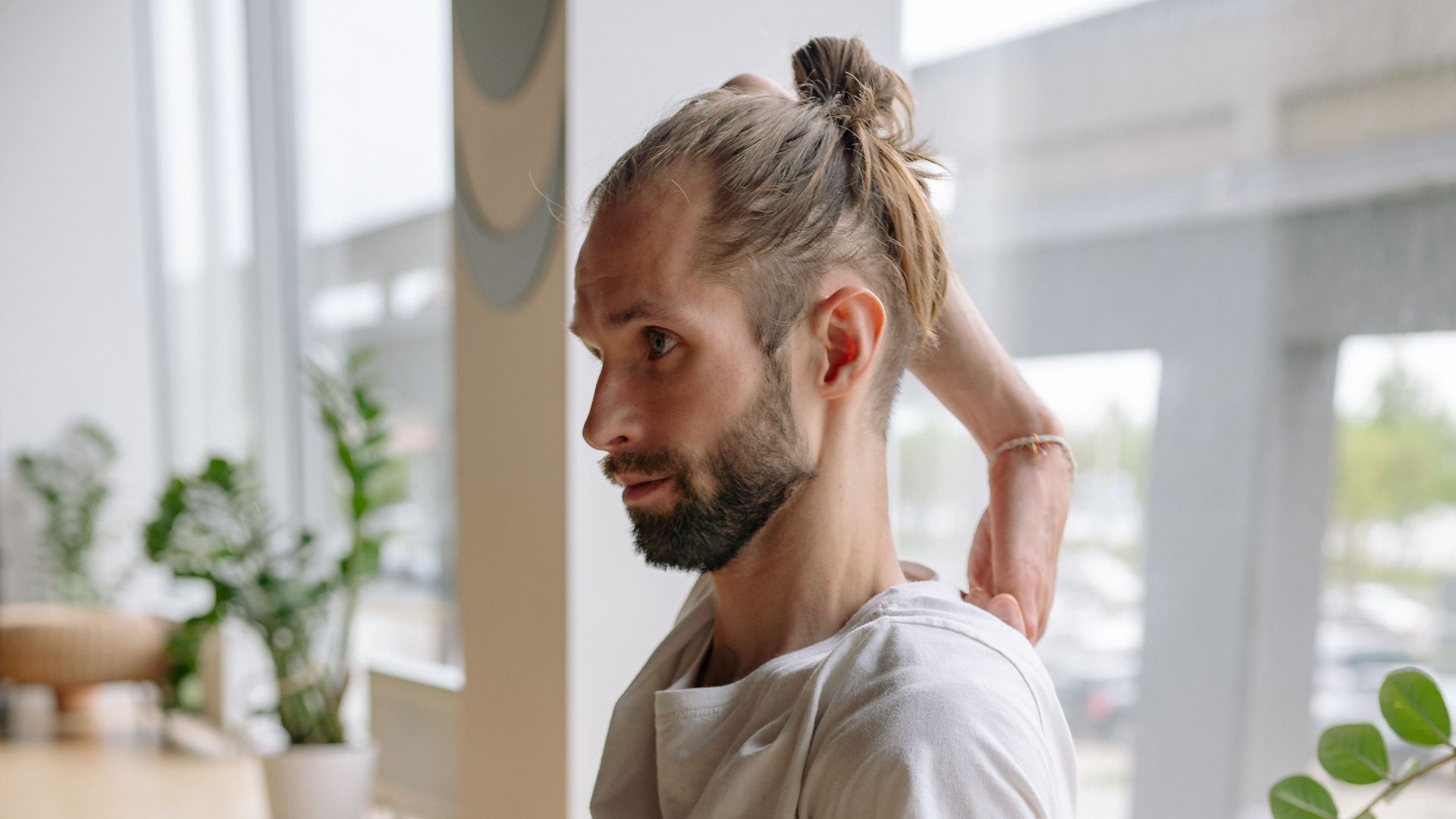
8. Weak Glutes
Weak glutes rarely announce themselves directly; they show up as knee pain, back tightness, or a strange fatigue climbing stairs. Sitting all day essentially turns them off, and they stay dormant unless something actively wakes them back up.
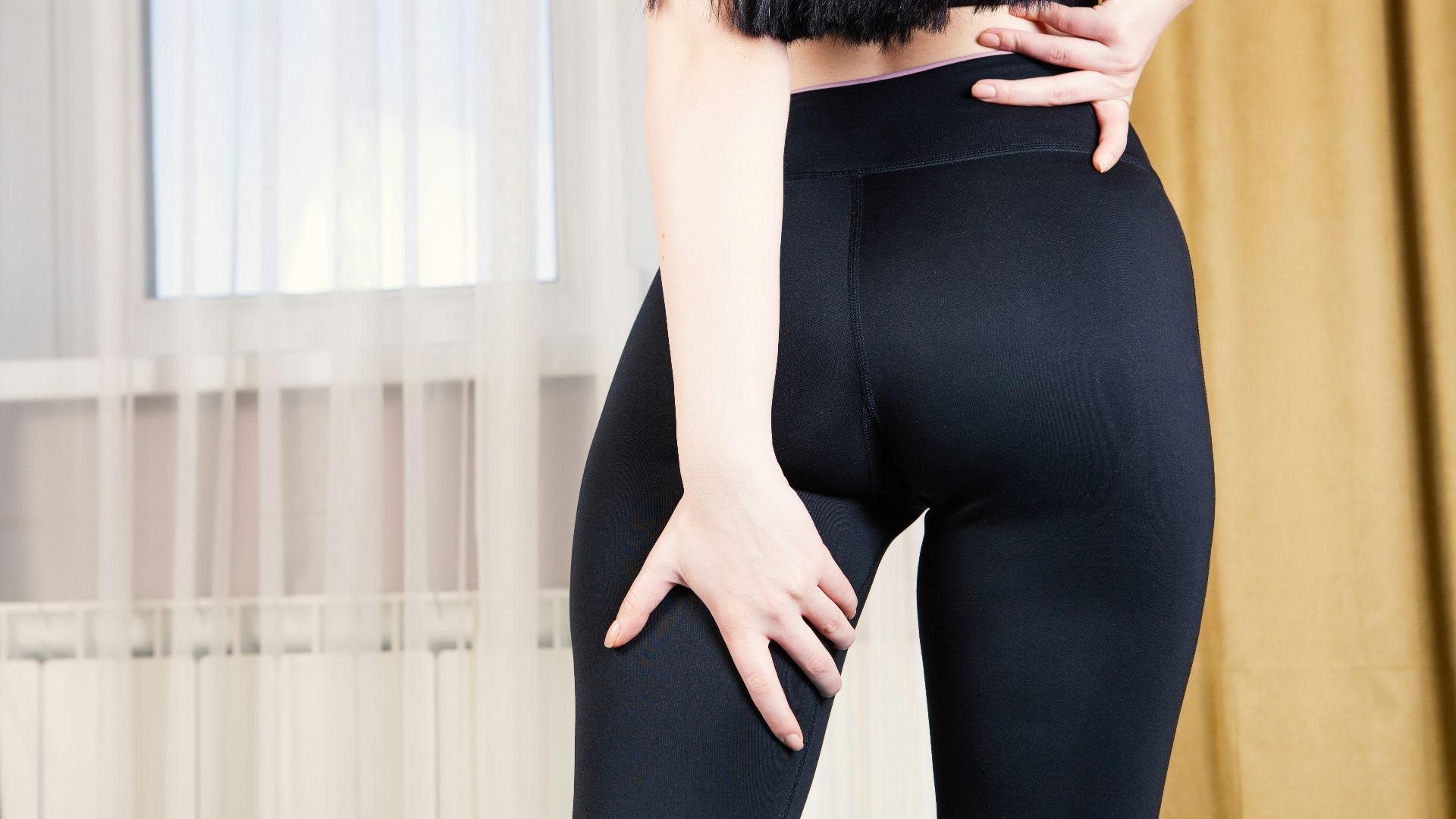
9. Poor Single-Leg Balance
Balancing on one leg to put on a sock used to be automatic, and then one day you're grabbing the wall without quite noticing you started doing that. Balance is one of the first things to slip with age and one of the last things anyone thinks to train on purpose.
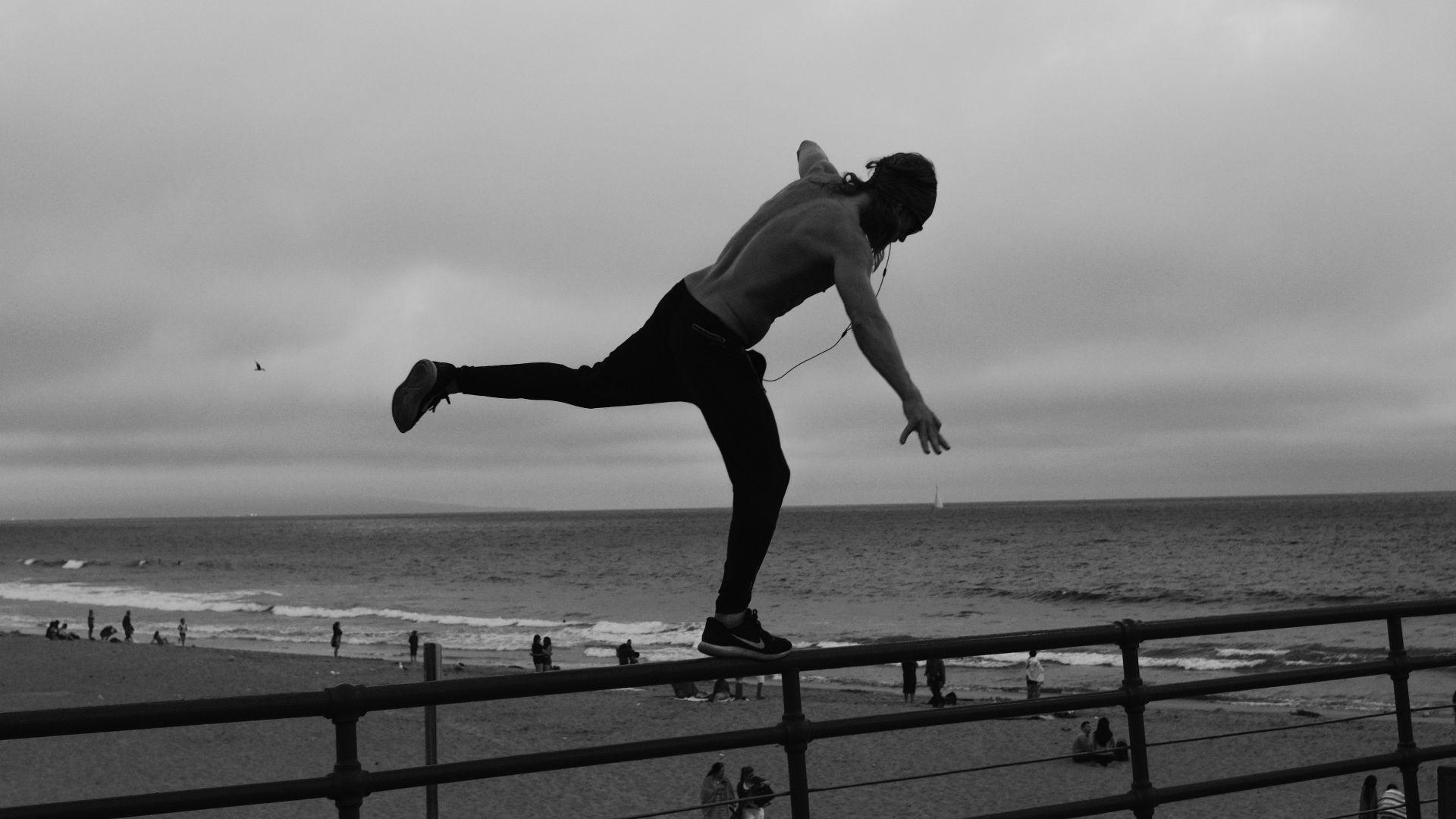
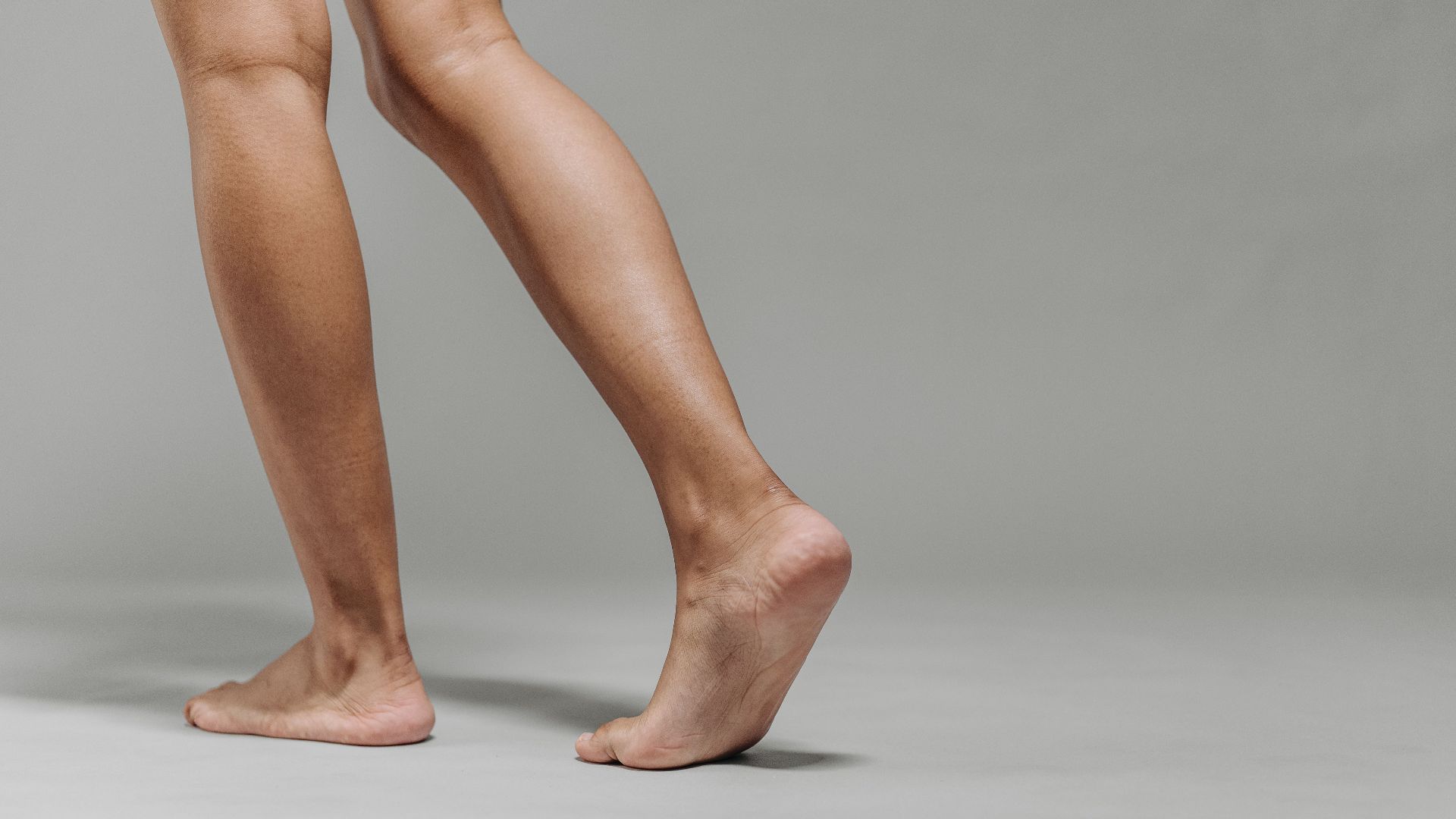
10. Tight Calves
Tight calves show up as heel pain in the morning, or resistance when you try to squat down with your heels flat on the floor. Runners notice it, but plenty of people who never run at all carry the same tightness from years in stiff shoes.
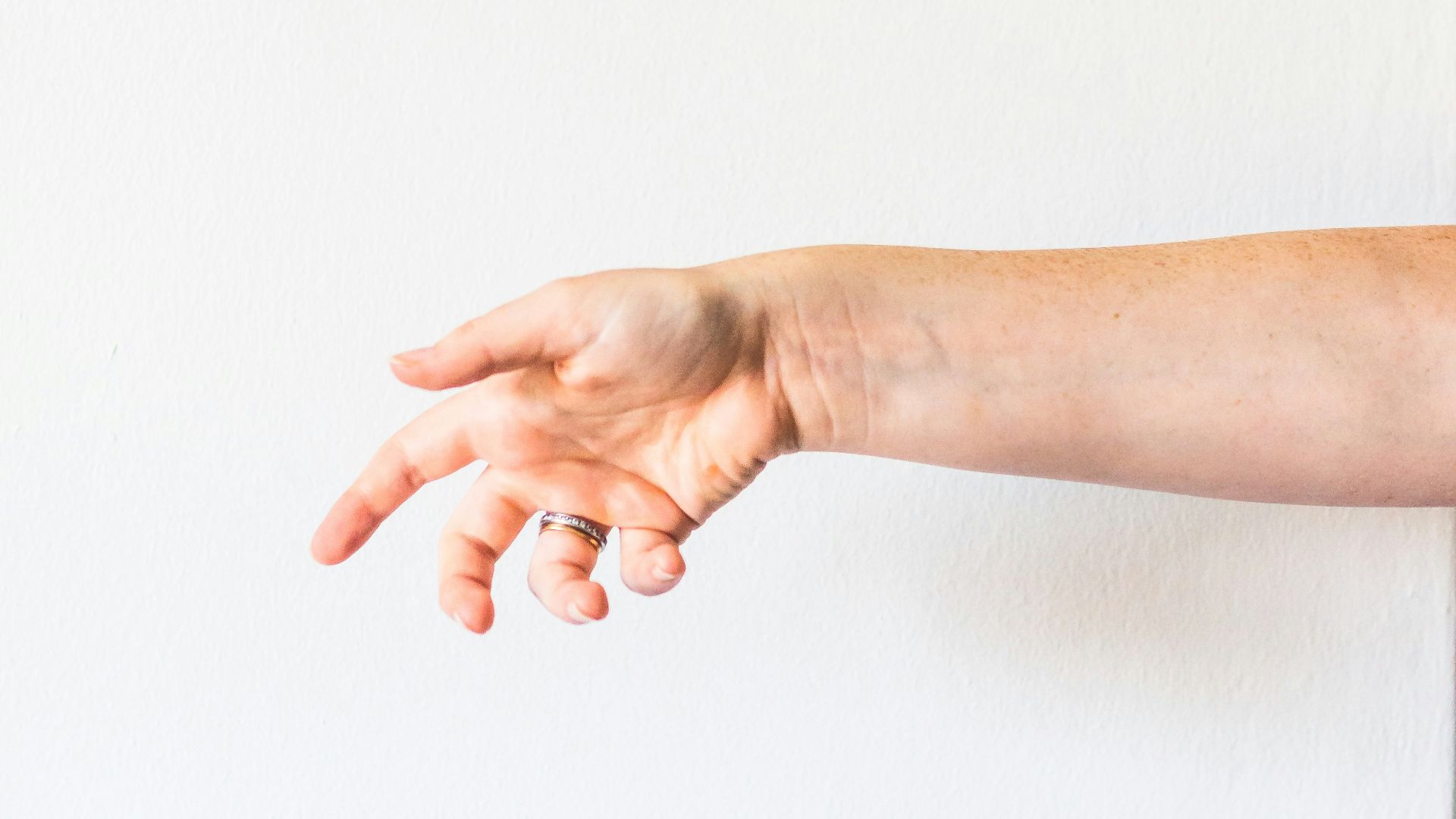
11. Limited Wrist Mobility
Years of typing leave wrists stiffer than most people realize, especially bending backward under any real weight. It rarely feels painful enough to address, right up until it's the one joint you needed to catch yourself during a fall.
12. Shallow Breathing
Most adults breathe from the top of the chest instead of the diaphragm, a habit that quietly limits how much oxygen gets into the blood with every breath. It's tied to stress and posture as much as anything physical, and almost nobody fixes it until a doctor points it out directly.
 Anastasiya Nekhaeva on Unsplash
13. Stiff Big Toe
The big toe needs real range to walk and push off normally, and stiffness there changes how the whole foot and leg absorb impact. Most people never think about it at all until a podiatrist points out that their gait has quietly compensated for years.
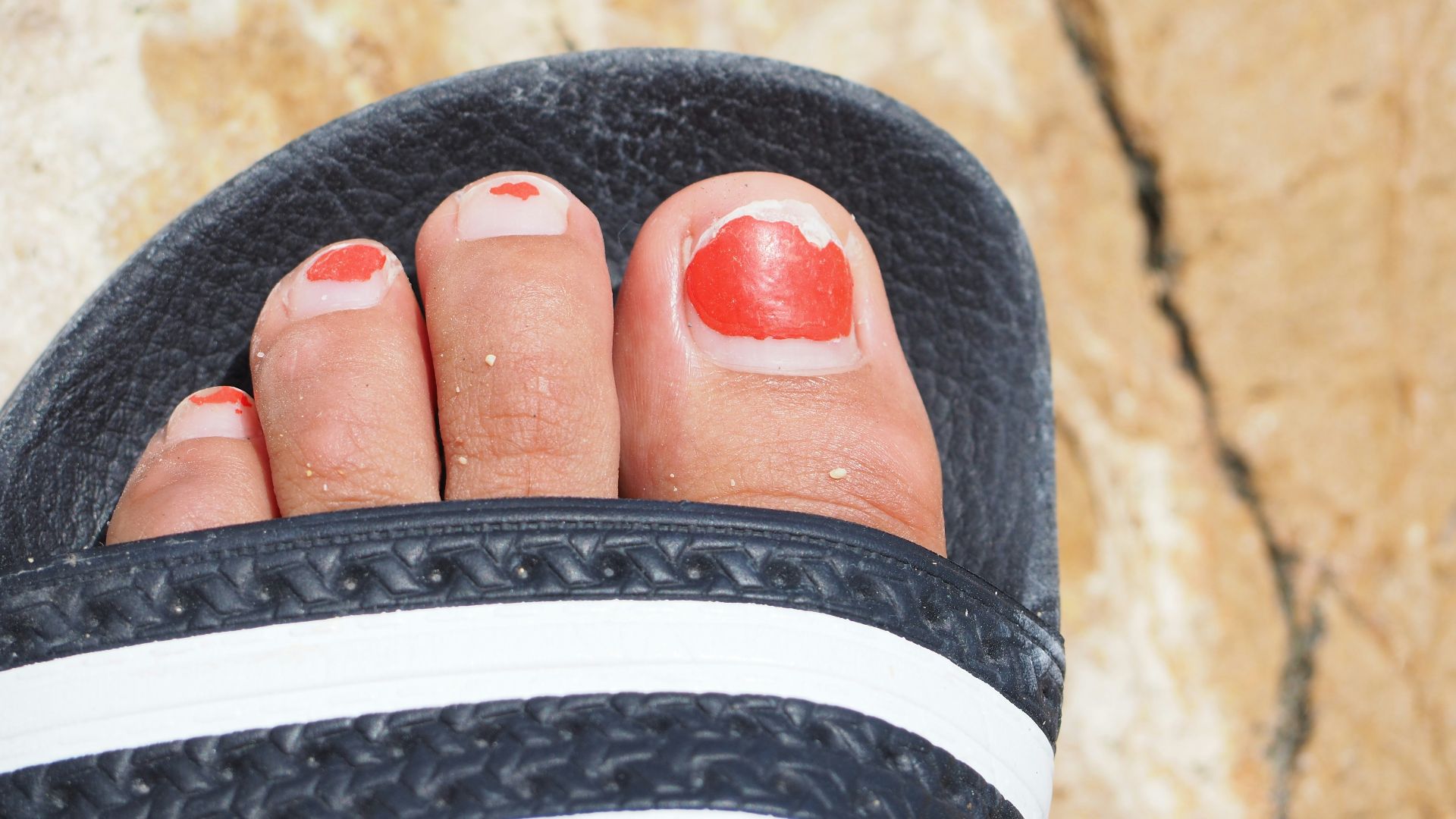
14. Uneven Gait
Everyone favors one side a little, but for some people that imbalance widens over the years into a limp they've simply stopped noticing. Shoes wear unevenly and one hip gets tighter than the other, but family members usually catch it before the person carrying it around ever does.

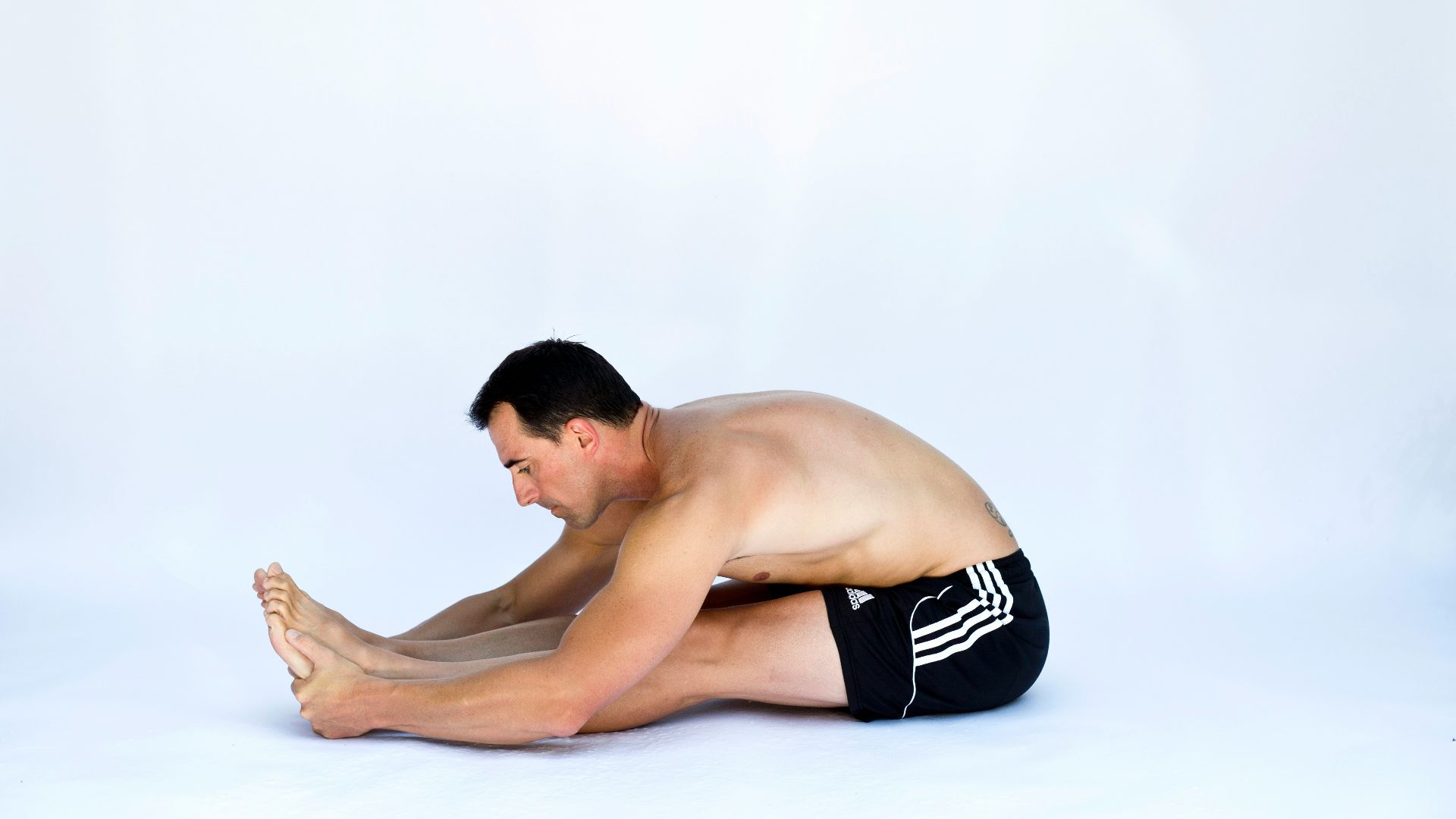
15. Tight Hamstrings
Tight hamstrings turn something as simple as tying a shoe into a small negotiation with your lower back. Sitting all day shortens them, and most people respond by rounding their spine to compensate instead of addressing the actual tightness.
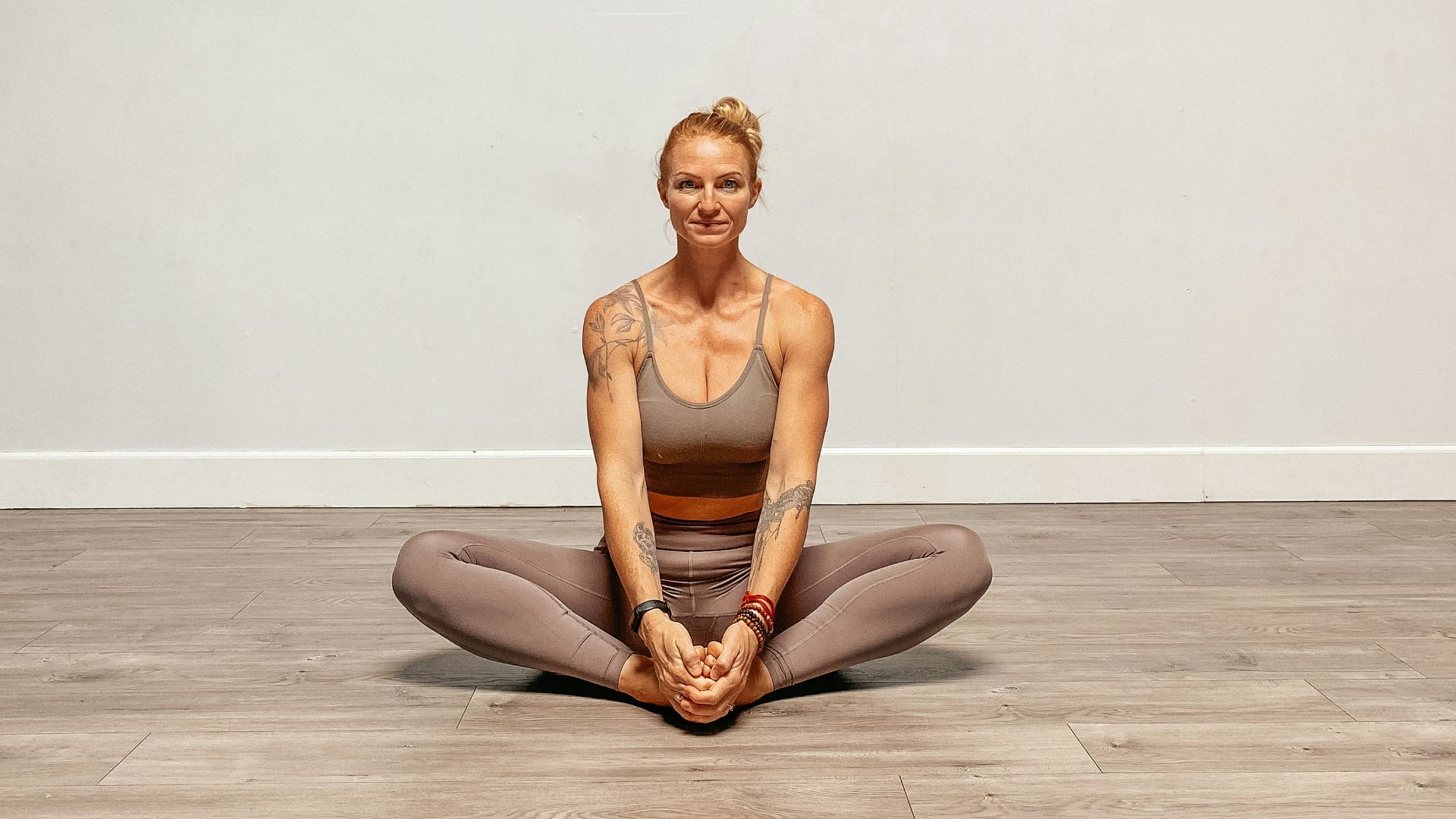
16. Tight Adductors
Stepping sideways into a car, or spreading your legs to grab something off the floor, gets harder as the muscles along your inner thigh quietly stiffen from years of walking in a straight line and nothing else. Nobody notices until a yoga class or a wide stance asks for range that simply isn't there anymore.
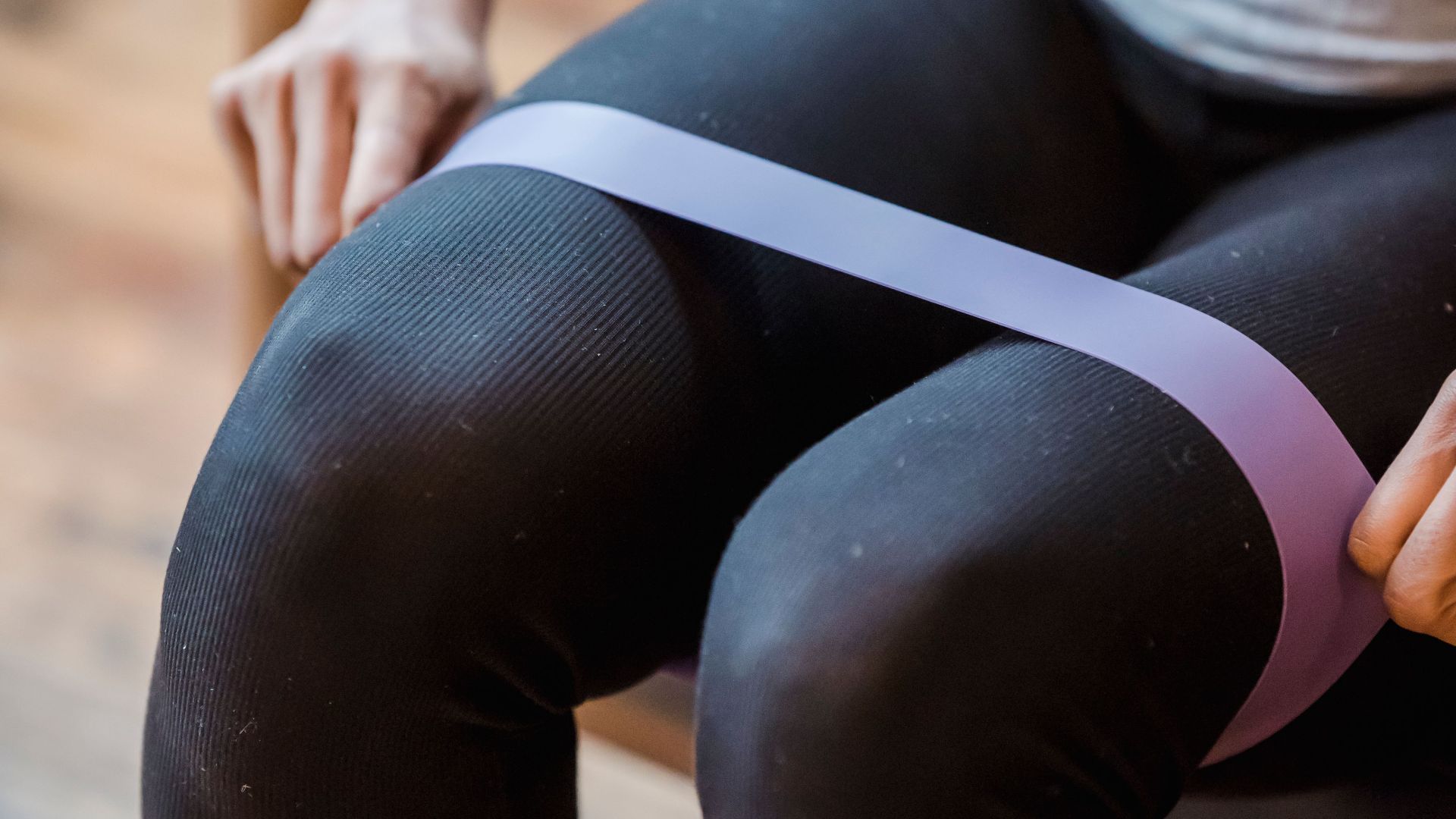
17. Tight IT Band
Descending a long flight of stairs can turn into a strange ache along the outside of the knee, one most people blame on the joint itself rather than the band of tissue running the length of the thigh. It tightens quietly with sedentary hours, and it usually takes a running injury before anyone traces the pain back to where it's actually coming from.
18. Poor Overhead Reach
Reaching straight overhead with your arm next to your ear reveals a lot about shoulder health, and plenty of adults can't do it without arching their lower back to compensate. Most people never test this on purpose; they just quietly stop reaching for the top shelf.

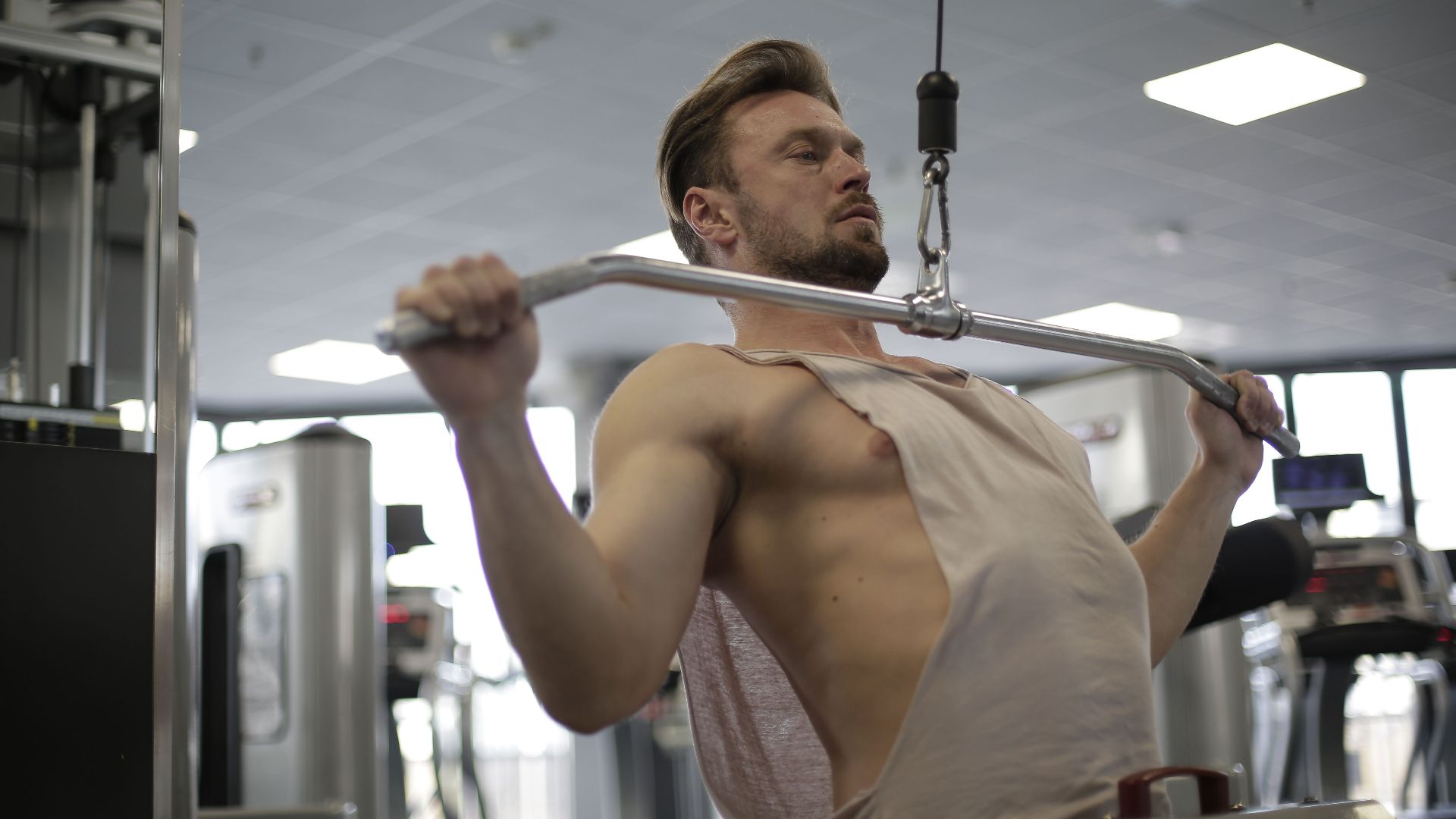
19. Tight Lats
Tight lats limit overhead reach in a way that gets blamed on the shoulder almost every time, when the real restriction runs down the side of the back. It's the kind of tightness that hides in plain sight because it never quite crosses into pain.
20. Weak Core
A weak core rarely feels like weakness directly; it shows up as back strain when you sneeze wrong, or a wobble getting out of a low chair that wasn't there a few years ago. It's often the last thing anyone suspects, mostly because it doesn't announce itself the way a sore muscle does.

KEEP ON READING