
20 Unconscious Decisions Your Nervous System Makes for You Before You Even Realize It
What Your Body Does On Autopilot
You might like to think you're the absolute ruler of your daily life, but your nervous system is constantly running a massive, silent operation behind the scenes. Long before your conscious mind even registers a change in your environment, your brain stem, spinal cord, and autonomic pathways have already made a dozen micro-decisions to keep you safe, balanced, and alive. It is a brilliant, hyper-vigilant autopilot that handles the messy logistics of survival so you can focus on more important things, like what to eat for dinner.

1. Ducking a Flying Object
Your brain doesn't wait for you to process what's happening when a rogue Frisbee comes flying toward your head. Visual information skips your conscious thought centers and sends an emergency signal right to your motor neurons, forcing you to duck or cover. By the time you consciously realize what occurred, you'll feel a flood of adrenaline rush through you.

2. Shifting Your Weight While Standing
Remaining upright isn't as passive as it feels. In fact, your brain stem is continuously making minute adjustments just to keep you that way. Your nervous system analyzes information from your inner ears and feet to keep tabs on your center of gravity.
3. Dilating Your Pupils in the Dark
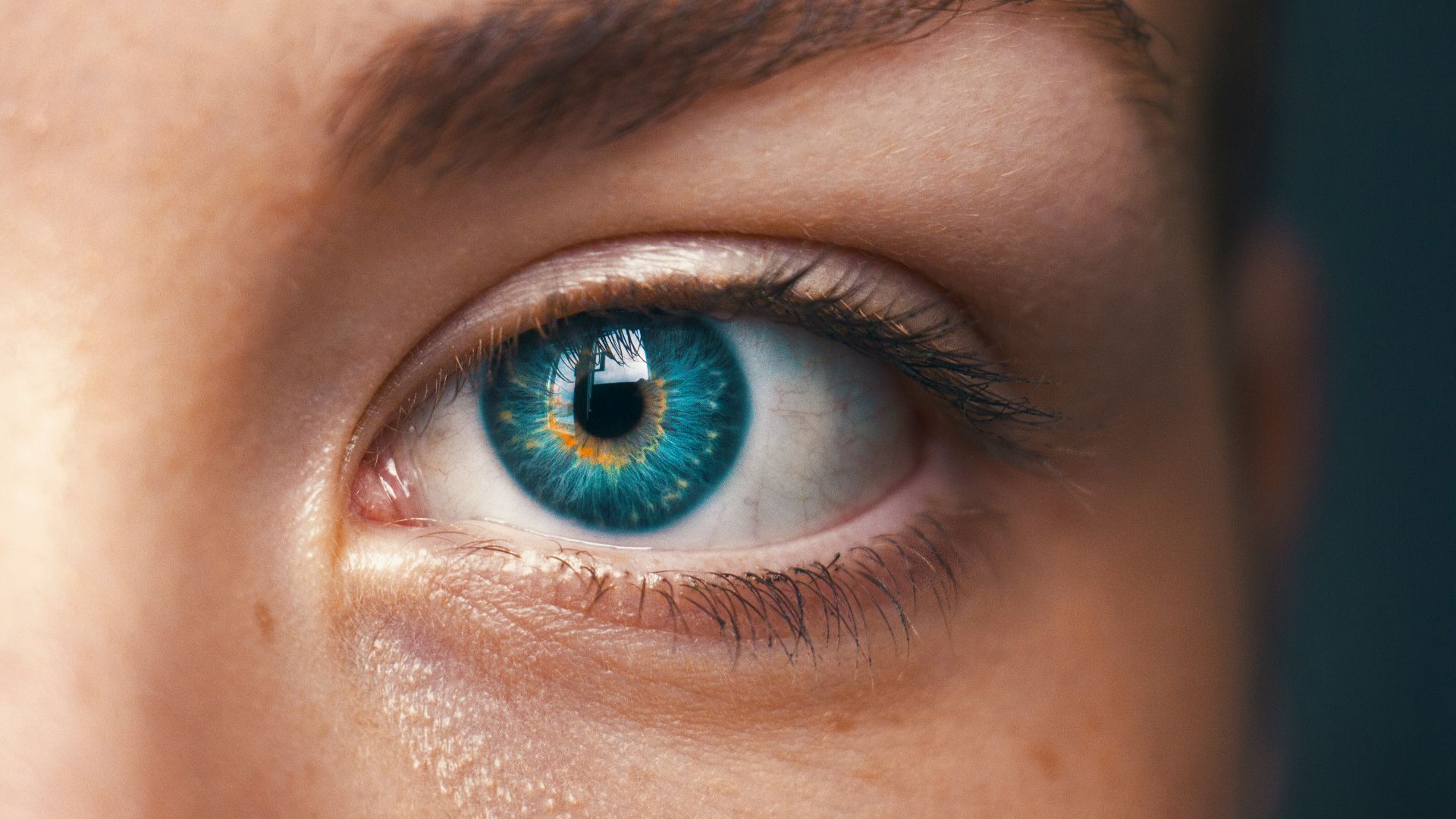
Whenever you step into a room with poor lighting, your pupils instantly receive orders to widen. Your autonomic nervous system detects the lack of light all on its own and forces your pupils to expand, allowing more visual information to reach your eyes.

4. Pulling Your Hand Off a Hot Stove
If you accidentally reach for a hot pan, your brain doesn't have time to process what's happening before you jerk your hand away. Thanks to a marvelous shortcut known as a reflex arc, your spinal cord handles this emergency on its own. Your muscles receive the signal to contract before the pain even makes it to your brain.
5. Adjusting Your Digestion Speed
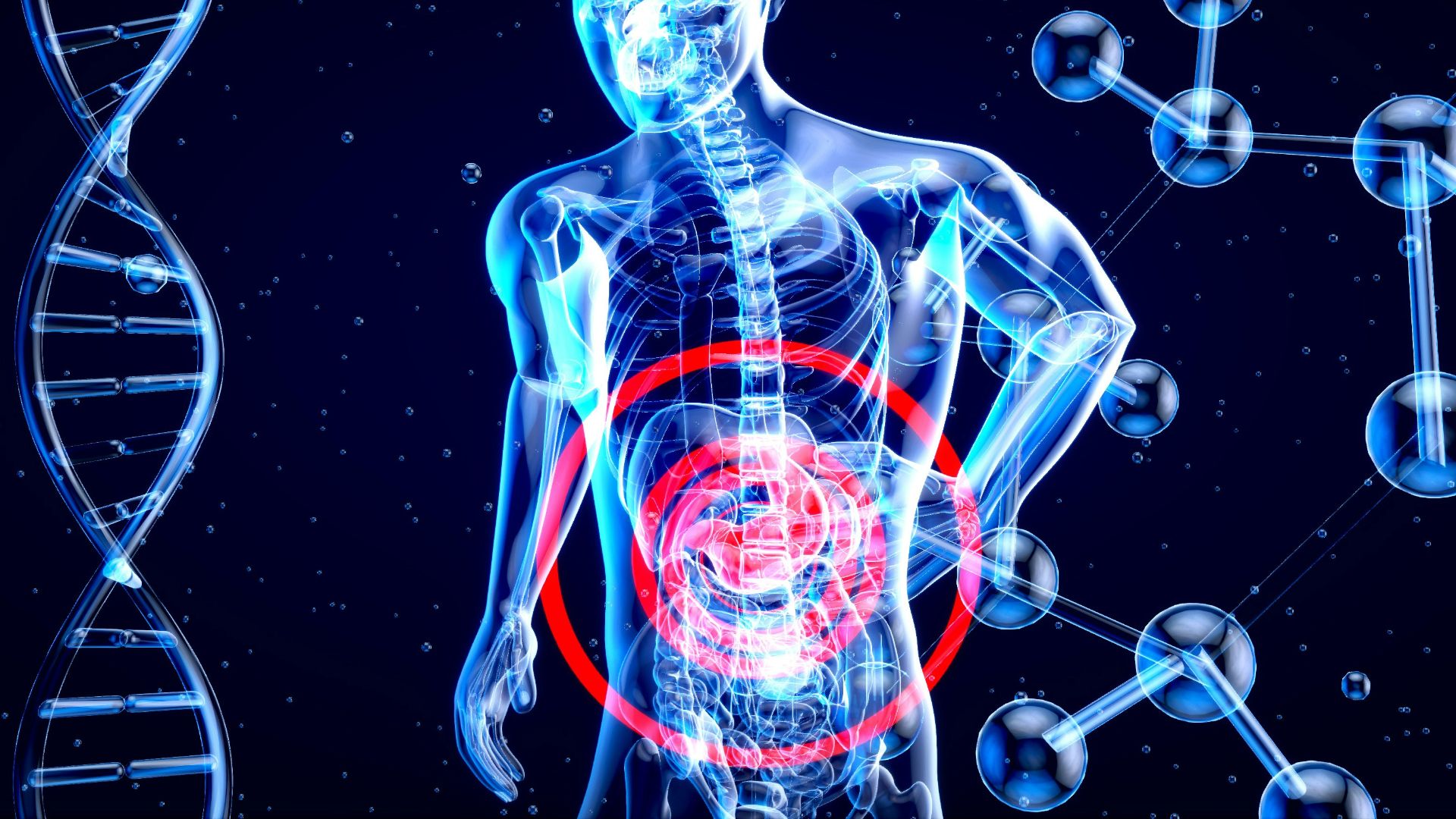
Whenever you face a perceived threat, your sympathetic nervous system automatically chooses to delay digestion. It shunts blood away from your stomach and toward your larger muscle groups just in case you need to fight or flee. After the danger has passed, your parasympathetic branch smoothly kicks back in.
6. Synchronizing Your Blinking Rate
Your eyes need consistent lubrication to work properly, but you don't have to consciously remind yourself to blink all the time. Your brain quietly monitors your corneas' dryness level and forces you to blink at consistent intervals every day. This necessary upkeep speeds up when you're walking through a blustery area or by a dusty fan.

7. Pumping Up Your Heart Rate When You Stand
The simple act of rolling out of bed requires a sudden, massive shift in how your blood is distributed across your body. To prevent gravity from pulling all your blood down into your legs and causing you to faint, specialized sensors in your arteries instantly tell your heart to beat faster.
8. Clearing Your Airways With a Cough
Whenever a stray particle of dust or a sip of water goes down the wrong pipe, your respiratory center immediately springs into action. It coordinates a sudden, violent contraction of your thoracic muscles to blast the foreign invader out of your throat. You don't have to plan the mechanics of this rescue mission.

9. Varying the Depth of Your Breath
Your body keeps tabs on the exact levels of carbon dioxide floating around in your bloodstream every single second. If those levels start to creep up because you're exercising or holding your breath, your brain stem automatically forces your diaphragm to drop lower and take deeper gulps of air.

10. Shivering to Generate Emergency Heat
If you drop below your ideal core temperature, your body summons a quick-fix warming system deep in your brain. Your hypothalamus sends frantic signals to your skeletal muscles, commanding them to shake rapidly. Your muscles don't know why they're trembling; they just do it because they're told to.

11. Constricting Blood Vessels in the Cold
Cold weather causes your nervous system to prioritize your vital organs over your extremities. It instantly constricts the blood vessels near your skin's surface to conserve heat where it counts: around your vital organs. Your hands and feet are the first parts of your body to lose feeling.

12. Dropping Your Blood Pressure After a Scare
Once an adrenaline dump has run its course, your body must work to counteract its violent reactions. Your parasympathetic nervous system kindly calms things back down, slowing your heart rate and dilating your blood vessels.

13. Tracking Moving Objects With Your Eyes
Smooth pursuit is what your brain calls the complicated process of locking your eyes onto a moving target. Whether you're tracking a speeding automobile or a squirrel darting through the grass, your visual cortex determines just how fast your target is traveling.
14. Swinging Your Arms While Walking
You might notice that your arms naturally pump back and forth in opposition to your legs whenever you take a stroll down the street. This effortless motion isn't just a stylistic choice; your nervous system commands it to minimize the energy required to move forward.

15. Sweating to Cool Things Down
When your internal thermostat registers that you are overheating from a workout, it immediately activates millions of tiny eccrine glands across your skin. The resulting layer of moisture is designed to evaporate into the air, pulling excess heat away from your body in the process. Your nervous system manages this entire cooling operation completely behind the scenes.

16. Swallowing Safely
The moment your tongue pushes a bite of food toward the back of your mouth, a complex series of involuntary muscle movements takes over. Your nervous system instantly lifts your soft palate to block your nose and closes your epiglottis to seal off your windpipe. This quick coordination guarantees that your dinner travels safely.

17. Matching Your Footsteps to Uneven Ground
Once you stumble onto an unpaved path or sidewalk, your lower motor neurons are forced to make quick decisions. Nerves in your ankles sense that you're tilting too far one way or another and send an instant signal to your tendons to contract, keeping them from spraining.
 Christopher Sardegna on Unsplash
18. Salivating at the Sight of Food
Just catching a whiff of baking bread or looking at a picture of a juicy burger can cause your mouth to water instantly. Your brain automatically associates these sensory cues with nutrition and signals your salivary glands to start producing digestive enzymes early. This preemptive wetness ensures that your mouth is fully prepared to break down food before you even take your first bite.

19. Startling at Loud Noises
A sudden, booming sound will make you jump and tense your shoulders before you even figure out what actually made the noise. This primitive acoustic startle reflex is wired directly through your brain stem to protect the vulnerable back of your neck from potential predators. It is an ancient survival trick that favors reacting instantly over analyzing the situation first.

20. Yawning to Reset Brain Pressure
While scientists still debate the exact reasons behind a massive yawn, your brain stem definitely decides to trigger them without asking your permission first. This deep, involuntary inhalation stretches the muscles of your jaw and increases blood flow to your skull, which helps cool down your gray matter. It acts as a quick system reboot to boost your alertness whenever your energy levels begin to sag.