Bone-Friendly Choices on Every Plate
After 50, maintaining strong bones is increasingly important. The sad reality is that bone density naturally declines with age, and there’s a particularly sharp decline following menopause. Calcium and vitamin D deserve plenty of attention, sure, but protein, magnesium, potassium, and vitamin K also contribute to bone health. It’s a lot to keep up with, but fortunately, you can find those much-needed nutrients in these 20 familiar foods.

1. Milk
Turns out, your parents were right about this one. A cup of milk provides calcium, protein, phosphorus, and, when fortified, vitamin D. Not only that, but you can also get it in any number of ways: drink it with a meal, pour it over oatmeal, or blend it into a smoothie. Best of all, reduced-fat and lactose-free options generally offer the same nutrients as regular milk.

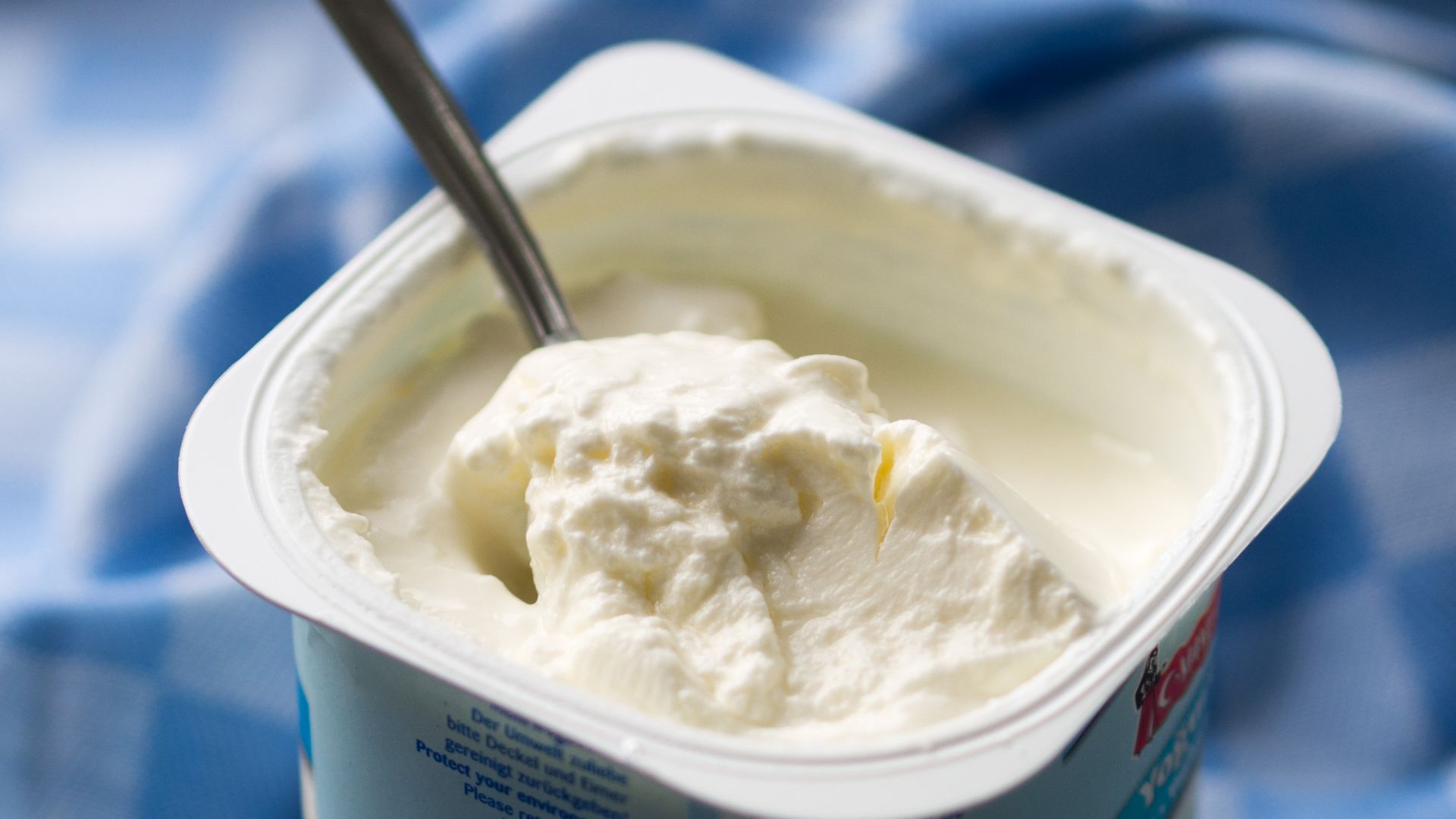
2. Plain Greek Yogurt
It’s an acquired taste, but Greek yogurt makes it easier to add both calcium and protein to your day. To try and hide that tangy flavor, try topping it with sliced fruit, walnuts, or a small spoonful of honey instead of buying one loaded with added sugar. Its thick texture also works well as a replacement for sour cream in baked potatoes and tacos, so you can also get creative.
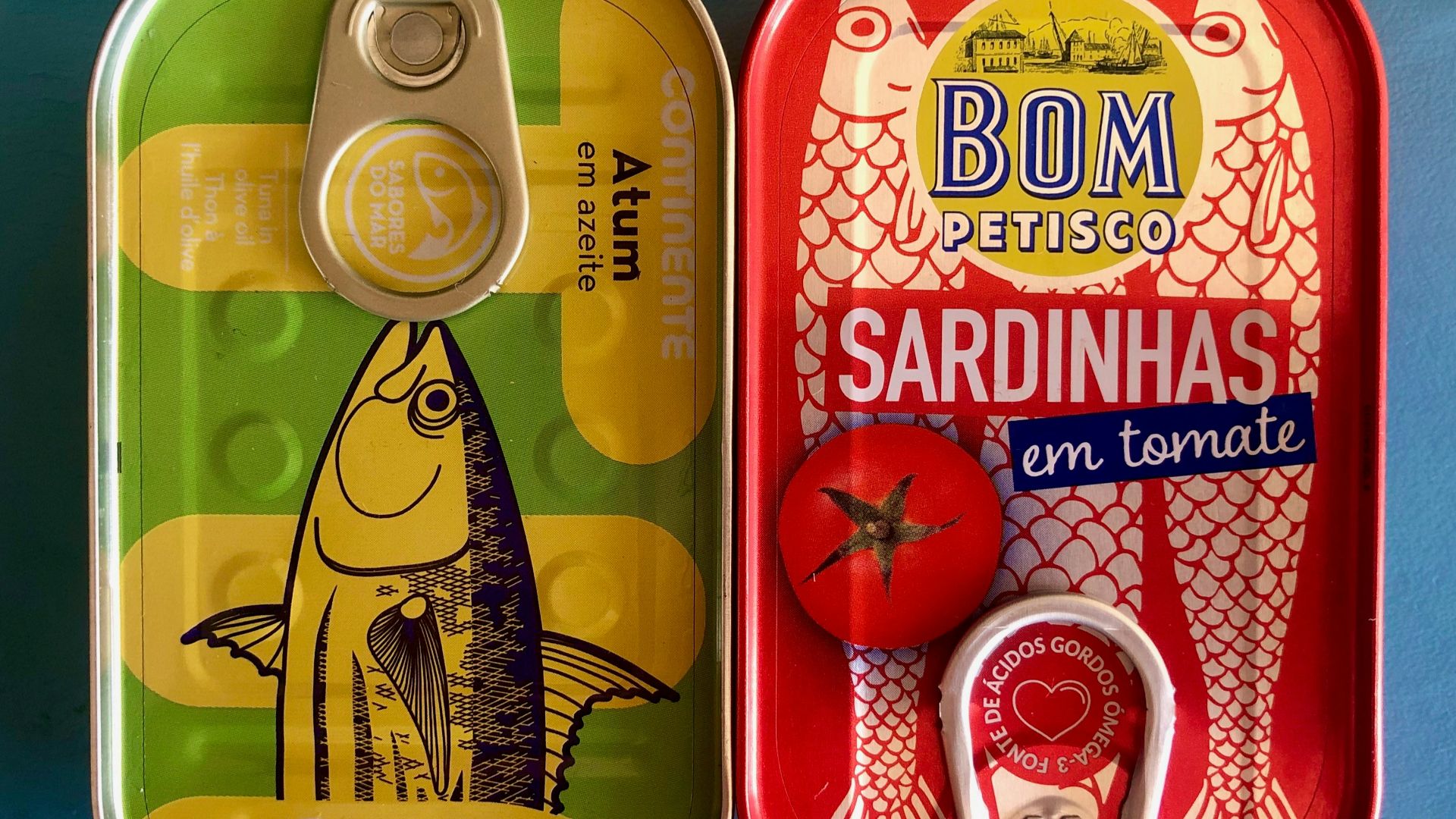
3. Sardines
We know what you’re thinking, but sardine bones aren’t as bad as they sound! They’re soft and edible, often found in canned varieties. Sardines also contain protein and vitamin D, giving you several nutrients associated with healthy bones in one serving.
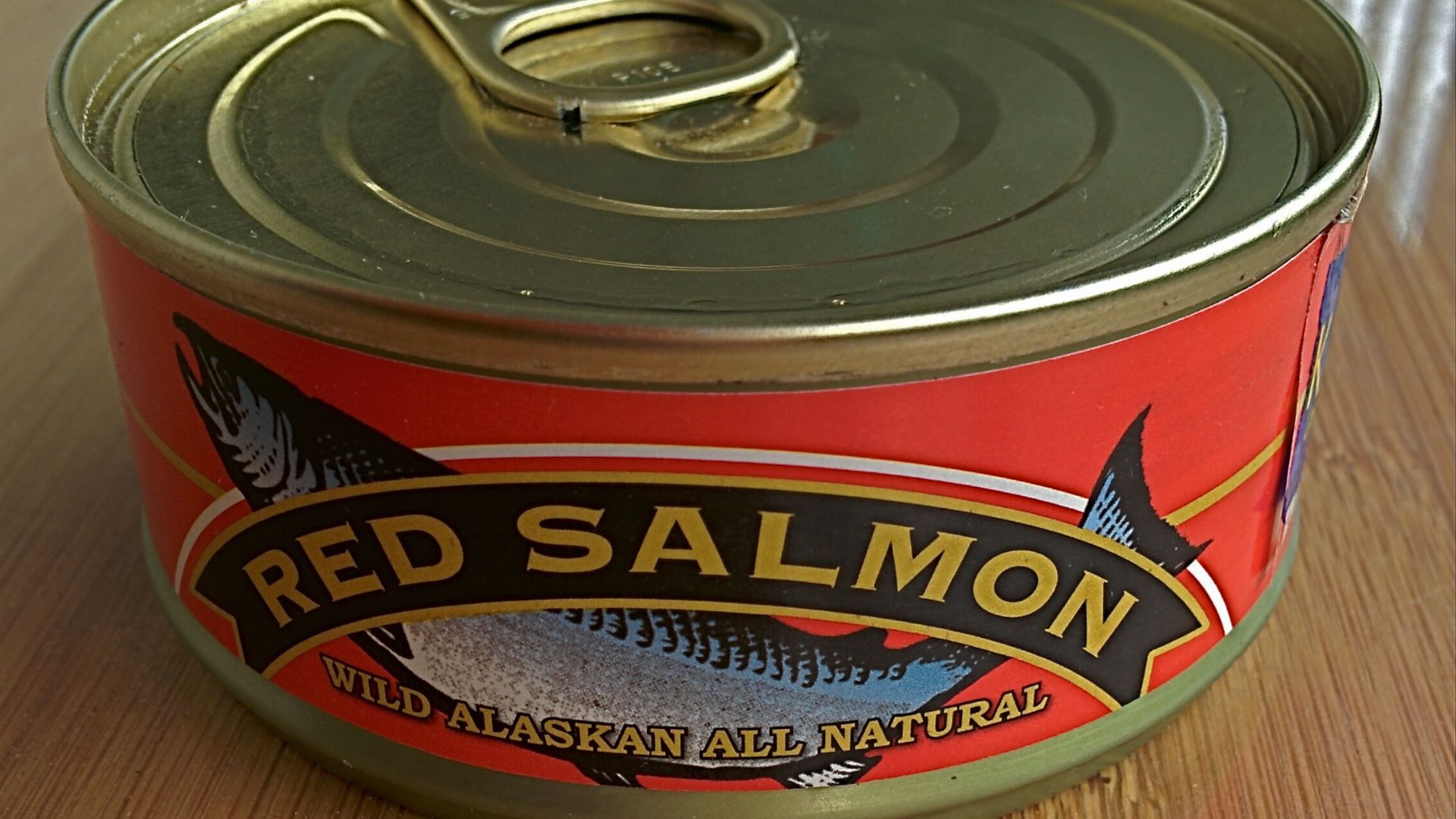
4. Canned Salmon With Bones
Don’t discard the tiny bones found in canned salmon, either—they, too, are soft enough to eat and contain valuable calcium as well! Salmon also provides protein and vitamin D, which makes it a practical choice when fresh fish isn’t always available.
5. Kefir
Kefir is a fermented milk drink that supplies calcium, protein, phosphorus, and often vitamin D. While it does boast a noticeable tangy flavor, don’t count it out—it works particularly well in smoothies, overnight oats, and homemade salad dressings. You should also aim to choose a plain version when possible; flavored ones have a surprising amount of added sugar.
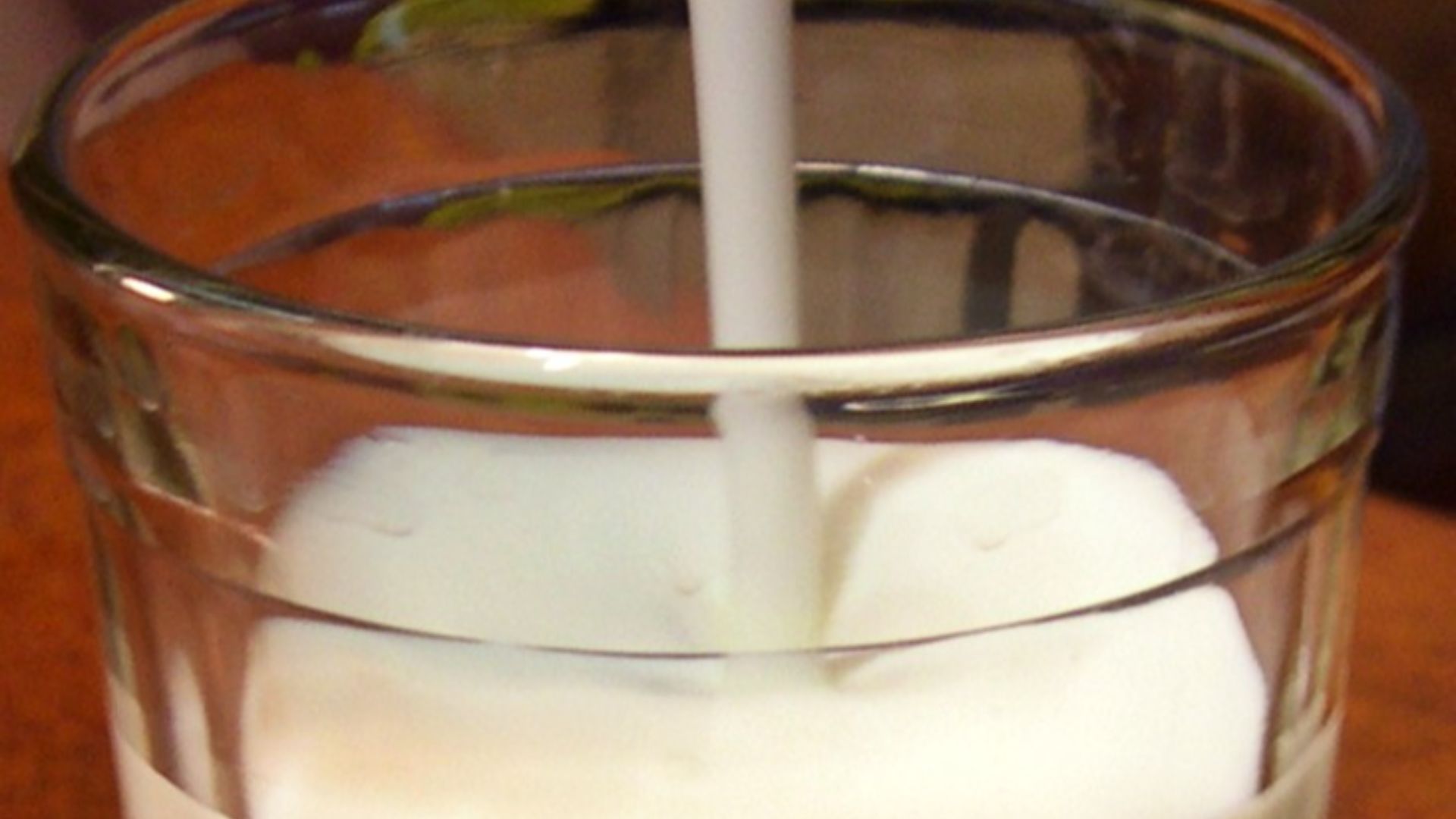 Quijote at Russian Wikipedia on Wikimedia
6. Cottage Cheese
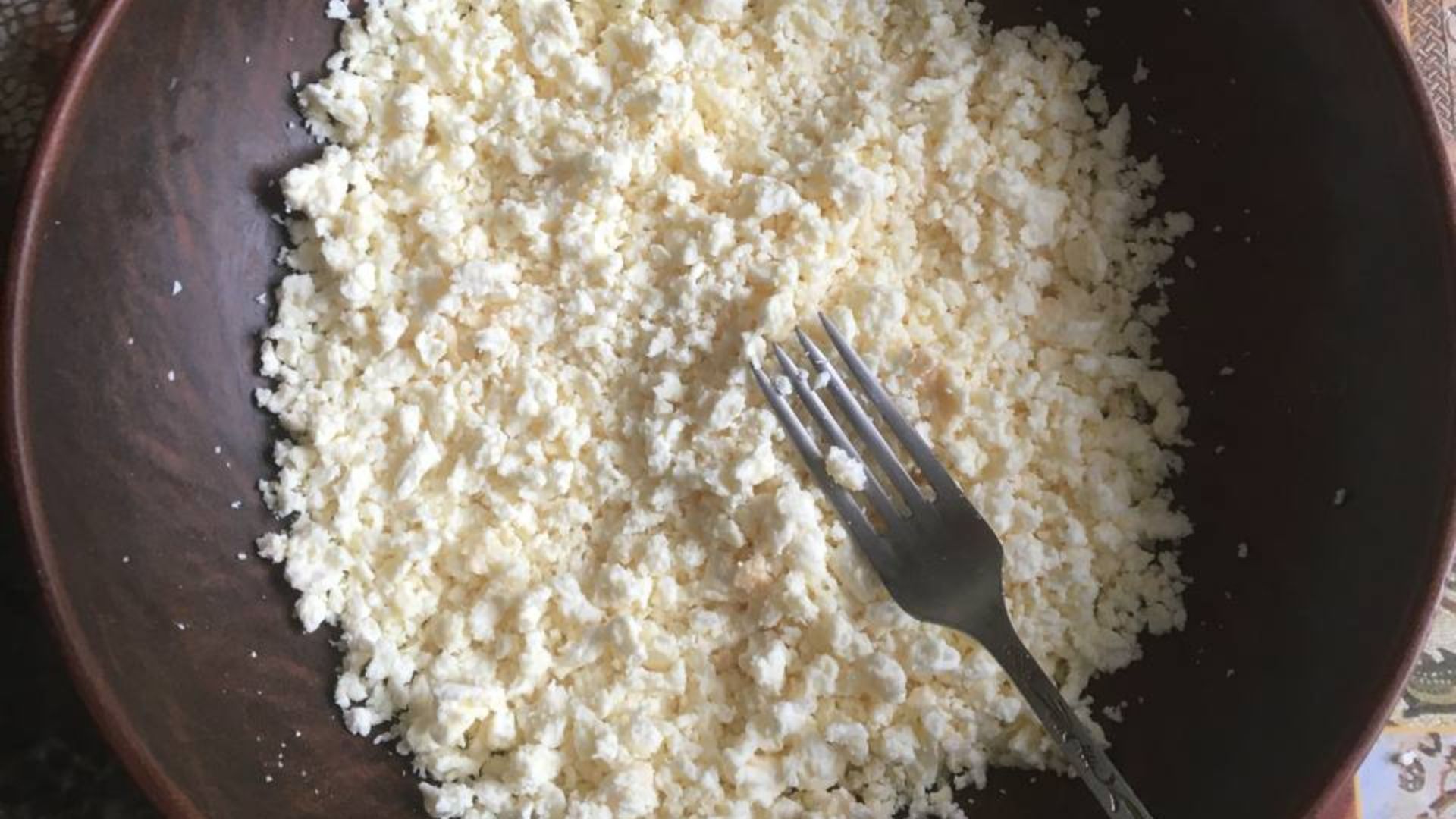
A bowl of cottage cheese really isn’t for everyone, but much like plain Greek yogurt, you can add to it for an easier flavor. You might want to try it, too, since it provides plenty of protein along with calcium and phosphorus. Pair it with berries for breakfast, spoon it onto whole-grain toast, or mix it with chopped cucumber and herbs.
7. Rainbow Trout
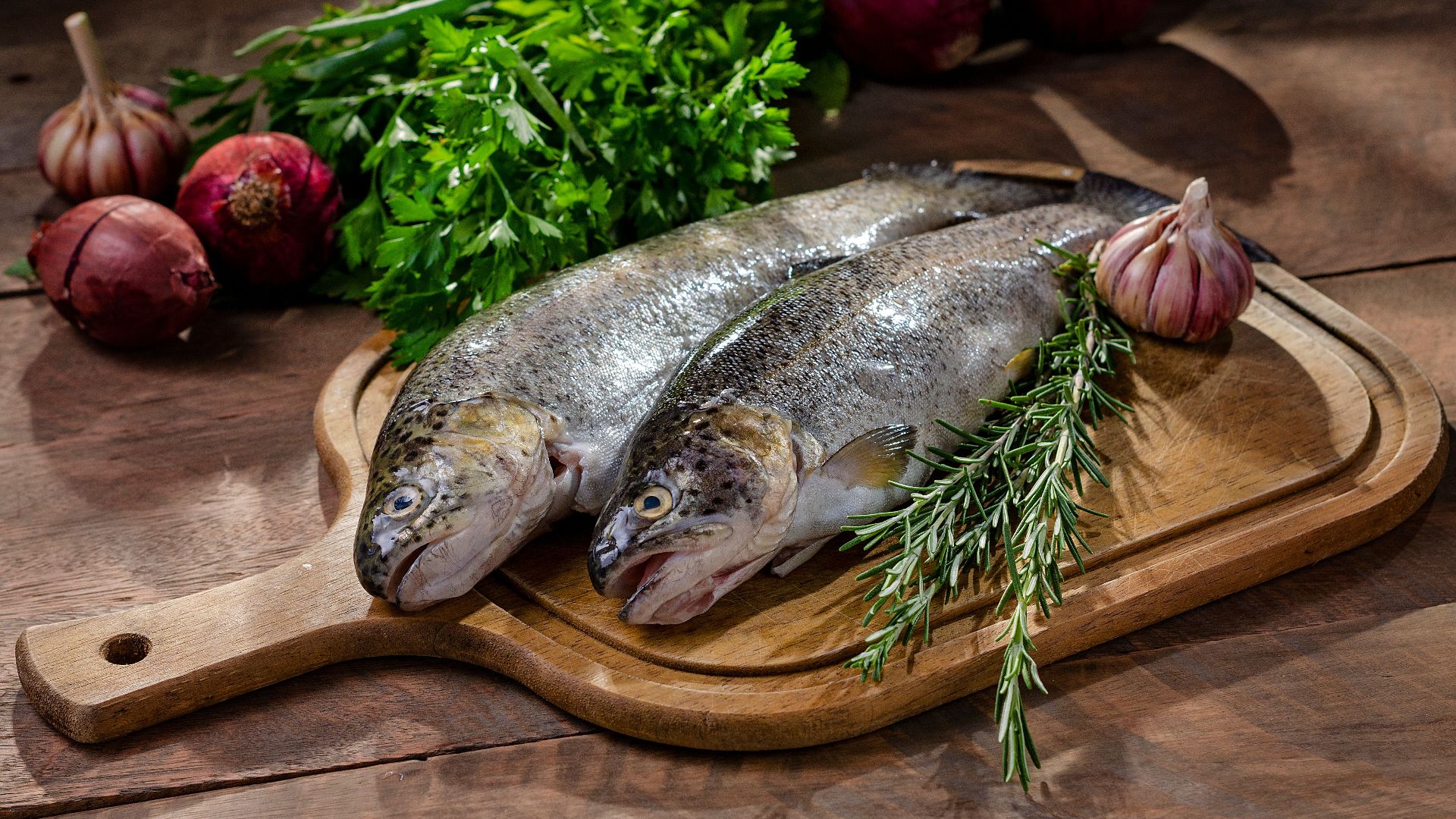
Rainbow trout gives you tons of vitamin D and high-quality protein in a low-calorie meal that isn’t overly heavy. It also has plenty of phosphorus, a mineral that forms an important part of bone tissue alongside calcium. It makes an easy dinner when you bake a fillet with lemon and herbs, too, so there isn’t much work involved for such a beneficial dish.
8. Kale
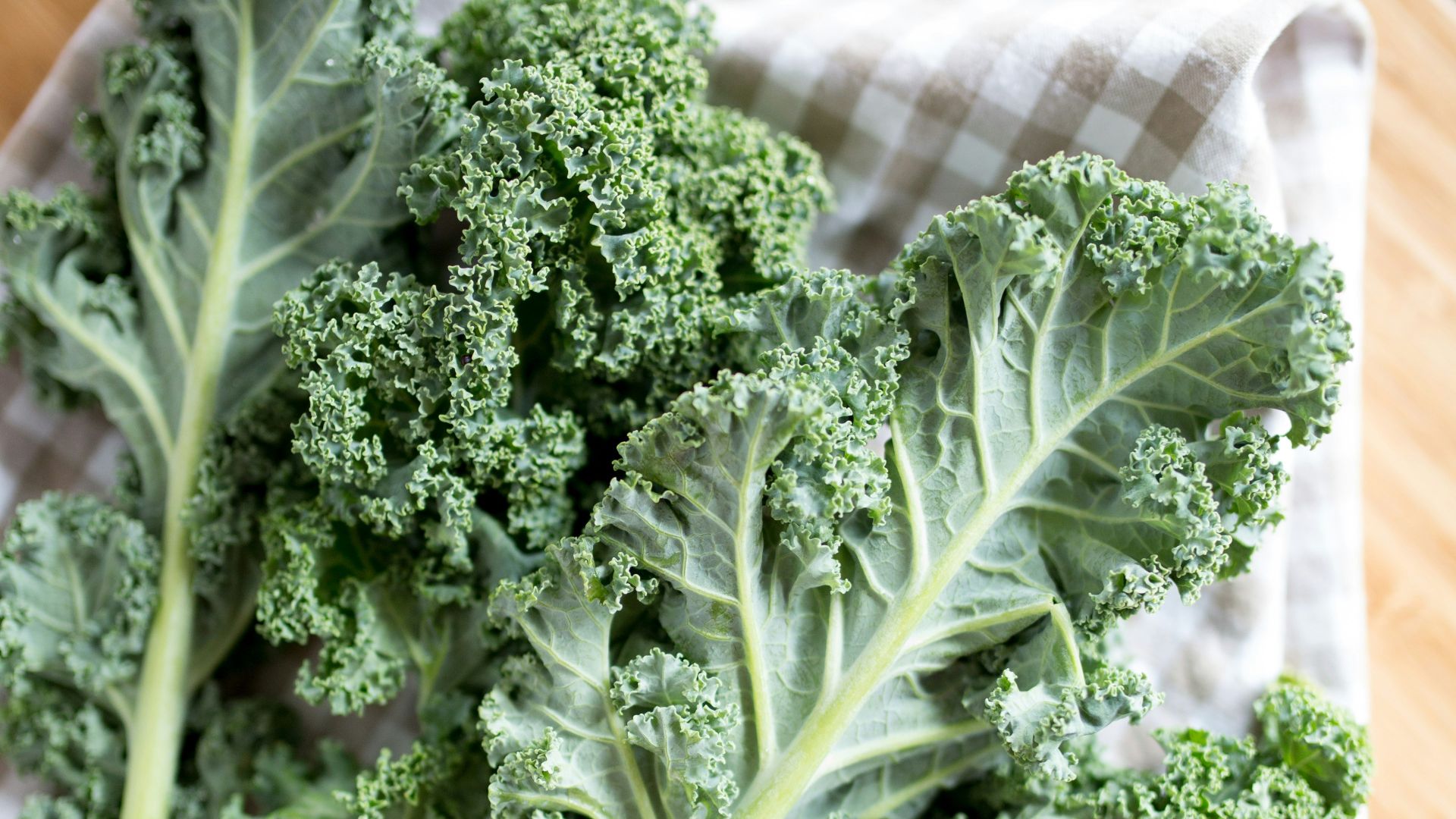
Kale gets a bad rap, but it really is one of the best things for you! Along with calcium, kale supplies vitamin K, a nutrient involved in normal bone metabolism. Try massaging raw kale with olive oil and lemon juice to soften its texture and make it easier on your tongue. You can also stir chopped leaves into soups, scrambled eggs, or pasta.
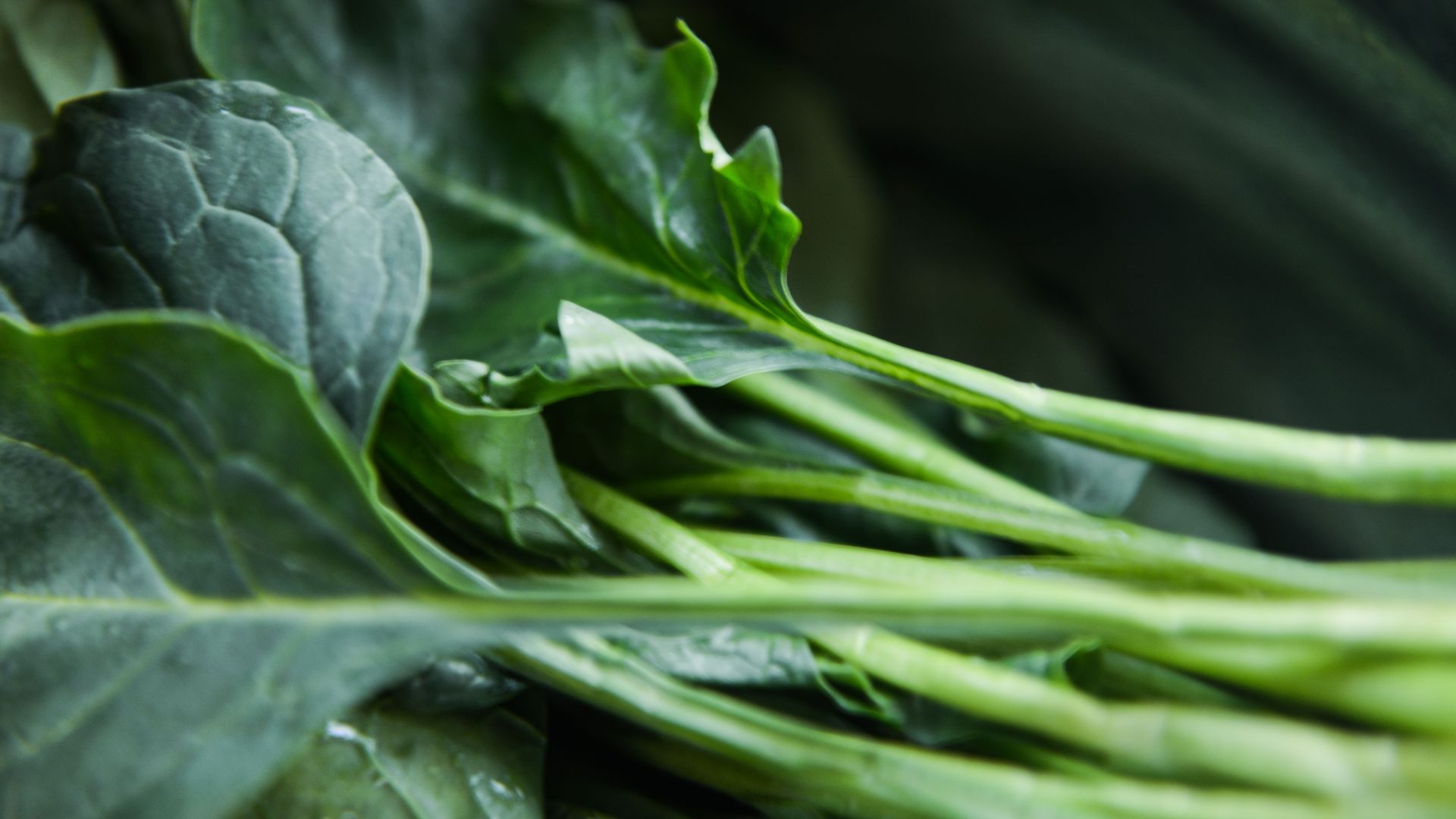
9. Collard Greens
Believe it or not, one serving of cooked collard greens adds a meaningful amount of calcium and vitamin K to your plate. Instead of simmering them with tons of salty meat, just season the greens with onions, smoked paprika, or a splash of vinegar. They’re also sturdy enough to use as wraps!
10. Brussels Sprouts
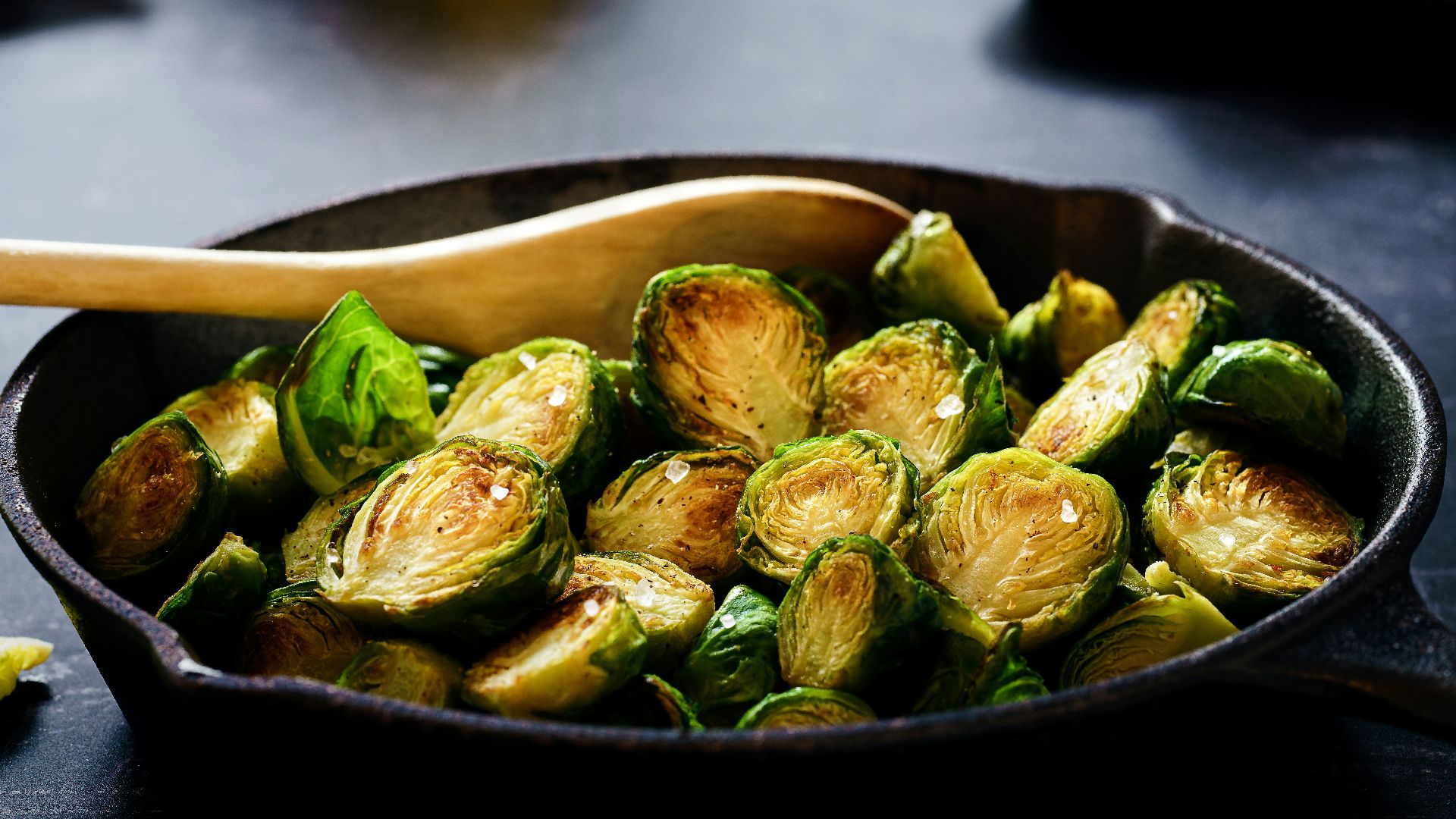
Brussels sprouts are rich in vitamin K and also contain some vitamin C, both of which the body needs to produce collagen. That collagen helps form the structural framework upon which bone minerals are deposited. Long story short, these little guys are good for you!
 Sebastian Coman Photography on Unsplash
11. Eggs
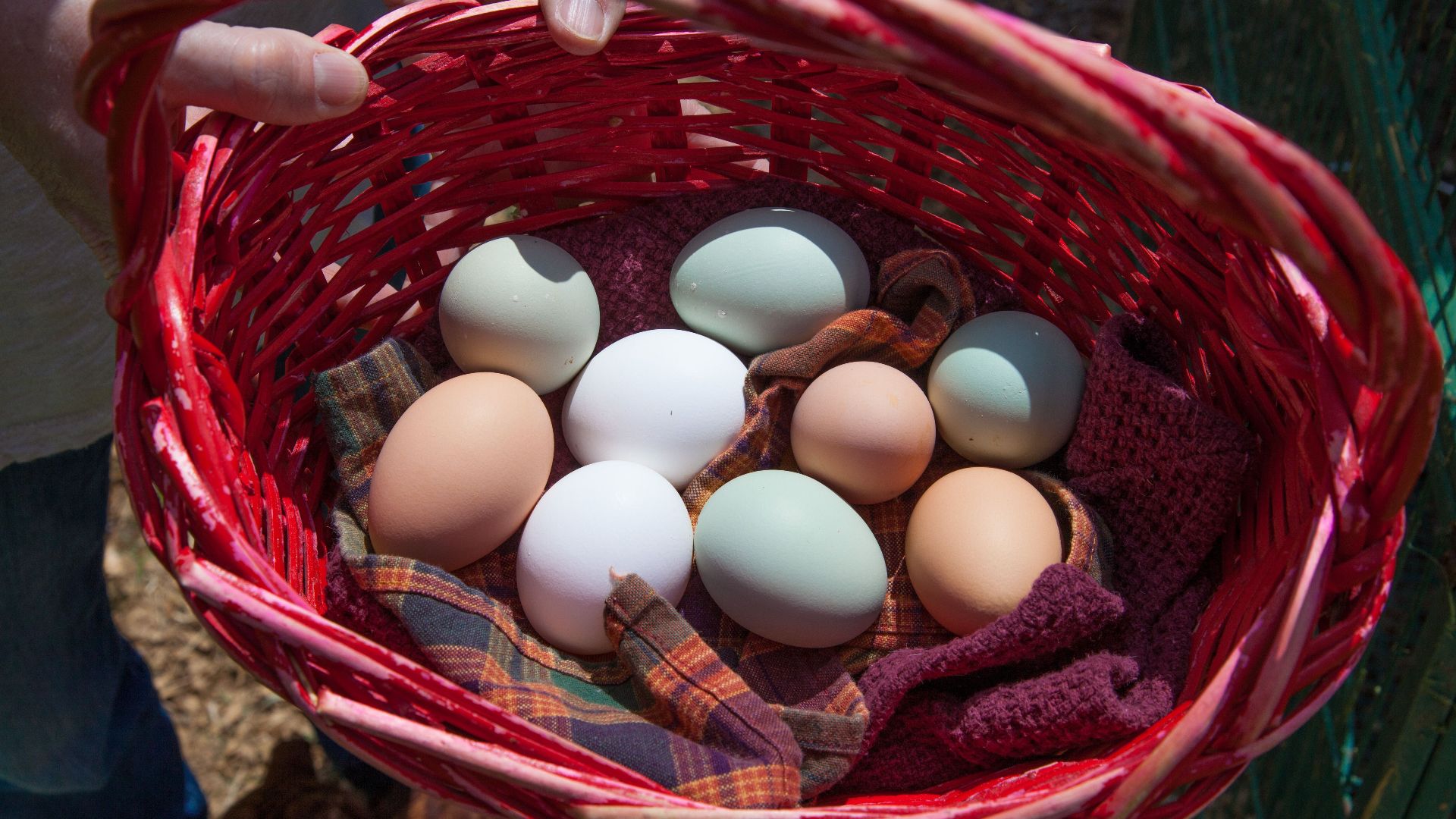
Egg yolks already contain a modest amount of vitamin D, but the whole thing provides complete protein. That matters after 50; maintaining muscle can improve balance and provide better support around the bones and joints. You can easily build a quick meal by scrambling eggs and topping them with other fortified ingredients.
12. Lean Beef
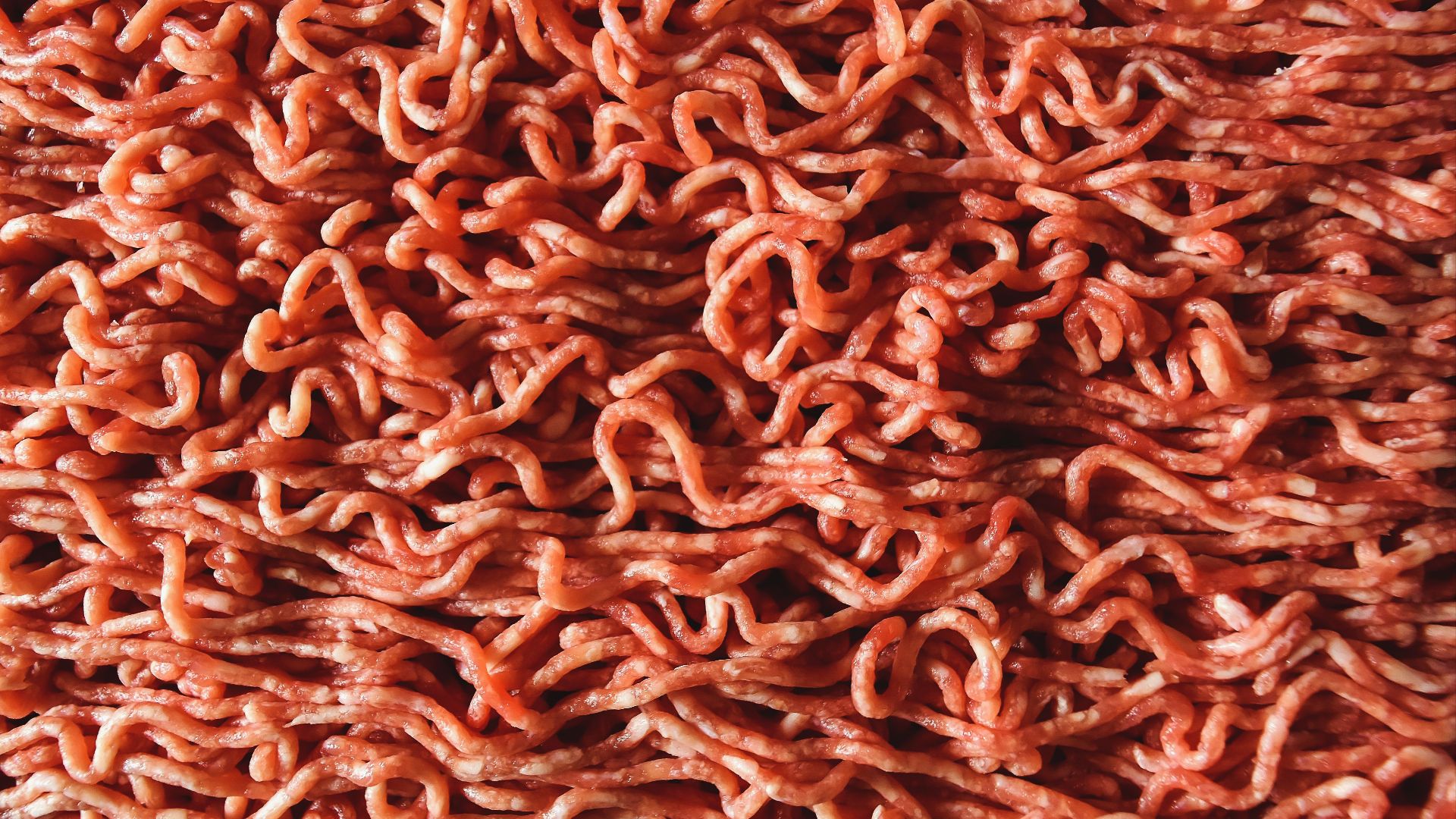
No one said you had to knock red meat off the board completely (unless, of course, your doctor did). Lean beef contributes protein, zinc, and phosphorus, giving it a useful place in a varied bone-supportive diet. Zinc is involved in bone formation and tissue repair as well, while protein helps preserve the muscle that protects your mobility.
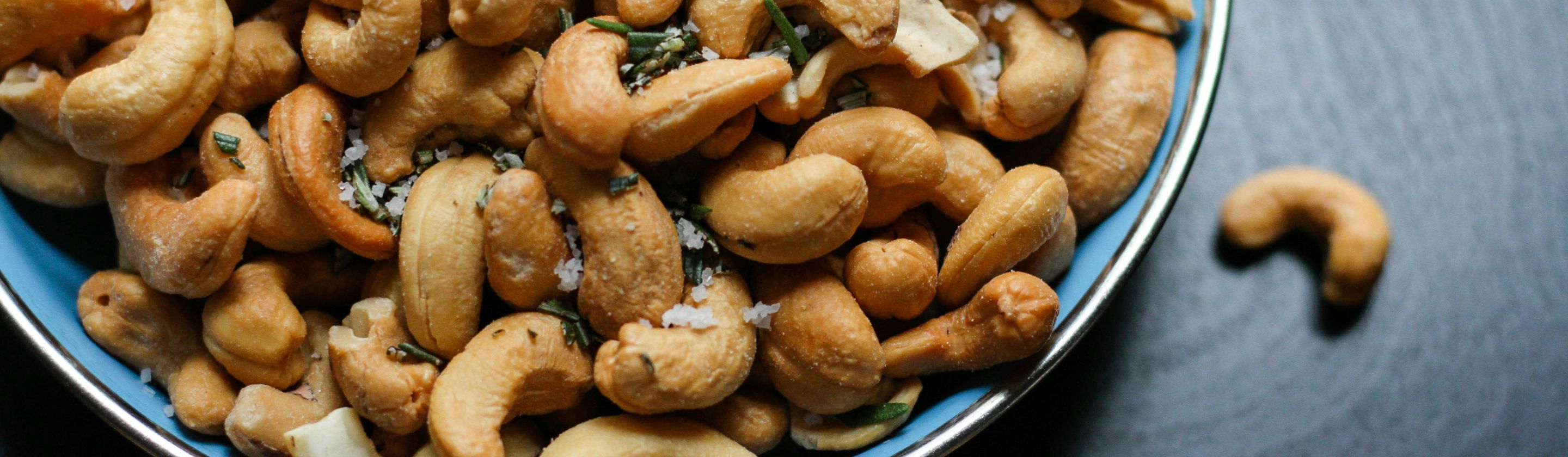
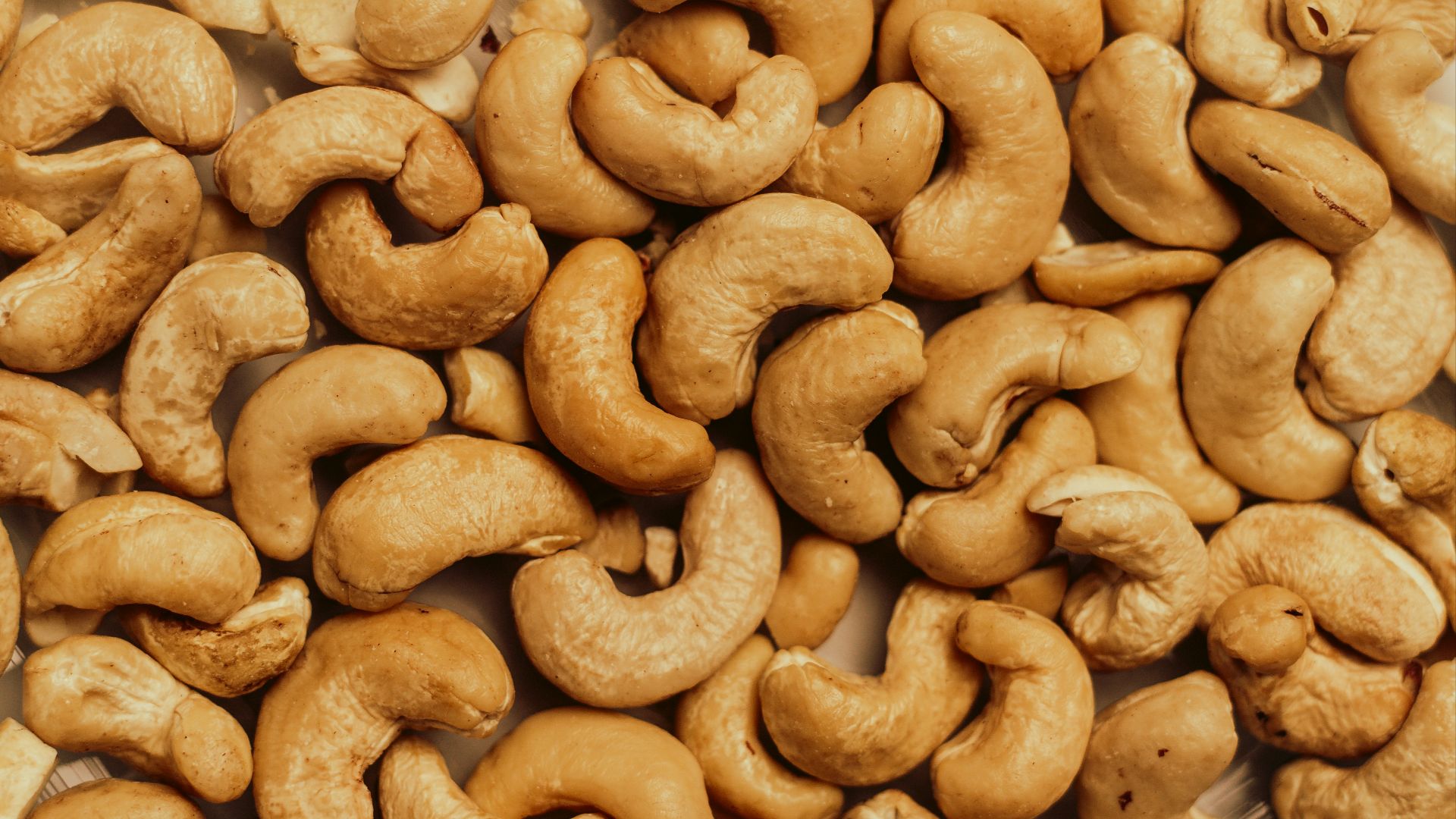
13. Cashews
Cashews are a convenient source of magnesium, an important little mineral involved in bone structure and vitamin D metabolism. They also provide protein, zinc, and phosphorus in a small, easy-to-carry serving. You can easily enjoy a modest handful as a snack, or blend unsalted cashews into a creamy sauce for vegetables.
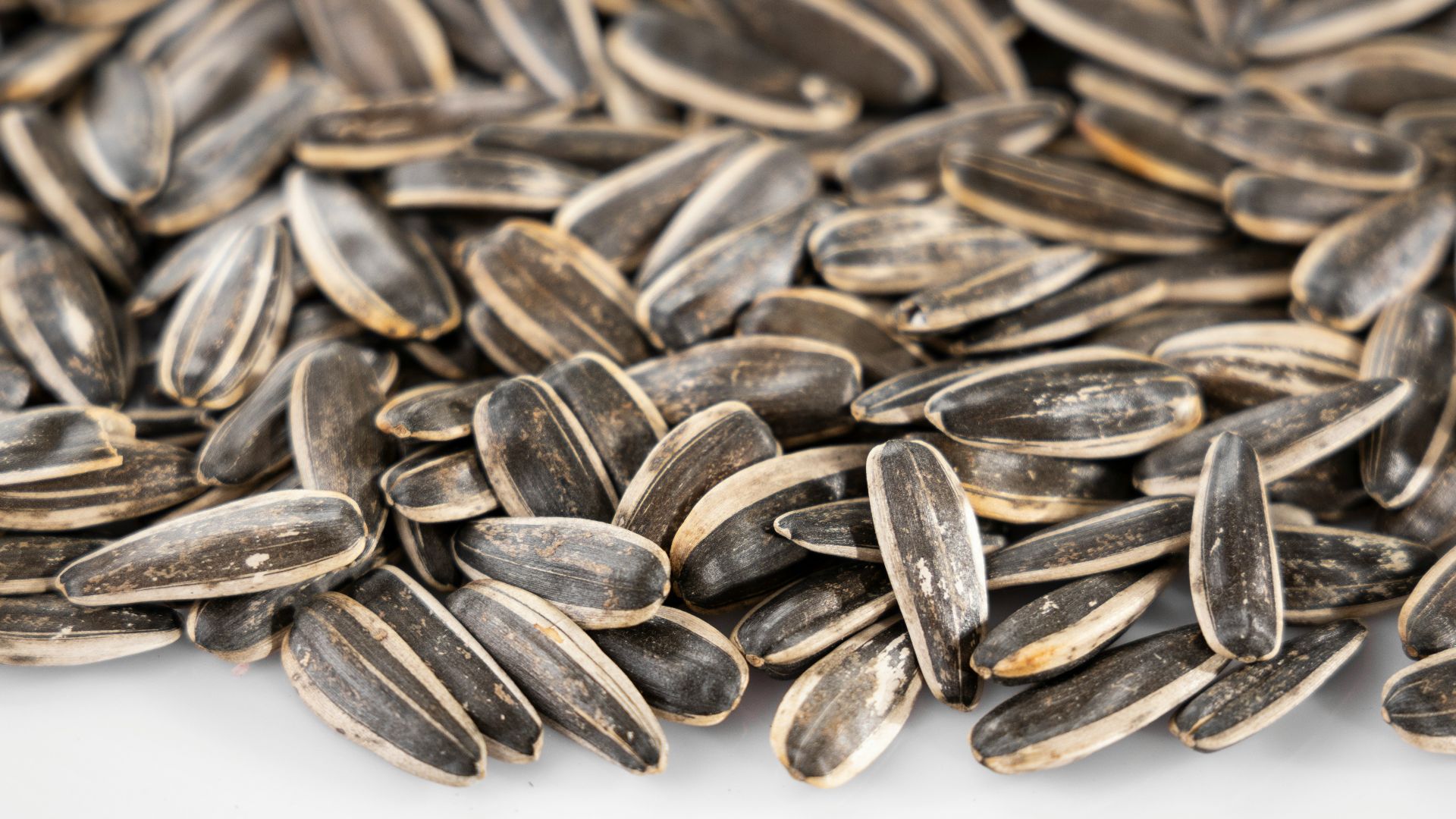
14. Sunflower Seeds
Sunflower seeds aren’t what they used to be, but you should likely still spring for a bag when you can. They bring magnesium, protein, phosphorus, and healthy unsaturated fats to meals and snacks. Buying an unsalted package also helps you control sodium, which is especially useful when you’re watching your blood pressure.
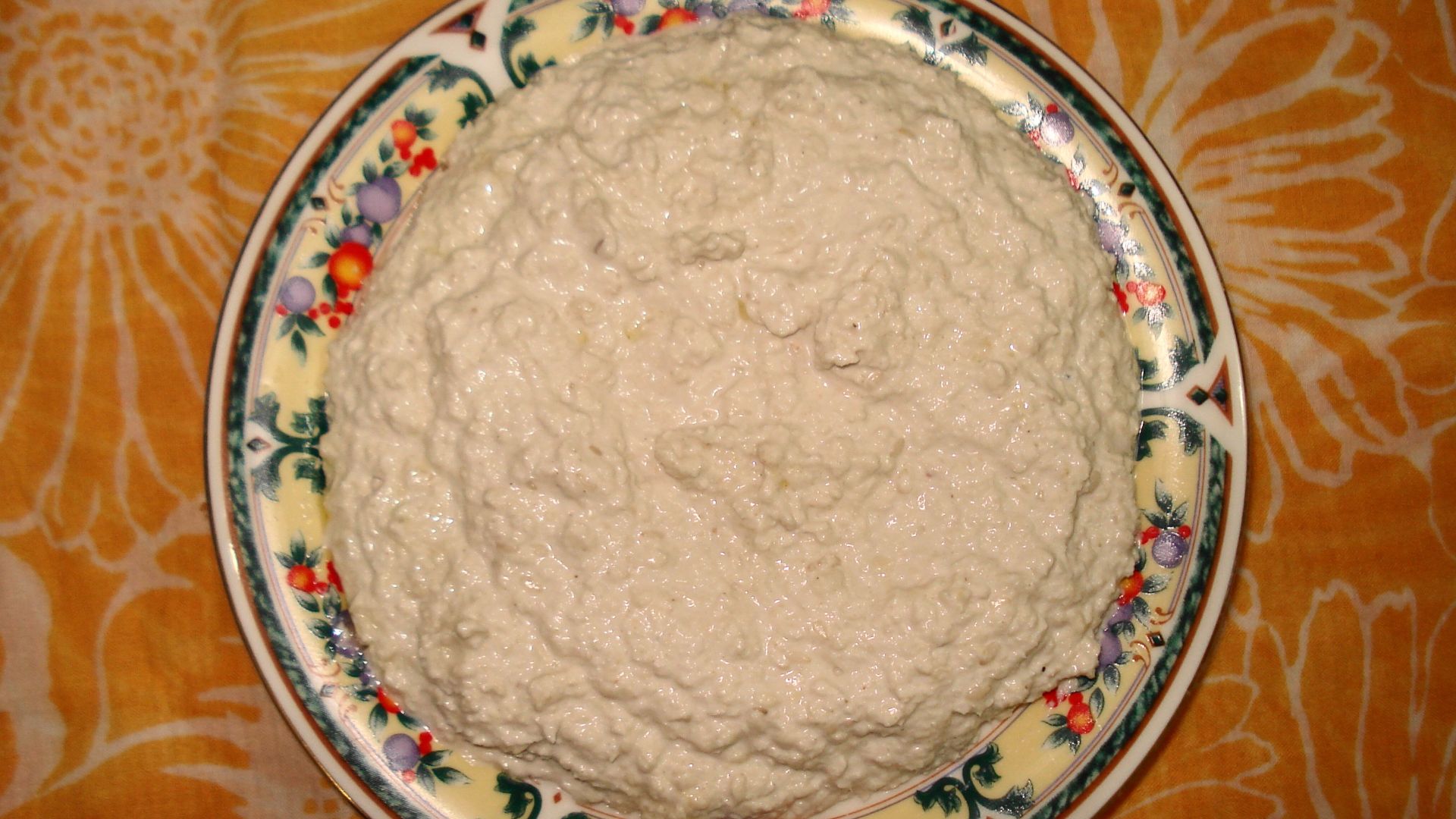
15. Tahini
Tahini is made from ground sesame seeds, which means you get calcium, magnesium, and healthy fats with one serving. Its creamy consistency also makes it particularly easy to stick into meals when whole seeds are more difficult to chew. For example, you can whisk tahini with lemon juice, garlic, and water to create a dressing for roasted vegetables or salads.
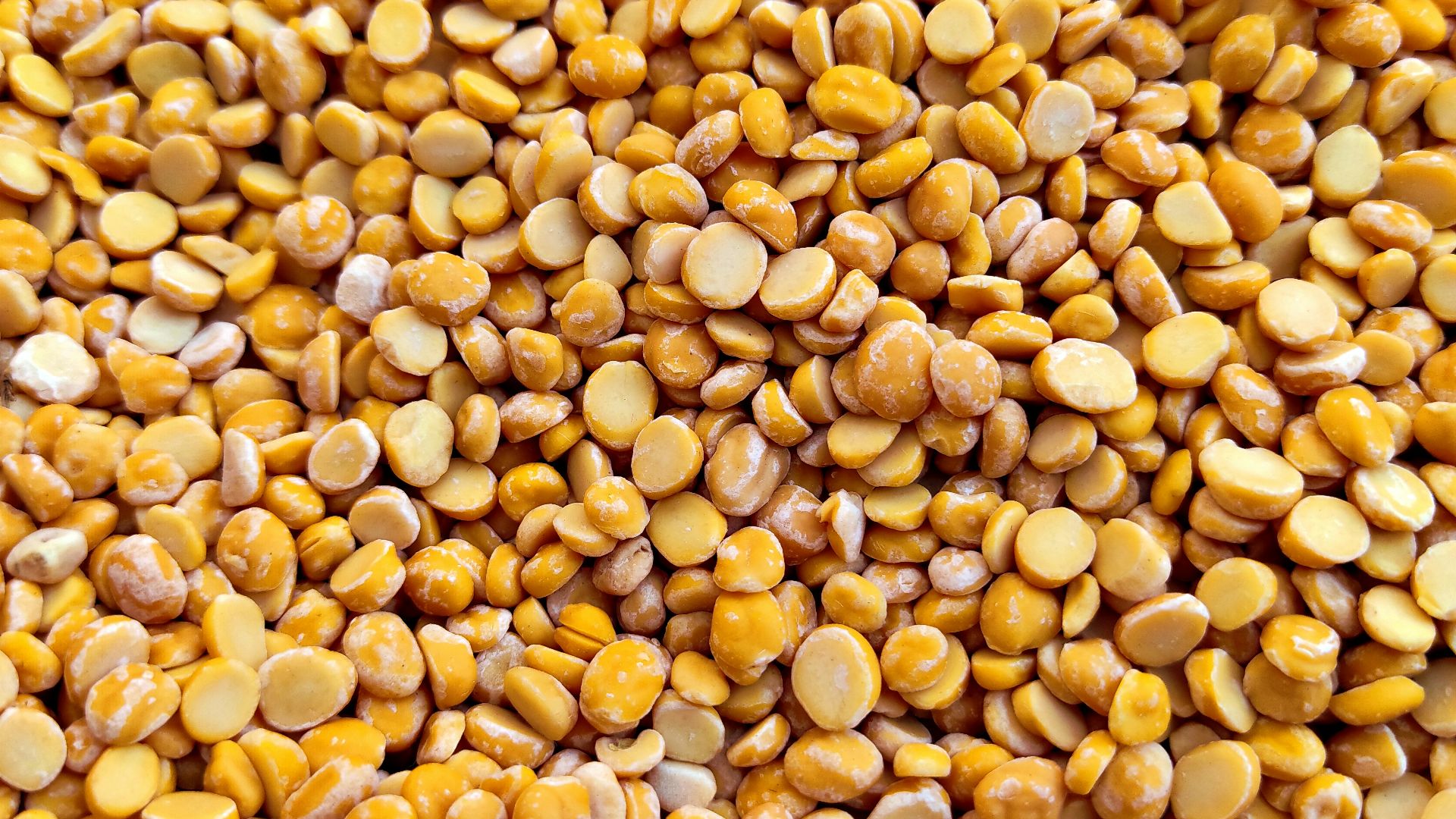
16. Lentils
Lentils support healthy aging with plant-based protein, magnesium, potassium, zinc, and phosphorus—so they’re great for softer diets. Unlike dried beans, they cook relatively quickly and don’t usually require soaking beforehand, meaning you can use brown or green lentils in soup or simmer red lentils into a thick curry.
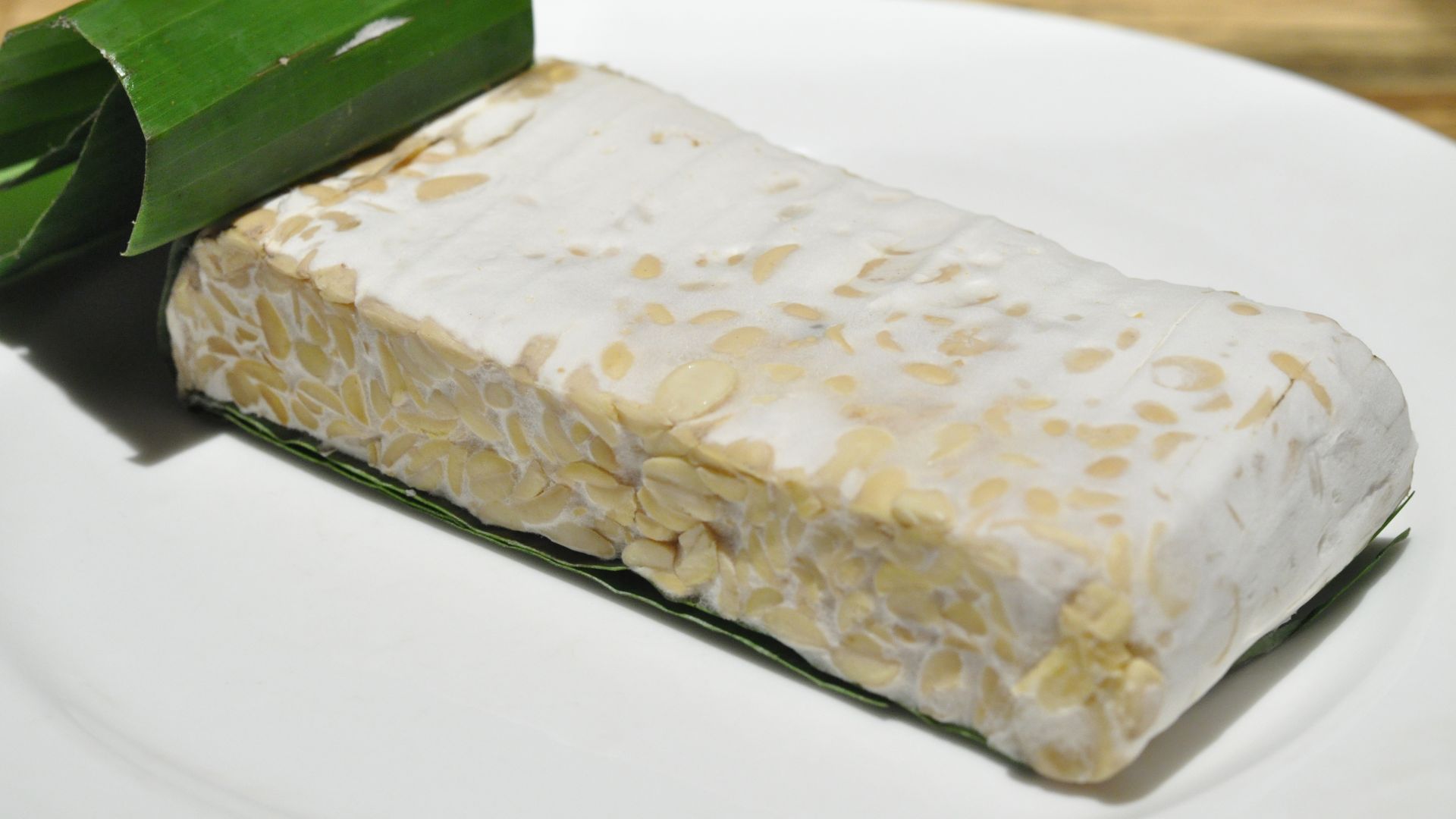
17. Tempeh
Who said you can’t get bone-supporting minerals with a plant-based diet? Fermented tempeh offers substantial plant-based protein along with magnesium and phosphorus! Best of all, its firm texture makes it easy to slice, season, and roast for sandwiches, salads, or rice bowls.
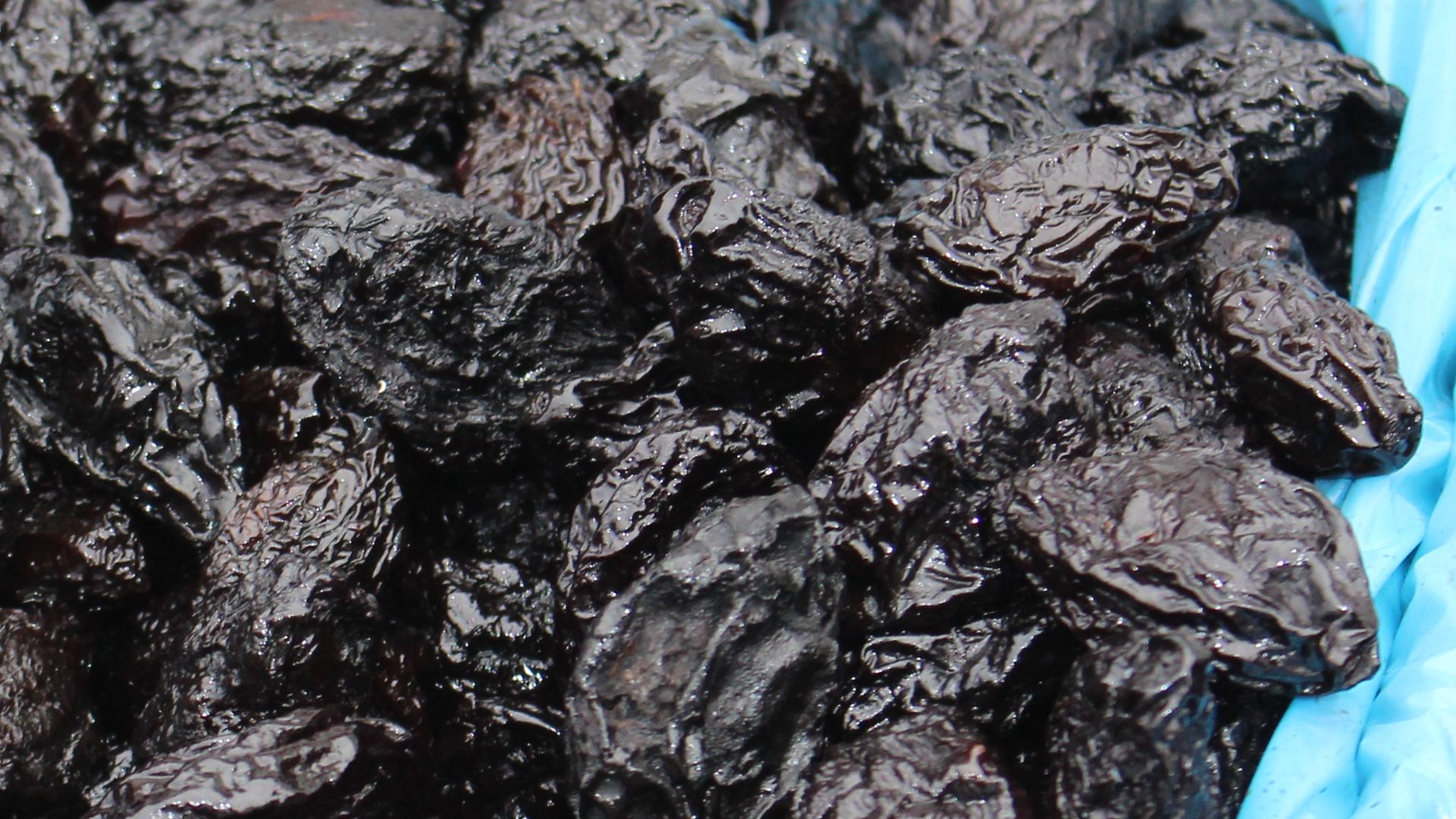
18. Prunes
Prunes have all sorts of vitamin K, potassium, and plant compounds, all of which have a potential role in supporting bone health. They’re naturally sweet, so one of the best things about them is that they can replace less nutritious desserts or heavily sweetened snack bars.
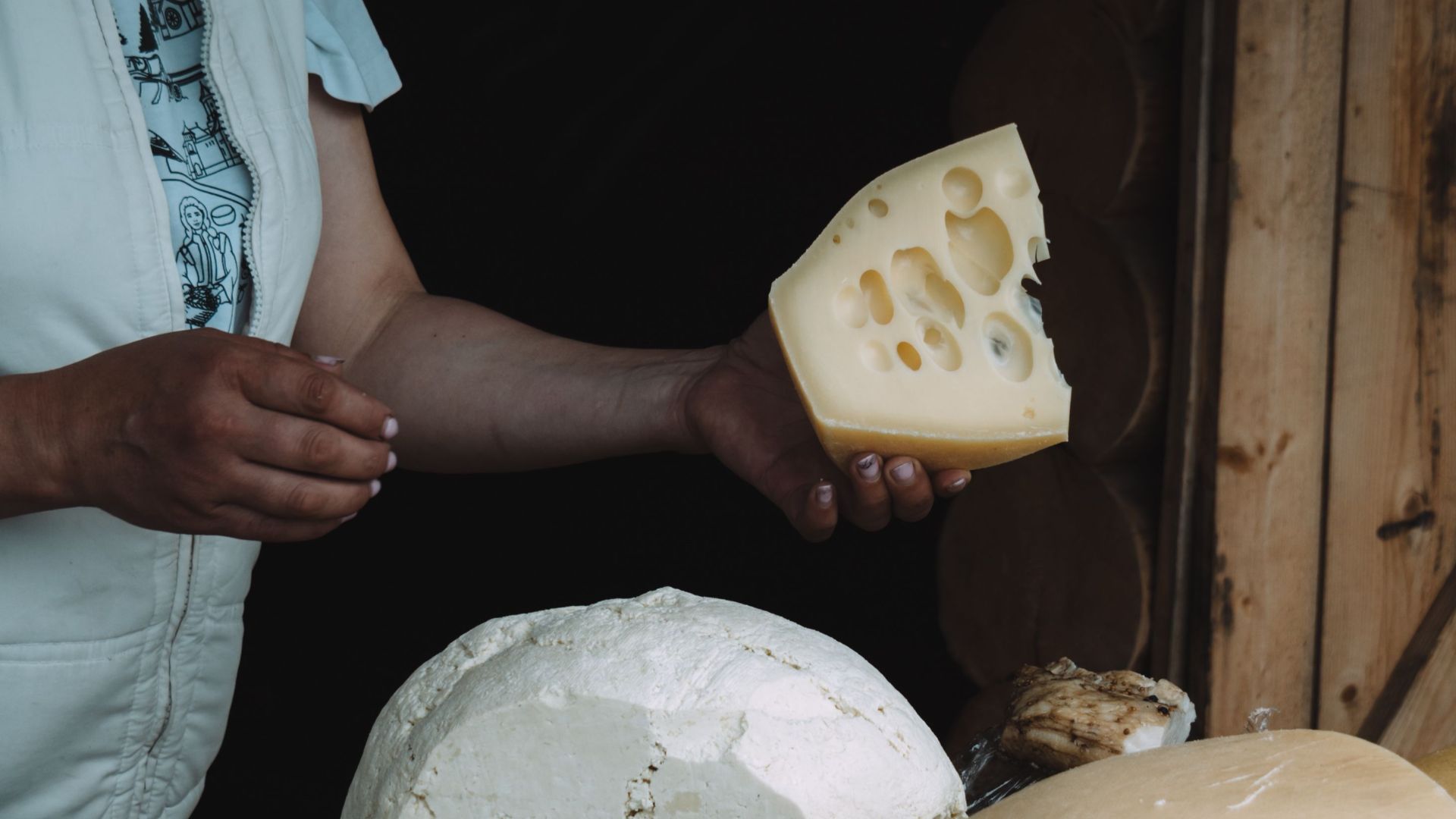
19. Cheese
We’re not saying you should wolf down an entire block of parm, but cheese can provide concentrated calcium and protein! Sodium and saturated fat levels vary widely between types, but a modest serving of mozzarella, Swiss, ricotta, or cheddar can improve a meal without overwhelming it (or your waistline).
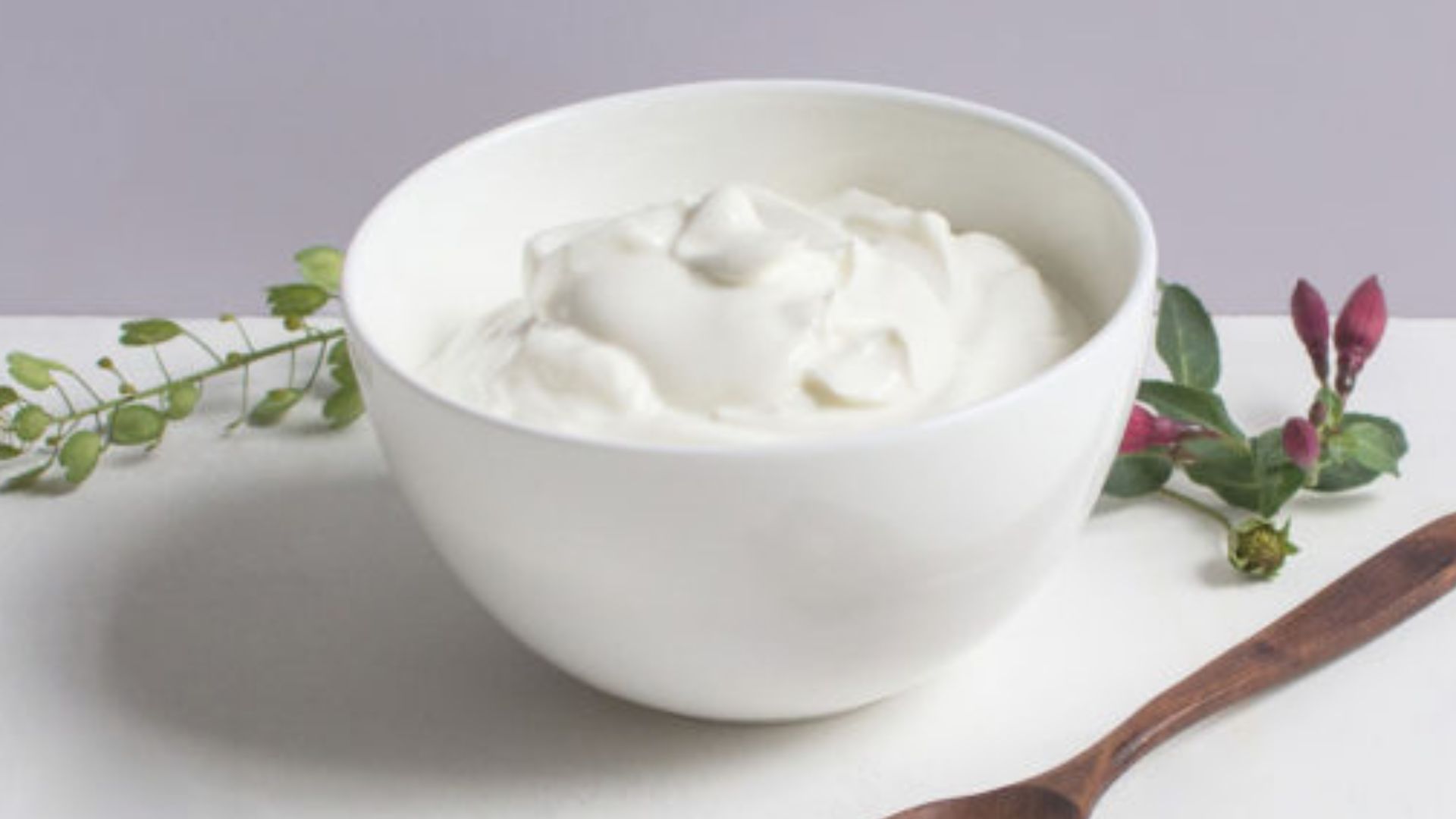
20. Skyr
If you have a bit of a sweet tooth, Skyr is an Icelandic-style cultured dairy product known for its thick texture and high protein content. It also supplies calcium, making it a practical choice for supporting bones and maintaining muscle after 50. You can serve an unsweetened variety with fruit, or indulge in the flavored yogurt bars for something truly delicious.
KEEP ON READING

20 Ways Perimenopause Changes Fitness and Appetite


20 Unhealthy Obsessions People Have
20 Gut-Friendly Fermented Foods For Everyday Meals