What Happens When A Regular TV Habit Keeps You Sitting For Too Long
Watching several episodes on a quiet weekend isn’t automatically bad for you. Plenty of people enjoy a long TV night now and then, and one session won’t ruin your health. That said, trouble can start when long viewing sessions regularly take the place of sleep, moving around, regular meals, and the ordinary parts of a day that keep you out of a chair. Research on binge-watching is still new, and experts don’t use one single definition for it, so some effects are immediate while others are linked to long-term patterns of sitting too much. Here are 20 ways regular binge-watching can affect your body.

1. It Can Crowd Out Sleep
Autoplay makes it easy to keep watching after you meant to get ready for bed. If that happens a lot, you’ll have less time to sleep and recover, which can leave you feeling slow and sleepy the next day.
2. It Can Shift Your Body Clock
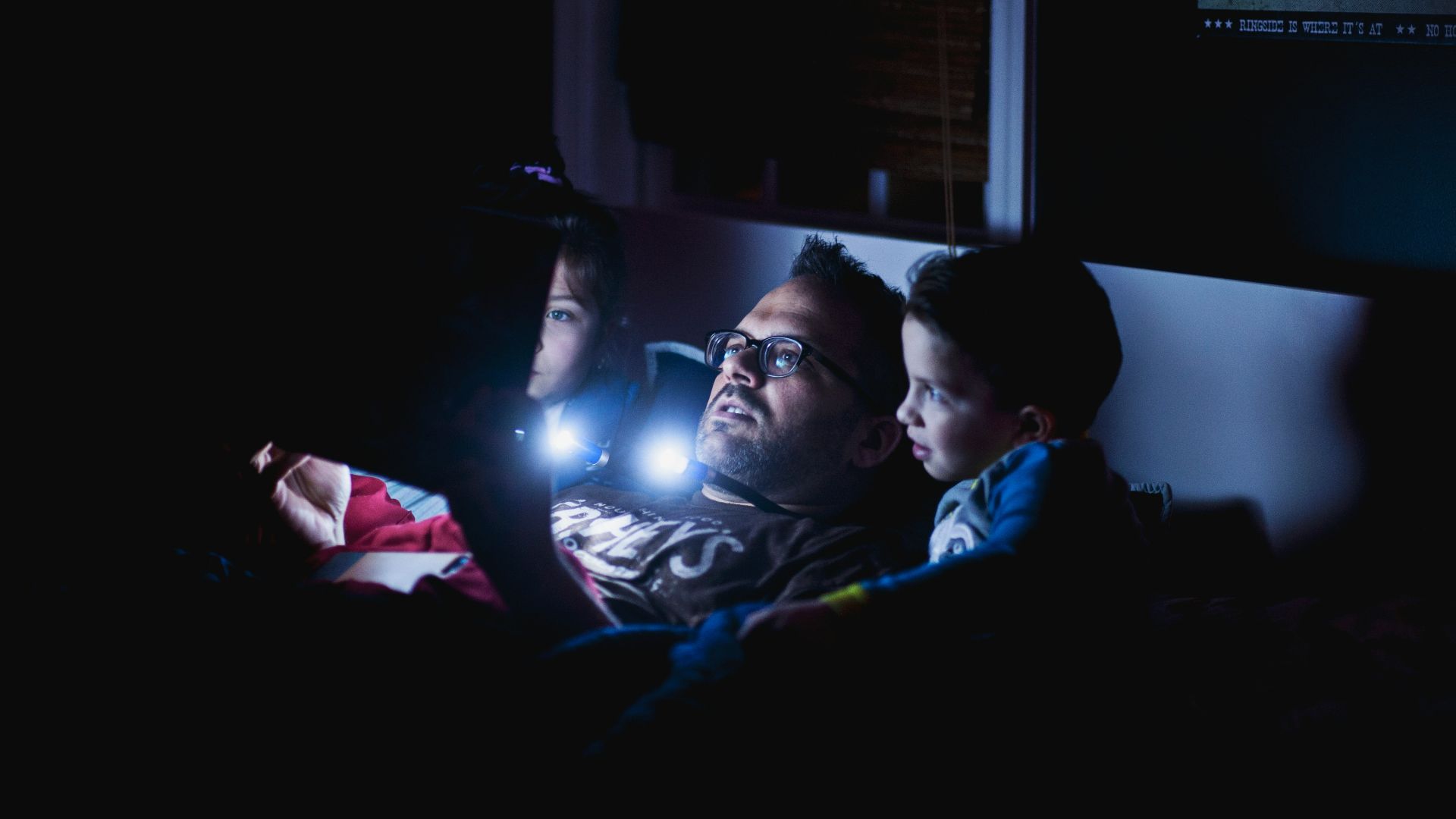
The light from a TV, phone, or tablet can get in the way of the signals that help set your body clock at night. Late-night screen time and a show that gets you wound up can make it harder to feel ready for bed.
3. It Can Make Sleep Feel Less Restorative
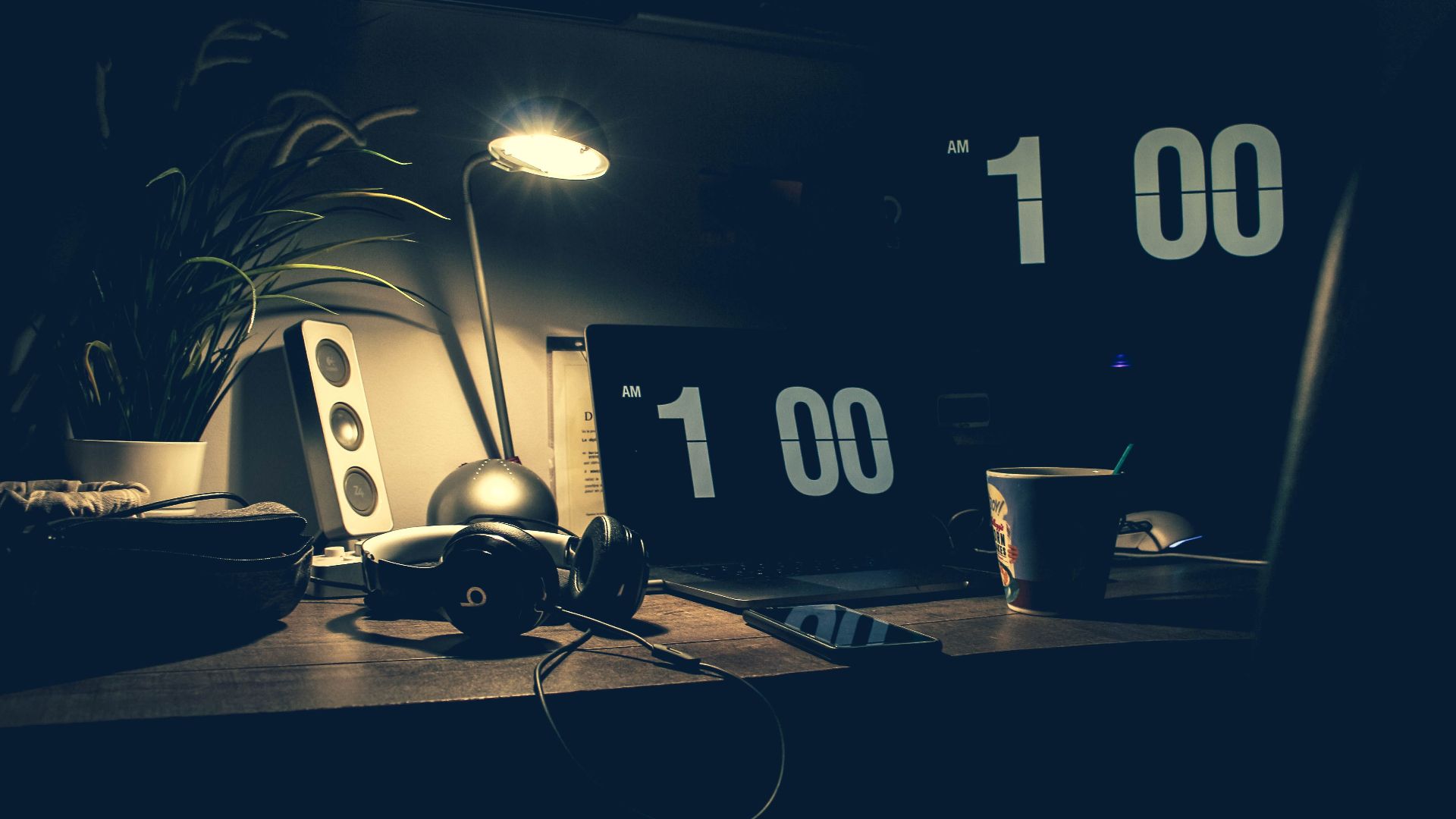
People who binge-watch often report worse sleep and more signs of insomnia. That doesn’t prove a show caused a bad night, though it does mean late-night viewing isn’t always as harmless as it feels.

4. It Can Leave You More Fatigued
Frequent binge viewers also report more fatigue. If you’re still thinking about a tense ending after the TV is off, you may have a harder time settling down, and you can wake up feeling worn out.

5. It Adds to Sedentary Time
A few episodes can leave you in the same spot for hours, often without you even noticing how little you’ve gotten up. Your body uses less energy when you sit than when you move around, and that time can replace walks, chores, or simple stretches.

6. It Can Dry Your Eyes
When you’re staring at a screen for a while, you may not blink as fully or as often. Your eyes can end up feeling dry, red, or gritty, and that irritation is usually temporary.

7. It Can Cause Digital Eye Strain
Long stretches of looking at a screen up close can make your eyes feel tired and make it harder to refocus. You might notice blurry vision or general eye discomfort, though normal screen use hasn’t been shown to permanently damage adult eyes.

8. It Can Trigger Headaches
Headaches can come with eye strain, long periods of close focus, or a sore neck. A show isn’t automatically the reason for a migraine, though a long session can trigger one for some people.

9. It Can Tighten Neck and Shoulders
Your neck and shoulders can start to hurt if you’re slumped on the couch, leaning forward, or watching from an awkward spot in bed. It comes down to sitting still in a poor position, and even a show you love can leave you feeling stiff.

10. It Can Stiffen Your Lower Back
Your lower back can feel stiff or sore after hours in the same seat, especially if you hardly move. A soft couch may feel great at first, but continually become less comfortable by the time you’ve watched several episodes.

11. It Can Affect Your Leg Blood Vessels
When you sit for a long time, your leg muscles aren’t working as often to help blood move through your lower legs. One viewing session won’t damage your circulation, though getting up now and then during a long TV session is a sensible habit.

12. It Can Nudge Up Blood Pressure
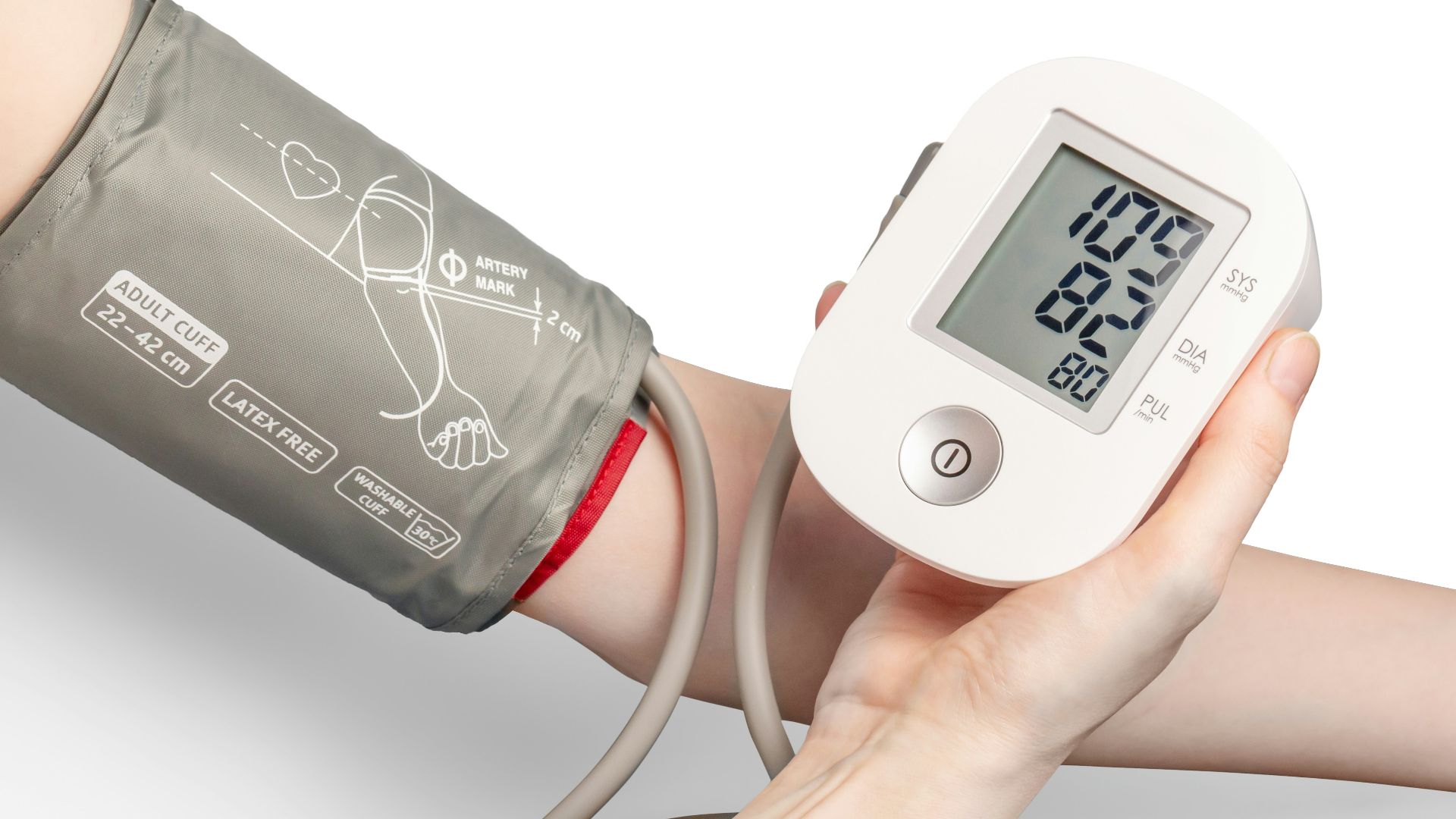
Long, uninterrupted sitting can cause a short-term rise in blood pressure. It doesn’t mean one binge-watch causes high blood pressure, since everyone’s response is different, though regular movement breaks can help break up the sitting.
13. It Can Make Post-Meal Glucose Harder to Manage
After you eat, sitting for a long time can lead to higher blood sugar and insulin levels than sitting with short walking breaks, especially if you are overweight or obese. If dinner and a TV series become a nightly routine, it helps to add some movement.

14. It Can Encourage Distracted Snacking
When you’re caught up in a show, it can be easy to keep snacking without noticing whether you’re still hungry. Sedentary screen time is linked with less healthful eating habits, although not everyone eats this way and one snack doesn’t say much on its own.

15. It Can Nudge Diet Quality Downward
TV doesn’t pick your food for you, though viewing time often goes along with less healthful eating. Popcorn once in a while isn’t the problem; it becomes more of a concern when eating without thinking turns into part of every viewing session.
16. It Is Associated with Weight Gain
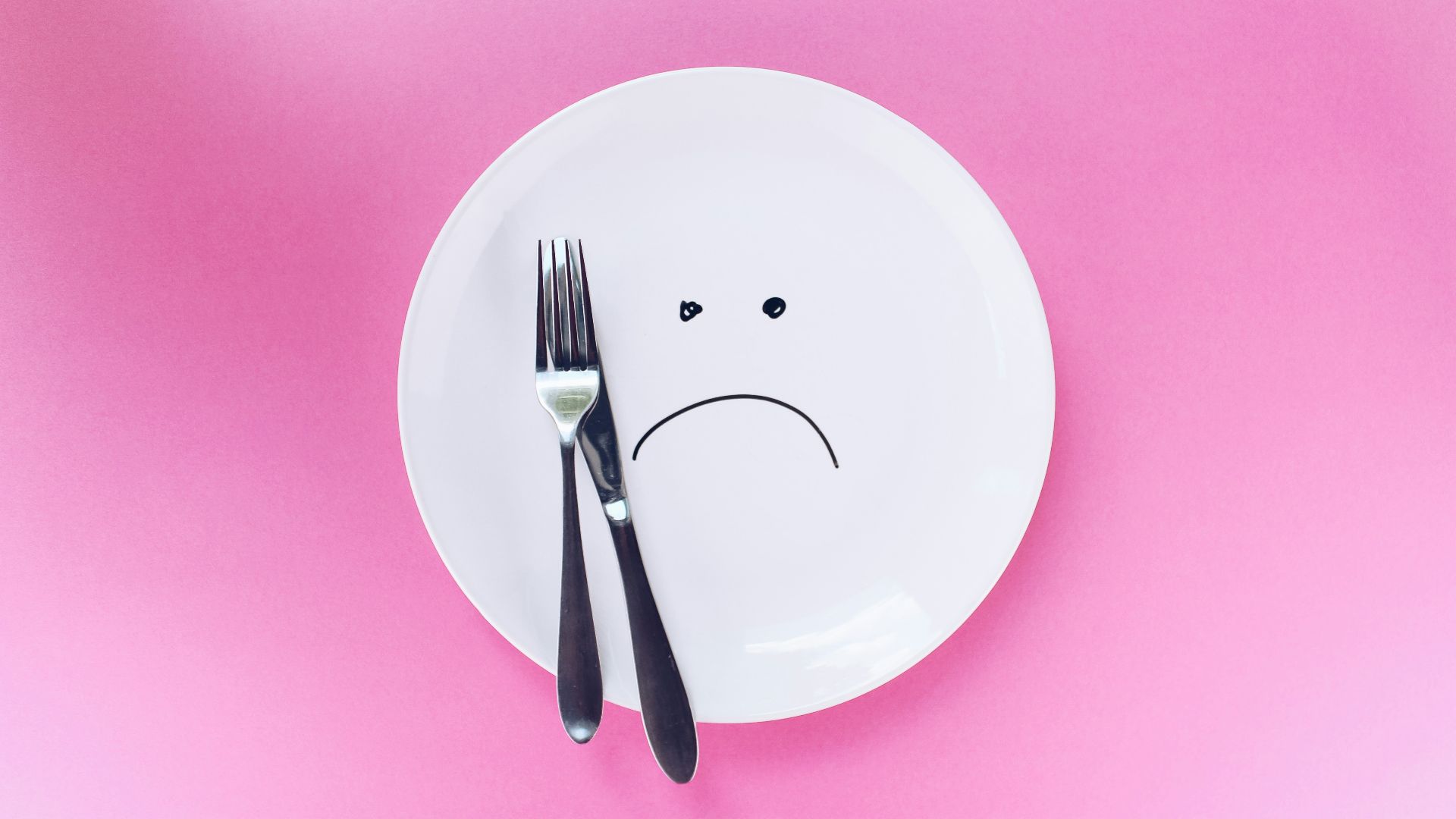
Watching a lot of TV is linked with overweight and obesity in observational studies, partly because it adds sitting time and can make distracted eating easier. Your weight doesn’t come down to one habit, since food, activity, sleep, medication, and health conditions all play a role.
17. It’s Linked with Type 2 Diabetes Risk
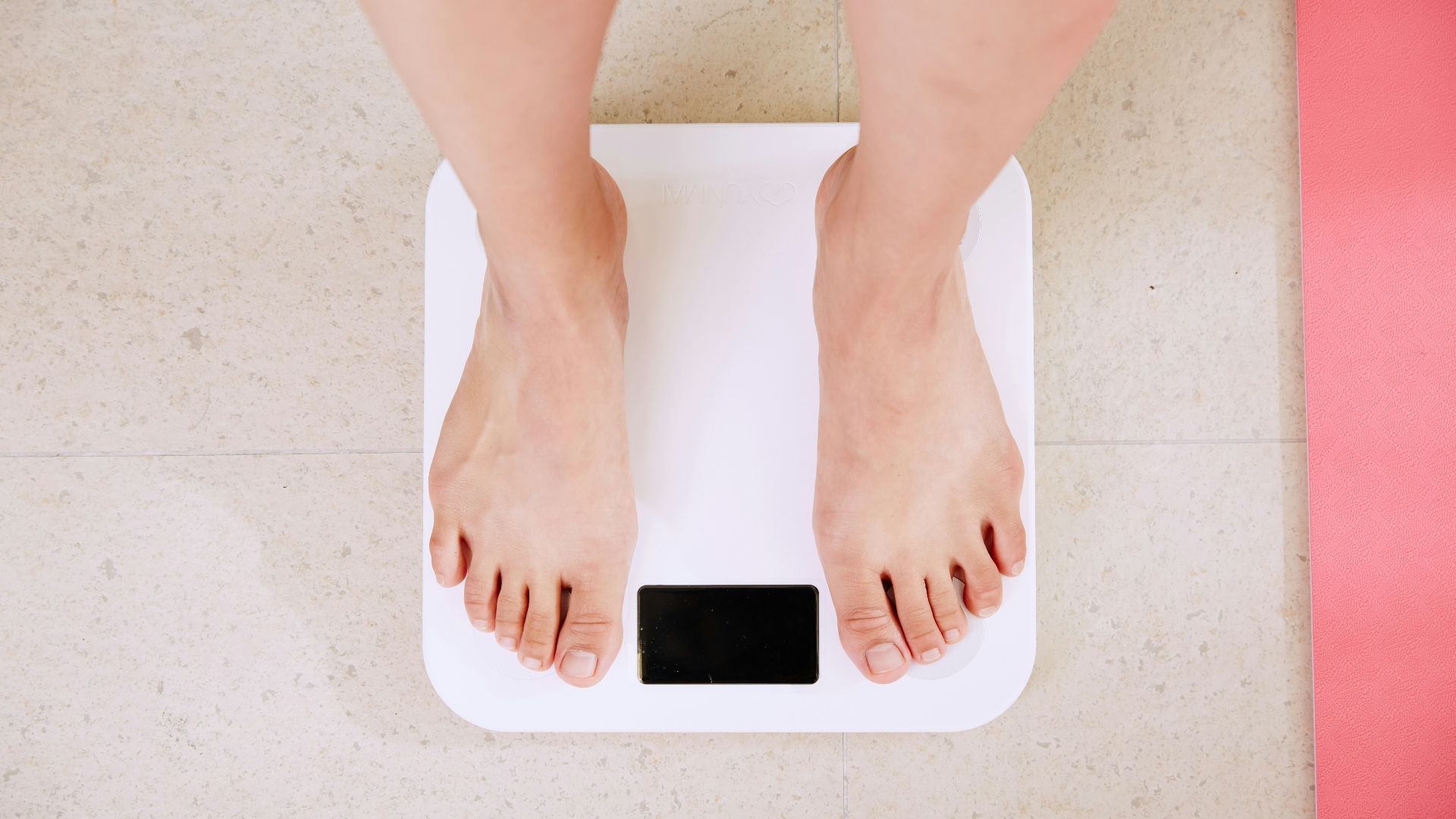
Higher levels of sitting time are linked with a greater risk of type 2 diabetes. Binge-watching is only one way you can spend more time sitting, so it isn’t a stand-alone cause of the disease.

18. It Is Linked with Cardiovascular Risk
Spending a lot of time sitting is also linked with heart disease and deaths from heart disease over time. One lazy Saturday isn’t the problem, though being active doesn’t completely cancel out the effects of sitting for many hours.

19. It May Be Associated with Blood-Clot Risk
Frequent TV viewing has been linked with blood clots that form in the veins in long-term research. That doesn’t prove TV causes clots, and everyone’s risk is different, though it makes getting up during long sessions a sensible move.

20. It Can Affect Immune Support Indirectly
Binge-watching doesn’t directly weaken your immune system. When it keeps cutting your sleep short or makes sleep worse, it may affect how your immune system works because good sleep helps it function normally.