Small Habits Can Support More Comfortable Digestion
Digestive changes can become more noticeable with age as activity levels, eating habits, medications, and health conditions change. Although no single food can guarantee a perfectly balanced gut, a varied diet, steady routines, and appropriate medical care can support regular digestion and help you identify problems before they become harder to manage. Here are 20 ways to improve gut health as you get older.
 Christopher Campbell on Unsplash
1. Increase Fiber Gradually
Fiber supports regular bowel movements and provides fuel for certain beneficial gut bacteria, but adding too much too quickly can cause gas and bloating. Increase your intake over several weeks so your digestive system has time to adjust. Beans, oats, vegetables, fruit, and whole grains offer practical ways to begin.
2. Drink Enough Fluids
Fiber works more effectively when your body has enough fluid, which is why increasing one without the other can sometimes worsen constipation. Keep water readily available and drink regularly rather than waiting until you feel extremely thirsty.

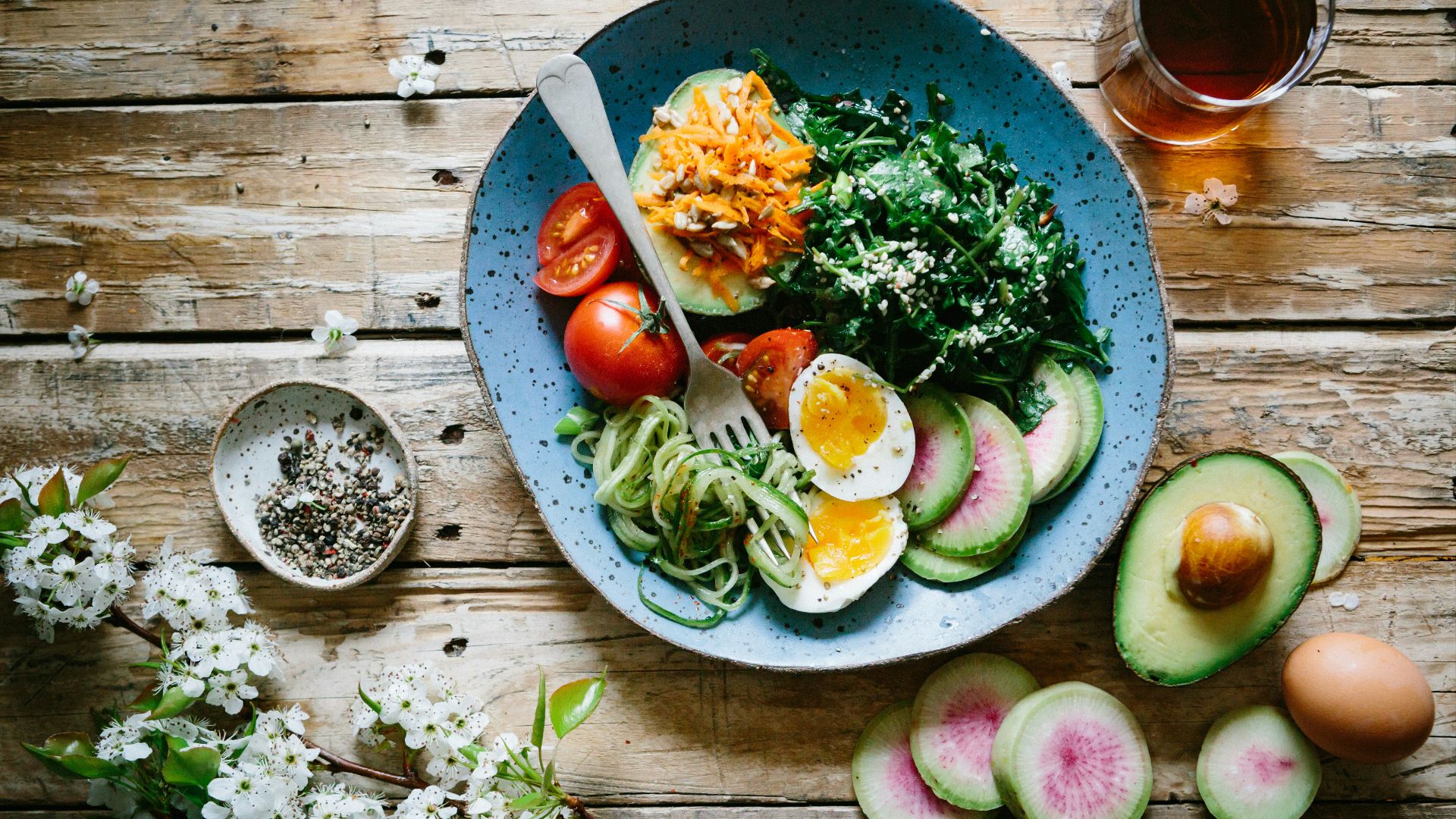
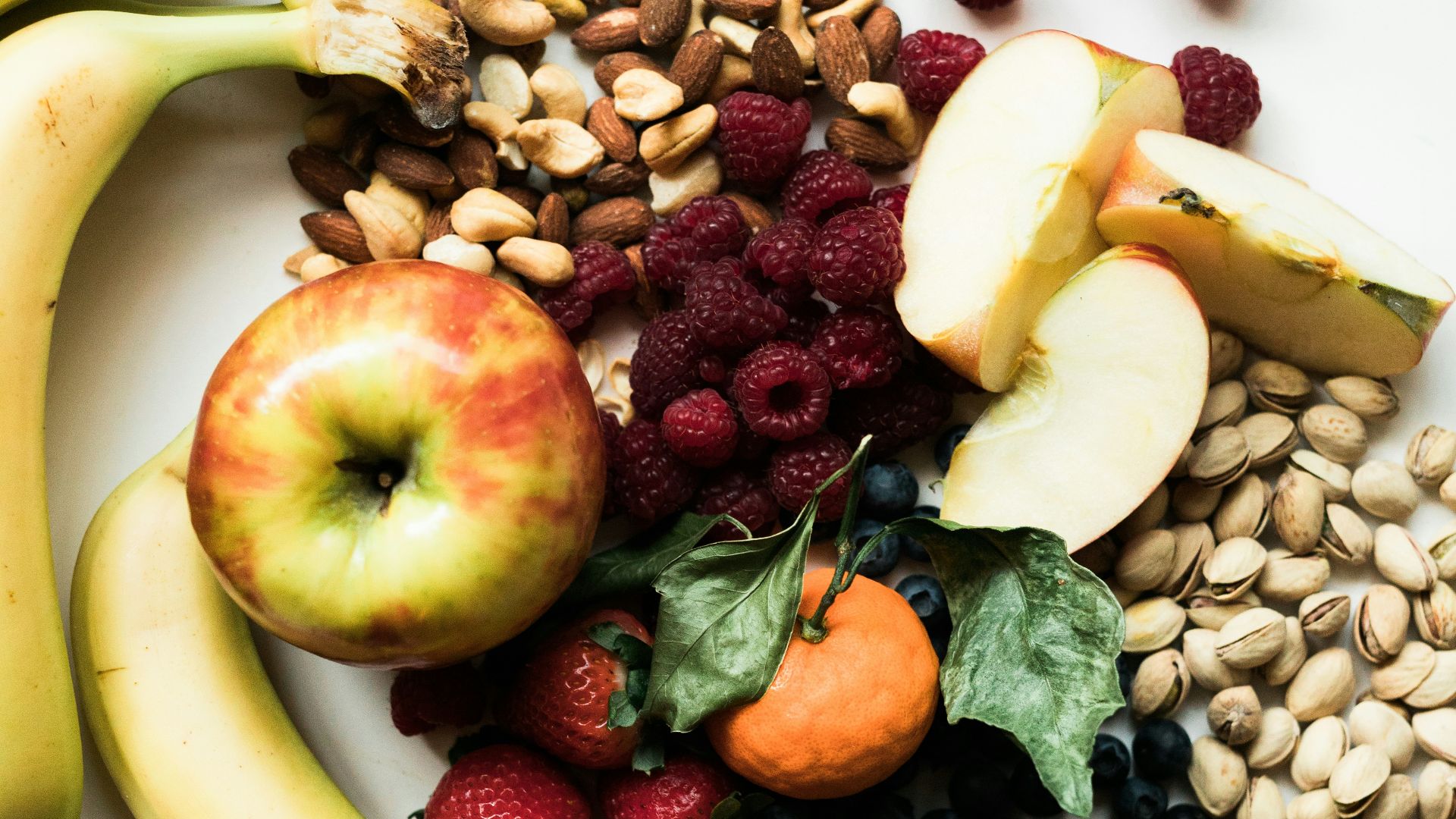
3. Eat A Wider Variety Of Plants
Different plant foods contain different fibers, nutrients, and natural compounds, so variety generally offers more benefits than repeatedly eating the same few vegetables. Rotate fruits, beans, grains, nuts, seeds, and produce throughout the week. You don’t need unusual ingredients, since ordinary grocery-store choices can provide plenty of diversity.
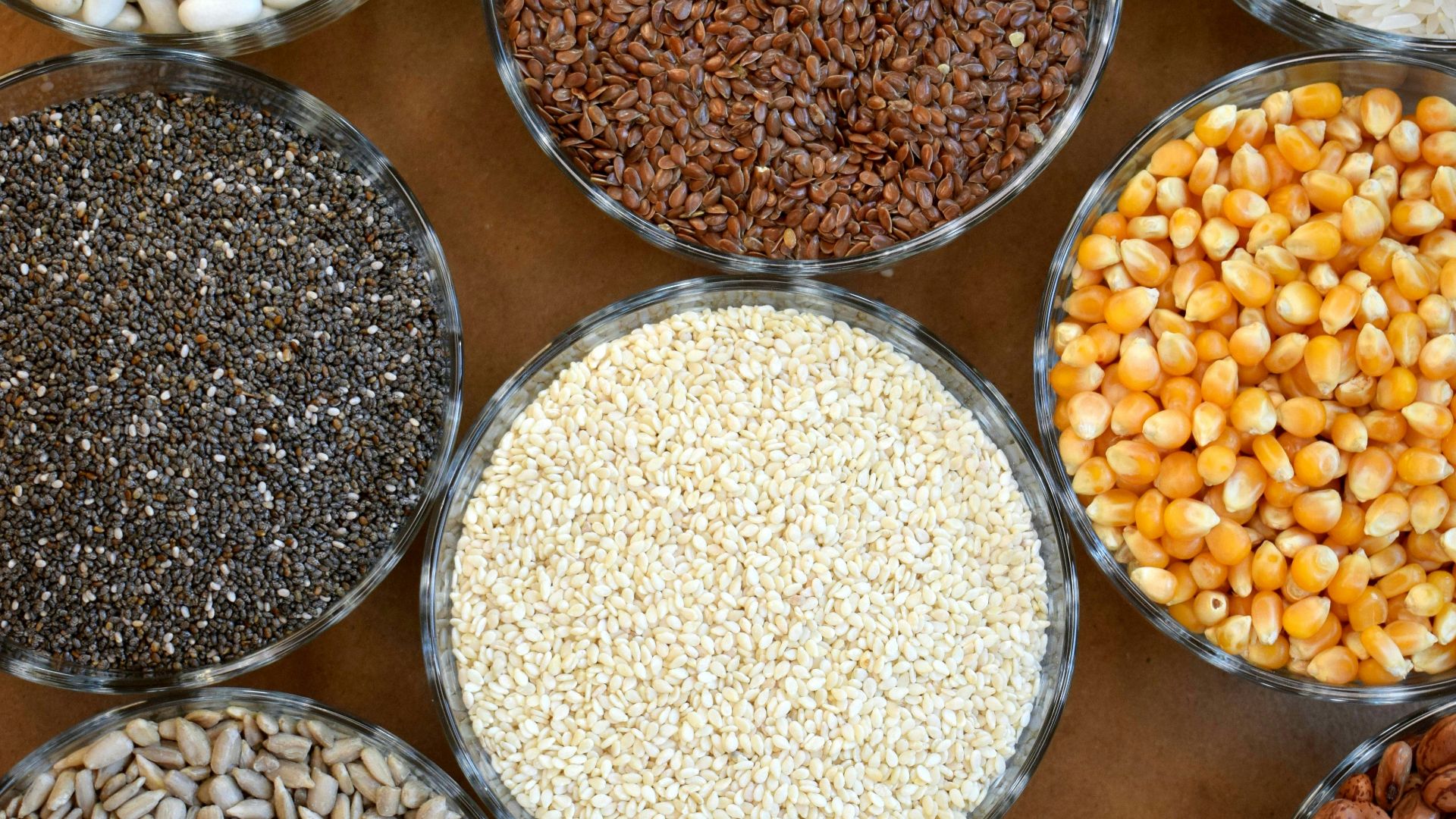
4. Choose Whole Grains More Often
Whole grains retain more fiber than their refined counterparts and can help make meals more satisfying. Oatmeal, brown rice, barley, whole-wheat bread, and quinoa are easy options that work with familiar recipes. Introduce them gradually if your usual diet contains little fiber, especially when you’re already prone to bloating.
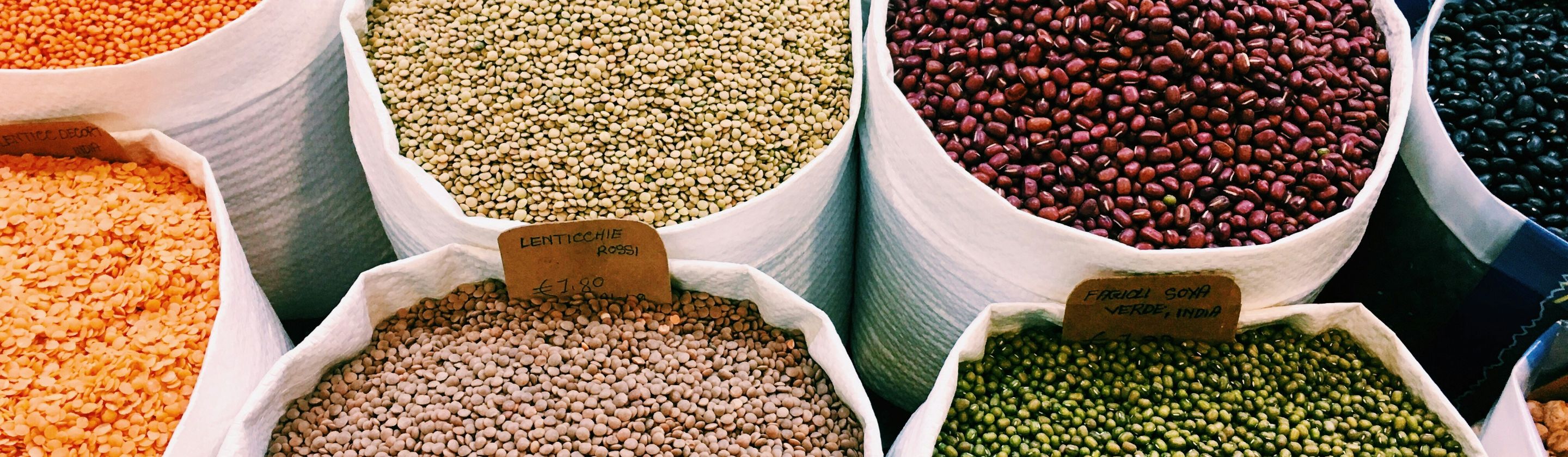
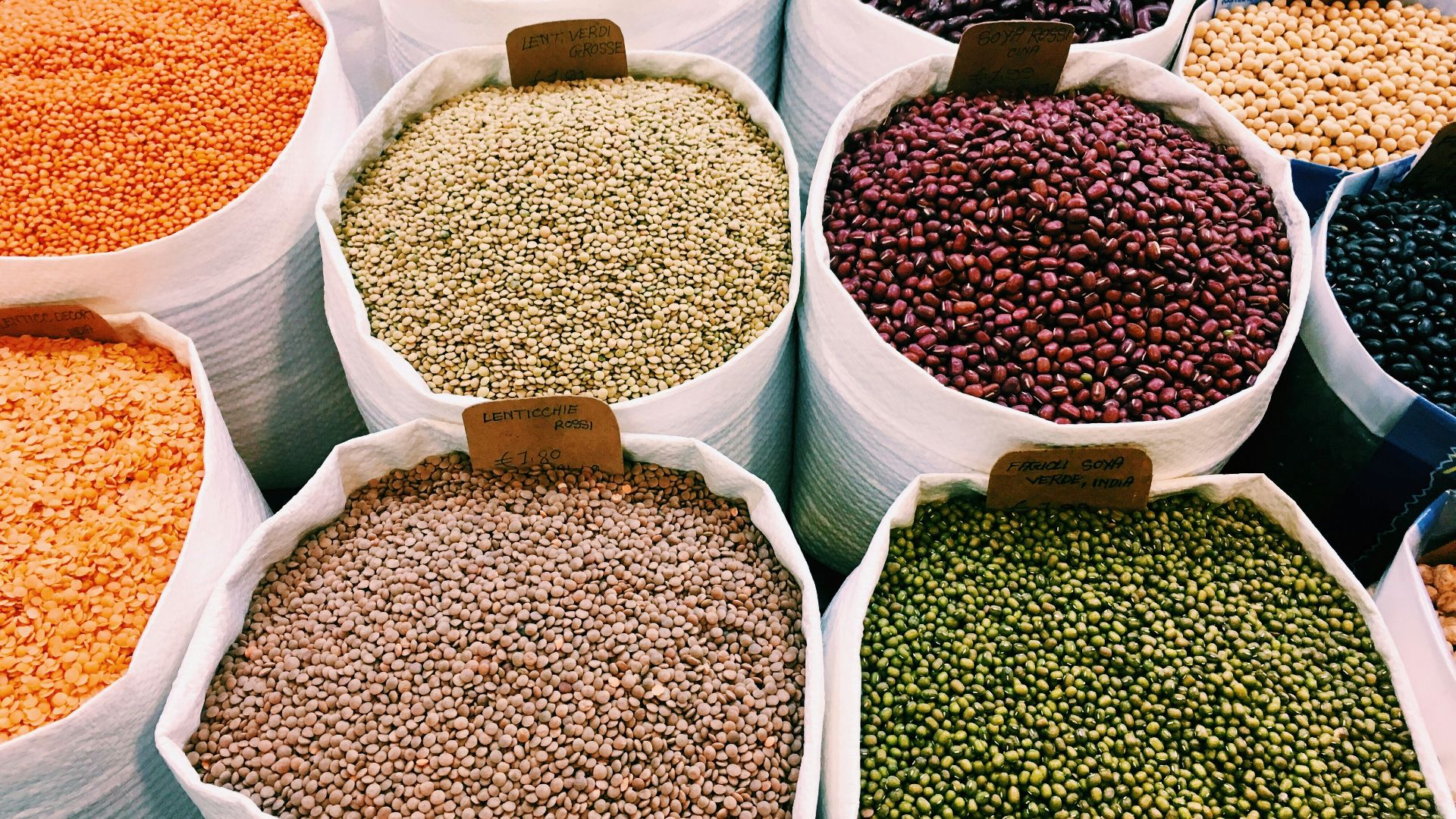
5. Make Beans Easier To Digest
Beans and lentils provide fiber and plant protein, but larger servings can cause discomfort when you aren’t accustomed to them. Begin with modest portions, rinse canned beans thoroughly, and increase the amount slowly.
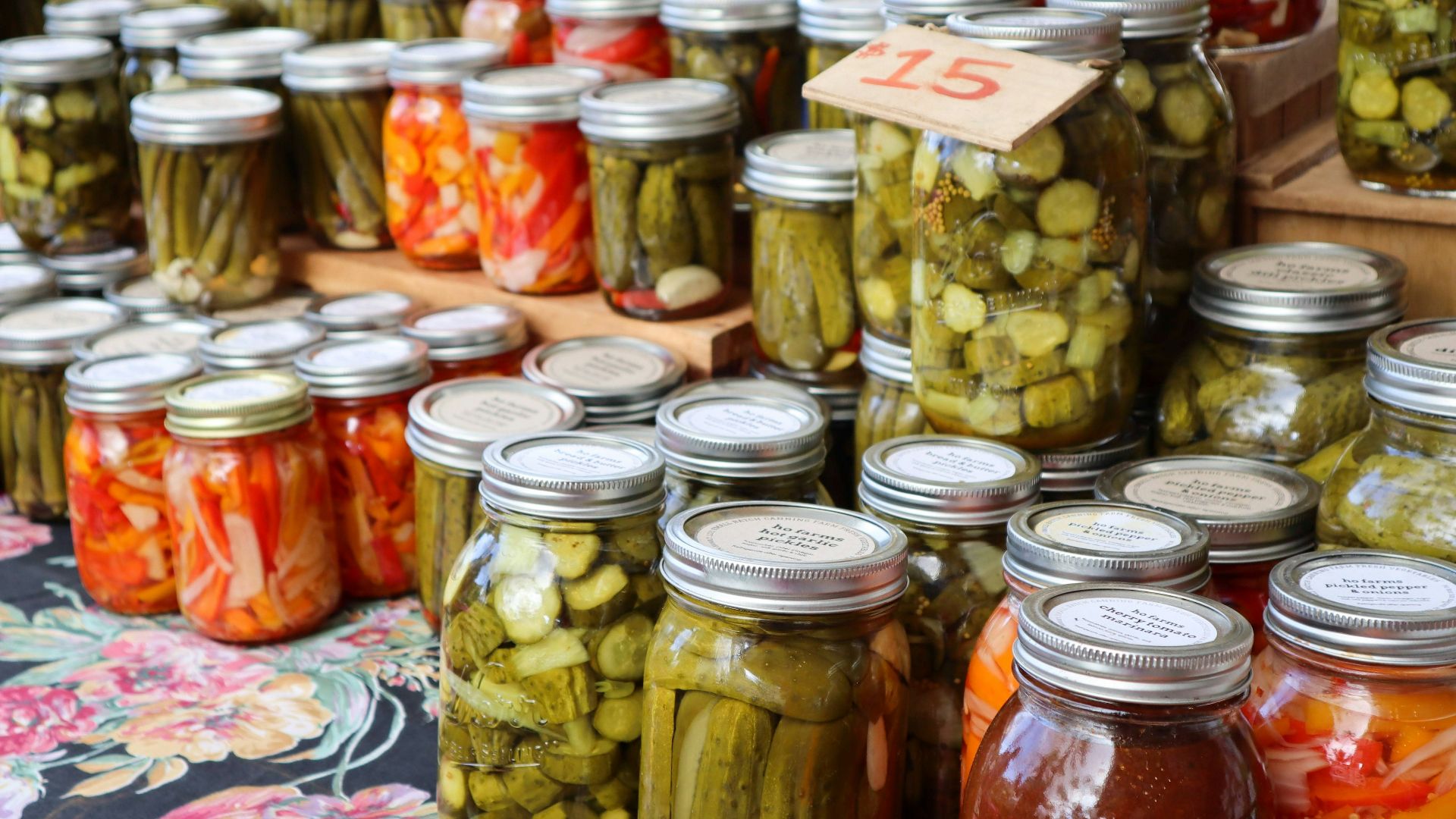
6. Include Fermented Foods You Tolerate
Yogurt with live cultures, kefir, kimchi, sauerkraut, and other fermented foods can introduce live microorganisms or fermentation products into your diet. Their effects vary, and not every product contains clinically meaningful amounts of probiotics.
7. Treat Probiotic Supplements Cautiously
Probiotic supplements aren’t interchangeable because different strains may have different effects, and strong marketing doesn’t guarantee useful results. Ask a doctor or pharmacist before taking one for a specific digestive concern, particularly if you have a weakened immune system or serious illness.
 Supliful - Supplements On Demand on Unsplash
8. Stay Physically Active
Regular movement supports overall health and can also help the digestive tract move waste more consistently. Walking, swimming, gardening, strength training, and other suitable activities can all contribute, depending on your mobility and medical needs.

9. Avoid Ignoring The Urge To Go
Repeatedly postponing a bowel movement can make stools harder and may contribute to constipation. Give yourself enough time to use the bathroom without rushing, particularly after meals when the colon may naturally become more active.
 Lotus Design N Print on Unsplash
10. Review Medications With A Professional
Some pain relievers, iron supplements, antacids, antidepressants, and other medications can affect bowel habits. Don’t stop a prescription on your own, but tell your doctor or pharmacist about new constipation, diarrhea, nausea, or abdominal discomfort.
 National Cancer Institute on Unsplash
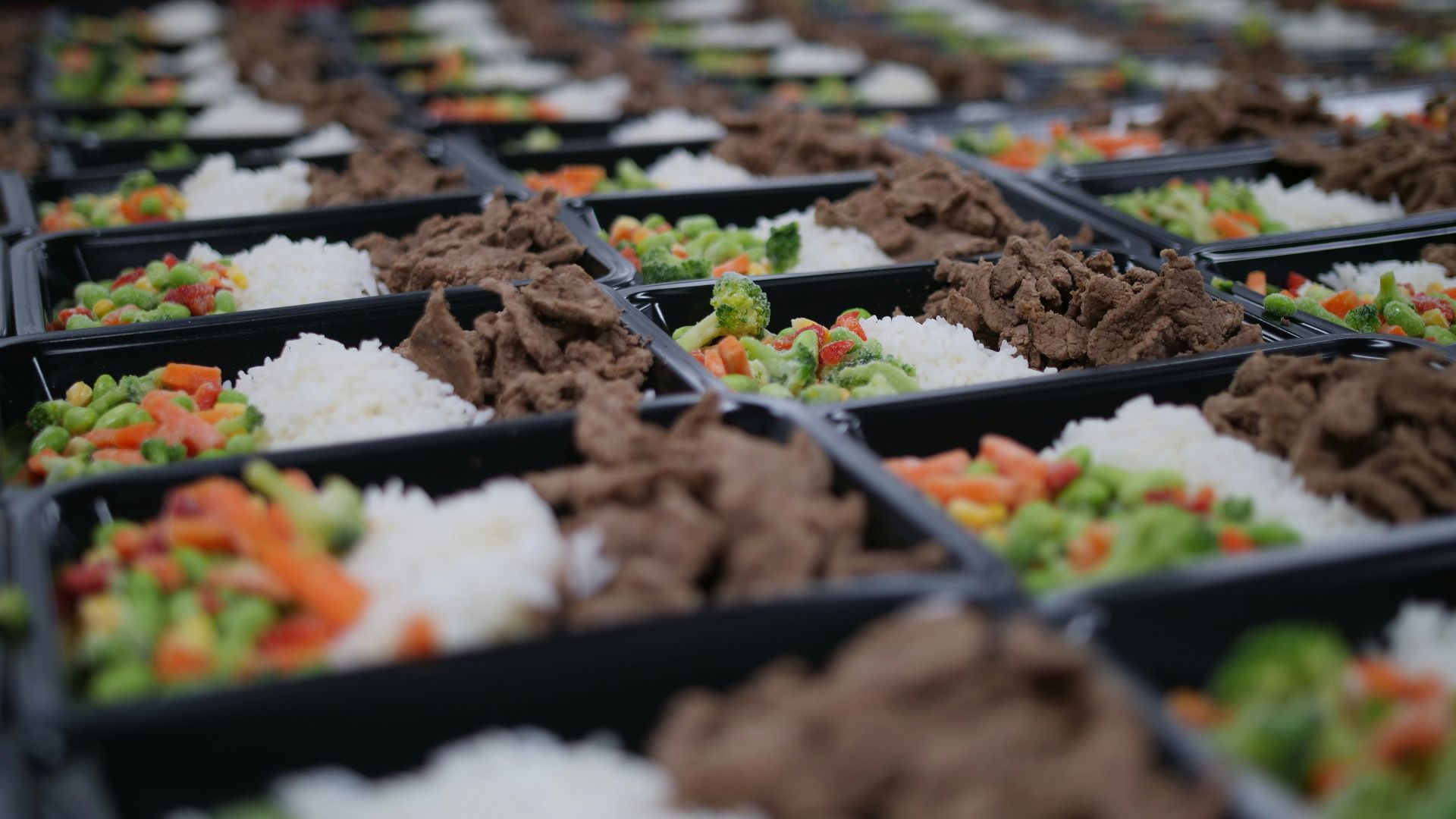
11. Limit Heavily Processed Meals
A diet built largely around highly processed foods may leave less room for fiber-rich produce, legumes, and whole grains. You don’t have to eliminate every packaged item, but balance convenience foods with more nutrient-dense choices.
12. Notice Your Personal Food Triggers
A food that causes bloating or urgency for one person may create no difficulty for someone else. Keep brief notes about meals and symptoms so you can identify patterns without removing multiple foods based on guesswork.

13. Eat Meals At A Comfortable Pace
Eating rapidly can lead you to swallow more air, which may contribute to belching or bloating. Slowing down also gives you more time to chew foods thoroughly and recognize when you’re comfortably full. Try sitting down for meals and reducing distractions instead of treating every meal as something to finish immediately.

14. Maintain A Consistent Eating Schedule
Regular meal timing can help establish predictable digestive patterns, especially when your days have become less structured after retirement or other lifestyle changes. Skipping meals and then eating a very large dinner may worsen discomfort for some people.

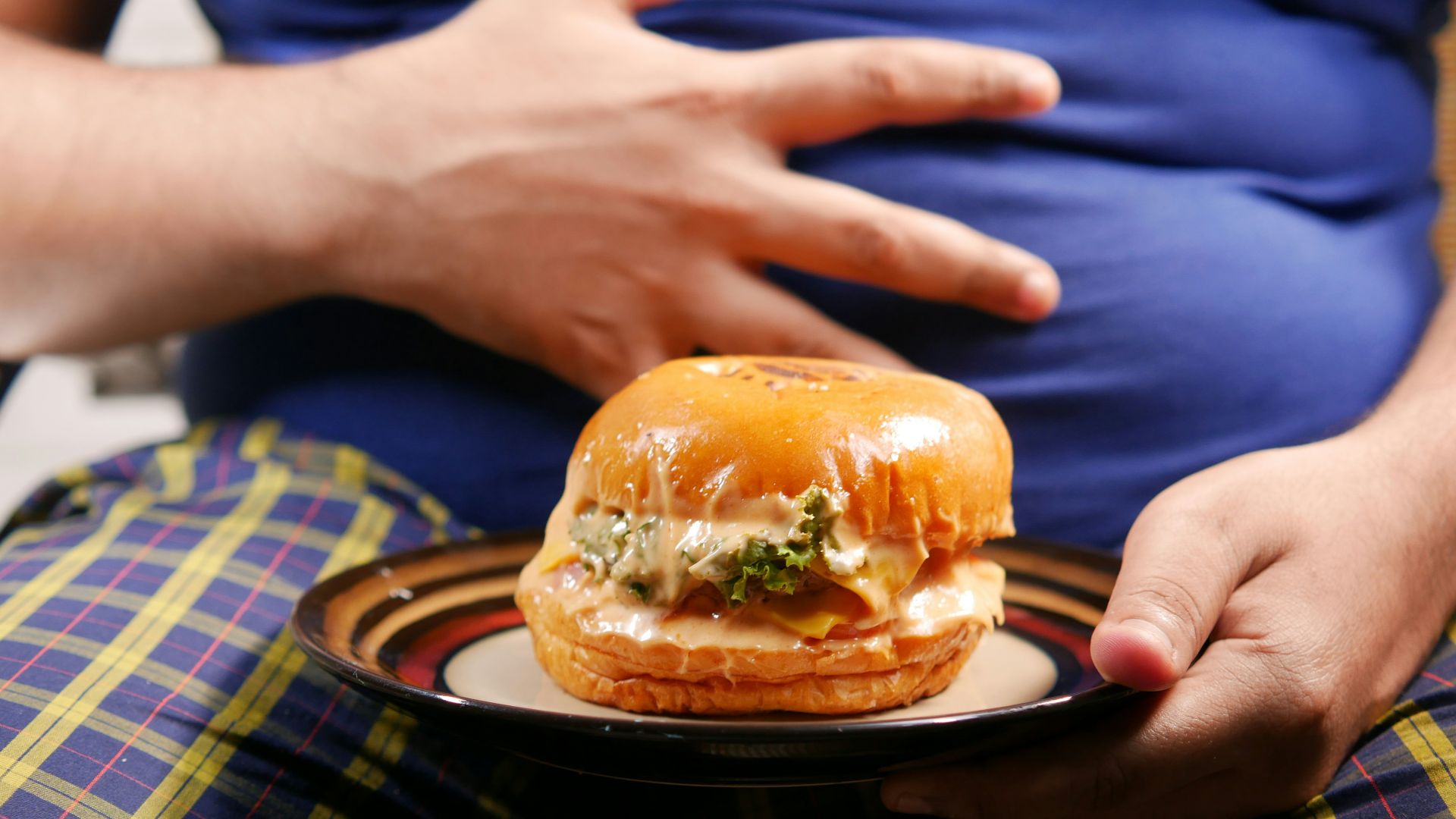
15. Adjust Portions When Necessary
Large meals can worsen reflux, fullness, or bloating, particularly when digestion feels slower than it once did. Smaller meals may be more comfortable, provided they still supply enough calories, protein, fiber, and other nutrients.
16. Care For Your Teeth And Mouth
Dental pain, poorly fitting dentures, or difficulty chewing can push you toward softer foods that may contain less fiber and variety. Regular dental care can make it easier to eat vegetables, fruit, whole grains, and protein-rich foods comfortably.

17. Get Enough Sleep
Poor sleep can affect appetite, food choices, stress levels, and daily routines, all of which may influence digestive comfort. Create a consistent bedtime and discuss ongoing insomnia, snoring, or daytime exhaustion with a healthcare professional.
 Nubelson Fernandes on Unsplash
18. Manage Stress In Practical Ways
Stress can worsen digestive symptoms for some people, particularly those dealing with conditions such as irritable bowel syndrome. Gentle exercise, breathing exercises, social activities, counseling, or quiet hobbies may help reduce its daily effects.
 Sebastian Herrmann on Unsplash
19. Be Careful With Restrictive Diets
Cutting out gluten, dairy, carbohydrates, or high-FODMAP foods without guidance can create unnecessary restrictions and make balanced eating harder. A registered dietitian can help identify triggers while protecting nutrition and food enjoyment.
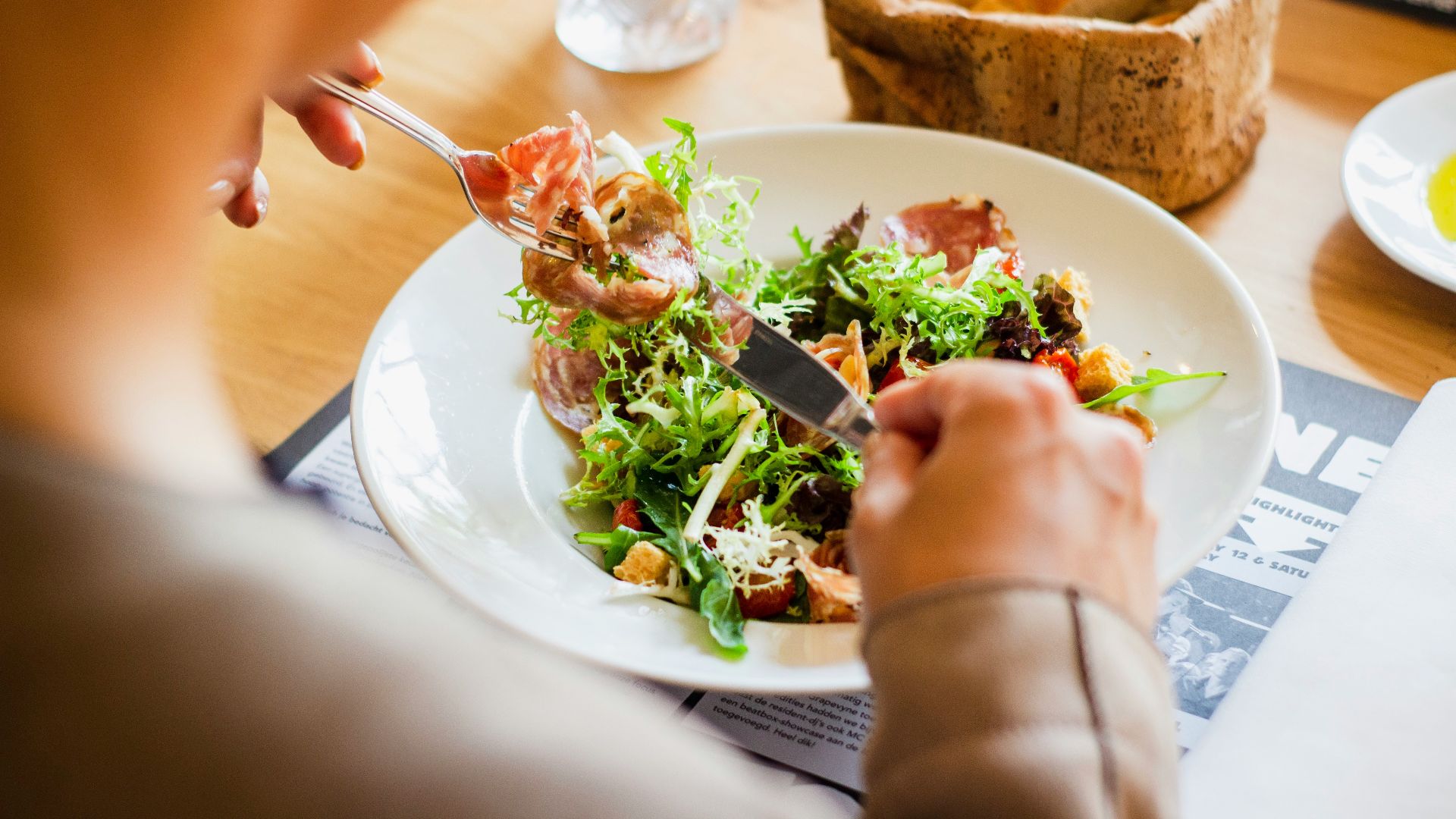
20. Report Lasting Digestive Changes
Ongoing constipation, diarrhea, swallowing difficulty, vomiting, blood in the stool, severe pain, or unexplained weight loss requires medical attention. New symptoms shouldn’t automatically be blamed on age, even when digestive habits have changed gradually.
KEEP ON READING



20 Natural Ways You Can Boost Your Immune System

20 Ways To De-stress & Relax After Work

The 10 Most Common Diseases & The 10 Most Rare