
Give Your Plate A Nutritional Upgrade
Vegetables don’t need to be trendy, expensive, or difficult to prepare to earn a regular place in your meals. In fact, they should be the opposite! Many familiar options contain valuable combinations of fiber, vitamins, minerals, and plant compounds that support a balanced diet. So if you're looking to up the health of your plates, here are 20 super veggies to include.

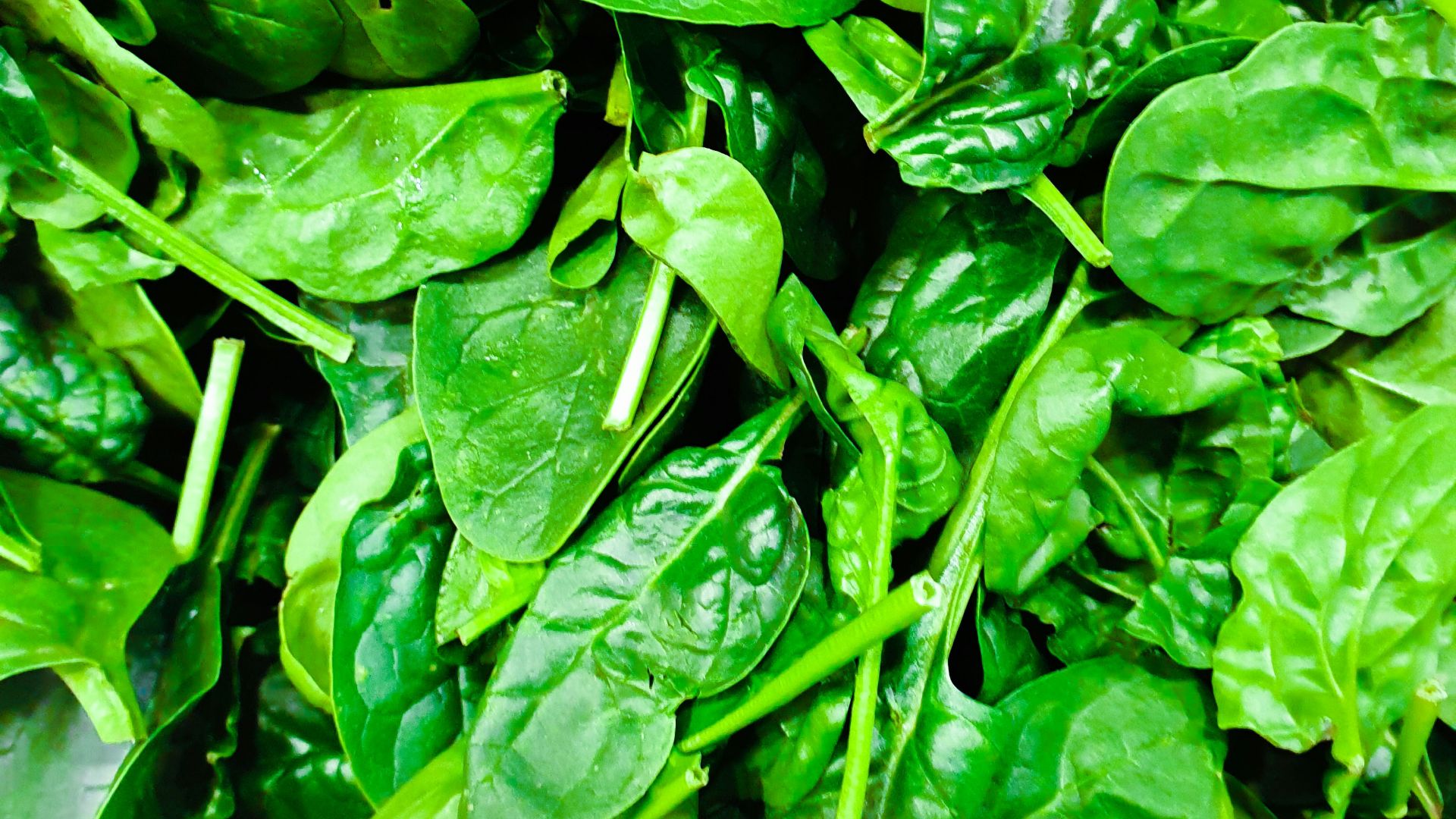
1. Spinach
As far as vegetables go, spinach is one of the healthiest leafy greens out there to load up on. It provides folate, vitamin K, vitamin A, and several important minerals if you need some convincing. The best part about spinach though, is that it's easy to incorporate into any dish, like blending it into smoothies, stirring it into pasta, or folding it into an omelet.
 Shutter Sphere Collective on Unsplash
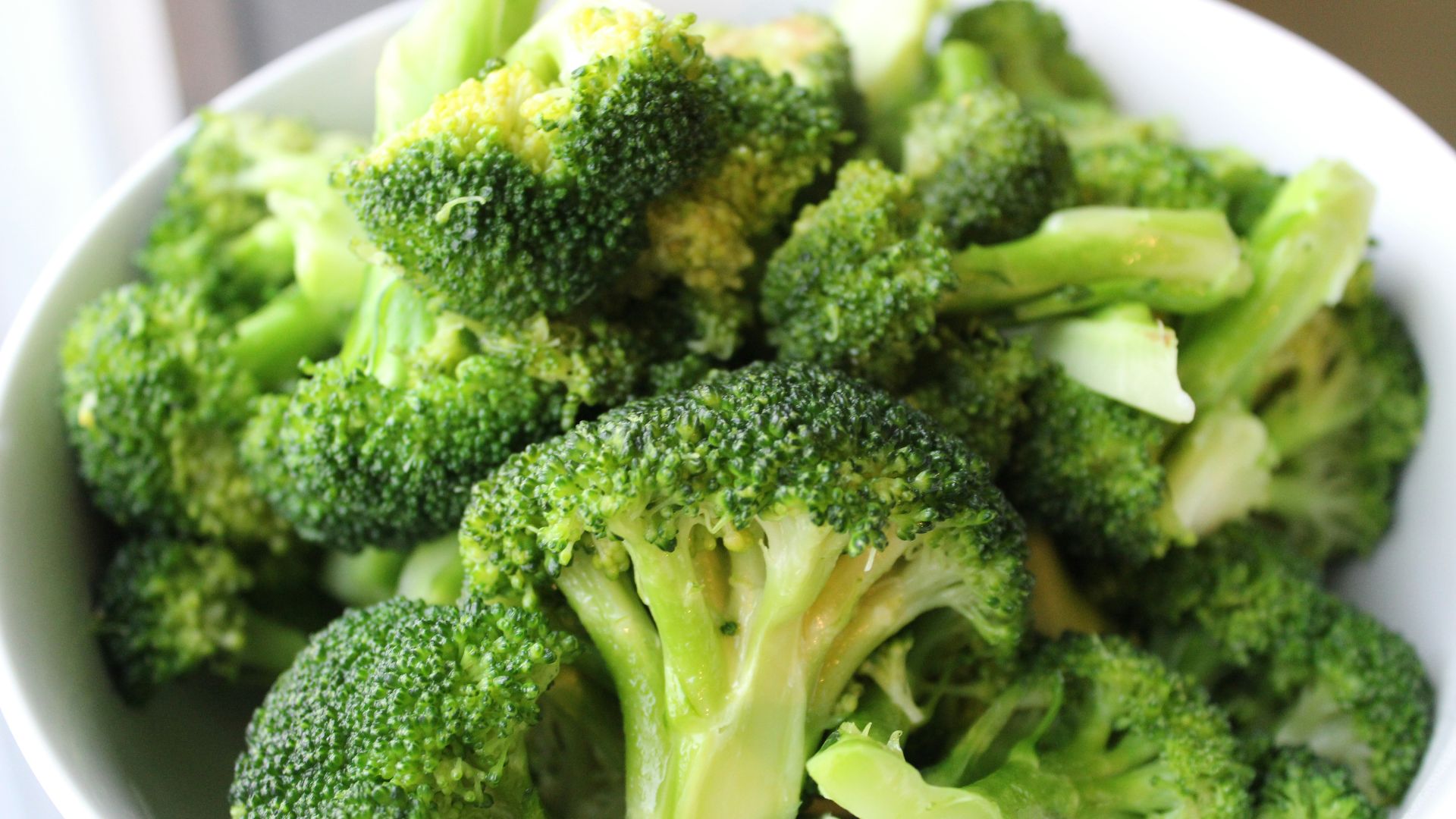
2. Broccoli
Though many kids hate broccoli, it's worth getting over that dislike simply for all the major health benefits you get from eating this veggie. Containing fiber, vitamin C, vitamin K, and more, this super veggie can taste as good as it feels for your body if you just learn to roast, steam, or stir-fry them in a way that satisfies your taste buds!
 Tyrrell Fitness And Nutrition on Unsplash
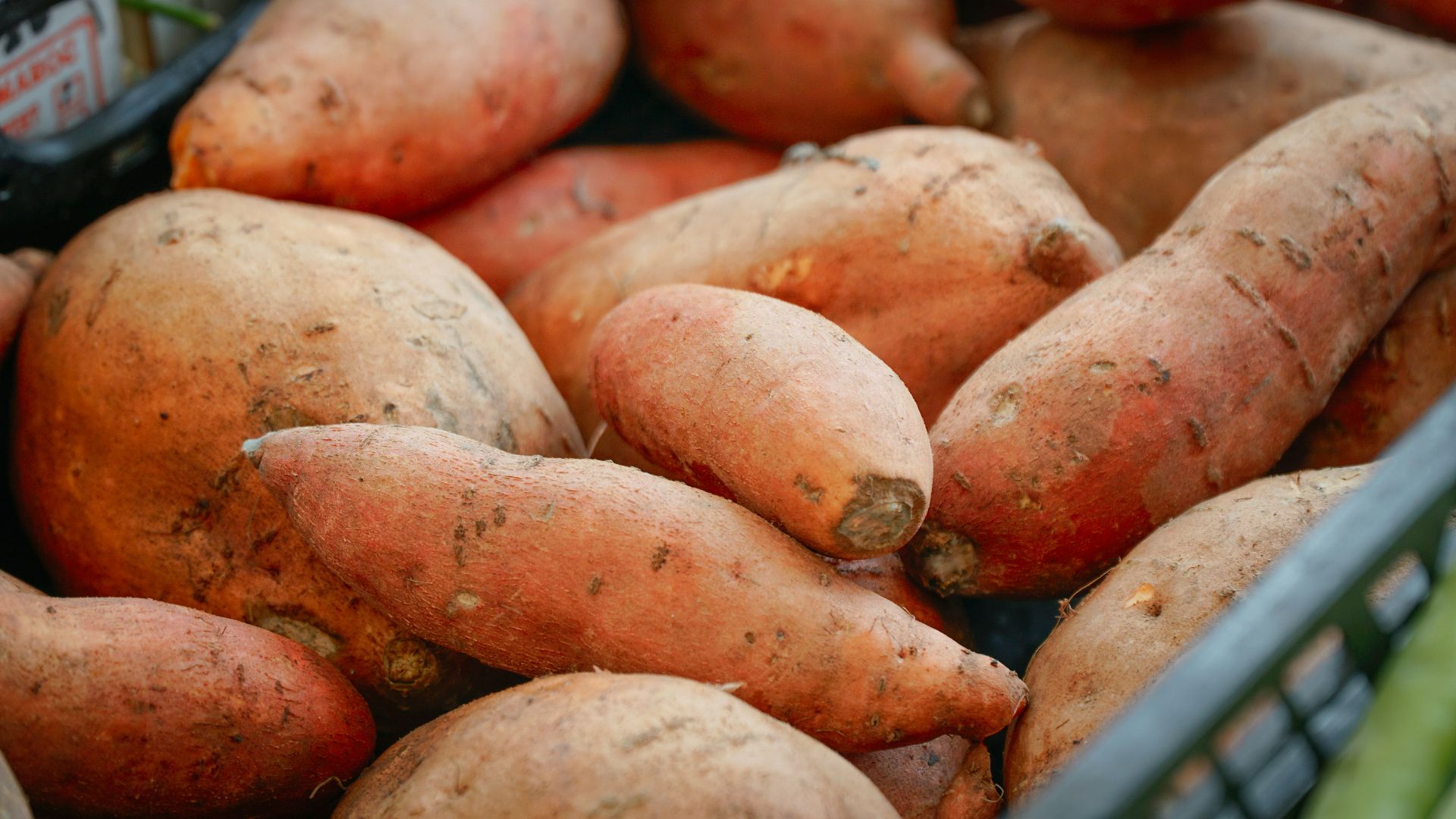
3. Sweet Potatoes
Sweet potatoes are especially known for their beta-carotene content, which the body can convert into vitamin A, but they also provide fiber and potassium which your body won't complain about. It's amazing how healthy sweet potatoes are for how tasty they can be, especially when baked or roasted with some seasonings.
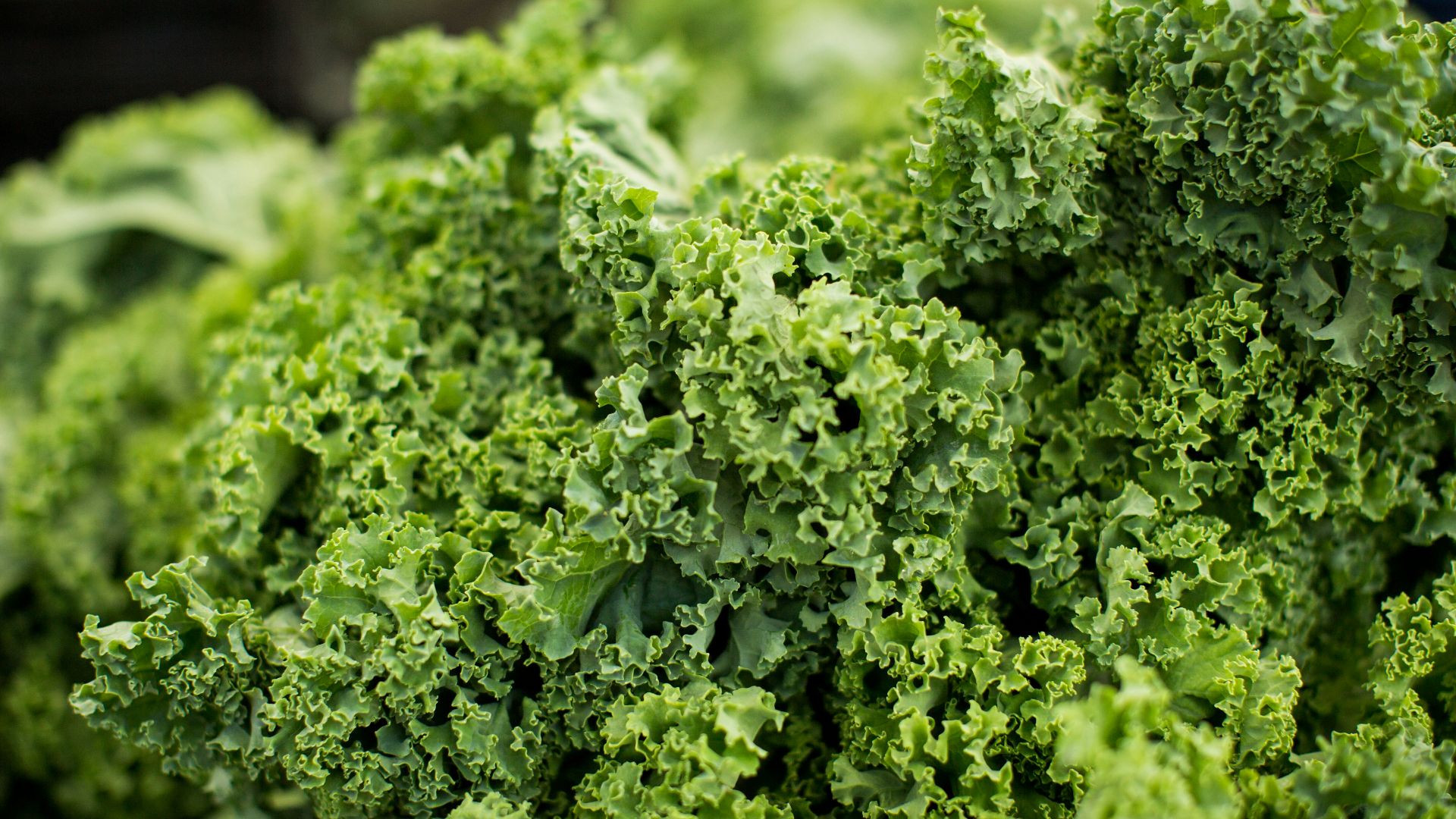
4. Kale
Despite being a trendy vegetable, kale also knows how to back up that popularity with plenty of healthy nutrients like vitamins A, C, K, and fiber. Its sturdy leaves work well in soups, grain bowls, and cooked side dishes, which means there are plenty of easy ways to include this in your diet moving forward.
5. Bell Peppers
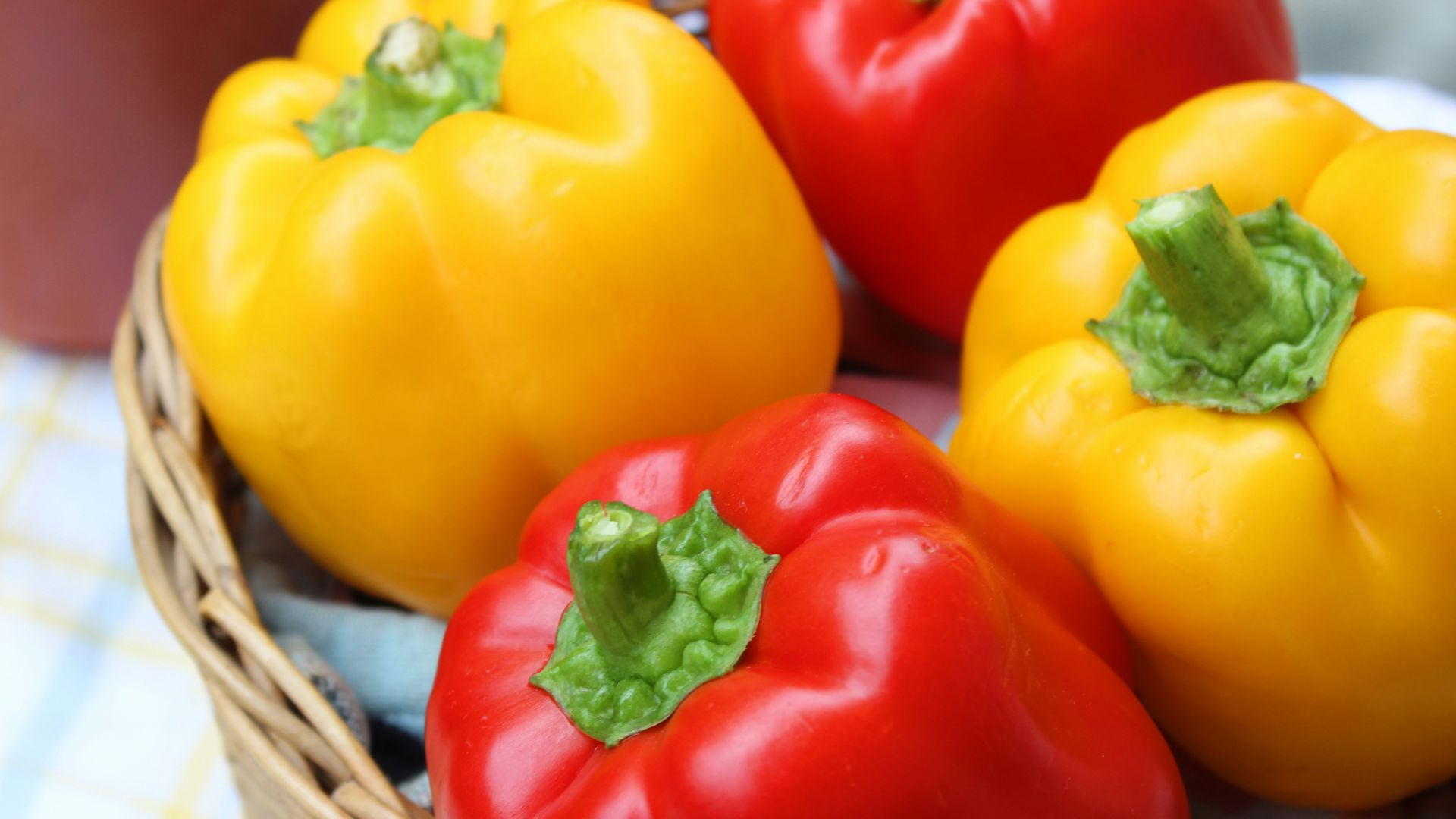
Bell peppers are colorful, crunchy, and particularly rich in vitamin C, especially the red varieties. Their mild flavor makes them convenient for people who don’t enjoy stronger-tasting vegetables, which means you can slice them into sandwiches, cook them with fajitas, or even serve them raw with a dip.
6. Brussels Sprouts
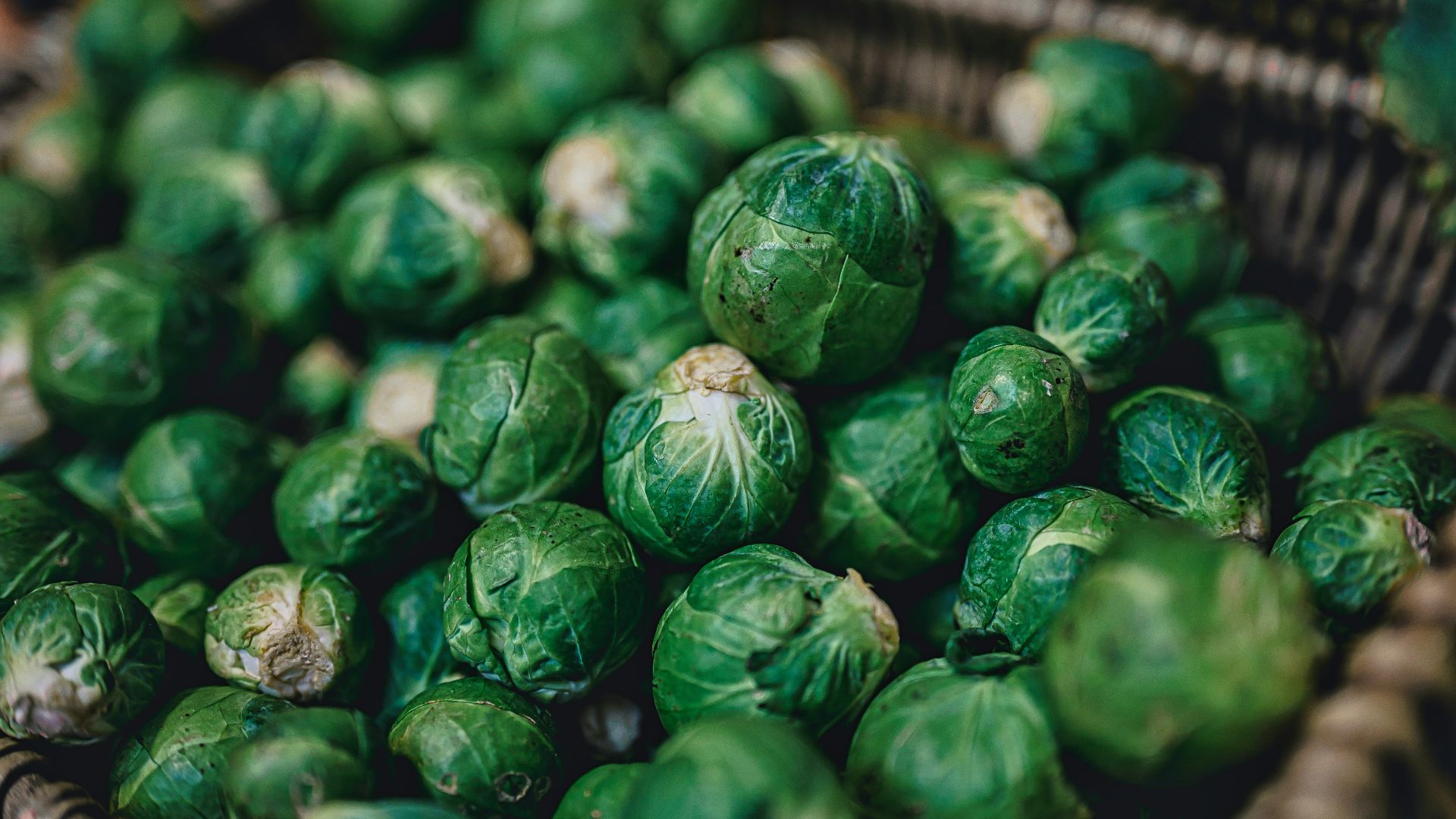
Providing all the good stuff like fiber, vitamin C, vitamin K, and other healthy nutrients associated with cruciferous vegetables, Brussels sprouts get a worse rep than they deserve. Because if you learn to cook them well, like roasting them until the edges are brown and firm, it can actually serve as quite the delicious dish.
7. Carrots
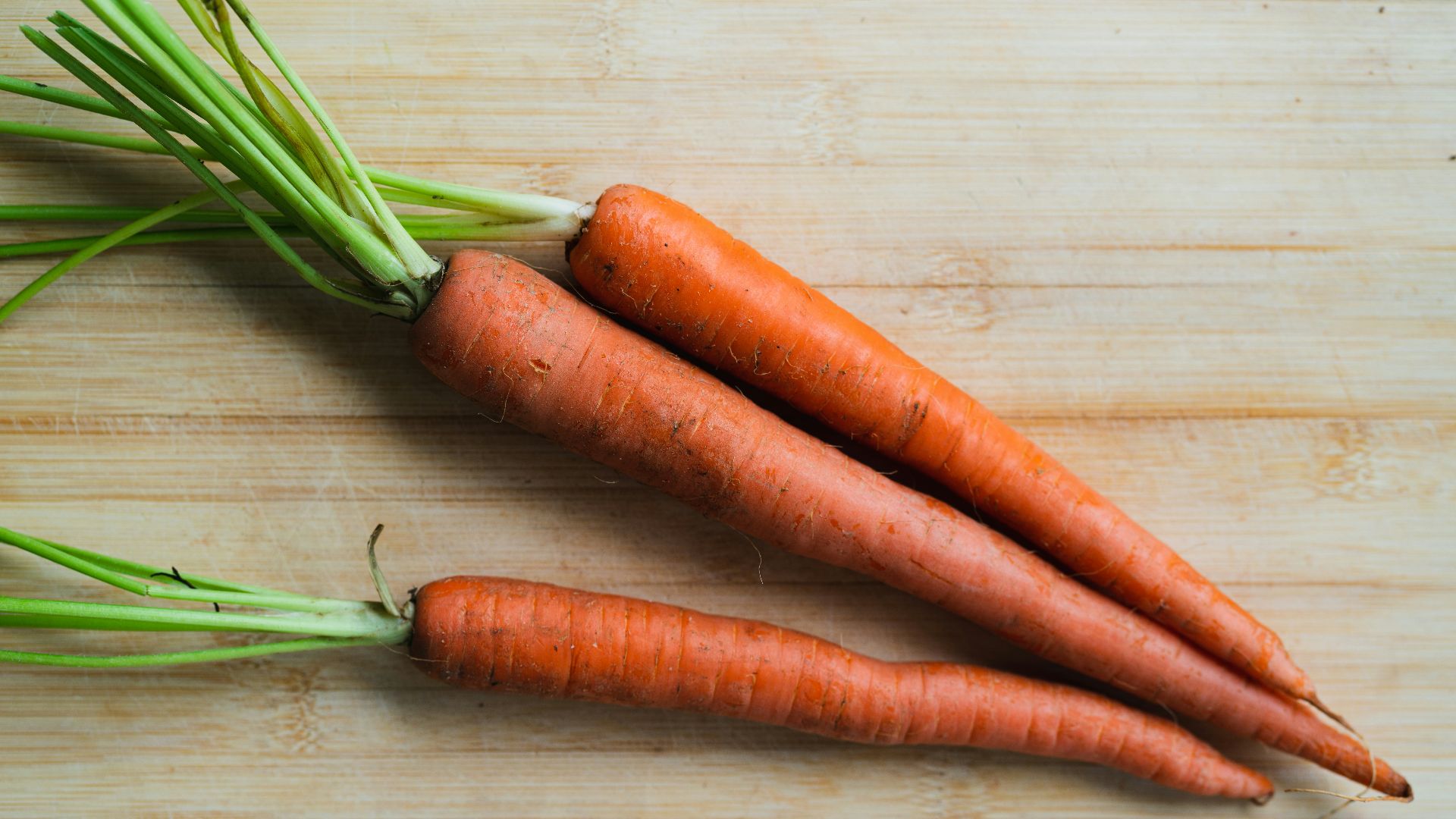
This crunchy, orange veggie is a favorite for many, and that's a good thing to hear because carrots are a reliable source of beta-carotene and also contribute fiber, potassium, and vitamin K. They’re one of the most convenient super veggies too, because they can be eaten raw, roasted, steamed, or added to slow-cooked meals.
8. Red Cabbage
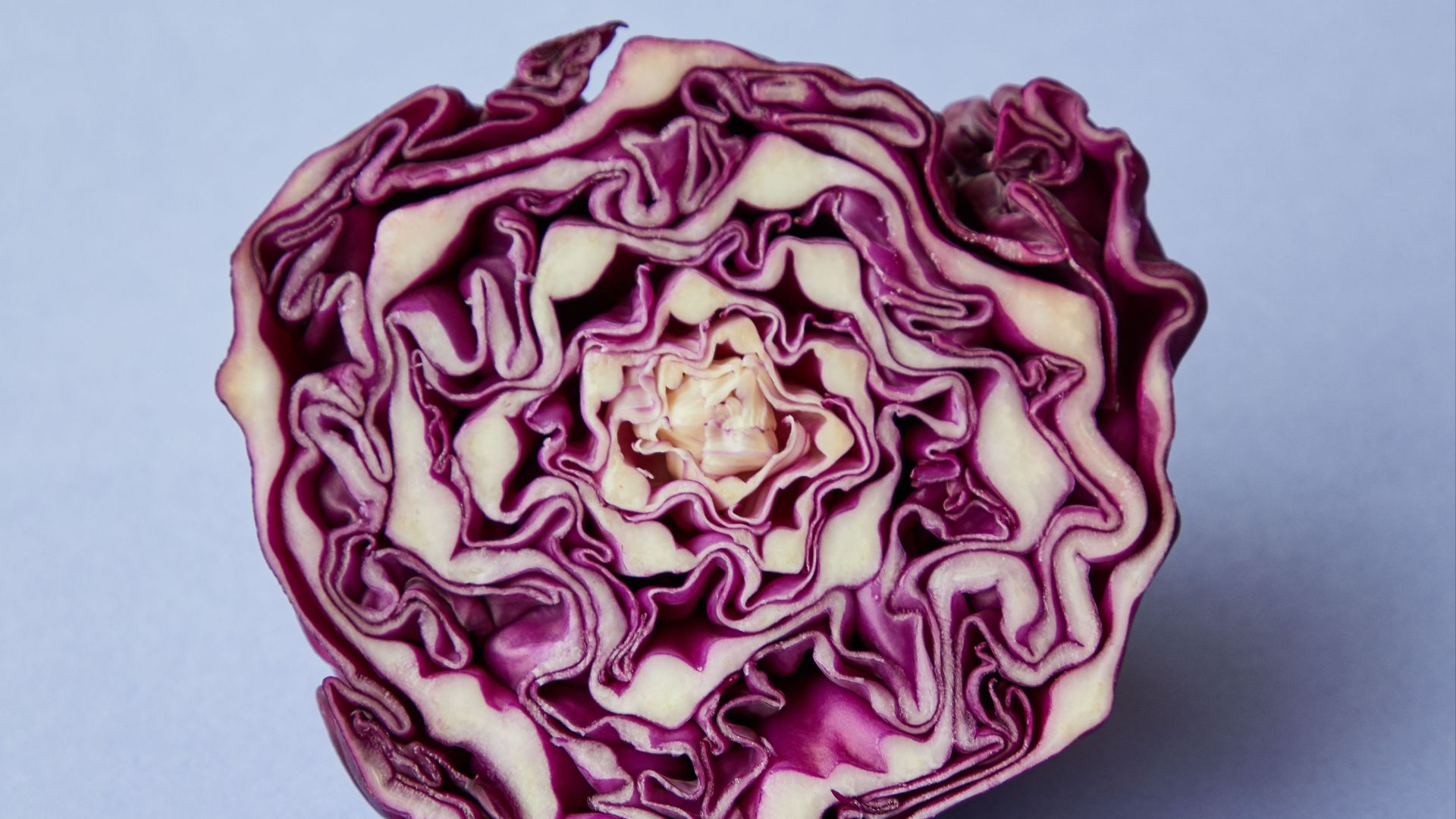
Perfect for salads, tacos, rice bowls, and even sandwiches, red cabbage doesn't just bring the crunch, they also pack fiber and vitamin C. It stays crisp for much longer than many leafy vegetables, which can also make it a practical option for meal prep.
9. Asparagus
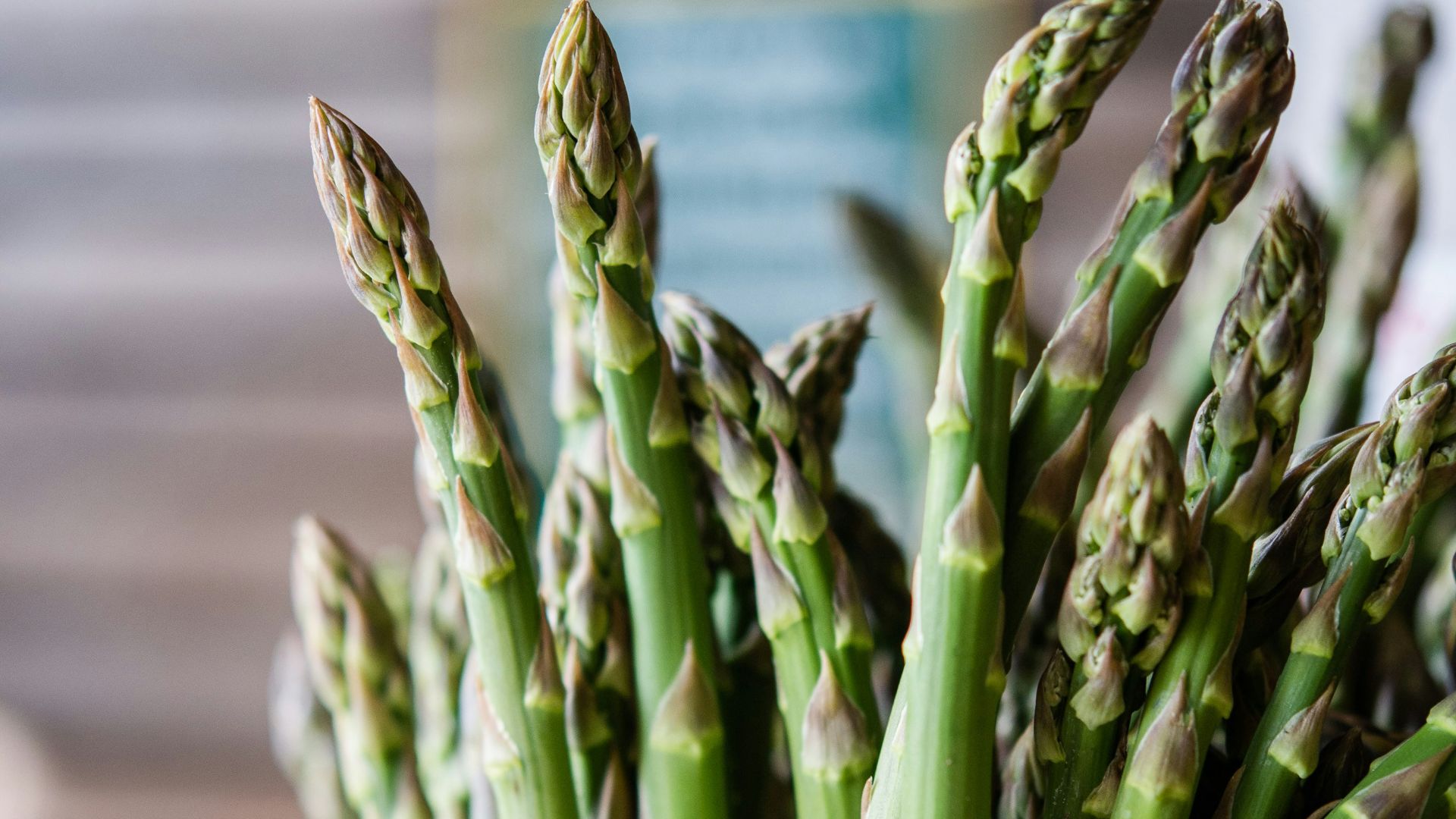
Asparagus isn't the most beloved vegetable out there, but it does contains folate, vitamin K, fiber, and several antioxidant compounds. If you're stuck on the taste of it, roasting or sautéing the spears until tender while allowing them to keep a little firmness might just convert you to a fan.
10. Beets
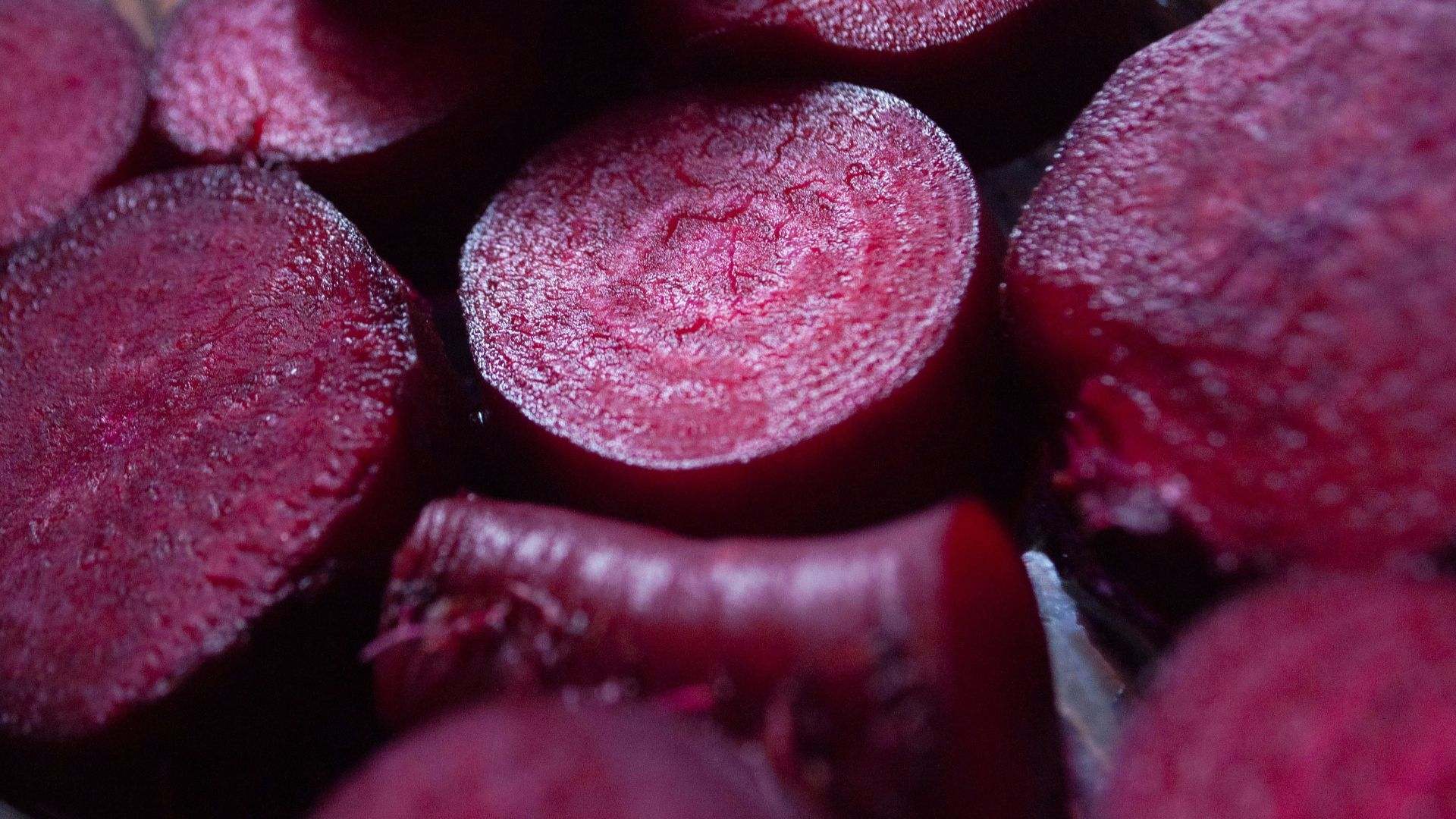
There's no need to feel intimidated by this healthy super vegetable; beets aren't just bright in color, they also supply folate, fiber, potassium, and naturally occurring nitrates. And if you're not a fan of their earthy flavor, it can actually become milder and sweeter after roasting.
11. Cauliflower
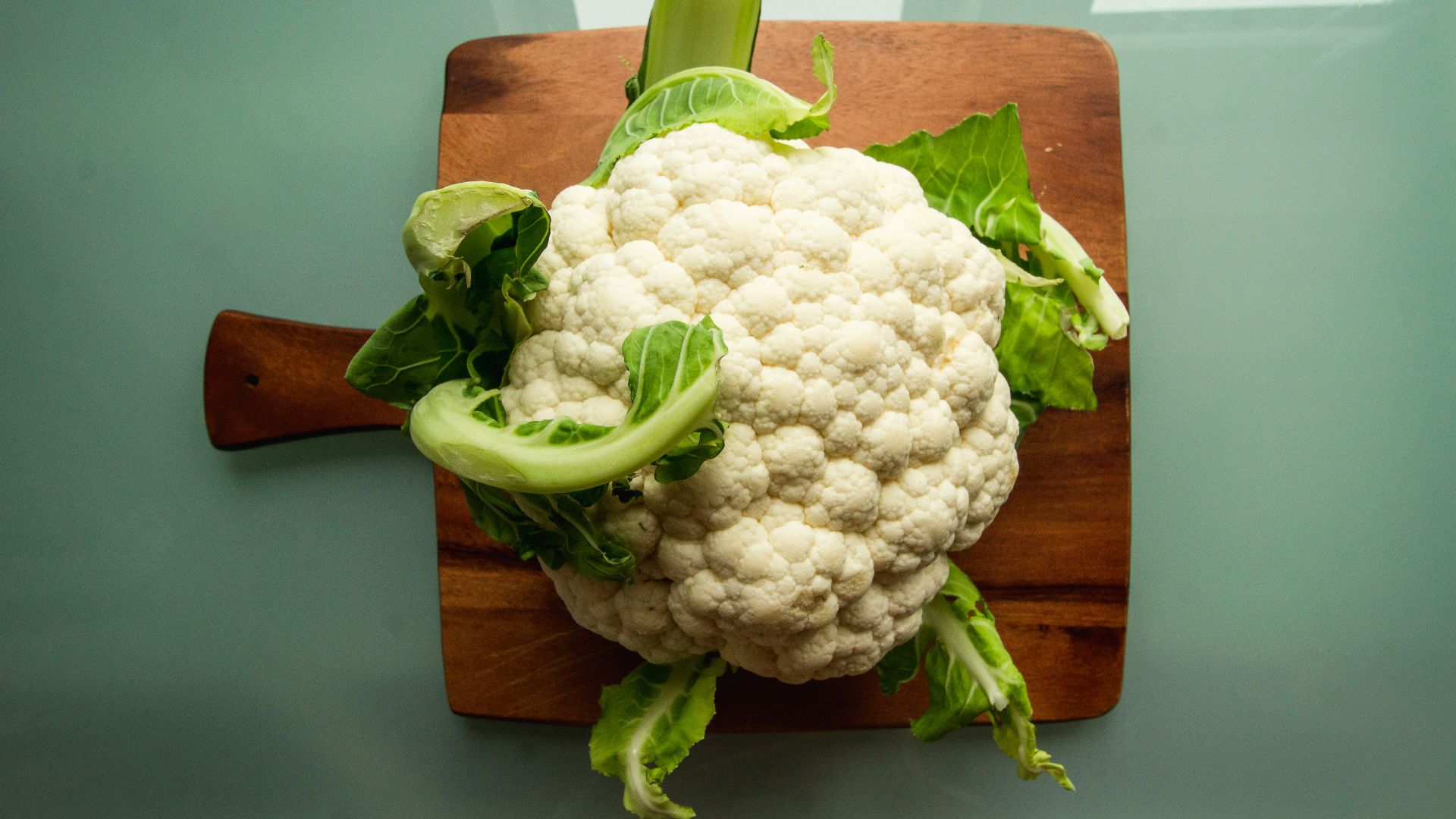
Broccoli's distant aunt or sister, cauliflower offers vitamin C, folate, fiber, and a neutral flavor that adapts to many seasonings. It can even be cooked in various ways, whether it's roasted whole, broken into florets, mashed, or pulsed into small rice-like pieces.
12. Swiss Chard
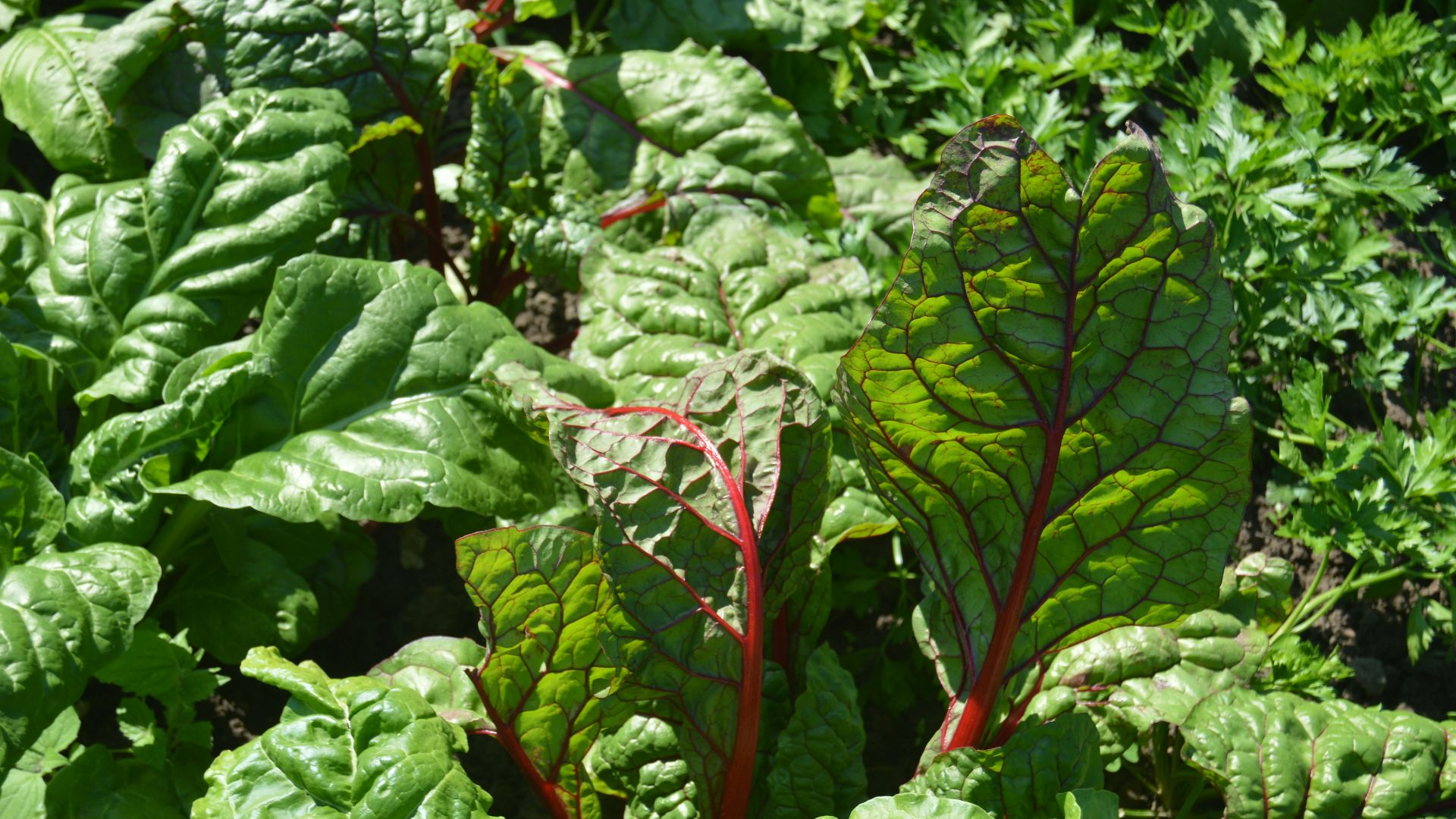
Swiss chard isn't one of the most common vegetables around, but all the reason to start adding it to your diet! This leafy green contains vitamins A, C, and K, along with magnesium and potassium. Its leaves soften quickly when cooked too, which can work well when you're in a rush.
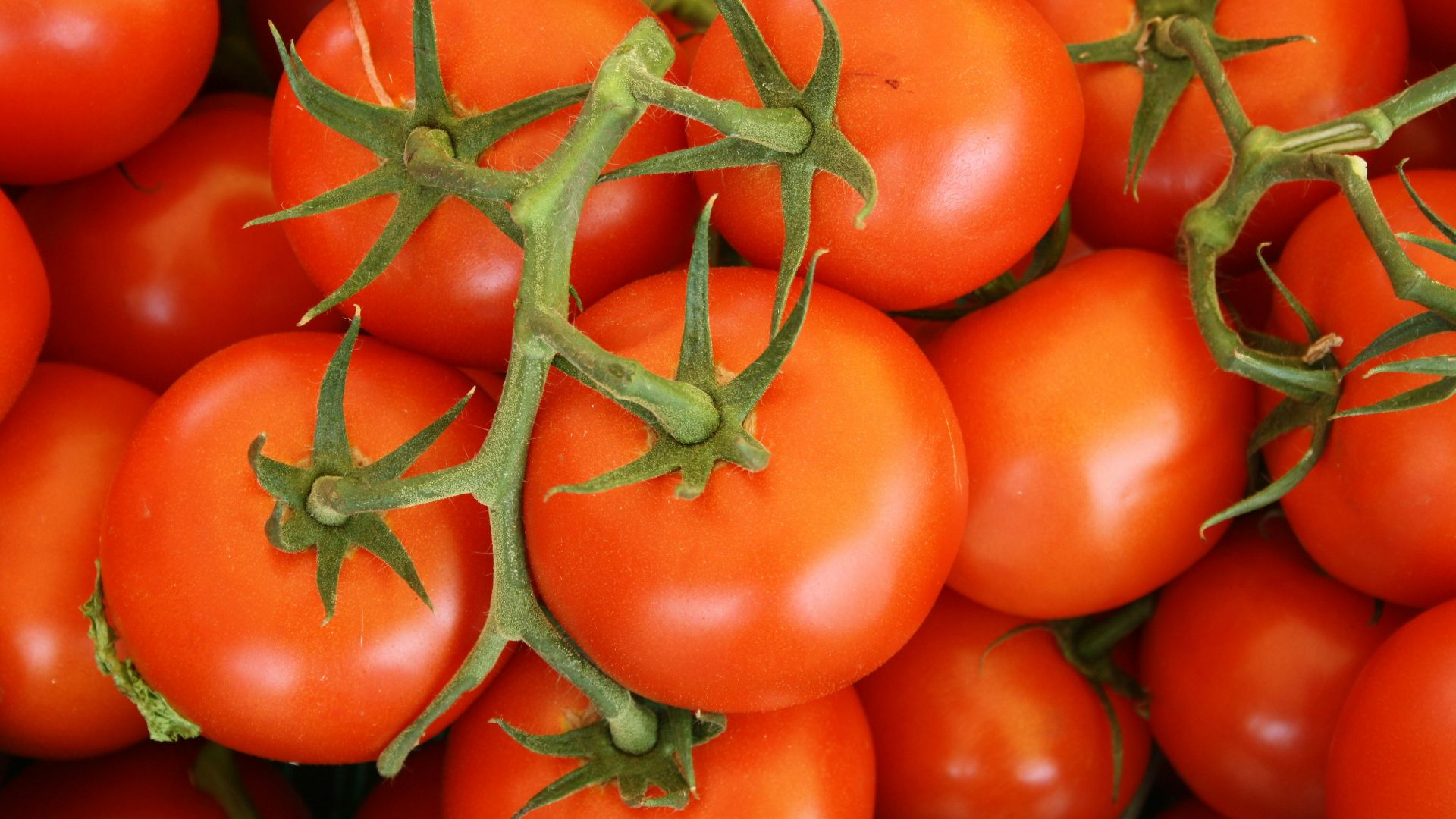
13. Tomatoes
Yes, we know tomatoes are botanically classified as a fruit, but they're basically treated as vegetables in everyday meals! And they should make an appearance in more meals because they provide vitamin C, potassium, and lycopene. Use them in sauces, soups, roasted dishes, or simple salads for a quick nutrition boost.
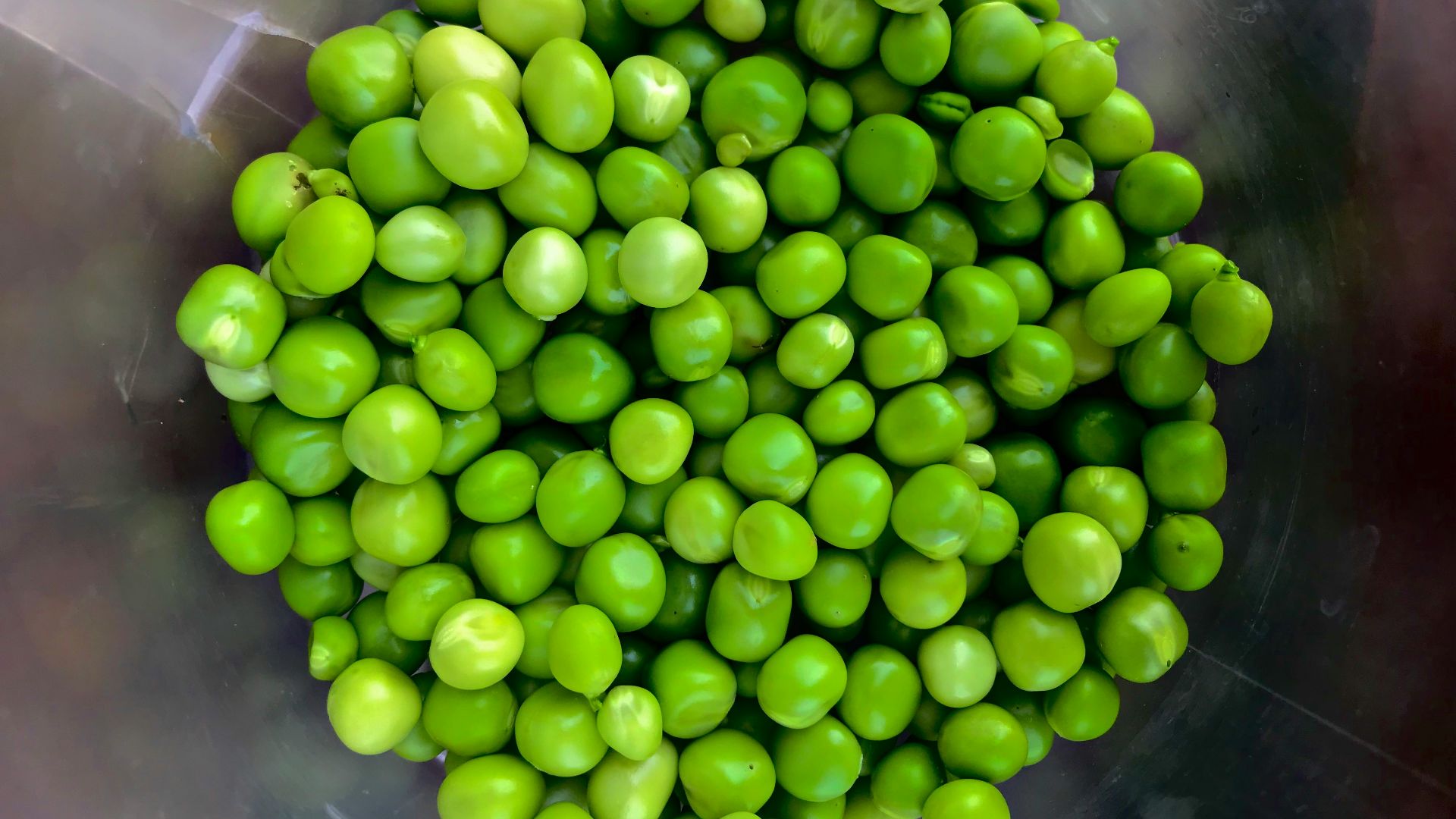
14. Green Peas
Perfect for tossing into rice, pasta, soups, or even casseroles, peas are great super veggies that actually make meals feel noticeably more filling. But on top of being more satiating, they also offer a plethora of nutritional benefits like fiber, plant-based protein, vitamin C, and several B vitamins.
15. Mushrooms
Mushrooms contribute B vitamins and minerals all while being relatively low in calories. They can taste a bit earthy, but are super flavorful and savory when cooked well and added to the right dishes.

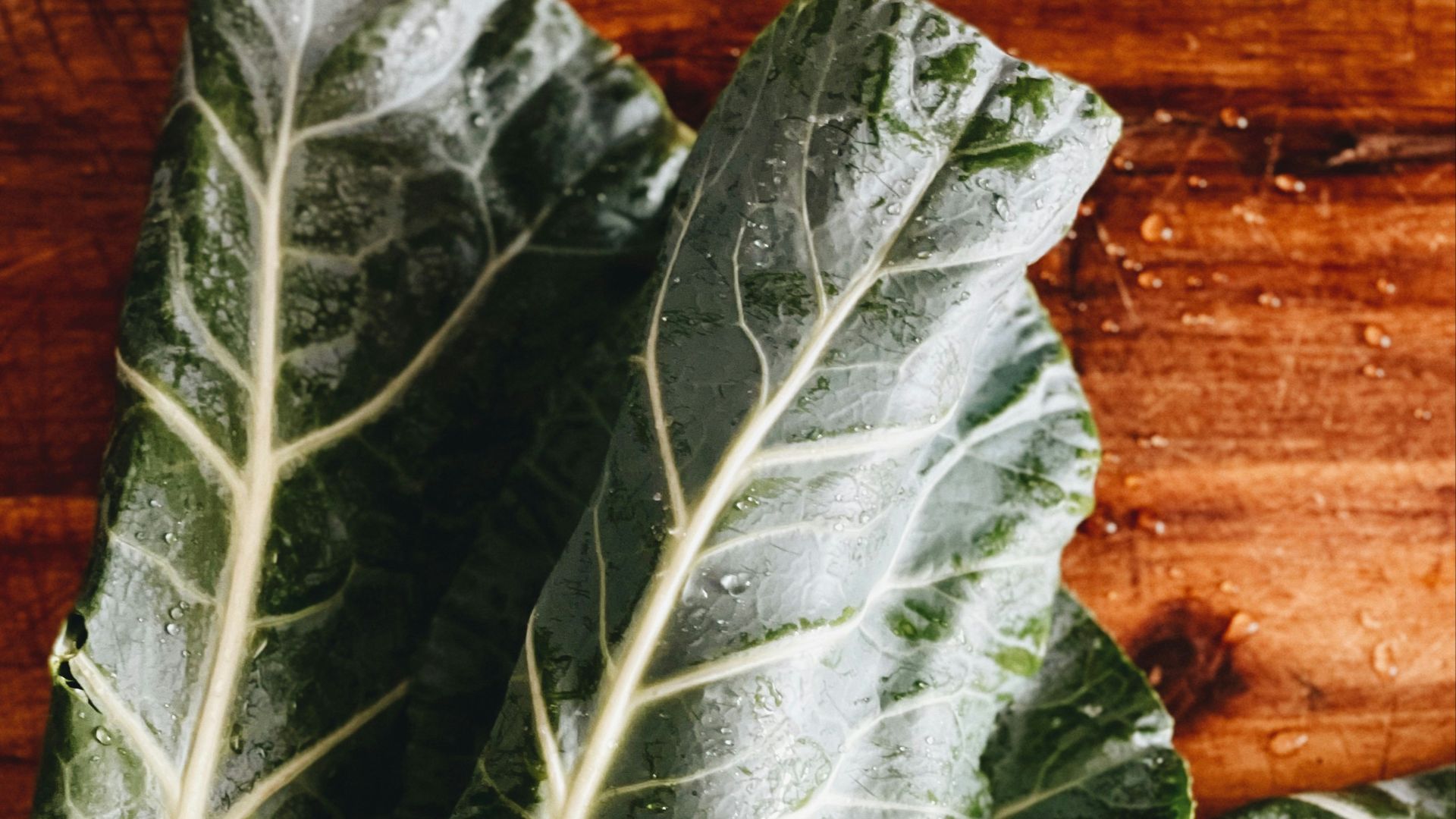
16. Collard Greens
To change up your leafy greens game, give collard greens a try. They contain fiber, calcium, folate, and vitamins A, C, and K. Their broad, sturdy leaves hold up well during longer cooking methods, and you can simmer them traditionally or slice them thinly for quicker sautéing.
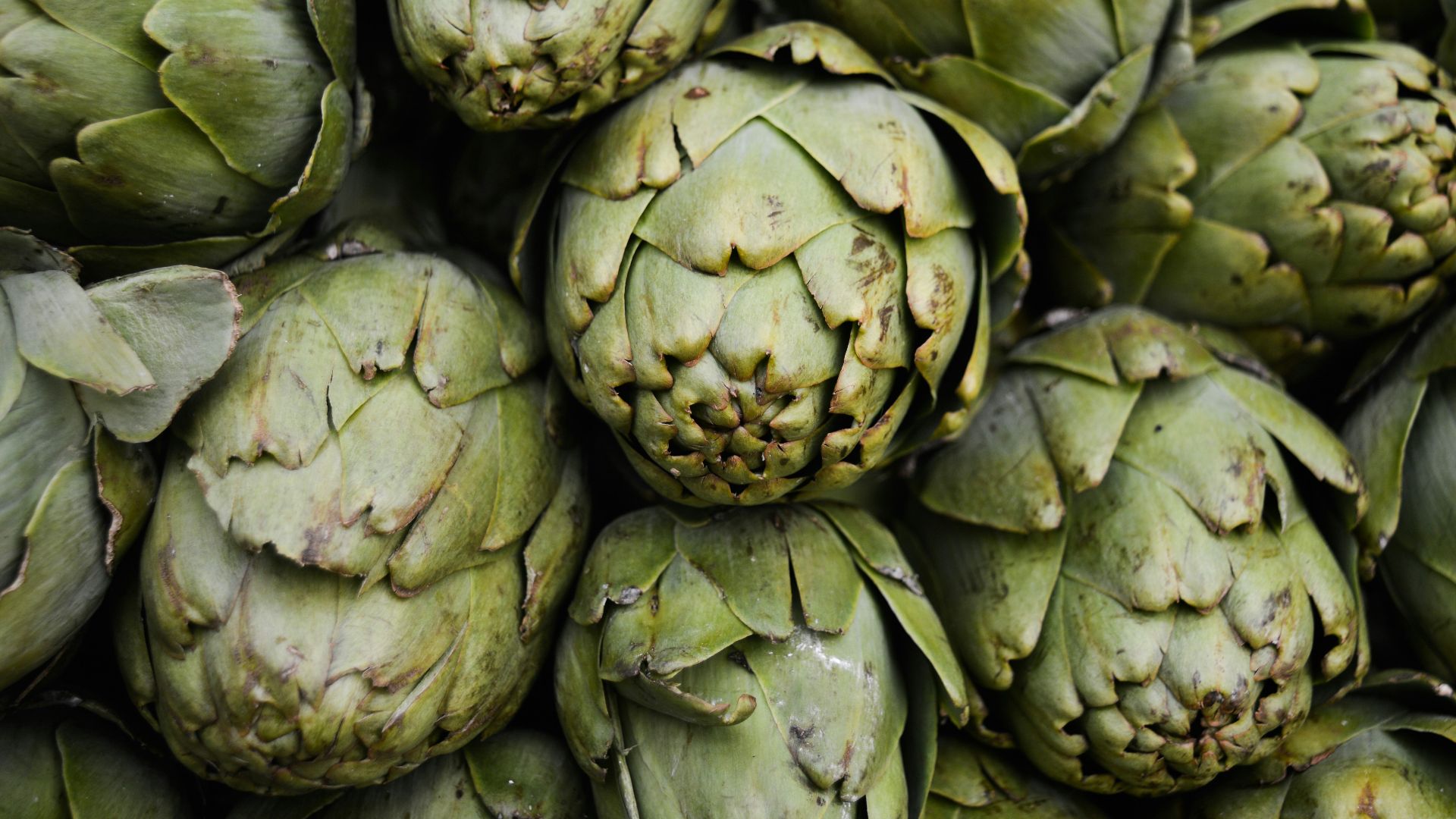
17. Artichokes
Artichokes stand out not just for their appearance, but also for their fiber content, folate, magnesium, and vitamin C. Preparing a whole artichoke takes some effort, so if you're in a rush, frozen or canned hearts offer a convenient alternative. Add them to salads, pasta dishes, pizzas, or grain bowls for a tender texture and health boost.
18. Watercress
This lesser-known leafy green deserves a lot more attention for its peppery flavor and notable amounts of vitamins K, C, and A. You can mix it into salads, tuck it into sandwiches, or stir it into soup just before serving. Combining it with milder greens can soften the flavor if you find it too strong on its own, too.

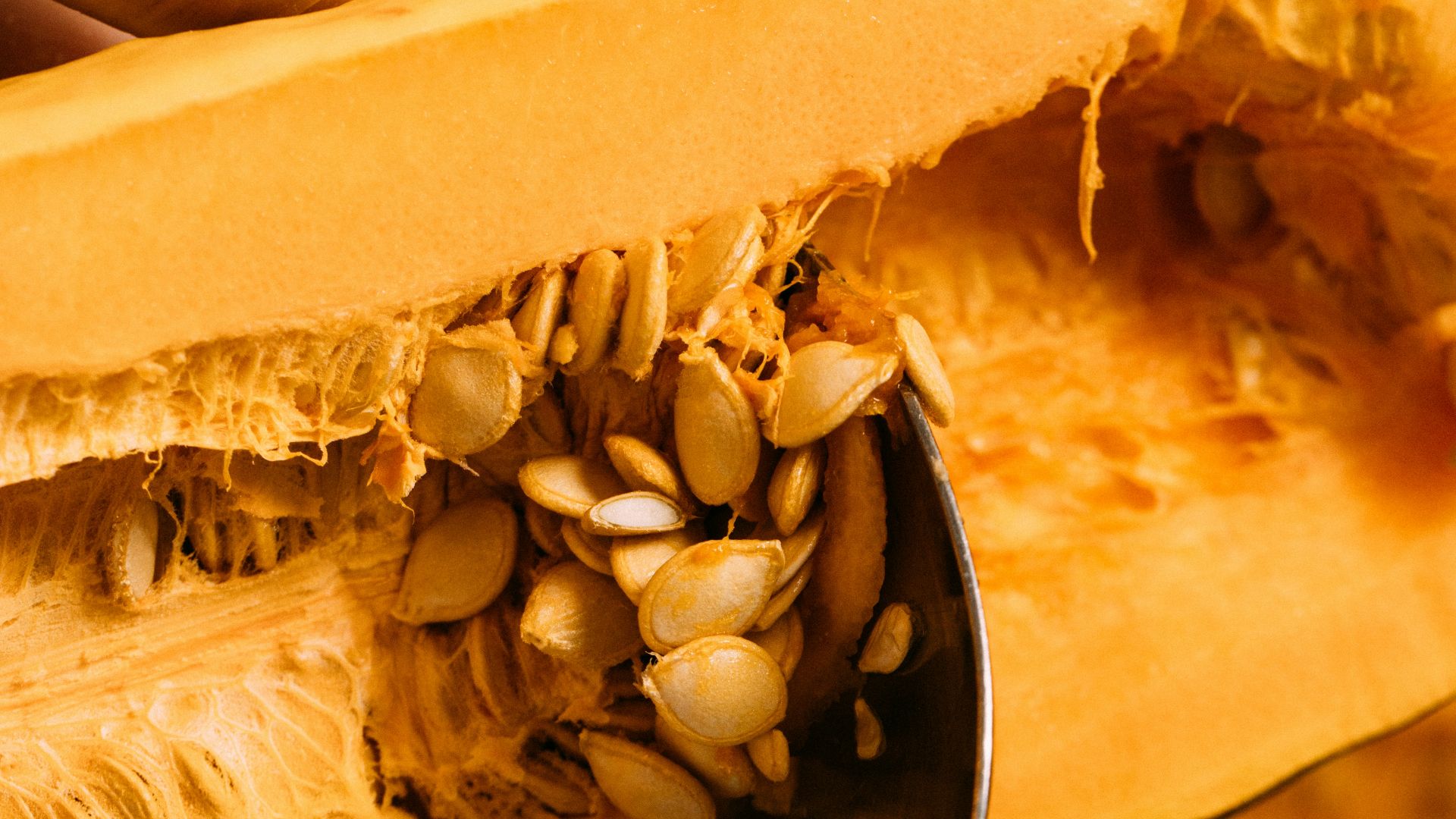
19. Butternut Squash
Offering a sweet and creamy bite, butternut squash isn't just naturally delicious, it also provides beta-carotene, vitamin C, potassium, and fiber. Roasting it develops its sweetness and creates tender pieces that work in many different meals, from blending it into soup, adding it to pasta, or serving it with grains and roasted proteins.
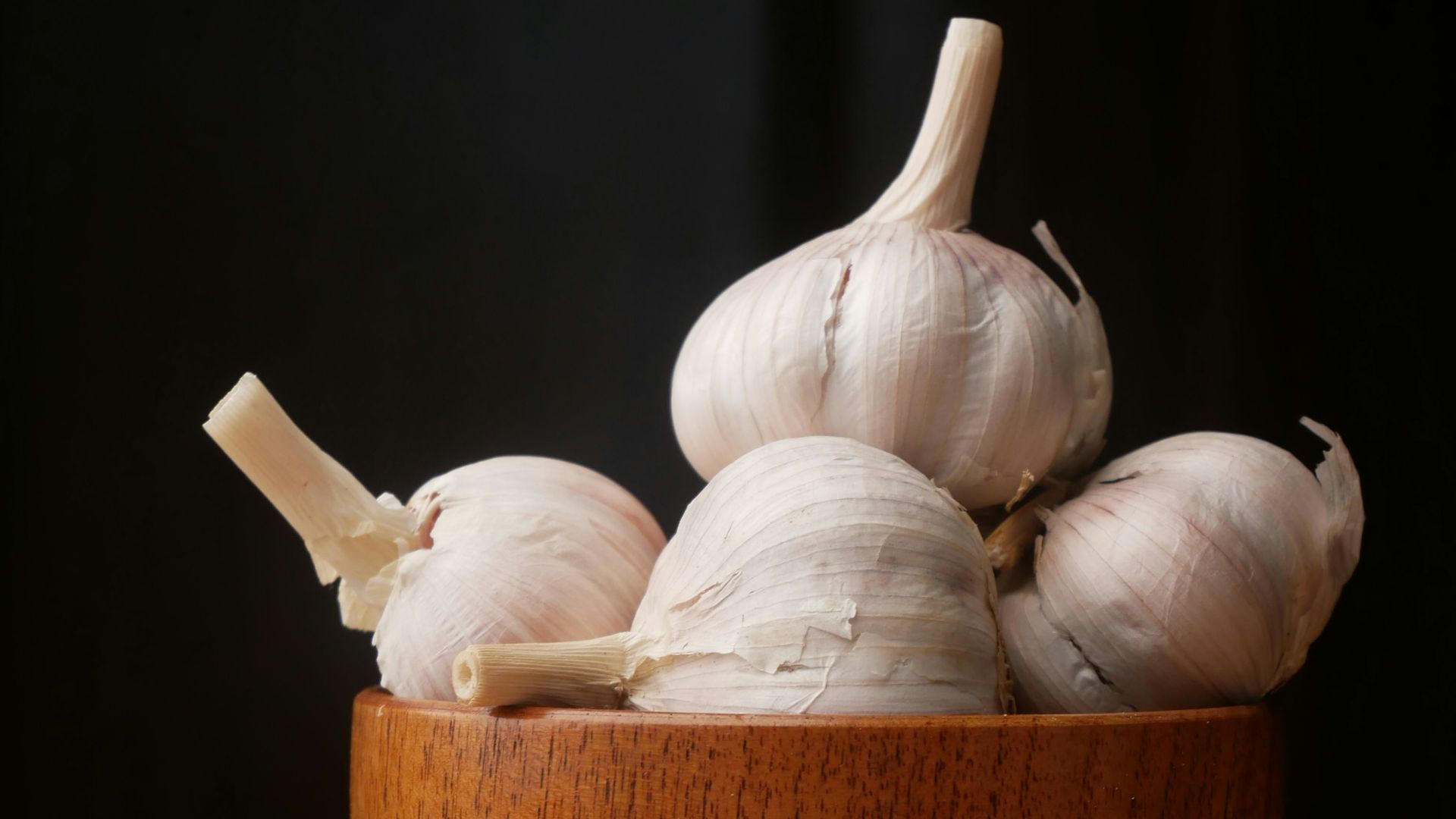
20. Garlic
Garlic might be used in much smaller amounts than other vegetables, but it still contributes beneficial plant compounds and plenty of flavor. Chopping or crushing the cloves before cooking helps release the compounds responsible for its familiar aroma, and adding it to sauces, roasted vegetables, marinades, and soups is an easy way to make nutritious foods more enjoyable.
KEEP ON READING



20 Natural Ways You Can Boost Your Immune System

20 Ways To De-stress & Relax After Work

The 10 Most Common Diseases & The 10 Most Rare