When Your Body Starts Following Different Rules
Hormonal changes after 40 can affect periods, sleep, mood, temperature regulation, sexual comfort, and other parts of daily life, particularly during perimenopause. However, these symptoms can also have unrelated causes, so persistent, severe, or unusual changes deserve a conversation with a qualified healthcare professional rather than an automatic assumption that hormones are responsible. Here are 20 signs your hormones are shifting after 40.
1. Your Periods Become Less Predictable
Changes in menstrual timing are among the most recognizable signs of perimenopause. Your cycles might become longer, shorter, heavier, lighter, or occasionally absent because ovulation is occurring less consistently.

2. Hot Flashes Arrive Without Warning
A hot flash can create a sudden feeling of heat across your face, neck, chest, or upper body. You may also experience sweating, flushing, or a rapid heartbeat before the sensation gradually passes. Although hot flashes are common during the menopausal transition, their frequency and intensity vary considerably from person to person.
3. You Wake Up Sweating At Night
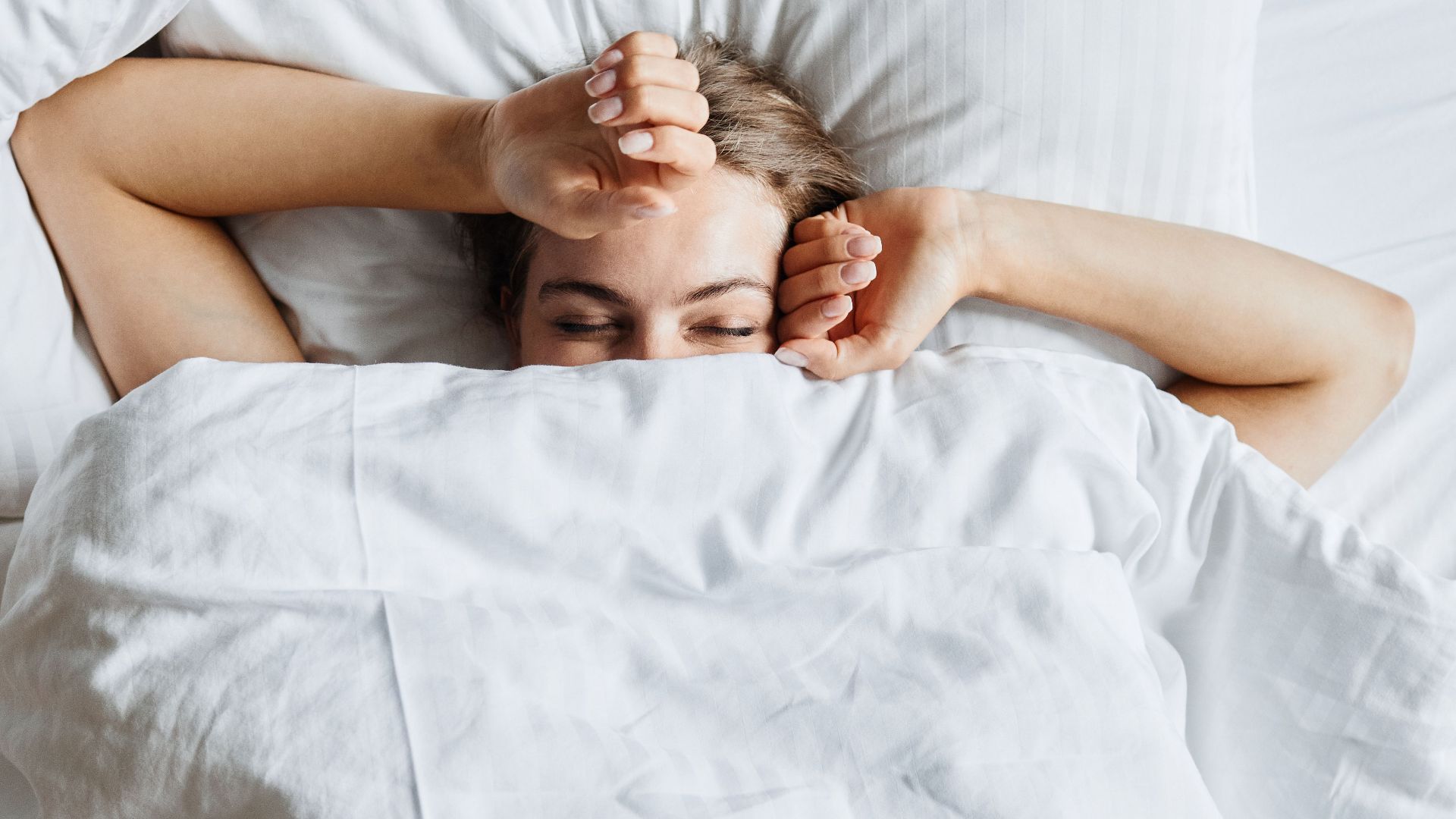
Night sweats are hot flashes that occur while you’re sleeping, and they can leave your clothes or bedding noticeably damp. Even brief episodes may interrupt your sleep enough to affect your energy the following day.
4. Sleep Becomes Harder To Maintain
You might fall asleep normally but begin waking several times or find it difficult to return to sleep afterward. Night sweats, mood changes, stress, and age-related sleep differences may all contribute to the disruption. Since sleep apnea and other conditions also become more common with age, persistent problems deserve proper evaluation.
5. Your Moods Feel Less Predictable
Hormonal fluctuations may contribute to irritability, sadness, anxiety, or emotional sensitivity during perimenopause. These changes can feel surprising when everyday frustrations suddenly create a much stronger reaction than they once did.
 Melany @ tuinfosalud.com on Unsplash
6. Concentration Takes More Effort
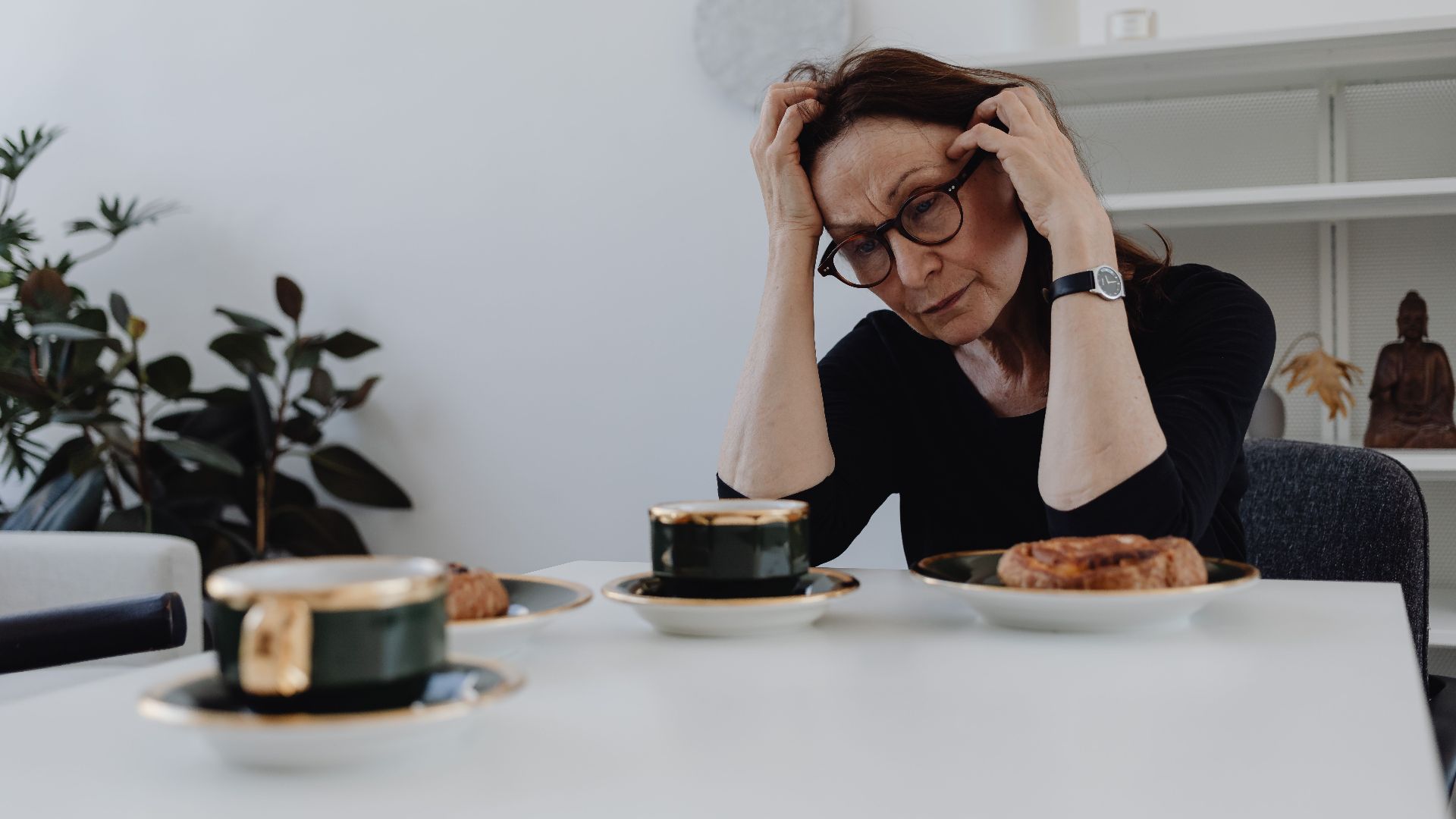
Some people report having greater difficulty focusing, organizing their thoughts, or completing mentally demanding tasks during the menopausal transition. Interrupted sleep and stress can make these concentration problems more noticeable.
7. Familiar Words Temporarily Disappear
You may know exactly what you want to say, but struggle to retrieve an ordinary word or familiar name. These lapses are often casually described as brain fog and can become frustrating during conversations or work.
8. Your Skin Feels Noticeably Drier
Declining estrogen levels can affect the skin’s moisture, thickness, and elasticity, leaving it feeling drier than it once did. Products that previously worked well may no longer provide enough hydration, particularly during colder weather.
9. Vaginal Dryness Becomes Uncomfortable
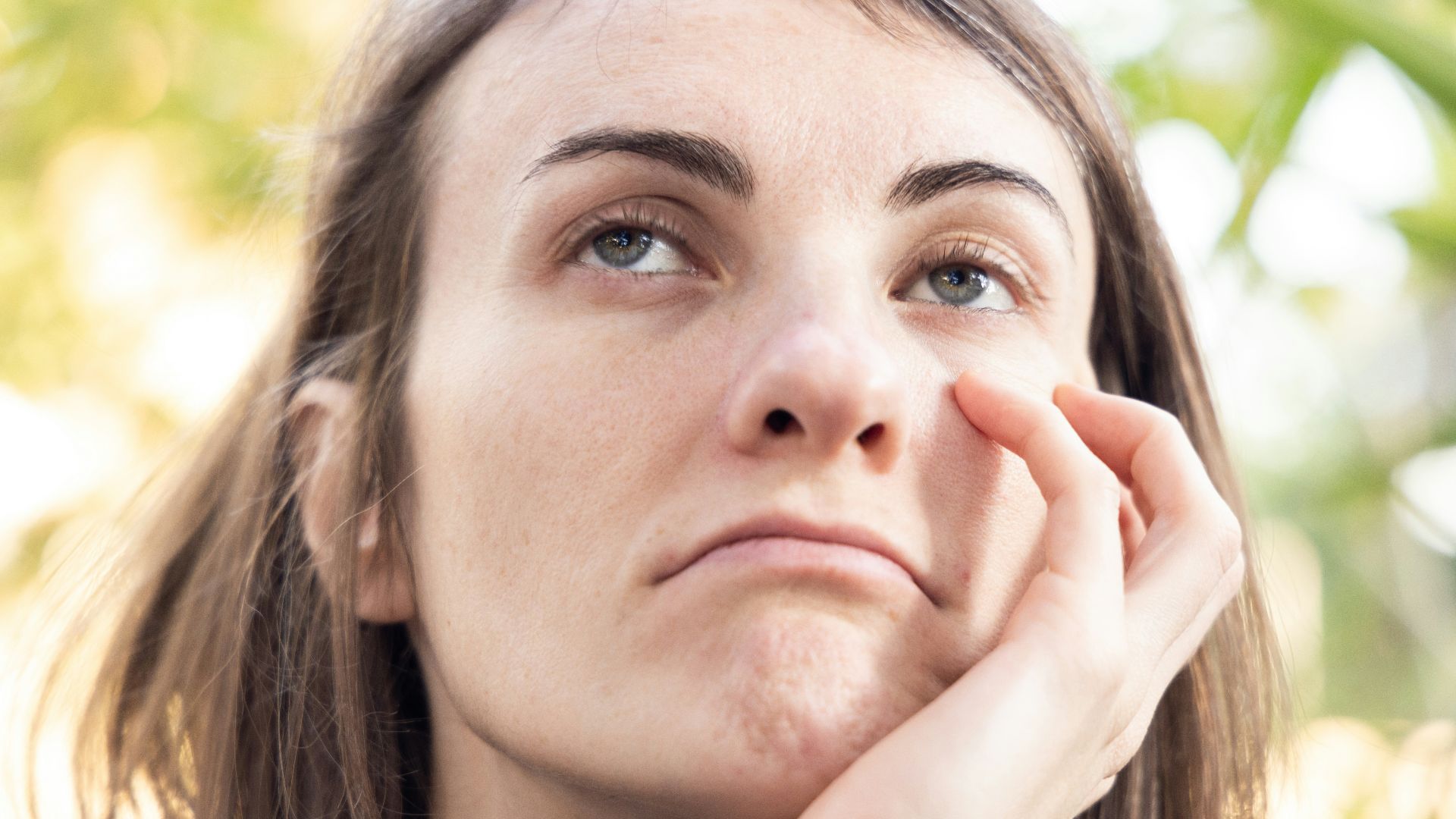
Lower estrogen levels can cause vaginal tissues to become thinner, drier, and less flexible around and after menopause. This may lead to irritation, burning, discomfort during sex, or soreness during ordinary activities.
10. Your Interest In Sex Changes
Sexual desire can decrease, increase, or simply become less predictable as hormones, stress, sleep, relationships, and physical comfort change. For some people, vaginal dryness or painful sex naturally reduces interest in intimacy.

11. You Need To Urinate More Often
Changes in the tissues surrounding the bladder and urethra can contribute to urinary urgency or increased frequency. You may feel the need to find a restroom sooner than expected or wake more often during the night. Burning, fever, pain, or blood in the urine can suggest infection or another condition requiring medical care.
12. Bladder Leaks Become More Noticeable
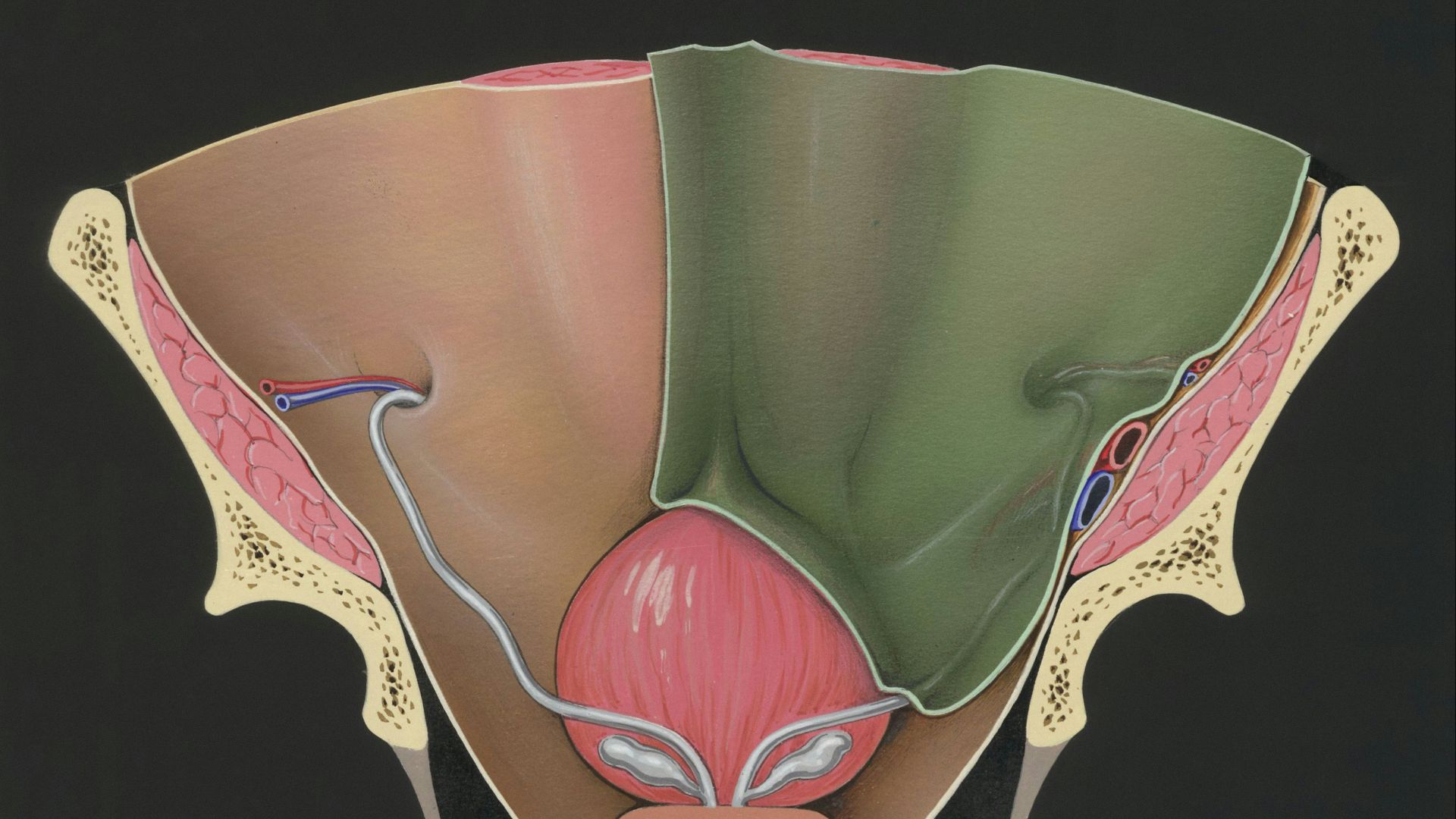
You might notice a small leak when coughing, laughing, exercising, or lifting something heavy. Pelvic floor changes, childbirth history, aging, and reduced estrogen can all influence bladder control. Leakage is common but not something you’re required to accept, as pelvic floor therapy and other treatments may provide meaningful improvement.
13. Headaches Develop A New Pattern
Hormonal fluctuations can influence headaches, particularly in people who have previously experienced migraines related to their menstrual cycles. Episodes may become more frequent, less predictable, or occasionally improve as periods become less regular.

14. Your Joints Feel Stiffer
Joint and muscle discomfort can become more noticeable during the menopausal transition, although the precise cause isn’t always straightforward. You may feel stiffer in the morning or need additional recovery time after familiar activities.

15. Your Body Composition Starts Changing
Many adults notice that fat becomes easier to gain around the abdomen while muscle is harder to maintain with age. Hormonal changes may contribute, but activity levels, sleep, diet, stress, and gradual metabolic changes also matter.
16. Your Breasts Feel Different
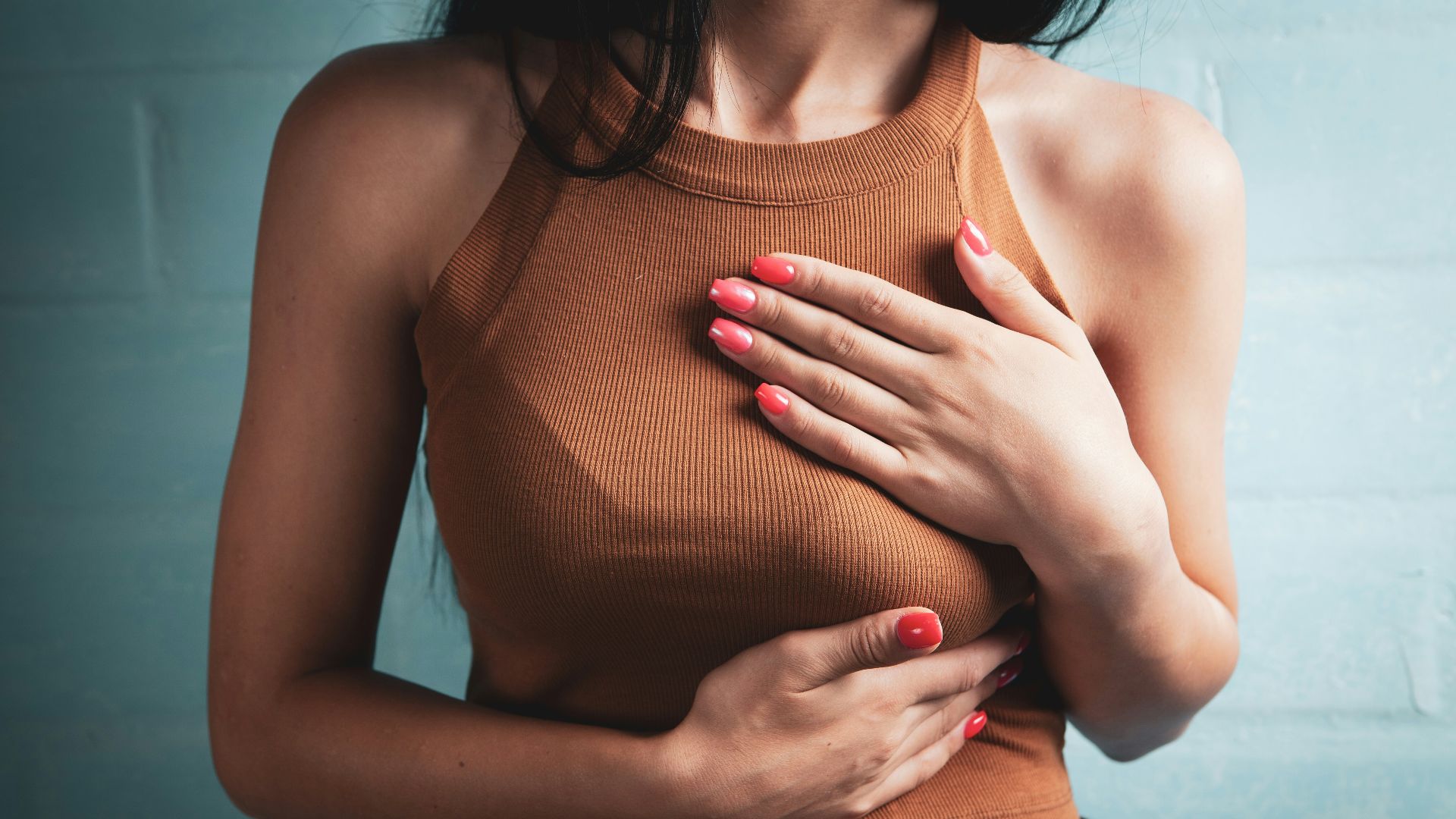
Hormonal fluctuations may cause temporary breast tenderness, fullness, or sensitivity, particularly while periods are still occurring. Breast tissue can also change naturally with age as its composition becomes less glandular.
17. Your Hair Changes In Texture Or Fullness
Hair may feel finer, drier, or less dense as hormone levels and aging affect its growth cycle. Some people also notice more facial hair while scalp hair becomes thinner. Because thyroid conditions, nutritional deficiencies, stress, and medications can also cause hair changes, noticeable shedding deserves a medical discussion.

18. Heart Palpitations Catch Your Attention
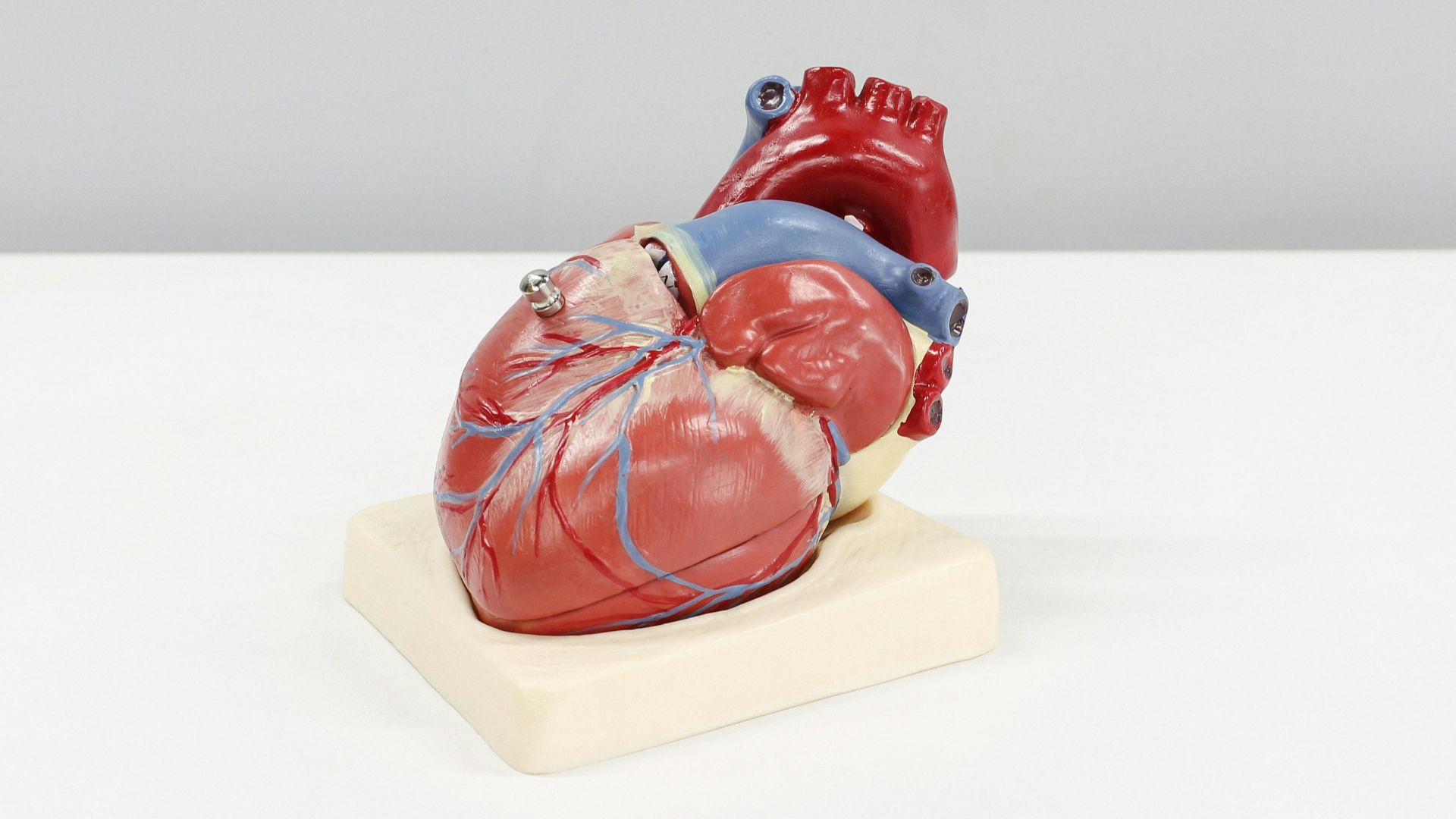
Some people report brief sensations of pounding, fluttering, or racing during perimenopause, sometimes alongside a hot flash. Hormonal fluctuations, anxiety, caffeine, poor sleep, and numerous medical conditions may all affect heart rhythm.
19. Your Usual Temperature Comfort Zone Changes
A room that once felt comfortable may suddenly seem overly warm, particularly at night or during stressful moments. Changes in temperature regulation can accompany hot flashes even when visible sweating doesn’t occur.

20. Several Small Changes Appear Together
Hormonal transitions don’t always announce themselves through one dramatic symptom because multiple subtle changes may develop gradually. Irregular periods, disrupted sleep, mood shifts, and hot flashes occurring together can provide a clearer pattern than any single complaint.
KEEP ON READING