
The Reason To Stay Regulated
While some find routine to be a little dull, it’s one of the main things that keeps us moving. Sure, it sucks to have an airtight schedule, but it at least keeps you on track. Sometimes, a routine is what keeps us grounded. It might mean making breakfast before checking your inbox, taking a walk after lunch, or doing the same few things before bed. Those small patterns help your brain and body know what to expect, which can take some pressure off a busy day. Here are 20 reasons a flexible routine can make everyday life feel more manageable.

1. Familiar Cues Help You Get Started
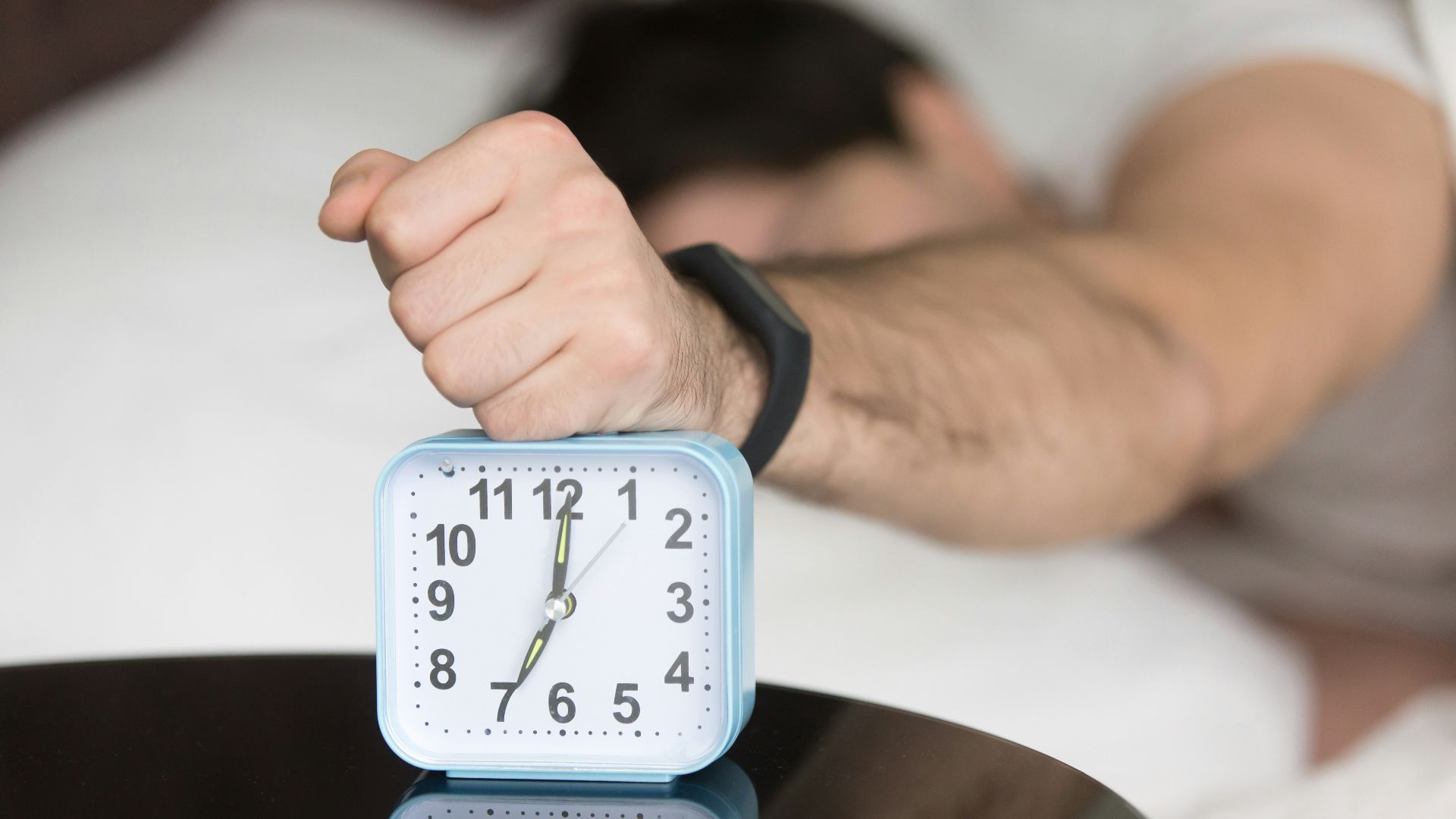
Doing the same thing after the same cue can make it easier to begin. If your water bottle sits beside the coffee maker or your walking shoes wait by the door, you’ve already given yourself a helpful reminder of what comes next.
 Solving Healthcare on Unsplash
2. Repeated Tasks Feel Easier
When you do an action often enough, it can take less effort to get going. You’re still making the choice, though you don’t have to give yourself a full pep talk every time you tackle a small, familiar task.
3. It Cuts Down on Decision-Making
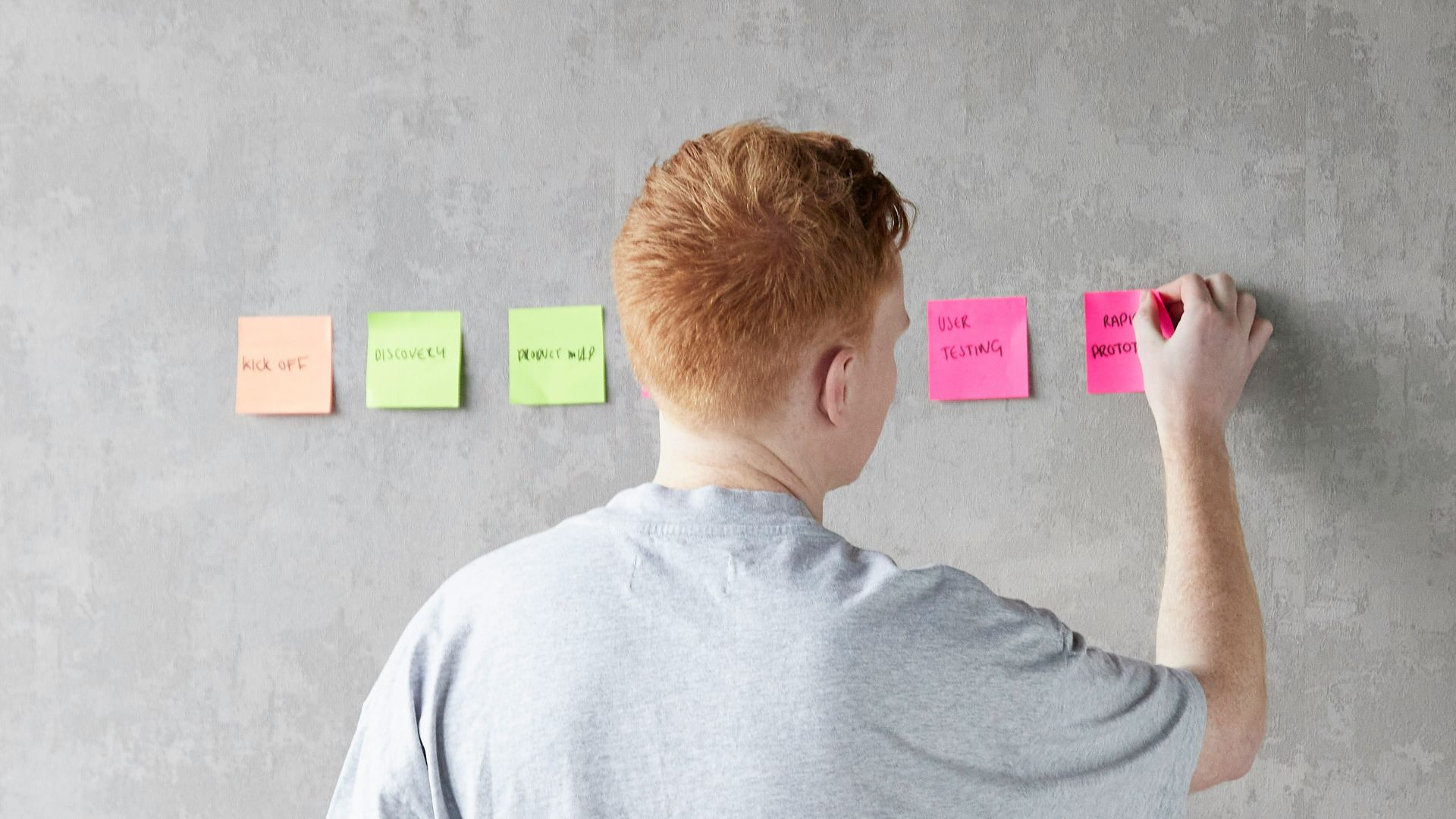
Routine shouldn’t take away choices that matter to you. It can handle the smaller stuff, like when you’ll make coffee, take a break, or pack lunch, so you’re not deciding the same things from scratch each day.

4. It Makes Time For Your Goals
Goals like moving more or cooking at home are easy to push aside when they have no clear spot in your schedule. Giving them a regular time, like taking a walk after work or prepping lunch after dinner, makes them easier to follow through on.

5. It Helps When Motivation Is Running Low
Nobody feels motivated every single day, and that’s normal. A routine can keep you moving because the time, place, and order of your day already point you toward the next step, even when you’d rather stay on the couch.

6. It Helps Your Day Move Along
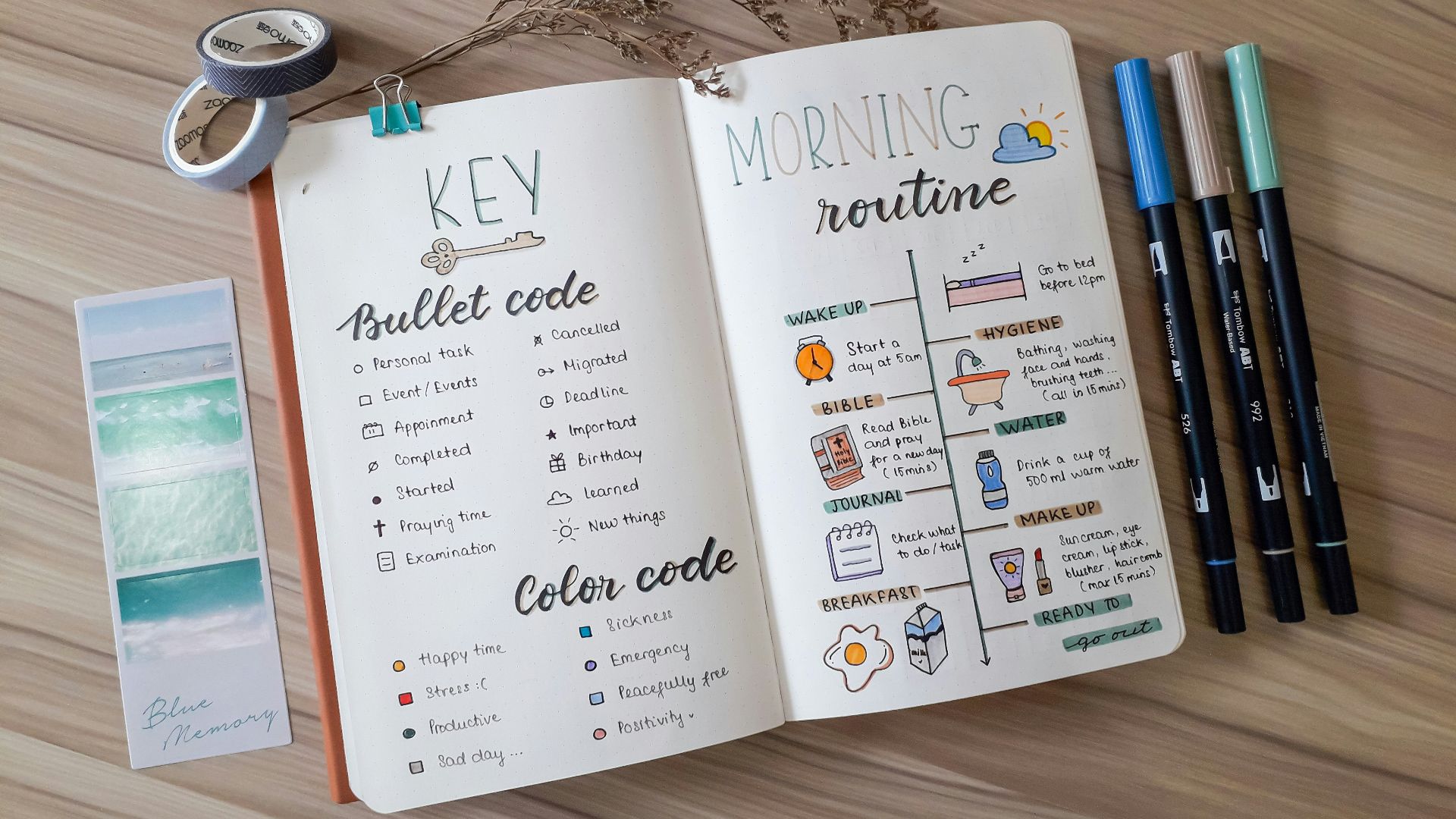
Mornings and evenings usually include several small tasks that happen in a familiar order. Once you’ve repeated those steps for a while, you’ll often know what to do next without stopping to sort out every detail.

7. It Can Help You Remember Things
Pairing one task with another can give your memory a useful boost. Checking tomorrow’s calendar after dinner or filling a pill organizer on Sunday gives those tasks a regular place, instead of leaving them to chance.

8. It Gives You Something Predictable
Not knowing what’s coming can make a tough day feel even harder. A routine can’t fix the bigger problem, though it can give one part of the day a familiar shape when other things feel unsettled.
 Ngo Ngoc Khai Huyen on Unsplash
9. It Gives You a Few Things You Can Count On
You can’t control traffic, work demands, or other people’s moods. A regular walk, meal, or evening ritual gives you a few dependable choices that are still yours to make.

10. It Works With Your Body’s Daily Clock
Your body has a built-in daily rhythm that affects sleep, hormones, appetite, digestion, and body temperature. Light and darkness have the strongest effect, while food, movement, stress, and your social surroundings can play a part as well.

11. Making Sure You See The Sun
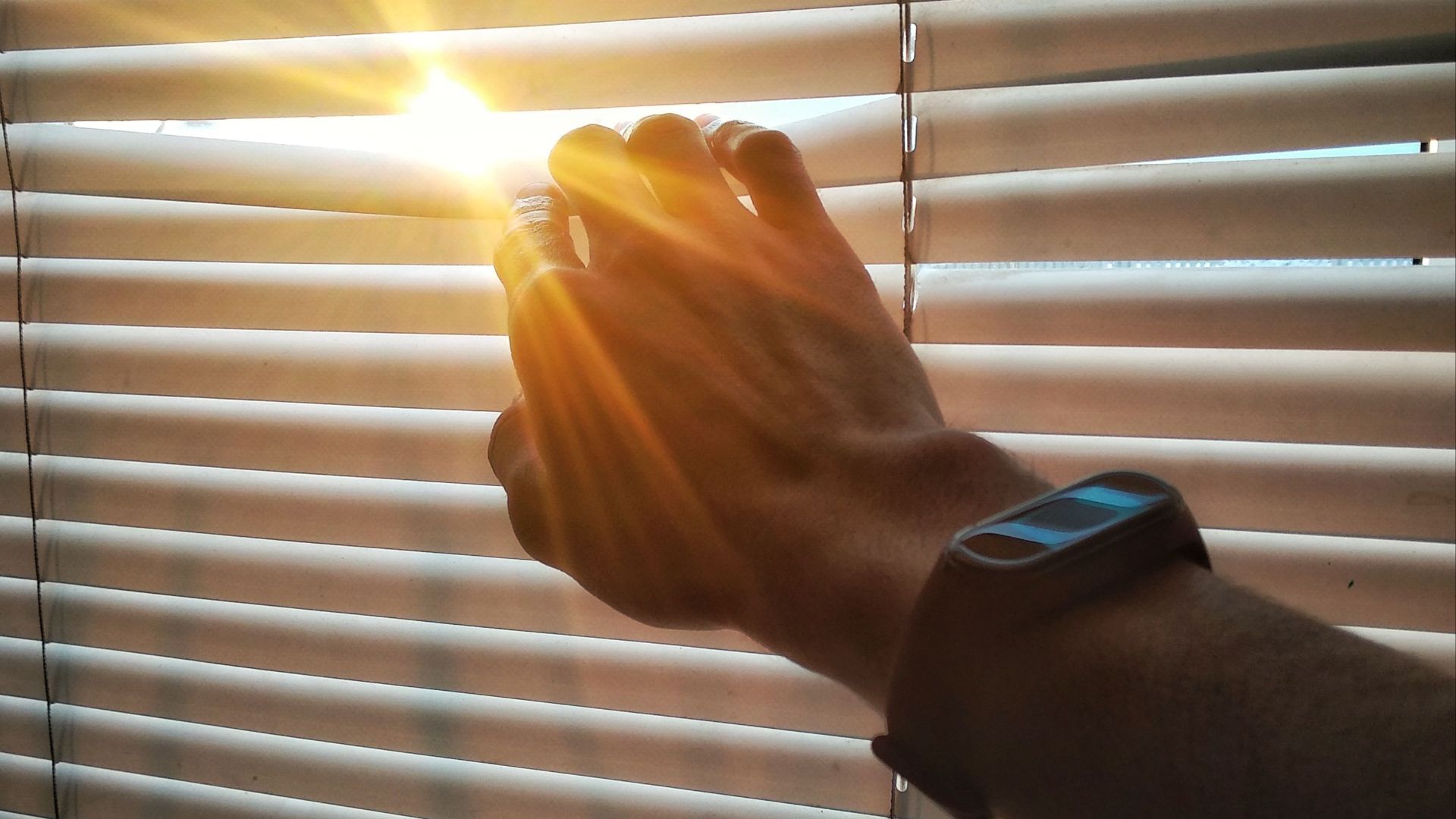
Opening the blinds or stepping outside early can do more than brighten up the room. Daylight helps your body recognize that it’s time to be awake, which makes it a useful part of a morning routine.
12. It Can Support Regular Sleep Times
Keeping fairly steady sleep and wake times can support better sleep, daytime energy, and clear thinking. You don’t need to match anyone else’s bedtime, since people have different schedules and natural sleep preferences.

13. It Helps You Wind Down
Sleep can easily get pushed later and later when the day never seems to have a proper ending. Turning down the lights, putting your phone away, and getting ready for bed can help your mind and body shift toward rest.

14. It Makes Mealtimes Feel Less Random
A regular eating pattern can make the day feel less scattered. It can also make it easier to notice changes in your hunger, appetite, energy, or digestion when something feels different than usual.
 OurWhisky Foundation on Unsplash
15. It Makes Movement Easier to Repeat
The hardest part of a walk, stretch, or workout is often getting started. When movement has a regular place in your day, it can feel less like another thing to squeeze in and more like part of your usual rhythm.
16. You Can Take Care Of Yourself
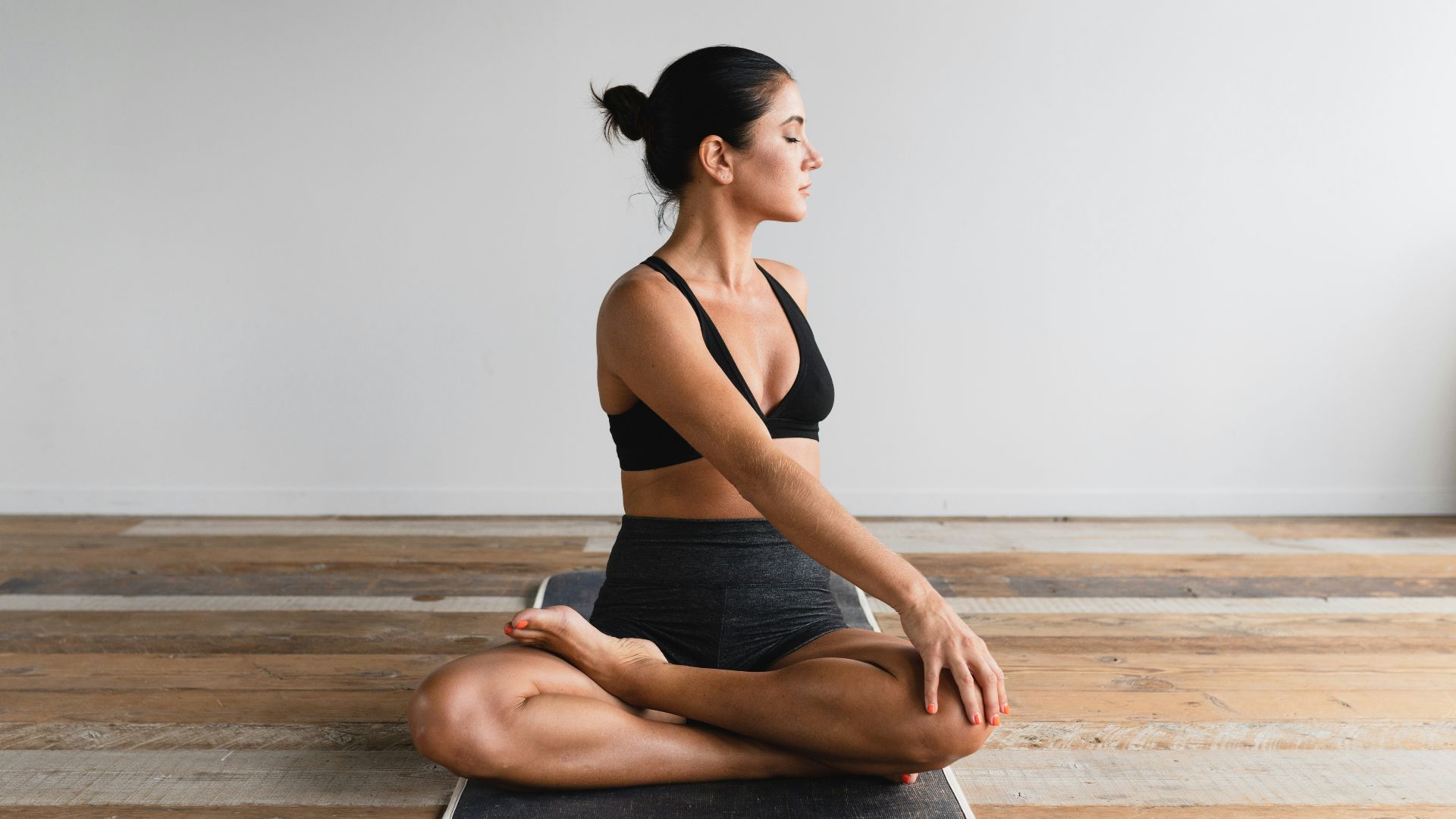
Meals, water, medication, and breaks can slip your mind when you’re waiting for the perfect moment. Pairing one of those tasks with something you already do can make it easier to remember, while your medication instructions should always come first.

17. It Can Make Role Changes Feel Less Sudden
A day can move quickly from work to family time, errands, caregiving, and whatever rest you can fit in. Changing clothes after work or taking a short walk before dinner can make those shifts feel a little smoother.
 LinkedIn Sales Solutions on Unsplash
18. It Helps You Notice When Something Feels Off
Routine gives you a clearer sense of what’s normal for you. If your sleep, mood, appetite, energy, or concentration changes for a while, you may spot it sooner and have a clearer reason to talk with a health professional.

19. It Helps Good Habits Stick Around During Busy Weeks
A healthy choice doesn’t have to be a big project to matter. Packing tomorrow’s lunch while cleaning up dinner, stretching while coffee brews, or taking a regular lunch break can help self-care stay on your list when life gets crowded.

20. It Can Make Everyday Life Feel More Meaningful
A lot of life is made up of small, repeated moments. A weekly grocery trip, a bedtime story, the first cup of tea, or a regular call with a sibling may seem ordinary, though those familiar moments can become part of what makes life feel like your own.

KEEP ON READING



20 Natural Ways You Can Boost Your Immune System
20 Ways To De-stress & Relax After Work

The 10 Most Common Diseases & The 10 Most Rare