
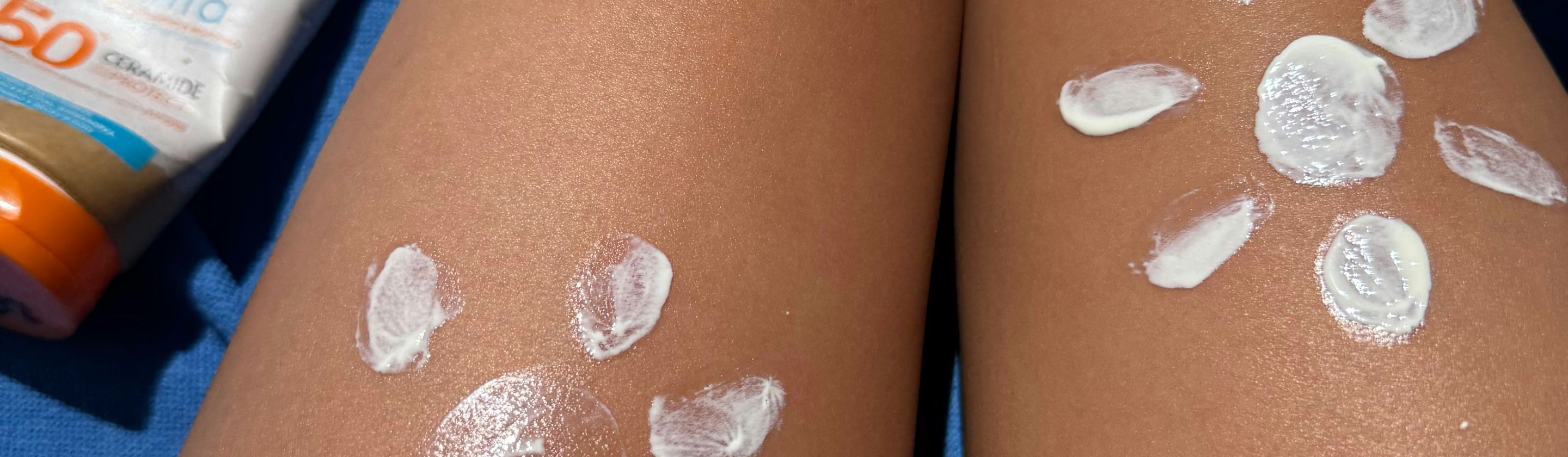
Your Skin Notices More Than You Think
Skipping sunscreen might not seem like a big deal when you’re only walking the dog or sitting by a sunny window, but your skin keeps track of those small moments. Your skin also doesn’t appreciate being left in the lurch against UV exposure. Make no mistake: UV rays can affect the way your skin looks, feels, heals, and ages, even when you don’t end the day with a painful burn. Let’s go through all the ways your skin can actually suffer more than you realize, and why you should listen to your mother when she reminds you to bring a tube of sunscreen!
1. You Burn More Easily
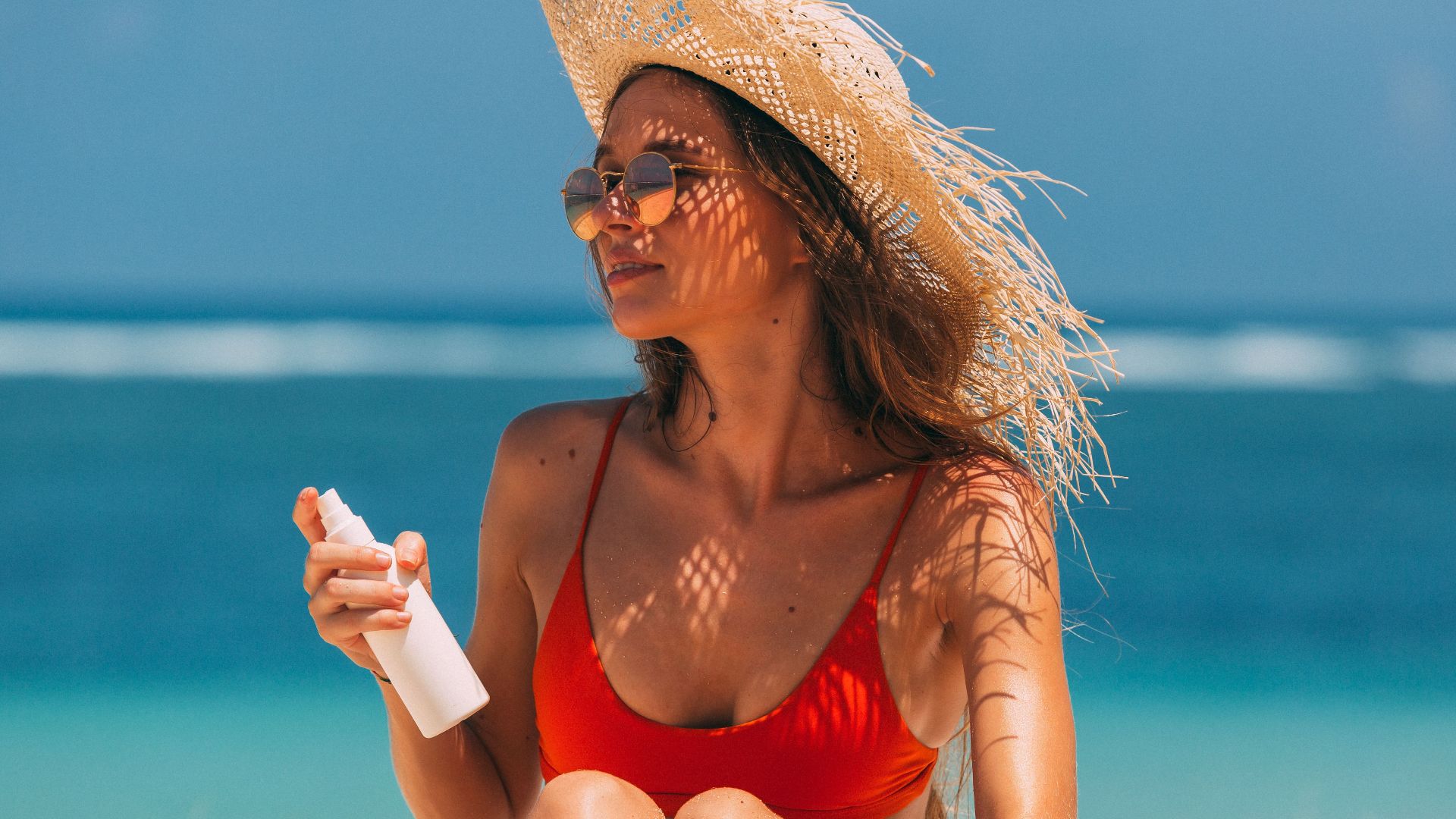
This one’s a no-brainer, but it’s worth a reminder! Without sunscreen, UVB rays can reach the skin more directly and trigger redness and tenderness. That means all those summertime activities can leave your shoulders or nose stinging by evening. Even a mild sunburn is a sign that your skin cells have been injured.
2. Fine Lines Show Up Sooner
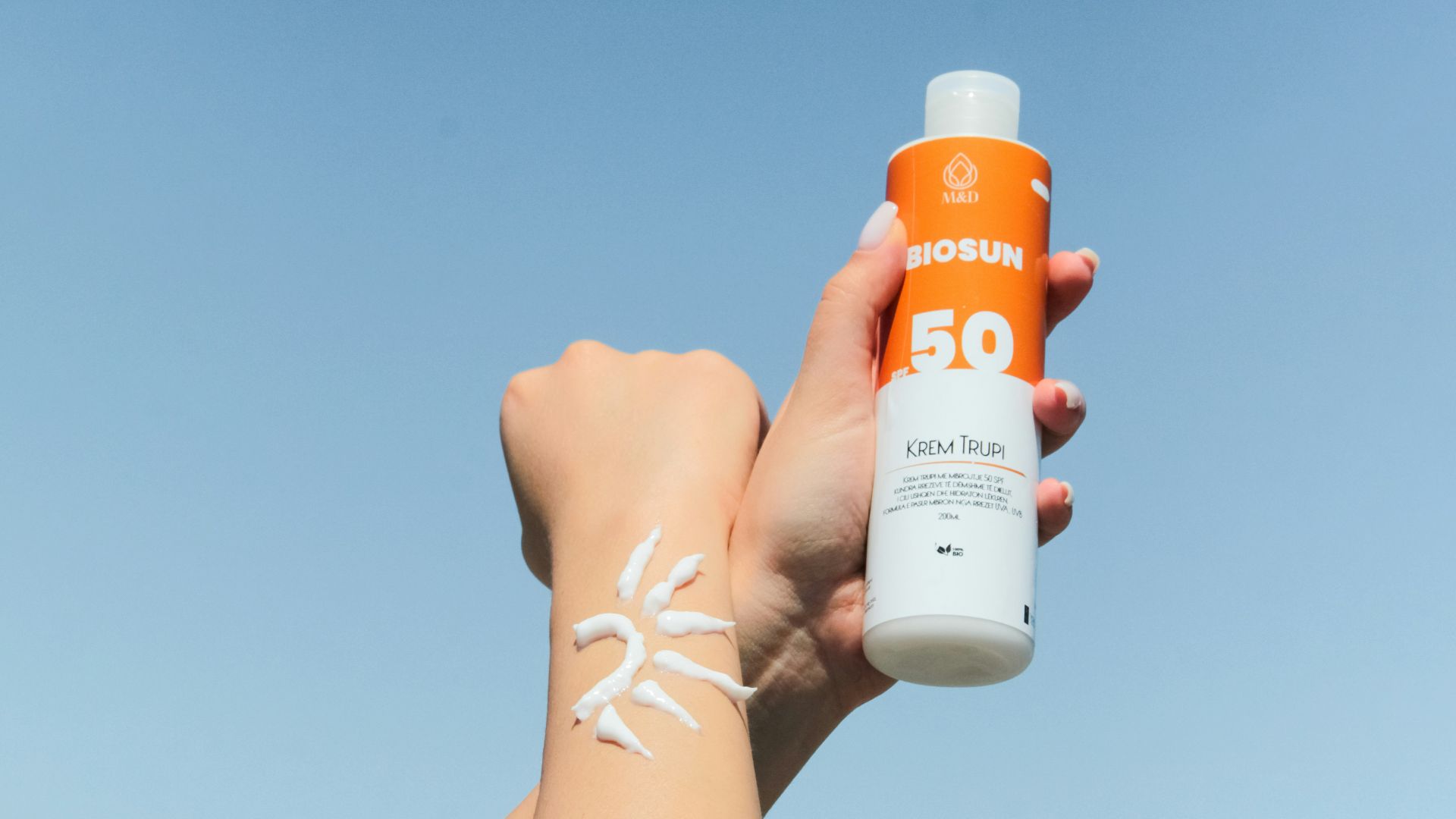
If burning isn’t enough of a scare, don’t forget that UV exposure can speed up the breakdown of collagen, which is what helps skin stay firm and smooth. That means lines around the eyes, forehead, and mouth may become more noticeable earlier than they otherwise would. Daily sunscreen helps limit that repeated exposure.
3. Dark Spots Become More Noticeable
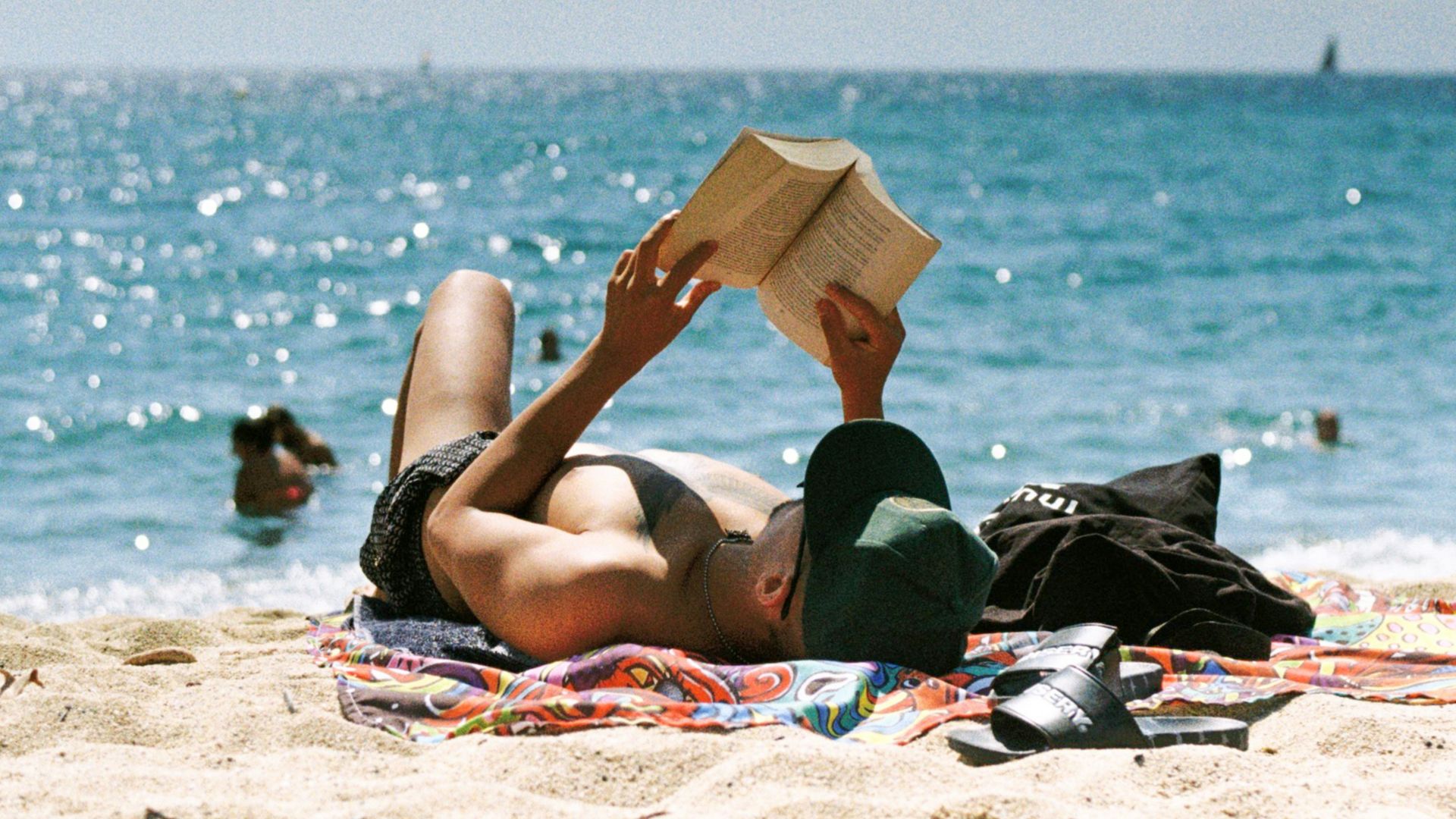
Your poor skin can also suffer from dark spots; sunlight can encourage the skin to produce extra pigment, which may show up on the cheeks, forehead, hands, or chest. To make matters even worse, once they appear, they can be stubborn and may need months of treatment to fade.
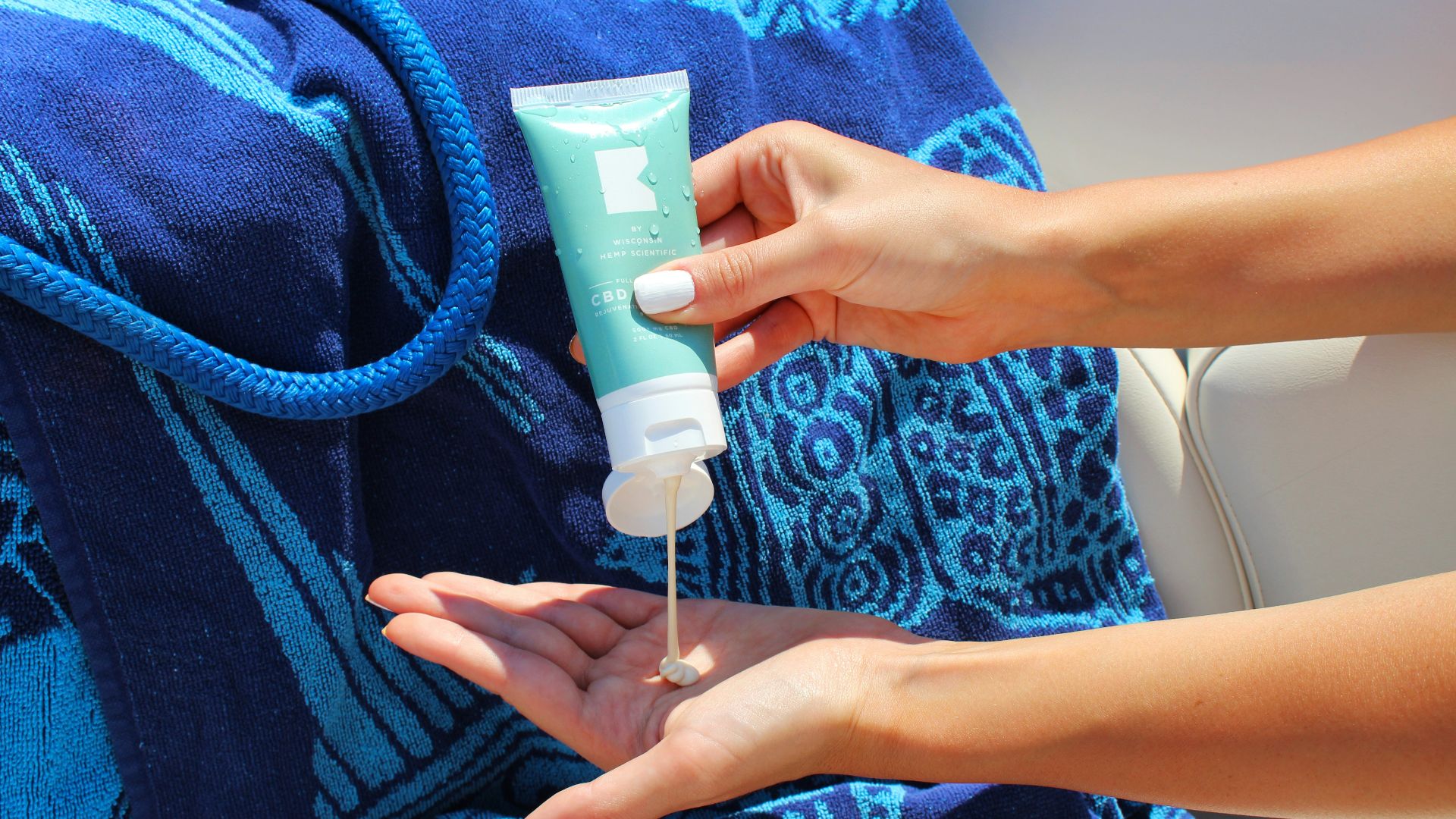 BATCH by Wisconsin Hemp Scientific on Unsplash
4. Your Skin Tone Looks Uneven
Given everything we’ve just learned, it’s no shock that going without sunscreen can make some areas of your face look darker, redder, or duller than others. Over time, that patchy look can make your complexion harder to even out with moisturizer or makeup.
5. Melasma Can Get Worse
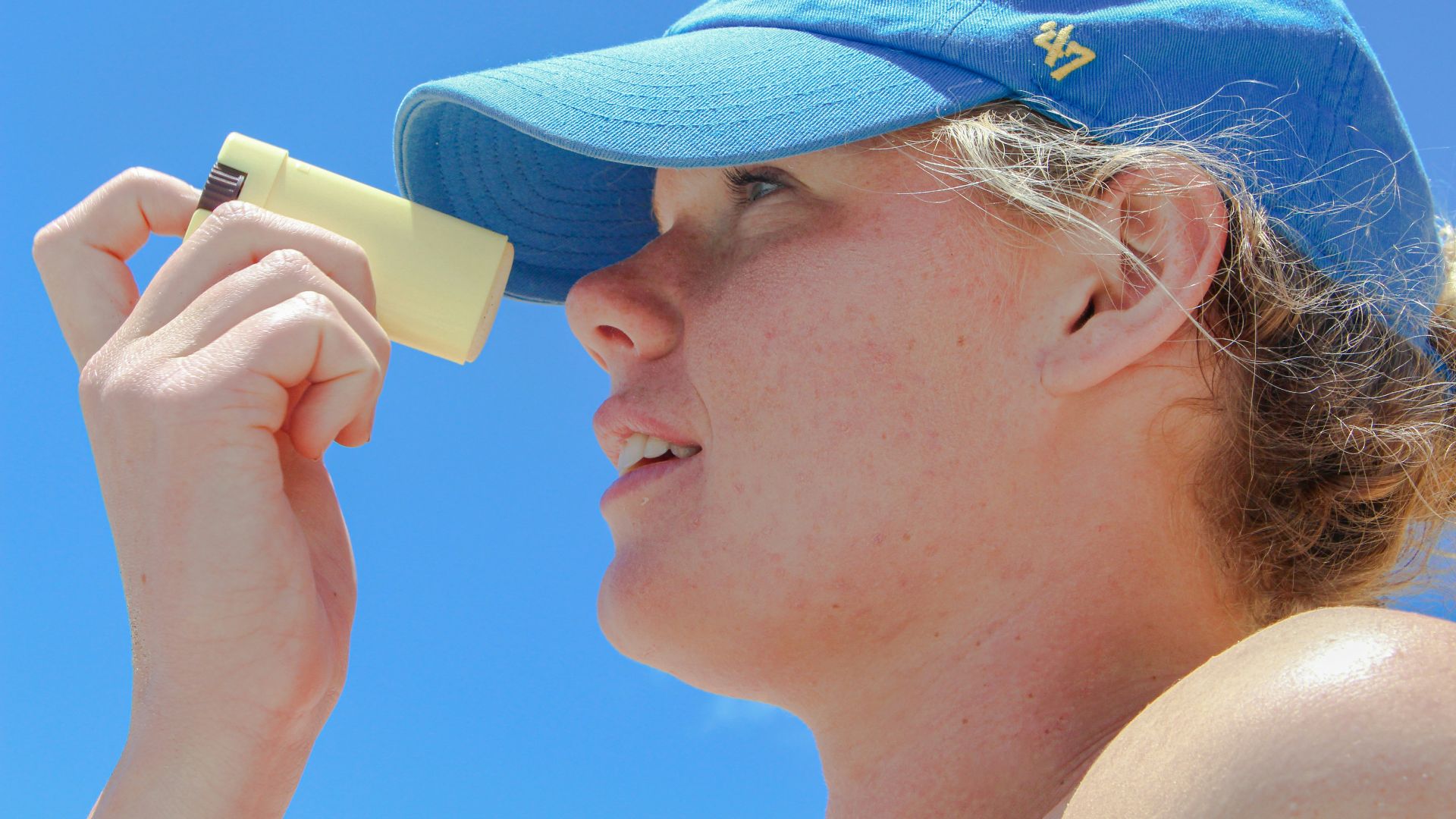
For those unfamiliar, melasma often appears as gray-brown or brown patches on the cheeks, upper lip, or jawline. You probably guessed it, but sun exposure is one of the most common triggers that makes it look darker, especially during warm months or after travel. Without sunscreen, even a short errand in strong sunlight can make those patches worse.
6. Freckles Can Multiply
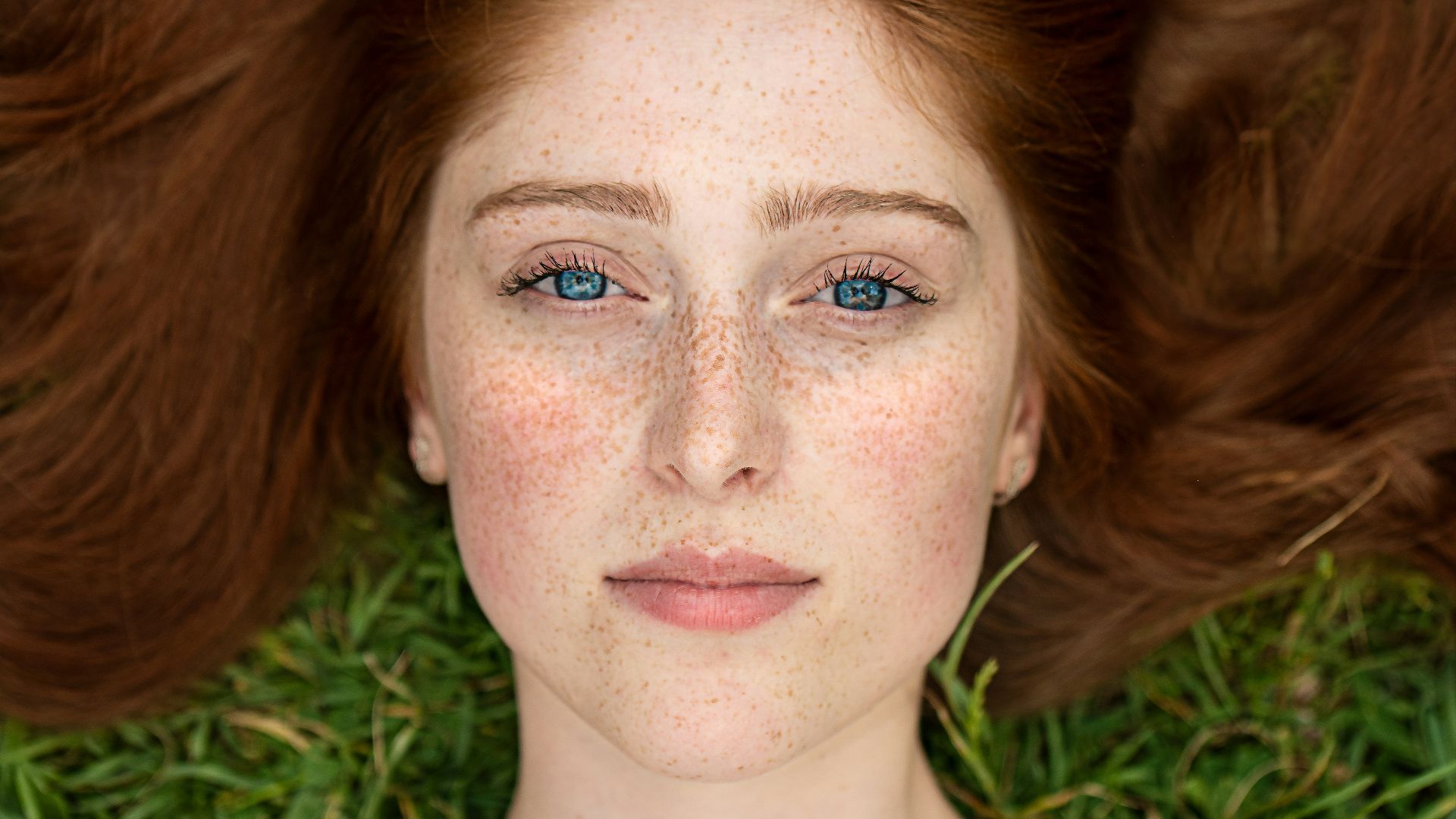
We all love how adorable freckles are, don’t get us wrong, but not everyone wants theirs to quadruple over the summer. The thing is, they’re often more visible after UV exposure, especially on the nose, cheeks, shoulders, and arms. You might notice them popping up after a weekend hike or a few afternoons by the pool.
7. Your Skin Can Feel Rougher
Believe it or not, too much unprotected sun can make the skin’s surface feel dry. Areas like the forehead, forearms, and backs of the hands (which usually get exposed the most) often show this texture first, so keep an eye out. Moisturizer can help, but it doesn’t undo ongoing UV damage by itself.
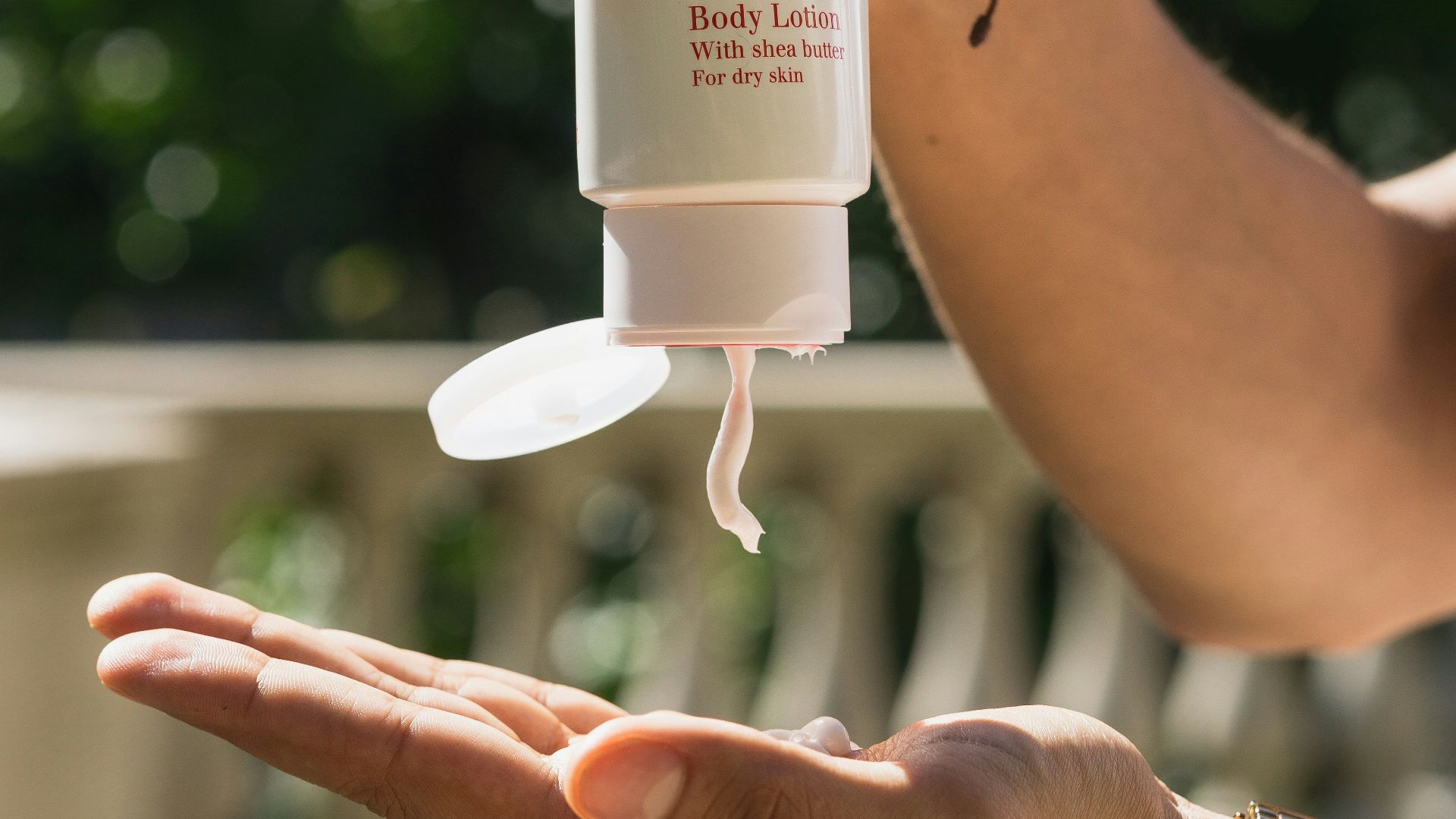
8. Redness Can Stick Around Longer
If redness is a concern, you need sunscreen more than ever. Sun exposure can aggravate visible patches, especially if your skin is already sensitive or prone to flushing. People with rosacea may even notice their cheeks or nose look more inflamed after being outdoors without sunscreen.
9. Your Skin Barrier Gets Stressed
Under so many damaging UV rays, the skin barrier works overtime to hold in moisture and keep irritants out. That means that UV exposure can make it more vulnerable. When that barrier is strained, your face may feel tight, dry, or sting when you apply products that usually don’t bother you.

10. Acne Marks Can Darken
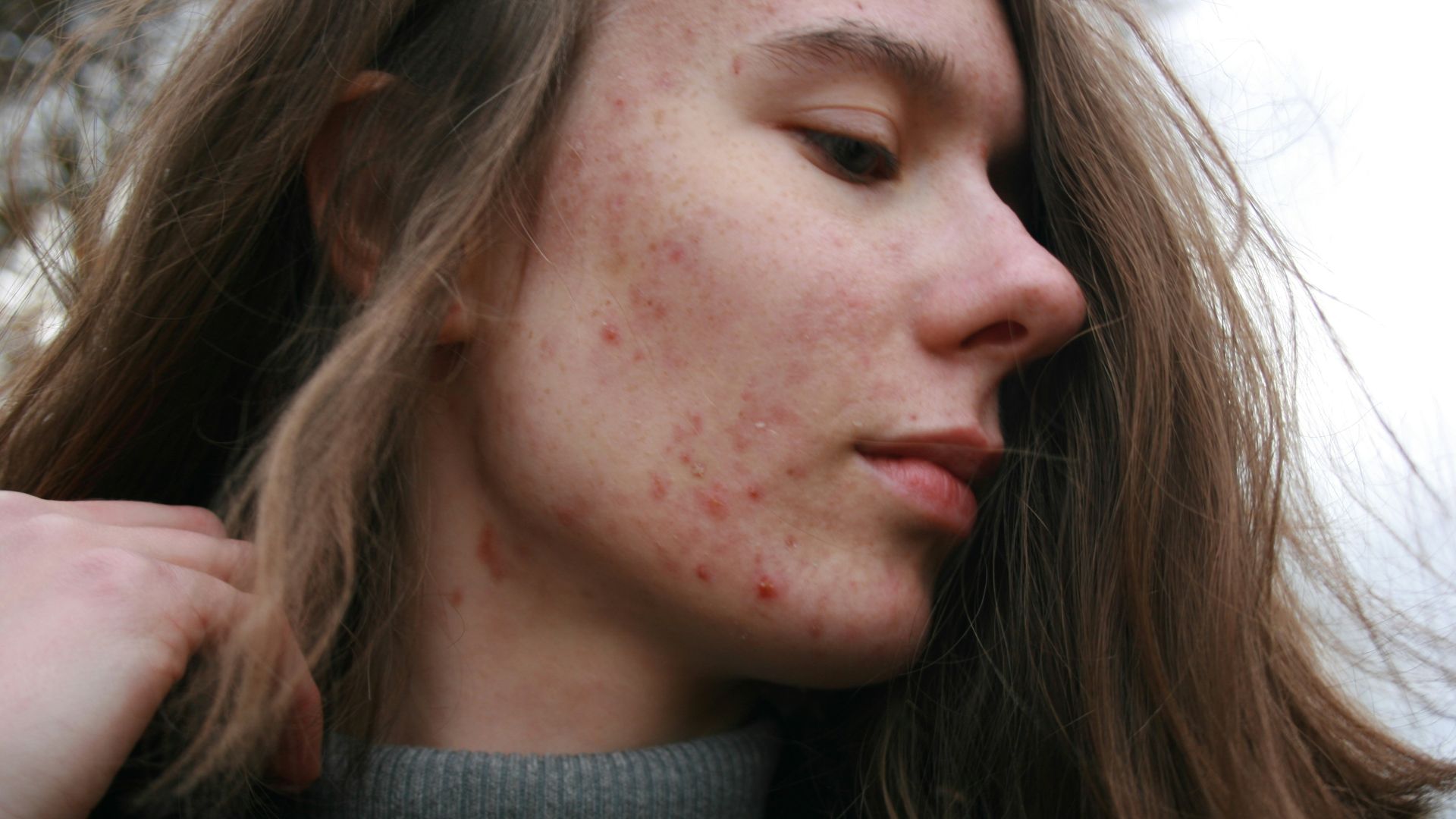
Post-acne marks, especially brown or reddish spots left behind after breakouts, can become more visible in the sun. Remember: a pimple that was finally healing may now leave a darker mark if it’s exposed without protection. Sunscreen is especially helpful when you’re using acne treatments that already make skin more sun-sensitive!
 Barbara Krysztofiak on Unsplash
11. Your Lips Can Get Damaged
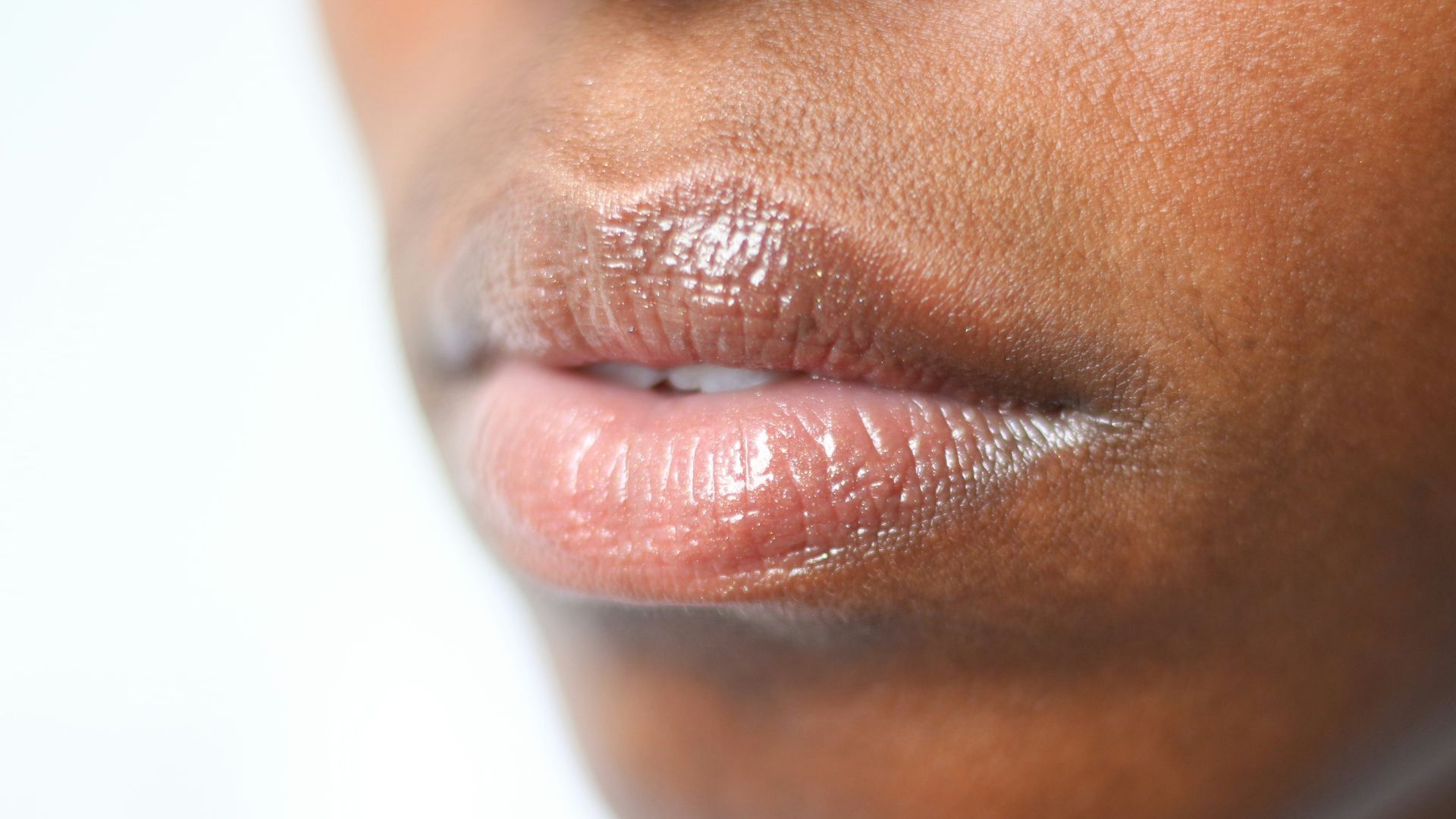
Have you ever experienced a sunburn on your lips? May you never have to! The lips can also burn, peel, and develop sun damage just like the rest of you. Spending hours outside without an SPF lip balm can leave them unusually tender, and the lower lip is especially exposed, so it deserves more attention than it usually gets.
12. Your Hands Age Faster
We’re often so worried about our faces that we forget about our hands, but they get a lot of incidental sun, too. Without sunscreen, they may develop dark spots, crepey texture, and more visible lines before other areas. Since they’re almost always uncovered, they can also collect years of UV exposure without you even realizing.
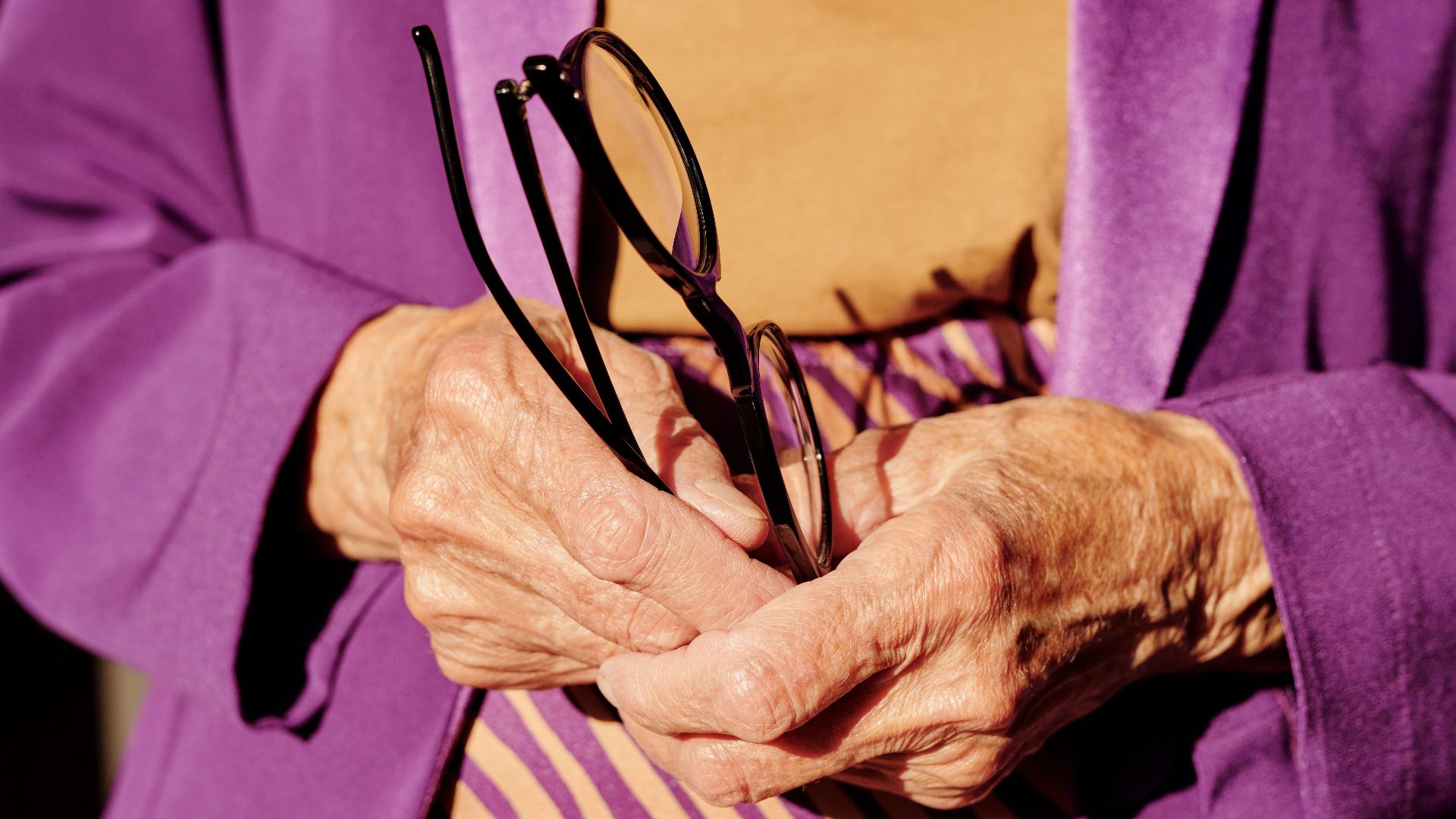
13. Your Neck and Chest Show Damage
The neck and chest are easy to miss when applying skincare, but they’re just as exposed to the sun’s harm. Without sunscreen, these areas can develop discoloration and fine lines that don’t match the face, so applying sunscreen below the jawline helps keep the routine from stopping too soon.
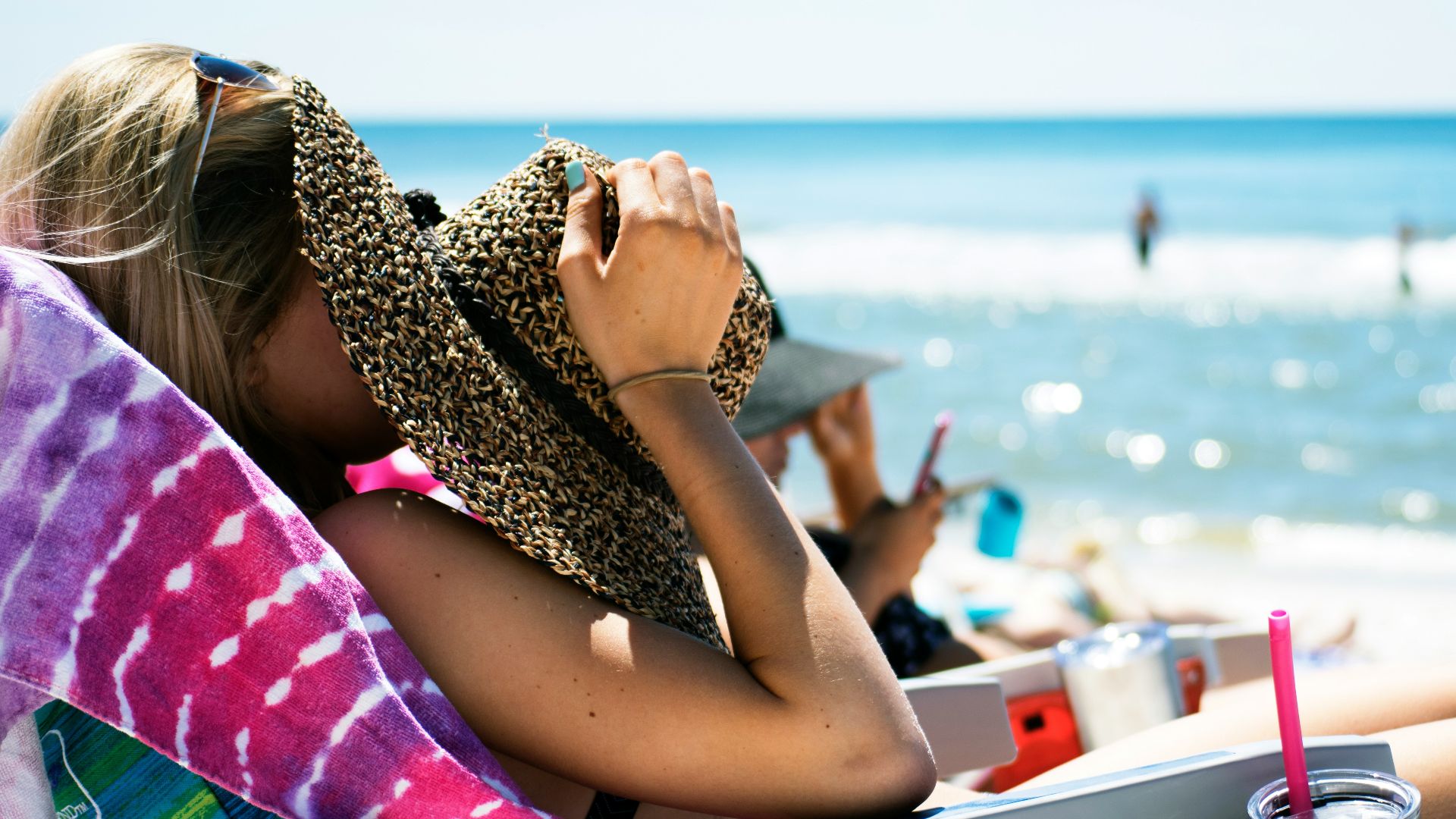
14. Skin Can Lose Firmness Over Time
Like it or not, UV rays can affect elastin, which helps skin bounce back and hold its shape. As that support weakens, skin may look looser exactly where we don’t want it to: the cheeks, jawline, and neck. This change happens gradually, though, so sunscreen matters most when it’s used consistently before any sagging kicks in.
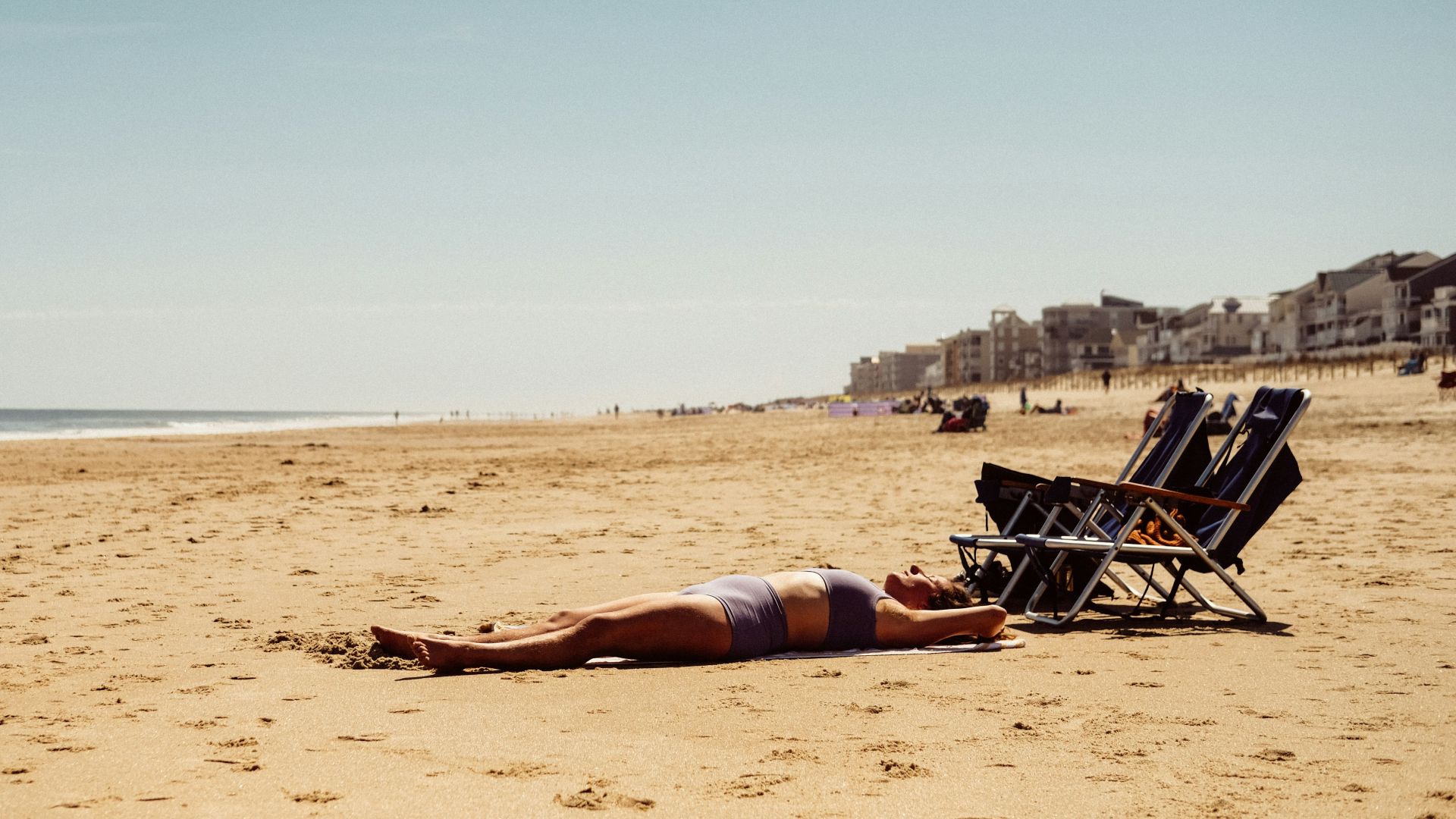
15. Actinic Keratoses Can Develop
This one’s a serious concern for some people, so it’s worth keeping an eye out. Actinic keratoses are rough, scaly patches that often appear on sun-exposed areas. They can feel like dry spots that don’t fully go away, even with lotion, and because some can develop into skin cancer, a dermatologist should evaluate patches that persist.
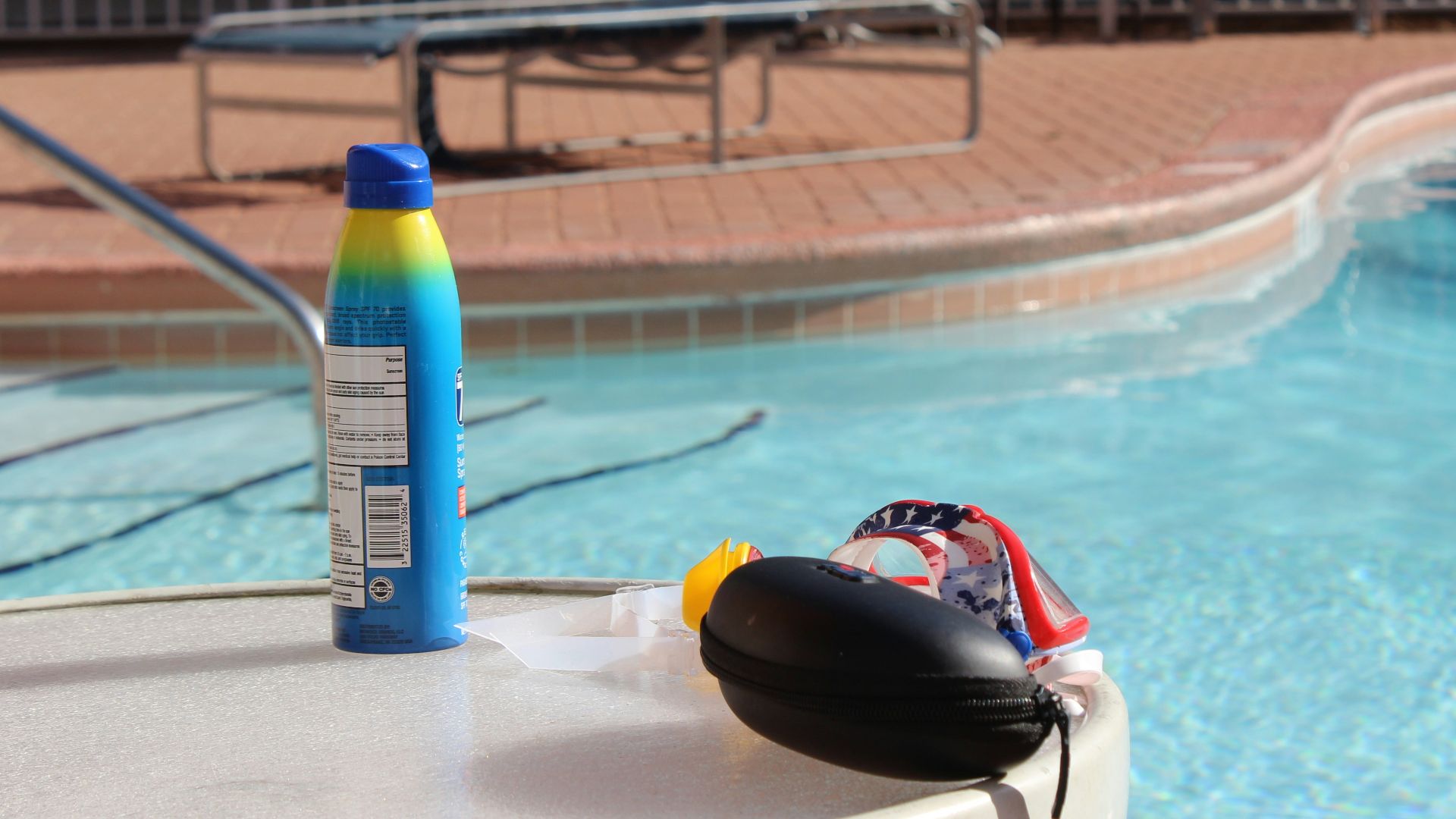
16. Your Risk Of Skin Cancer Goes Up
You’ve heard it before, but we’ll say it again: unprotected UV exposure is a major risk factor for skin cancers. These can appear as a pearly bump, a sore that won’t heal, a scaly patch, or a mole that changes shape or color. Either way, while sunscreen doesn’t make you invincible, it’s an important part of lowering avoidable UV damage.

17. Healing Can Take Longer
You might not have thought so, but sun exposure can actually interfere with the way skin recovers after irritation, burns, or cosmetic treatments. For example, a healing scratch may darken or stay inflamed longer when it’s left exposed. That’s why dermatologists often stress sunscreen after procedures.
18. Your Scalp Can Burn
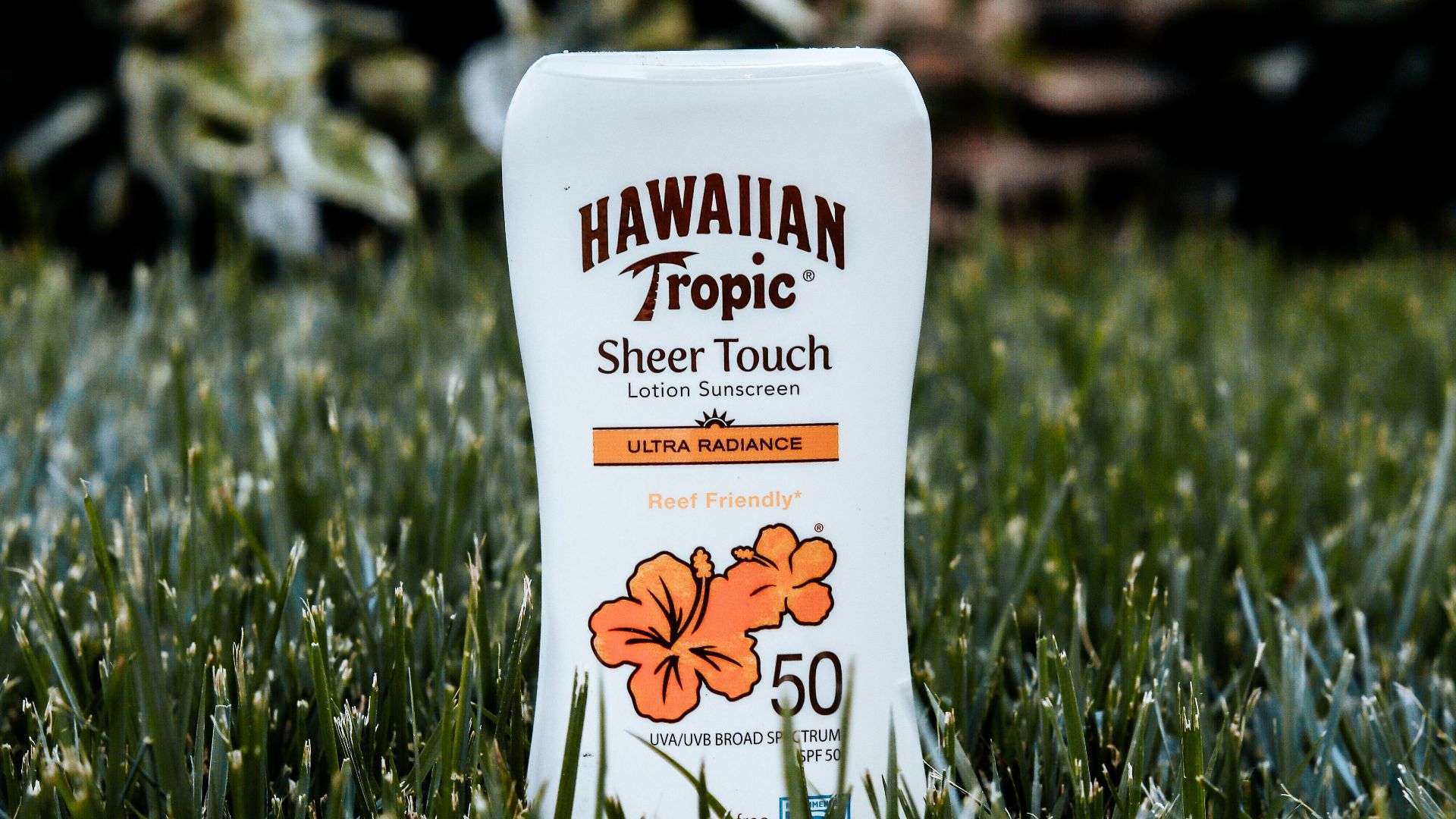
Thinning hair or a shaved head can leave the scalp exposed to strong sunlight. What does that mean for you? Without sunscreen or even just a hat, that skin can burn quickly and peel painfully over the next few days. Spray sunscreen or UPF hats make it easier to protect yourself!
19. Your Skin May Look Duller
Repeated UV exposure can leave the skin looking tired or less bright, and it happens when dryness and rough texture start showing up together. A good sunscreen habit helps protect the work you’re already doing with everything else in your skincare routine.

20. Damage Builds Even When You Don’t Burn
One of the sneakiest things about UV exposure is that your skin can be affected even without turning red. Always remember that even a cloudy commute or sunny seat by a window can still add to your overall exposure. Sunscreen reduces that daily buildup.

KEEP ON READING



10 Pre-Workout & 10 Post-Workout Tips To Follow