10 Signs Your Metabolism Is Slowing Down & 10 Ways To Keep Off the Weight Past 40
Your Body May Need a New Strategy
After 40, weight management can start to feel like the rules changed without anyone sending a helpful memo. Your metabolism doesn't suddenly collapse on your birthday, but changes in muscle mass, hormones, activity levels, sleep, stress, and daily routine can all affect how your body uses energy. That means familiar habits may not work quite the same way they used to. The good news is that small, steady adjustments can help you feel stronger, support a healthy weight, and avoid turning every meal into a math problem. Here are 10 signs your metabolism is slowing down and 10 strategies for keeping the weight off.

1. Weight Creeps Up Without Big Diet Changes
One of the most frustrating signs is gaining weight even though your meals look mostly the same. This isn't always a metabolism problem, but it can be a clue that your energy balance has shifted. Before blaming yourself, look at the full picture of movement, sleep, stress, and food habits.
2. It’s Harder to Lose Weight Than It Used to Be
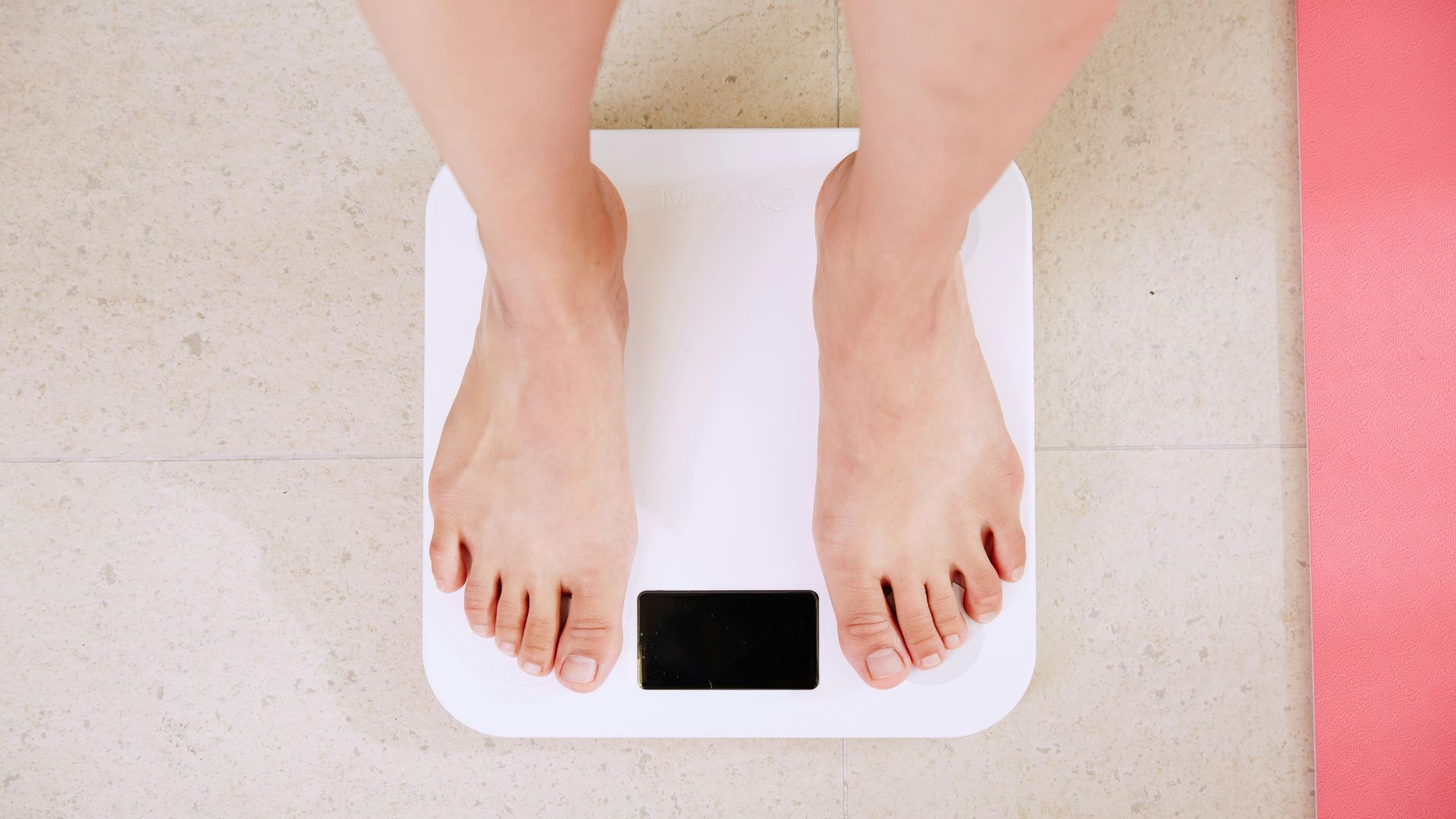
Many people notice that weight comes off more slowly after 40. A plan that worked in your 20s may feel strangely unimpressive now, especially if you have less muscle or a busier, more stressful life. That doesn't mean your body is broken; it just means you have to change your approach.
3. You Feel Less Strong Than Before
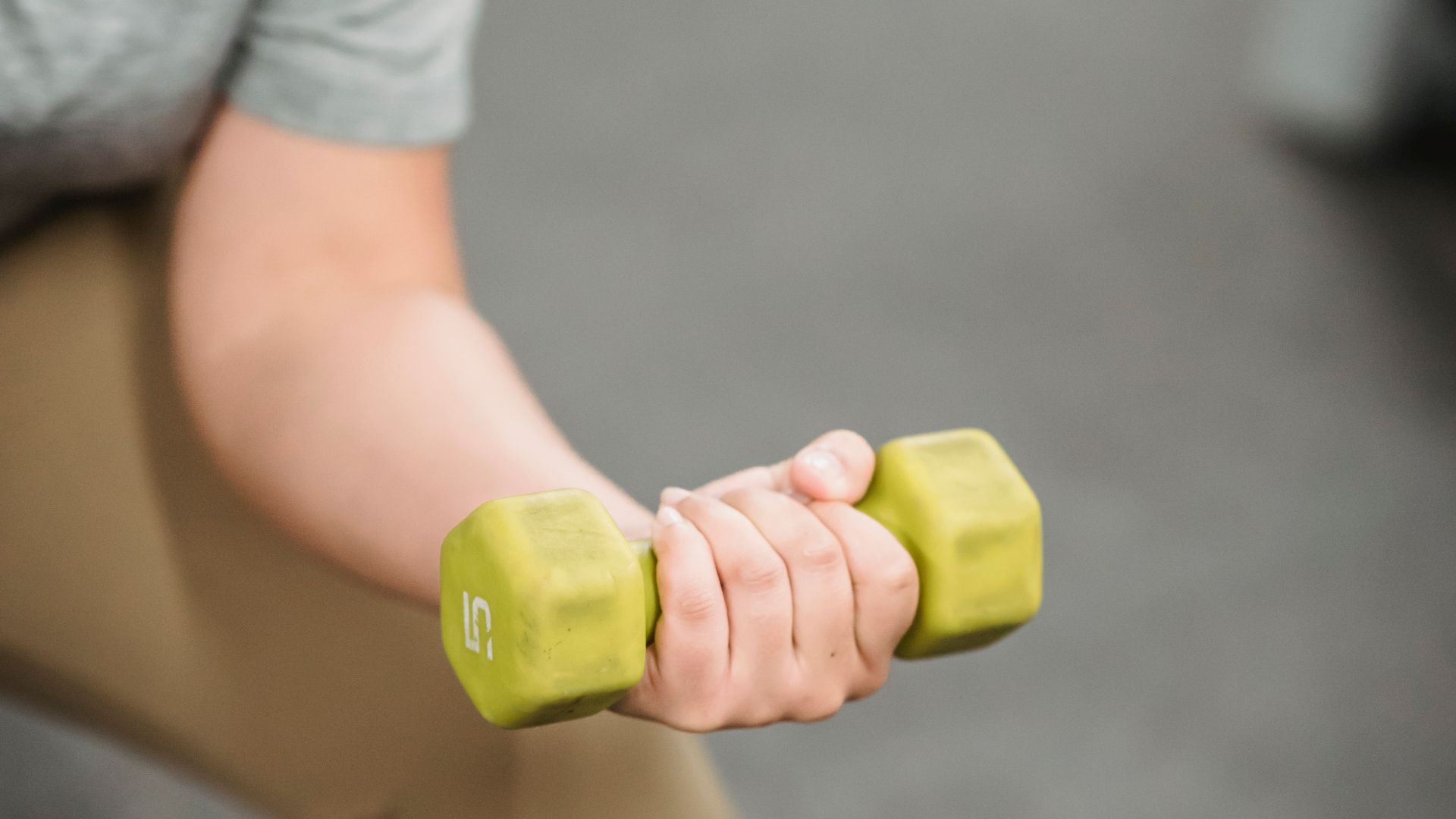
A slower-feeling metabolism is often connected to losing muscle over time. Muscles use energy and support daily movement, so losing it can make your body feel less efficient. You might notice that stairs feel harder, groceries feel heavier, or workouts seem more demanding. This is a good reason to focus on strength, not just the number on the scale.
4. Your Clothes Fit Differently Around the Middle
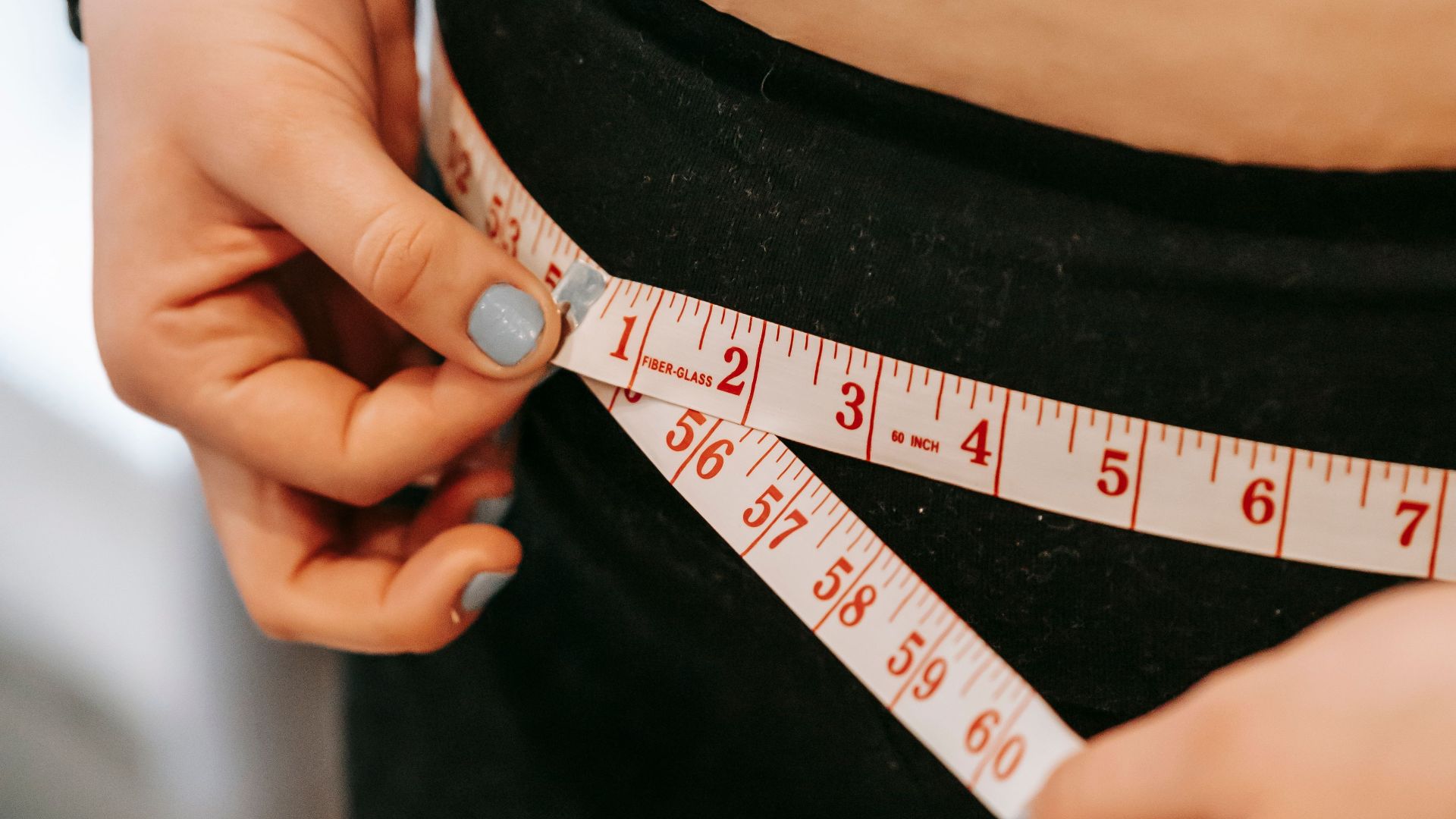
Changes around the waist can become more noticeable in midlife. Hormonal shifts, stress, lower activity, sleep issues, and muscle loss can all influence where your body stores fat. It can be frustrating, but take it as a useful signal to revisit habits before things feel harder to manage.

5. You Get Tired More Easily
Low energy can make it harder to stay active, cook balanced meals, or keep up with a healthy routine. Sometimes fatigue is tied to poor sleep, stress, dehydration, low iron, thyroid issues, or other medical concerns rather than metabolism alone. If tiredness is persistent or unusual, it's worth checking with a healthcare professional.

6. You’re More Sensitive to Cold
Feeling colder than usual can be connected to several things, including body composition, thyroid function, circulation, or simply spending too much time in chilly rooms. It's also associated with a slower metabolism because when it slows, your body produces less internal heat.

7. Your Appetite Feels Out of Sync
Some people feel hungrier even while gaining weight, while others eat less but still feel sluggish. Appetite can be affected by sleep, protein intake, stress hormones, medications, alcohol, and activity levels. When hunger cues feel unpredictable, it's easy to snack randomly or skip meals and overeat later. Paying attention to meal timing and food quality can make the day feel less chaotic.

8. You’re Losing Muscle Tone
You may notice softer arms, less shape in your legs, or less definition, even if your weight hasn't changed much. This can happen when you're doing less resistance training or not eating enough protein to support muscle. Muscle tone isn't just about appearance; it affects strength, balance, and how your body handles daily movement.

9. Your Recovery Takes Longer
A tough workout, long walk, or busy weekend may leave you sore longer than it once did. Recovery can slow when sleep, nutrition, hydration, and stress management aren't keeping up with your activity. This may make you move less the next day, which can quietly affect weight over time.

10. Your Lab Numbers Start Shifting
Sometimes the signs aren't visible in the mirror. Blood pressure, blood sugar, cholesterol, thyroid markers, and other health numbers can change in midlife. These shifts don't always mean your metabolism is “slow,” but they can show that your body needs more support.

Now that we've covered the signs your metabolism may be slowing down, let's talk about the best strategies for keeping the weight off.
1. Start Strength Training
Strength training is one of the most useful habits after 40. It helps preserve and build muscle, supports bone health, and can improve body composition over time. You don't need to become a competitive lifter for it to count. Squats, rows, presses, deadlifts, resistance bands, machines, or bodyweight exercises can all help when done consistently.

2. Eat Enough Protein
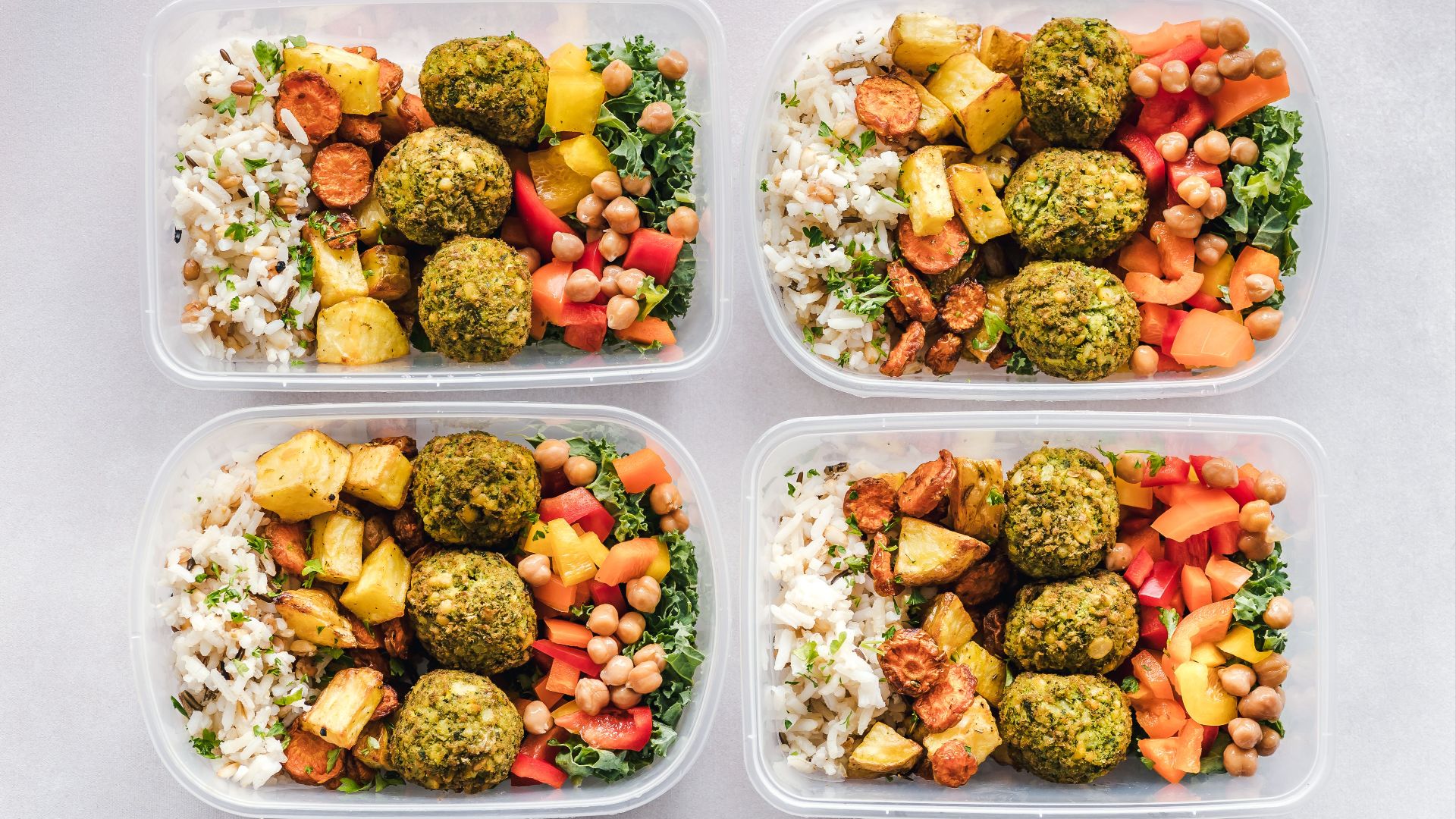
Protein helps you feel full and supports muscle repair, especially if you're strength training. Many people accidentally eat most of their protein at dinner and very little earlier in the day. Spreading protein across meals can make energy and hunger feel more stable.

3. Walk More Often
Walking may not sound dramatic, but it's extremely useful for weight management. It increases daily movement without requiring special equipment, intense motivation, or a recovery plan that involves complaining on the stairs. The easier a habit is to repeat, the more powerful it becomes.

4. Keep Cardio in the Mix
Cardio supports heart health, stamina, mood, and calorie burn. Brisk walking, cycling, swimming, dancing, hiking, or using an elliptical can all count if they raise your heart rate. The best option is the one you can do regularly without dreading your own calendar.

5. Watch Portions Without Obsessing
Portion sizes can slowly grow without anyone noticing. A little extra oil, bigger snacks, larger drinks, or restaurant-sized servings can add up over time. You don't need to weigh every almond to be mindful. Using smaller plates, serving snacks in bowls, and checking hunger before going for seconds can make a real difference.
6. Prioritize Sleep
Poor sleep can affect hunger, cravings, energy, and motivation to move. It's much harder to make balanced choices when you are tired and running on willpower fumes. A regular bedtime, less late-night scrolling, and a cooler, darker room can help many people sleep better.

7. Manage Stress Better
Stress can change eating patterns, sleep quality, alcohol intake, and how often you move. It may also make quick comfort foods feel extra convincing after a long day. Stress management does not have to be fancy to work. A walk, breathing exercise, phone call, journal, therapy appointment, or quiet break can help keep your habits from getting hijacked.

8. Choose More High-Fiber Foods
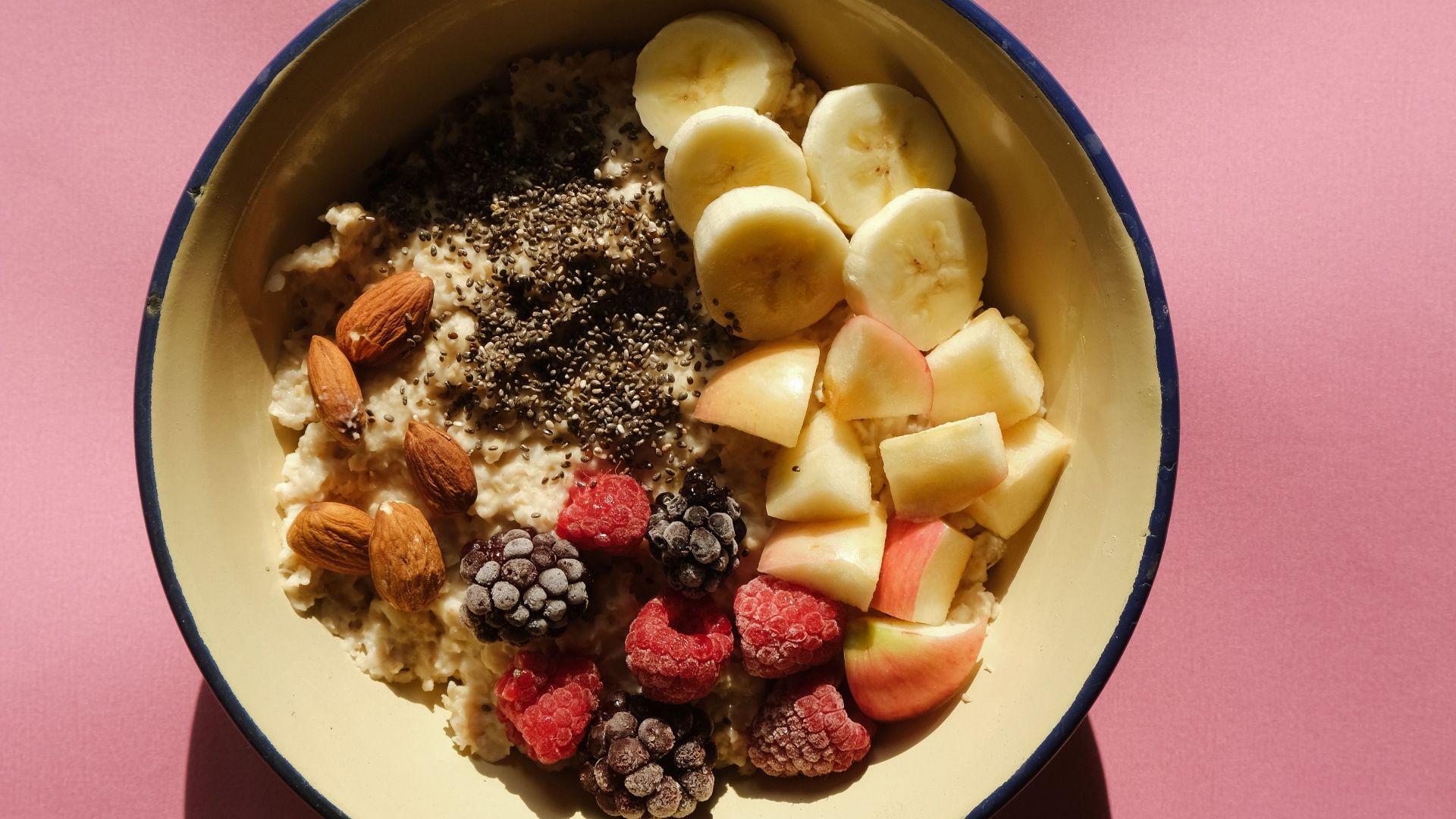
Fiber helps meals feel more satisfying and supports digestive health. Vegetables, fruit, beans, lentils, oats, whole grains, nuts, and seeds can make your plate more filling. Adding fiber gradually instead of switching to bean-based everything will be gentler on your digestive system.
9. Limit Liquid Calories
Sugary coffee drinks, soda, juice, cocktails, and frequent wine pours can add calories without making you feel very full. You don't have to give up every fun drink forever, but it helps to notice the pattern. Swapping some drinks for water, sparkling water, unsweetened tea, or lower-sugar options can reduce intake without changing your whole diet.

10. Build Habits You Can Actually Keep
The best weight-maintenance plan after 40 is one that fits your real life. Extreme diets, brutal workouts, and all-or-nothing rules often fail because they're too unsustainable. Aim for a few habits you can do most weeks, like strength training, regular walking, protein-rich meals, sleep, and reasonable portions.