Hard To Hold It Together
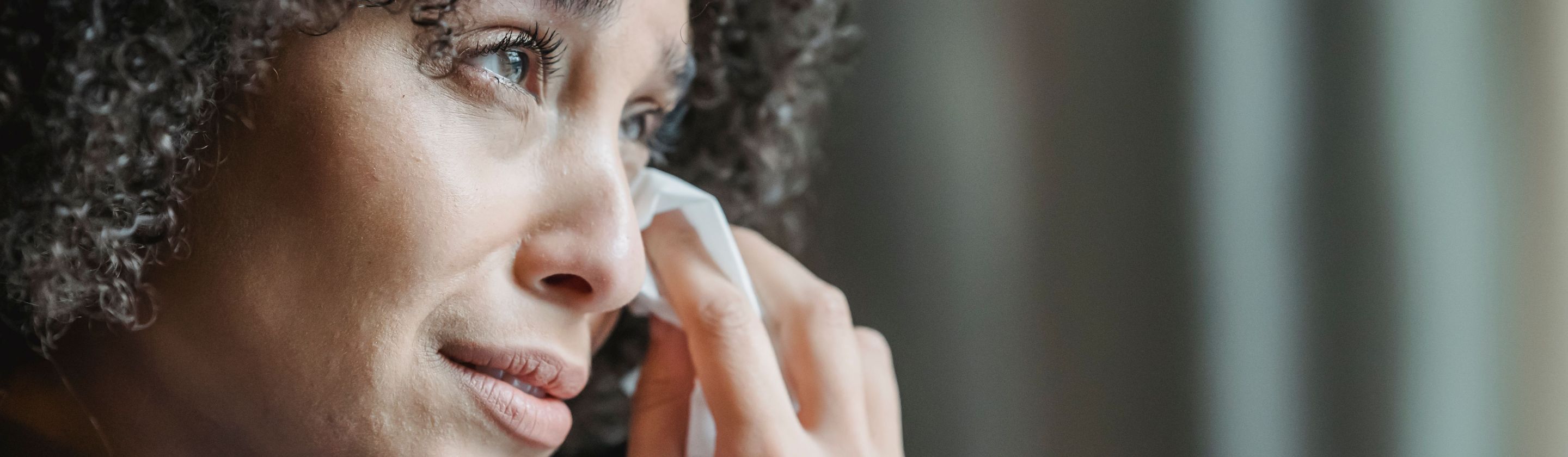
Most people know that feeling when a cry starts creeping up at the worst possible time. Your eyes sting, your throat feels tight, and suddenly you have to work hard just to sound normal. Maybe you’re in a meeting, talking with someone you care about, or trying to make it through a tough moment before you’re alone. Crying isn’t only about tears, either. Your whole body can get involved, and these 20 things may happen while you’re trying to hold it in.

1. Your Body’s Stress System Can Switch On
Big feelings like grief, anger, fear, frustration, and joy can wake up your body’s stress system. This system, called the sympathetic nervous system, gets you ready to deal with a challenge, which is why you can feel tense and alert even while you’re sitting perfectly still.

2. Your Tear Glands Start Making More Tears
Emotional tears come from the tear glands above your eyes, also called lacrimal glands. Once a strong feeling gets things going, those glands can start making extra tear fluid, whether you want to cry in front of people or not.
3. Tears Start To Gather
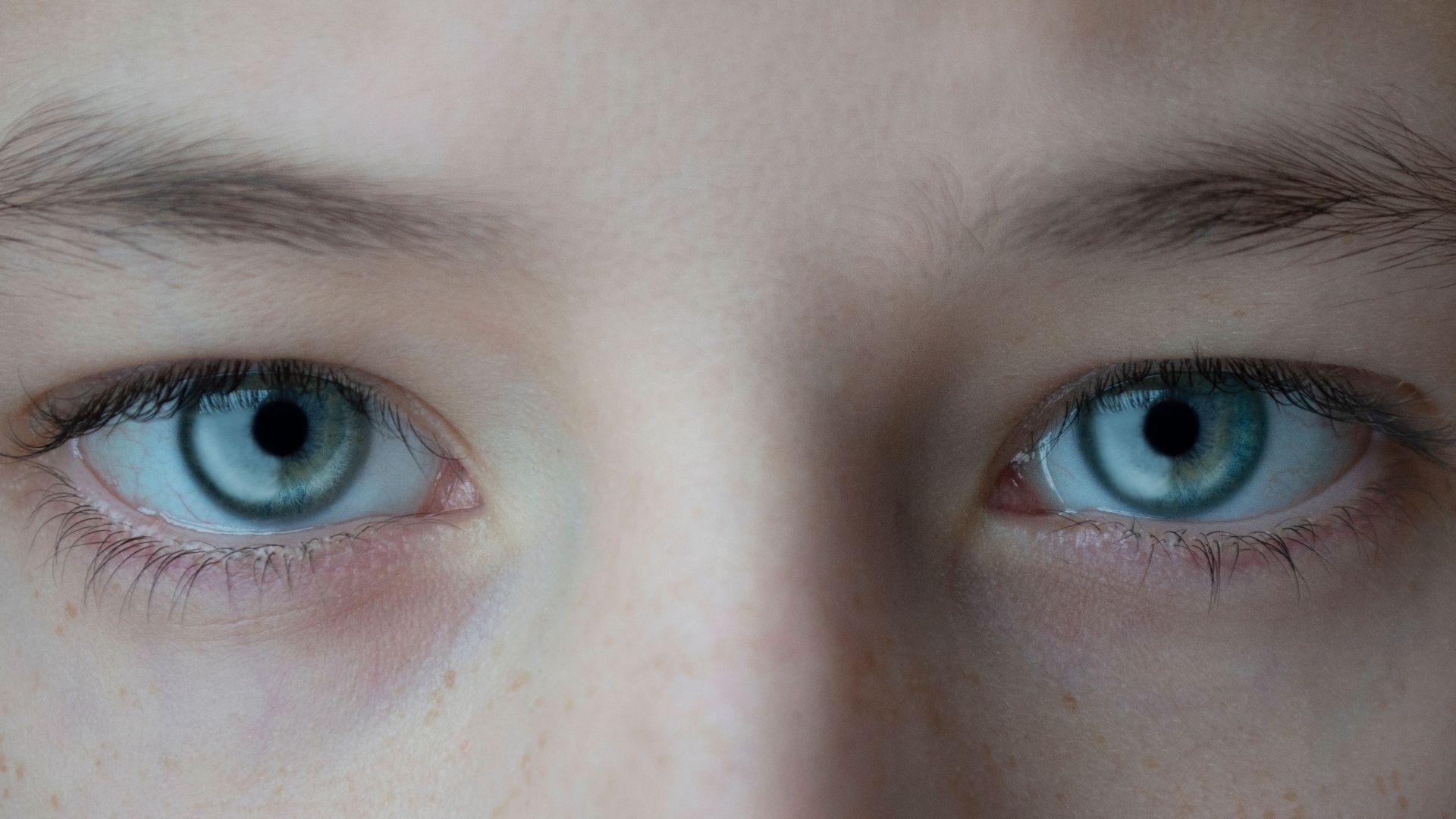
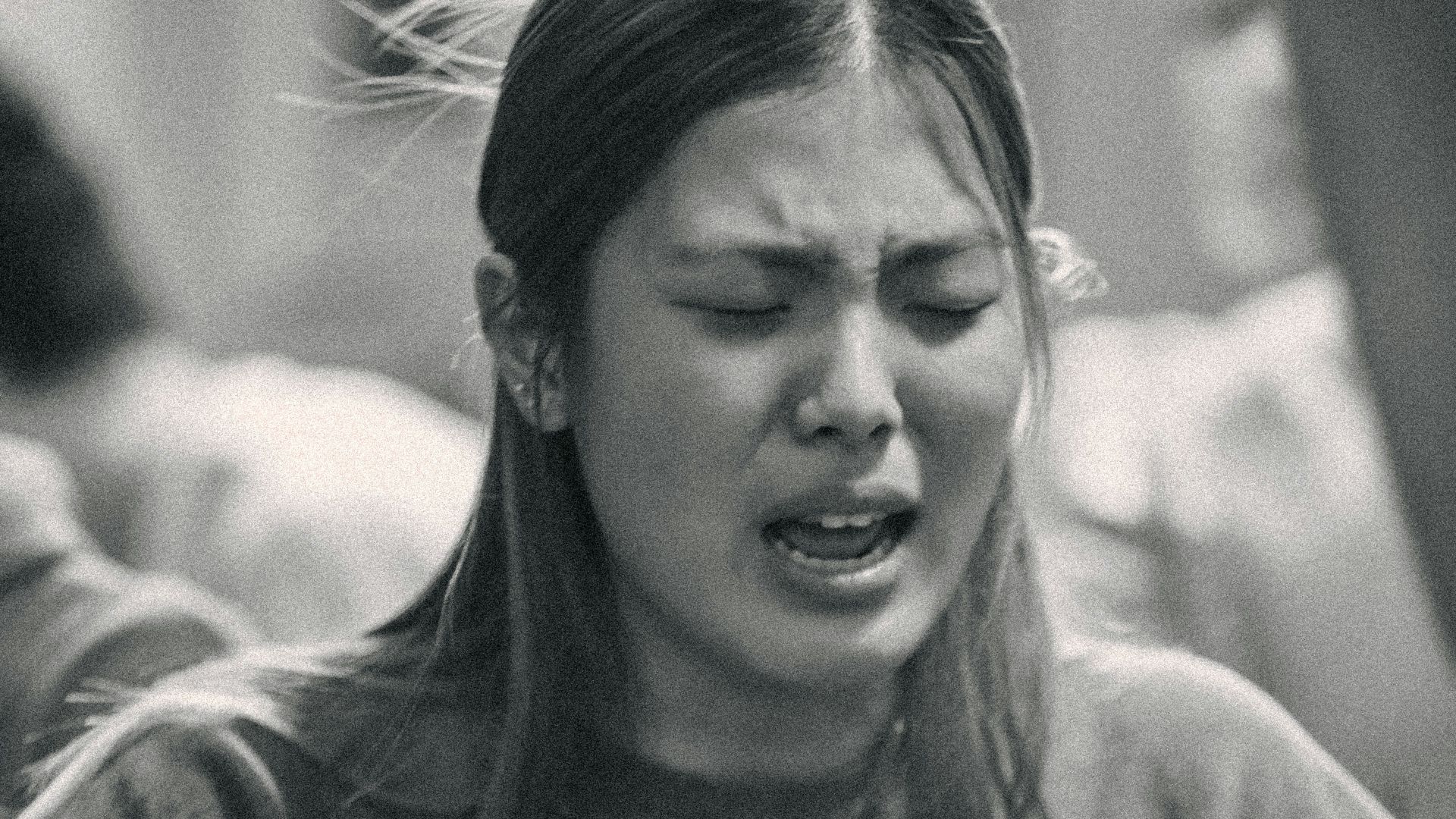
Your eyes normally drain away old tear fluid as new tears are made. When you’re close to crying, fresh tears can show up faster than they drain, leaving your eyes glossy and full before a single tear has fallen.
 Samuel Yongbo Kwon on Unsplash
4. Your Eyelids Can Only Hold So Much
Your lower eyelids can hold a small amount of tear fluid, yet they eventually run out of room. When that happens, the extra tears spill over and run down your face, even if you’ve been doing your best to keep them in.

5. Your Nose May Start Running
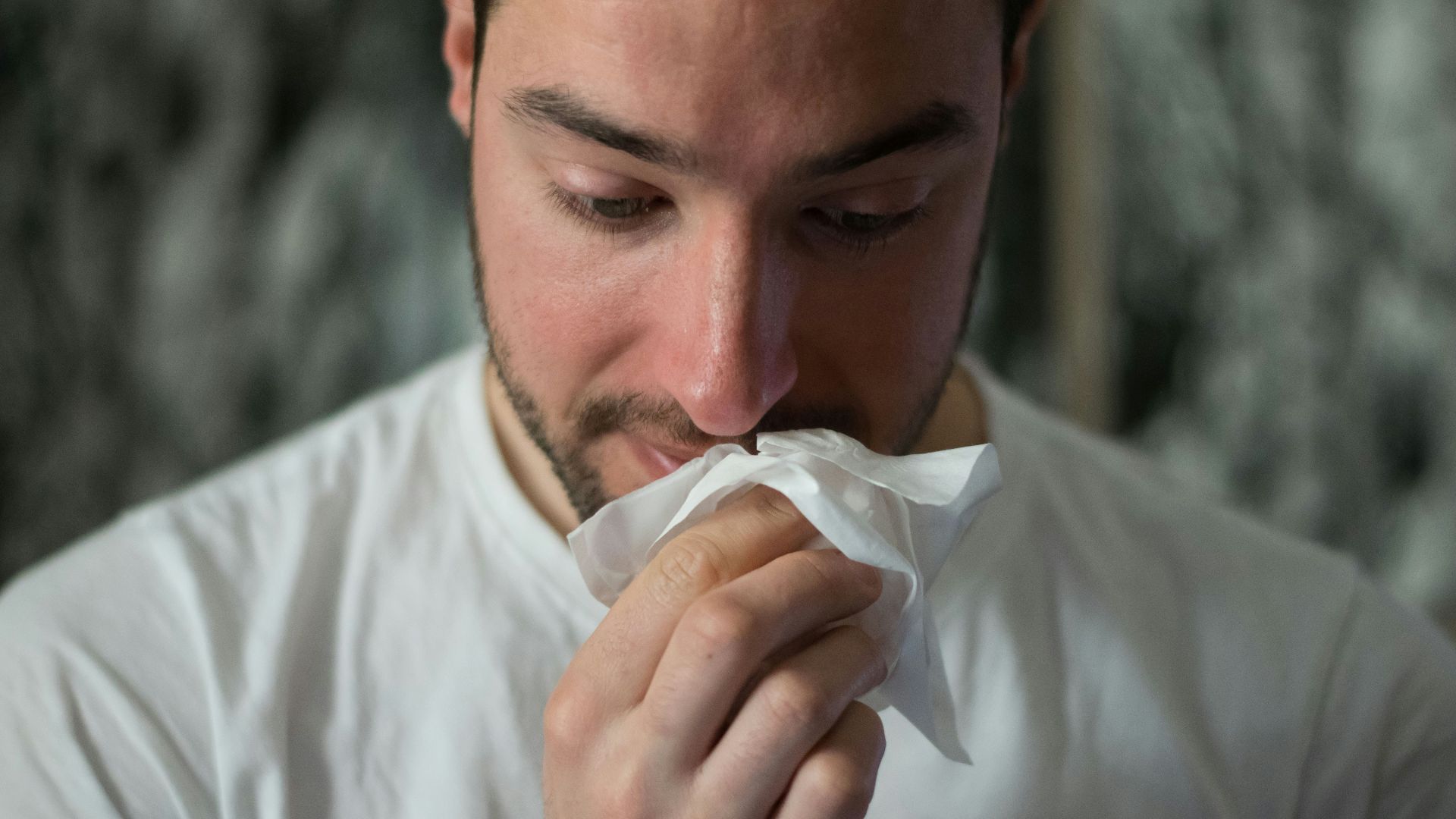
Your tear ducts drain into your nose, which is why crying and sniffling usually come together. Extra tears can make your nose run or leave it feeling stuffed up, even when you’ve managed to stop most tears from rolling down your cheeks.
6. Your Vision Blurs
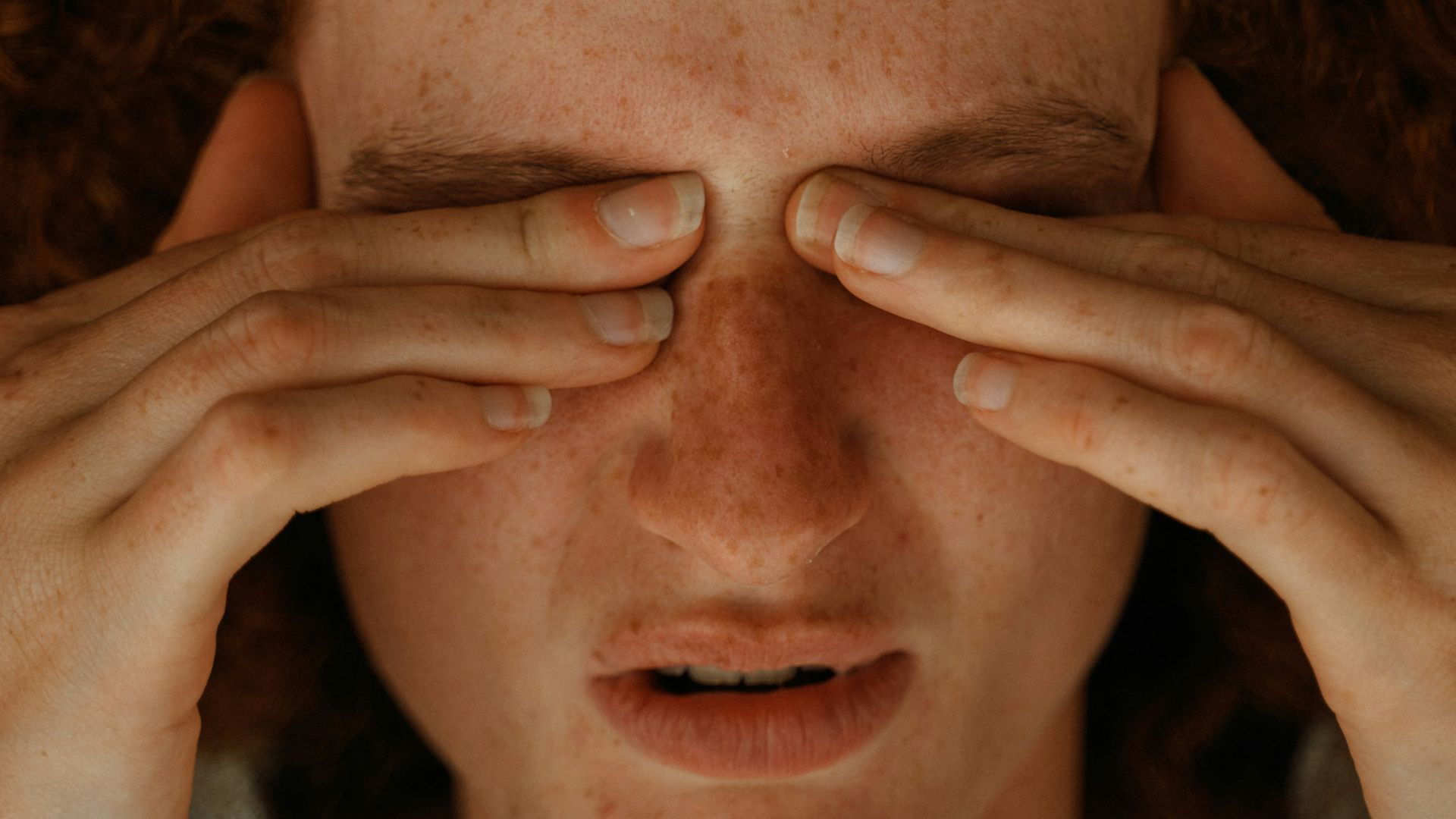
A smooth layer of tears helps your eyes see clearly and feel comfortable. When your eyes get watery, that layer can be disrupted for a short time, making your phone screen, a page, or someone’s face look a little fuzzy.
7. Your Face May Start Contorting
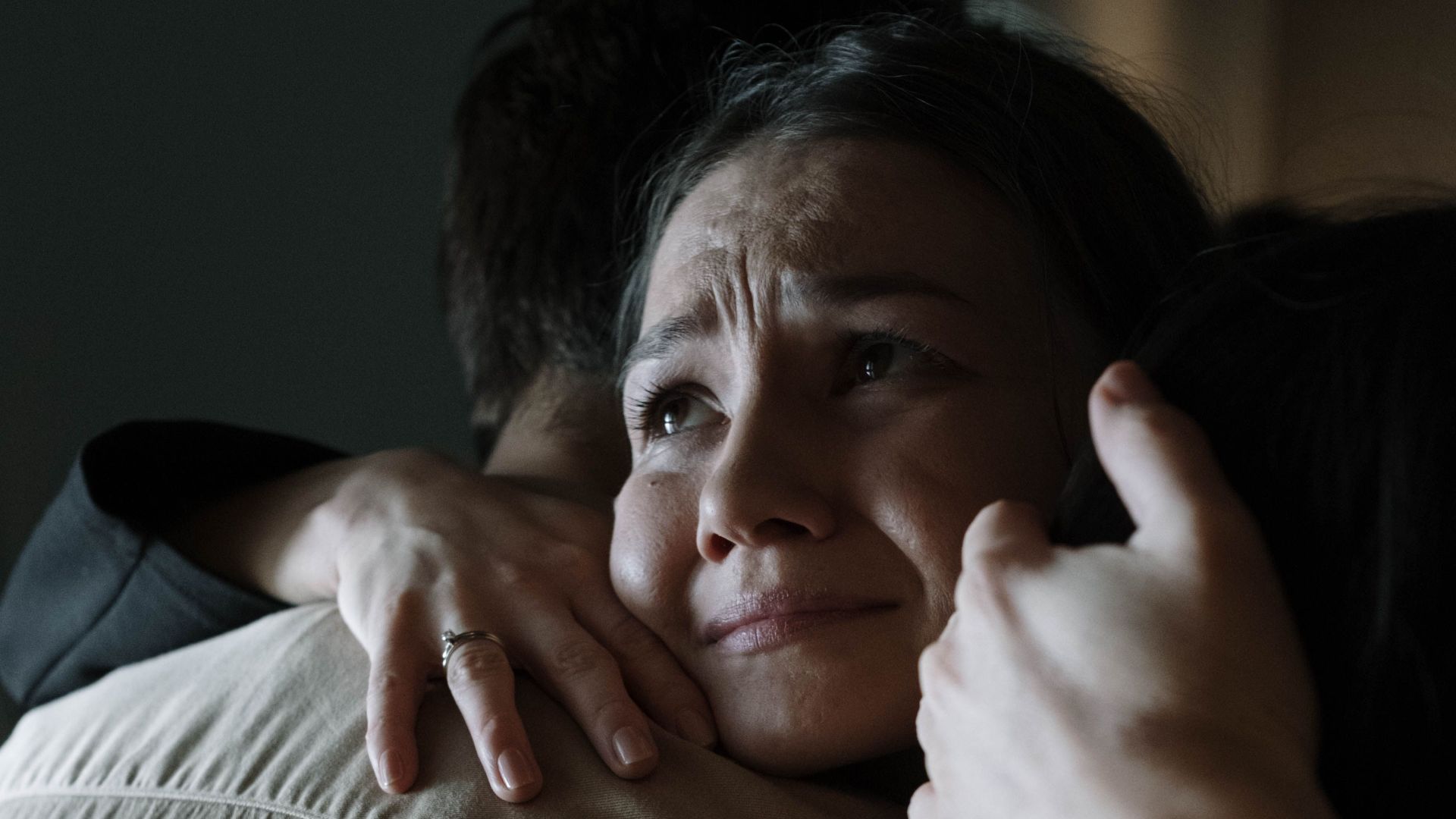
Crying can change the way your face moves, even when you’re trying to keep a straight face. Your eyebrows may pull together, your lips may press tight, or your chin may tense as you try to keep your emotions from showing.
8. You Might Hold Yourself Very Still
Crying can change your body language, so holding it back can mean controlling your posture, too. You may sit up straighter, keep your shoulders still, or find something to do with your hands. Moving or even sitting normally is much harder when you're close to tears.

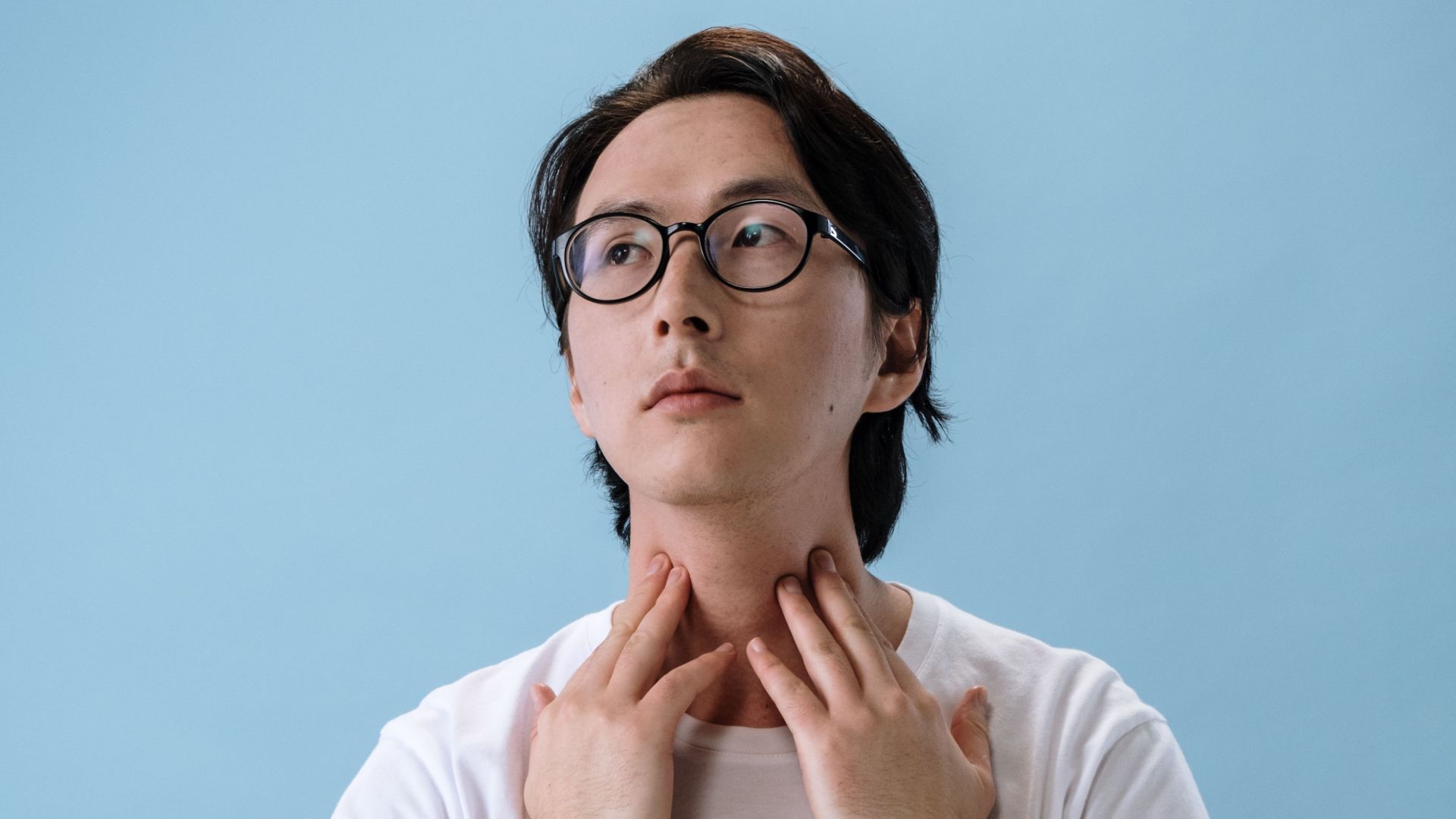
9. Your Throat Can Feel Tight
Holding back grief or another strong feeling can create that familiar lump-in-your-throat sensation. It can make swallowing or speaking feel awkward, and it can be particularly difficult to get past.
10. Your Voice May Get Shaky
Crying can change the sounds you make with your vocal cords. A voice that sounded steady a minute ago can become quiet, shaky, raspy, or hard to control when you’re trying to finish a sentence without crying.

11. Your Breathing Can Feel Off
Crying changes your breathing, and trying to stop it can make each breath feel more noticeable. You might take short breaths, pause before you speak, or hold your breath for a second while you’re trying to settle yourself.

12. Your Body Tenses Up
Keeping your face calm doesn’t always make the rest of your body relax. Your stress response can stay active while you look completely fine, which is why you might have a racing heart, tight muscles, or an unsettled stomach without anyone else realizing it.

13. Your Heart Beats Faster
When your stress response is active, your heart rate can rise. You may feel a flutter in your chest, a pulse in your throat, or the strange feeling that your heartbeat is suddenly louder than everything else around you. If you're particularly stressed, you may even hear it in your ears.

14. Your Blood Pressure Rises
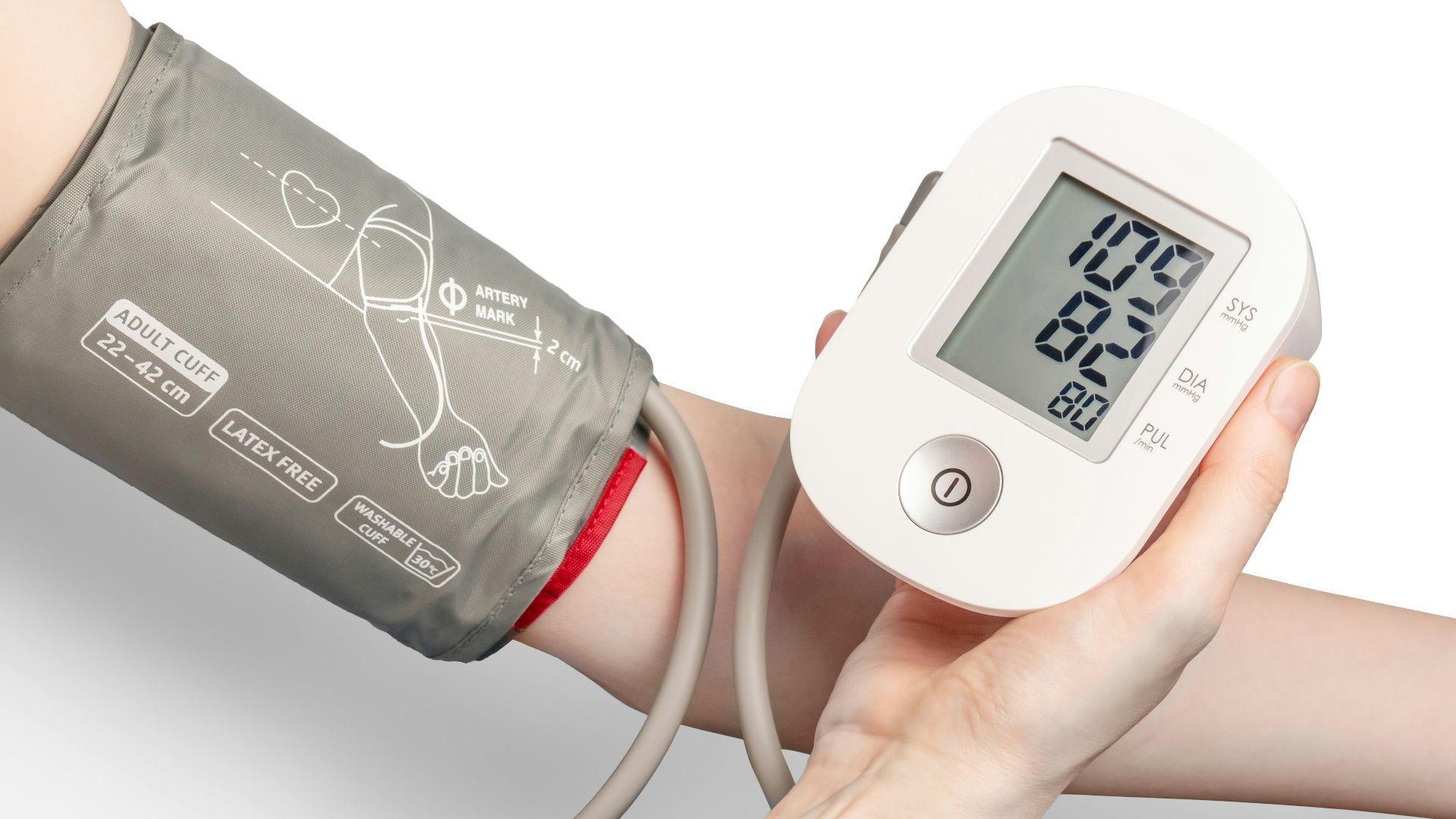
Stress can cause a short-term rise in blood pressure as your body gets ready to act. This is known as your "fight or flight" response, releasing hormones like adrenaline and cortisol. Constant stress can leave your blood pressure permanently high.
15. Your Palms Get Sweaty
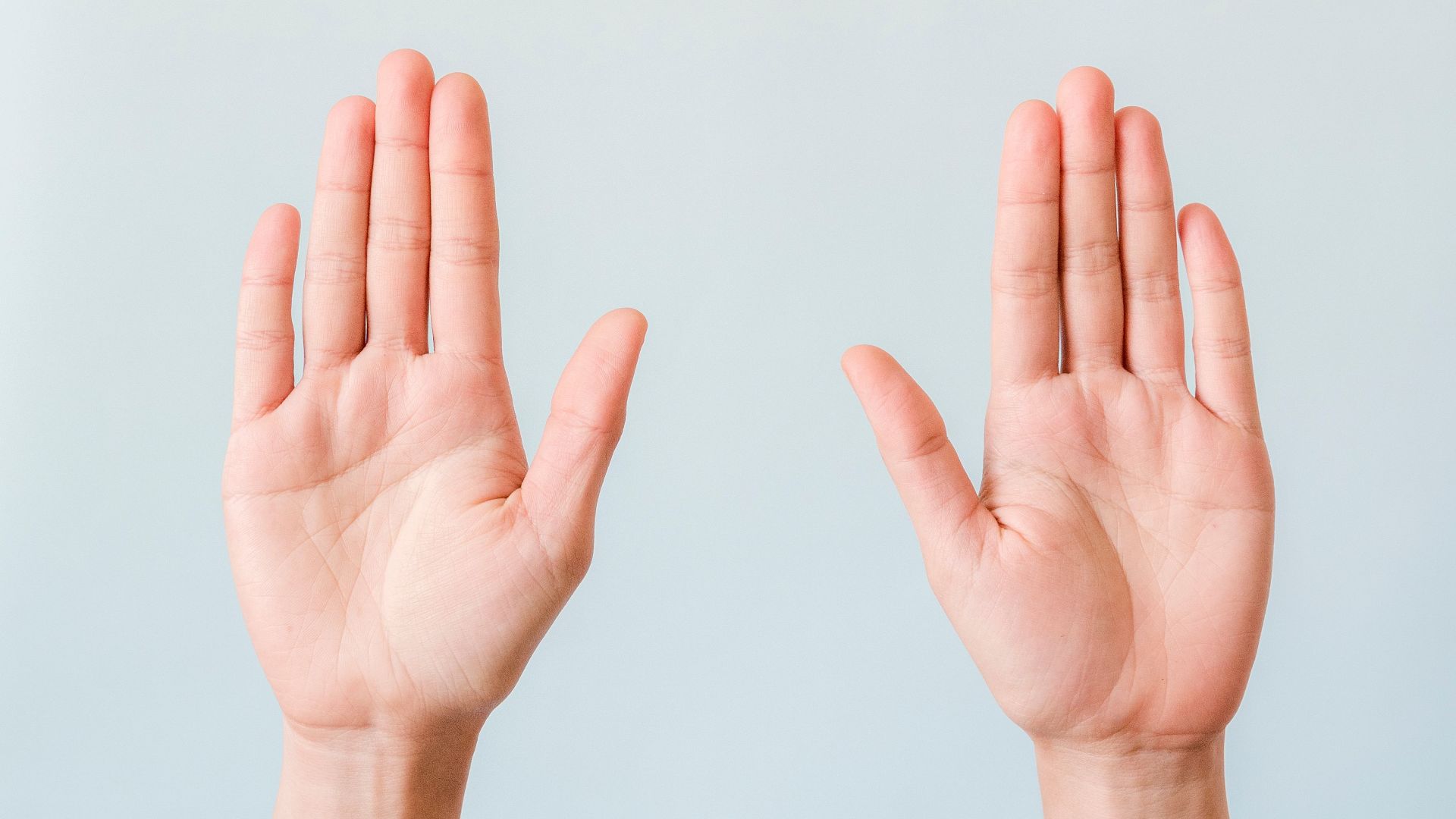
Stress can make you sweat more, especially in your hands, underarms, and face. It’s an annoying little reaction when you’re already trying to look calm. Adding brow, upper lip, pit, or hand sweat is not a good indication that you're handling something well.
16. Your Muscles Tighten
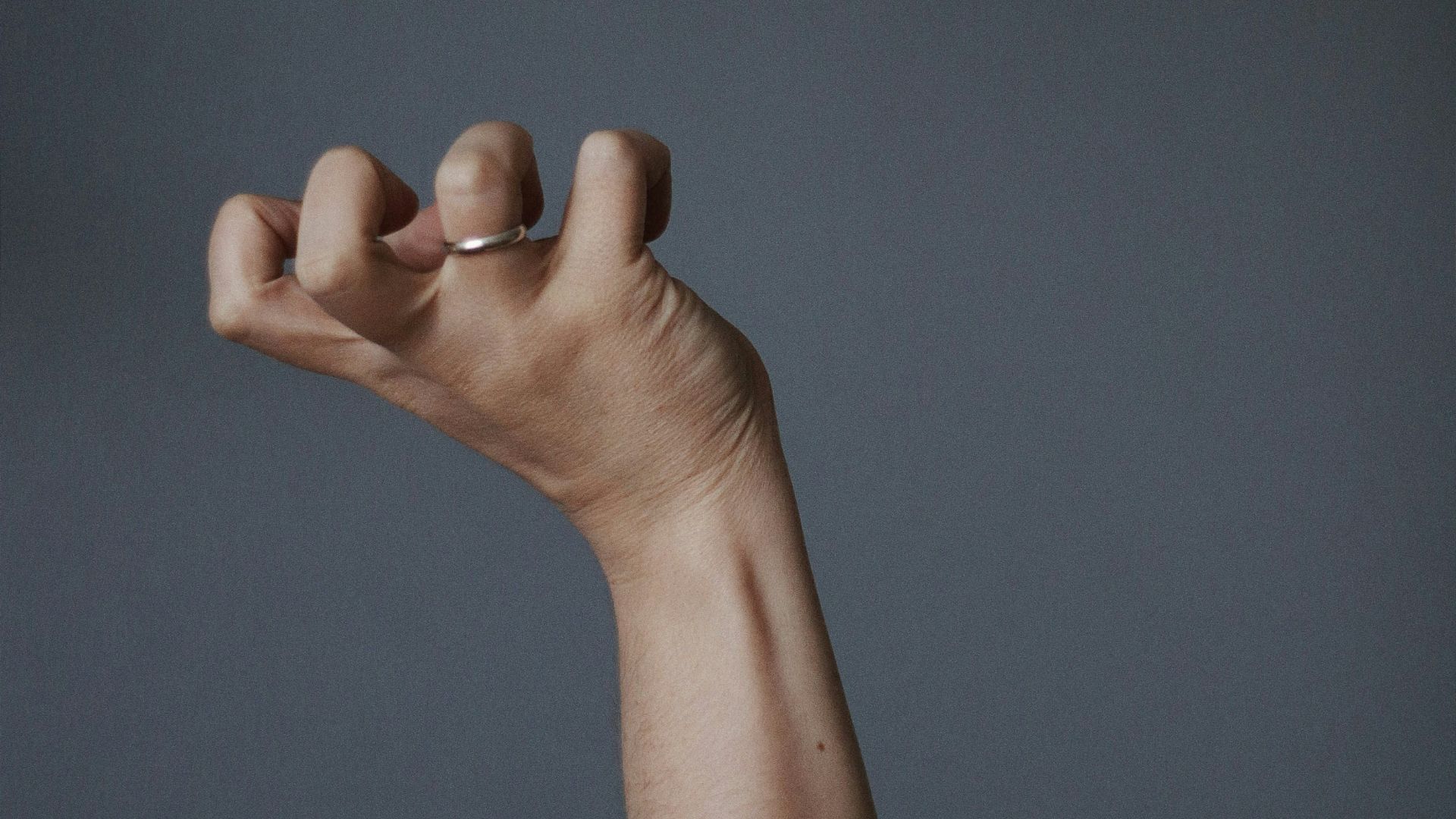
Your stress response gets your body ready to move, and muscle tension is part of that. Your shoulders can creep upward, your neck can feel stiff, and your hands may curl into fists. You may not even know you're doing it until after the intense moment passes.
17. Your Jaw Clenches
Clenching your jaw is a common sign of stress. It can also happen when you’re trying to keep your mouth from trembling or stop your face from changing when you feel tears getting close. If you're often stressed, you may also find you clench your jaw while you sleep.
18. Your Hands or Face May Shake
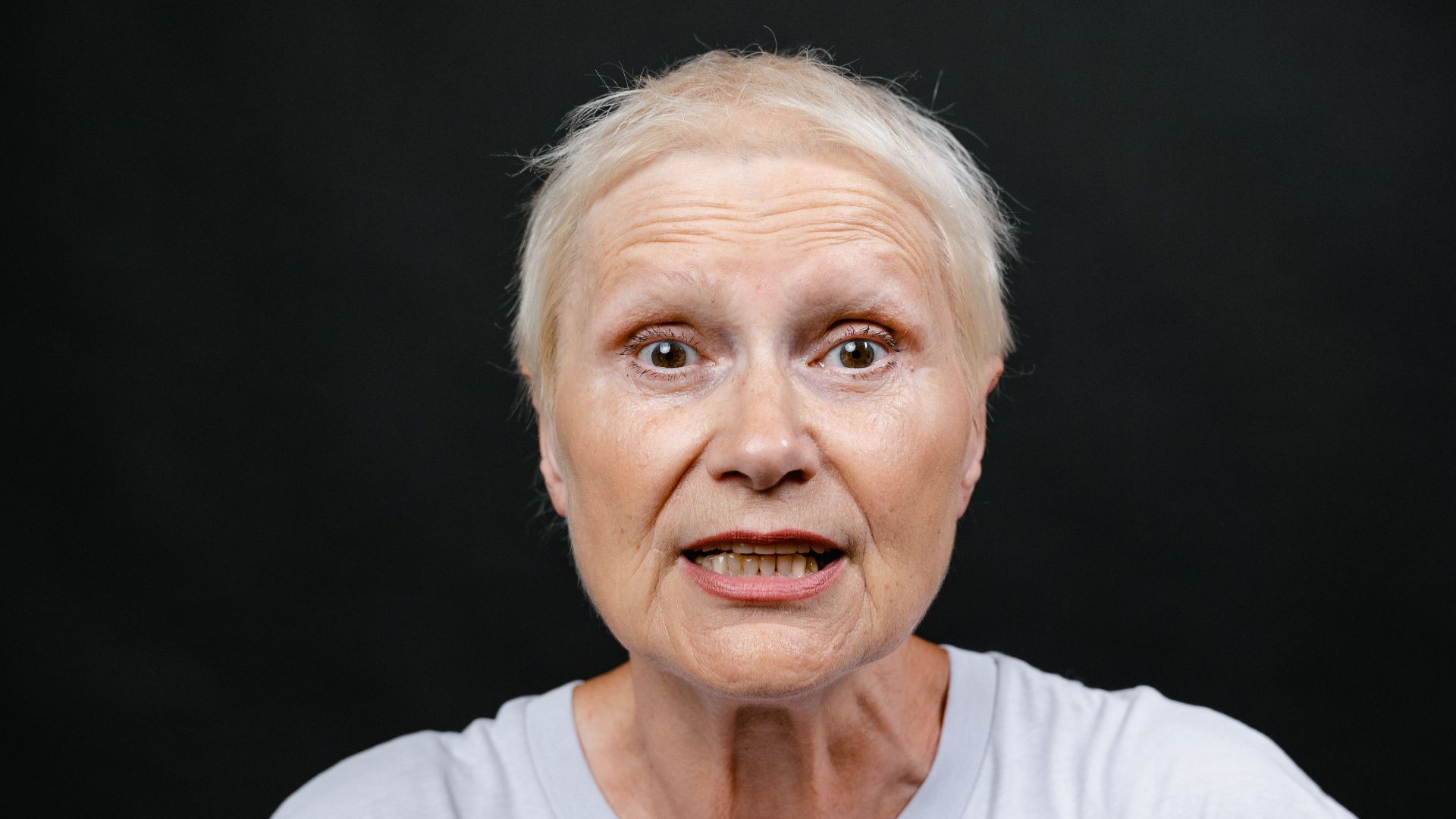
Stress can bring on trembling or shakiness. You may notice it in your hands, knees, lips, chin, or voice, especially when you’re trying to talk.

19. Your Mouth Feels Dry
Stress and anxiety can leave your mouth dry. Add a tight throat and uneven breathing, and even a short answer can feel much harder to say clearly when someone is waiting for you to respond.
20. You'll Feel It Later
Emotional stress may show up in other parts of your body. It can often show up in your stomach as nausea, discomfort, or a hollow, unsettled feeling. High emotion and tight muscles can also lead to a tension headache, which often feels like pressure around your forehead, temples, jaw, or neck.