Sweetness With a Little More Sense
Replacing table sugar can be useful, but with so many so-called substitutes out there, it’s hard to know which are actually better for your health, and which only come with the promises of better solutions. The reality is that some have drawbacks that aren’t obvious from the front of the package, and some “natural” sweeteners even have nearly as much sugar as the ingredient they replace. That’s why we’re here to break down which ones need a second look, and which ones will actually do right by you!
1. Agave Nectar
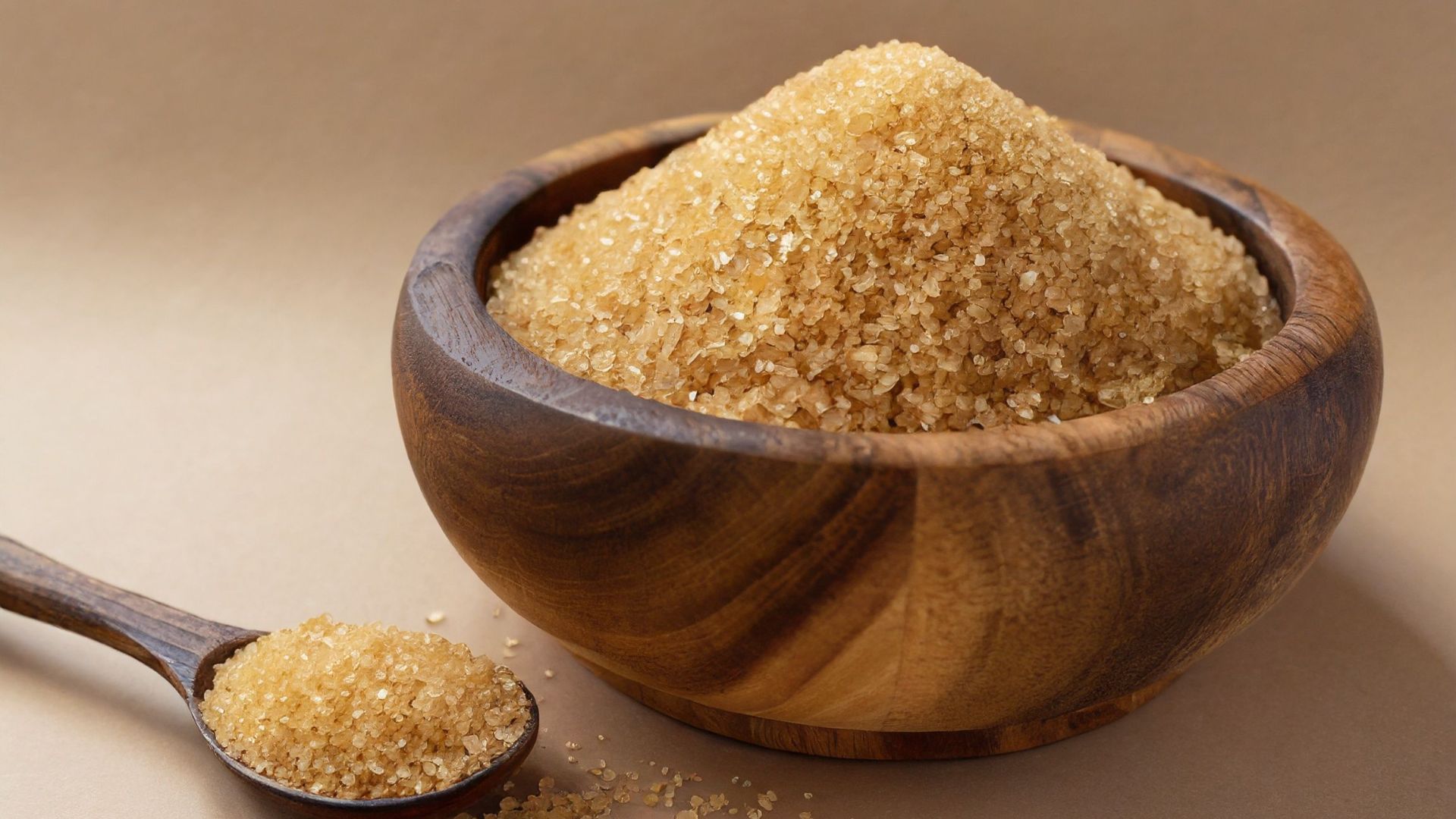
Agave nectar is often promoted as a gentler alternative; it has a lower glycemic index than table sugar. However, it’s particularly high in fructose, which is largely processed by the liver and can contribute to elevated triglycerides if you have too much of it. Pouring agave into coffee and smoothies can actually turn a supposedly healthy swap into another major source of added sugar.
2. Coconut Sugar
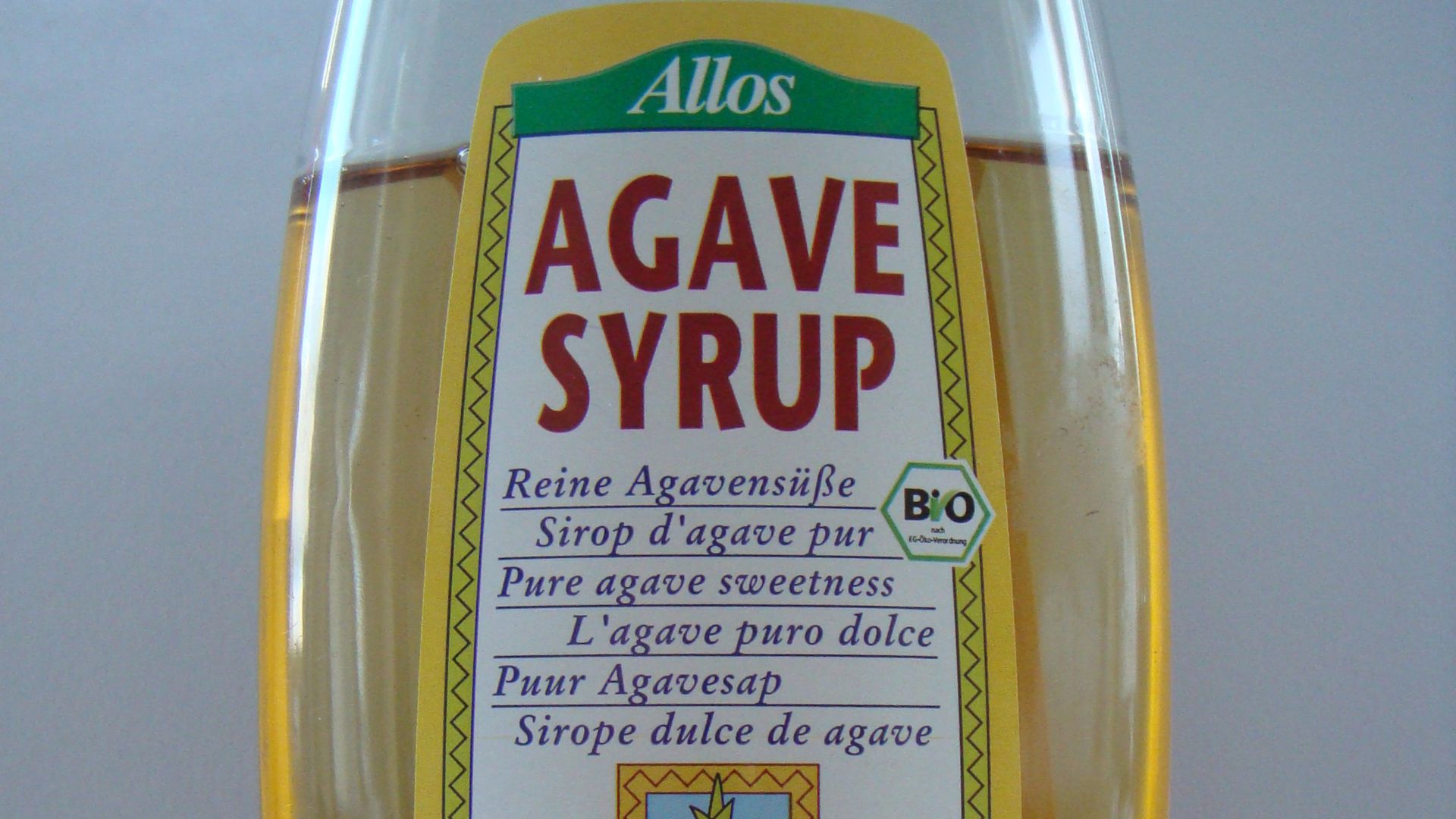
With coconut anything, you always want to be careful. The trace minerals in coconut sugar have helped it earn a healthy reputation, but you’d need to consume a ton to gain any meaningful nutritional benefits. It also contains roughly the same number of calories as regular sugar and is largely made up of sucrose.
3. Brown Rice Syrup
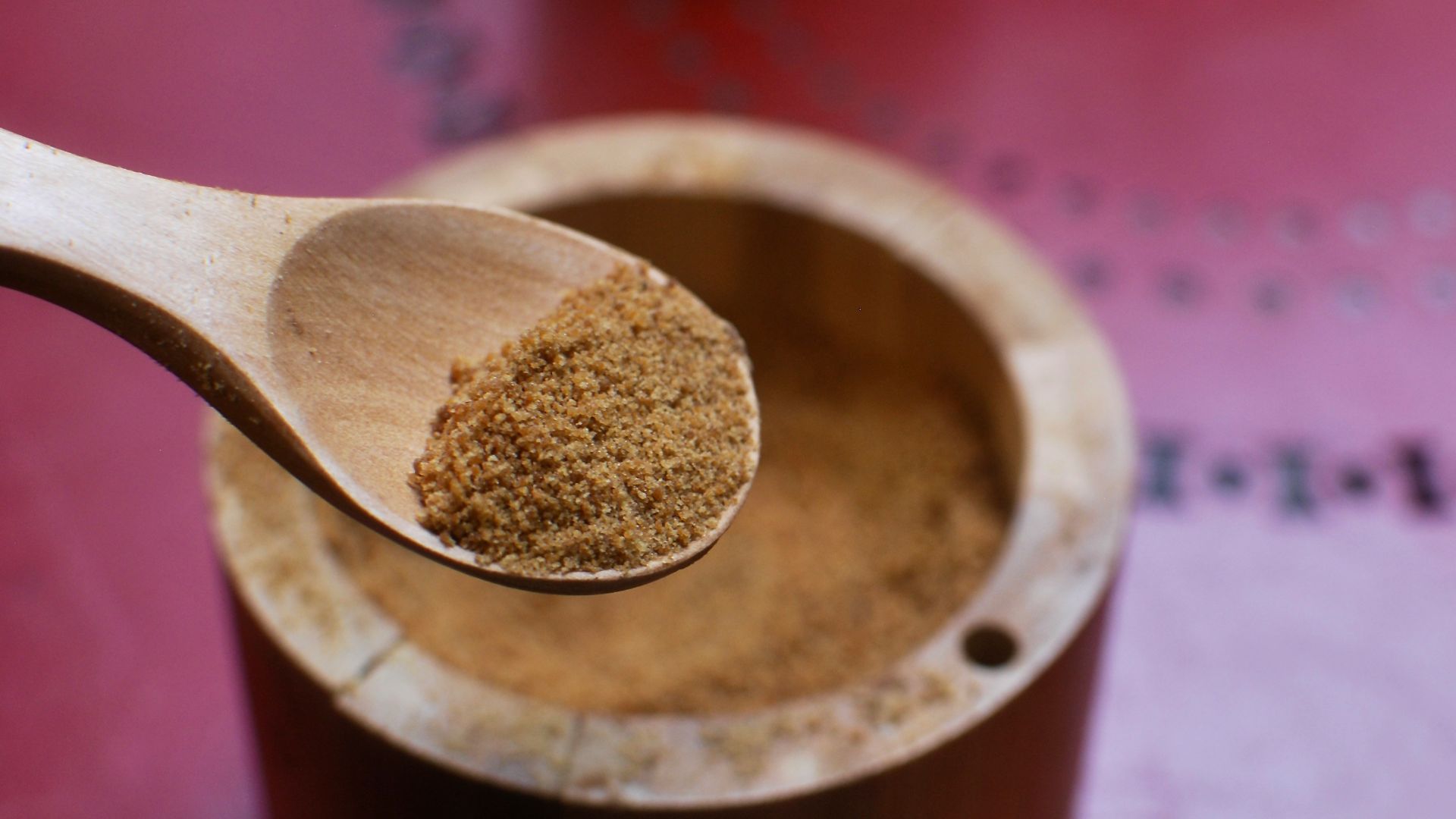
Brown rice syrup sounds like a home run right out of the gate. After all, what’s healthier than something with “brown rice” in it, right? Well, it may sound wholesome, but it’s composed primarily of glucose and can raise blood sugar rapidly. Unlike table sugar, it contains little to no fructose, but that doesn’t make it a free pass for anyone monitoring glucose levels.
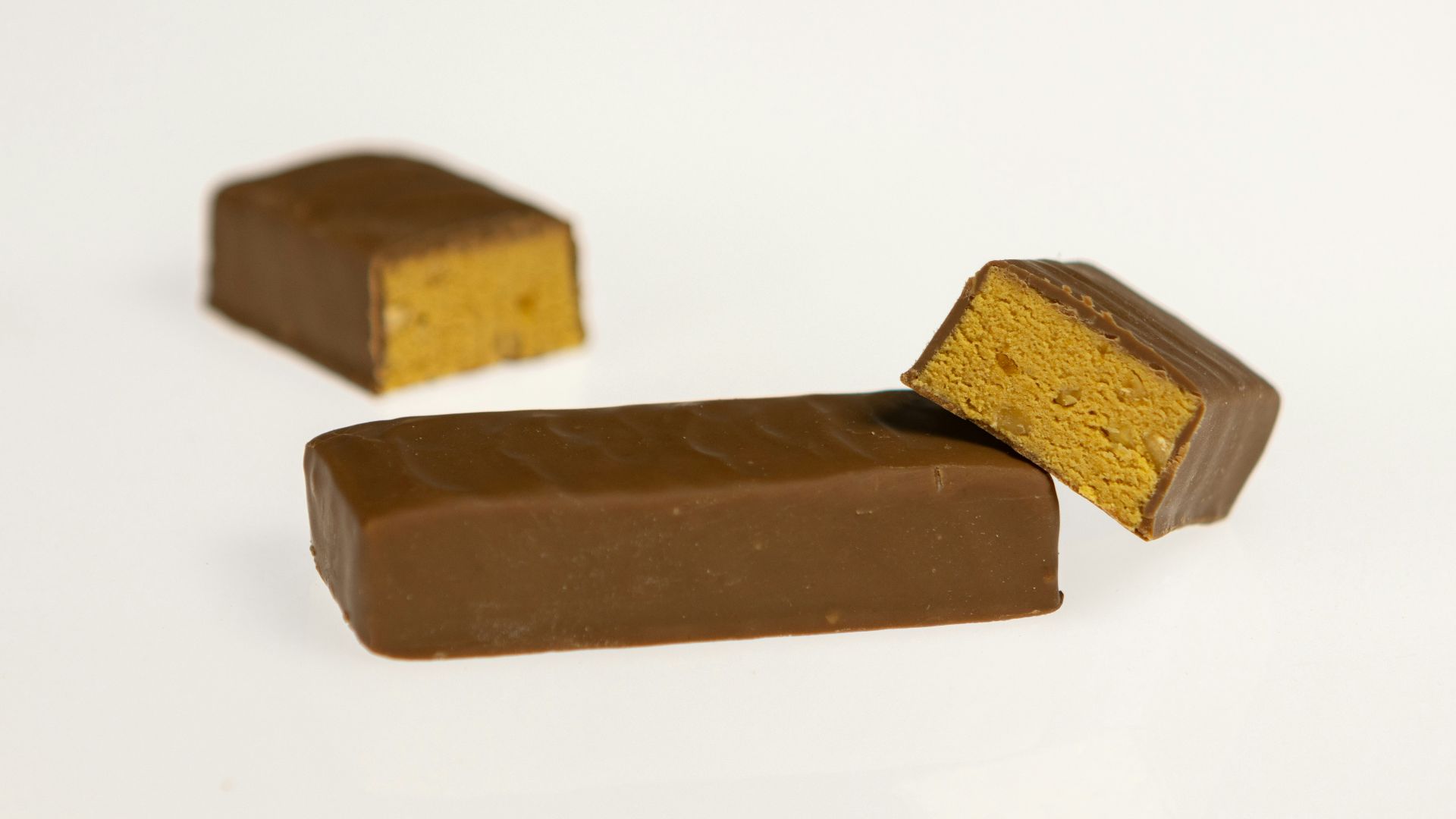
4. Maltitol
Maltitol frequently appears in sugar-free chocolates, protein bars, and low-carb baked goods. It makes sense, too, since it delivers a texture and sweetness similar to sugar. Unfortunately, it can still affect blood glucose, and larger servings may cause gas, bloating, stomach cramps, or diarrhea.
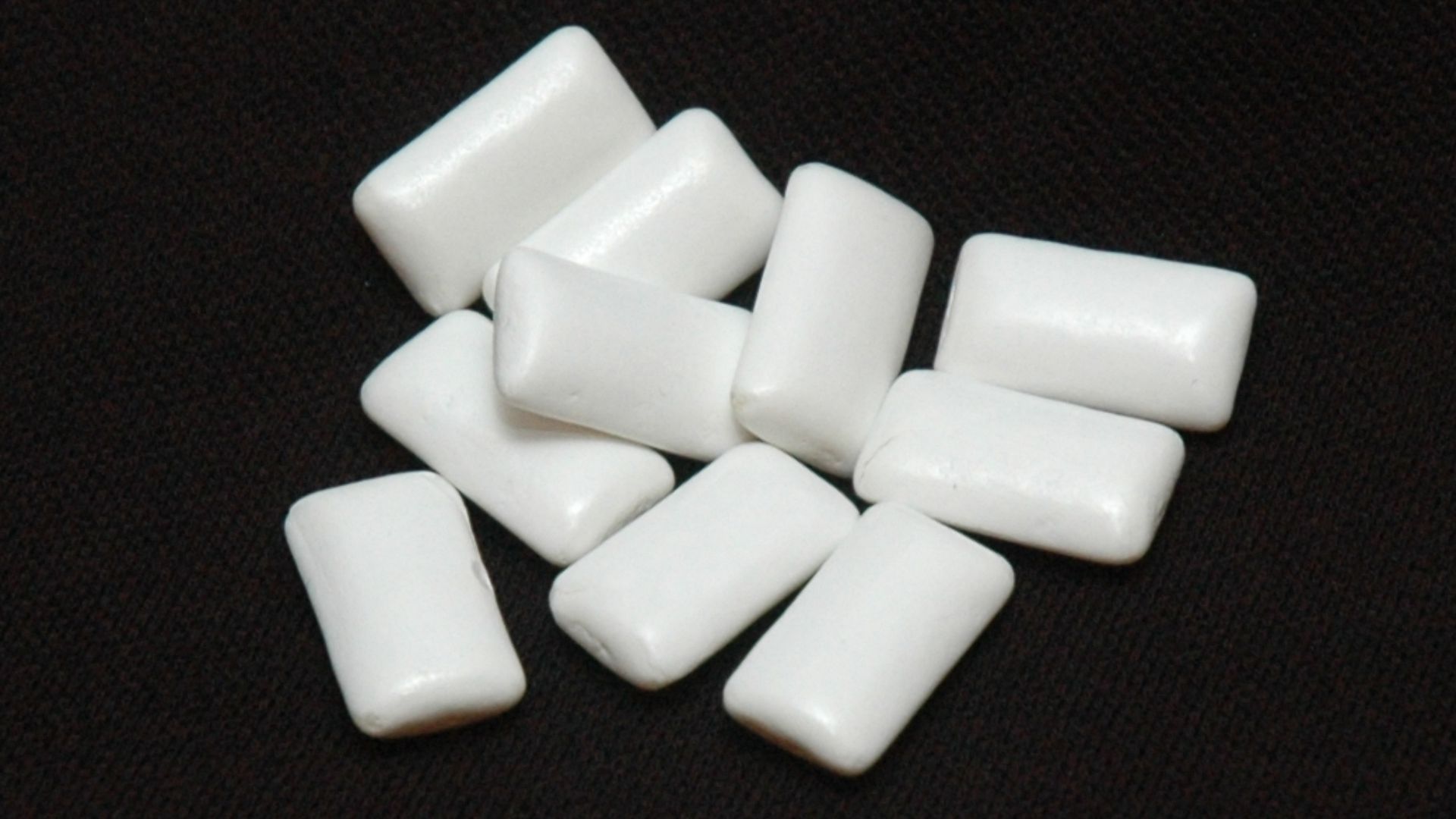
5. Sorbitol
You’ll spot sorbitol in anything from sugar-free gum and diet candies to cough drops and diabetic-friendly items. The thing is, since the small intestine doesn’t fully absorb it, excess sorbitol can draw water into the digestive tract and produce a laxative effect.
6. Erythritol
Erythritol became popular in keto desserts and zero-sugar drinks because it provides sweetness with very few calories. It also has little immediate effect on blood glucose. Though it’s mostly better tolerated than many sugar alcohols, some people still fall victim to nausea, bloating, or diarrhea, especially after consuming substantial amounts.
7. “Sugar-Free” Syrup Blends
A bottle labeled sugar-free isn’t always as healthy as it seems, so it’s important to do a little digging. These bottles can actually carry a combo of sucralose, sugar alcohols, gums, flavors, and coloring agents rather than one simple substitute. Covering pancakes with half a cup of sugar-free syrup may save some calories, but it can also deliver enough maltitol or sorbitol to cause serious digestive upset.
8. Date Syrup
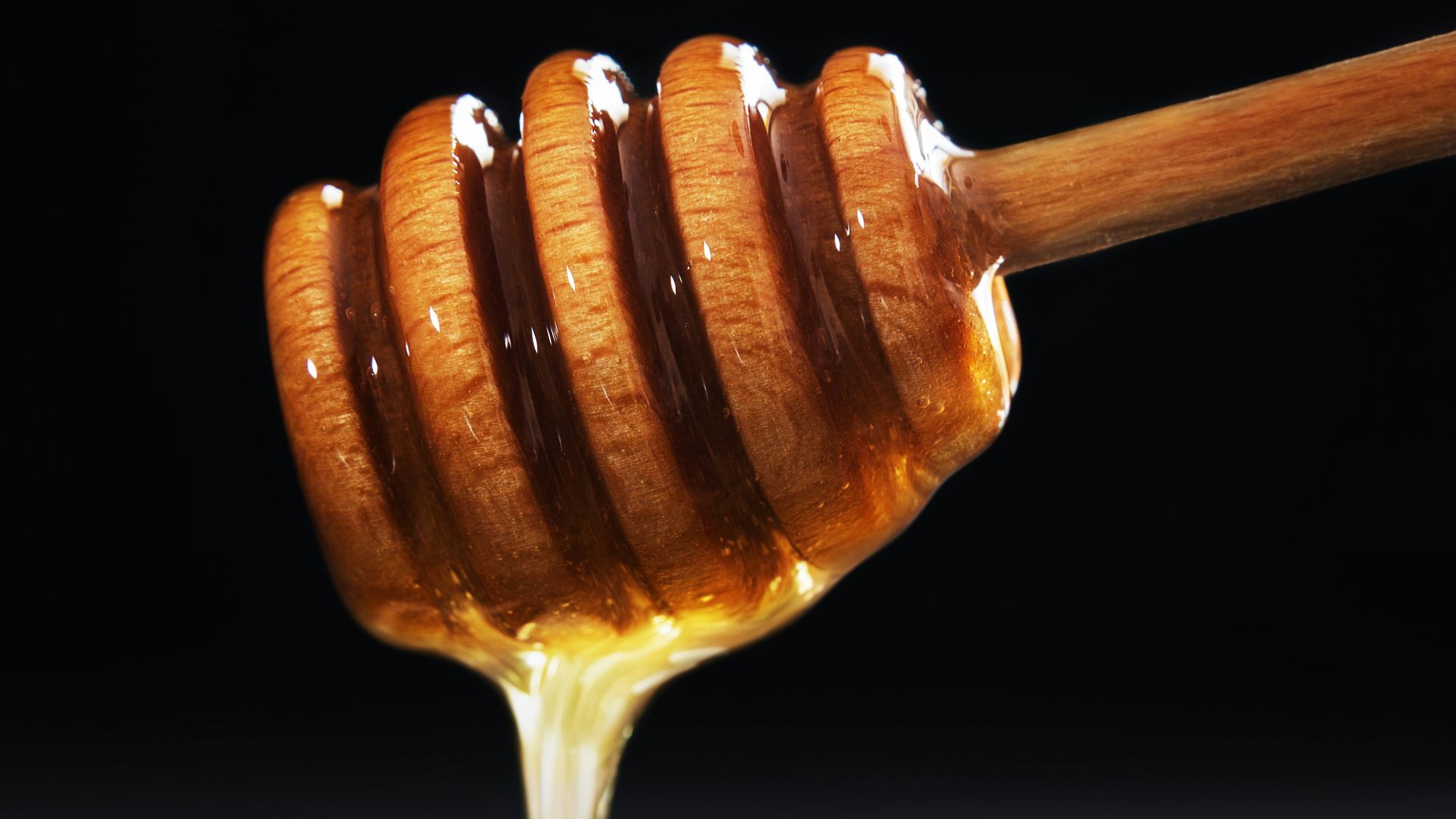
Dates provide fiber when eaten whole, but that benefit goes out the window when they’re processed into a syrup. Don’t forget that the finished product still supplies significant amounts of naturally occurring sugar and can add calories when drizzled over yogurt or toast. Don’t assume that date syrup is as nutrient-dense as the whole fruit.
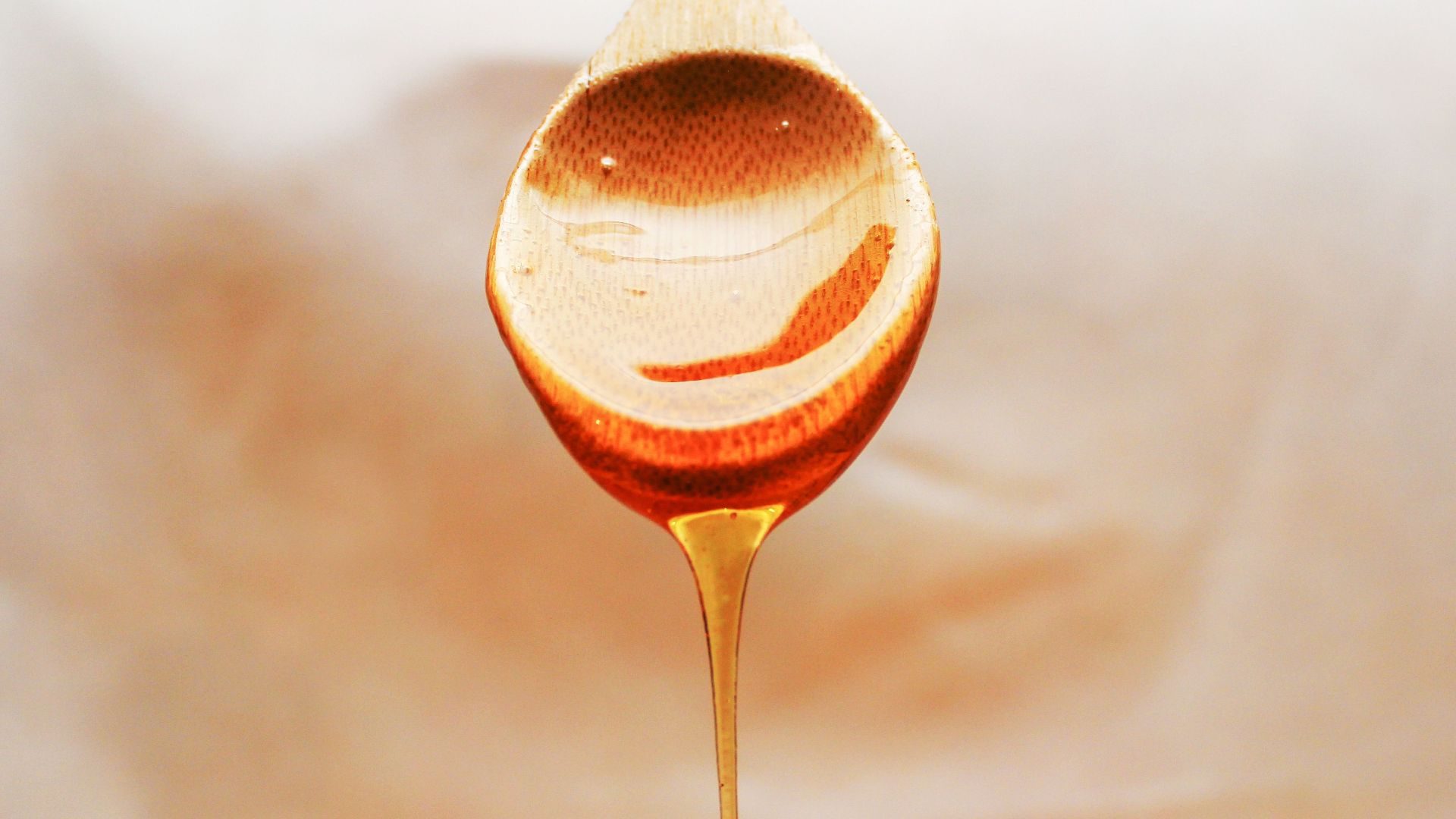
9. Honey
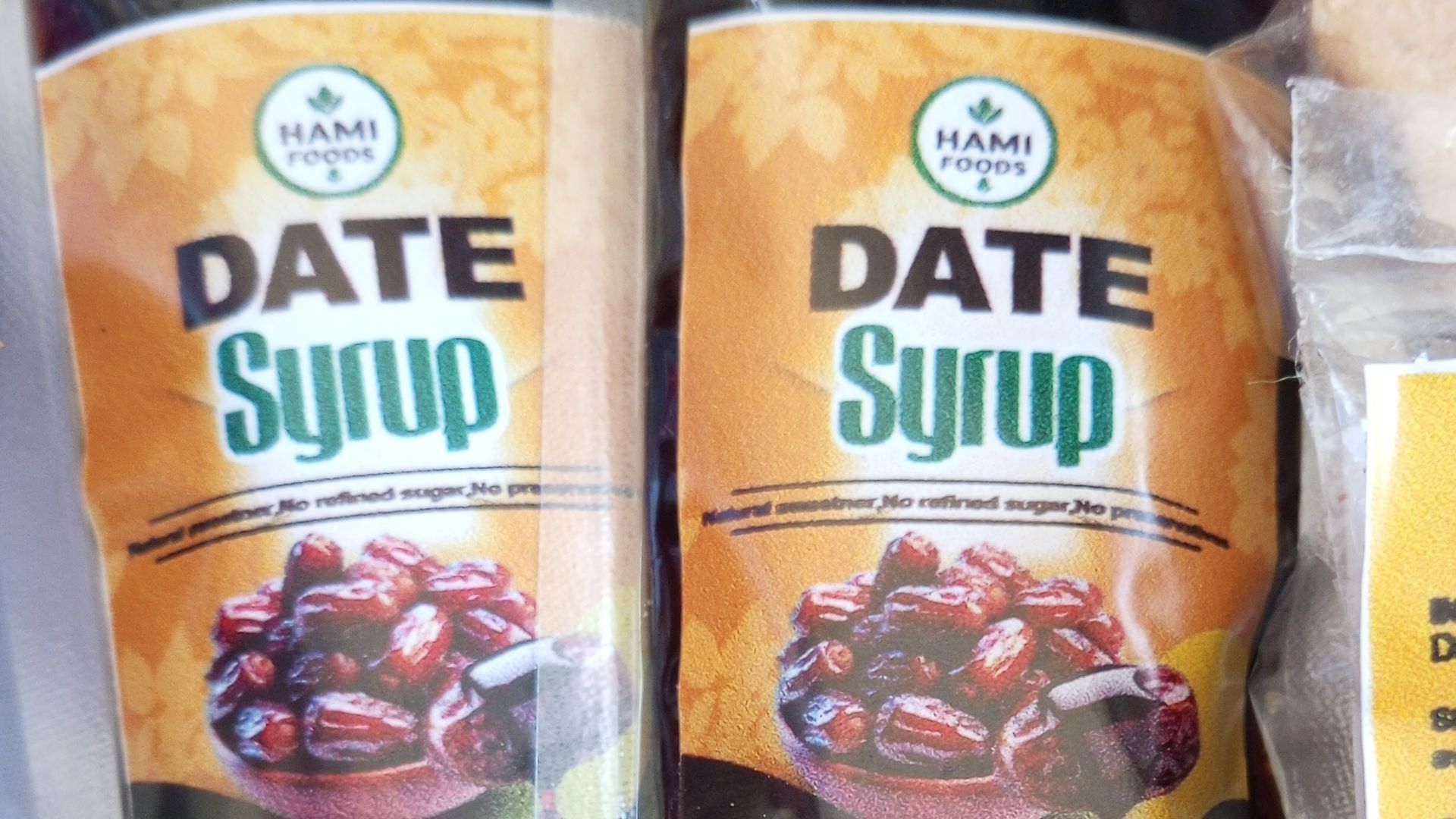
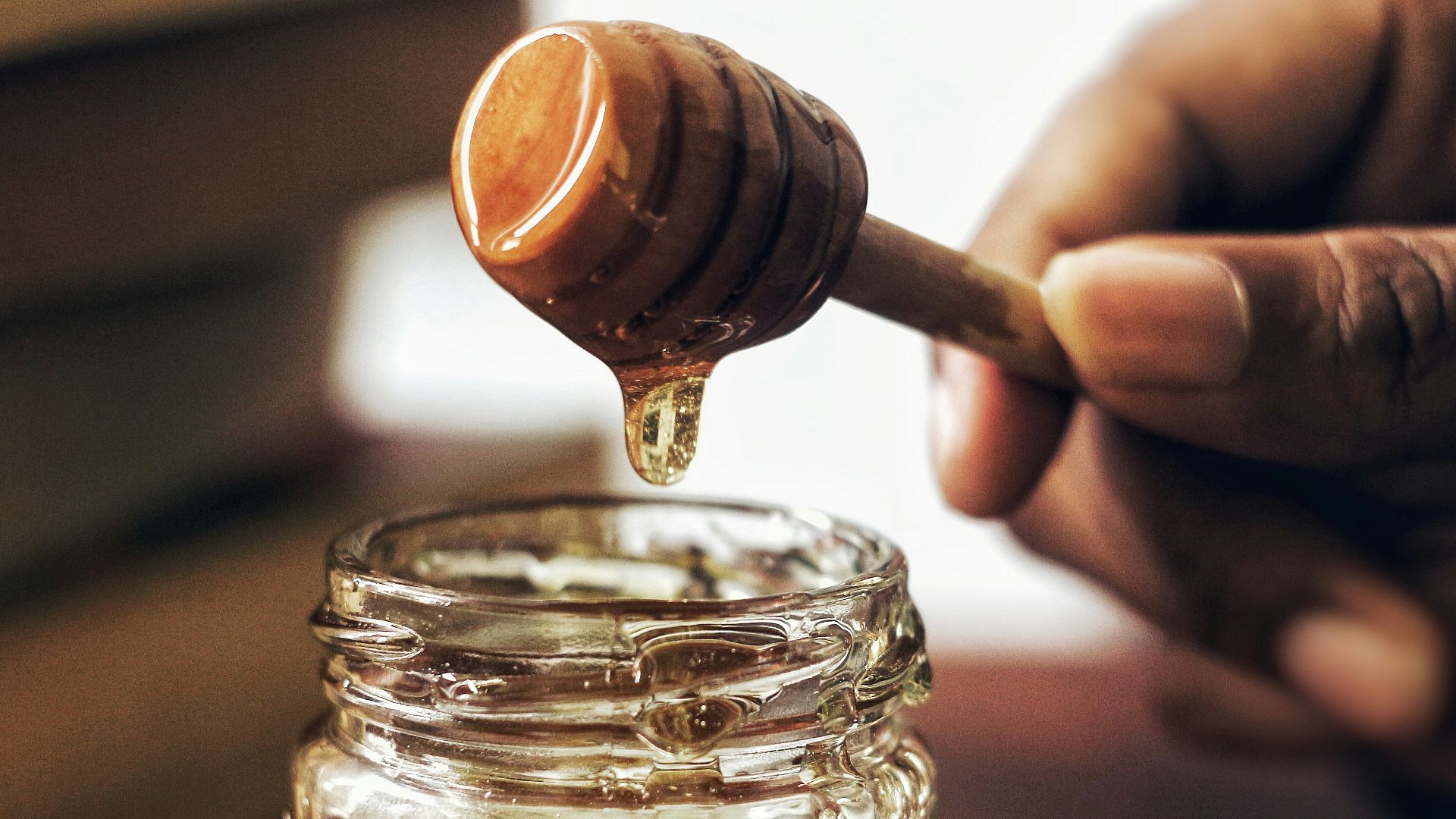
Say it ain’t so! We’re not saying that honey is inherently bad for you, but we are saying you should watch how much you consume! Honey remains a concentrated source of sugar, and since people often consider it healthier, they often add more than they should. A generous squeeze in tea and oatmeal can easily outweigh any minor nutritional advantage it has over refined sugar.
 Arwin Neil Baichoo on Unsplash
10. Maple Syrup
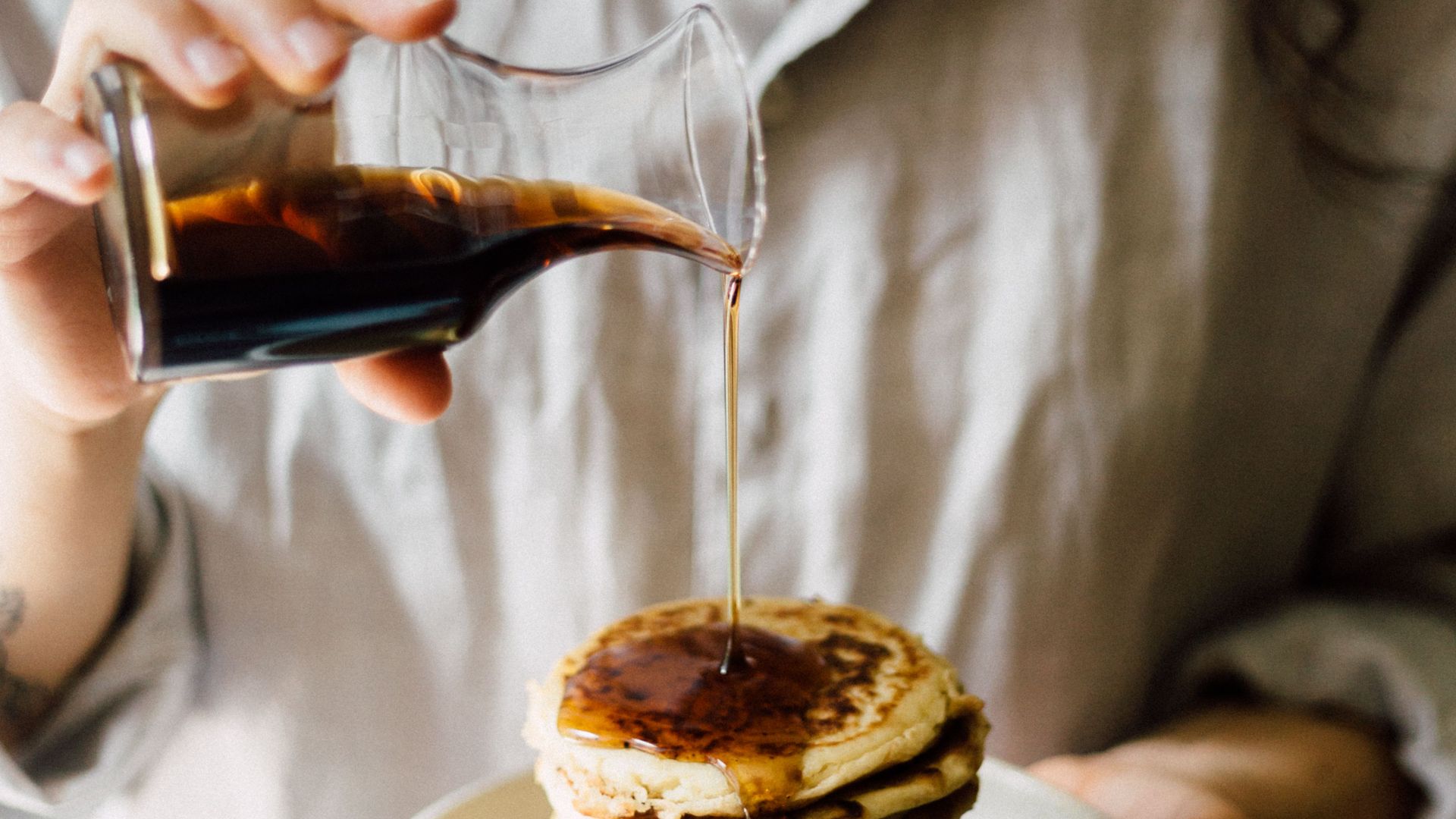
Pure maple syrup offers a few minerals and plant compounds, but those extras don’t cancel its high sugar content. Pancake syrups are even more misleading because some products contain corn syrup, artificial maple flavor, and very little actual maple syrup. Do yourself a favor: measure your serving rather than assuming every pour is harmless.
Reducing added sugar doesn’t mean every meal has to taste plain! The best choice depends on what you’re preparing, and these next 10 options still deserve sensible portions.
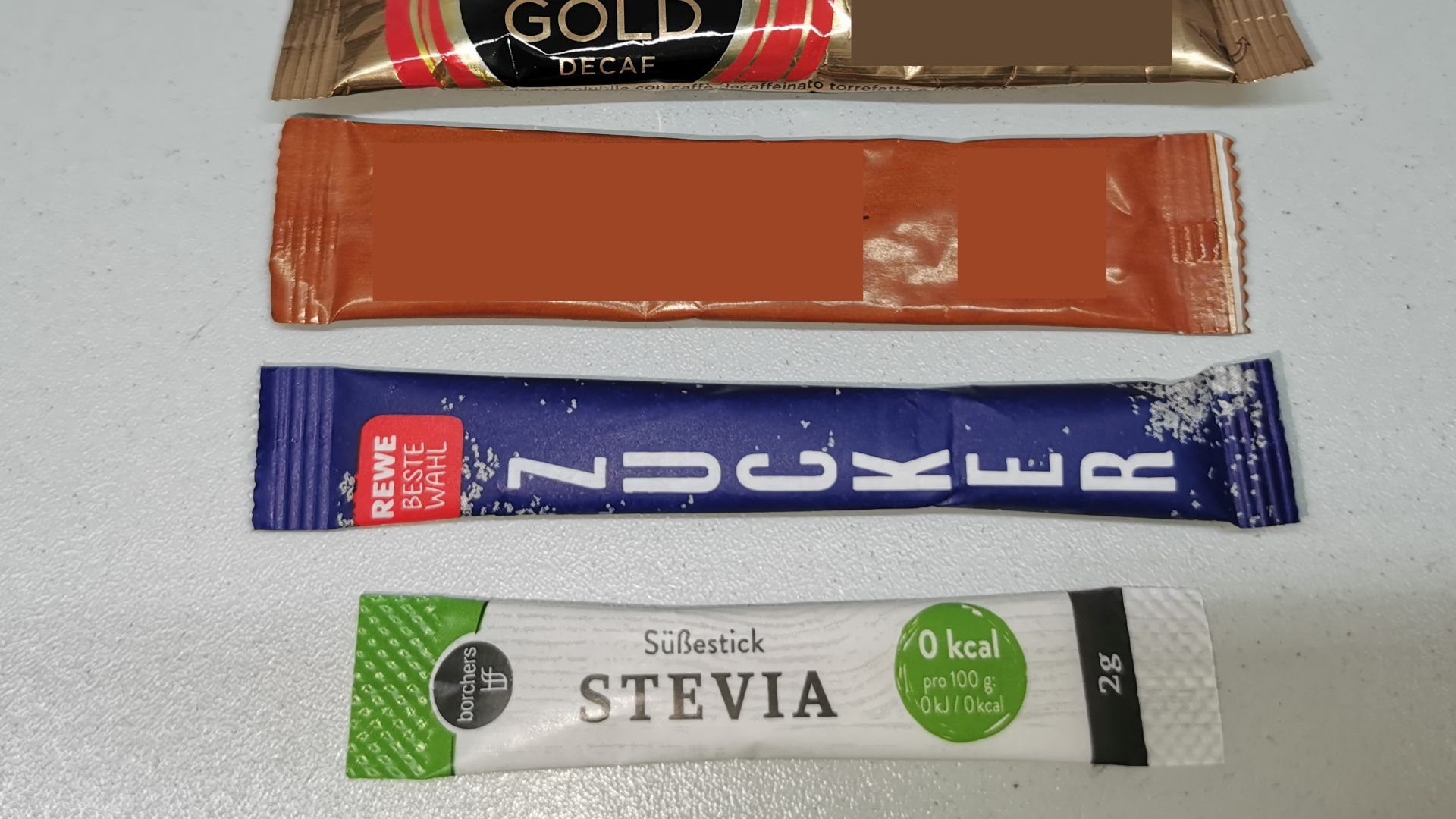
1. Stevia
Derived from the leaves of the stevia plant, purified steviol glycosides provide all kinds of sweetness without the calories of regular table sugar. A drop or two can sweeten coffee or plain Greek yogurt without substantially raising its carbohydrate content. Just bear in mind that some brands combine stevia with other ingredients, so check the label for added dextrose or sugar alcohols.
2. Monk Fruit Extract
Monk fruit extract gets its sweetness from compounds called mogrosides, which means no ordinary glucose or sucrose. It also contributes little to no energy in the small amounts typically used, making it convenient for favorite recipes like oatmeal, homemade lemonade, and lower-sugar desserts. Pure extract can be difficult to measure, though, so choose a blend carefully.
3. Allulose
Although allulose is technically a type of sugar, your body actually absorbs it differently, obtaining far fewer calories from it than from sucrose. Its mild flavor and sugar-like texture also make it useful in sauces, baked goods, and frozen desserts where some other substitutes fall short.
4. Xylitol
You’ve probably heard all kinds of things about xylitol, but it contains fewer calories than regular sugar and doesn’t rot your teeth the same way that sucrose does. The biggest thing to remember is to keep every xylitol product away from dogs; even a relatively small amount can be dangerously toxic.
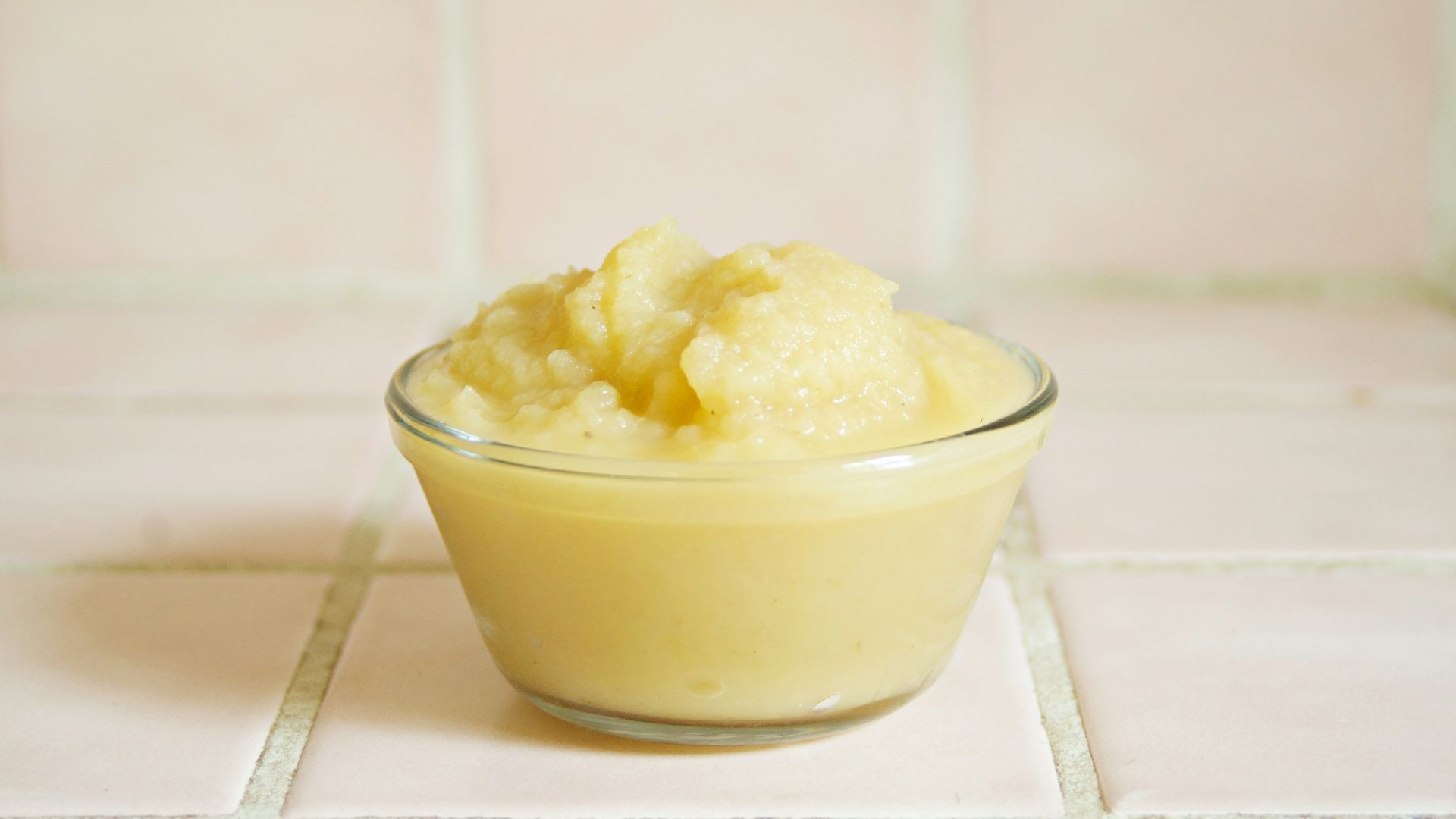
5. Unsweetened Applesauce
Don’t count out applesauce for a little natural sweetness! Replacing part of a recipe’s sugar with an unsweetened variety not only lowers the amount of added sugar, but it also doesn’t rely on an intensely sweet additive. That said, read the jar carefully—sweetened applesauce sometimes has enough added sugar to undermine the swap.
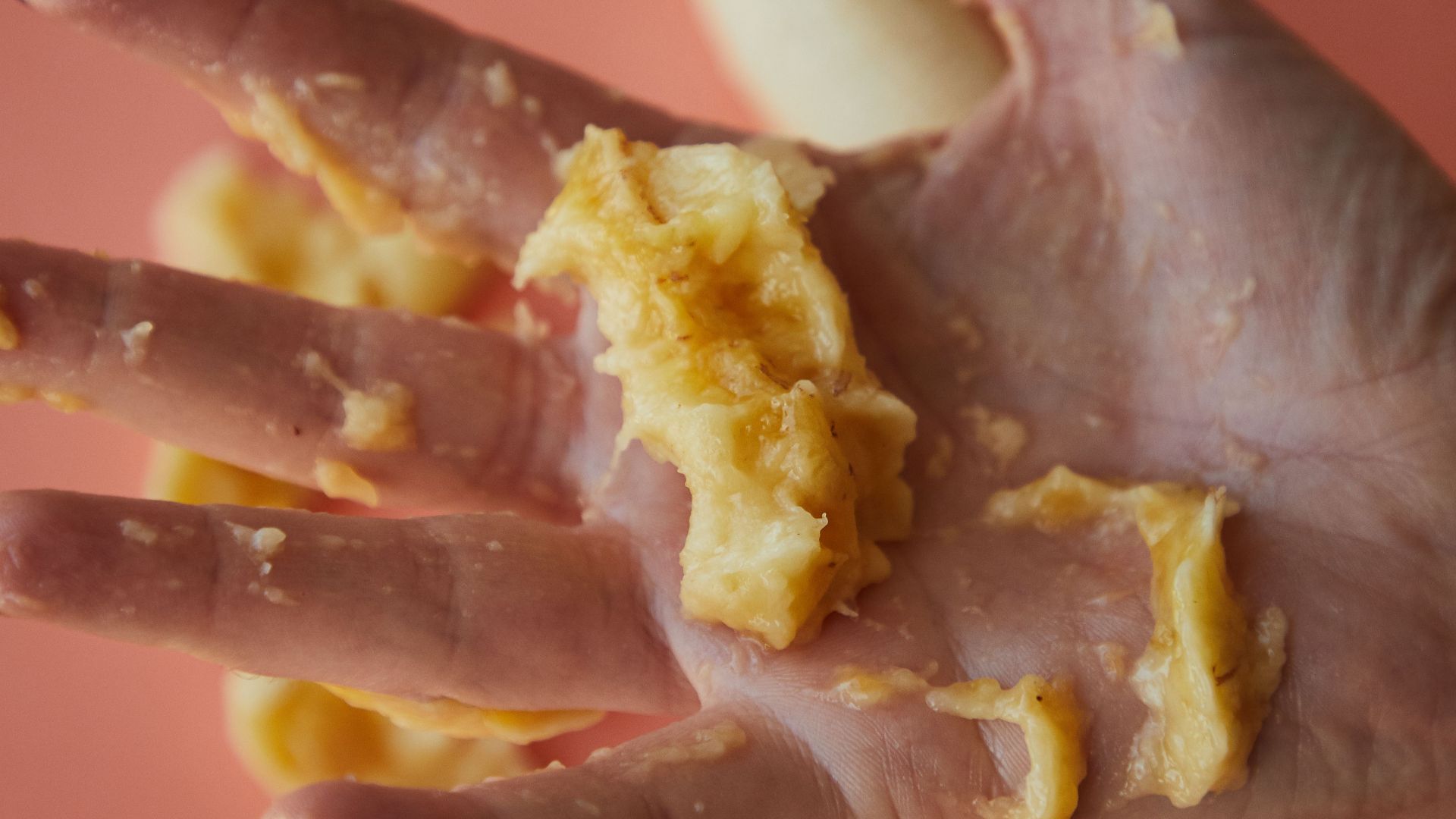
6. Mashed Ripe Banana
If apples aren’t your thing, bananas are just as good a sub in some spots! A heavily spotted banana can sweeten pancakes, smoothies, and baked oatmeal while contributing potassium and fiber. Its soft texture also helps keep baked goods moist, which may allow you to reduce both sugar and some of the added fat in beloved recipes.
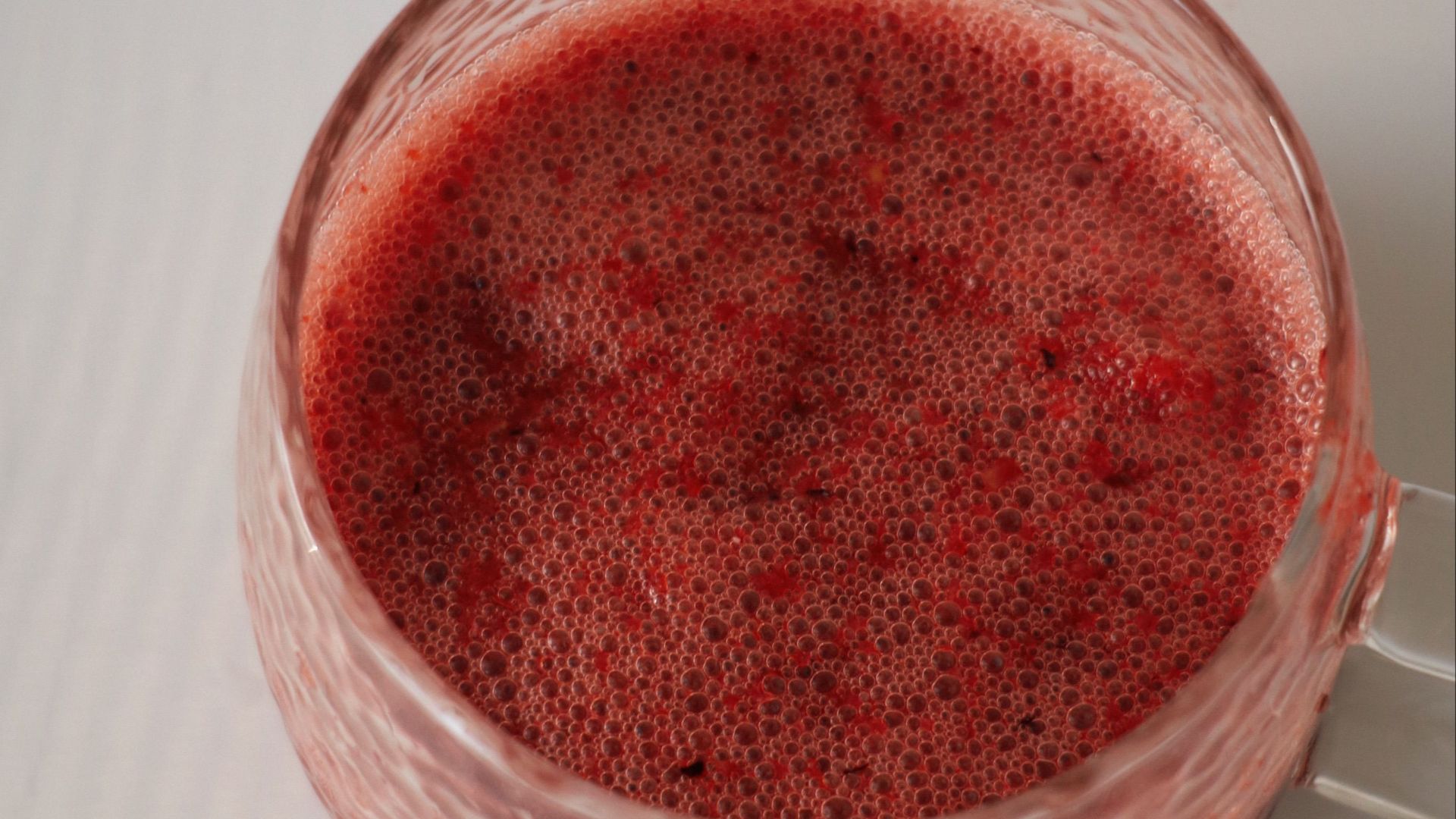
7. Pureed Berries
Berries can turn plain yogurt or chia pudding into something sweeter without adding refined sugar, especially popular options like strawberries and raspberries. Unlike syrup, the pureed whole fruit retains fiber along with vitamins and naturally occurring plant compounds. The coolest thing about them is that cooking the berries will produce a thicker topping for breakfasts, and you don’t even need to add sugar.
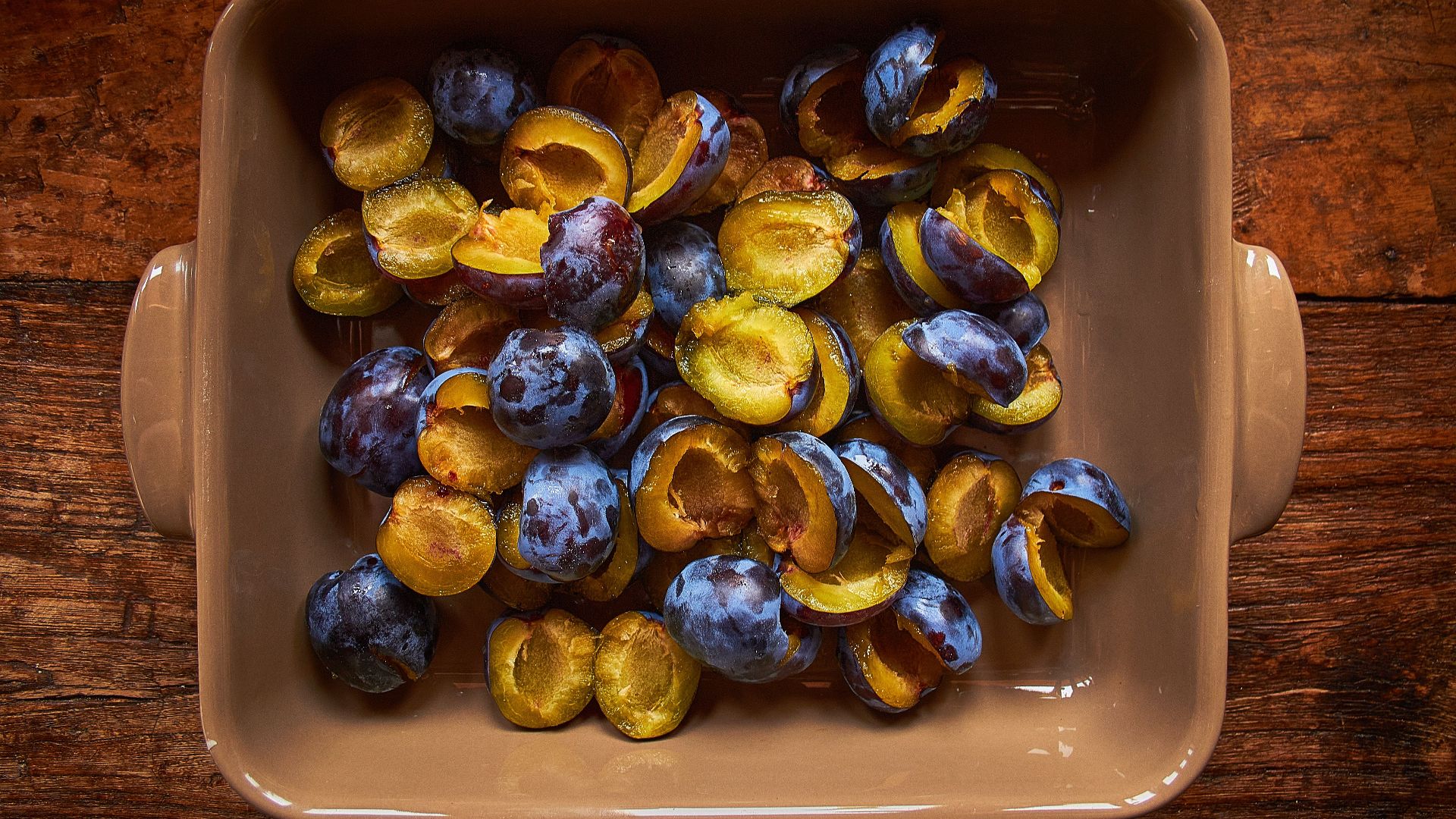
8. Prune Puree
Prunes might make you think of grandma, but they do have a concentrated natural sweetness that works particularly well in chocolate cakes, brownies, and breads. All you need to do is blend them with hot water to create a smooth puree that contributes fiber while helping desserts remain soft.
9. Vanilla Extract
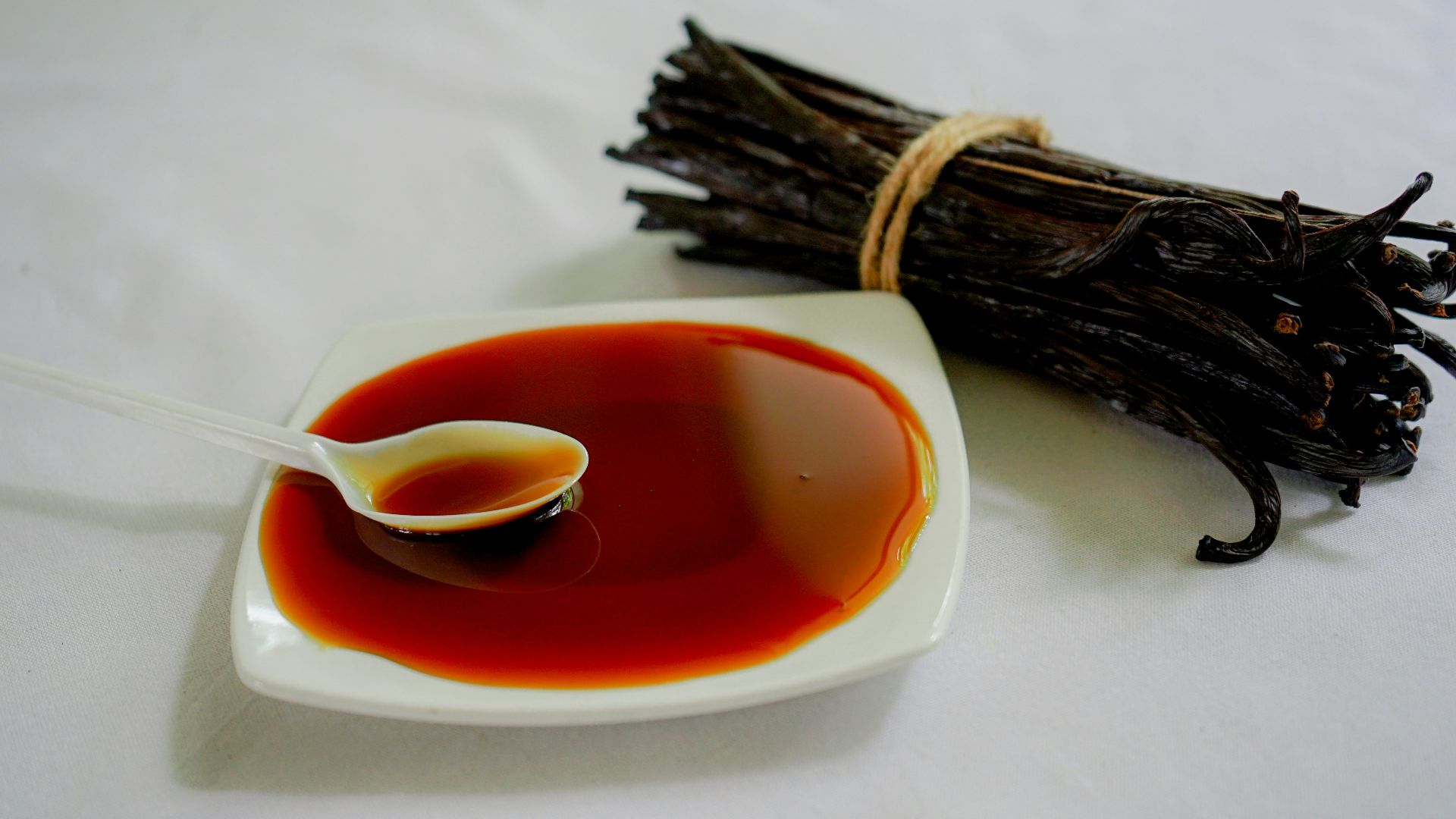
Vanilla won’t replace sugar cup for cup, but it can make a lightly sweetened food more satisfying. There’s no harm in adding a little extra to overnight oats, coffee, or homemade whipped cream. Just make sure you choose ordinary unsweetened extract rather than vanilla-flavored syrup, which can contain a considerable amount of added sugar.
10. Cinnamon
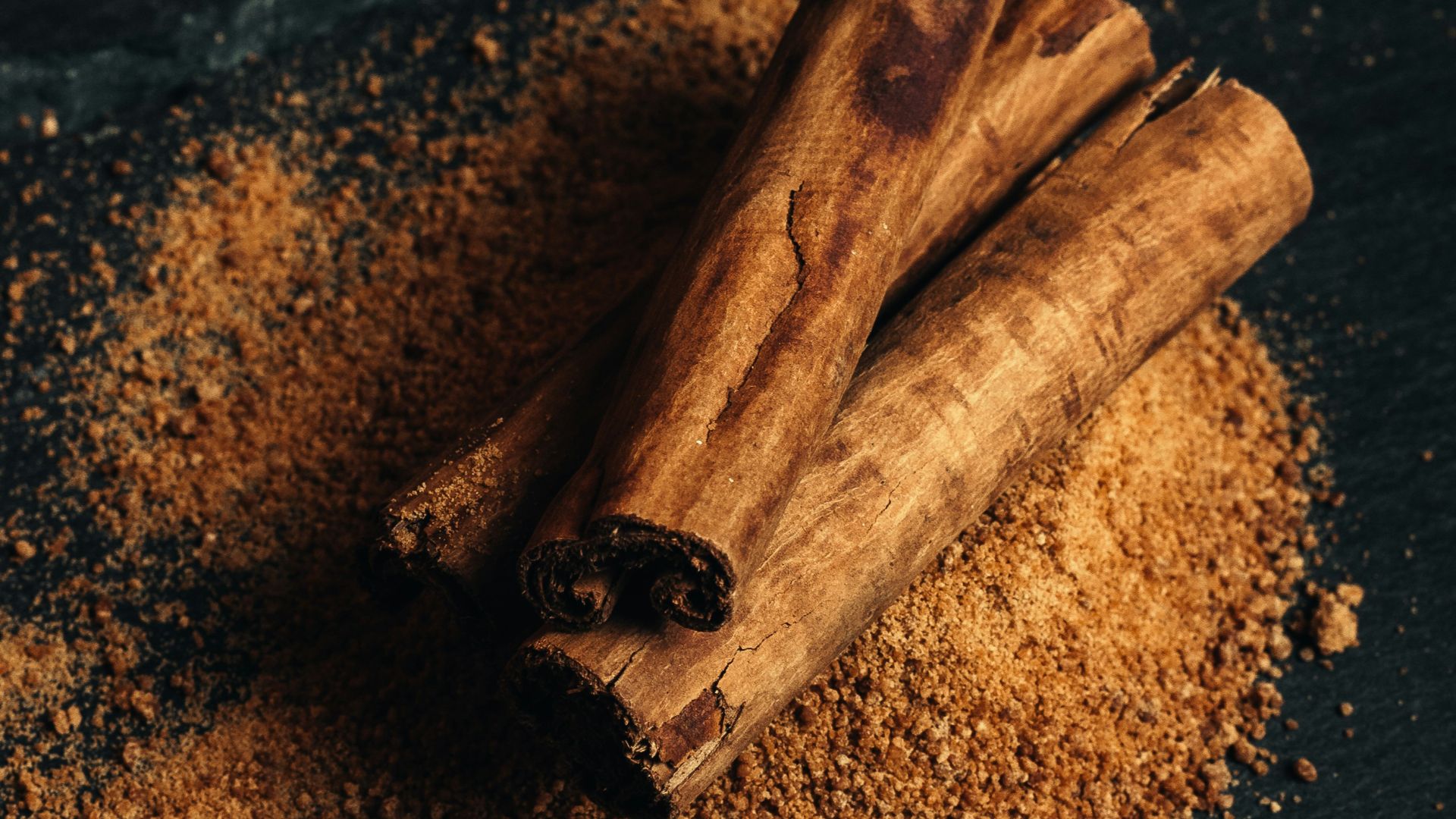
We know what you’re thinking: cinnamon doesn’t have sugar. You’re right, and that’s why it can reduce the need for heavy sweetening in everyday foods! Simply sprinkle it over oatmeal, roasted apples, or whole-grain toast for a flavor boost that replaces sugar altogether. It isn’t a baking substitute for sugar’s volume or texture, but it’s an easy way to make less-sweet breakfasts more flavorful.
KEEP ON READING



20 Ways to Deal With Your Sweet Tooth

20 Low-Impact Exercise Ideas For People Over 50