
20 Signs Your Biological Age Is Younger Than Your Actual Age
Your Body May Be Younger Than the Calendar Says
Your birthday tells you your chronological age, but your biological age is a different story. It reflects how well your body is actually functioning based on factors like fitness, metabolism, heart health, and overall resilience. While only medical testing can estimate biological age with precision, here are 20 encouraging signs that suggest your body may be aging more slowly than the number on your driver's license.

1. You Recover Quickly After Exercise
It's normal to feel sore after a tough workout, but your body shouldn't stay that way for days. If you're usually ready to exercise again after a reasonable recovery period, it's a good sign your muscles and tissues are repairing themselves efficiently. Strong recovery is often associated with healthy aging.

2. You Can Easily Get Up From the Floor
Being able to sit on the floor and stand back up without using your hands or struggling is a surprisingly useful indicator of mobility and strength. It reflects good balance, coordination, and lower-body function. Those abilities tend to decline with age, so maintaining them is encouraging.

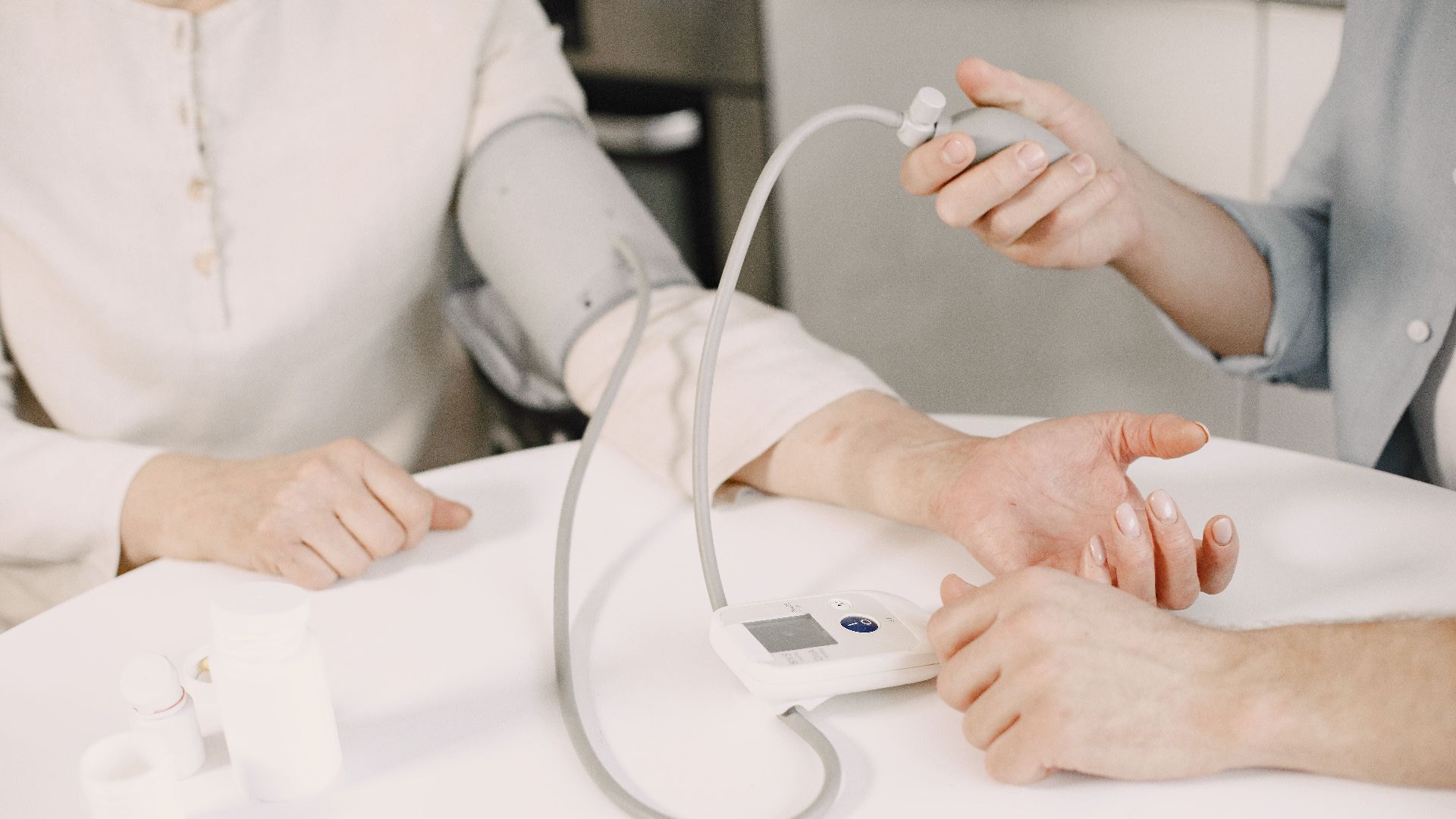
3. Your Blood Pressure Stays in a Healthy Range
Healthy blood pressure often means your heart and blood vessels are functioning well. It reduces strain on your cardiovascular system and supports healthy circulation throughout the body. If your numbers consistently fall within a healthy range, it's one sign your body may be aging well.
4. You Have Plenty of Energy Throughout the Day
Feeling energetic doesn't mean you're never tired, but you shouldn't feel completely drained from morning until night. If you can stay active without relying on constant caffeine or naps, your body is likely managing energy efficiently.
 Alireza Hajialiasghar on Pexels
5. You Sleep Well Most Nights
Consistently getting restful sleep allows your body to repair itself and regulate important hormones. Waking up feeling refreshed more often than not is a positive sign that your recovery systems are working properly. Good sleep is closely linked with healthier aging over time.

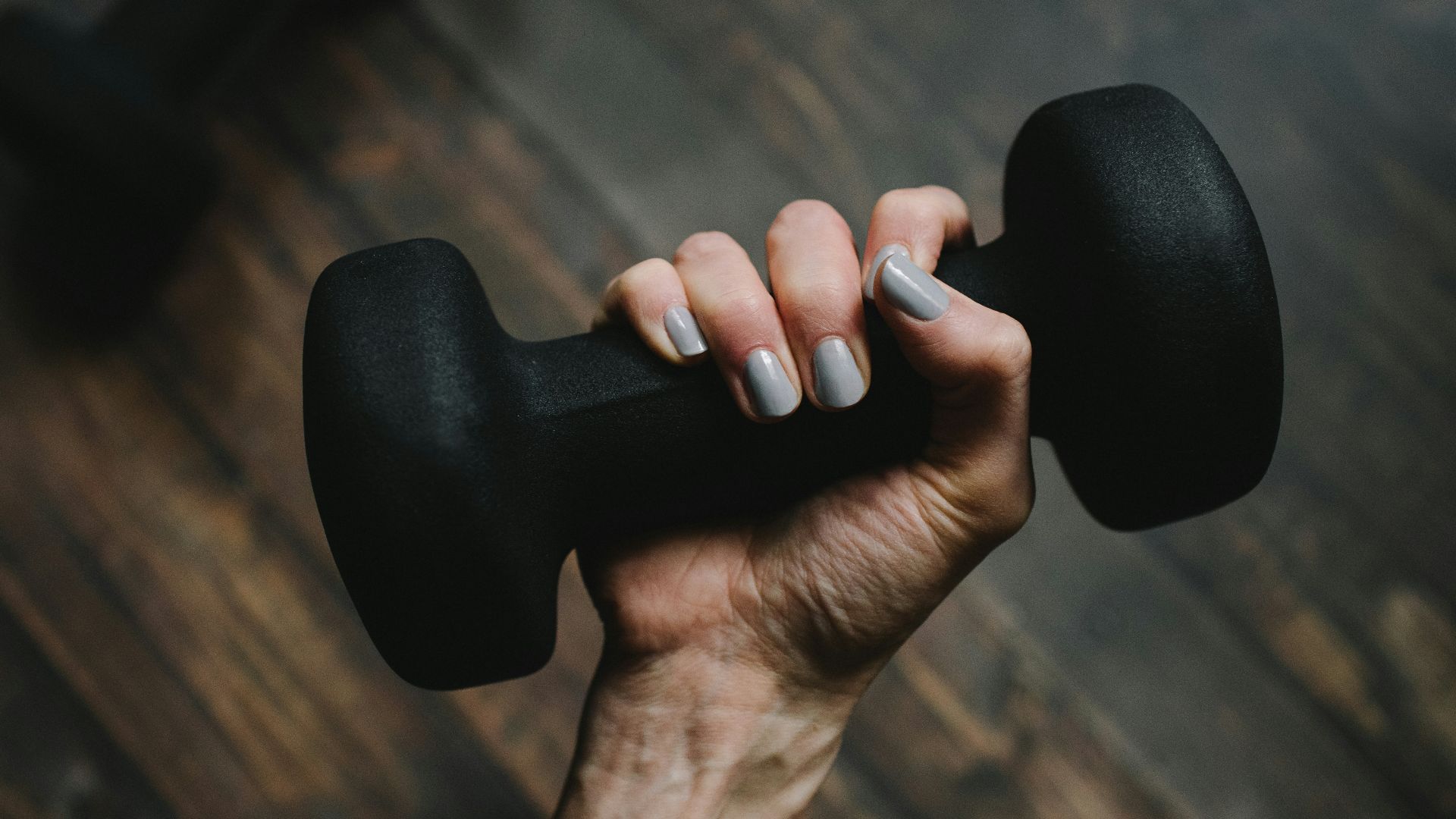
6. Your Grip Strength Is Strong
Grip strength may seem like an odd measurement, but researchers often use it as an indicator of overall muscle health. Being able to comfortably open jars, carry groceries, and hold onto objects suggests you're maintaining functional strength. Strong muscles generally support better long-term health.
7. You Maintain Good Balance
If you can comfortably stand on one leg for several seconds or walk confidently on uneven ground, your balance is likely in good shape. Balance depends on your muscles, nervous system, vision, and inner ear, all working together. Keeping those systems functioning smoothly is an encouraging sign.
 Niklas Ohlrogge (niamoh.de) on Unsplash
8. Your Waist Circumference Is Healthy
Where your body stores fat can sometimes be just as important as your weight alone. Carrying less excess fat around your midsection is associated with lower risks for several chronic conditions. A healthy waist measurement often points to better metabolic health.

9. You Rarely Feel Out of Breath During Everyday Activities
Walking up stairs, carrying laundry, or taking a brisk walk shouldn't leave you gasping for air. If everyday movement feels manageable, your heart and lungs are probably working efficiently. Good cardiorespiratory fitness is one of the strongest markers of healthy aging.

10. Your Skin Still Bounces Back Quickly
Healthy skin often retains its elasticity longer thanks to good collagen production and hydration. While wrinkles are a normal part of aging, skin that remains resilient can reflect healthy underlying tissues.

11. You Stay Mentally Sharp
Occasionally forgetting where you left your keys happens to everyone. However, if you continue learning new skills, solving problems, and remembering information without significant difficulty, your brain is likely staying healthy. Mental sharpness is an important part of aging well.

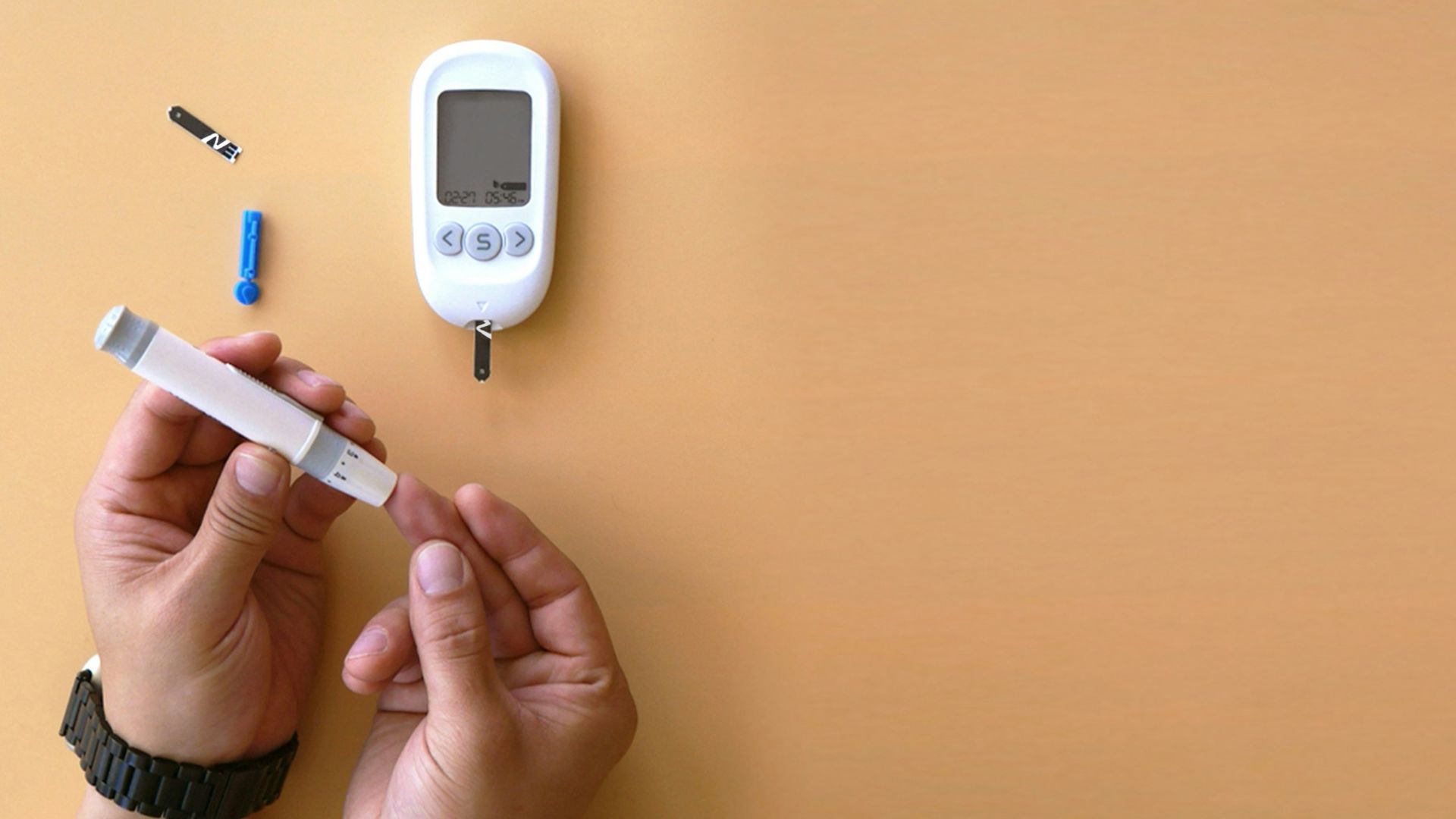
12. Your Blood Sugar Is Stable
Well-controlled blood sugar supports healthy energy levels and reduces stress on your body over time. Whether through healthy eating, exercise, or good metabolic function, keeping glucose within a healthy range benefits many organs.
13. You Heal From Minor Cuts & Scrapes Without Trouble
Small injuries naturally take time to heal, but they shouldn't linger for weeks without improvement. Efficient wound healing reflects healthy circulation, immune function, and tissue repair. When your body handles these everyday repairs well, it's generally a positive indicator.

14. You Stay Flexible
Being able to comfortably reach overhead, bend down, or twist without excessive stiffness helps preserve independence as you age. Flexibility supports healthy joints and makes daily movement easier. Keeping that range of motion is something your future self will appreciate.

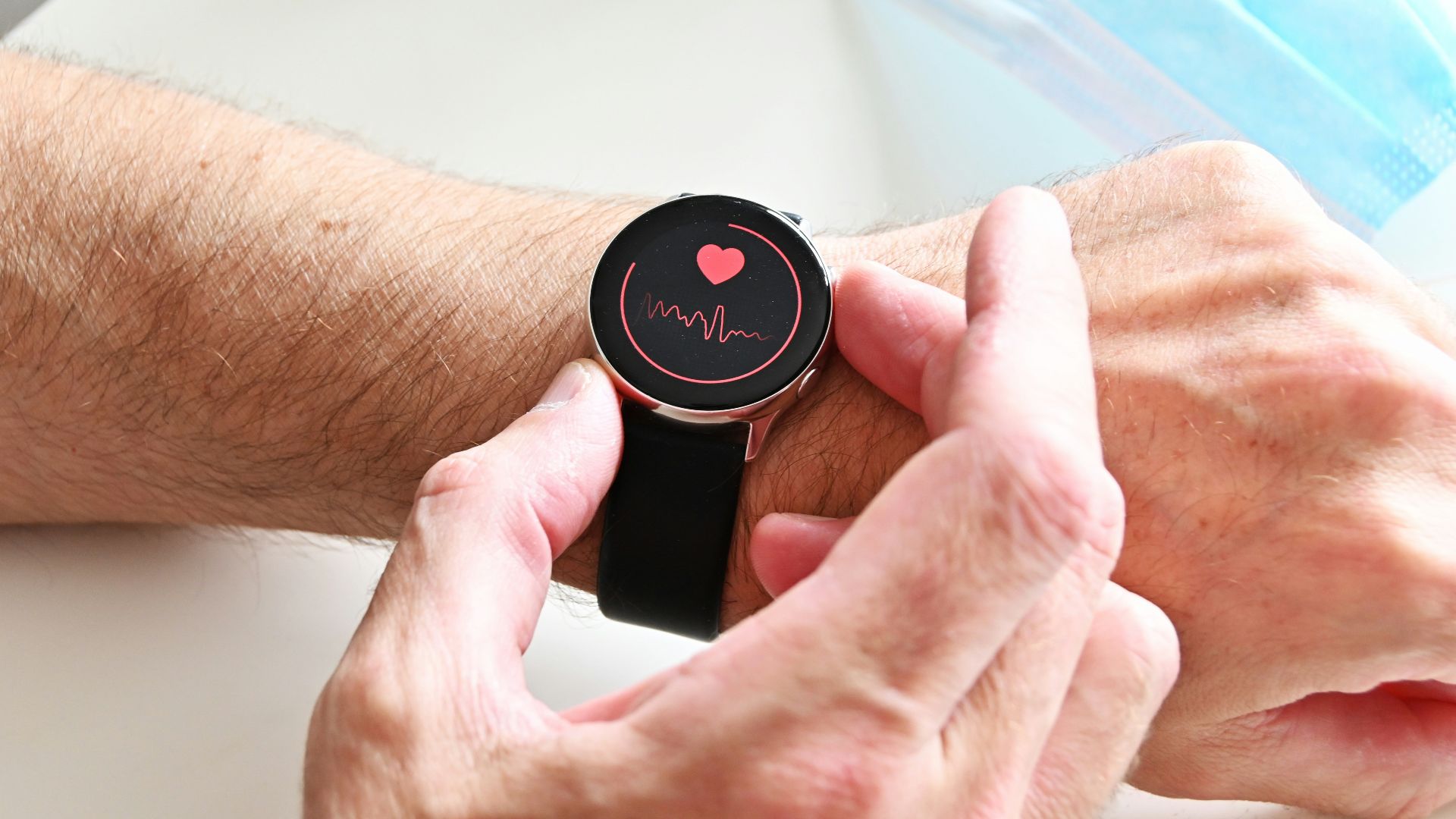
15. You Have a Resting Heart Rate Within a Healthy Range
A resting heart rate that's appropriate for your age and fitness level often reflects an efficient cardiovascular system. Regular physical activity can help strengthen the heart so it doesn't have to work as hard at rest. While individual numbers vary, healthy readings are generally reassuring.
16. You Handle Stress Well
Everyone experiences stress, but recovering from it matters just as much as avoiding it. If you're able to calm down, adapt, and move forward after difficult situations, your body avoids prolonged exposure to stress hormones. That resilience can support healthier aging over time.

17. Your Digestive System Works Smoothly
A healthy digestive system helps your body absorb nutrients and supports your immune system. If you regularly experience comfortable digestion without frequent discomfort, it's often a sign that your gut is functioning well. Good digestive health contributes to overall wellness at every age.

18. You Stay Physically Active Without Thinking About It
You don't have to run marathons to support healthy aging. Walking often, gardening, taking the stairs, playing sports, or simply staying active throughout the day all help keep your body functioning well. Regular movement is one of the biggest contributors to a younger biological age.

19. Your Lab Results Are Consistently Healthy
Routine blood work can provide valuable insight into how your body is functioning behind the scenes. Healthy cholesterol, blood sugar, kidney function, and other markers often suggest your internal systems are in good shape. While no single test tells the whole story, consistently positive results are encouraging.

20. You Continue Building Strength & Endurance
One of the clearest signs that your biological age may be younger than your chronological age is that your body continues responding well to exercise. If you're still getting stronger, improving your endurance, or reaching new fitness goals, your muscles, heart, and metabolism are adapting in healthy ways. Your birth certificate may show one number, but your body could be telling a much younger story.

KEEP ON READING