
Everyday Habits That Can Add Up
Your immune system works around the clock to help protect you from viruses, bacteria, and other potential threats. While genetics and certain medical conditions play a role, many everyday habits can also influence how well your immune system functions. None of these behaviors guarantees you'll get sick, but making healthier choices may help support your body's natural defenses over time. Here are 20 everyday habits that might be weakening your immune system.

1. Not Getting Enough Sleep
Sleep is when your body performs many of its repair and recovery processes. Consistently getting too little rest can make it harder for your immune system to respond effectively to infections. Most adults benefit from seven to nine hours of quality sleep each night.

2. Eating Too Many Ultra-Processed Foods
Meals packed with highly processed ingredients often contain added sugars, unhealthy fats, and excess sodium while providing few essential nutrients. Over time, this dietary pattern may contribute to chronic inflammation and affect immune function.

3. Living With Constant Stress
Short bursts of stress are a normal part of life, but ongoing stress can take a toll on your immune system. Elevated stress hormones may interfere with your body's ability to fight off illness over time. Finding healthy ways to relax can benefit both your mental and physical health.

4. Rarely Exercising
Regular physical activity helps support healthy circulation and allows immune cells to move efficiently throughout the body. Spending most of your time sitting may reduce many of those benefits. Even moderate exercise, like brisk walking, can make a positive difference.

5. Drinking Too Much Alcohol
Having an occasional drink is okay, but drinking heavily on a regular basis can cause harm. Excessive alcohol intake can impair several aspects of immune function and make it more difficult for your body to defend itself. Moderation is generally the healthier approach.

6. Smoking or Vaping
Tobacco smoke contains chemicals that can damage the lungs and weaken the body's natural defenses. While vaping may expose you to fewer toxins than traditional cigarettes, it can still irritate the respiratory system and isn't considered risk-free. Protecting your lungs also helps support your immune health.

7. Not Eating Enough Fruits & Vegetables
Colorful produce provides vitamins, minerals, antioxidants, and fiber that help support normal immune function. If fruits and vegetables rarely appear on your plate, you may miss out on important nutrients. A varied diet is one of the best ways to cover your nutritional needs.

8. Skipping Protein
Your immune system relies on protein to build antibodies and repair tissues. If you consistently fall short on protein, your body may struggle to perform these important functions efficiently. Including lean meats, fish, dairy, beans, tofu, or other protein sources throughout the day can help.

9. Letting Yourself Become Dehydrated
Water supports nearly every system in your body, including those involved in immune health. Staying hydrated helps transport nutrients and keeps tissues functioning properly.

10. Spending Very Little Time Outdoors
Fresh air and sunlight can contribute to overall well-being, and sunlight helps your body produce vitamin D. Low vitamin D levels have been linked to changes in immune function, although many factors influence your levels. Even a short daily walk outside can offer several health benefits.

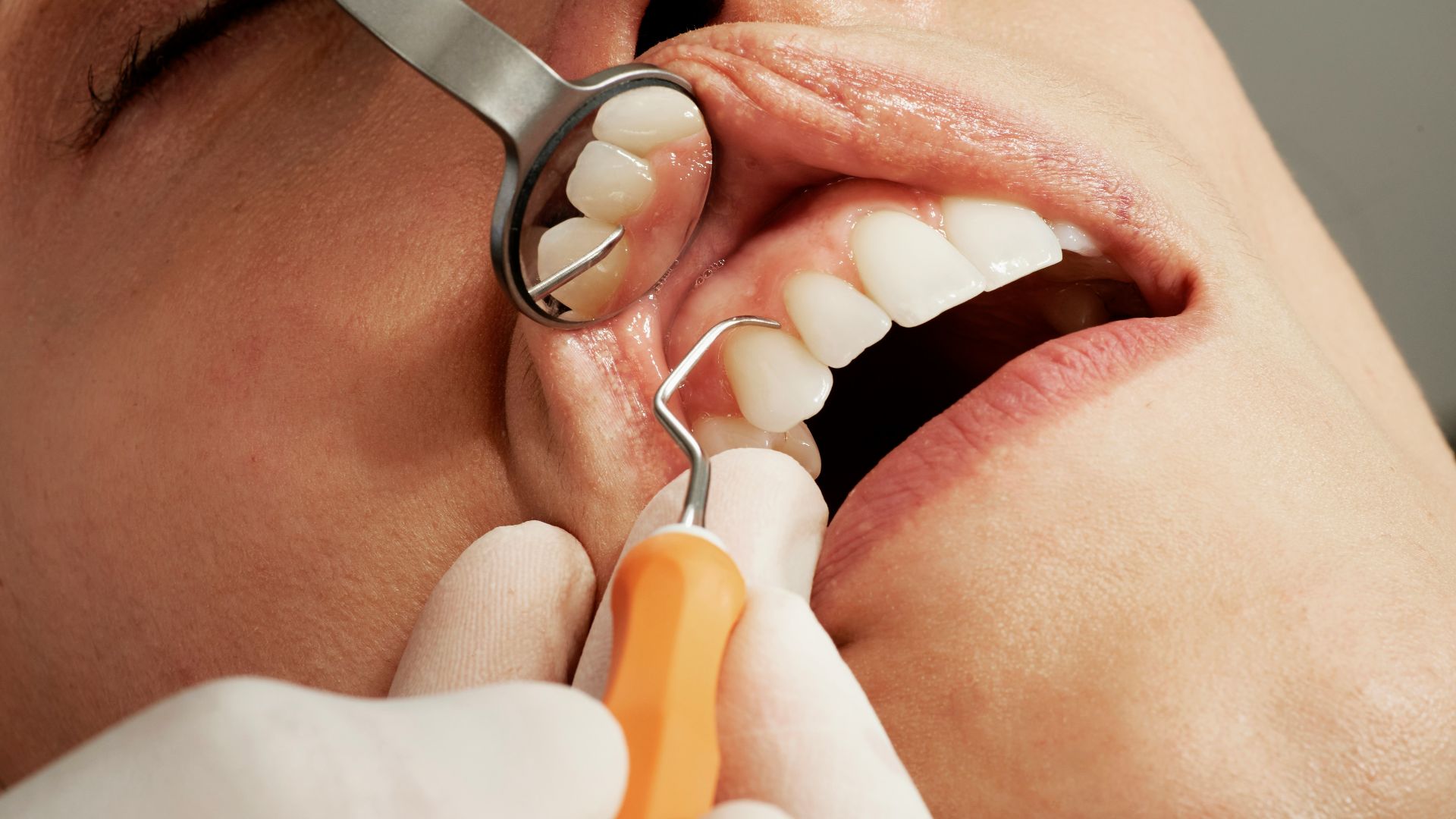
11. Ignoring Oral Hygiene
Your mouth is home to countless bacteria, both helpful and harmful. Neglecting brushing and flossing can increase the risk of gum disease, which has been associated with inflammation throughout the body. Taking care of your teeth supports more than just your smile.
12. Eating Too Much Added Sugar
Regularly consuming large amounts of added sugar may contribute to inflammation and crowd out more nutritious foods in your diet. Sugary drinks, desserts, and processed snacks are common sources. Cutting back doesn't mean giving up sweets entirely, but balance matters.

13. Staying Up Late Every Night
Even if you eventually get enough hours of sleep, constantly shifting your bedtime can disrupt your body's natural rhythms. Your immune system works best when your internal clock stays relatively consistent. Maintaining a regular sleep schedule can support better overall health.

14. Not Eating Enough Healthy Fats
Healthy fats found in foods like salmon, walnuts, seeds, and olive oil play important roles throughout the body. They help support cell function and may contribute to a balanced inflammatory response. Completely eliminating fat from your diet isn't usually the healthiest strategy.

15. Overtraining Without Enough Recovery
Exercise is beneficial, but your body also needs time to recover. Pushing yourself intensely every day without adequate rest may temporarily reduce certain aspects of immune function. Building recovery days into your routine helps you stay healthier in the long run.

16. Not Managing Chronic Health Conditions
Conditions such as diabetes, high blood pressure, and obesity can affect many systems in the body when left uncontrolled. Following your treatment plan and attending regular medical appointments can help reduce unnecessary strain on your immune system. Managing these conditions benefits your overall health as well.

17. Taking Antibiotics When You Don't Need Them
Antibiotics are valuable medicines, but they only work against bacterial infections. Taking them unnecessarily can disrupt the balance of beneficial bacteria in your gut and contribute to antibiotic resistance. It's best to use them only when prescribed by a healthcare professional.

18. Not Washing Your Hands Often Enough
Good hand hygiene is one of the simplest ways to reduce your exposure to germs that can make you sick. While you don't need to sanitize everything you touch, washing your hands before eating, after using the restroom, and after being in crowded places can make a real difference.

19. Constantly Going on Crash Diets
You may be doing it in an effort to be healthier, but repeated cycles of restrictive dieting may leave you short on important nutrients if meals aren't well-balanced. Your immune system depends on a steady supply of vitamins, minerals, healthy fats, and protein to function properly. Focusing on long-term healthy eating habits is usually more sustainable than extreme diets.

20. Neglecting Your Gut Health
A large portion of your immune system is closely connected to your digestive tract. Eating a fiber-rich diet with a variety of fruits, vegetables, whole grains, legumes, and fermented foods may help support a healthy gut microbiome. Taking care of your digestive health is one more way to give your immune system the support it needs.

KEEP ON READING



20 Natural Ways You Can Boost Your Immune System

20 Ways To De-stress & Relax After Work

The 10 Most Common Diseases & The 10 Most Rare