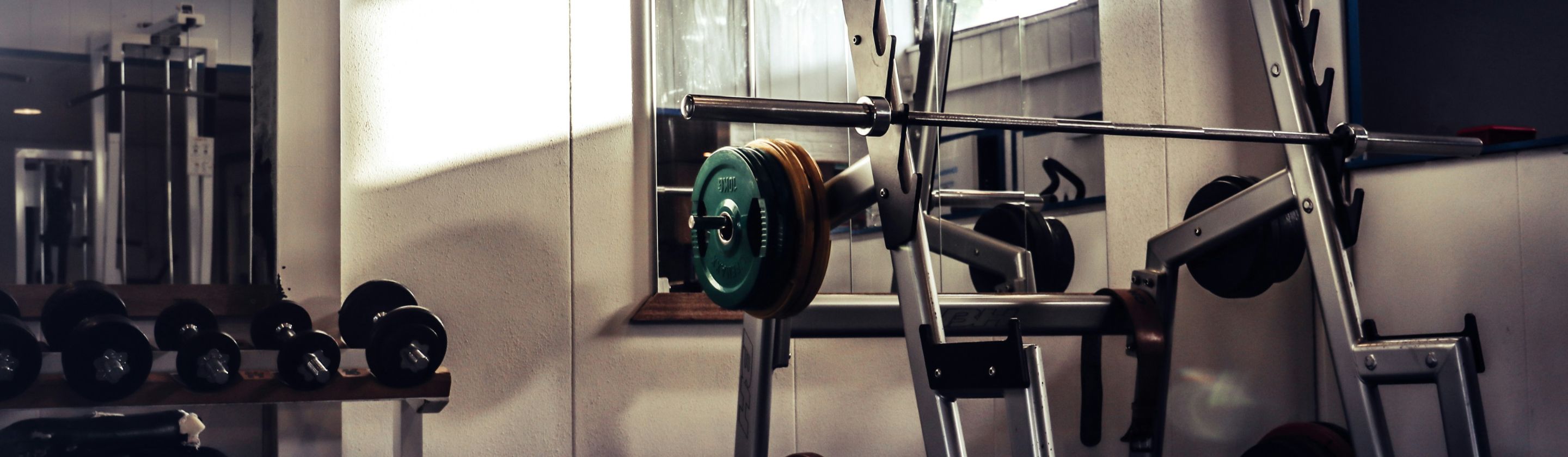
Everyone Makes These Before They Learn Better
A home gym sounds simple enough until the equipment actually shows up and reality sets in. Suddenly there is a barbell that does not fit where you planned, a floor that shakes every time a plate touches it, and a corner that looked spacious on paper but feels cramped the second you try to squat in it. Most of these mistakes are not really about fitness knowledge at all, they are about logistics nobody warns you about until you have already spent the money. The good news is almost everyone who builds a home gym makes a version of the same handful of errors early on. Here's 20 mistakes worth avoiding before you order anything else.
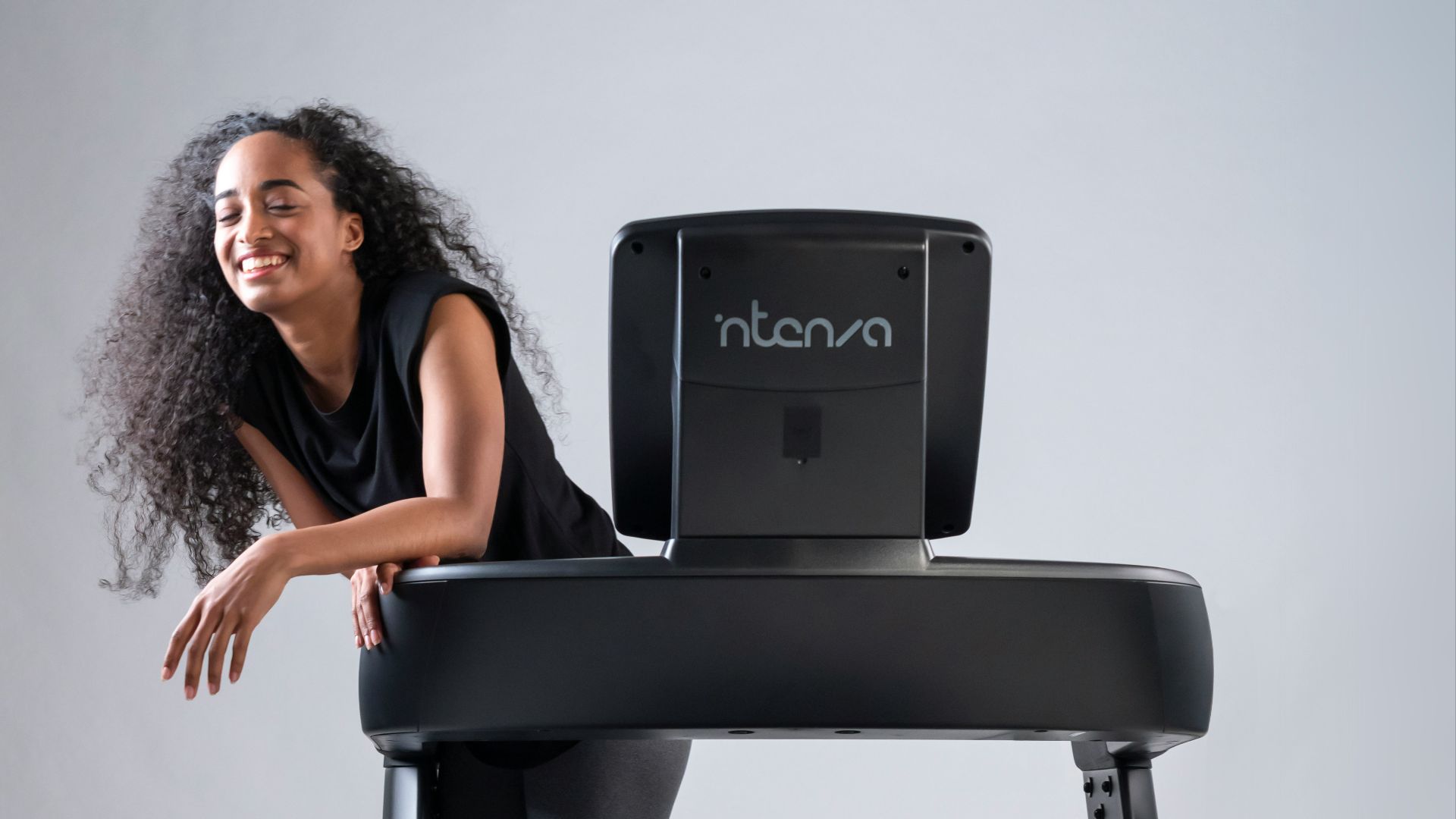
1. Skipping Proper Flooring
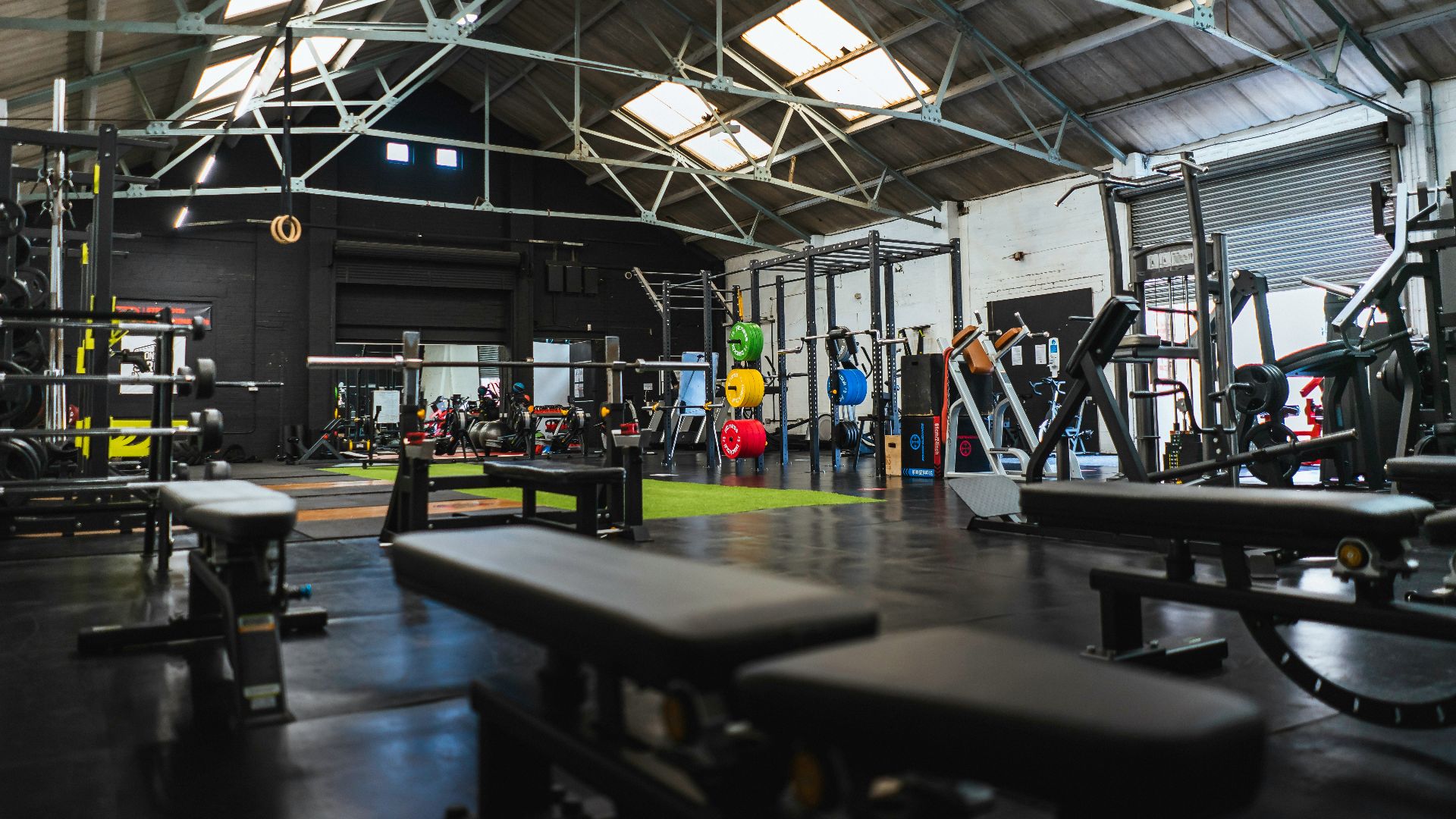
Dropping weights on bare concrete or a thin carpet damages both the floor and the equipment faster than people expect. Rubber gym mats absorb impact, protect the surface underneath, and cut down on noise significantly. It is one of the cheapest upgrades that ends up mattering the most.
 Ambitious Studio* | Rick Barrett on Unsplash
2. Buying Too Much Equipment Too Fast
A big first order can feel productive, but plenty of that gear ends up unused once real training habits settle in. Starting with a few solid basics and adding equipment as actual needs show up tends to save both money and regret. Most home gyms grow into themselves over months, not over one big purchase.
 Ambitious Studio* | Rick Barrett on Unsplash
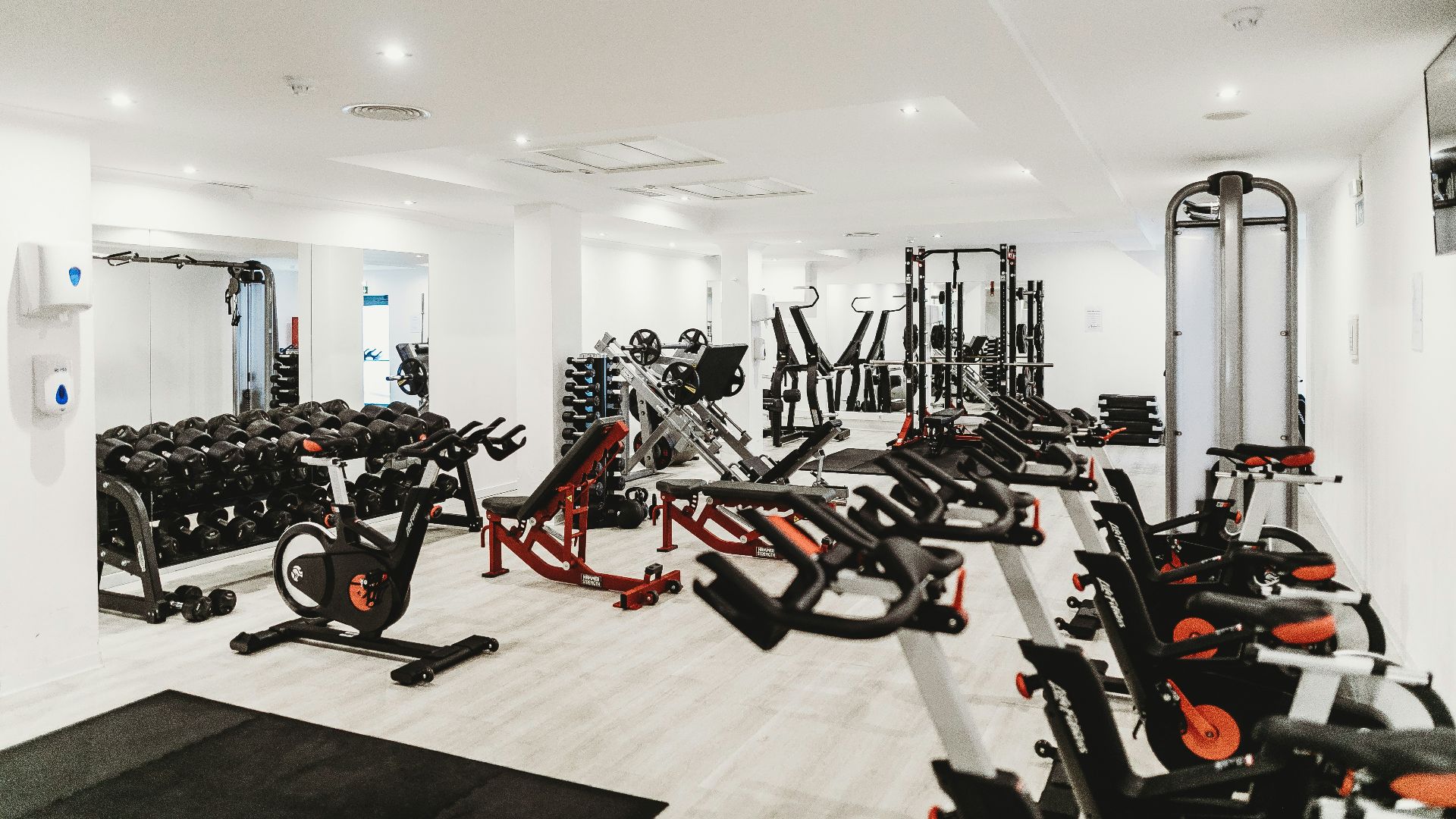
3. Not Measuring The Space First
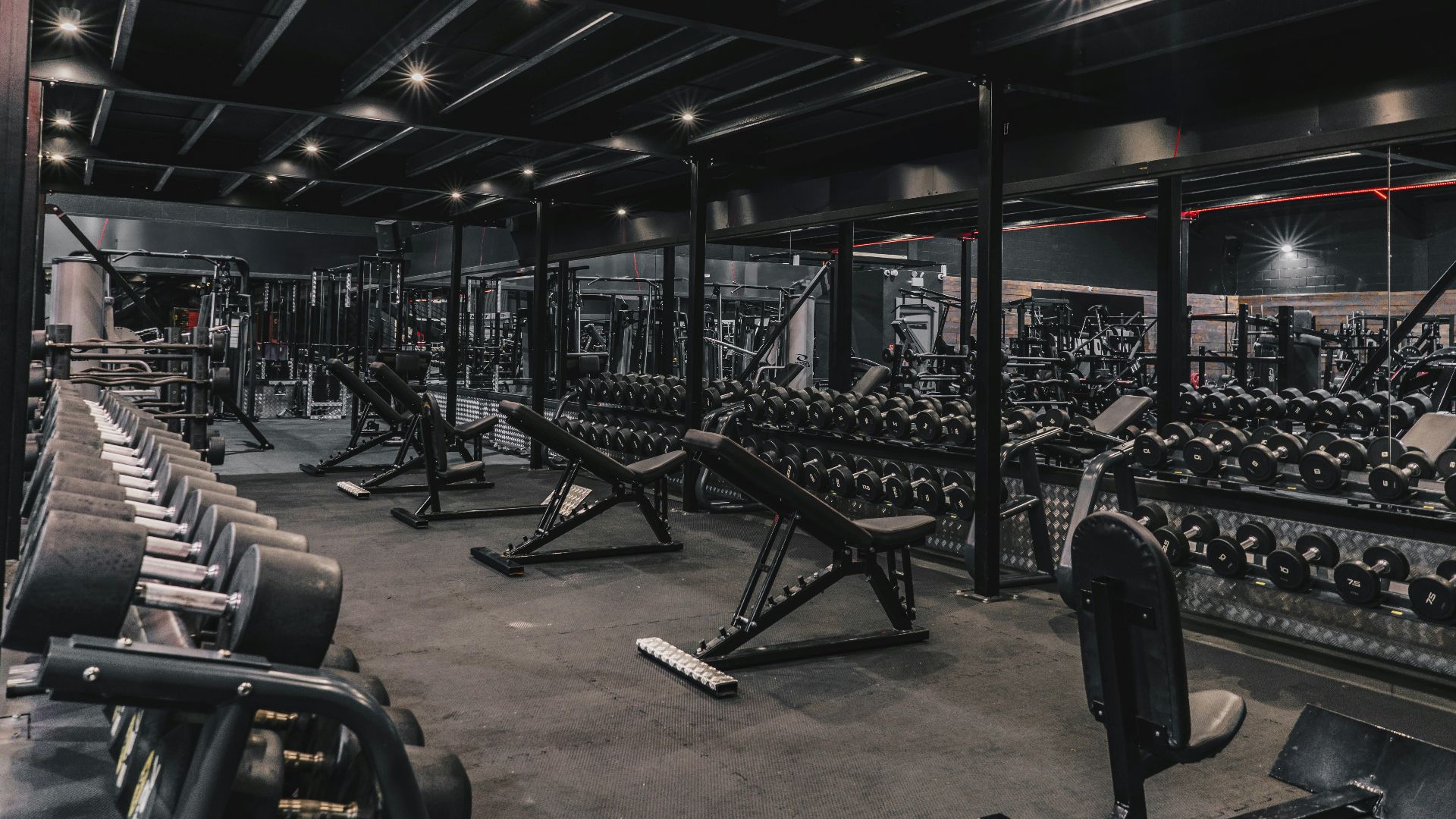
Equipment that looks compact online can turn out to eat up far more floor space than expected once it is actually assembled. A rack, a bench, and enough room to move around all need to be measured out ahead of time, not guessed at. Skipping this step is how people end up with gear they can barely walk around.
4. Ignoring Ceiling Height
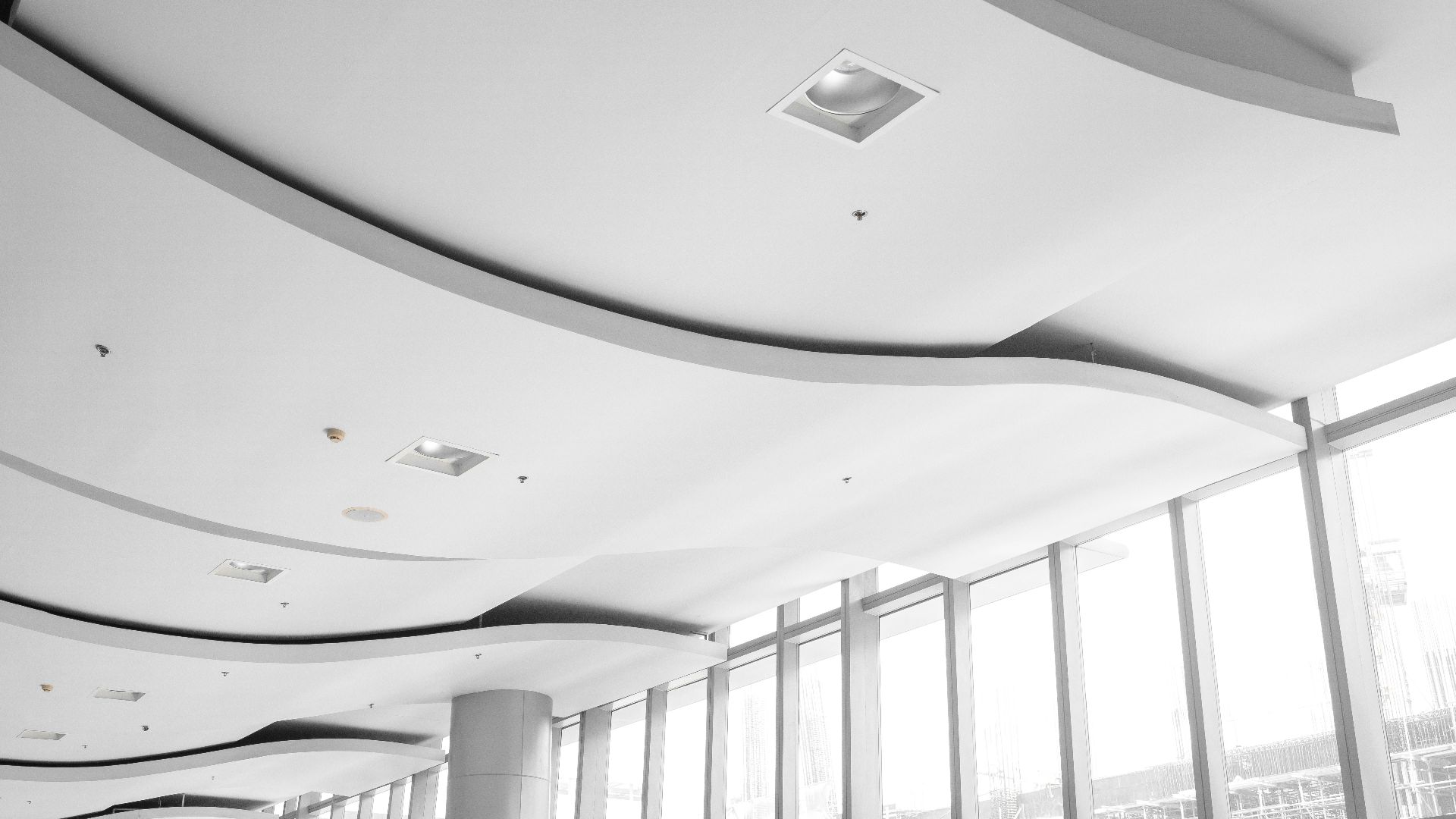
Overhead presses, pull-up bars, and even a barbell held high during a rack pull all need real clearance that a lot of garages and basements do not have. Low ceilings turn certain lifts into a hazard rather than an option. It is worth checking clearance before assuming every exercise on a program will actually fit.
5. Choosing Cheap Adjustable Dumbbells
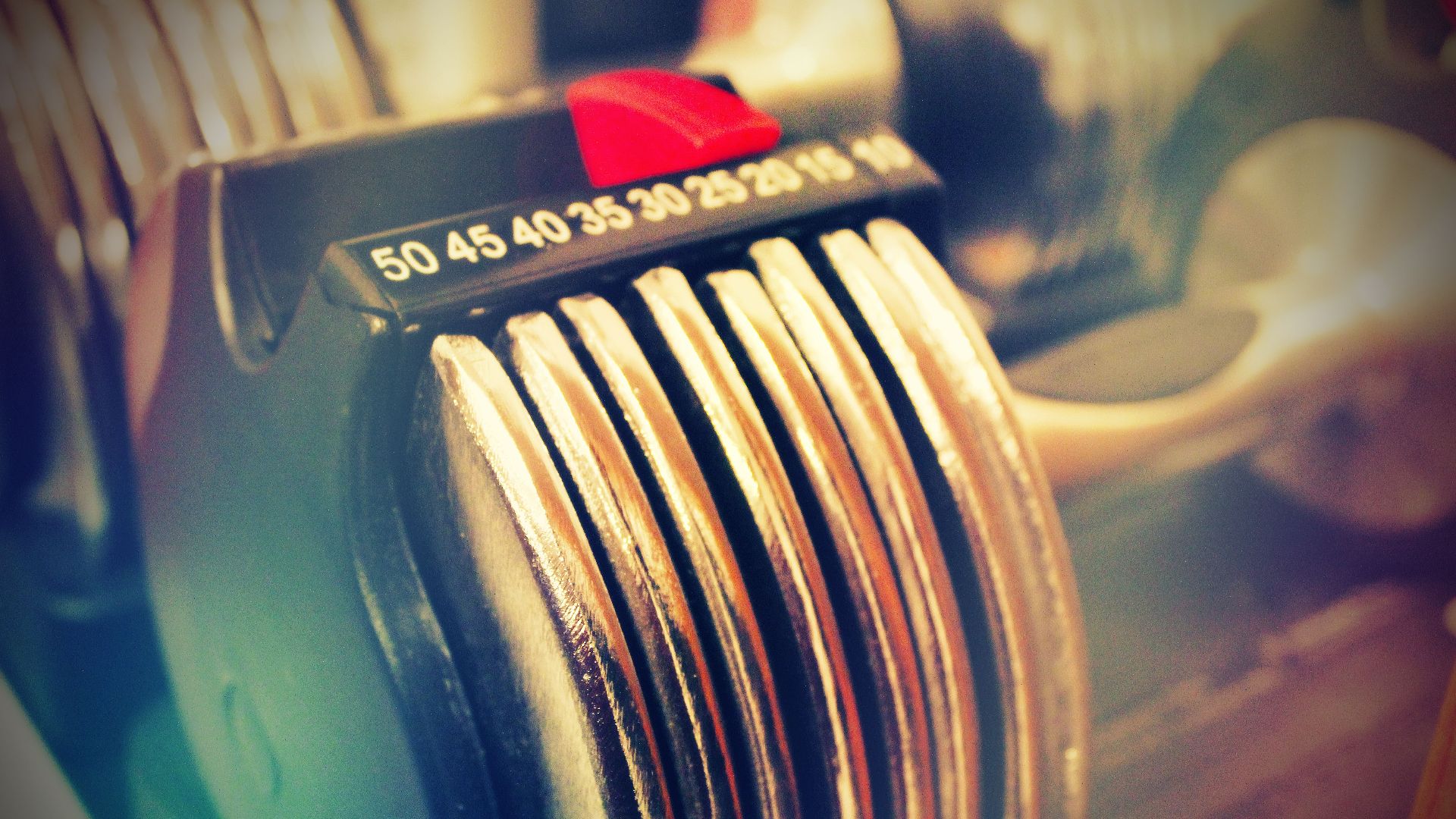
The budget adjustable sets often have a plastic locking mechanism that wears out fast under regular use. A pin or dial dumbbell that jams mid-set is not just annoying, it can be genuinely dangerous. Spending a bit more upfront on a reliable brand tends to save money over constantly replacing broken ones.
6. Skipping A Power Rack Or Safety Bars
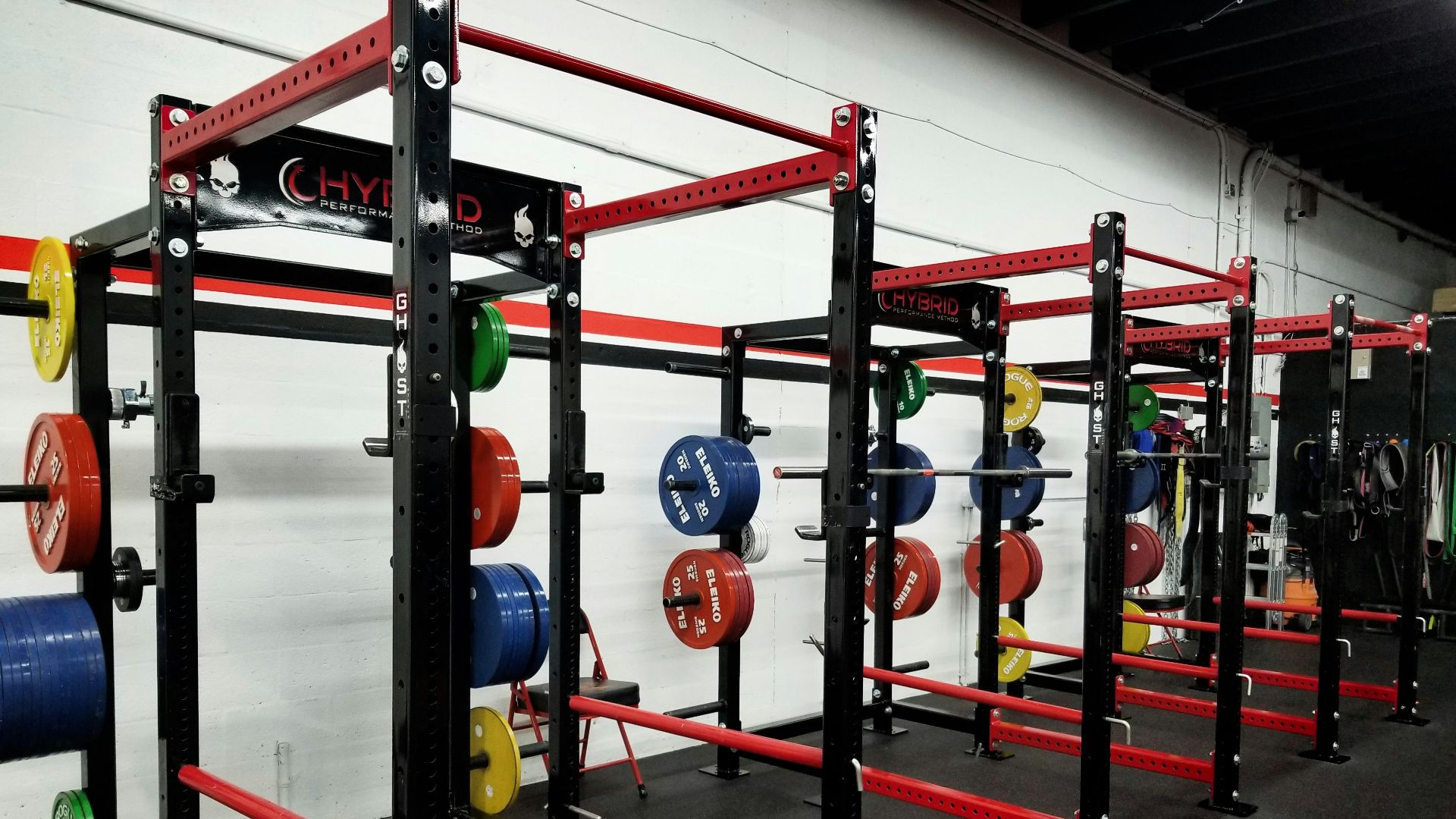
Training heavy without safety pins or straps means every failed rep becomes a real risk instead of a minor setback. A proper rack lets you push closer to your limits without needing a spotter standing by. Skipping this piece of equipment to save space often backfires the first time a lift does not go as planned.
7. Underestimating How Much Weight You'll Need
Plenty of people buy a modest set of plates, only to outgrow them within a few months of consistent training. Buying a bit more weight than feels necessary at the start usually costs less than buying small increments repeatedly. Strength tends to build faster than beginners expect.
8. Placing Equipment Too Close To Walls
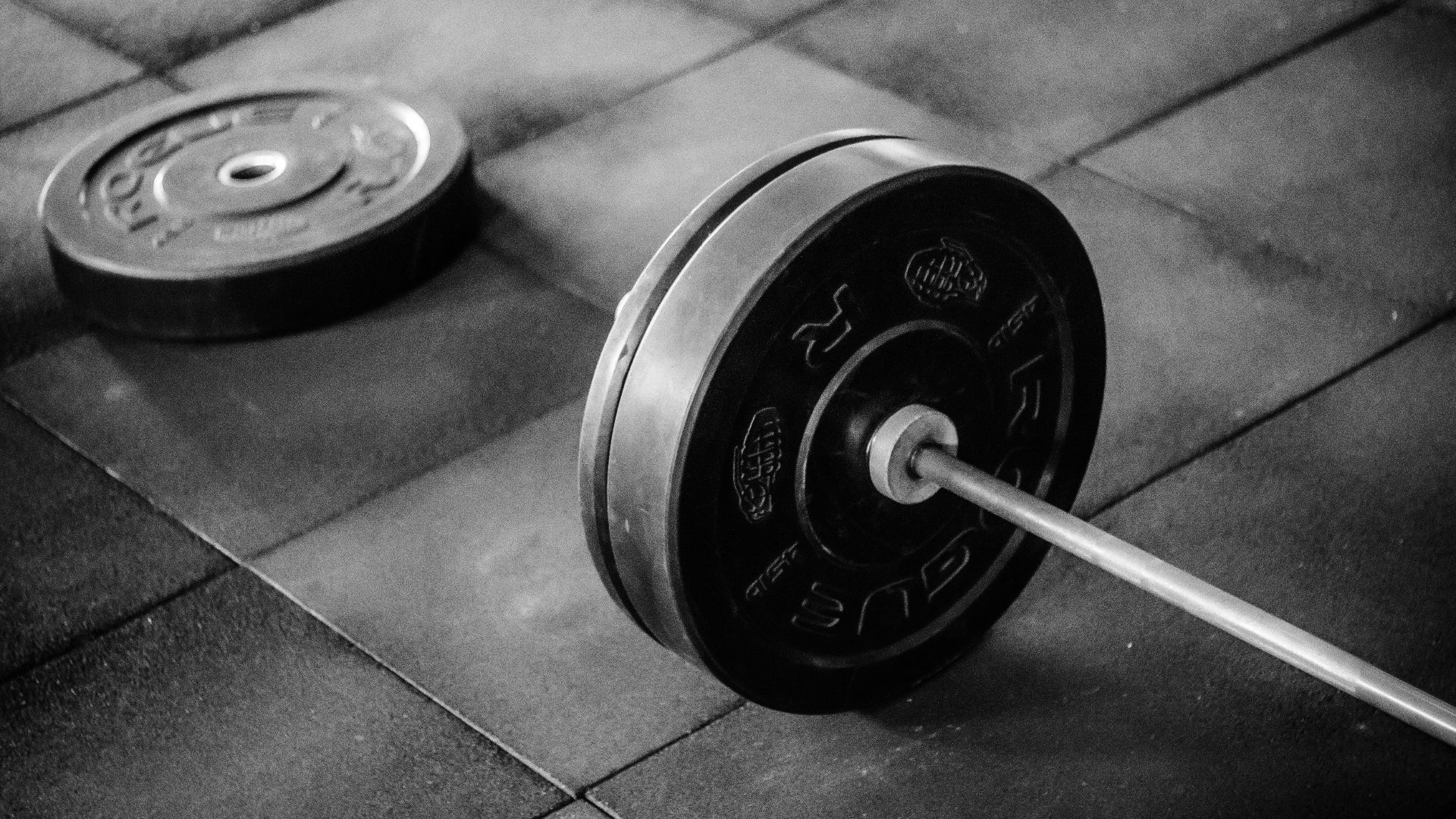
A rack or bench pushed right up against a wall looks efficient until you actually try to load a barbell or step back for a squat. Every piece of equipment needs working room around it, not just the footprint it takes up standing still. A few extra feet of clearance changes how usable the whole setup actually feels.

9. Ignoring Noise And Vibration
Dropping weights or running a treadmill on an upper floor can send a surprising amount of noise and vibration through the rest of the house. Neighbors and family members notice this far more than the person doing the workout usually expects. Flooring, timing, and placement all matter more than people think until it becomes a problem.
10. Skipping A Mirror
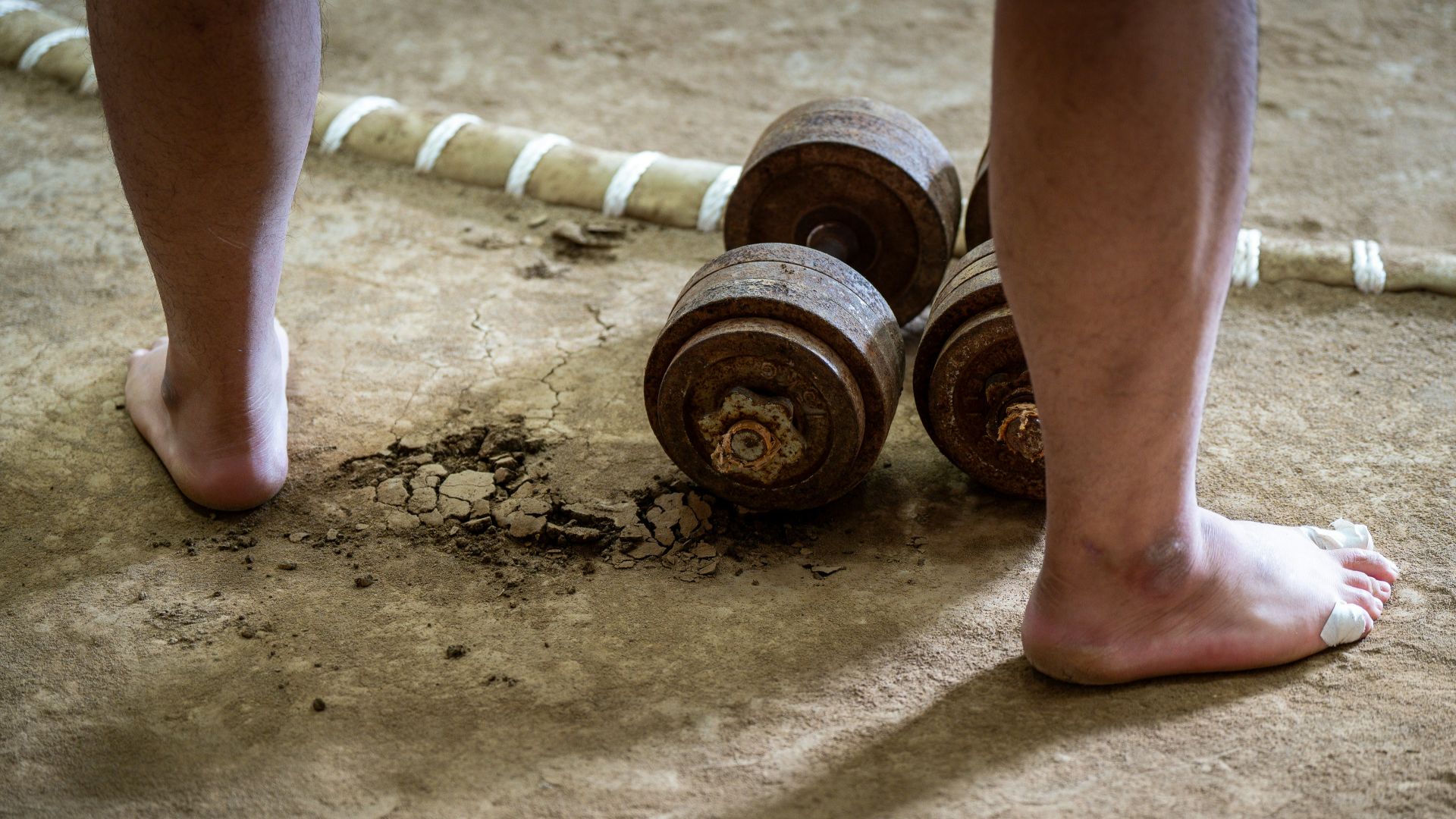
Training without a mirror makes it much harder to catch form issues before they become habits. A cheap wall mirror is often overlooked in the excitement of buying bigger equipment, even though it does a lot of quiet, ongoing work. Catching a rounded back or a caving knee early is worth far more than another accessory.

11. Buying A Cardio Machine On A Whim
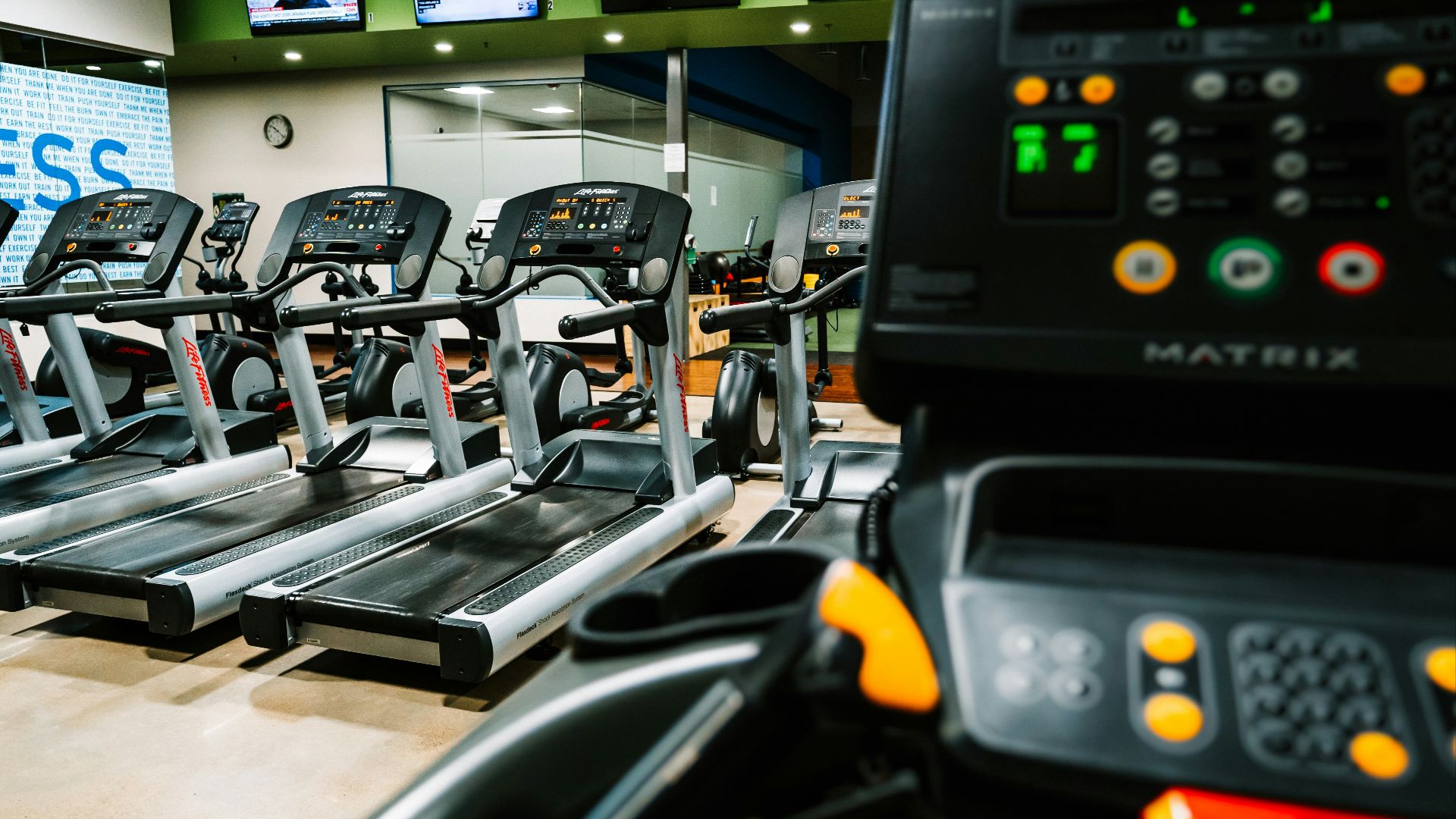
A treadmill or bike bought in a burst of motivation sometimes ends up as an expensive place to hang laundry within a few months. Cardio equipment only earns its space if there is an actual plan to use it regularly. It is worth being honest about real habits before committing floor space and money to it.

12. Anchoring A Pull-Up Bar Into The Wrong Spot
A pull-up bar mounted into drywall instead of a stud, or into a stud that cannot handle the load, is a serious safety risk waiting to happen. Finding real structural support before drilling anything overhead matters far more than it seems like it should. This is one mistake worth double-checking before ever hanging from the bar.
13. Leaving Weights Scattered On The Floor
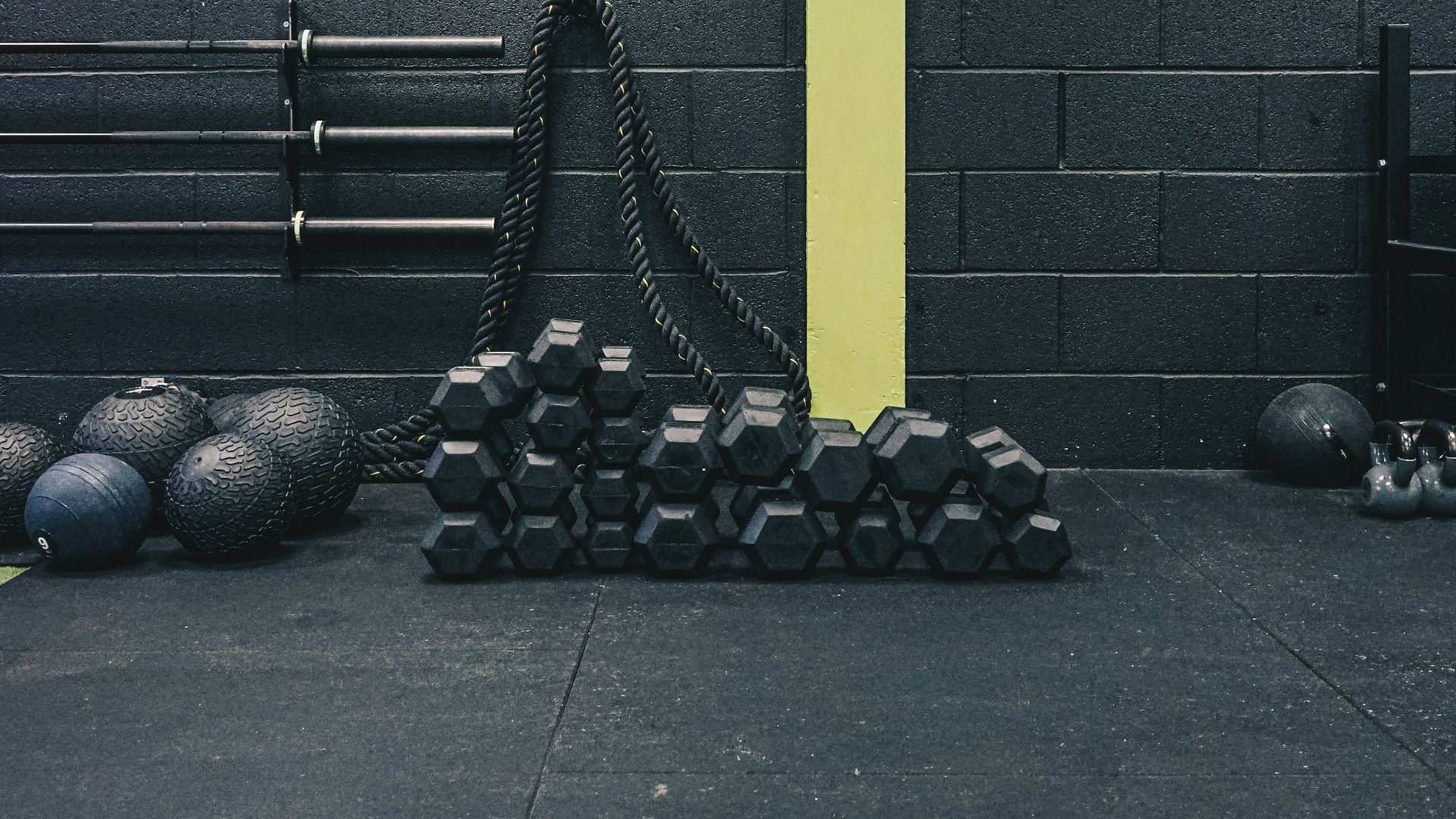
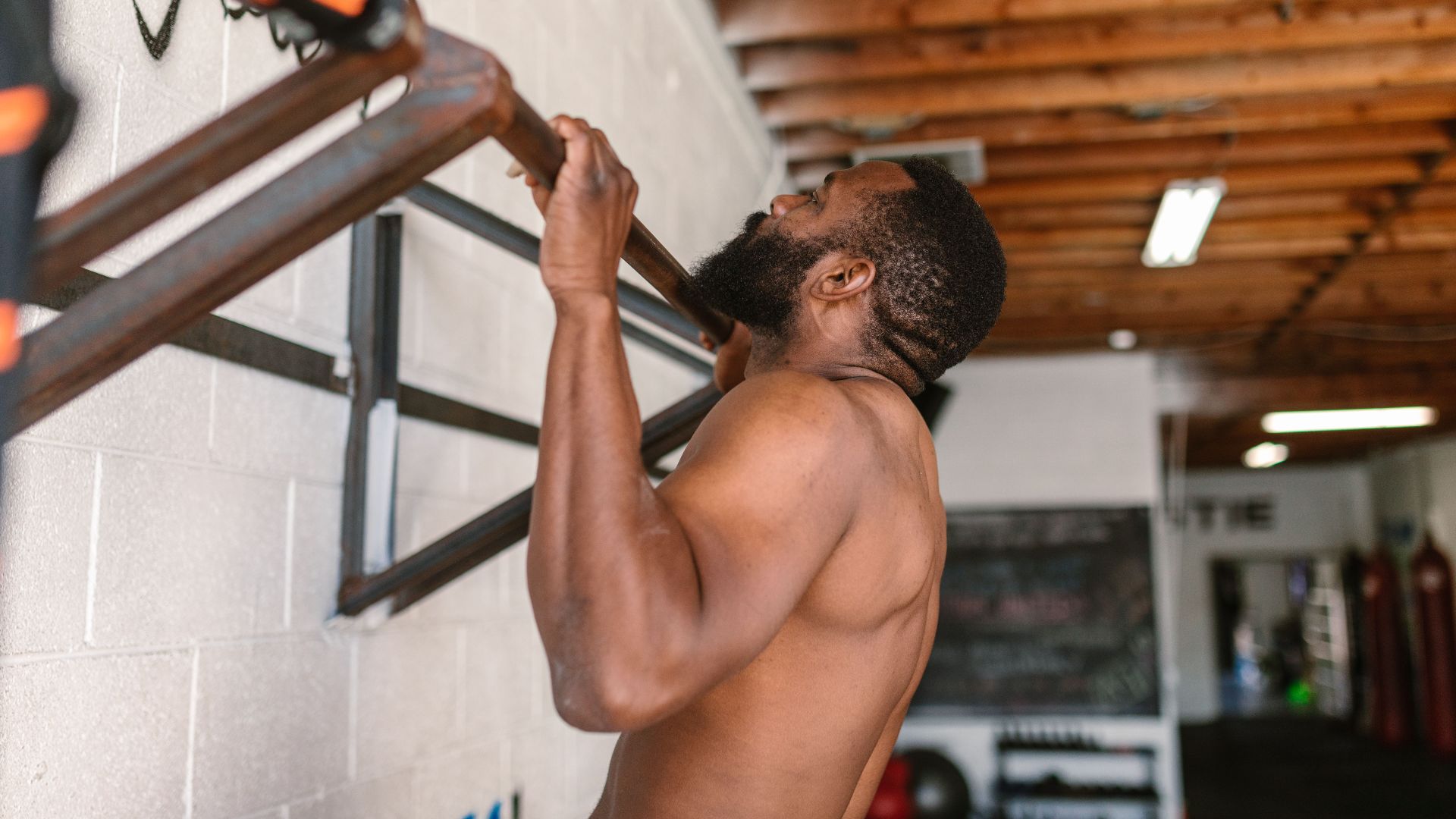
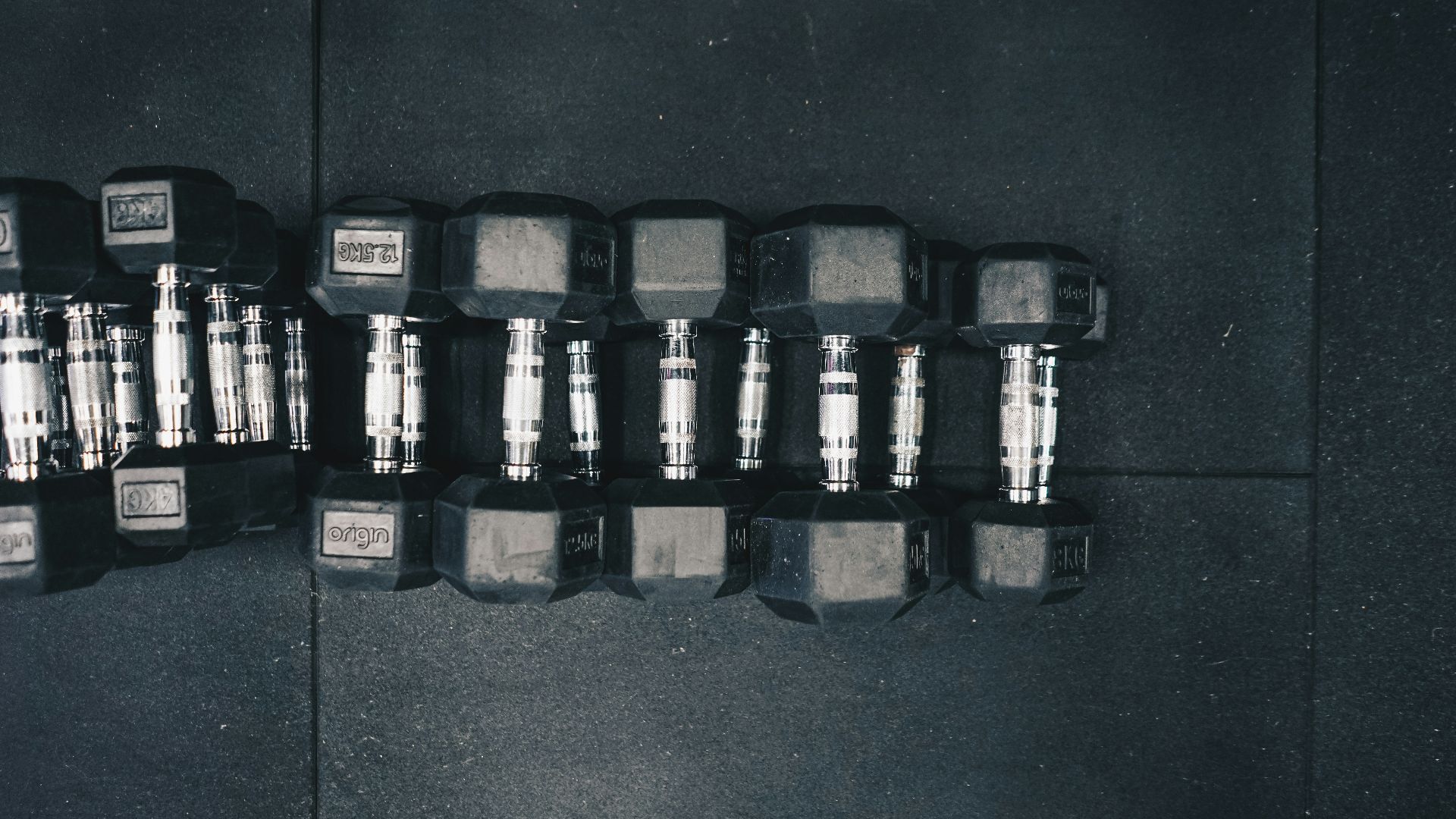
Plates and dumbbells left wherever they land after a set turn a small space into a tripping hazard fast. A simple storage rack keeps things organized and actually saves floor space in the long run. It also makes the whole setup feel less chaotic every time you walk in.
 Ambitious Studio* | Rick Barrett on Unsplash
14. Overlooking Lighting
A dim garage or basement corner makes it harder to see form in a mirror and just generally saps motivation to show up. Bright, even lighting is an easy fix that gets skipped surprisingly often during the planning phase. It is a small investment that changes how the whole space feels to train in.
15. Ignoring Electrical Needs
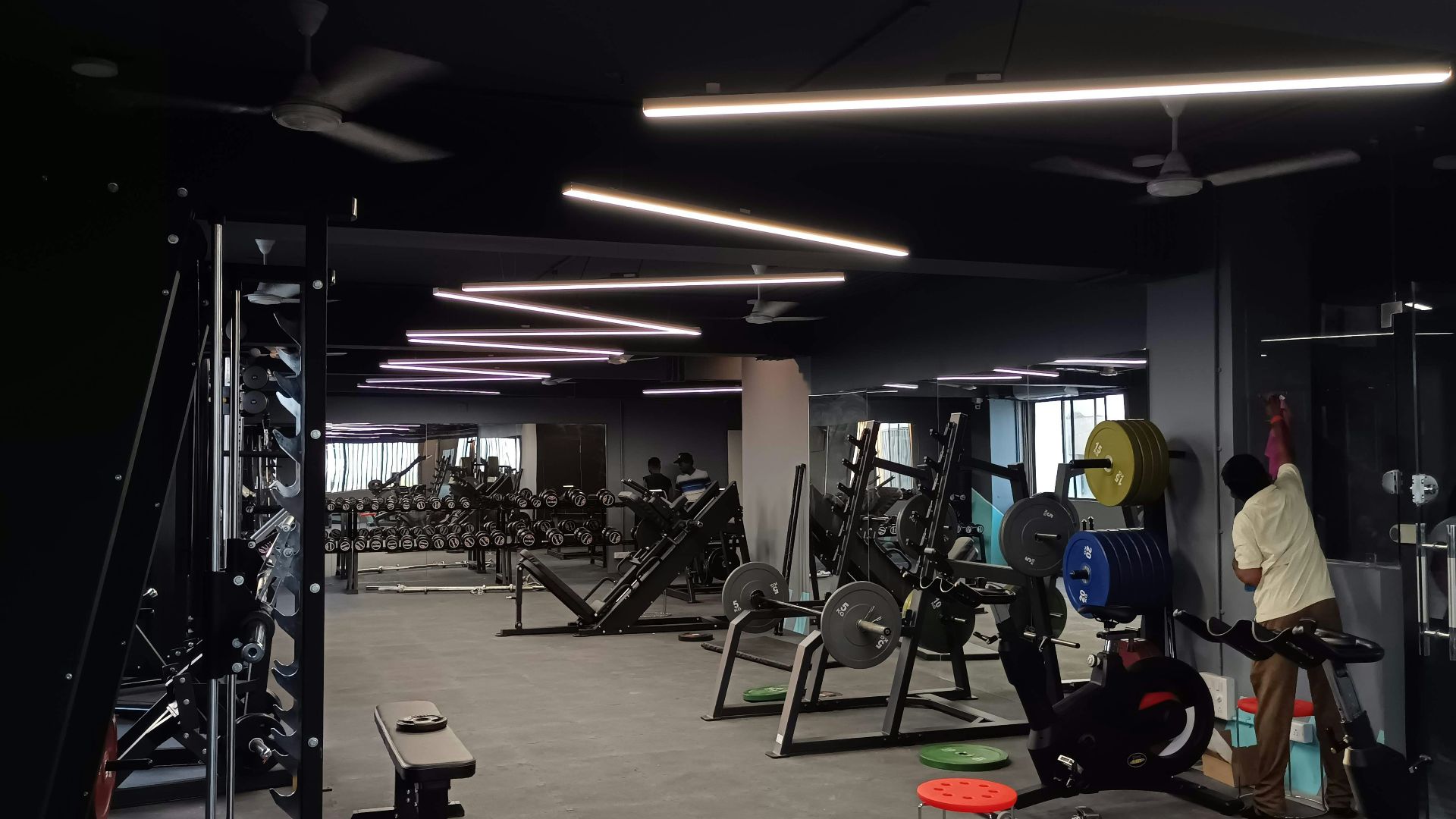
A treadmill or other motorized equipment sometimes needs a dedicated outlet or circuit to run properly without tripping a breaker. This detail gets missed until the machine cuts out mid-session for no obvious reason. Checking electrical requirements before setup saves a frustrating troubleshooting session later.
16. Not Testing Equipment Before Buying
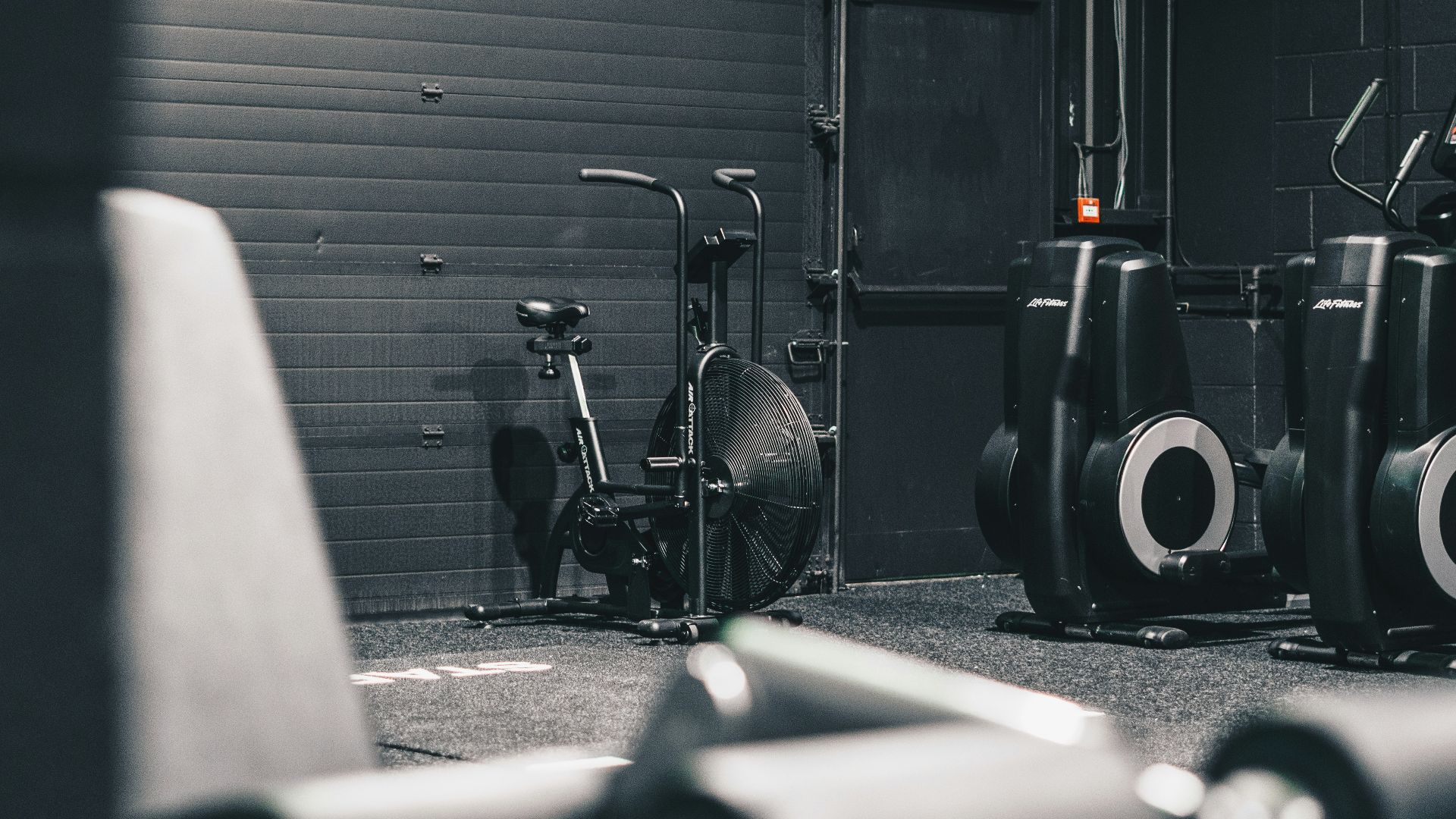
A bench angle or a dumbbell grip that looks fine in a photo can feel completely wrong once it is actually being used. Ordering online without ever testing something similar in person leads to returns and wasted money more often than people expect. A quick test at a store, even for something being bought online elsewhere, can save a lot of guesswork.
 Ambitious Studio* | Rick Barrett on Unsplash
17. Underestimating Accessory Costs
Collars, chalk, straps, and a decent set of resistance bands all add up quietly on top of the big equipment purchases. These smaller items rarely make it into the initial budget, even though they end up being used constantly. Planning for them ahead of time avoids a string of surprise expenses later.

18. Forgetting About Temperature Control
Garages and basements can swing to extreme temperatures that make training genuinely unpleasant or even unsafe during certain seasons. Equipment also tends to wear down faster in humid or freezing conditions than people expect. A fan, a space heater, or basic insulation is worth factoring into the plan from the start.

19. Skipping Storage For Bands And Cables
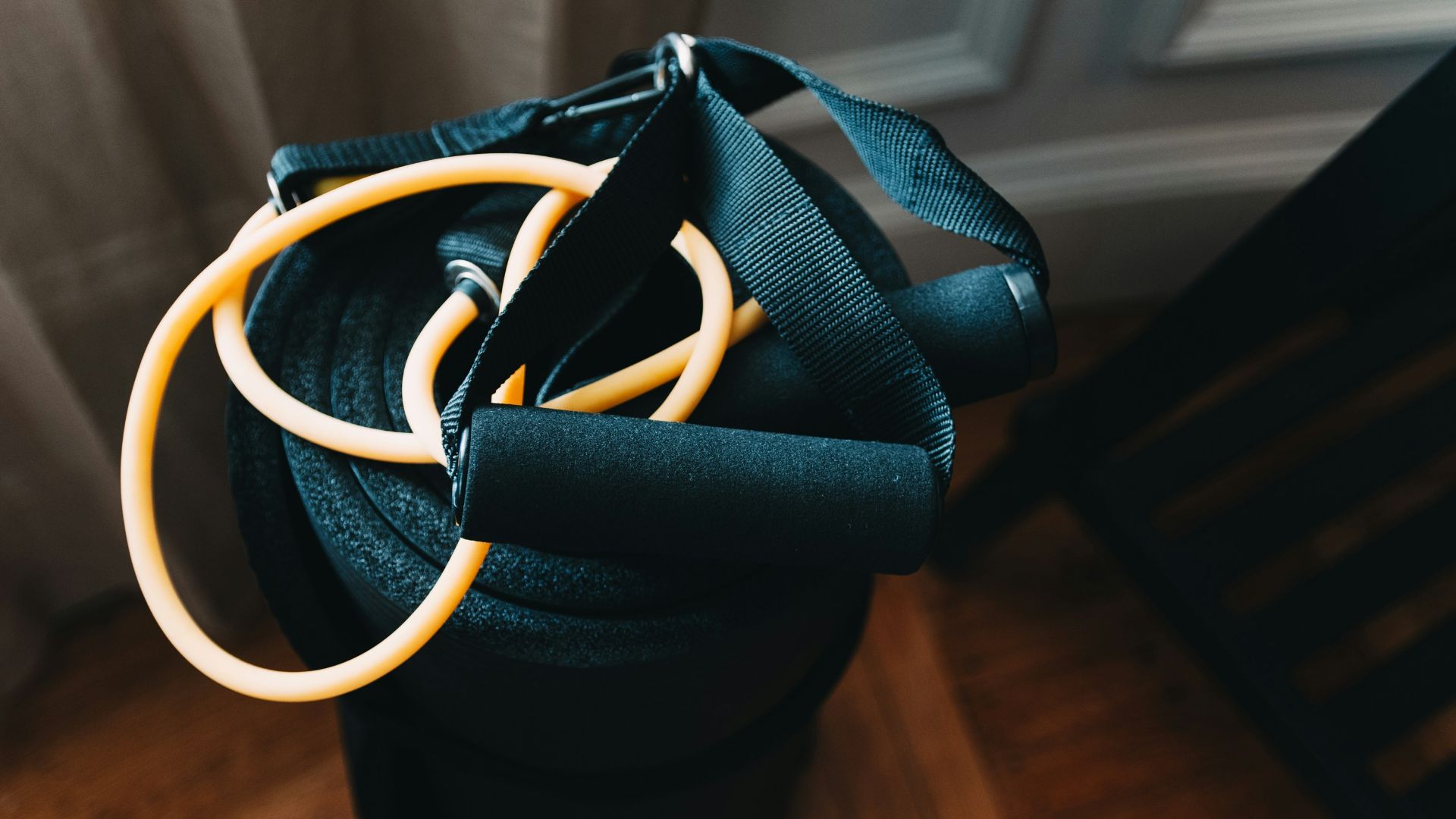
Resistance bands and cable attachments left loose in a bin tend to tangle into a knot that takes longer to sort out than the workout itself. A simple hook or small rack keeps everything visible and ready to grab. It is a minor detail that saves a surprising amount of daily frustration.
20. Buying The Cheapest Brand Possible
Going for the lowest price on every single item often means replacing half the equipment within a year once it wears out or breaks. Spending a bit more on the pieces that see the heaviest daily use tends to pay off over time. A home gym built to last is usually worth a slightly higher price tag upfront.
KEEP ON READING

20 Ways Perimenopause Changes Fitness and Appetite


20 Unhealthy Obsessions People Have

20 Gut-Friendly Fermented Foods For Everyday Meals