Progress Isn’t Always Obvious
Fat loss can be happening long before your reflection or bathroom scale acknowledges it. It’s easy to feel like you’ve reached a plateau, and it’s even easier to give up when the numbers don’t move, but body weight includes fat, muscle, bone, water, and the food moving through your digestive system—changes happen more than you think. Come with us as we explore a few ways to tell that you’re actually shedding dreaded fat, even if it doesn’t feel like it.
1. Your Waist Measurement Is Shrinking
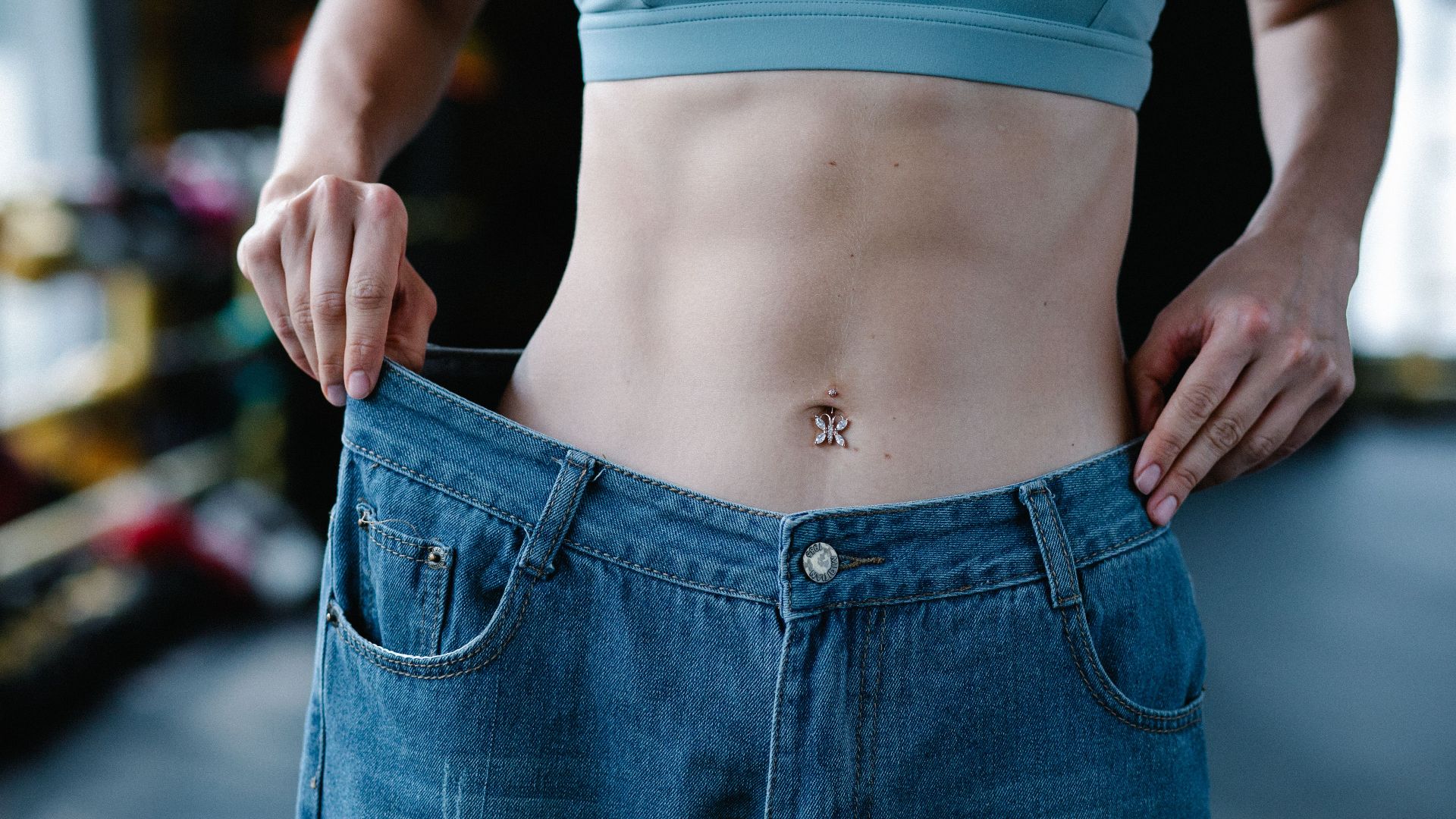
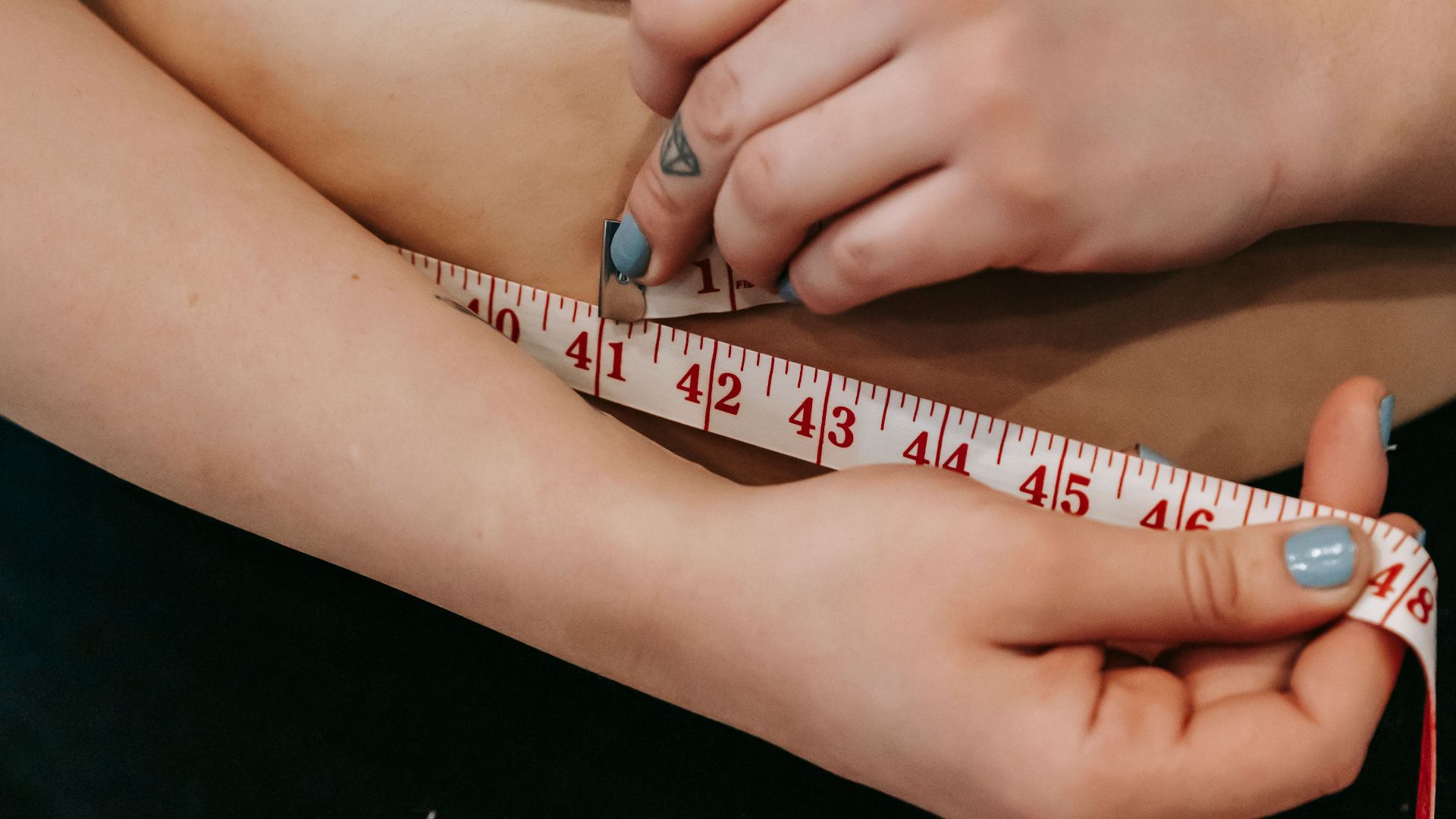
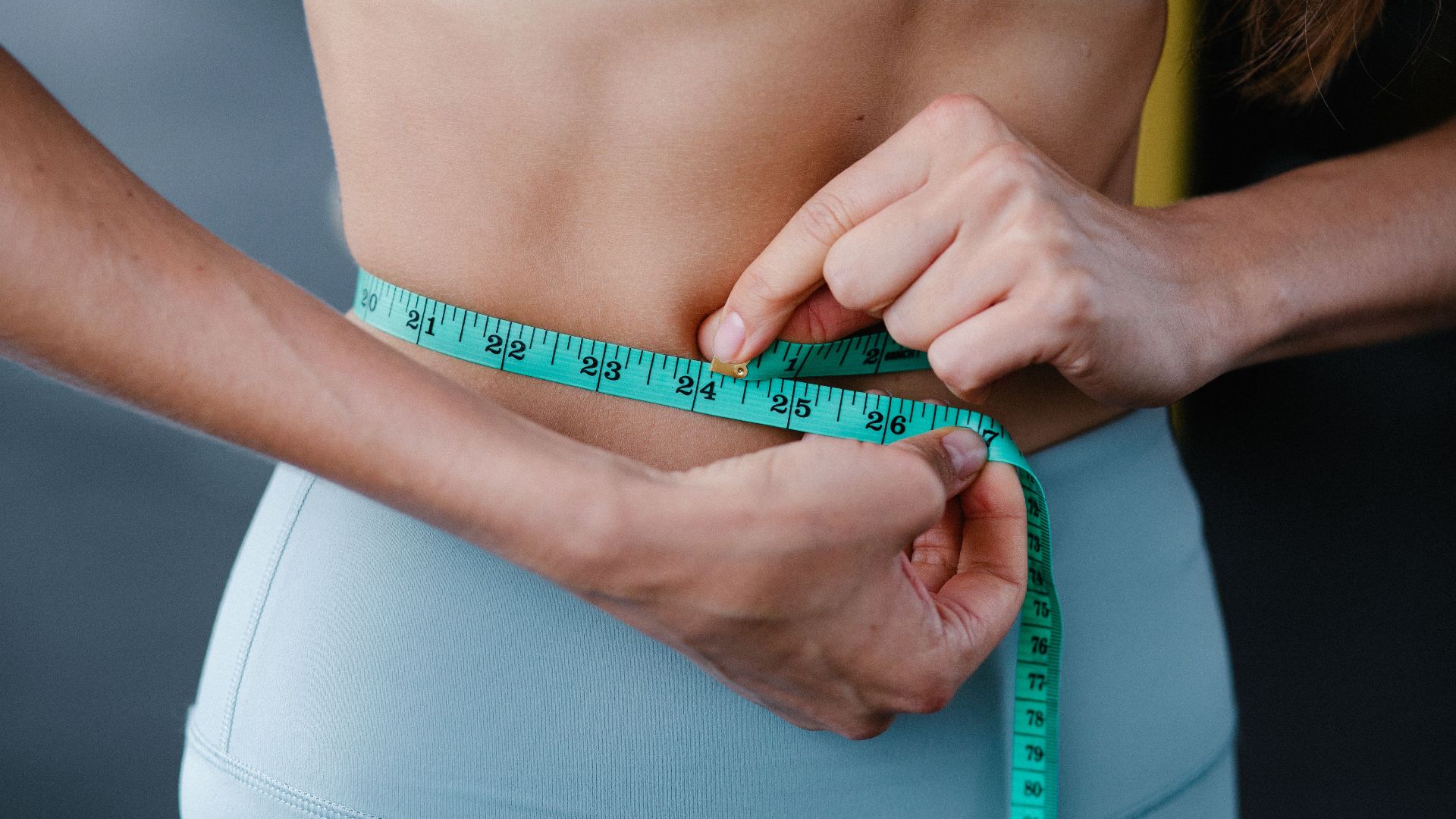
Make no mistake: a tape measure can detect progress that your eyes miss, particularly around your gut. Your waist could move from 38 inches to 37 inches while your weight stays within the same two-pound range, so there’s no harm in measuring at the same location and under similar conditions each time so you’re comparing like with like.
2. Your Waist-to-Height Ratio Improves
Dividing your waist measurement by your height gives you another way to track changes without depending on body weight. Someone who’s 66 inches tall would see their ratio move from about 0.55 to 0.53 if their waist decreased from 36 inches to 35 inches. It may look like a minor adjustment, but that doesn’t mean it’s a poor reflection of a reduction.

3. Your Skin Has Become a Little Itchy
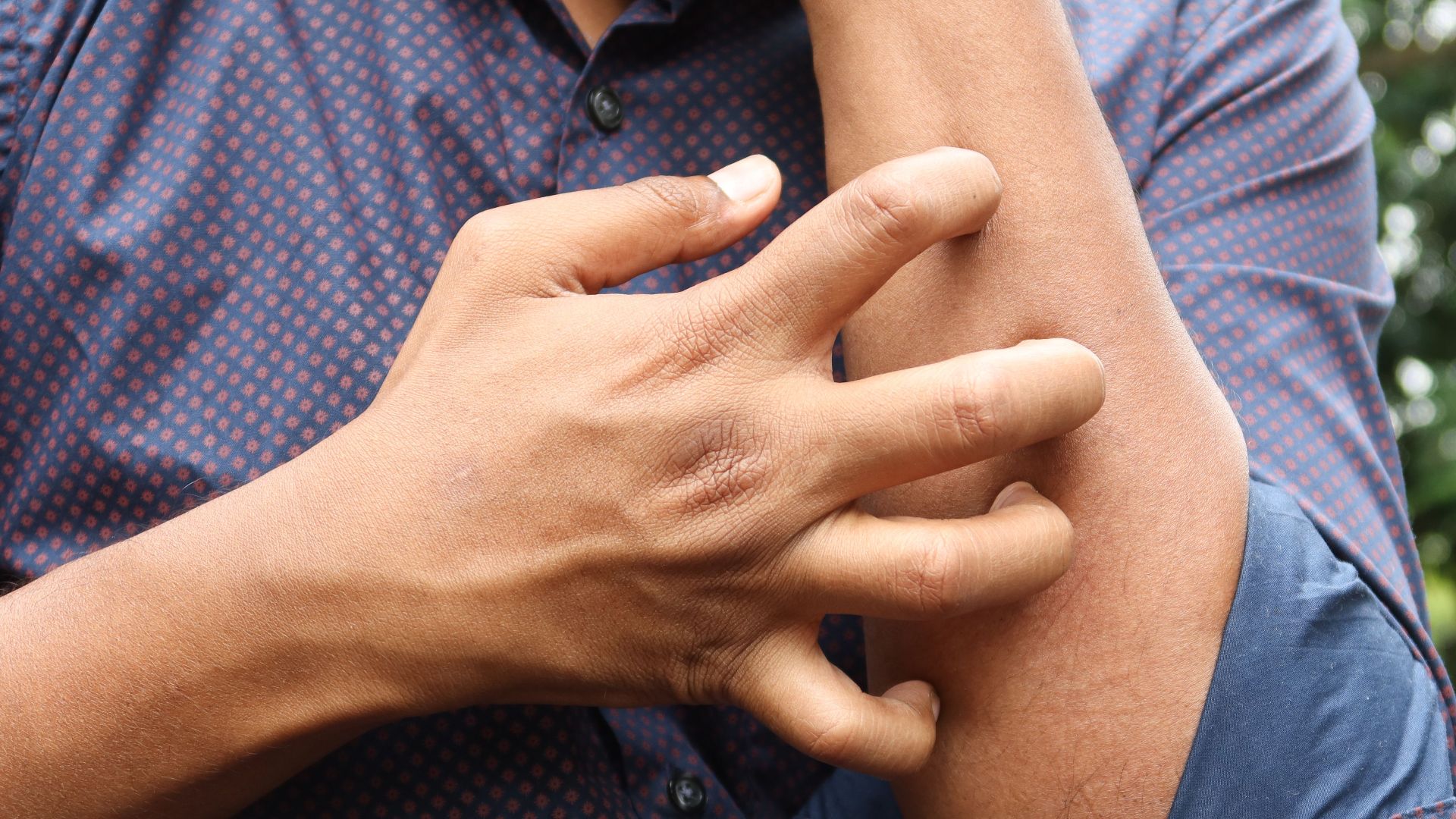
Weirdly enough, skin can start feeling itchier when a new diet or exercise routine hits. You might notice irritation beneath your stomach, around your waistband, or between your thighs after a long walk, even though the area didn’t bother you before. Your armpits can get itchier, too.
4. Your Thighs are Smaller Without Being Weaker
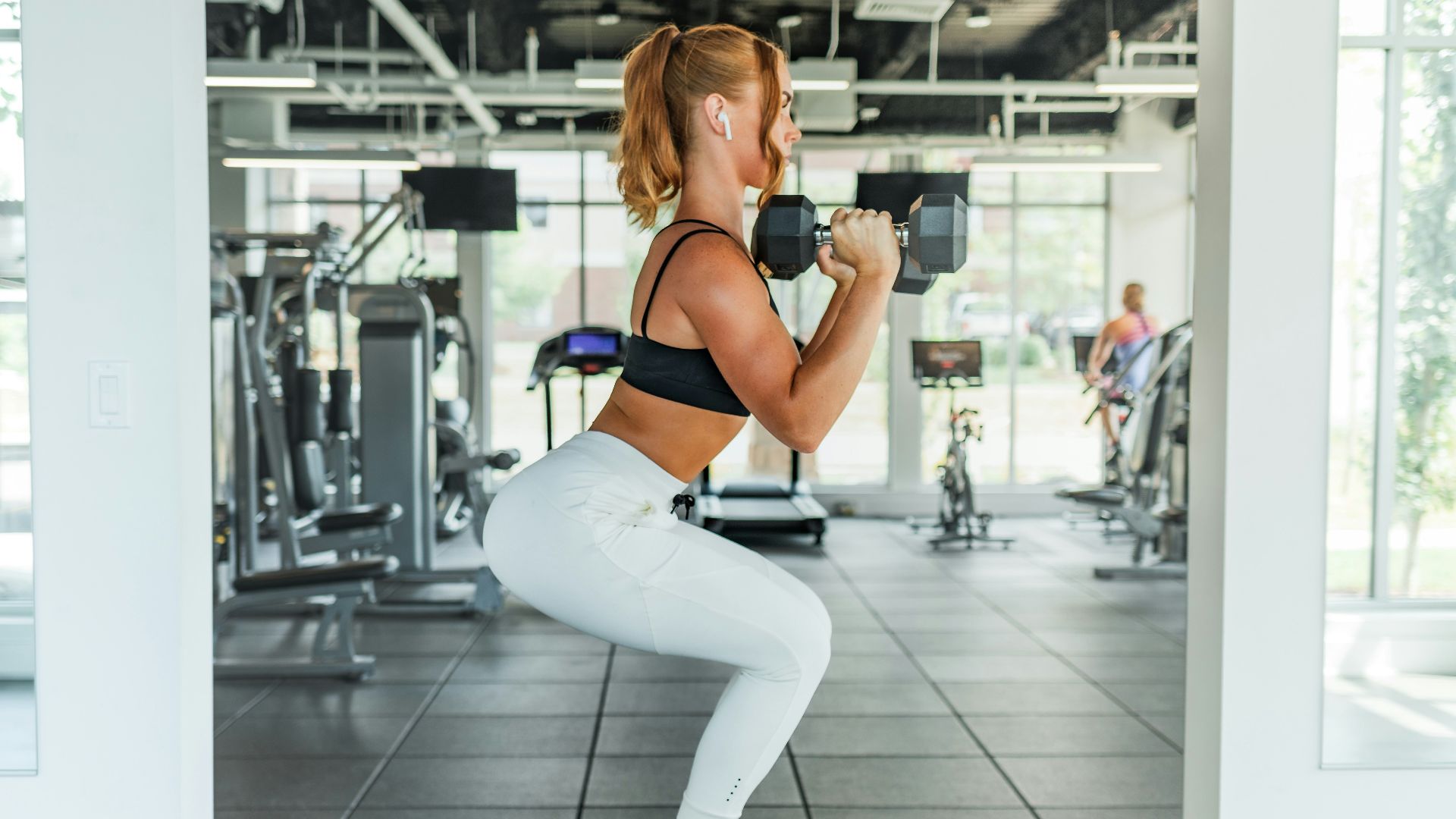
Measure the same spot on your thigh and pay attention to what happens during exercise. A smaller circumference paired with steady performance suggests you’re likely retaining muscle while losing some fat. If both size and strength are falling quickly, the change deserves a closer look.
5. Noticeable Stretch Marks
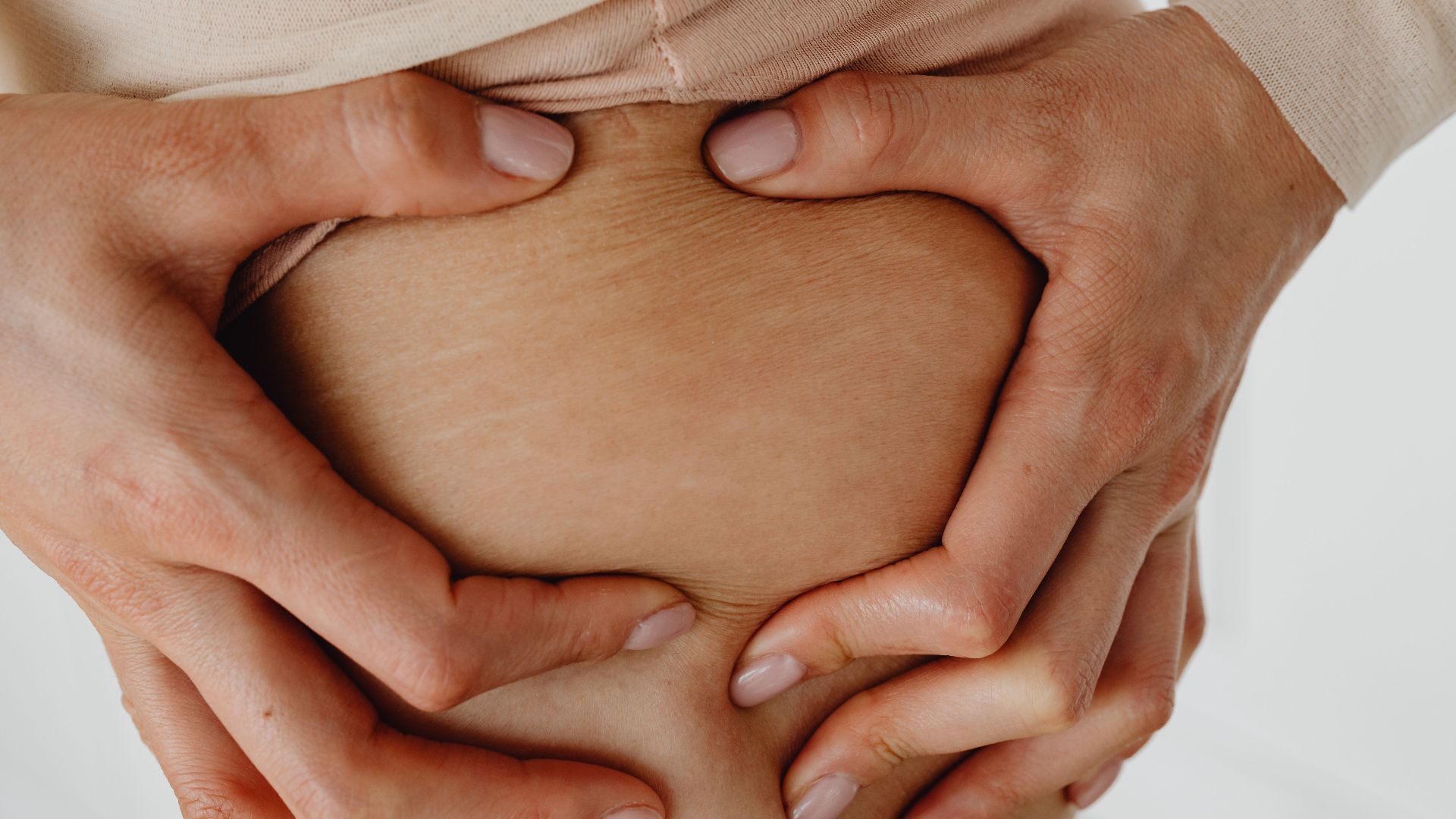
Stretch marks aren’t everyone’s favorite, but they’re also one of the most obvious ways to tell that you’re losing body fat. Marks that once blended into a fuller stomach or thigh, for instance, can now appear slightly wider or more textured as skin gets looser.
6. Your Collar Has More Breathing Room
Changes around the neck are easy to overlook…that is, until a dress shirt buttons without feeling restrictive. Using a soft measuring tape at the same level can often reveal a gradual decrease that isn’t obvious in the mirror. Don’t forget that neck size can also shift with fluid retention, so treat it as one useful clue.

7. Your Jeans Have a Gap
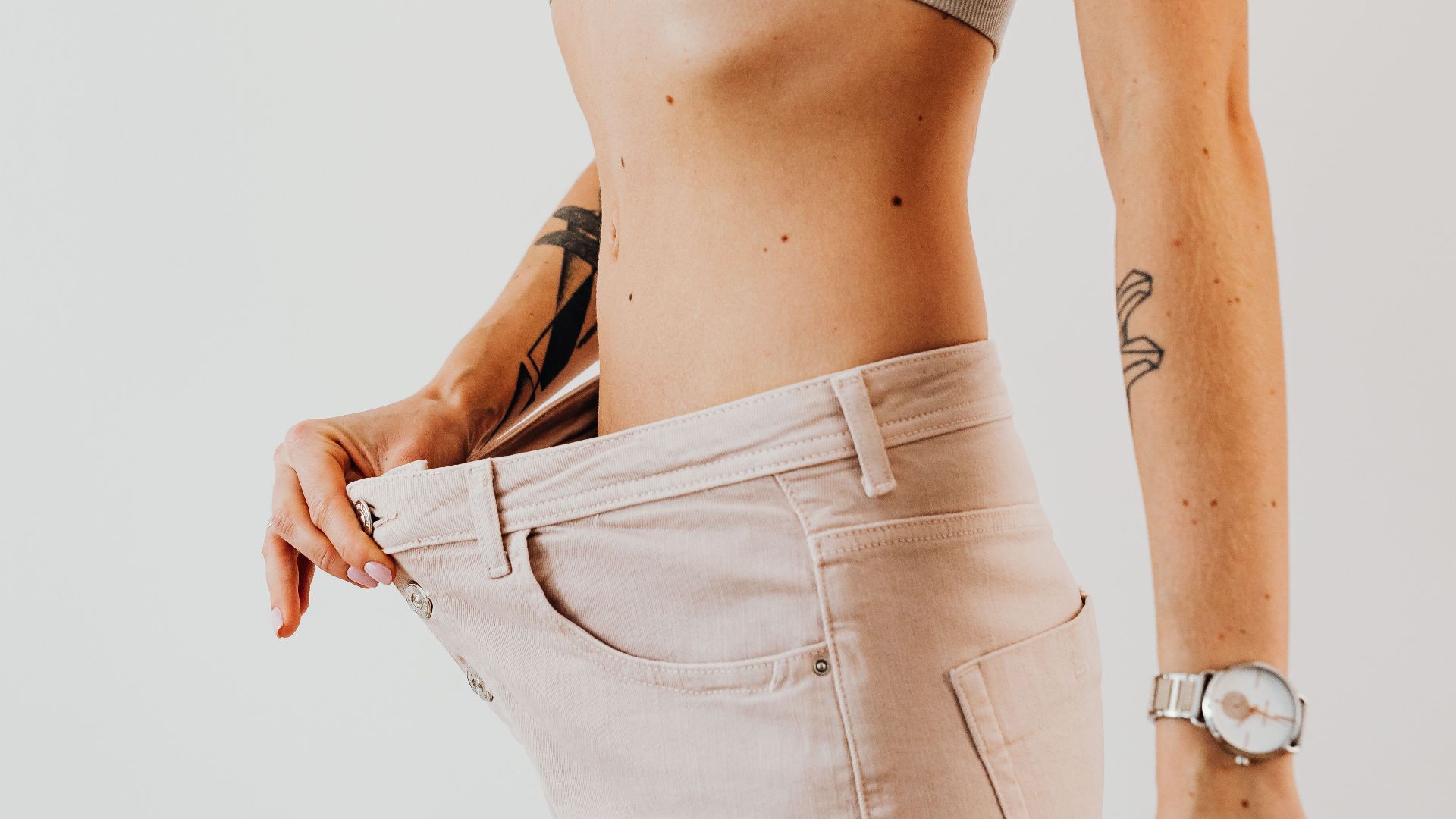
Those jeans may still fit through the legs while leaving a little extra room at the back of the waistband. If that’s the case, rest assured that what you’re doing is working! Clothing fit is especially useful during body recomposition; muscle gain can keep the scale from moving much, and can convince you that you’re behind.
8. You’re Thirstier Than Usual
Increasing your workouts can leave you reaching for your water bottle more often. This one warrants more attention than your denim size, however; persistent thirst isn’t a normal fat-loss milestone, particularly when it comes with frequent urination or unexplained exhaustion. So, if it comes with other symptoms, don’t ignore it.

9. Your Jacket Zips Without a Struggle
Outerwear doesn’t stretch as forgivingly as leggings or an oversized T-shirt, which makes it useful for noticing subtle size changes. A winter coat that once meant holding your breath may begin closing nicely over the same sweater. That’s a much nicer milestone than focusing solely on numbers.

10. Your Bra Band Feels Different
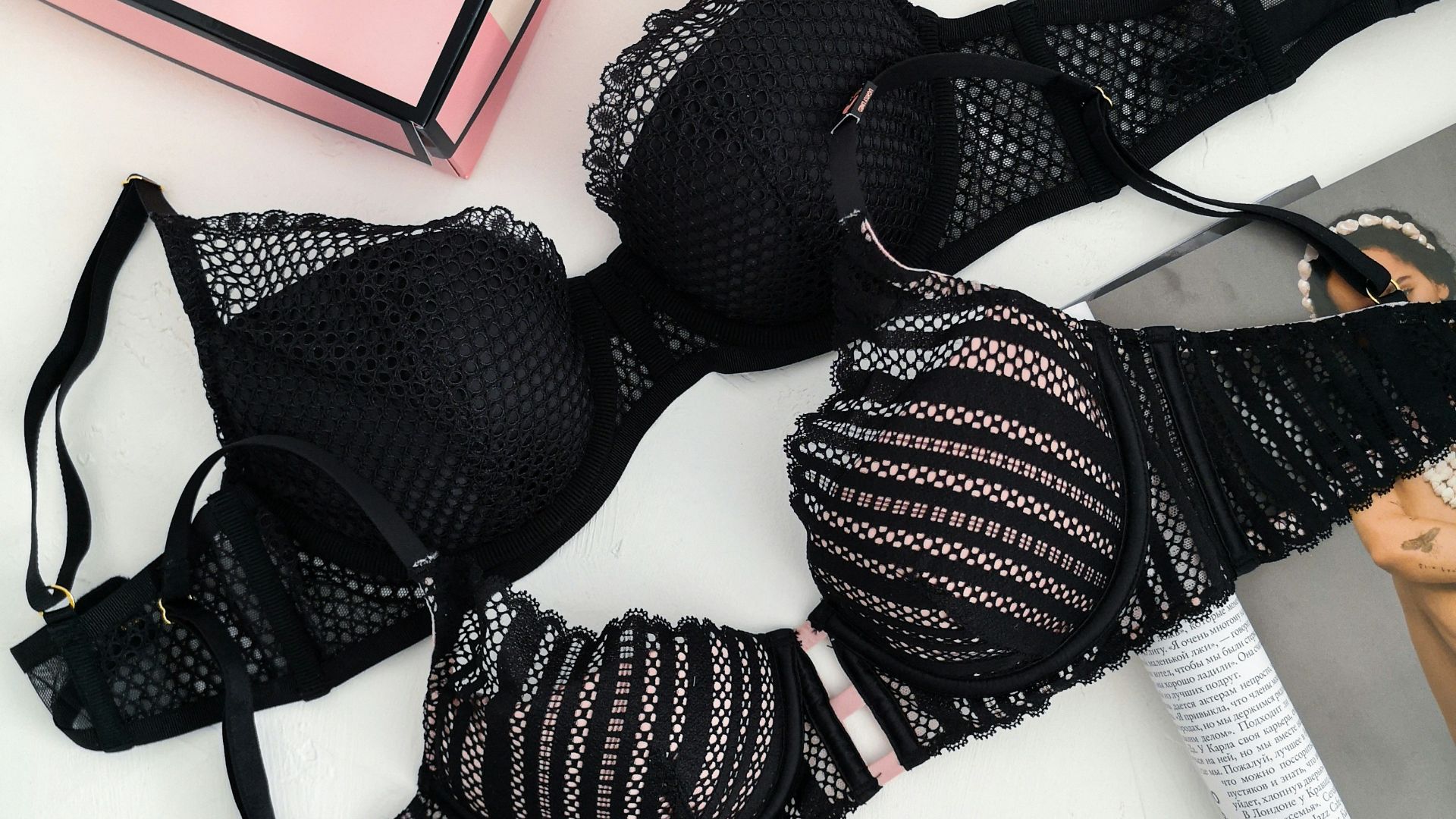
Bras aren’t always comfortable, but they can reveal a little about your progress. A bra band may leave lighter marks, while a fitted sports top might feel less restrictive around your torso. When the same change appears across different pieces, and your measurements fall, it becomes a more meaningful sign.
11. Rings Move More Freely
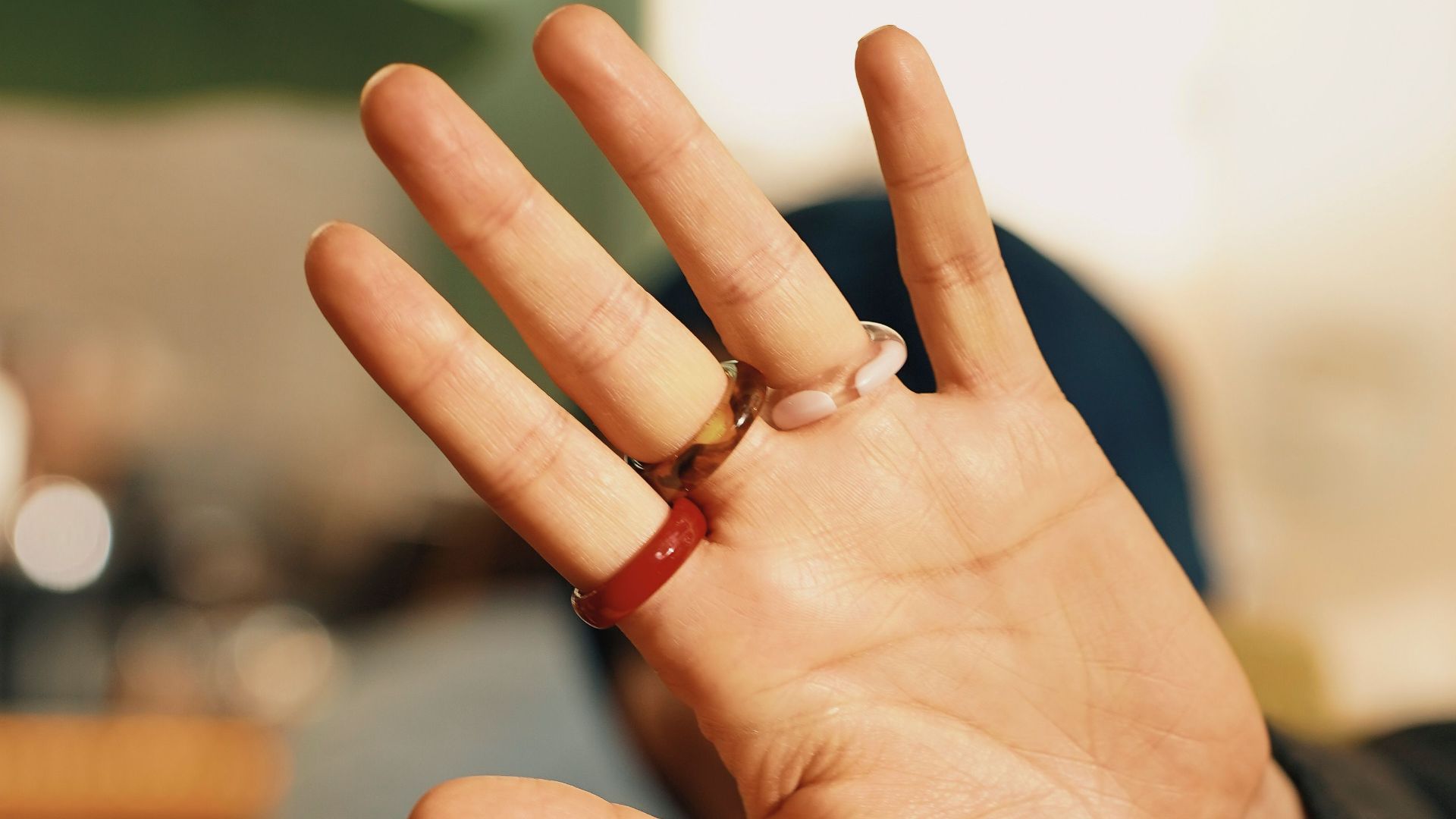
Hands and wrists are also affected by weight loss, so if a ring starts sliding off your finger, it could be something to keep an eye on. Our hands are also impacted by temperature, sodium, and hydration, so while a single loose-ring day doesn’t confirm fat loss, a lasting difference is more convincing.
12. Inner-Thigh Rubbing Has Eased
Does that familiar pair of shorts no longer ride upward as quickly during a walk? That’s good news! Even a modest change in the space or pressure between your thighs can reduce friction, although your natural bone structure will still influence how the area feels.

13. Your Bath Towel Wraps Farther
Everyday objects sometimes reveal changes more clearly than a full-length mirror. Take a peek at your towel when you get out of the shower. If the same bath towel suddenly overlaps by several extra inches instead of barely meeting, your body circumference has likely shifted.

14. Familiar Seats Feel Roomier
One of the best little motivators is noticing that you have more space beside your hips in a car seat, office chair, or restaurant booth. Repeatedly feeling less confined may reflect a smaller waist or hip measurement. It’s especially telling when a once-snug armchair no longer presses against your body.

15. Photos Show a Subtler Difference
Daily mirror checks make gradual progress difficult to spot—each change blends into the next. Do yourself a favor and take photographs several weeks apart while wearing the same clothes. A narrower side profile or less fabric pulling around the middle can show up in the comparison.
16. More Muscle Definition
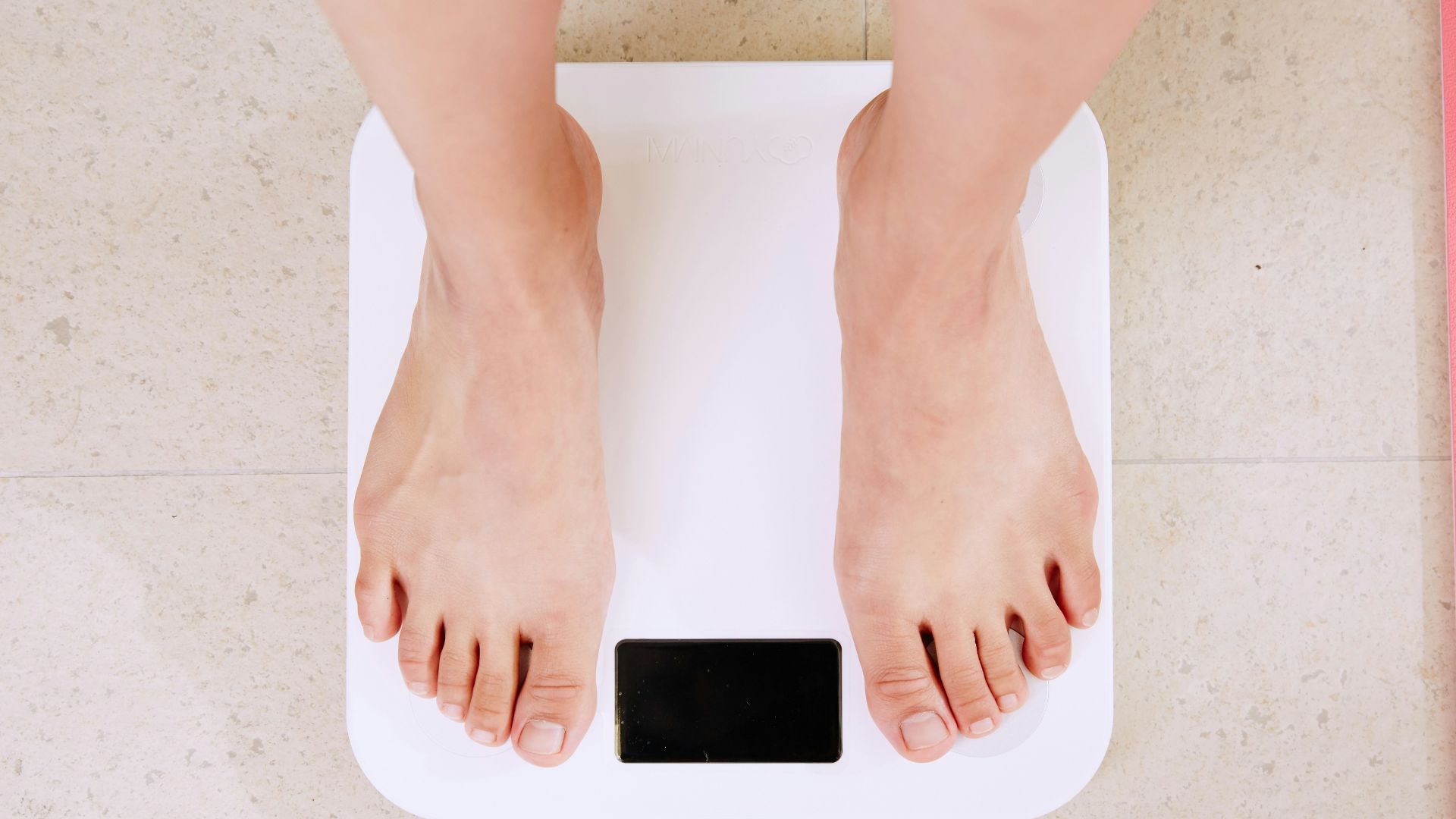
The outline of your shoulders or calves often gets clearer without those muscles becoming much larger. Strength training develops the muscle underneath, and reduced fat can make its shape easier to see. Definition will obviously vary considerably, so don’t expect your body to reveal progress in the same places as someone else’s.
17. A Skinfold Measurement is Decreasing
Skinfold calipers estimate fat by measuring a pinched fold at designated locations, such as the triceps or abdomen. If a trained professional records a smaller fold at the same site, it can support the case that fat is actually on the decline. Just keep in mind that technique matters considerably, which is why measurements from different testers shouldn’t be compared casually.
18. Your Scale Shows a Downward Trend
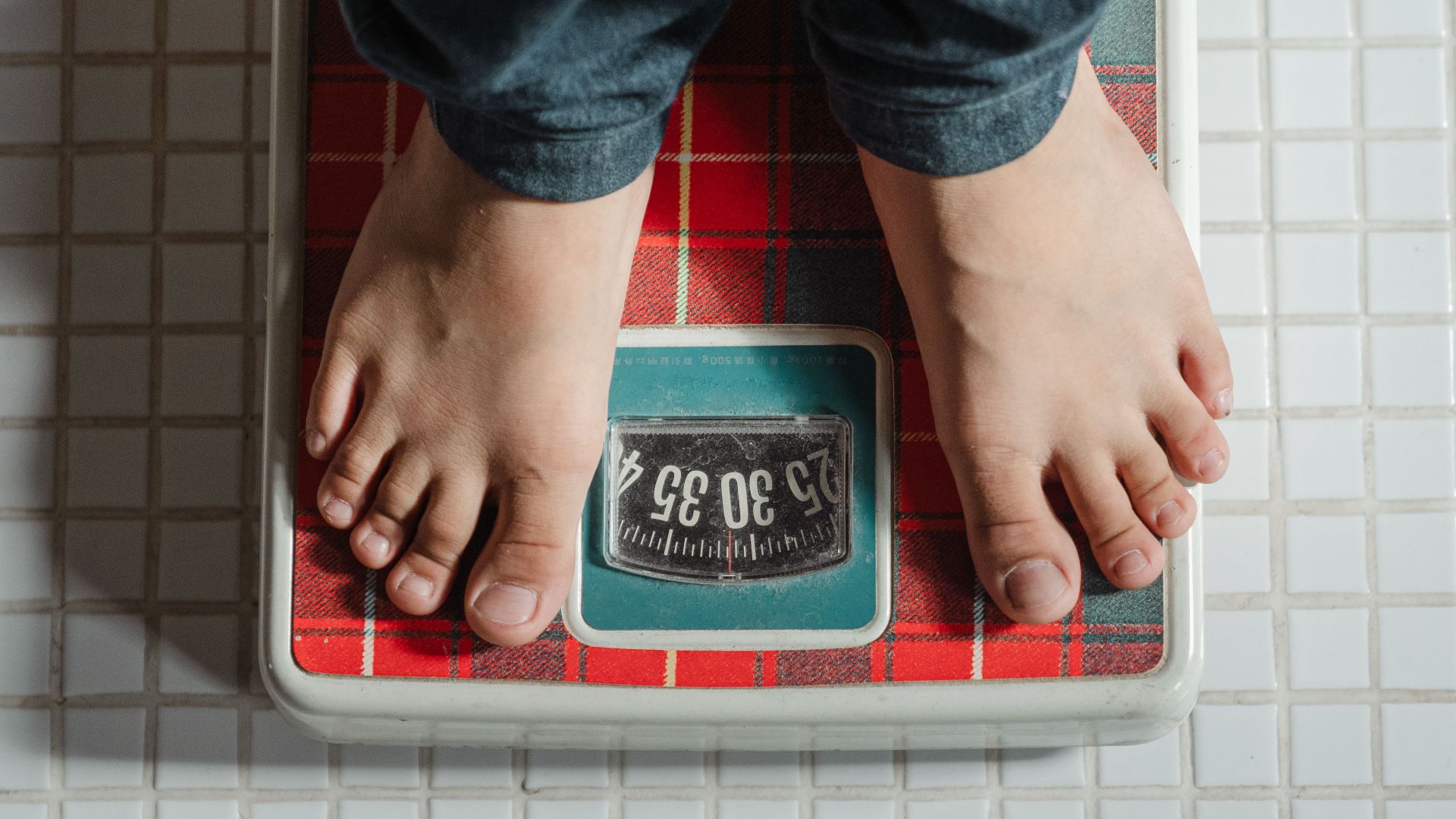
A smart scale may estimate a lower body-fat percentage even when your total weight hasn’t changed. That being said, hydration, meals, and testing time can alter its reading, so it’s important to compare results taken under similar conditions rather than celebrating every tiny dip.
19. A Body-Composition Scan Confirms It
A follow-up DXA scan may show that total fat mass has decreased while lean mass remains stable. For instance, losing six pounds of fat while gaining four pounds of lean tissue would create only a two-pound difference on an ordinary scale. Don’t lose faith in yourself or the process; professional assessments can provide clearer information.
20. Your Weight Is Steady
The strongest clue is usually a combination of changes rather than one big result. When your waist is smaller, your clothes fit differently, and your strength is stable, a flat scale becomes much less discouraging. Successful fat loss won’t always produce an immediate drop in pounds.

KEEP ON READING

20 Ways To Tell If Someone Is Lying To You

20 Health Hazards Only Americans Need To Worry About

20 Signs Retirement Is Making You Age Faster


Goodbye, Sunshine: 20 Foods Loaded With Vitamin D