The Sneaky Thing About Cholesterol
High cholesterol is tricky because it usually doesn’t wave a tiny red flag and announce itself. In fact, high cholesterol often has no symptoms, and even someone with a healthy diet and lifestyle can be affected by it. High cholesterol can contribute to plaque buildup in the arteries, raising the risk of heart disease, stroke, and circulation problems over time, which are pretty serious problems. These 20 signs don’t prove your cholesterol is high, but they can be clues that it’s time to stop guessing and ask your healthcare provider about testing.
1. You Haven’t Had Your Cholesterol Checked in Years
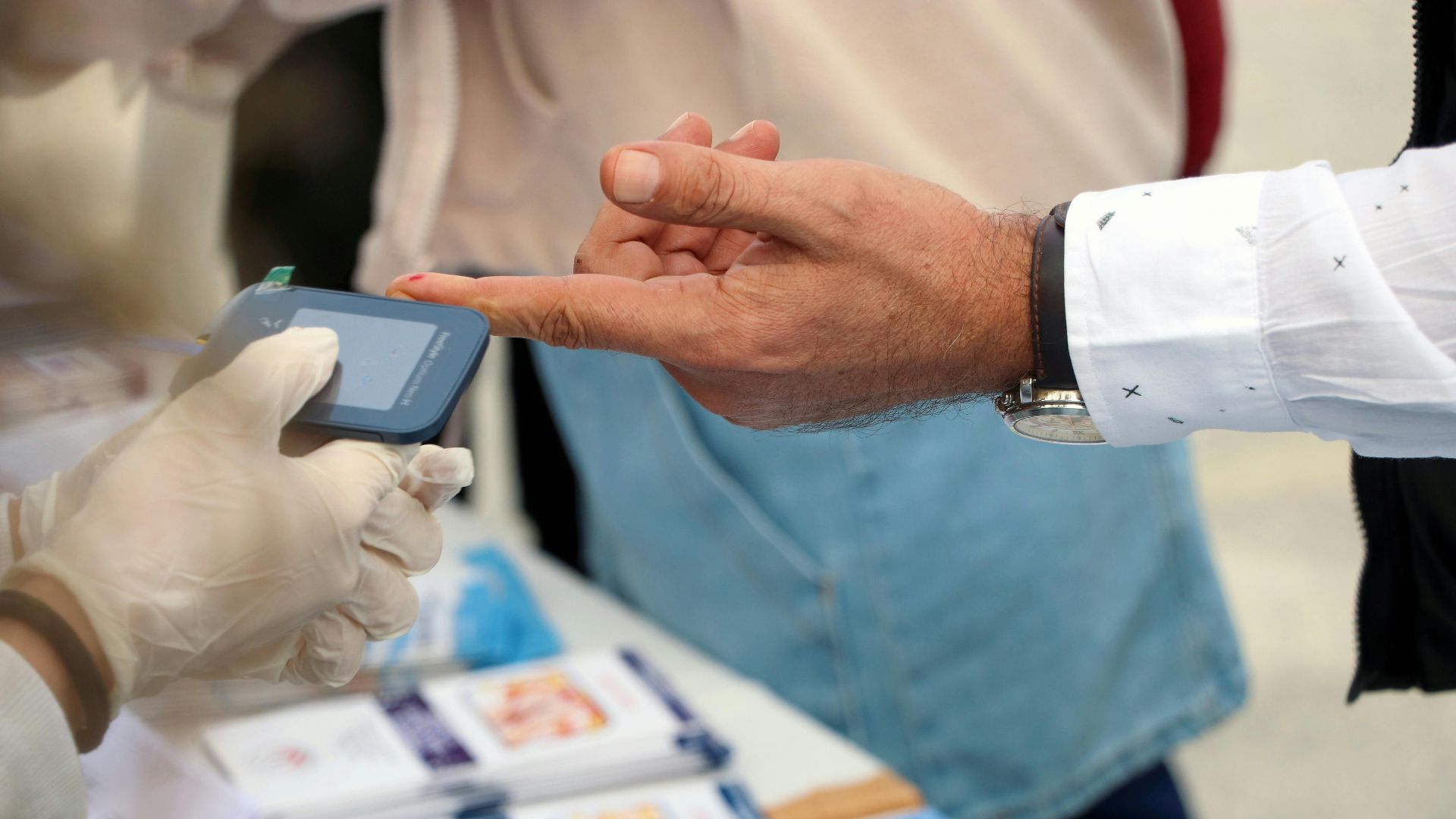
The biggest warning sign may be not knowing your numbers at all. High cholesterol can build quietly for years without obvious symptoms, so you can feel perfectly fine while your arteries aren't having their best era. If it’s been a long time since your last lipid panel, that alone is a reason to check in.
2. You Have a Family History of High Cholesterol
If close relatives have high cholesterol, early heart disease, or needed heart procedures young, your own risk may be higher. Genetics can affect how your body processes LDL cholesterol, sometimes regardless of how carefully you eat. This doesn’t mean you’re doomed, but it does mean you may need to be a little more diligent.
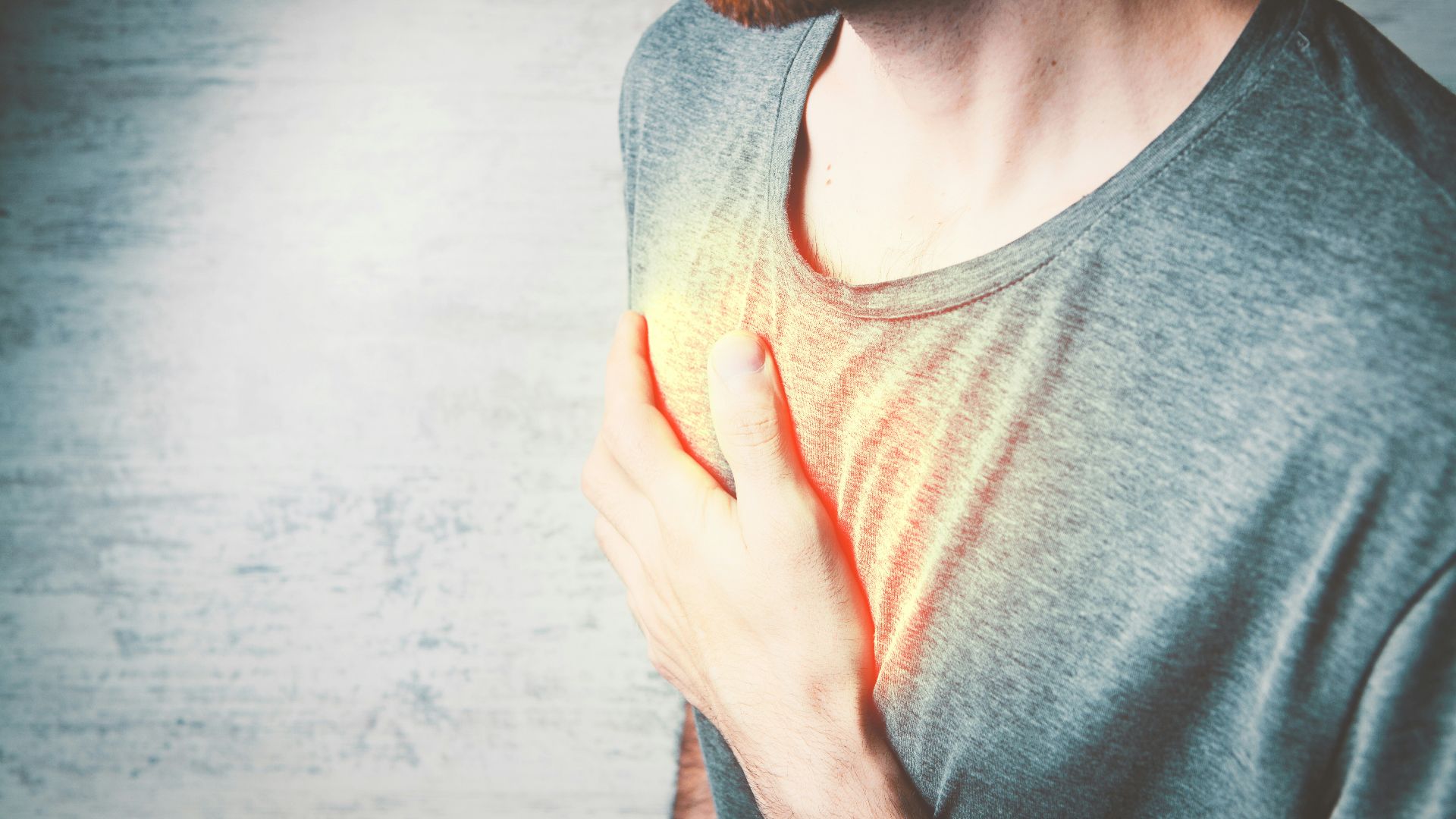
3. You Have Chest Pain or Pressure
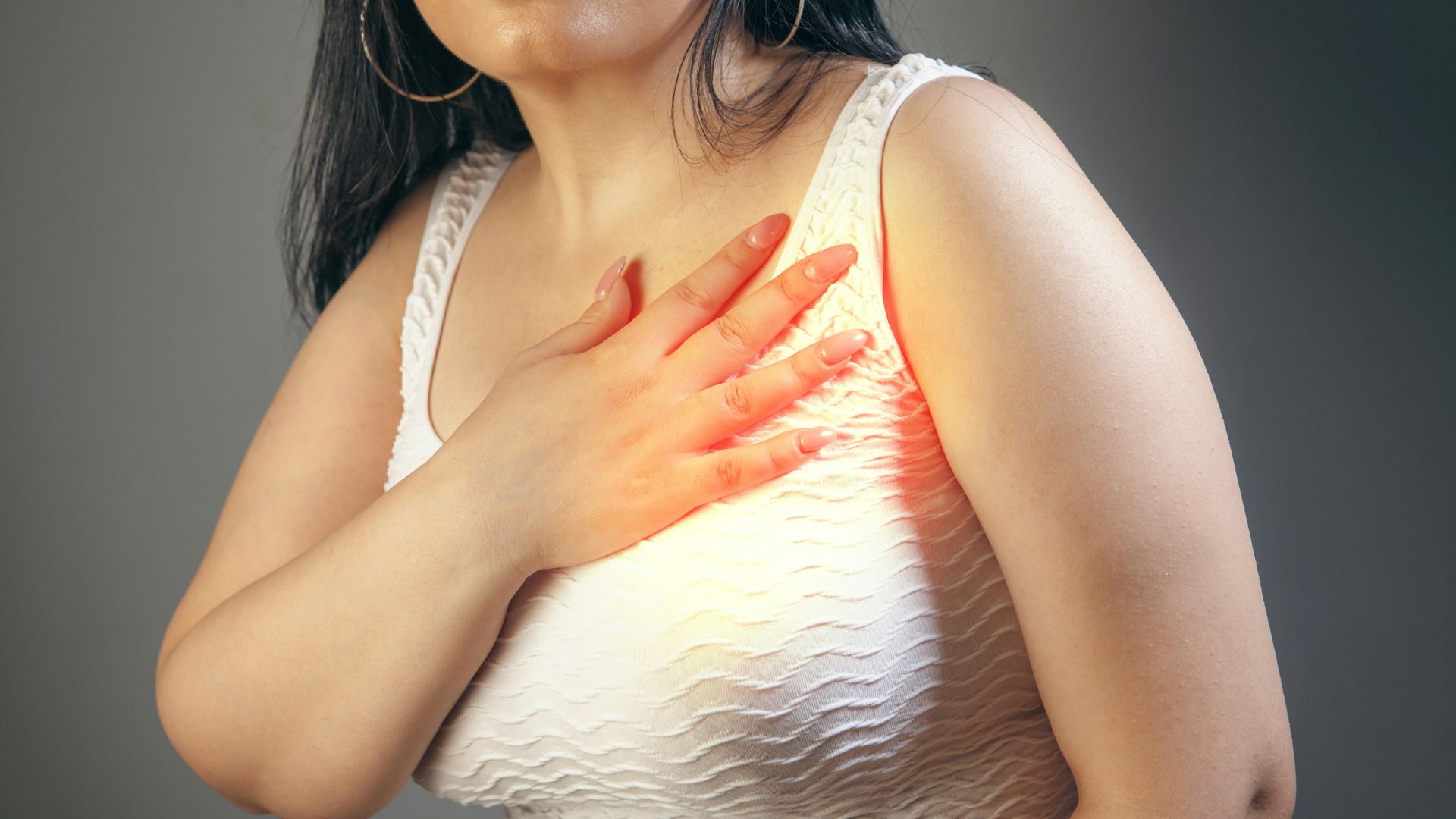
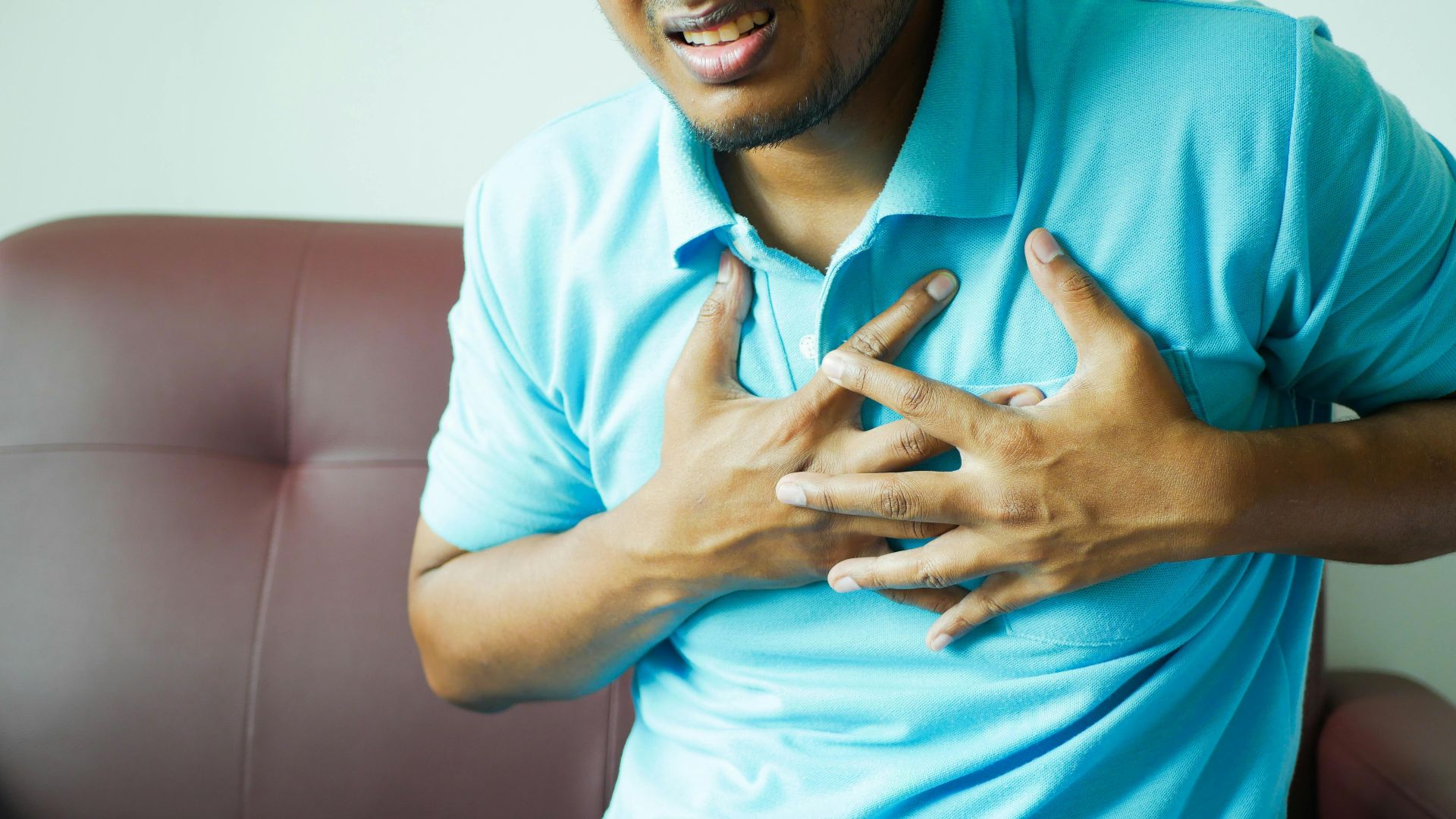
Chest pain can happen for many reasons, but it should never be casually ignored. High cholesterol can contribute to atherosclerosis, where plaque narrows arteries and reduces blood flow; when the arteries supplying the heart are affected, chest pain called angina can occur. If you feel chest pressure, squeezing, pain that spreads to the arm or jaw, shortness of breath, or sudden sweating, seek urgent care.
4. Your Legs Hurt When You Walk
Pain, cramping, heaviness, or aching in the legs during walking can be a possible sign of peripheral artery disease. PAD happens when narrowed or blocked arteries reduce blood flow, most often to the legs, and fatty plaque buildup is a main cause.
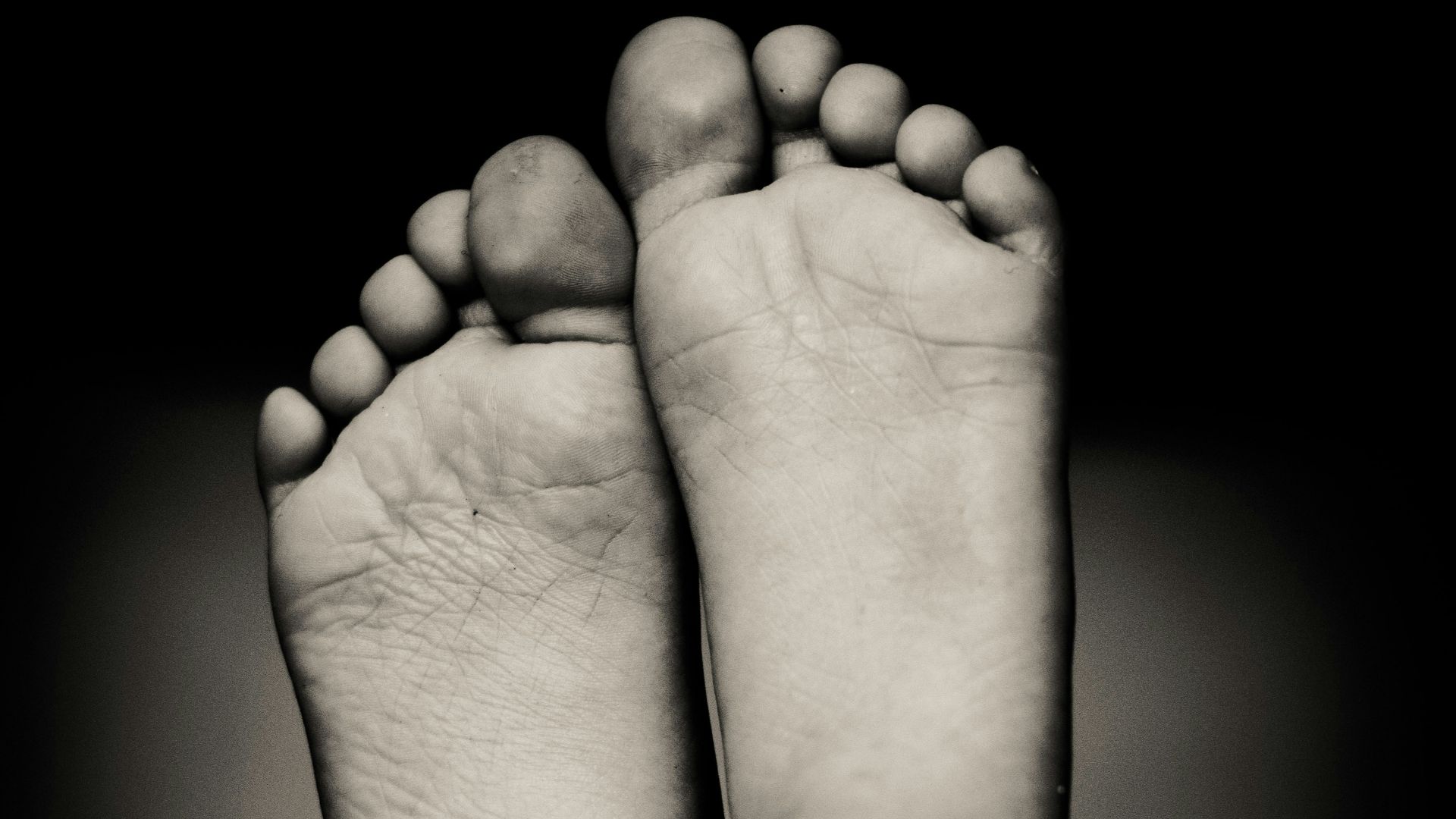
5. Your Feet Feel Cold or Numb
Coldness, numbness, or weakness in the feet or legs can point to circulation problems. That doesn’t automatically mean cholesterol is the cause, but high cholesterol can raise the risk of plaque buildup that affects blood flow. These symptoms are especially important if one foot feels colder than the other or if numbness is new.
6. You Have Slow-Healing Sores on Your Feet or Legs
Cuts, sores, or ulcers that take a long time to heal may suggest poor circulation. Peripheral artery disease can reduce blood flow to the legs and feet, making healing harder and raising the risk of complications. Diabetes, infections, and other conditions can also cause slow healing, so this isn't something to self-diagnose.
7. You Notice Yellowish Bumps or Patches on Your Skin
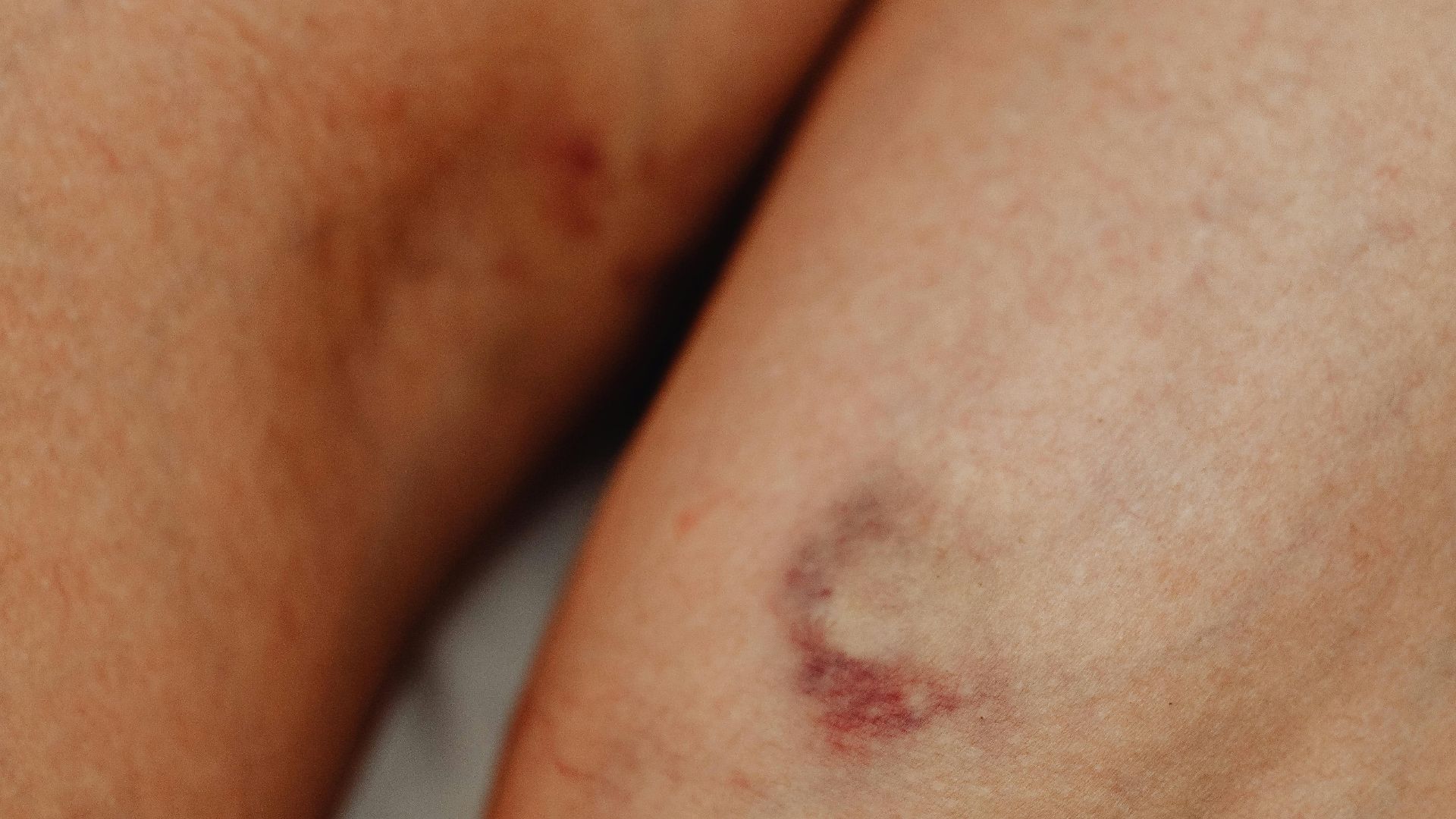
Fatty yellow deposits under the skin, called xanthomas, can be associated with very high cholesterol levels. They may appear around joints, tendons, hands, feet, elbows, knees, or other areas, depending on the type. Yellowish patches around the eyelids, often called xanthelasma, can also be linked to cholesterol problems.

8. You Develop a Pale Ring Around the Cornea
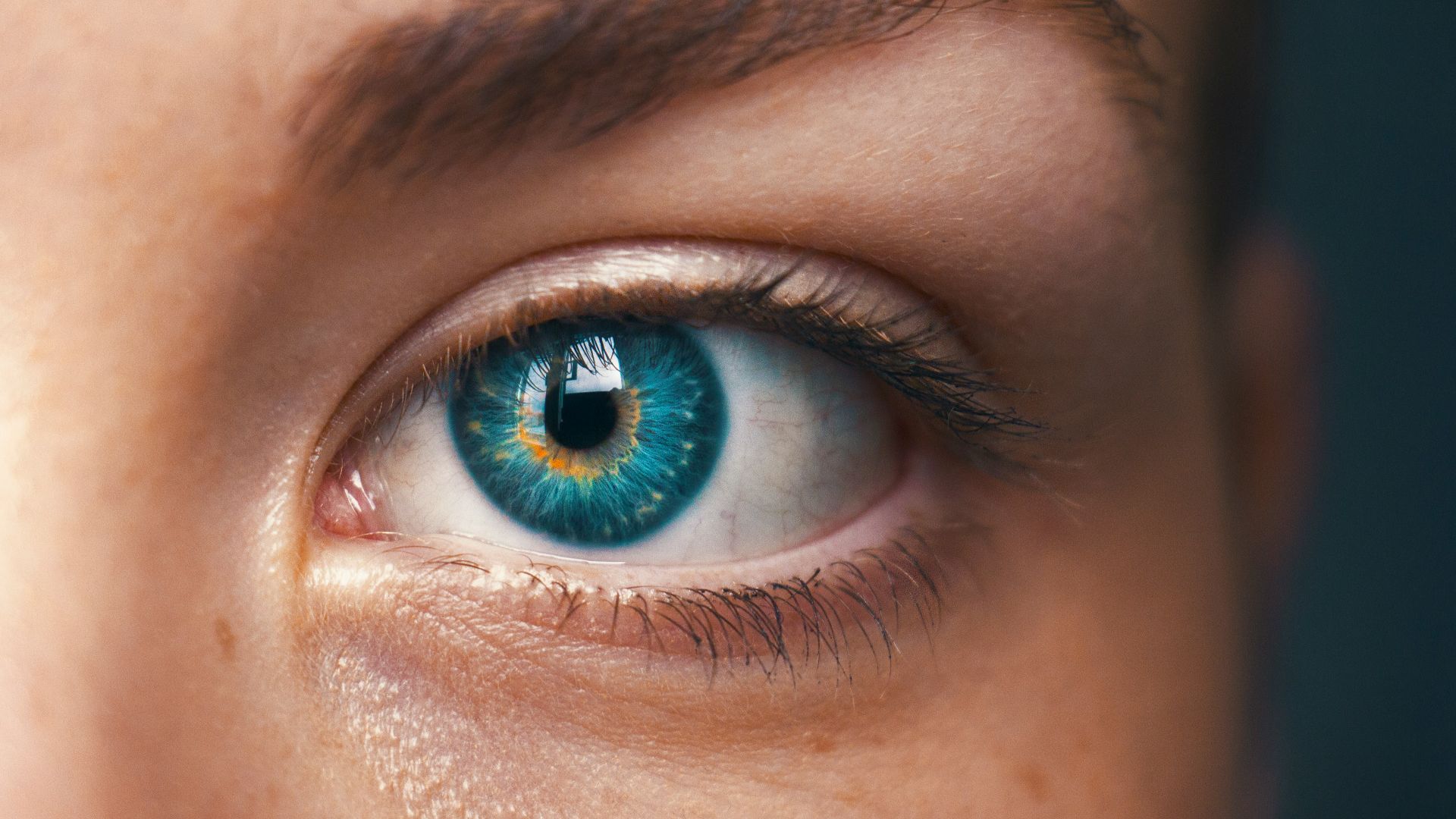
A gray, white, or pale ring around the outer edge of the cornea is called corneal arcus. It can be common with aging, but when it appears in younger adults, it may be linked with high cholesterol or other lipid issues. This is one of those signs that may seem small until you know what it could mean.
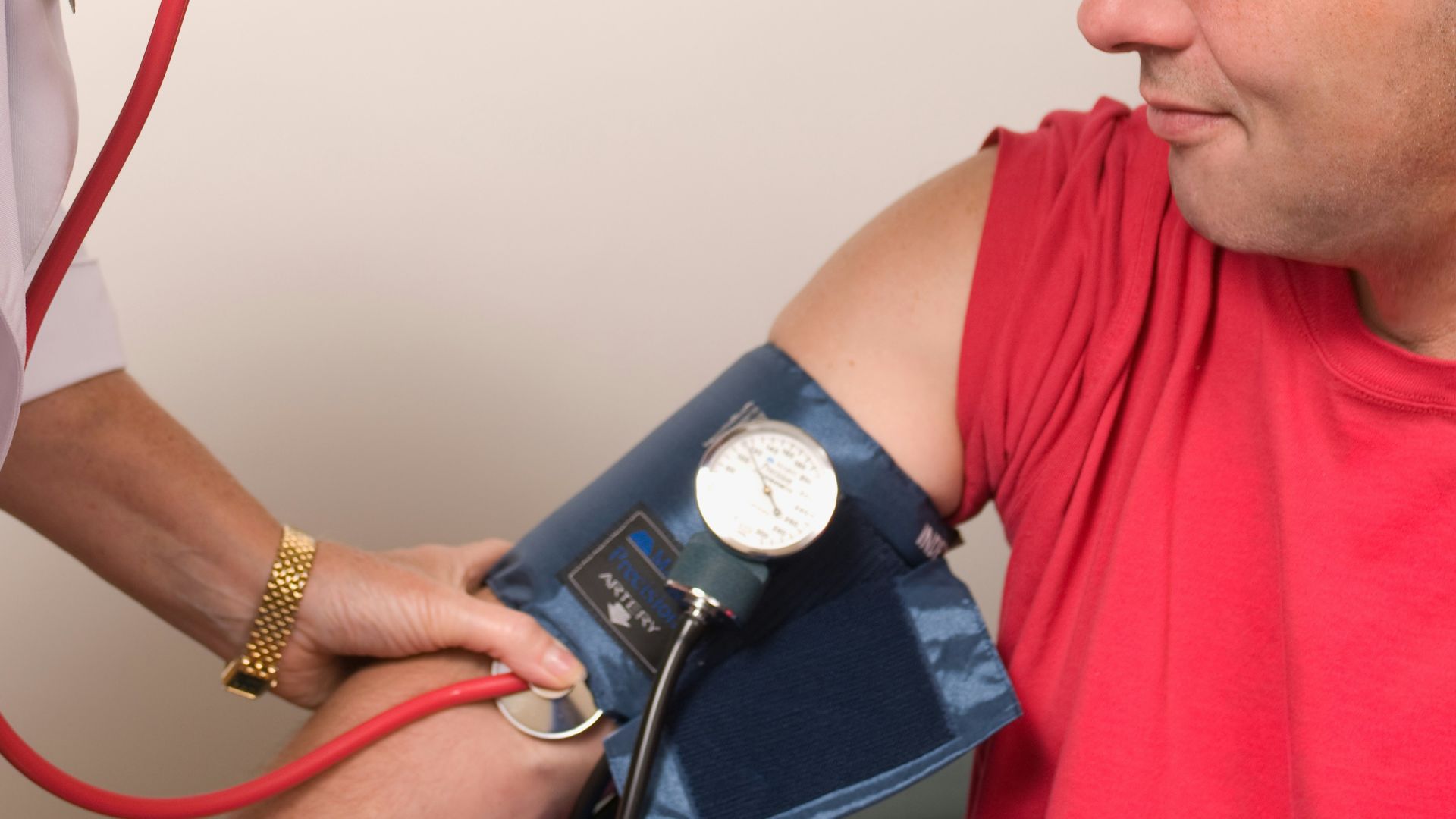
9. You Have High Blood Pressure Too
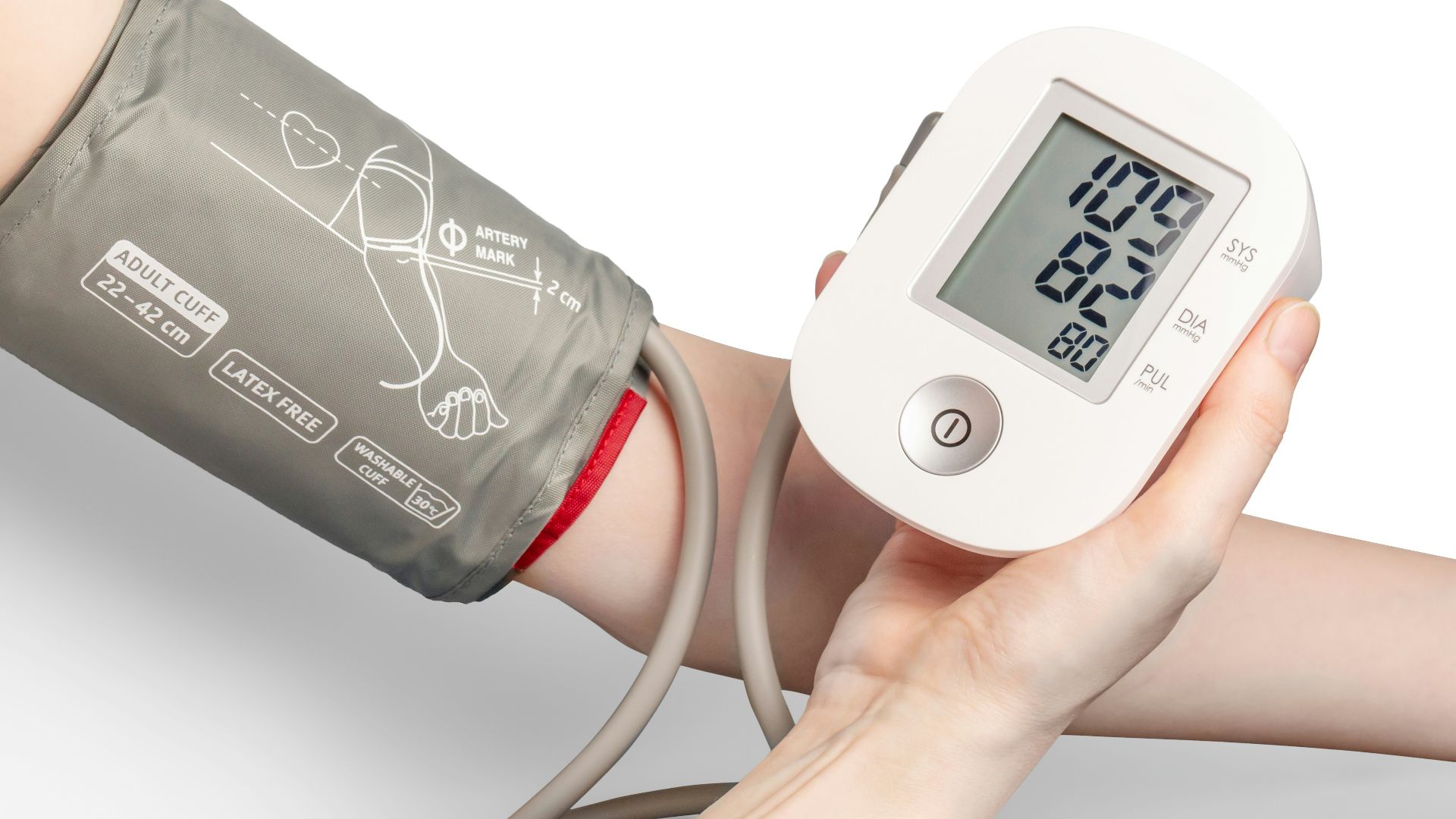
High cholesterol and high blood pressure often travel together, and neither one needs much drama to cause trouble. Cholesterol-related plaque can stiffen and narrow arteries, while high blood pressure adds extra strain on blood vessel walls. Together, they can raise the risk of heart disease and stroke.
10. You’ve Been Diagnosed With Diabetes
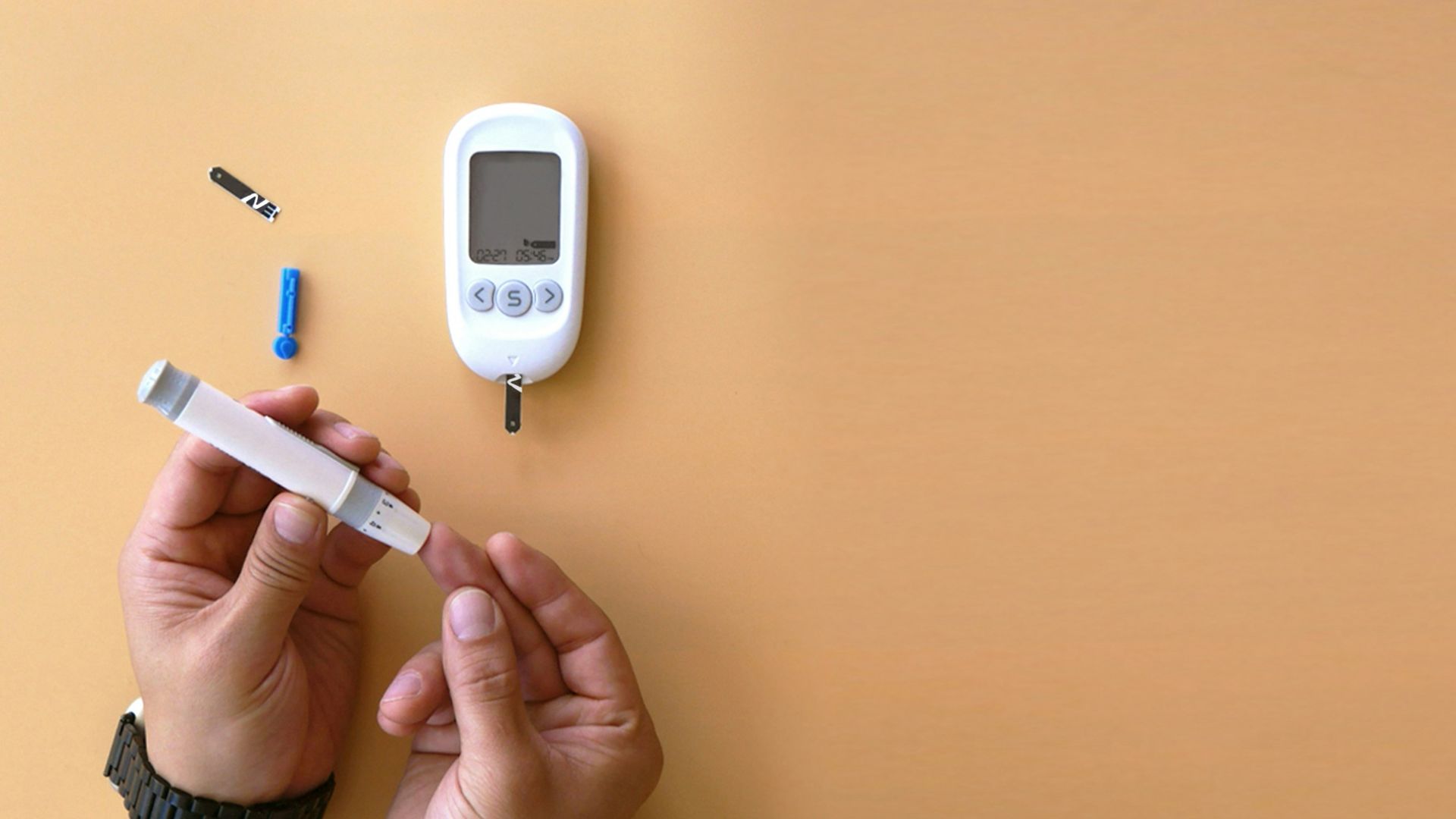
Diabetes can change cholesterol patterns and increase the risk of cardiovascular disease. People with diabetes may have higher triglycerides, lower HDL, and more artery-damaging LDL particles, even when total cholesterol doesn’t look shocking. That makes cholesterol testing especially important.
11. You Smoke or Recently Quit
Smoking damages blood vessels and lowers HDL, the “good” cholesterol that helps get rid of the bad stuff. If your cholesterol is already high, smoking can make the artery situation much worse. Even after quitting, it’s smart to know your numbers and talk about your overall heart risk.
 Muhammad Shamaoon Malik on Pexels
12. You’re Carrying More Weight Around Your Middle
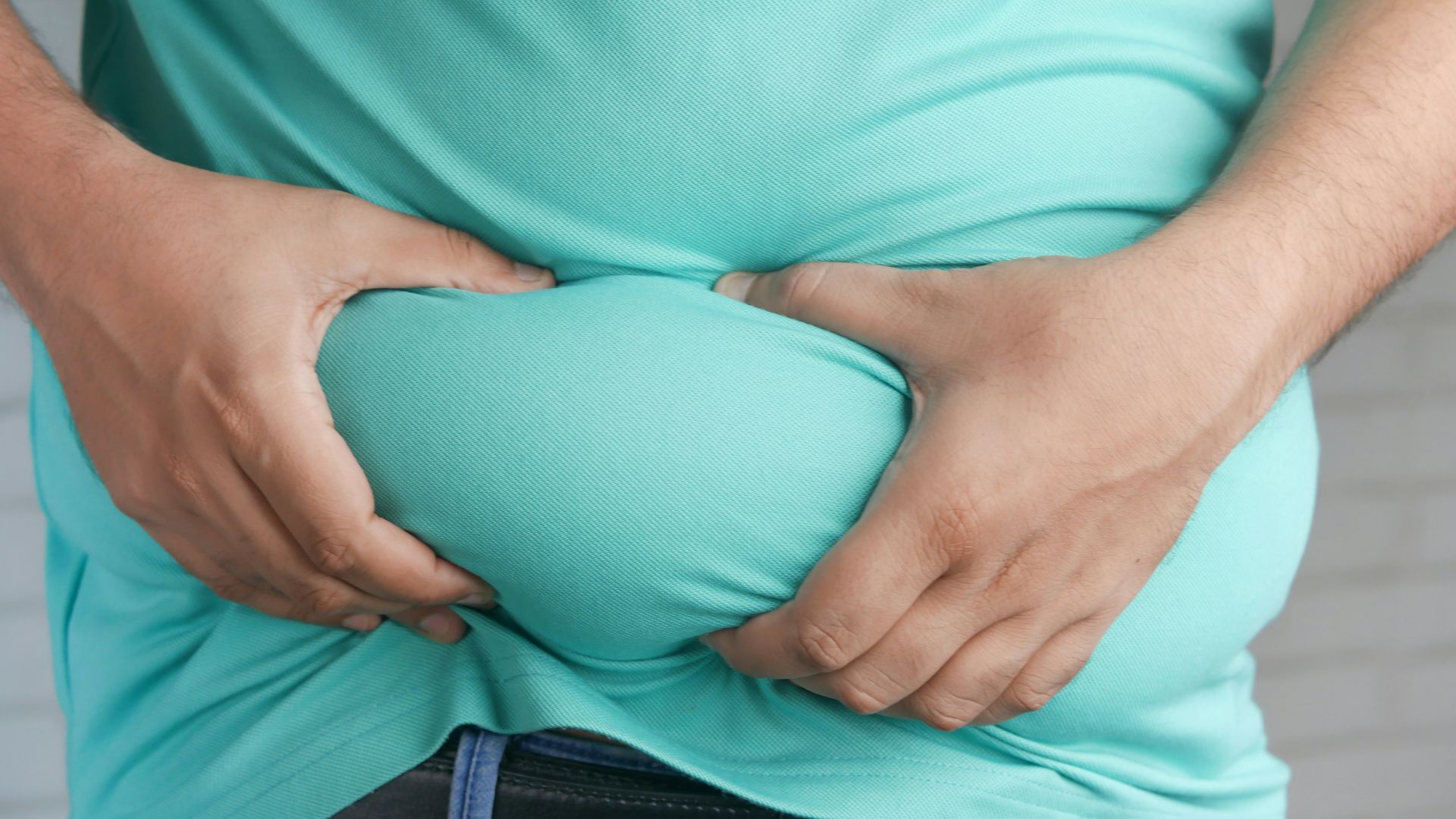
Extra weight around the abdomen can be linked with higher LDL, higher triglycerides, lower HDL, and insulin resistance. This doesn’t mean body size tells the whole story, because plenty of people with high cholesterol don’t “look” at risk. Still, waist weight can be one clue that your metabolic health deserves attention.
13. You Feel Short of Breath With Mild Activity
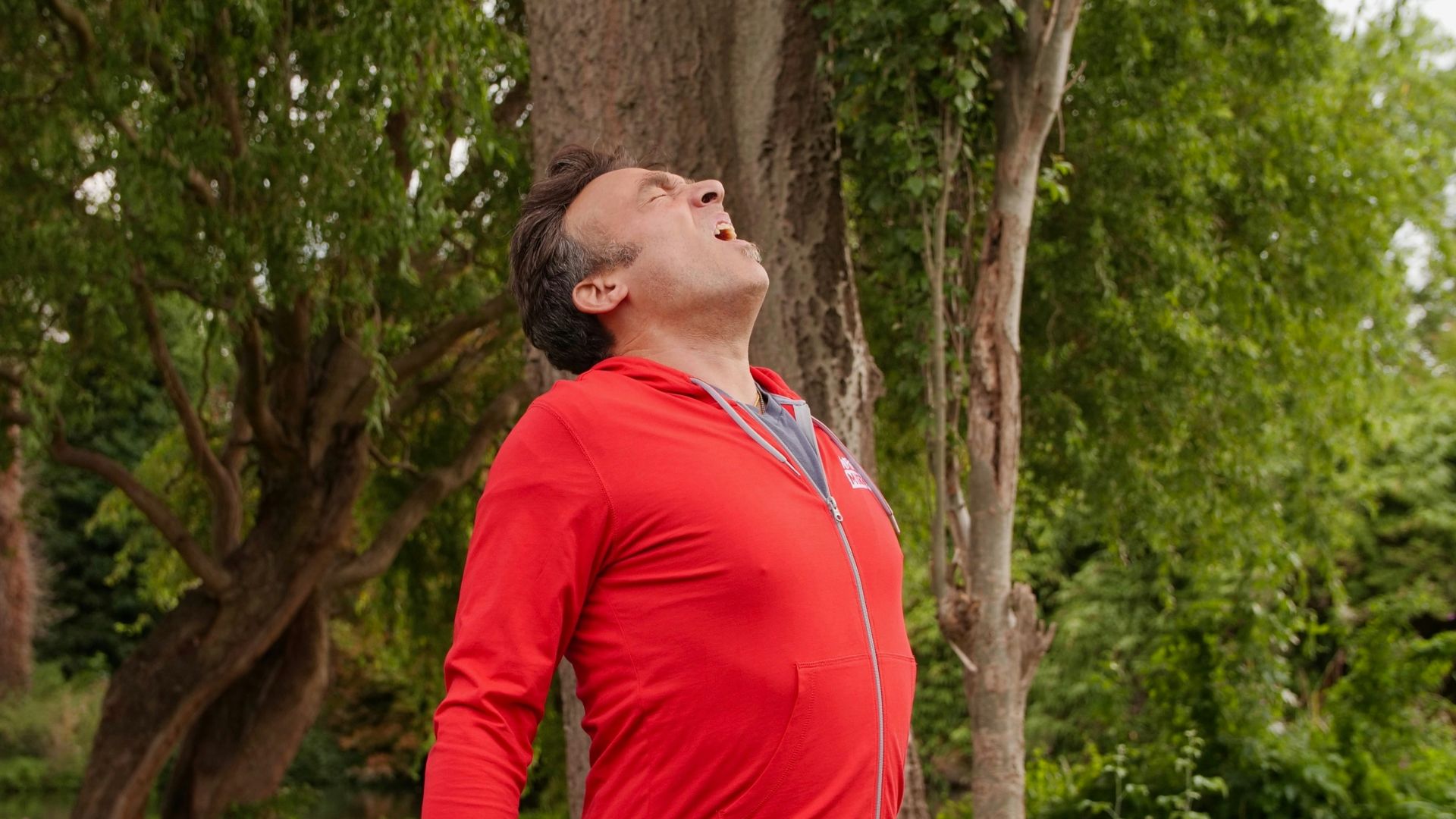
Shortness of breath during everyday activities can be related to many issues, including asthma, anemia, lung problems, stress, or heart disease. If narrowed arteries reduce the heart’s blood supply, breathlessness may appear along with fatigue, chest discomfort, or reduced exercise tolerance. This is especially important if it’s new or getting worse.
14. You Get Dizzy or Weak Suddenly
Sudden dizziness, weakness, trouble speaking, facial drooping, or vision changes can be warning signs of a stroke or transient ischemic attack. High cholesterol raises stroke risk by contributing to plaque buildup and possible blood flow problems. These symptoms need emergency attention, not a wait-and-see attitude.

15. Your Diet Is Heavy in Saturated & Trans Fats
A diet high in fatty processed meats, fried foods, butter-heavy meals, full-fat dairy, packaged baked goods, and trans fats can raise LDL cholesterol in many people. Food is not the only factor, but it’s a major one you can actually influence. If most meals come from a drive-thru window or a crinkly package, your arteries may not be thrilled.

16. You Have a Sedentary Lifestyle
Lack of regular physical activity can contribute to unhealthy cholesterol patterns, including lower HDL and higher overall cardiovascular risk. Exercise can help improve heart health, support weight management, and improve how the body handles fats in the blood. You don’t have to become a marathon runner, but consistent activity will help.

17. You Have Frequent Leg Cramps at Night
Night leg cramps are common and can come from dehydration, medications, nerve issues, or muscle fatigue. Still, if cramps come with cold feet, numbness, weak pulses, or walking pain, circulation problems should be considered. PAD symptoms can be subtle or absent, and high cholesterol is one risk factor for it.
18. You’ve Had a Heart Attack, Stroke, or PAD Before
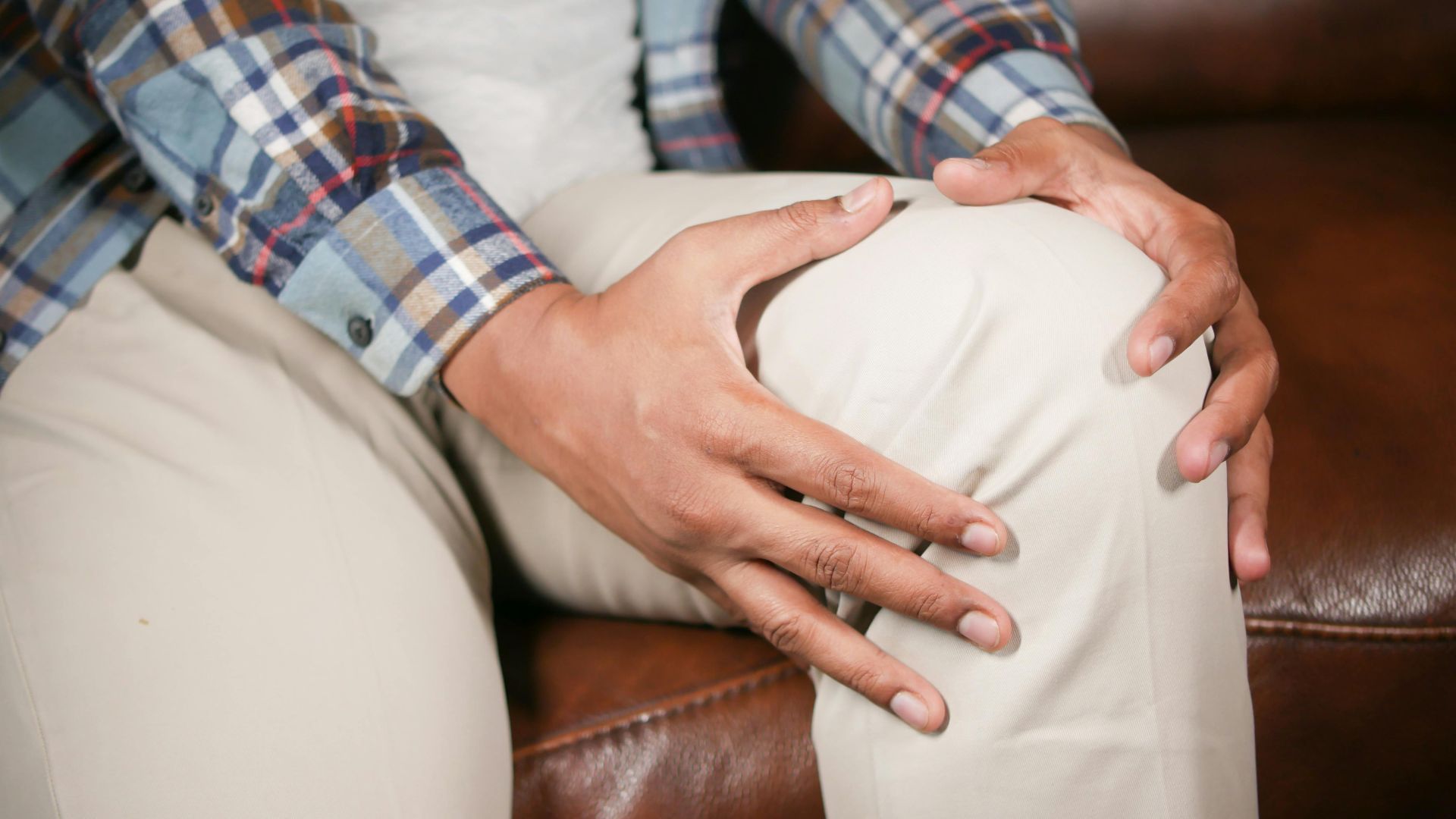
If you’ve already had a cardiovascular event or been diagnosed with peripheral artery disease, cholesterol management becomes especially important. High LDL and triglyceride levels can raise the risk of future heart attacks, strokes, and worsening PAD. This is not about blame; it’s about prevention and keeping the next chapter calmer.
19. You Have Erectile Dysfunction
Erectile dysfunction can sometimes be an early clue of blood vessel problems. Since action down there depends on healthy blood flow, plaque buildup and poor circulation can play a role. This symptom can also come from hormones, medications, stress, diabetes, or other health issues.
20. You Feel Fine but Have Multiple Risk Factors
One of the most important signs of high cholesterol is having no sign at all. You might feel completely normal while having a family history, high blood pressure, diabetes, smoking history, low activity level, or a diet that pushes LDL upward. That’s why cholesterol screening matters so much.
KEEP ON READING