
Build Endurance Without the Strain
If you think improving stamina requires punishing workouts, it’s time to reconsider. Low-impact cardio offers a smarter way to build endurance while being easier on your joints and more sustainable over time. These workouts can still challenge your heart and lungs without leaving you feeling worn down or injured. Whether you’re easing into fitness or looking to balance intense training, these 20 options help you stay consistent and strong.

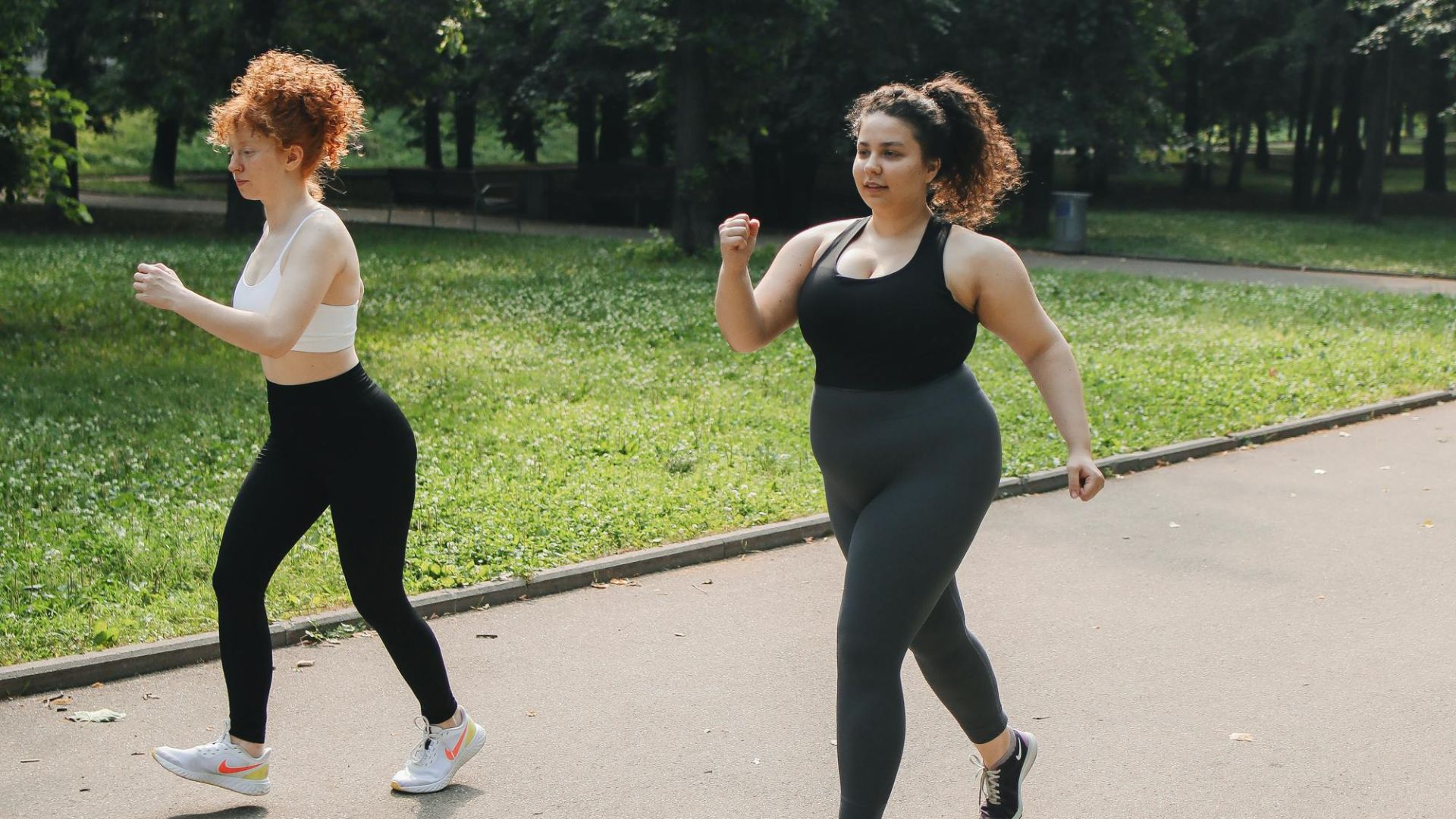
1. Brisk Walking
Brisk walking is one of the simplest ways to build stamina without stressing your body. By maintaining a steady pace, you’ll elevate your heart rate and improve endurance over time. It’s also easy to adjust intensity by adding hills or increasing speed.
2. Cycling
Cycling, whether outdoors or on a stationary bike, delivers consistent cardiovascular benefits. The smooth pedaling motion reduces joint strain while still engaging your legs and core. You can vary resistance to keep your workouts challenging. Longer rides help build endurance gradually without overwhelming your body. It’s also a practical way to stay active while commuting or exploring new areas.

3. Swimming
Swimming provides a full-body workout that’s gentle on your joints due to water buoyancy. It strengthens both cardiovascular endurance and muscle coordination. You’ll also benefit from controlled breathing patterns during each session.

4. Elliptical Training
Using an elliptical machine mimics running without the impact on your knees and hips. The fluid motion allows for longer sessions, which supports endurance gains. Many machines also let you adjust the incline and resistance. This flexibility makes it easier to progress at your own pace. It’s a reliable option for consistent indoor cardio training.

5. Rowing
Rowing combines upper and lower body engagement into one continuous movement. It builds stamina while improving posture and coordination. The low-impact nature makes it suitable for longer, steady workouts. Maintaining proper form ensures you get the most out of each session. It’s especially effective for developing full-body endurance.

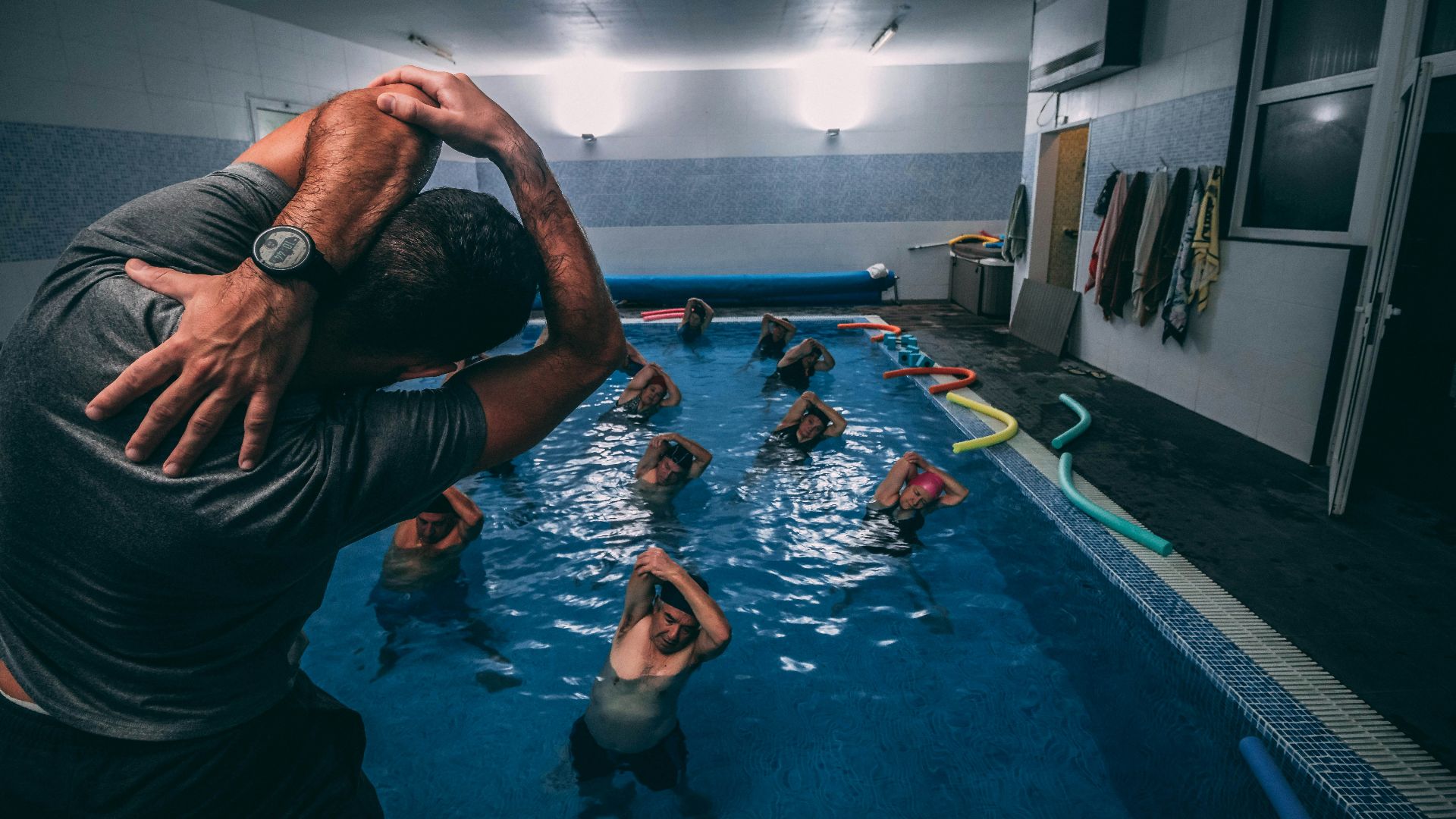
6. Water Aerobics
Water aerobics uses resistance from water to increase effort without adding stress to joints. The environment naturally supports your body, reducing strain. It’s a great option if you want a structured yet gentle workout.
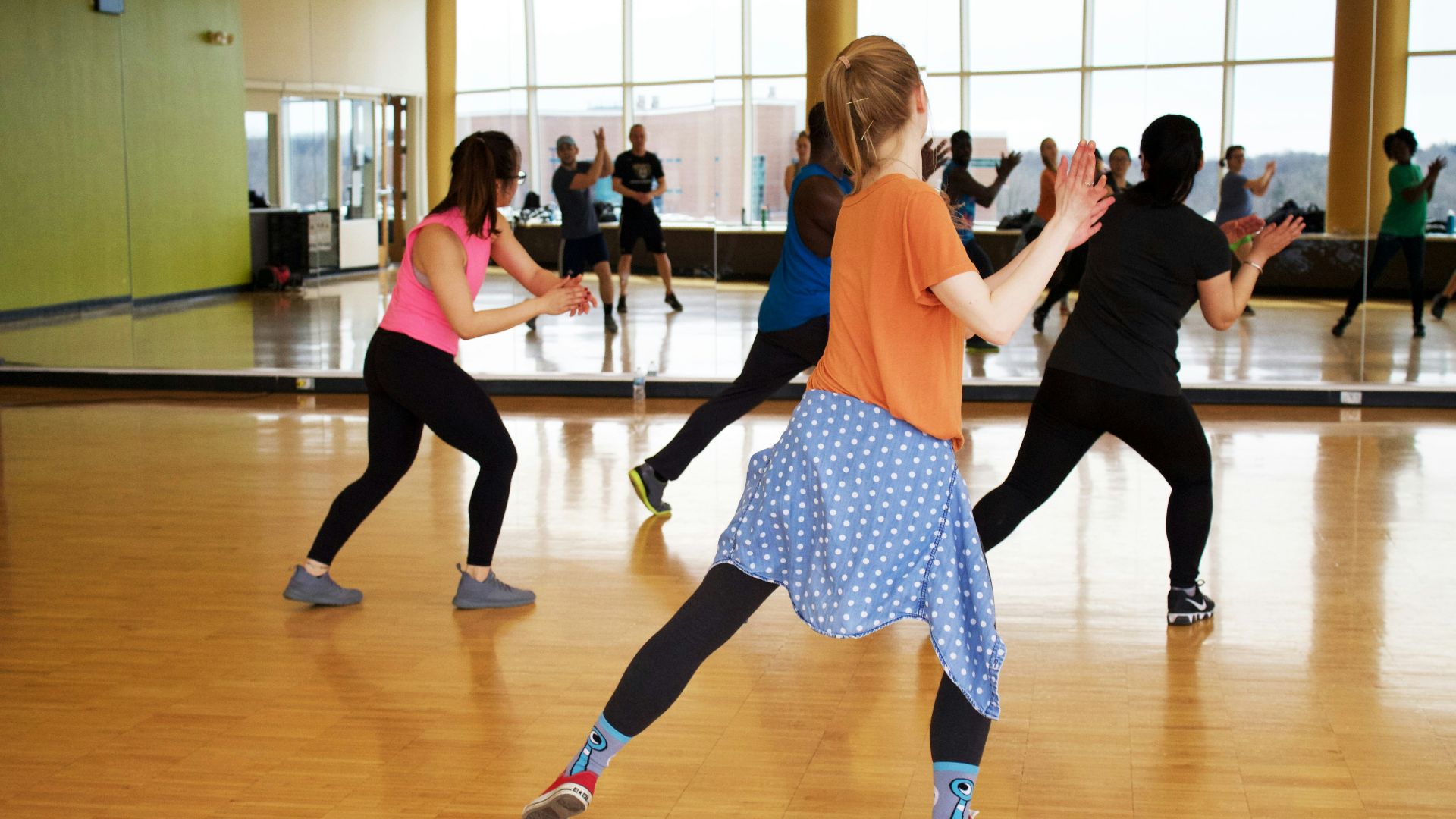
7. Dancing
Dancing offers a fun and dynamic way to improve cardiovascular fitness. Different styles allow you to vary intensity while staying engaged. You’ll also benefit from improved coordination and rhythm. It doesn’t feel like a traditional workout, which can help with consistency. Regular sessions can significantly boost your endurance.
8. Hiking
Hiking builds endurance through steady movement over varied terrain. Inclines naturally increase cardiovascular demand without requiring high-impact motion. It’s also an enjoyable way to stay active outdoors. You can adjust the difficulty by choosing different trails, and spending time in nature can also support mental well-being.
 Joel & Jasmin Førestbird on Unsplash
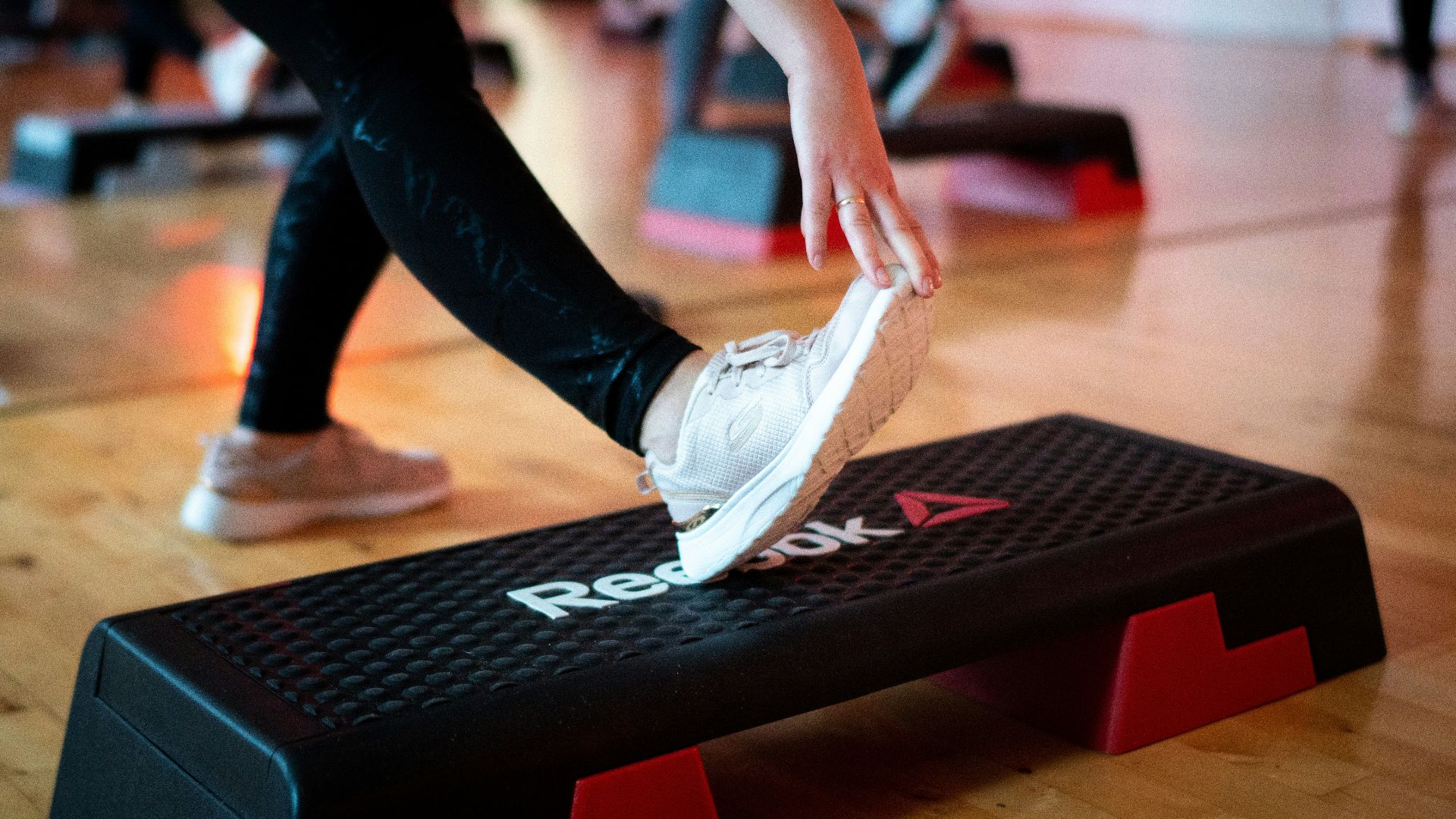
9. Step Aerobics
Step aerobics involves repetitive stepping patterns that raise your heart rate effectively. The controlled movements minimize impact while still challenging your stamina. You can adjust the step height to suit your fitness level. Following routines helps improve coordination over time, and it’s a structured option that keeps workouts engaging.
10. Pilates (Cardio-Focused)
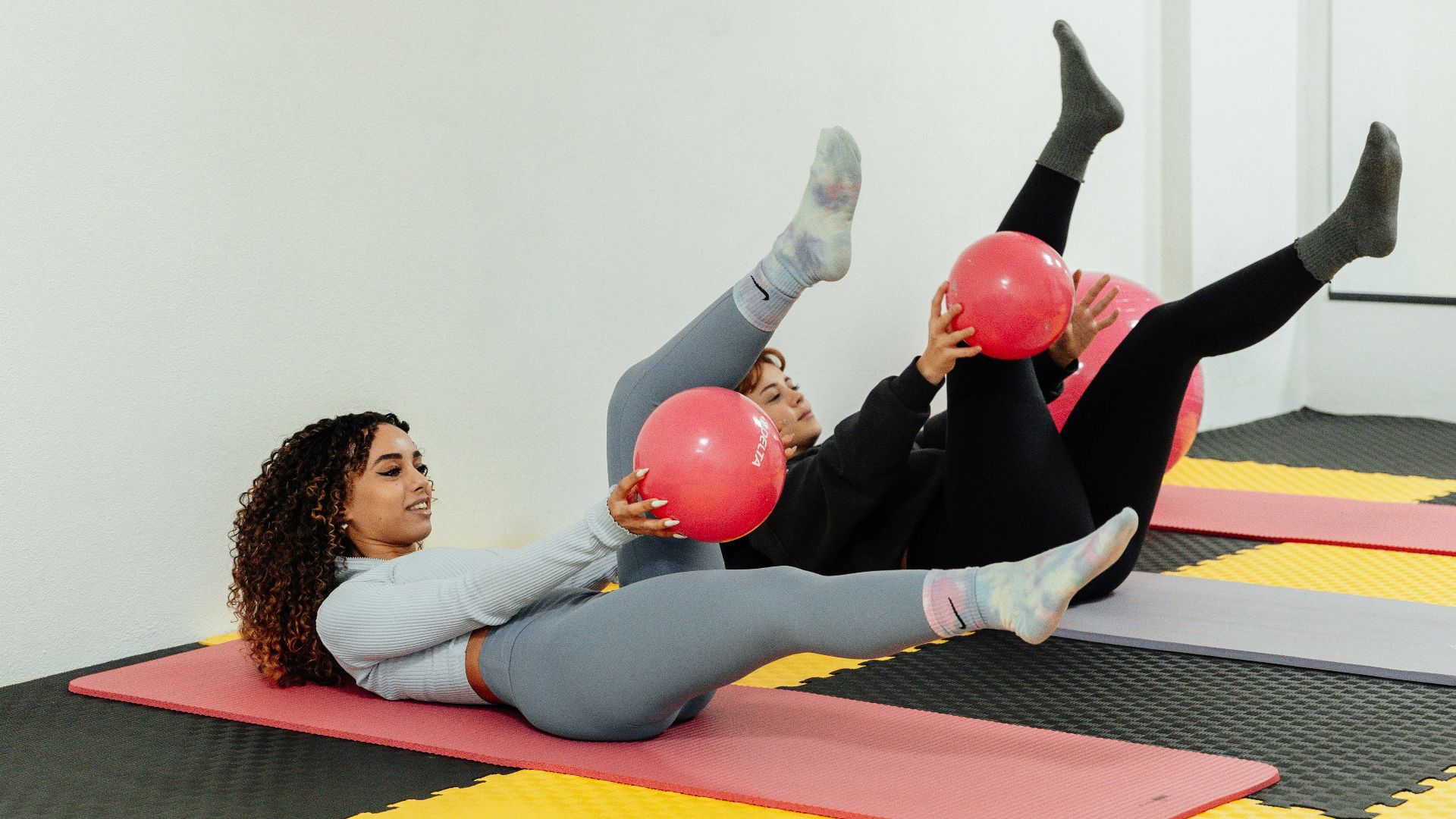
Certain Pilates routines incorporate continuous movement that elevates heart rate. These sessions focus on controlled breathing and muscle engagement.

11. Tai Chi
Tai Chi emphasizes slow, deliberate movements that improve circulation and endurance. While it may seem gentle, it requires sustained control and focus. It’s especially beneficial for long-term joint health. Practicing regularly can enhance balance and coordination. It also promotes relaxation while keeping your body active.

12. Low-Impact HIIT
Low-impact high-intensity interval training removes jumping but keeps intensity high. Movements like step-backs and controlled squats maintain effort without harsh impact. This approach builds stamina efficiently in shorter sessions. It’s ideal if you’re short on time but want results. Also, you can modify exercises to match your fitness level.
13. Stair Climbing
Climbing stairs at a steady pace challenges your cardiovascular system without requiring running. The repetitive motion strengthens your legs and improves endurance.

14. Inline Skating
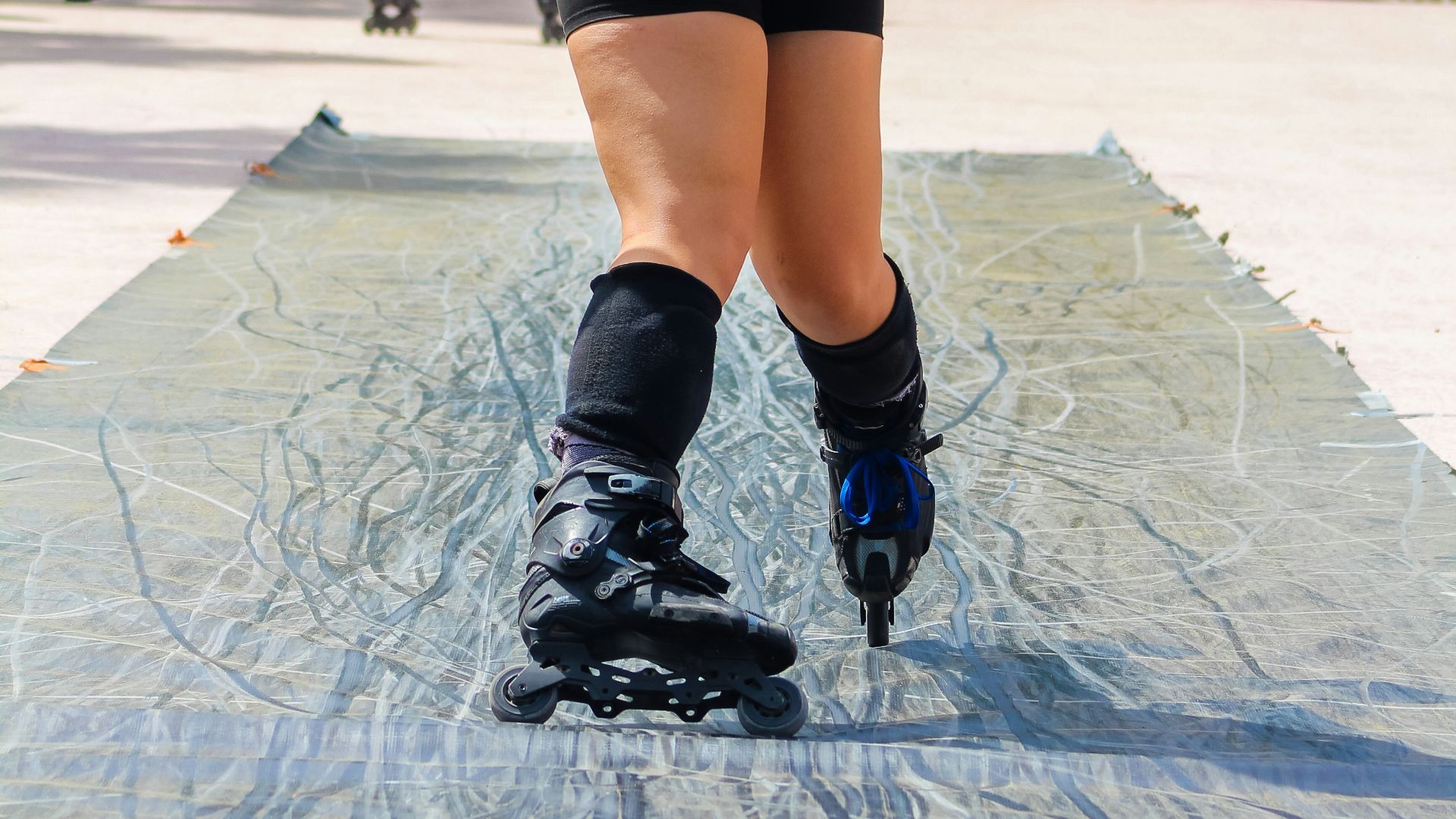
Inline skating offers a smooth gliding motion that’s easy on the joints. It engages your lower body while requiring balance and coordination. Over time, it helps improve both stamina and stability.
15. Resistance Band Cardio Circuits
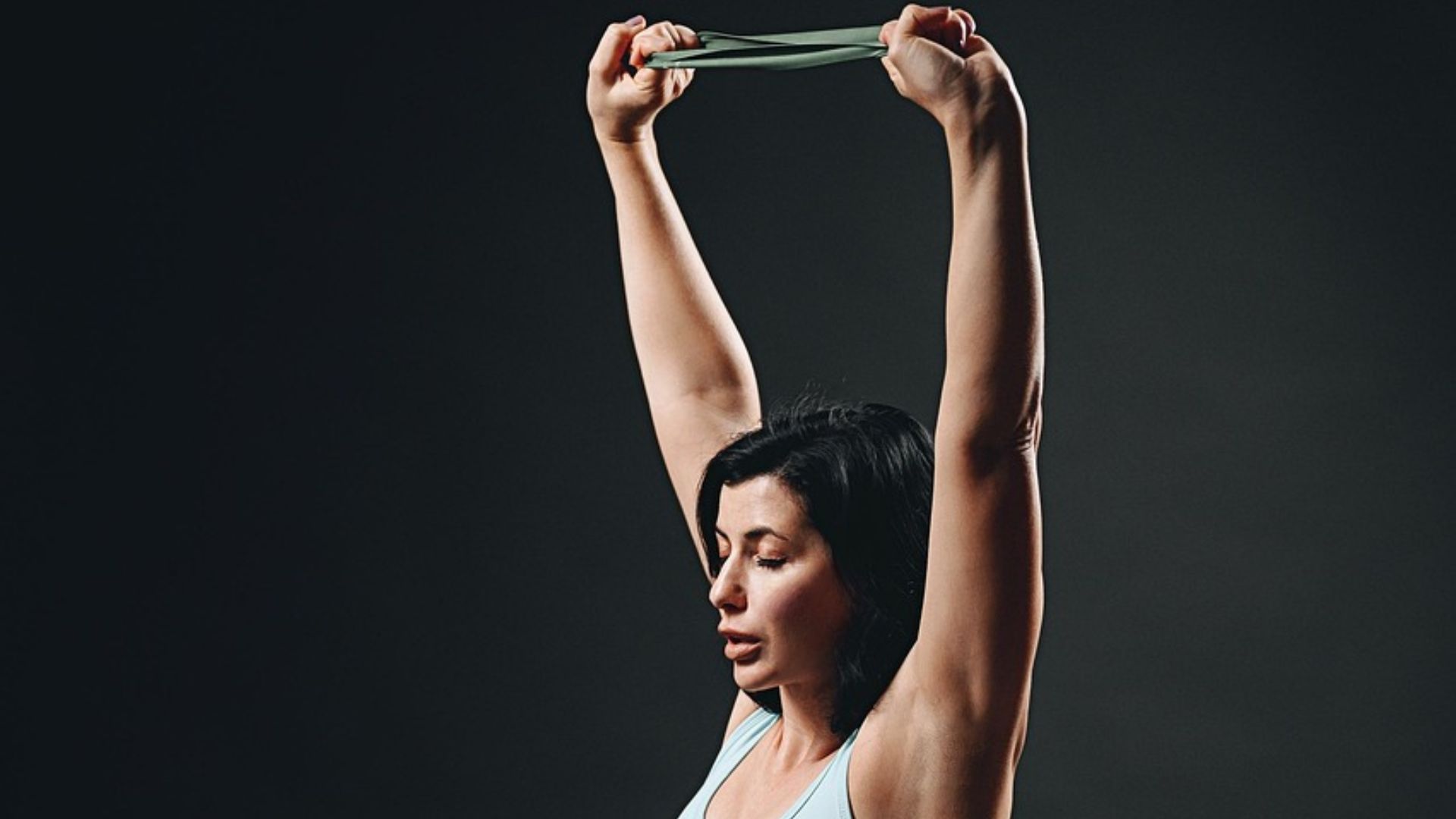
Using resistance bands in continuous circuits keeps your heart rate elevated. These workouts combine strength and cardio in a low-impact format. They’re also easy to modify based on your fitness level. Bands are portable, so you can exercise almost anywhere. This makes it a convenient option for consistent training.
16. Aqua Jogging
Aqua jogging mimics running motions while submerged in water. The buoyancy reduces impact while still providing resistance. It’s especially useful if you’re recovering from an injury but want to maintain endurance.

17. Barre Workouts
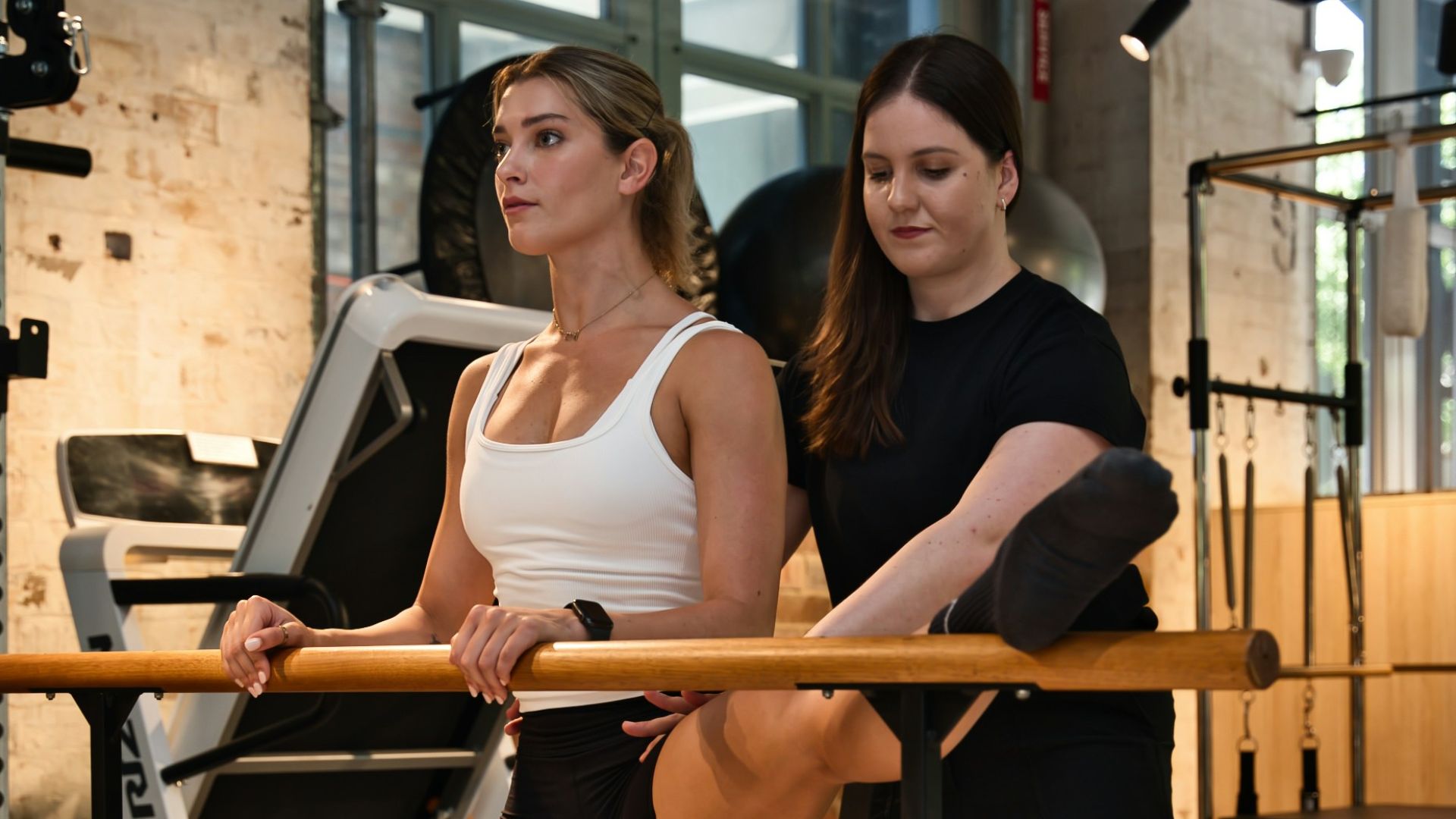
Barre combines small, controlled movements with continuous activity. While low-impact, it keeps muscles engaged for extended periods. This steady effort contributes to improved stamina over time.
 Performance Medicine on Unsplash
18. Kickboxing (Low-Impact)
Low-impact kickboxing removes jumping but keeps punches and kicks dynamic. The continuous motion raises your heart rate effectively. It’s a structured way to build endurance without excessive strain. Learning combinations can also improve coordination. It’s an engaging option that keeps workouts from feeling repetitive.

19. Cross-Country Skiing (or Machine)
This activity uses a gliding motion that works both the upper and lower body. It builds cardiovascular endurance while remaining gentle on joints.

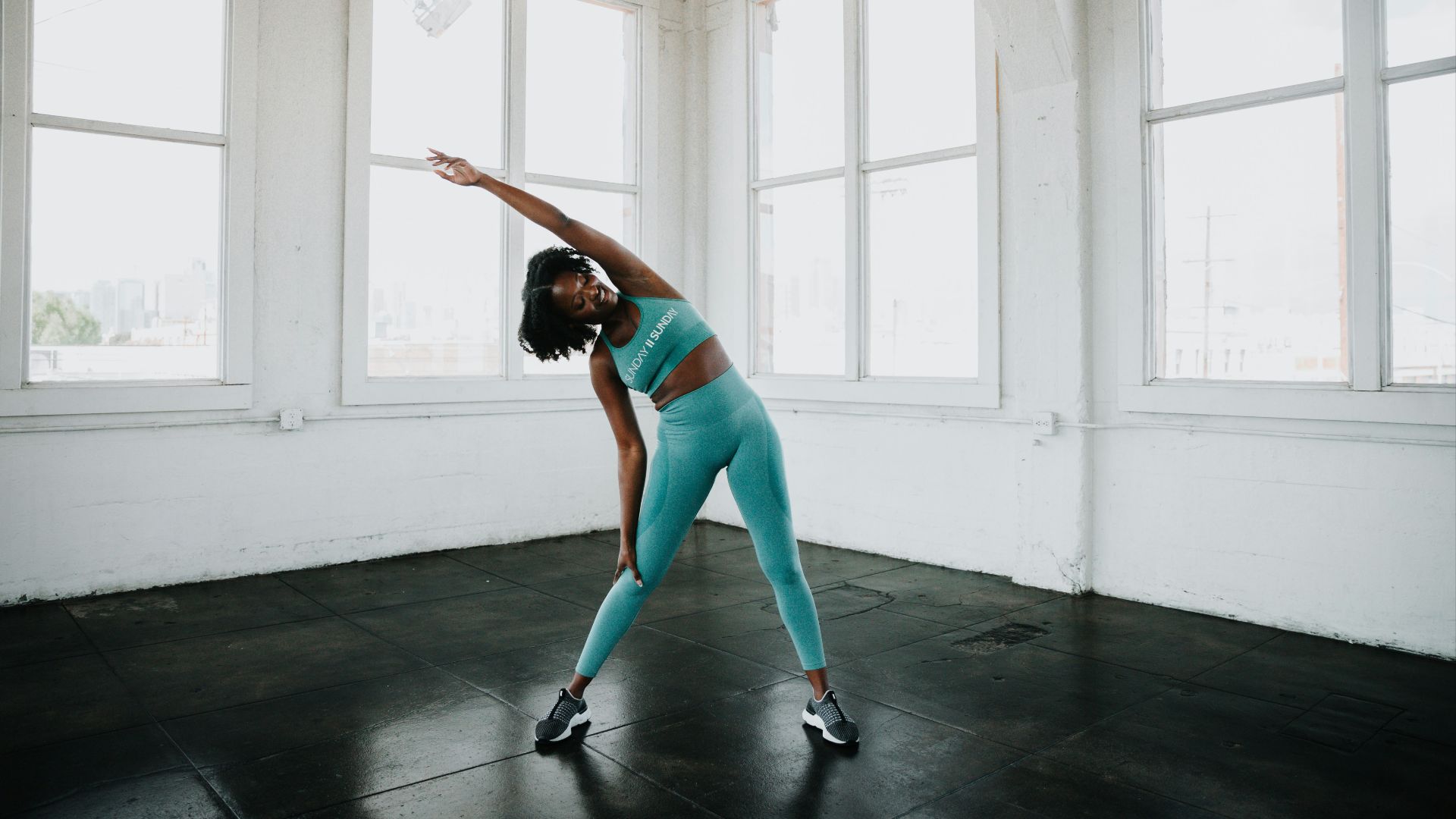
20. Mobility Flow Cardio
Mobility-based flows link stretches and movements into continuous sequences. This keeps your body moving while improving flexibility and circulation. It’s a balanced approach that supports stamina without overexertion.
KEEP ON READING