
Forgetting What's Truly Important
Most obsessions start out normal, but when they start negatively affecting your life and your way of thinking, that's when things get a bit dangerous. These preferences turn into something that quietly controls every aspect of you, from your mood to your decisions and self-worth. Here are 20 unhealthy obsessions people often fall into, even when they don't realize it.

1. Perfection
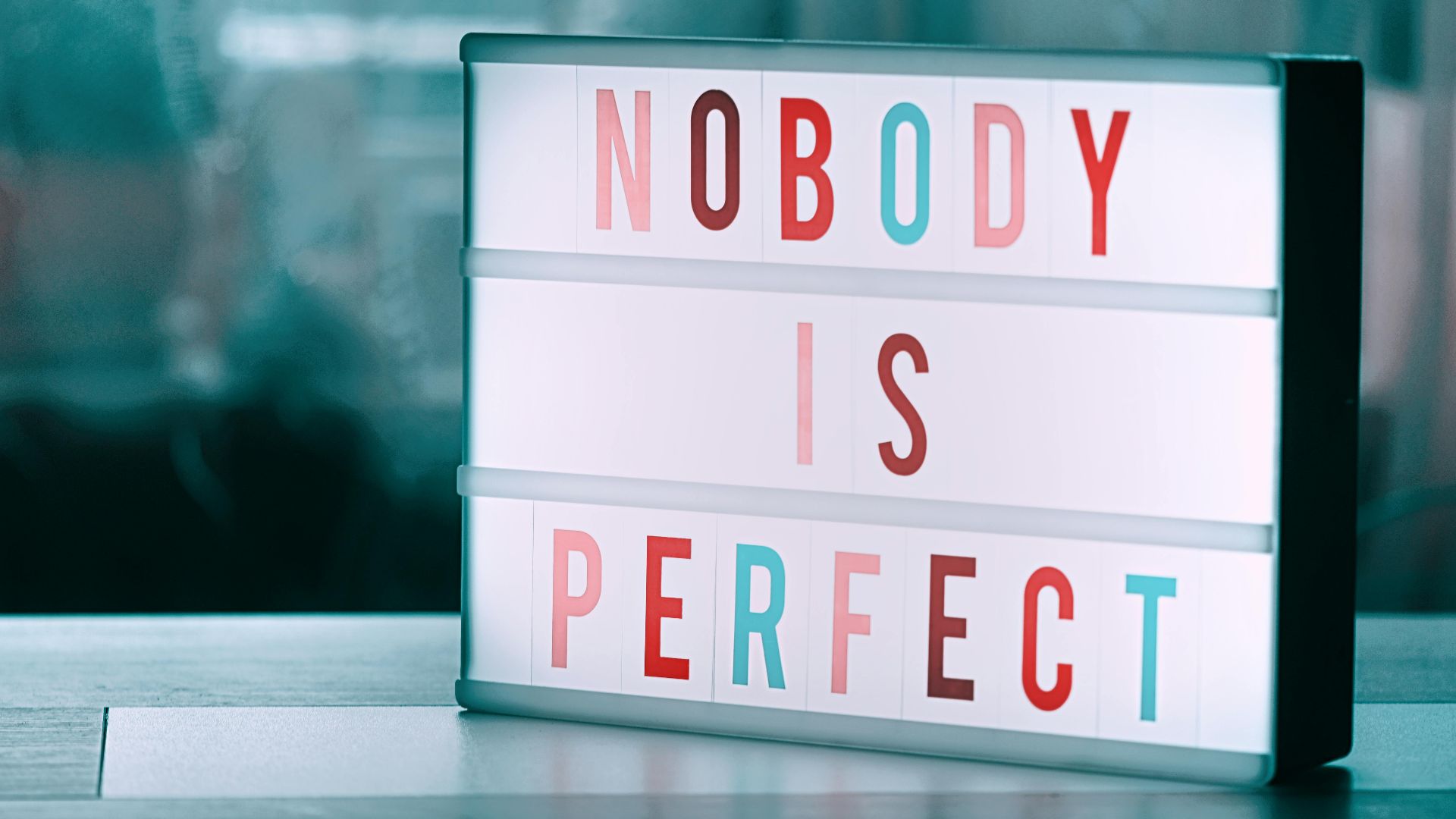
Wanting to do things well is never the issue; the trouble only begins when perfection becomes the minimum standard you allow yourself. To put it simply, it's unrealistic! You'll start delaying progress, be overly critical, and feel like nothing you ever do is good enough if you become obsessed with perfection.
2. Appearance
Everyone cares about how they look, but there's a difference if you're constantly monitoring your face, body, clothes, and weight. When too much of your confidence depends on appearance, one bad photo or comment can affect your entire day. It becomes harder to enjoy life when you're always evaluating how you look.

3. Productivity
Being productive can feel rewarding, which is why some people become obsessed with finding that high every day. But once you start feeling the need to optimize every hour, resting starts to feel like laziness instead of a healthy human need. And if you start feeling guilty about it, that's when you've taken it too far.

4. Other People’s Approval
Living for other people instead of yourself can be very dangerous. It becomes incredibly easy to slip into the habit of shaping your choices around what other people think and want. When approval starts becoming your goal, you lose your self-confidence and ability to make decisions on your own.

5. Social Media Attention
In today's highly digital world, likes, views, and comments have become very powerful sources of status and reputation. When you start caring about them too much, you'll find yourself posting less for enjoyment and more for validation, which completely changes your relationship with social media.

6. Being Right
Being focused on winning arguments makes you lose sight of what's truly important. Instead of caring about the other person and trying to understand their point of view, you'll do whatever it takes to win the conversation. You're turning everything into a competition, which can make you tiring to deal with; you're just pushing people away with this behavior.
 Sebastian Herrmann on Unsplash
7. Cleanliness
You might think there's nothing wrong with loving tidiness, but an obsession with cleanliness can actually be very hard to live with. It can make daily life tense and rigid, especially if every object needs to be arranged perfectly or every surface needs to be spotless before you can relax. What started as a preference for order can turn into a constant source of stress.

8. Money
Financial stability matters, and there’s nothing unhealthy about wanting security. But it can become an issue when earning, saving, or tracking money becomes the center of your identity and emotional life. When you start treating every choice like a calculation and every relationship like a possible expense, that mindset can make life feel controlled by fear.

9. Status
Some people don’t just want success, they want the visible signs of it. From titles to luxury items, job prestige, and public recognition, these can become so important that they shape nearly every major decision. The problem is, status never stays satisfying for long because there’s always someone who seems to have more. All it is is endless chasing.

10. Romantic Attention
It's very human to desire love and connection, but constantly needing it can become emotionally destabilizing. It can make you far too dependent on other people's affections, and even worse, lower your independence and self-confidence. That often leads to unhealthy choices, ignored red flags, or relationships that exist mostly to fill a temporary emotional gap.

11. Control
There’s a difference between being organized and needing everything to happen exactly your way. When control becomes an obsession, unpredictability feels unbearable, even when the situation is minor. This might cause you to over-plan, micromanage, or struggle to trust other people with anything important. That can wear out both you and everyone around you.

12. Fitness
It's always good to be active, but becoming obsessed with fitness can turn unhealthy when missing one workout makes you feel guilty. Some people become so attached to routines, tracking, and physical results that movement stops being supportive and starts being punishing.

13. Being Busy
For some people, being busy becomes a personality trait they don’t know how to put down. They love feeling like they're important by having a packed schedule, but the reality is, that activity isn't all that meaningful. It's really just hiding a deeper concern, perhaps worrying over not doing enough or not making enough progress towards goals.
 Antoni Shkraba Studio on Pexels
14. Youth
For some people, accepting that we all age can be difficult. They might grow obsessed with looking, acting, and appearing younger, all in an attempt to fight against the natural course of life. But sadly, that focus shift just avoids visible change for as long as possible instead of just trying to live in the moment.

15. Success
This might seem like an innocent, healthy goal, until success becomes vague, endless, and tied to your worth as a person. If every achievement only creates pressure for the next one, you never get to experience satisfaction for very long.

16. News and Doomscrolling
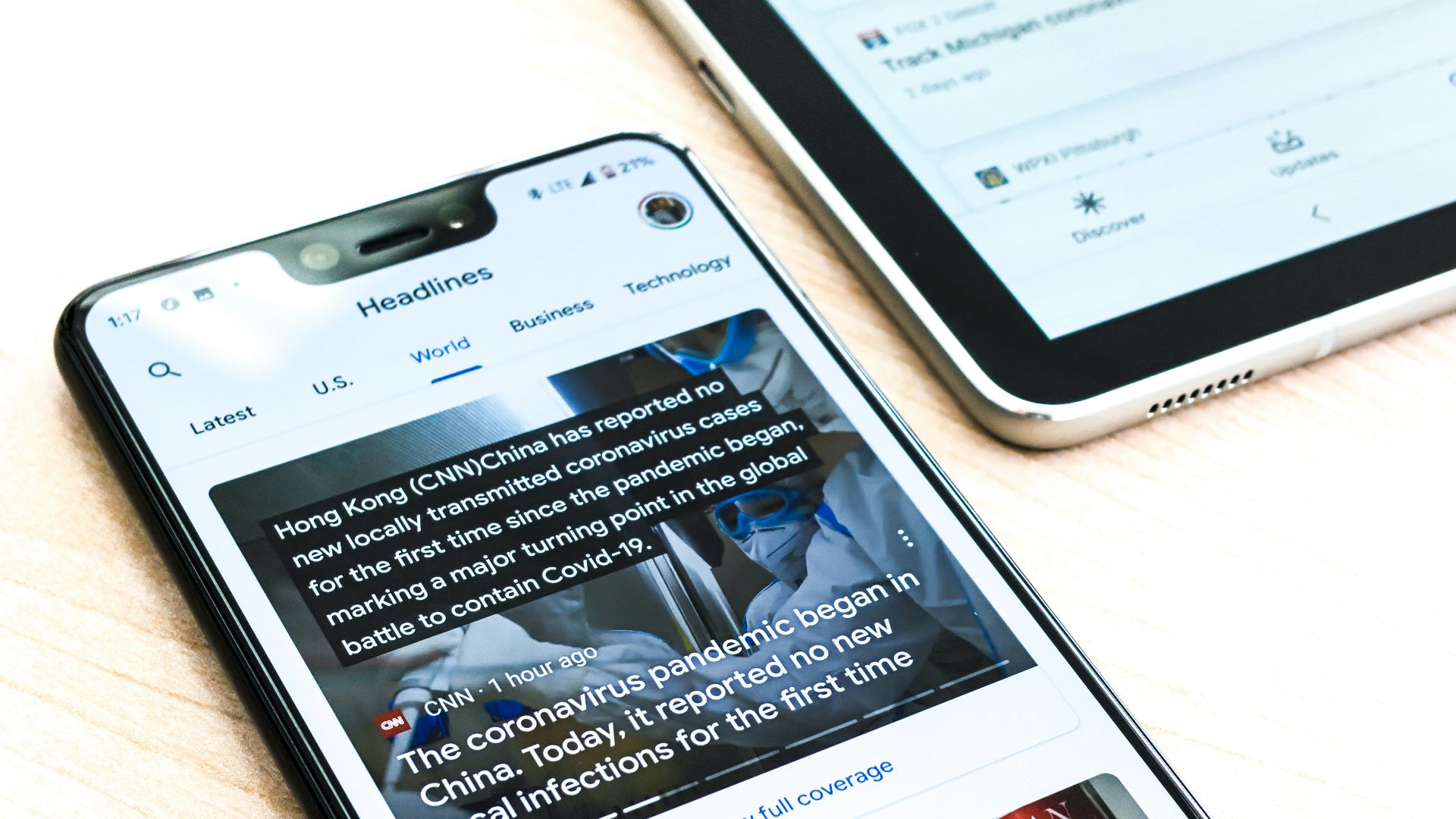
Staying informed about what's going on around the world is important, but constant checking can become emotionally harmful. There's a lot of terrible things happening everywhere, and reading into it too much can start to make you feel overwhelmed, restless, and even mentally overloaded.
17. Self-Improvement
Improving yourself can be healthy, but it can also become a trap. If every flaw needs fixing and every habit needs upgrading, personal growth can start to feel like nonstop self-correction. That kind of pressure can quietly turn into dissatisfaction disguised as ambition.

18. Revenge
Sometimes, we get hurt by other people, but holding onto that grudge and channeling it into a desire for revenge is unhealthy. It becomes a mental project that keeps tying you down to the very thing that hurt you. All that means is that person still has influence over your mood, attention, and peace of mind.

19. Health Tracking
It's important to keep an eye on your health, but not to the point that you become consumed by every number, symptom, and measurement. Instead of feeling informed, you'll start feeling alarmed by every small fluctuation. That kind of hyperfocus can make well-being feel less secure, not more.

20. Other People’s Lives
Nothing good comes out of comparing yourself to other people. That habit can distort your priorities because you’re reacting to appearances rather than reality. The more time you spend tracking everyone else, the less attention you give to building a life that actually suits you.

KEEP ON READING



10 Pre-Workout & 10 Post-Workout Tips To Follow