Cotton Swabs Might Be Your Ears' Worst Enemy
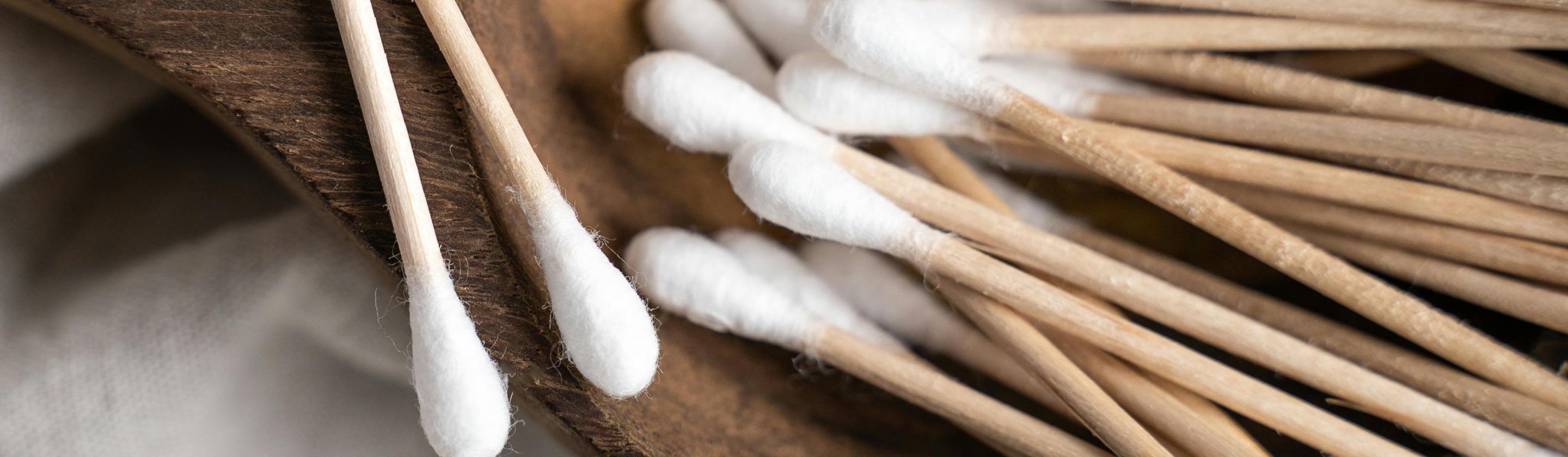
Q-tips have been a bathroom staple for decades, and it's easy to see why: they're small, convenient, and feel like the obvious tool for ear cleaning. But before you insert a few into your ears, it's worth knowing if it's actually helping you or causing more damage. Whether you use them occasionally or reach for one every single morning, you might want to get rid of the habit. Here are 10 ways cotton swabs are actually harming your ears, and 10 better cleaning methods to use instead.
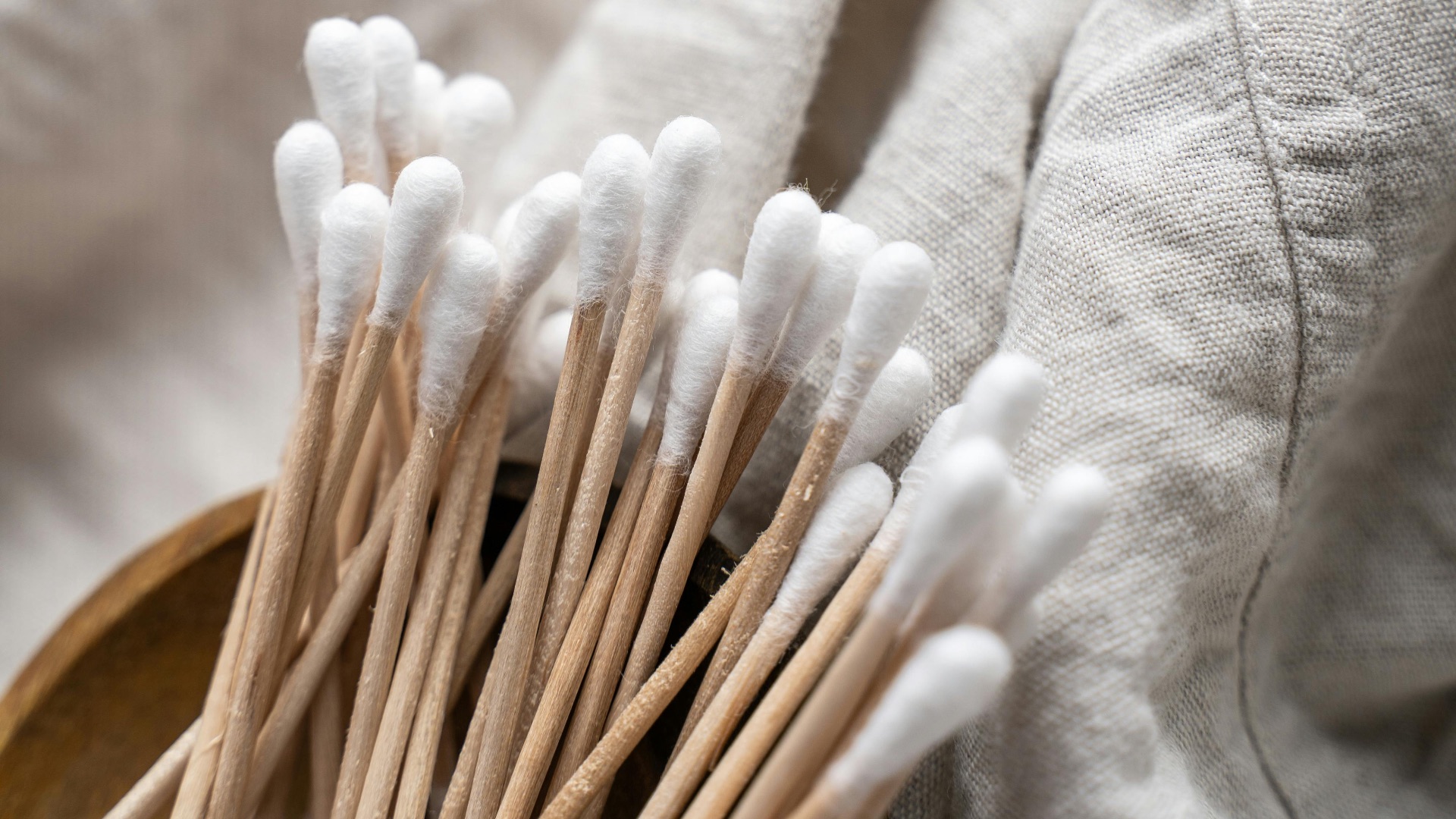
1. They Push Wax Deeper Into the Canal
Earwax isn't just sitting at the entrance of your ear waiting to be scooped out; it's distributed throughout the canal, and inserting a cotton swab compacts it further inward. Over time, this can lead to a buildup that's much harder to address than the original wax ever was. What feels like a thorough cleaning is often the opposite of what's actually happening.
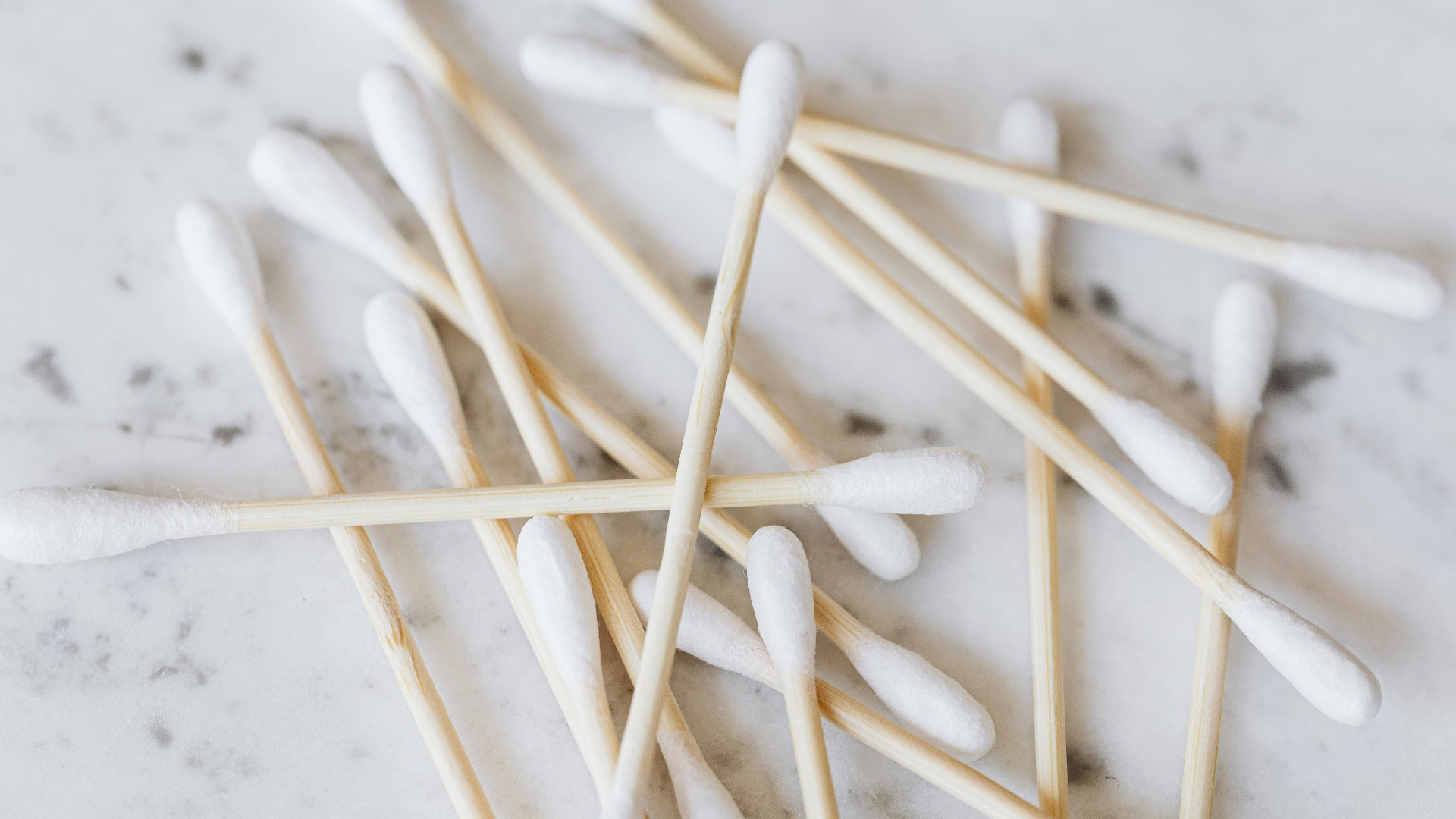
2. They Can Puncture Your Eardrum
The eardrum sits at the end of the ear canal, and it's closer to the surface than most people realize. If you insert a Q-tip too deeply (or someone accidentally bumps your arm while you're using one), you risk perforating it. A perforated eardrum is painful, can cause temporary hearing loss, and may require medical treatment to heal properly.
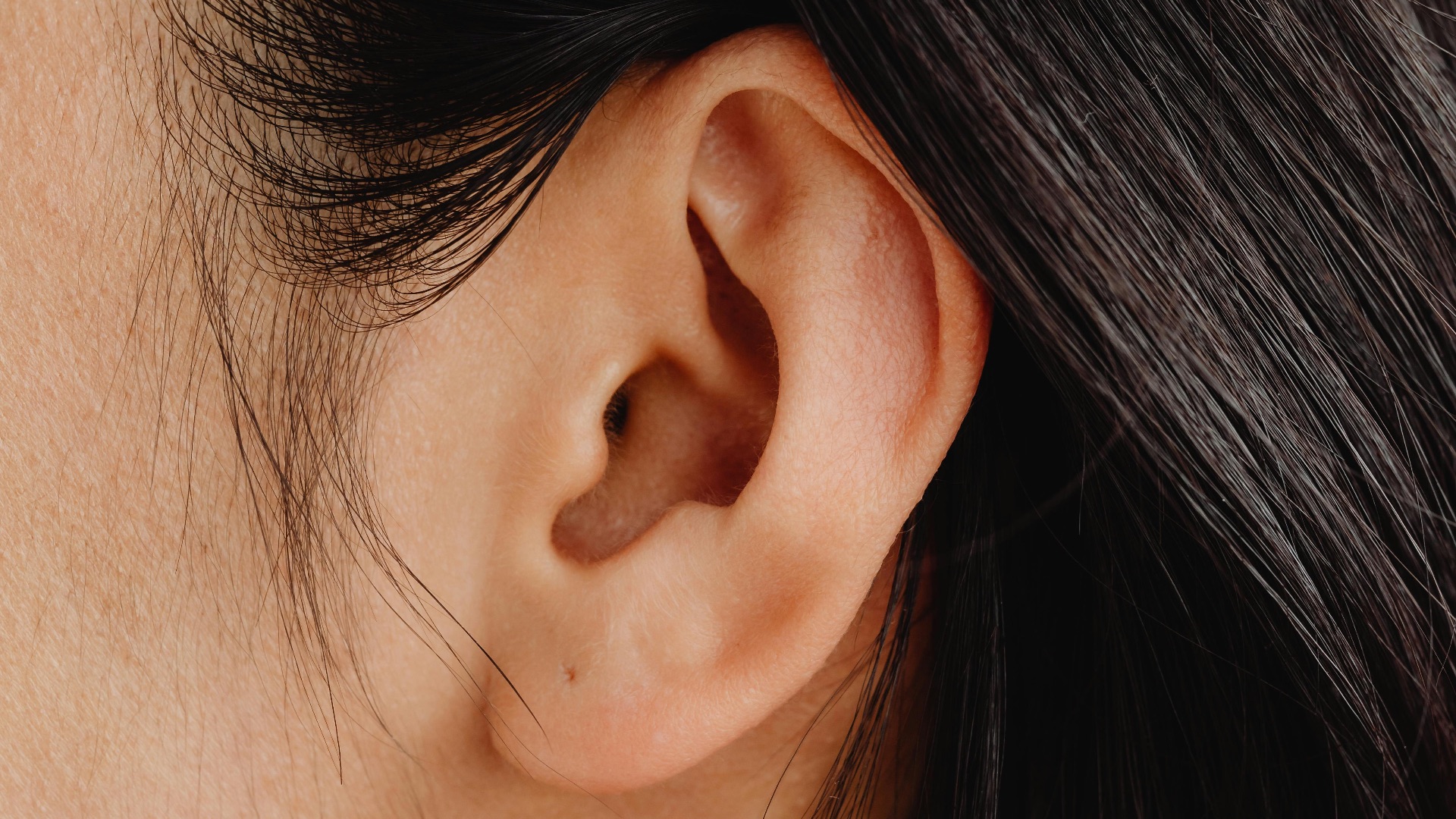
3. They Disrupt Your Ear's Natural Cleaning System
Your ears are self-cleaning by design, which is something a lot of people don't know. The skin inside the ear canal grows in an outward spiral pattern, naturally carrying debris and old wax toward the outer ear over time. When you regularly use Q-tips, you interfere with this process and essentially work against a system that was doing just fine on its own.
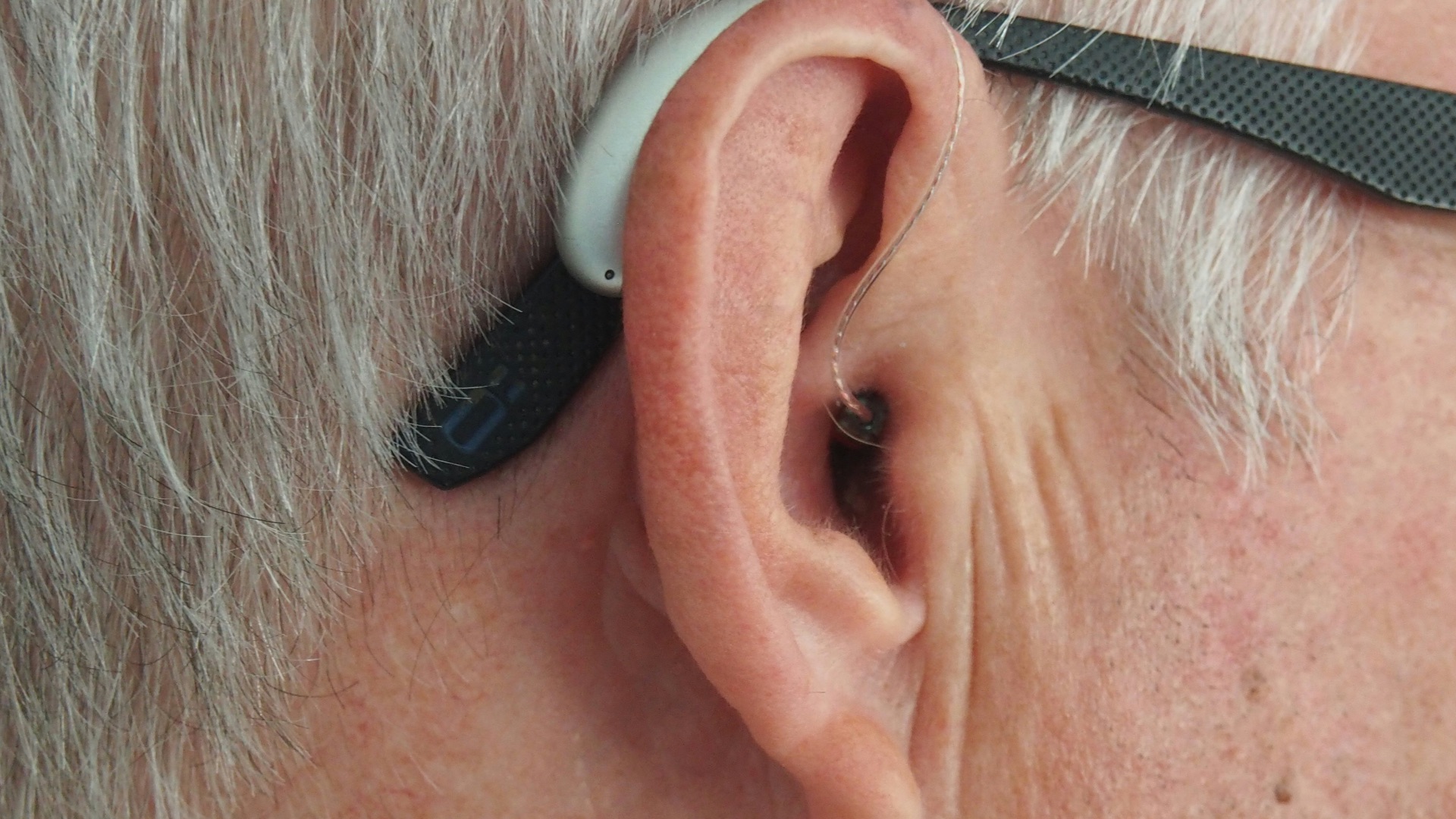
4. They Increase Your Risk of Ear Infections
Repeatedly inserting cotton swabs into the ear canal can irritate and break down the delicate skin that lines it. Once that skin barrier is compromised, bacteria have a much easier time taking hold and causing an infection. Swimmer's ear, or otitis externa, is one of the most common results of this kind of repeated irritation.
5. They Can Cause Earwax Impaction
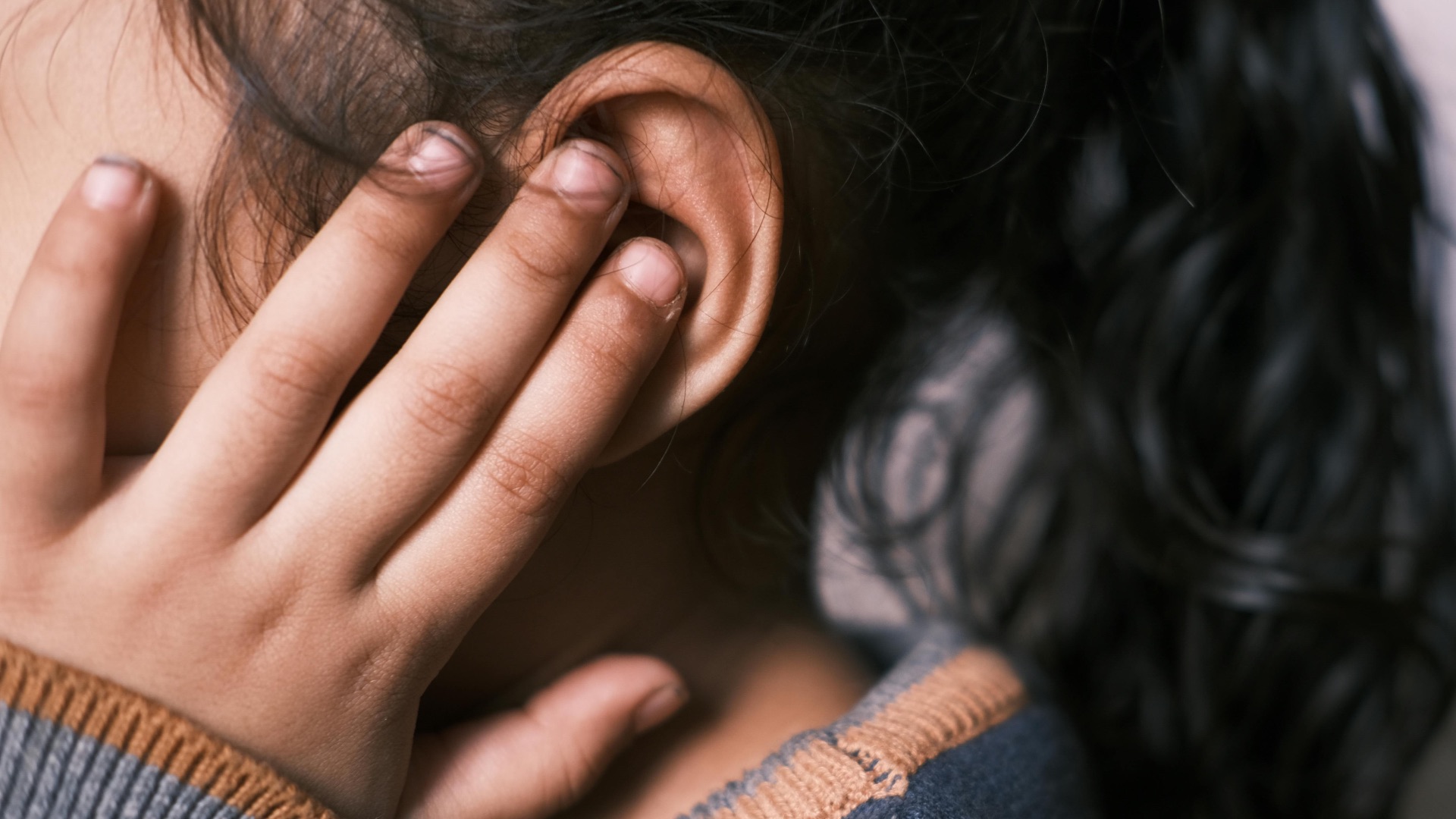
When wax gets pushed further into the canal instead of being removed, it can become impacted, meaning it's packed in tightly enough to cause real problems. Symptoms of earwax impaction include muffled hearing, a feeling of fullness in the ear, ringing, and even dizziness. This is a condition that often requires a doctor to treat, and Q-tip use is one of the leading causes.
6. They Remove Wax That's Actually Protective
Earwax isn't inherently a bad thing, but actually serves several important functions, including trapping dust and small particles before they travel deeper into the canal. It also has natural antibacterial properties that help keep the ear environment healthy. Stripping it away too aggressively leaves the ear more vulnerable than it would have been otherwise.

7. They Create a Persistent Itch Cycle
Using Q-tips regularly can dry out the skin inside the ear canal, which leads to itching, and that itch makes you want to reach for another Q-tip. This creates a cycle that's surprisingly hard to break once it's established. The more you use them to relieve the itch, the drier and more irritated the skin becomes, keeping the cycle going.
8. They Can Cause Temporary Hearing Loss
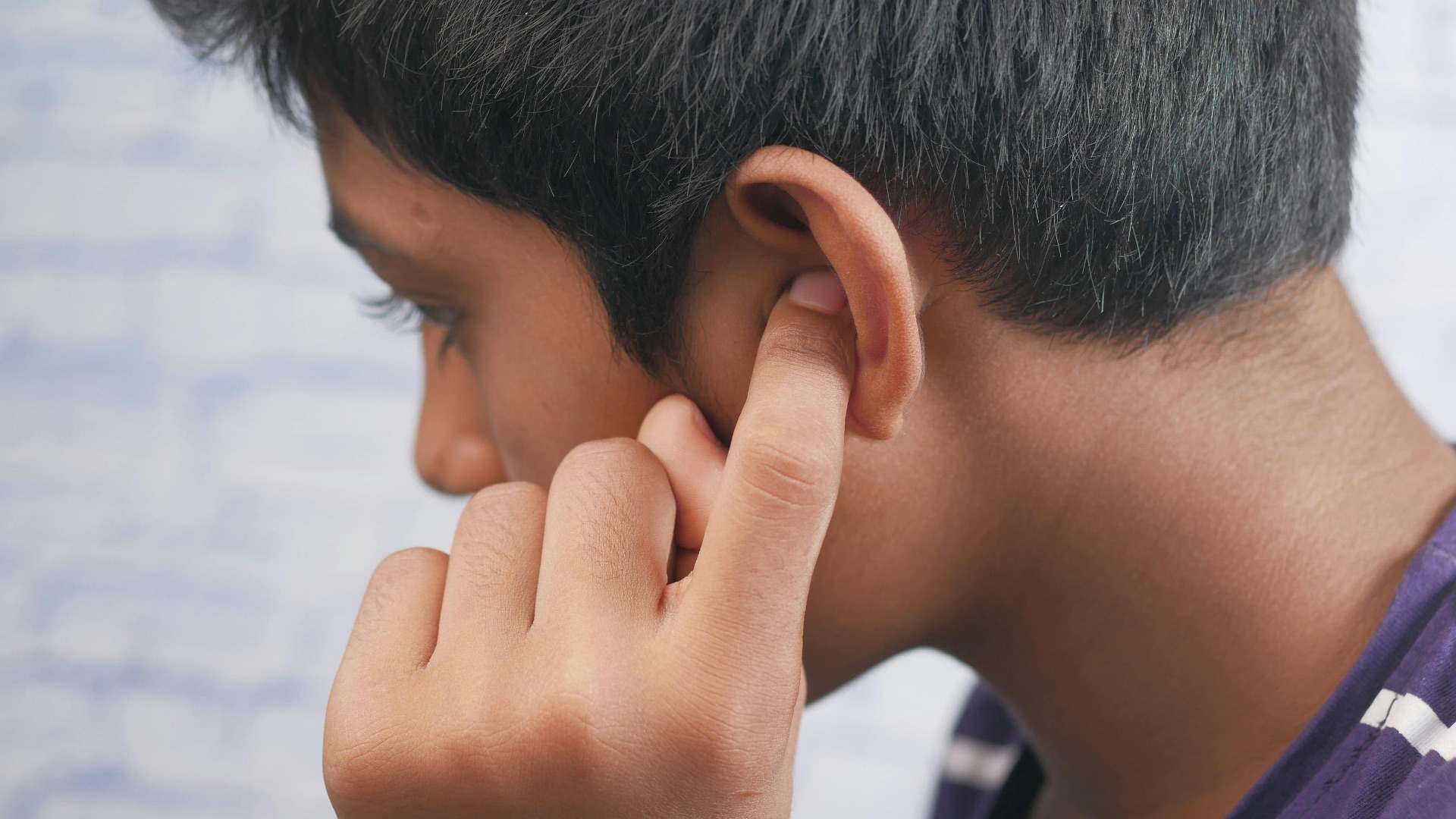
Compacted earwax sitting deep in the canal can muffle sound in a way that mimics hearing loss, which is understandably alarming the first time it happens. Many people don't connect this symptom to their Q-tip habit because the swab felt like it was clearing things out, not blocking them. It's one of the more counterintuitive consequences of a habit that seems so harmless.

9. They Damage the Delicate Skin of the Ear Canal
The skin inside your ear canal is thinner and more sensitive than the skin on the rest of your body, and it doesn't respond well to repeated friction. Regular swabbing can cause micro-abrasions that you might not feel in the moment but add up to chronic irritation over time. That redness and tenderness some people notice after cleaning is the ear's way of signaling that something isn't right.
10. They've Normalized a Habit Doctors Don't Recommend
The widespread availability of Q-tips has made ear swabbing feel like standard hygiene, even though medical guidelines have consistently advised against inserting anything into the ear canal. It's one of those habits that became "accepted" long before anyone stopped to question whether it was actually a good idea.
Now that you know what's working against you, the better news is that there are plenty of ear-friendly alternatives that actually do the job safely. These methods are doctor-approved, easy to use at home, and won't set off the chain of problems that cotton swabs can cause.

1. Let Your Ears Do Their Own Thing
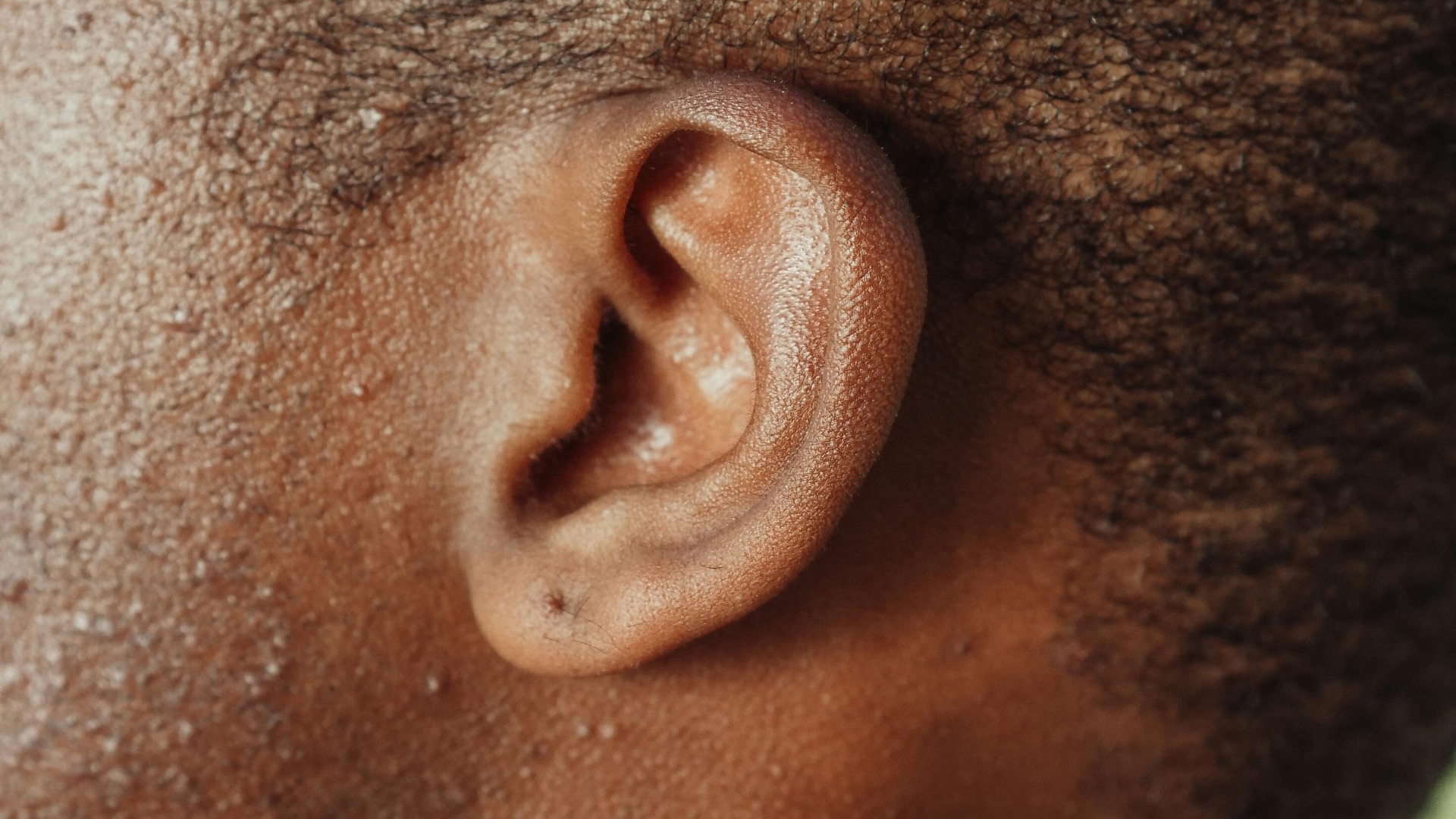
For most people, the healthiest approach to ear hygiene is actually simply doing nothing at all when it comes to the canal itself. Your ears are designed to move wax outward naturally, and interfering with that process usually causes more problems than it solves. Cleaning the outer ear with a washcloth is typically all the maintenance most ears actually need.
2. Use a Warm, Damp Washcloth
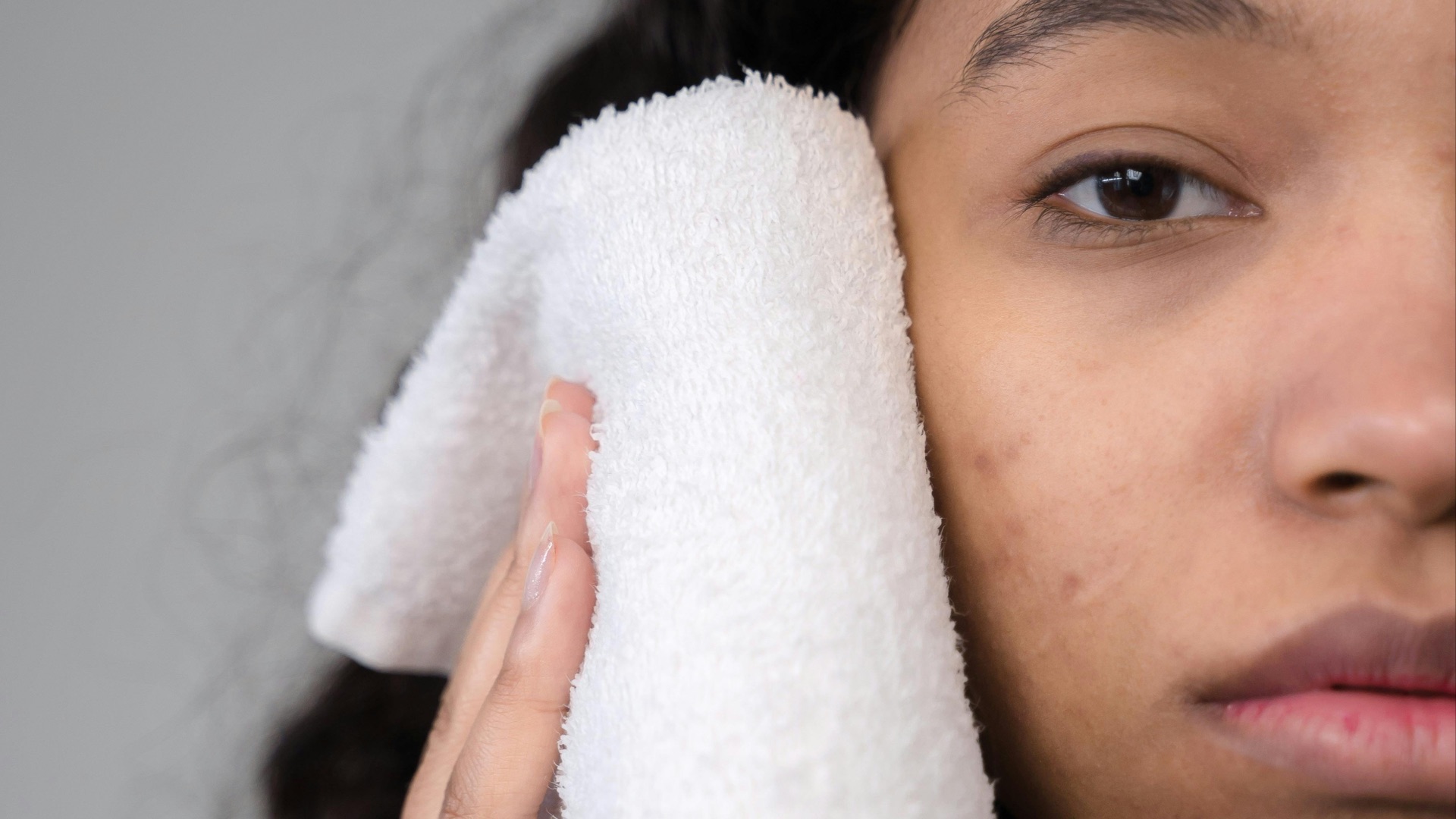
After a shower, gently wipe the outer portion of your ear with a warm, damp washcloth to remove any wax that has naturally migrated to the surface. The keyword here is "outer"—you're only cleaning what you can see and reach without inserting anything. This approach is generally safe, effective, and won't disrupt any of the ear's internal processes.
3. Try Hydrogen Peroxide Drops
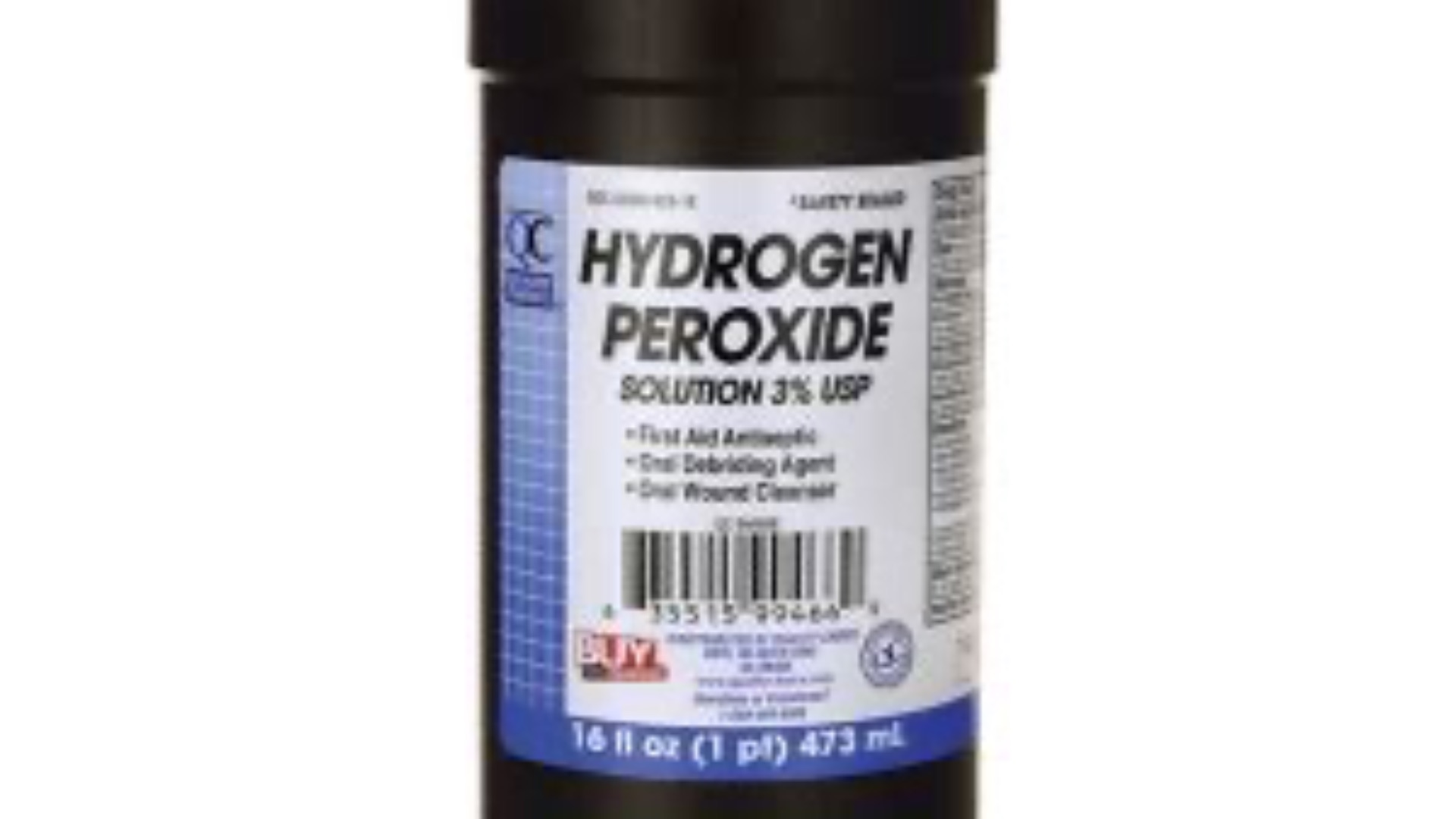
A few drops of diluted hydrogen peroxide (typically a 3% solution mixed with equal parts water) can help soften and loosen earwax inside the canal. You'll let it sit for a few minutes before tilting your head to let it drain out, and then follow up by rinsing with warm water. It's an easy enough process to do it yourself at home, though it's worth checking with a doctor first if you have any history of ear problems.
4. Use Mineral Oil or Baby Oil
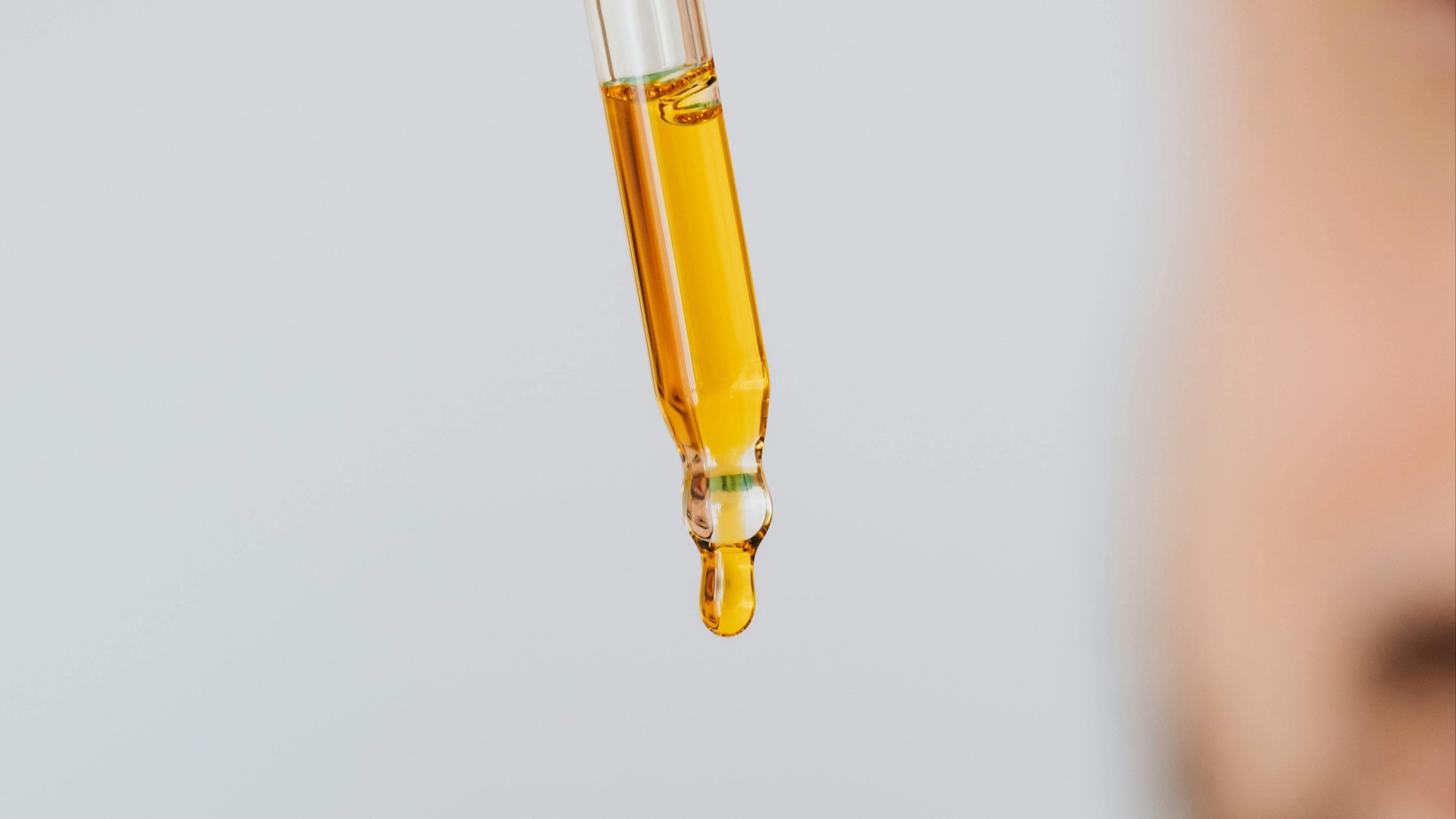
Placing two or three drops of mineral oil or baby oil into the ear canal a few times a week can help keep wax soft enough that it drains on its own. This is particularly useful for people who are prone to earwax buildup and find themselves dealing with that plugged-up feeling regularly. The oil doesn't remove the wax directly, but it'll make it easier for the ear's natural cleaning process to do its job.

5. Try Over-the-Counter Earwax Drops
Products containing carbamide peroxide, like Debrox, are specifically formulated to break down earwax and are available without a prescription at most pharmacies. They work by releasing oxygen when they come into contact with wax, which causes it to soften and bubble away from the canal walls. Following the instructions on the packaging carefully will give you the best results and help you avoid any unnecessary irritation.
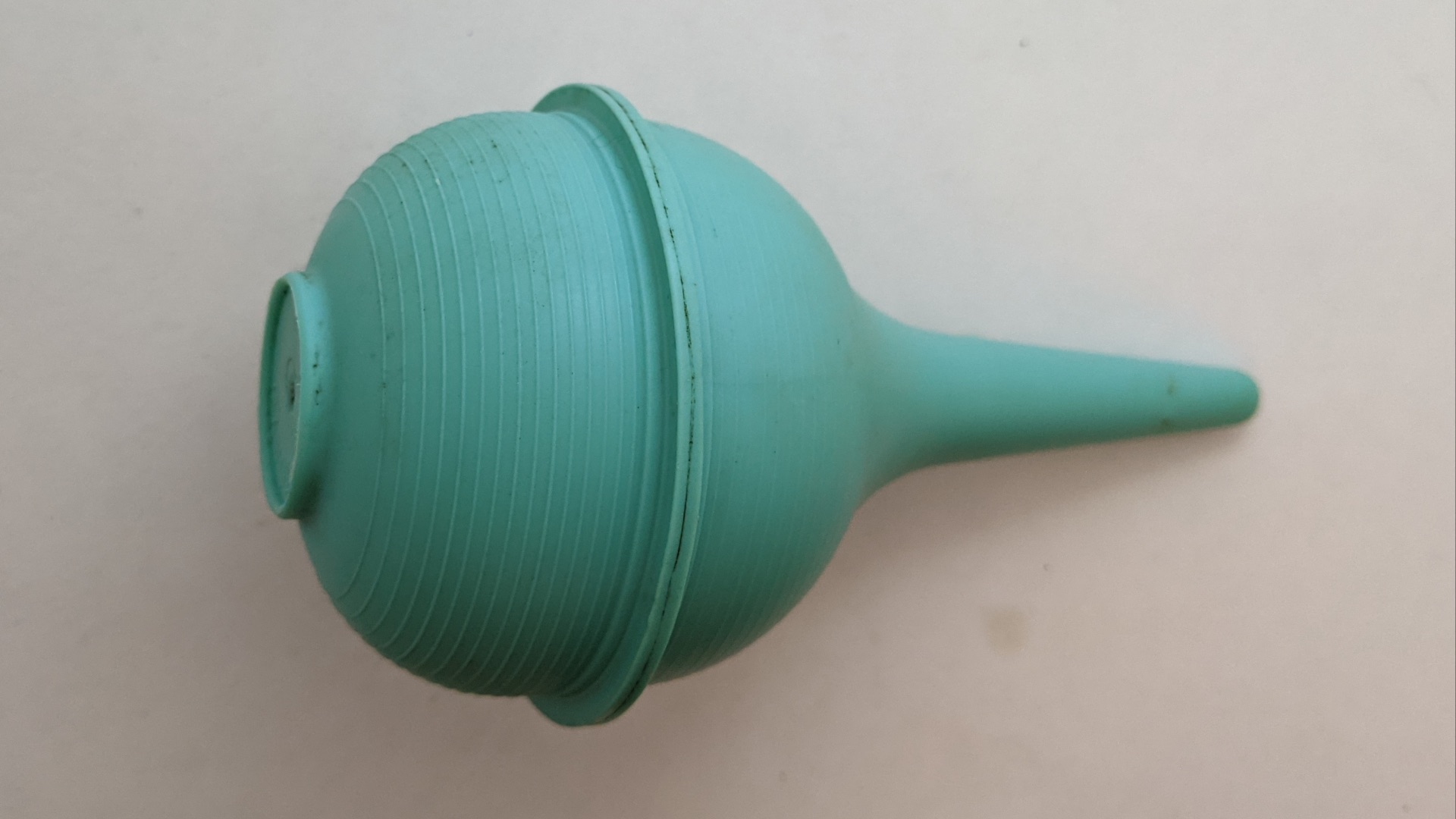
6. Irrigate with a Bulb Syringe
A rubber bulb syringe filled with warm water or a saline solution can be used to gently flush the ear canal, helping to wash out softened wax. The water temperature matters here: water that's too cold or too warm can cause dizziness, so body-temperature water is the safest choice. This method works best after you've used softening drops for a day or two to prep the wax beforehand.
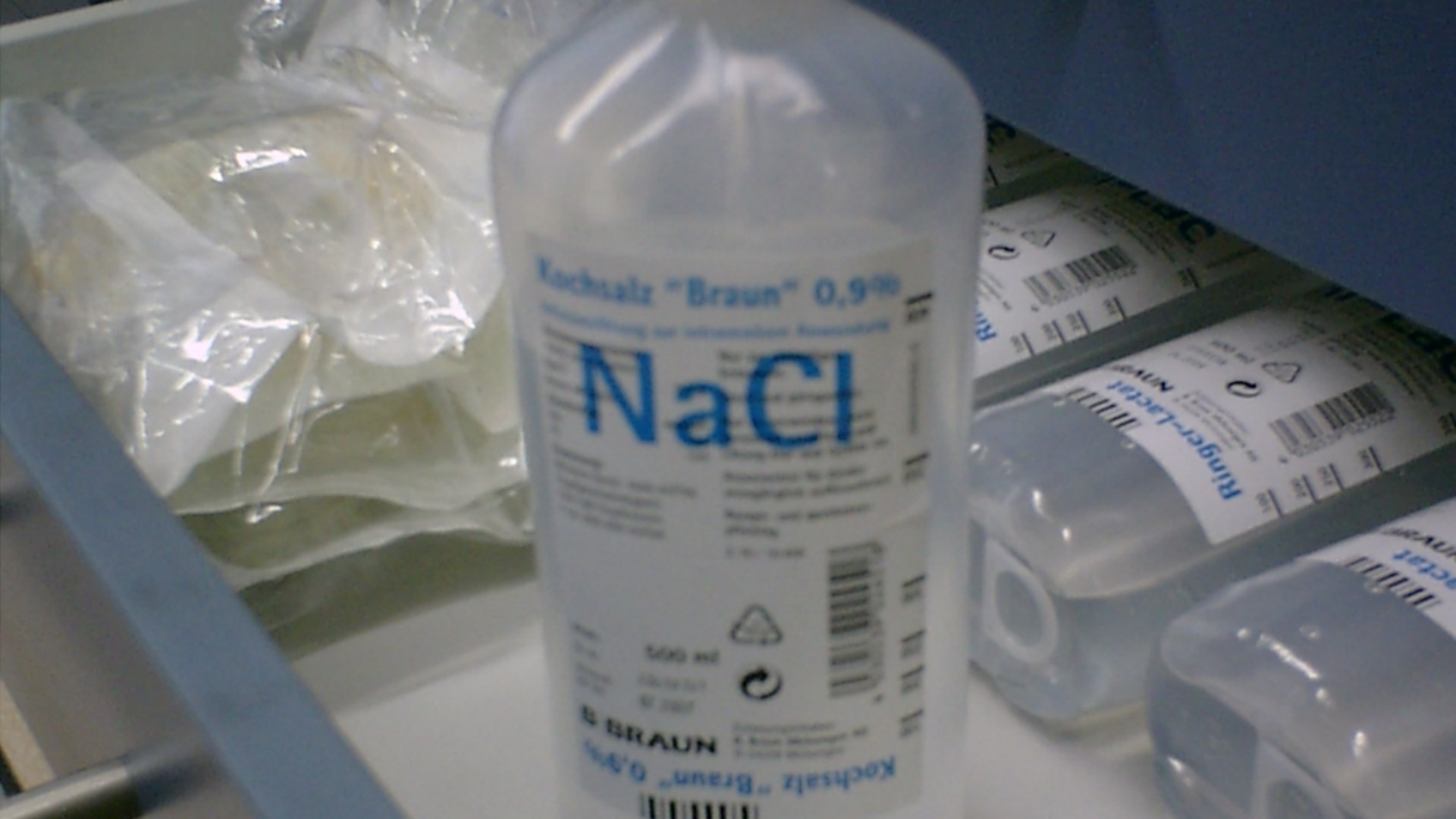
7. Use Saline Solution
A simple saline rinse can be effective for flushing out excess wax without any of the risks that come with cotton swabs. You can purchase pre-made saline ear rinse kits at most drugstores, or mix your own using distilled water and non-iodized salt. It's a gentle, low-risk option that's safe for most people to use as part of a regular ear care routine.
 Stefan Reitzner Xy01 on Wikimedia
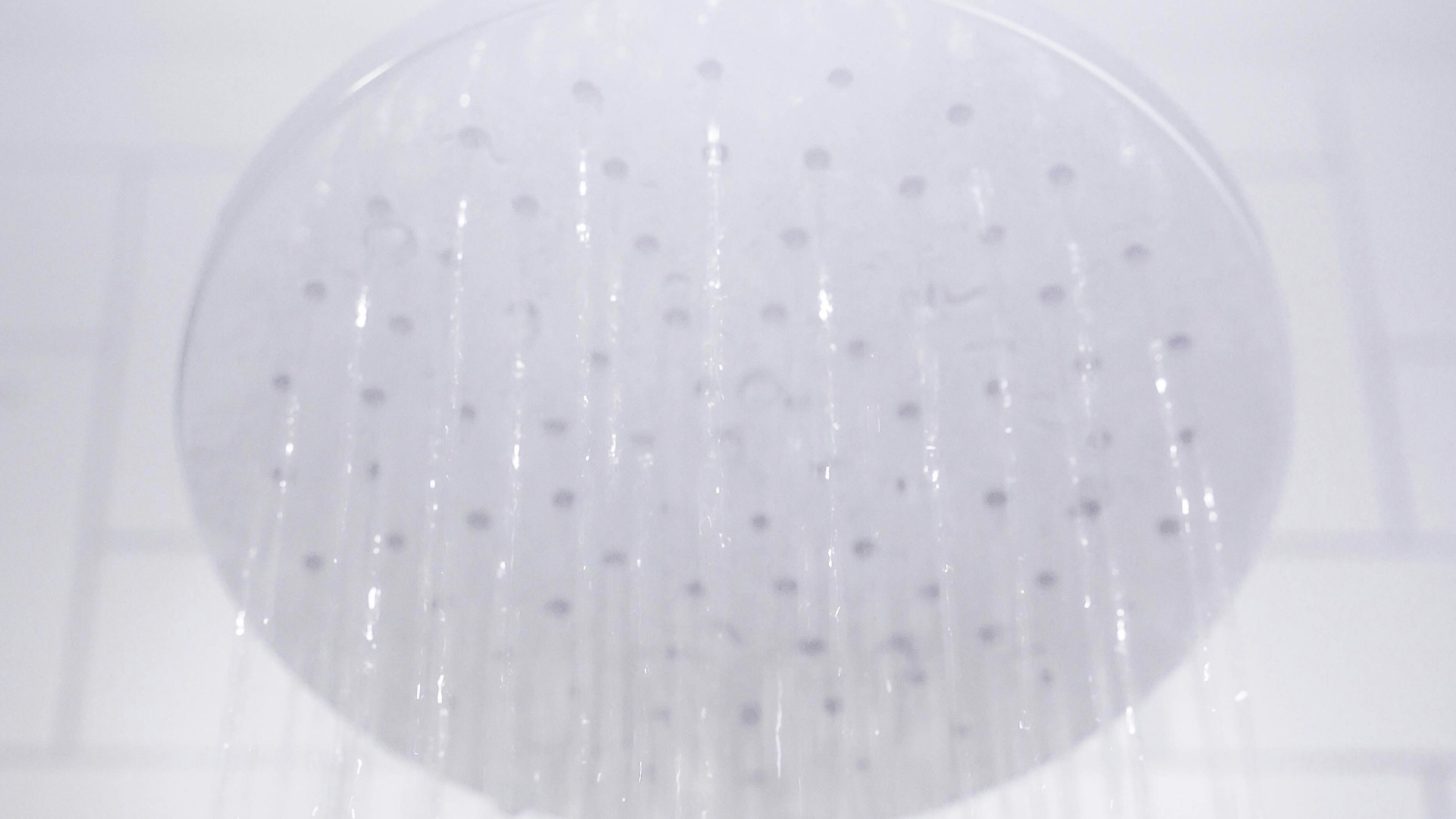
8. Steam from a Hot Shower
Spending a few extra minutes in a steamy shower can help loosen wax naturally, making it easier for the ear to expel it on its own over the next day or two. The warm, moist air softens the wax without you having to insert anything into the canal at all. It's not the most targeted approach, but it's an easy thing to incorporate into your existing routine with no extra effort.
9. Shower Water Into Your Ear
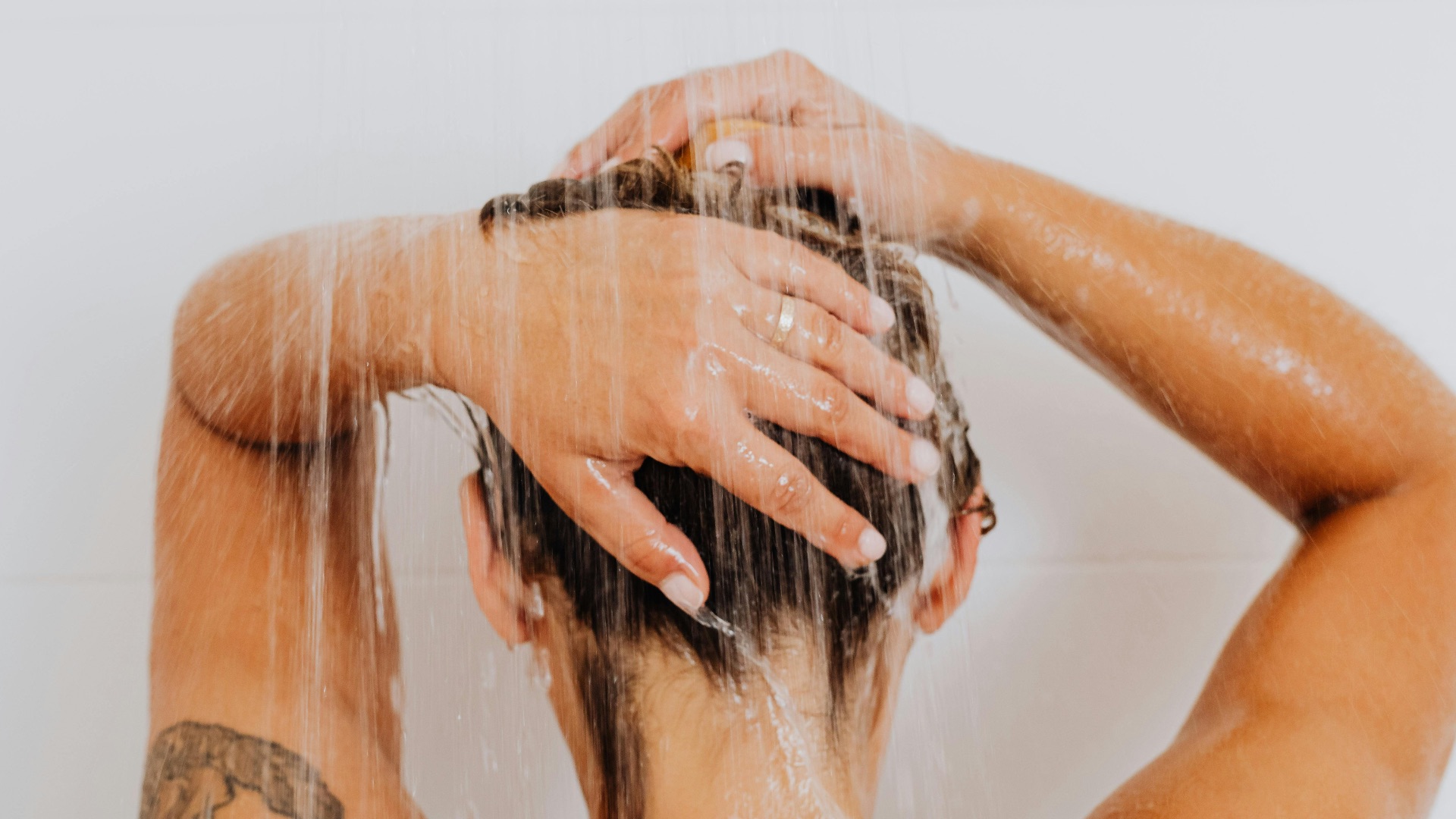
Tilting your head in the shower and letting warm water run directly into the ear canal is a simple, no-cost way to help flush out wax that's close to the surface. Once the water has had a few seconds to loosen things up, tilt your head the other way and let it drain out completely before drying the outer ear with a towel. It's worth making sure you dry the ear thoroughly afterward, since lingering moisture in the canal can create conditions that bacteria tend to thrive in.
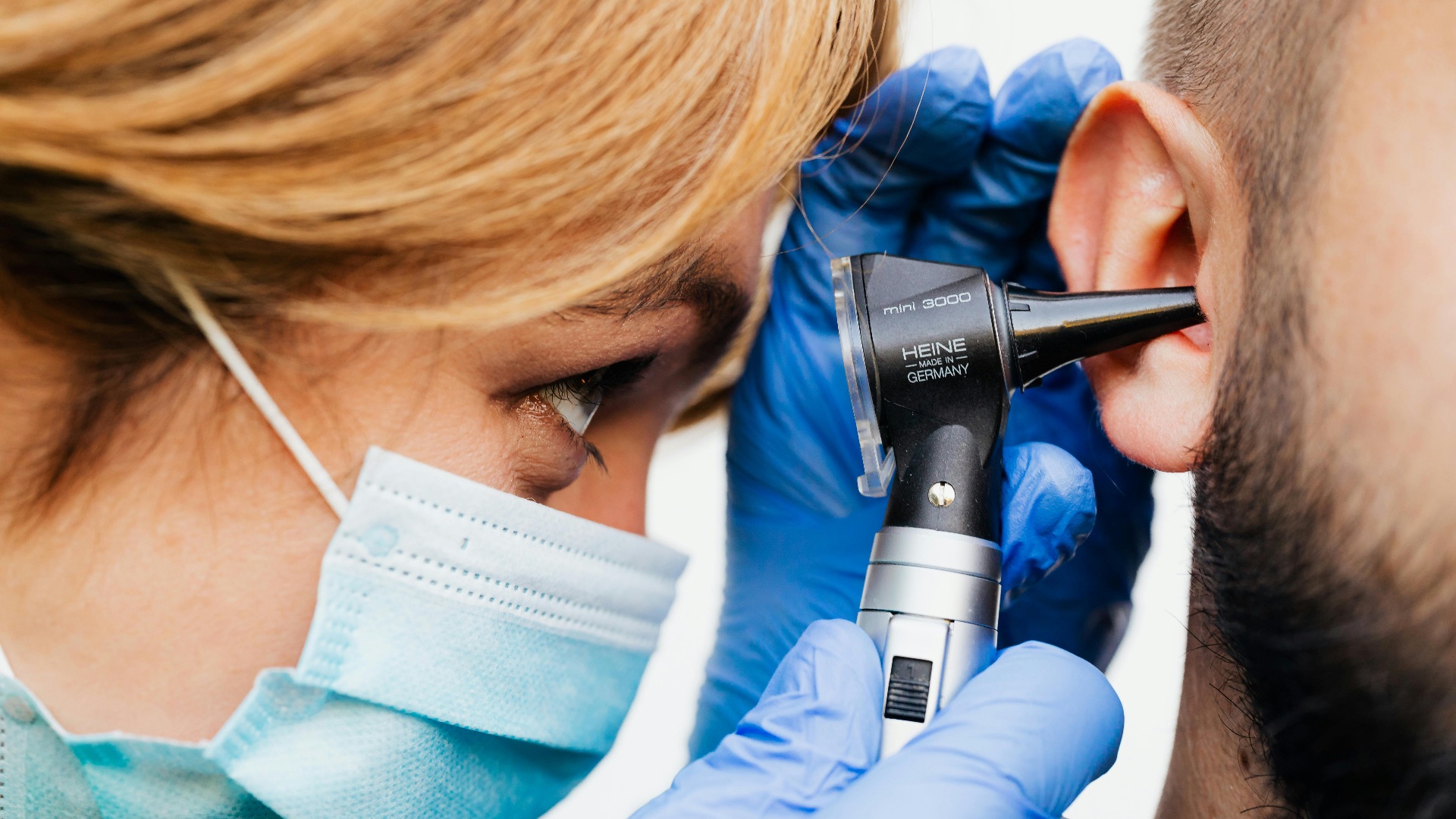
10. See an Audiologist or ENT
If you're dealing with persistent wax buildup, reduced hearing, or a feeling of fullness that won't go away, a visit to a professional is the most reliable solution. Audiologists and ENT doctors (ear, nose, and throat specialists) have specific tools to safely remove compacted earwax in ways that at-home methods simply can't match. Getting a professional cleaning done once or twice a year is a worthwhile option for people who are especially prone to buildup.
KEEP ON READING