The A.M. Routine That Keeps Throwing You Off
Blood pressure gets plenty of attention when people talk about the big stuff, like long-term health, family history, or during a visit to the doctor. What gets missed, though, is how much your morning can shape the rest of the day. The little things that happen before breakfast, before work, before the house fully wakes up, can leave your body tense, overstimulated, and already playing catch-up. Some of these habits can raise blood pressure in the moment, and some can make it harder to keep it under control over time. If your mornings always feel a little frantic, a little off, and a little too loud, these 20 reasons might be why.

1. Checking The News Right Away
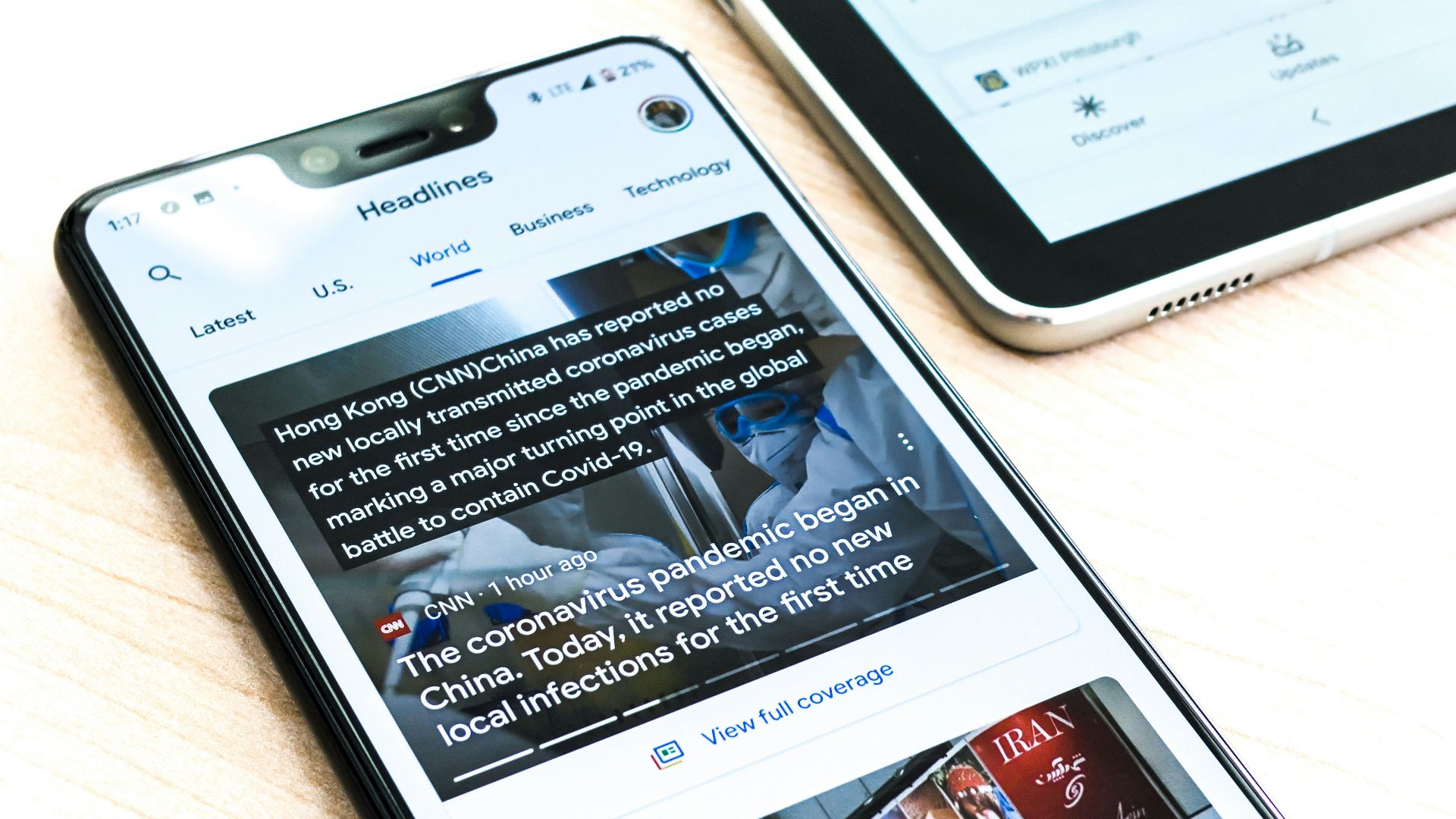
If the first thing you see when you wake up is a political headline, your body can go straight into stress mode. Stress hormones kick in fast, your heart immediately starts working harder, and blood pressure can climb before your feet even hit the floor.
2. Panicked First Thoughts
Some mornings start with your mind already running laps. The bills, the meeting, the school pickup, the thing you forgot yesterday, the text you still haven’t answered, all of it shows up at once. When your thoughts take off that early, your body usually follows, and that stress response can raise your heart rate and blood pressure.

3. Drinking Coffee Before Anything Else
Coffee can cause a short-term rise in blood pressure, especially if you’re sensitive to caffeine or don’t drink it all the time. So if your first move every morning is a strong mug on an empty stomach, with no water or food in sight, that hit can feel a lot stronger than you expected.

4. Reaching For An Energy Drink
A regular coffee is one thing. A giant can of caffeine, sugar, and extra stimulants early in the morning is a whole other mess, and your body knows it.

5. Smoking
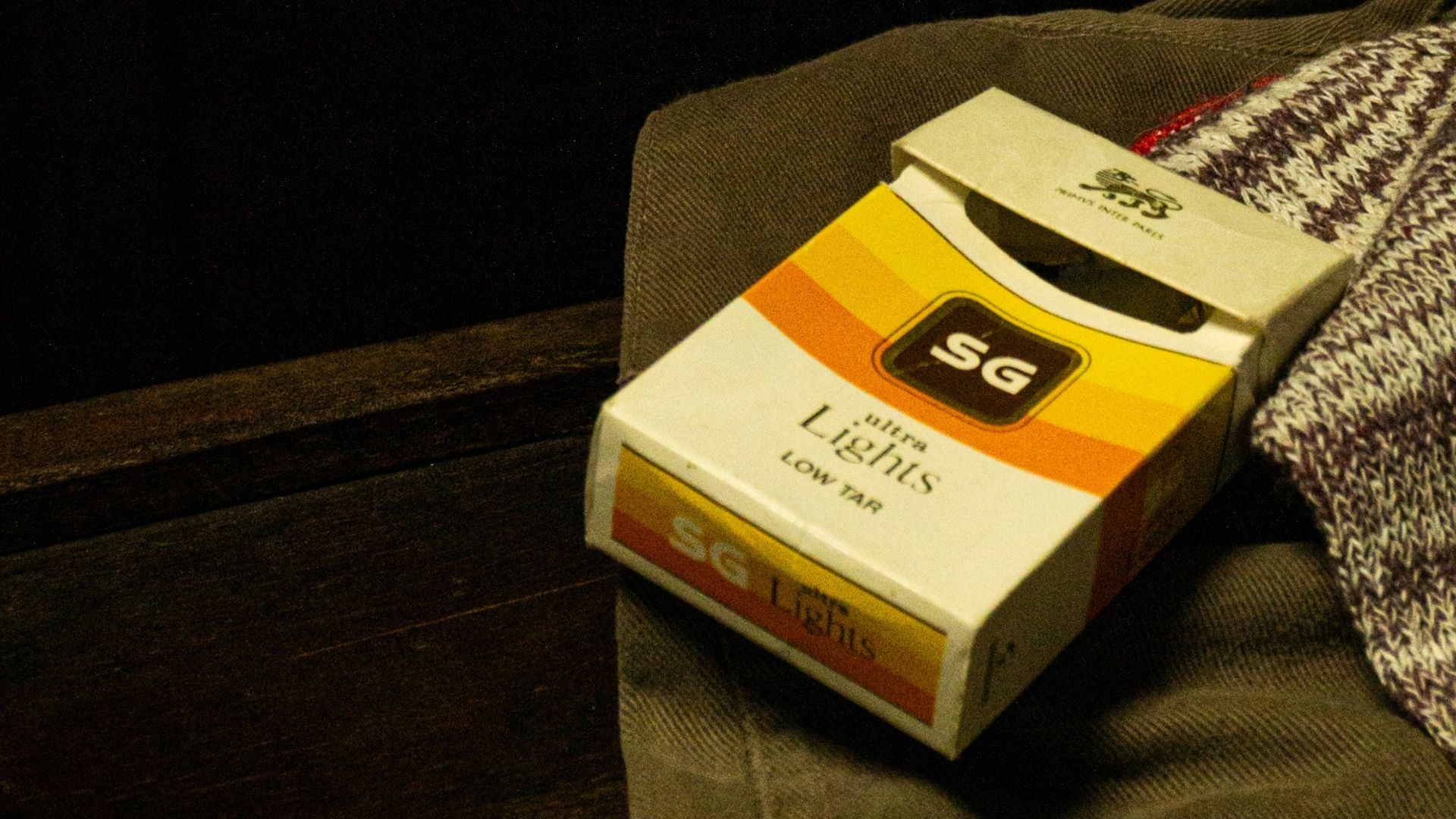
That first cigarette can feel routine, almost automatic, though your cardiovascular system definitely doesn’t see it that way. Smoking narrows blood vessels, while nicotine can raise blood pressure for a short amount of time.
6. Forgetting To Drink Water
You’ve gone all night without fluids, so waking up a little dry is pretty normal. If the morning goes straight from bed to coffee to shower to car, and water doesn’t show up till midmorning, you’ll wind up lightheaded, sluggish, and just plain off.

7. Skipping Breakfast
Some people do fine without breakfast, but that doesn’t mean it’s a good idea to skip it. Skipping breakfast has been linked with hypertension in observational research, and in real life, it can also set you up for more caffeine, more stress, and whatever salty snack is easiest later.

8. Eating A Salty Breakfast
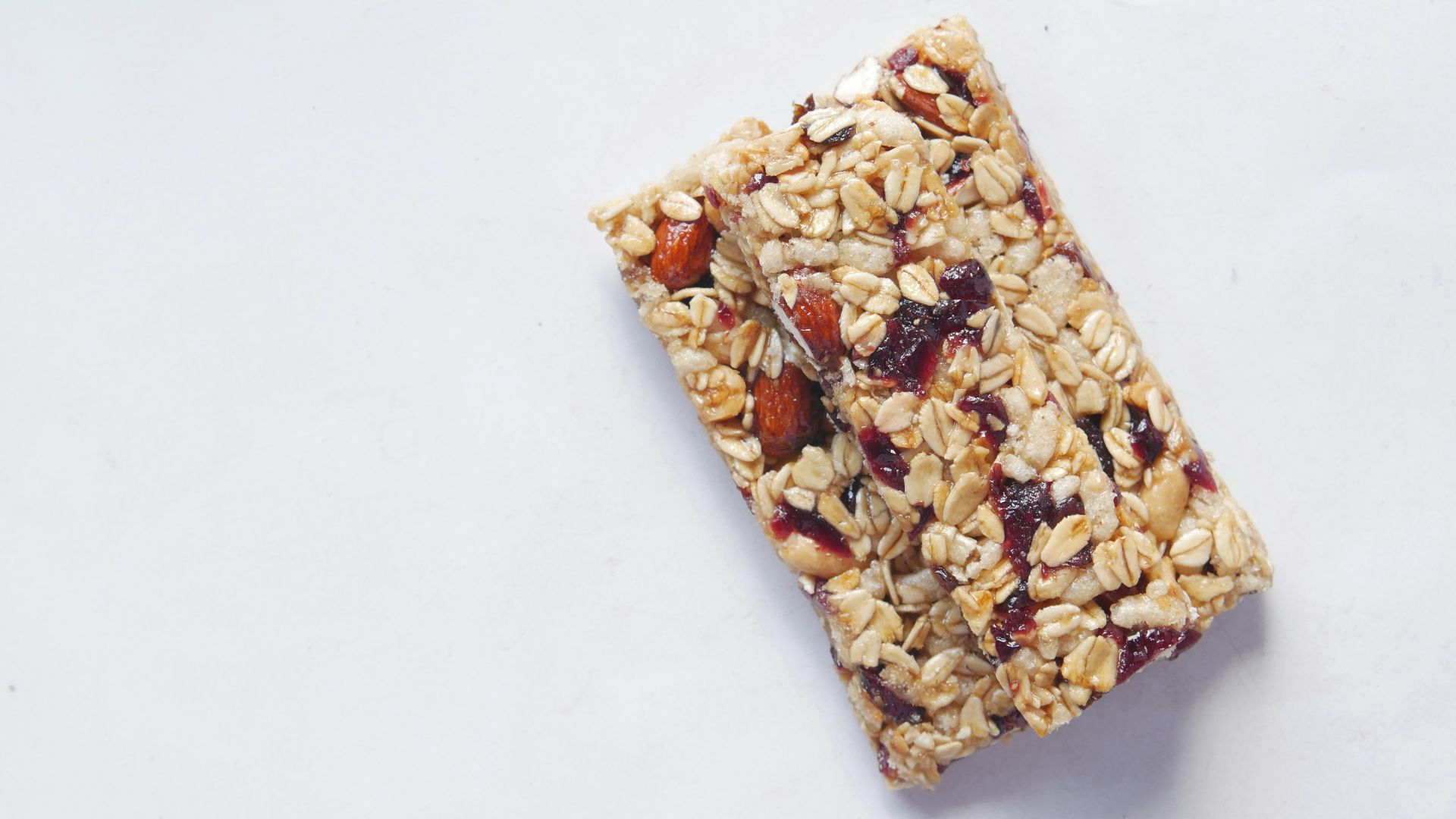
A drive-thru breakfast sandwich, bacon, sausage, frozen burritos, or packaged breakfast foods can pile a lot of sodium into your day before it’s even properly started.
 Hybrid Storytellers on Unsplash
9. Starting The Day With Sugar
A frosted pastry and a sweet coffee drink are delicious, and may help you mentally start your day. However, it’s not the smartest way to start. Added sugar isn’t really a direct instant blood-pressure spike on its own, though a breakfast built around sugar can feed weight gain and a rougher overall pattern for blood pressure over time.

10. Eating Too Fast
Breakfast at the counter, coat half on, phone in hand, chewing like you’re trying to beat the clock. Rushed eating keeps your body in stress mode, and stress can raise blood pressure and make the whole morning feel harder than it has to be.
11. Not Sleeping Well
Poor sleep doesn’t just disappear, no matter how much you may try to combat it. If you were awake throughout the night, your body may still be paying for it, and sleep deficiency and sleep disorders are both linked with high blood pressure.

12. Waking Up Hungover
The morning after drinking can come with dry mouth, bad sleep, dehydration, and that slightly shaky, flushed feeling you try to brush off. Alcohol can raise blood pressure, and heavier drinking or repeated nights like that can make it harder to keep your numbers where you want them.

13. Waking Up To Social Media
A quick scroll can turn into 20 minutes before you’ve even sat up properly. Somewhere between upsetting headlines, family updates, and unnecessary vlog videos, your brain goes from sleepy to wound up in no time.

14. Hitting Snooze
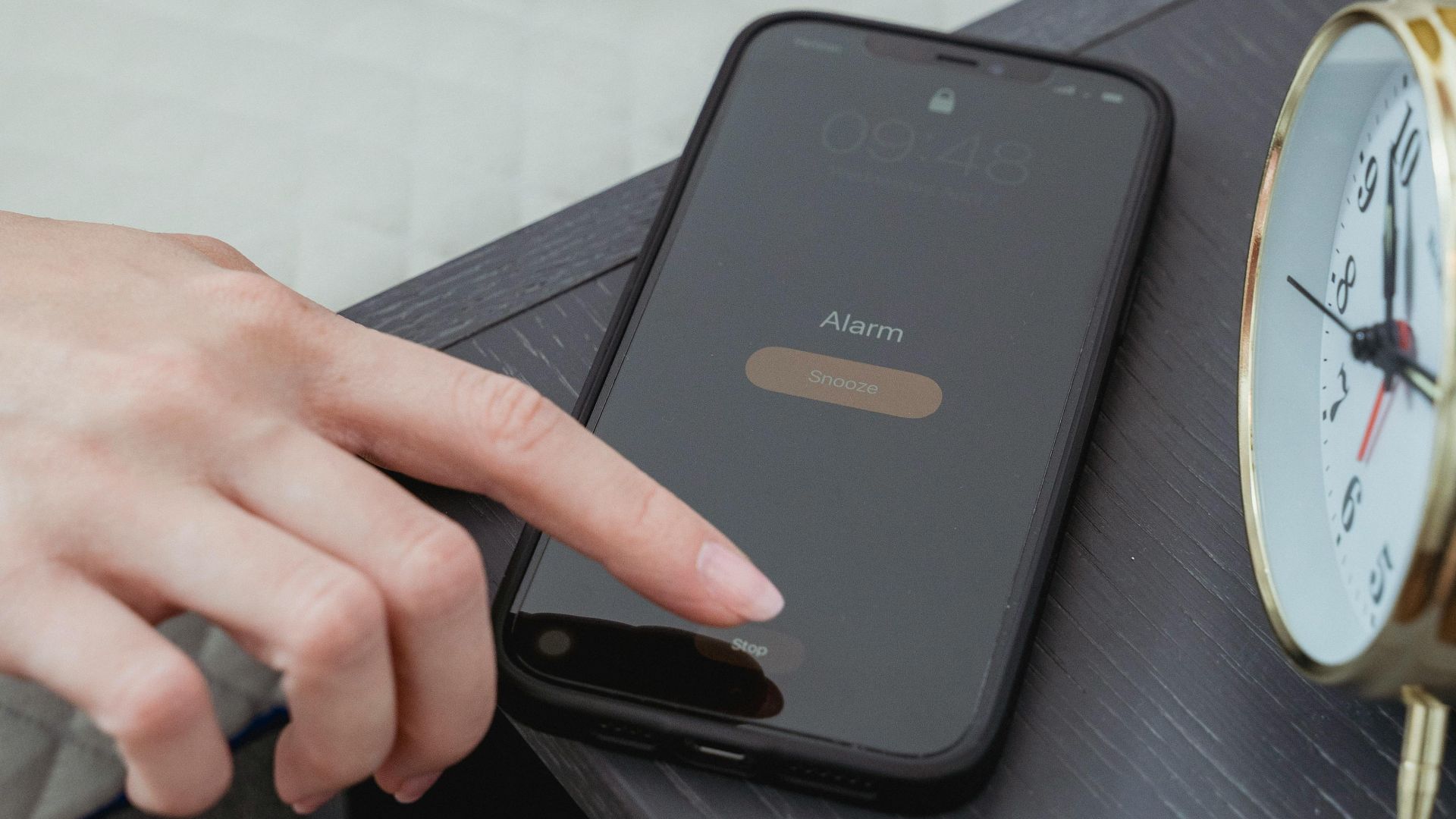
There’s easing into the day, and then there’s waking up so late that you’re forced to rush out the door. If mornings keep starting with missed alarms, panic, rushing, and that sinking feeling in your chest, your body will start to automate that feeling, even on the days when you get up on time.
15. Working From Bed
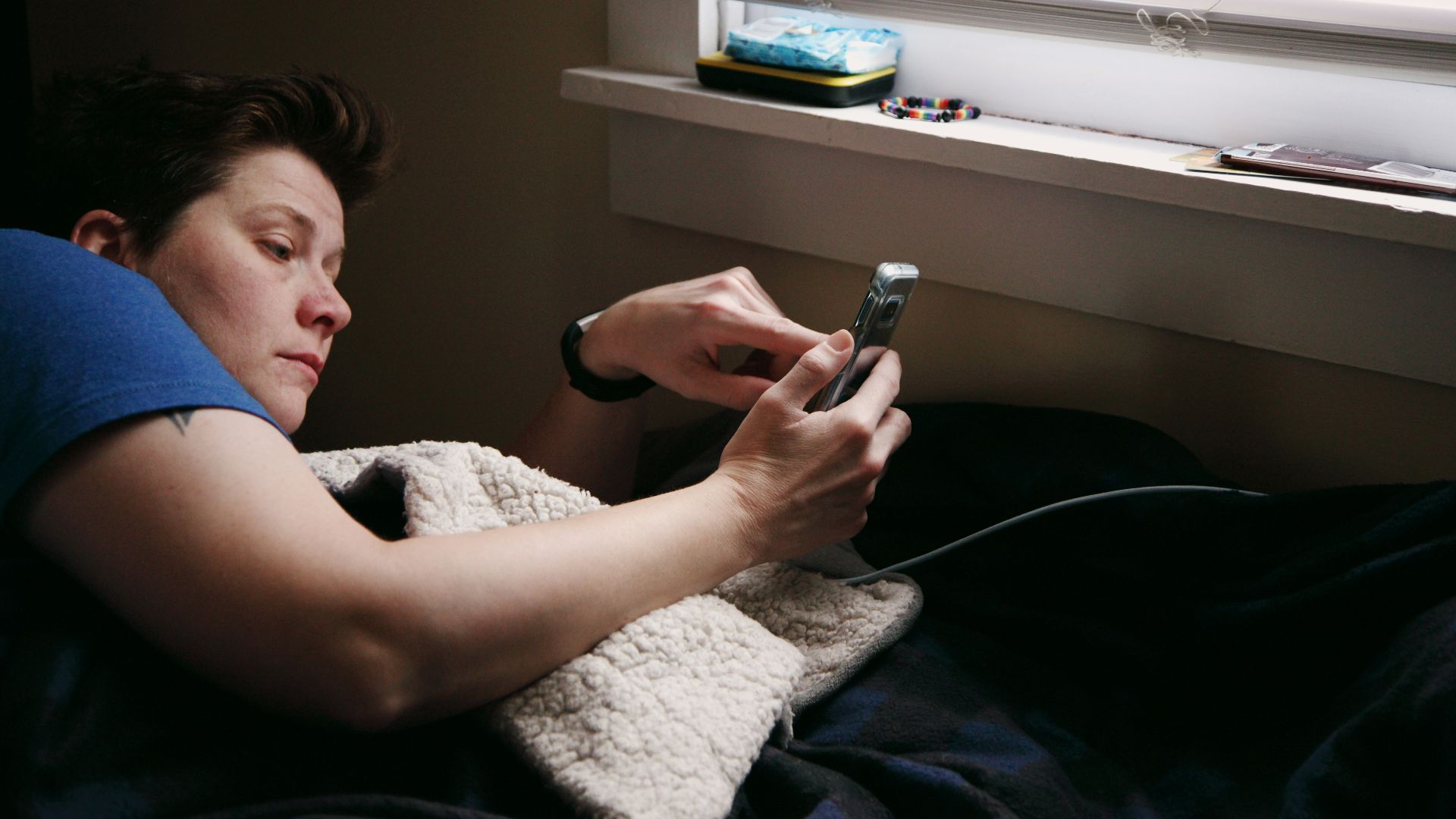
Opening Slack or email before you’re properly awake is not a good mix for your body. It’s still stressful, plain and simple. Chronic stress is tied to high blood pressure, along with the other habits that tend to come with it, like poor eating and inactivity.
16. Sitting Still
A morning with zero movement can leave you stiff, sluggish, and weirdly flat. Regular physical activity helps lower blood pressure, so starting the day with total inactivity doesn’t do you any favors.

17. Not Even Stretching?
Nobody’s saying you need a sunrise boot camp or a 5 a.m. workout routine. A short walk, a few stretches in the kitchen, or even pacing while the kettle boils can help your body wake up more smoothly, and regular moderate activity is one of the most reliable ways to help control blood pressure.

18. Going Too Hard During Your Workout
Exercise is good for blood pressure overall, though blood pressure does rise while you’re exercising, and very hard efforts aren’t always the best fit first thing in the morning. If you already have hypertension, haven't slept well, or haven’t eaten, going straight into all-out intervals can be a lot for your system to deal with.
 Christopher Campbell on Unsplash
19. Starting The Day With A Fight
An argument over the bathroom, the dog, the car keys, or who forgot to buy milk can change the tone of your morning in no time flat. Interpersonal stress can raise heart rate and blood pressure in the moment, and your body hangs on to that tension long after the actual fight is over.

20. Making The House Loud And Hectic
TV blaring, music too loud, alerts going off, somebody shouting from the hallway, the kettle screaming, it's no surprise that you’re feeling frazzled. Noise is a stressor, and research links excessive noise exposure with hypertension risk, so if your mornings are loud and chaotic every single day, that may be part of what’s wearing your body down.

KEEP ON READING



20 Ways to Deal With Your Sweet Tooth

20 Low-Impact Exercise Ideas For People Over 50