
Understanding What Actually Works for Long-Term Health
With so many diets available, it’s easy to get caught up in trends that promise fast results. While some approaches can lead to quick weight loss, they often aren’t sustainable over time. Others focus on balance and consistency, making them easier to maintain in the long run. Knowing the difference can help you choose an approach that supports both your goals and your overall well-being.

1. Juice Cleanses
Juice cleanses typically involve consuming only fruit and vegetable juices for several days. While they may lead to quick weight loss, much of it is water weight. They often lack sufficient protein and fiber. This makes them difficult to sustain and not ideal for long-term nutrition. Many people also experience low energy during these diets.

2. Very Low-Calorie Diets (VLCDs)
These diets drastically reduce daily calorie intake, sometimes below 800 calories. They can produce rapid weight loss under medical supervision. However, they’re hard to maintain and may slow metabolism over time. Most people regain the weight once normal eating resumes. This cycle can be frustrating and discouraging.
3. Cabbage Soup Diet
This short-term plan centers around consuming large amounts of cabbage soup. It’s designed for quick weight loss over a week. The diet is repetitive and lacks balanced nutrients. People often find it unsustainable beyond a few days. Hunger and boredom are common challenges.

4. Detox Diets
Detox diets claim to remove toxins through restrictive eating plans. In reality, the body already has systems like the liver and kidneys for this purpose. These diets often eliminate key food groups. As a result, they’re not practical for long-term use. They can also create unnecessary confusion about nutrition.

5. Grapefruit Diet
This plan involves eating grapefruit with most meals. It’s based on the idea that grapefruit boosts fat burning. While it may reduce calorie intake, it’s not nutritionally balanced. The restrictive nature makes it hard to follow over time. It can also become repetitive very quickly.

6. Military Diet
The military diet is a highly structured, low-calorie plan followed for a few days at a time. It promises quick weight loss with specific food combinations. The approach is rigid, and most people don’t maintain results after stopping. It doesn’t encourage long-term habit changes.

7. Egg Diet
This diet focuses heavily on consuming eggs as a primary food source. While eggs provide protein, the plan limits variety, and can quickly become monotonous and nutritionally incomplete. Long-term adherence is unlikely for most people. Many also find it difficult to maintain socially.

8. Mono Diets
Mono diets involve eating only one type of food for a period of time. This severely limits nutrient intake. While it may reduce calories, it’s not balanced, and the lack of variety makes it unsustainable. It can also lead to nutrient deficiencies if followed for too long.
9. Keto Without Planning
A poorly planned ketogenic approach can lead to quick initial weight loss due to water loss. Without proper balance, it may lack fiber and essential nutrients.
10. Extreme Intermittent Fasting
While moderate fasting can be sustainable, extreme versions involve long periods without food. This approach can lead to fatigue and overeating and is difficult to maintain.
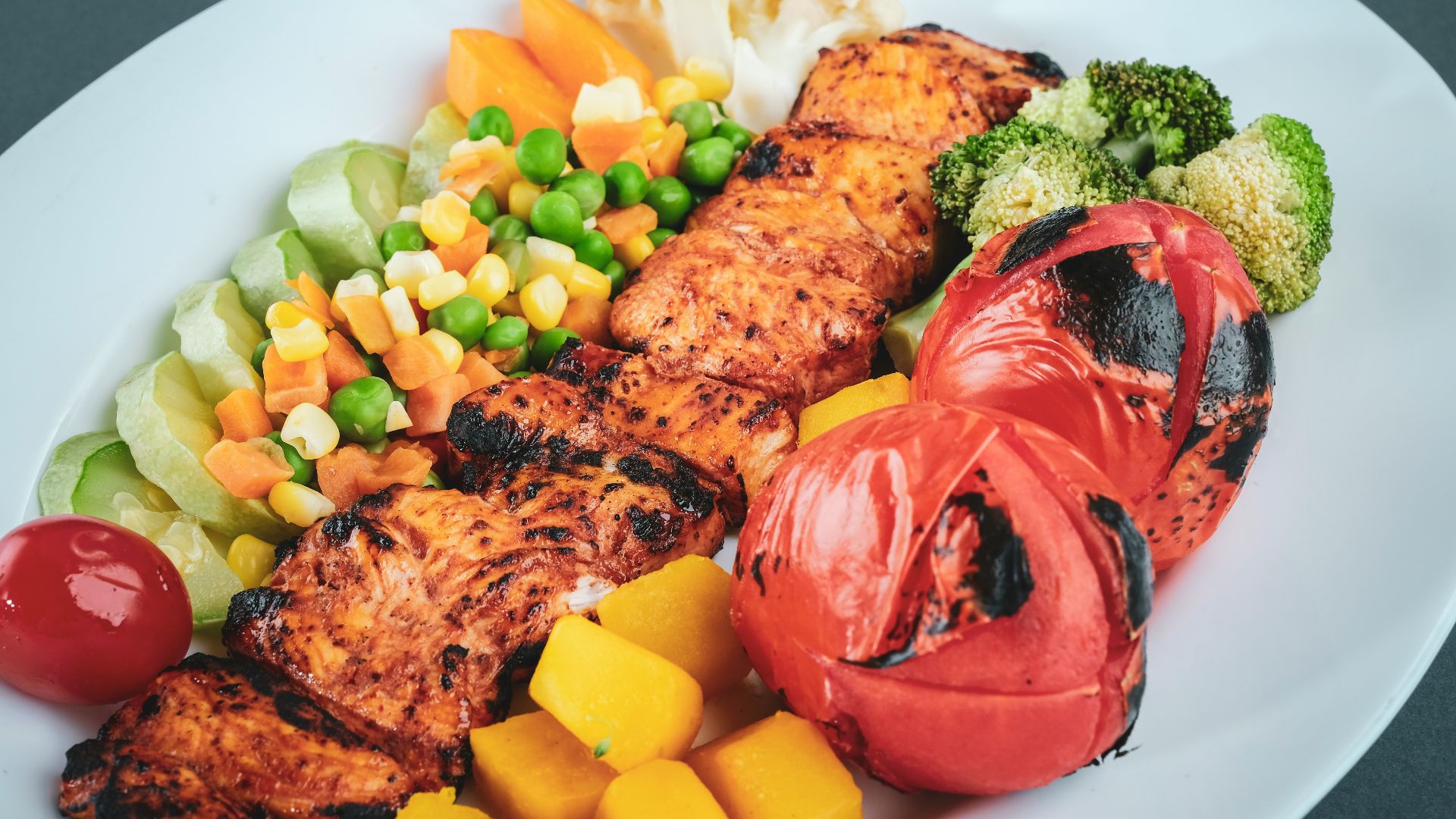
1. Mediterranean Diet
This diet emphasizes fruits, vegetables, whole grains, and healthy fats like olive oil. It includes moderate amounts of fish and lean protein. The approach is flexible and enjoyable, and is widely supported by research for long-term health benefits. Many people find it easy to incorporate into their daily lives.
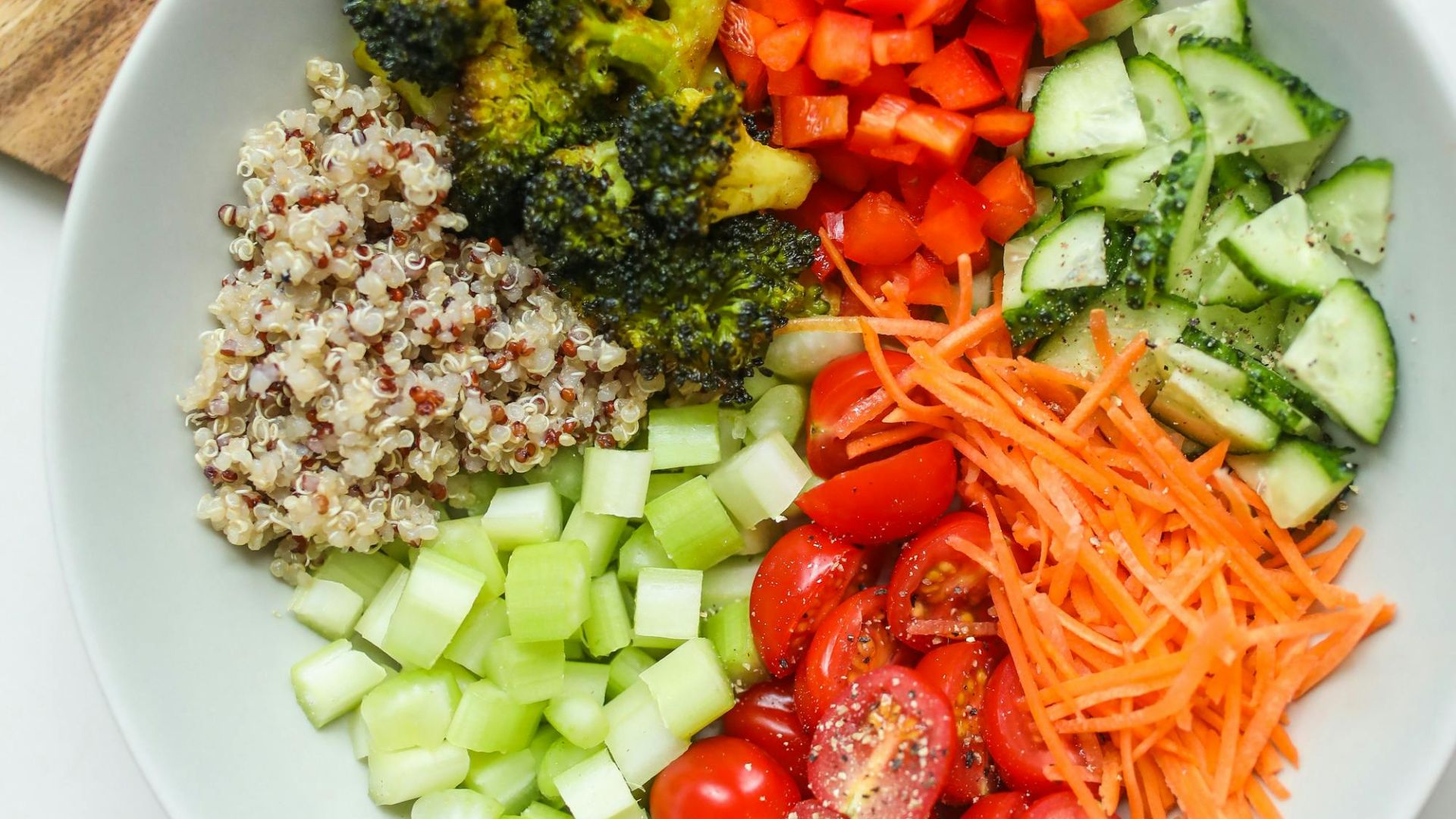
2. DASH Diet
The DASH diet focuses on reducing sodium while increasing nutrient-rich foods, and is designed to support heart health. The plan includes a variety of food groups. Its balance makes it sustainable over time, and it also aligns well with general dietary guidelines.

3. Flexitarian Diet
This approach is mostly plant-based but allows occasional meat consumption. It offers flexibility without strict rules. The variety helps prevent boredom, making it easier to maintain compared to more restrictive diets. This balance makes it appealing to a wide range of people.
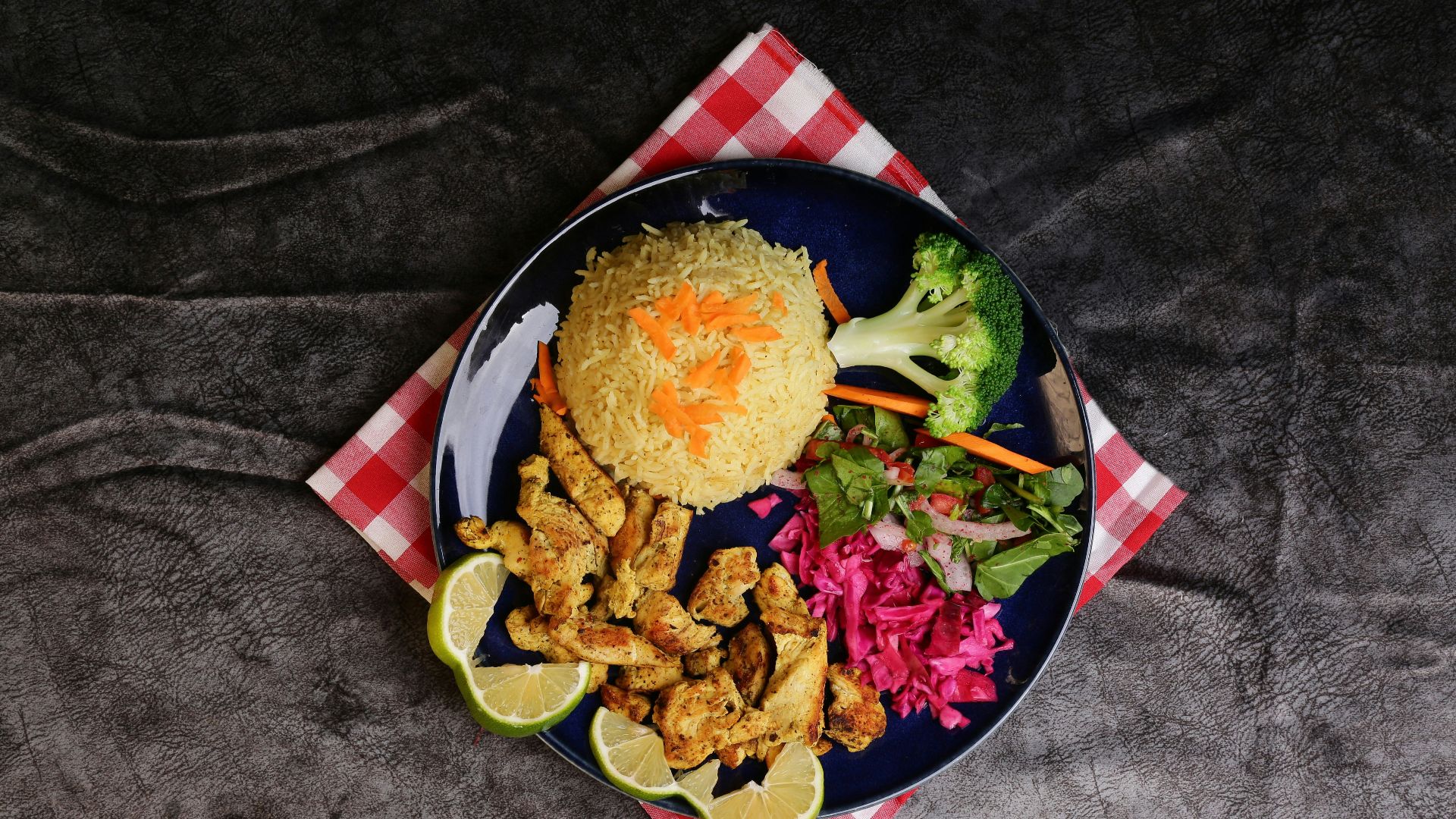
4. Whole-Foods Diet
A whole-foods approach focuses on minimally processed ingredients. It encourages fruits, vegetables, grains, and lean proteins. This style supports overall nutrition and is adaptable to different preferences and lifestyles. It also promotes better awareness of food quality.
 mohanad karawanchy on Unsplash
5. Plant-Based Diet
Plant-based eating emphasizes foods derived from plants. It can include vegetables, legumes, nuts, and grains. When balanced, it provides essential nutrients. Many people find it sustainable with proper planning. It can also support environmental considerations.

6. Balanced Calorie-Control Diet
Rather than eliminating food groups, this approach focuses on portion control. It allows for a wide range of foods in moderation. This flexibility makes it easier to stick with and supports gradual, steady progress. It also encourages realistic eating habits.

7. Mindful Eating Approach
Mindful eating focuses on awareness rather than restriction. It encourages paying attention to hunger and fullness cues. This helps prevent overeating, and over time, it builds a healthier relationship with food. It can also reduce stress around eating.

8. Nordic Diet
Similar to the Mediterranean diet, this plan emphasizes whole, regional foods. It includes fish, whole grains, and root vegetables. The focus on simplicity makes it practical.
 micheile henderson on Unsplash
9. Volumetrics Diet
This diet prioritizes foods that are low in calories but high in volume, like vegetables and soups. It helps people feel full while eating fewer calories.

10. High-Protein Balanced Diet
This approach includes adequate protein alongside carbohydrates and fats. Protein helps with satiety and muscle maintenance and this diet is flexible and varied.
KEEP ON READING



20 Ways to Deal With Your Sweet Tooth

20 Low-Impact Exercise Ideas For People Over 50