Revealing More Than You Think
Finding out your balance isn’t the greatest in the world doesn’t often come from one dramatic slip-up. It shows up in small ways every day: How steady you feel stepping into your pants, whether you hesitate a little when reaching for something on a high shelf, that tiny flash of caution when you turn around too fast in the kitchen. Your balance reflects how your muscles, joints, vision, and reaction time are all working together in real, everyday life. The 20 checks below are simple, practical, and honestly a little humbling. They can tell you a surprising amount about how you're aging.

1. Feet-Together Stand
Standing upright with your feet touching and your arms relaxed at your sides is one of the most basic balance tests around. If that narrow position already feels shaky or makes you want to brace against a counter, your body may be working harder than it should just to manage basic posture.

2. Feet-Together Stand With Eyes Closed
Closing your eyes changes this test immediately, and usually without much mercy. Once vision is out of the picture, your body has to rely more on inner-ear input and joint awareness, so any quick sway or grab for support is worth paying attention to.
3. Semi-Tandem Stance
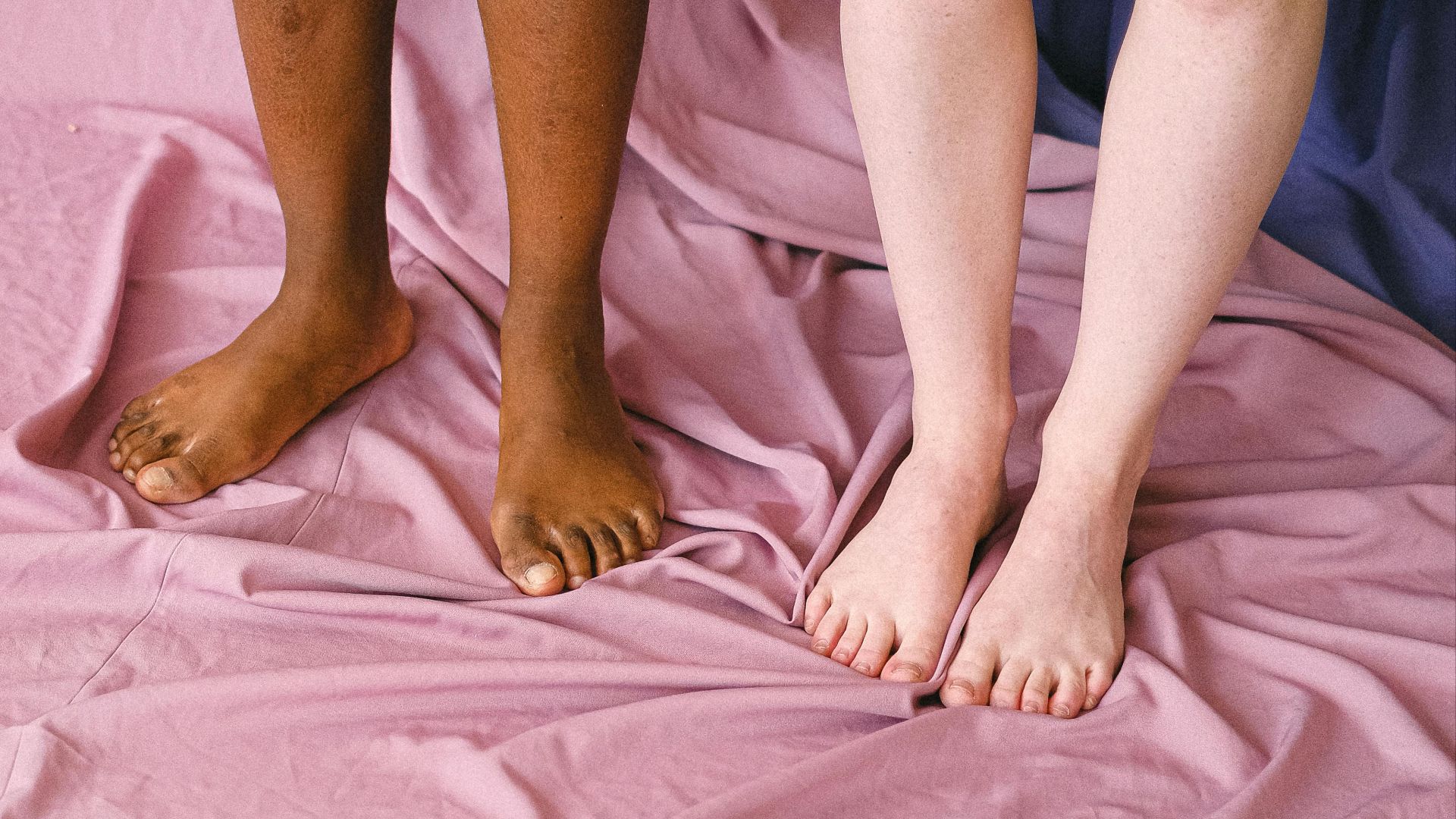
This stance places one foot slightly ahead of the other, with the instep of one foot close to the big toe of the other. It seems easy enough, but it often reveals subtle instability that a regular side-by-side stance can hide.
4. Tandem Stance
Heel-to-toe standing narrows your base enough that even a small wobble becomes obvious. If you feel unsteady, tense through the hips, or tempted to inch your feet apart, your static balance may not be as strong as it once was.

5. Single-Leg Stance
Standing on one leg is one of the fastest ways to spot a difference between your right side and your left. If one leg feels steady while the other turns into jello, that gap can say a lot about hip strength, ankle control, and overall stability.

6. Single-Leg Stance With A Knee Lift
Lifting one knee to hip height while staying tall on your standing leg adds a little more honesty to the usual one-leg test. It asks for control through the ankle, hip, and core all at once, and any obvious wobble tends to show up pretty quickly.

7. Sit-To-Stand Without Using Your Hands
Rising from a chair without pushing off your thighs or the armrests is one of those unglamorous tests that tells you the harsh truth. A smooth, controlled stand suggests your leg strength and coordination are still working well together, while rocking forward or using momentum to get up can hint at early decline.
8. Repeated Chair Rises
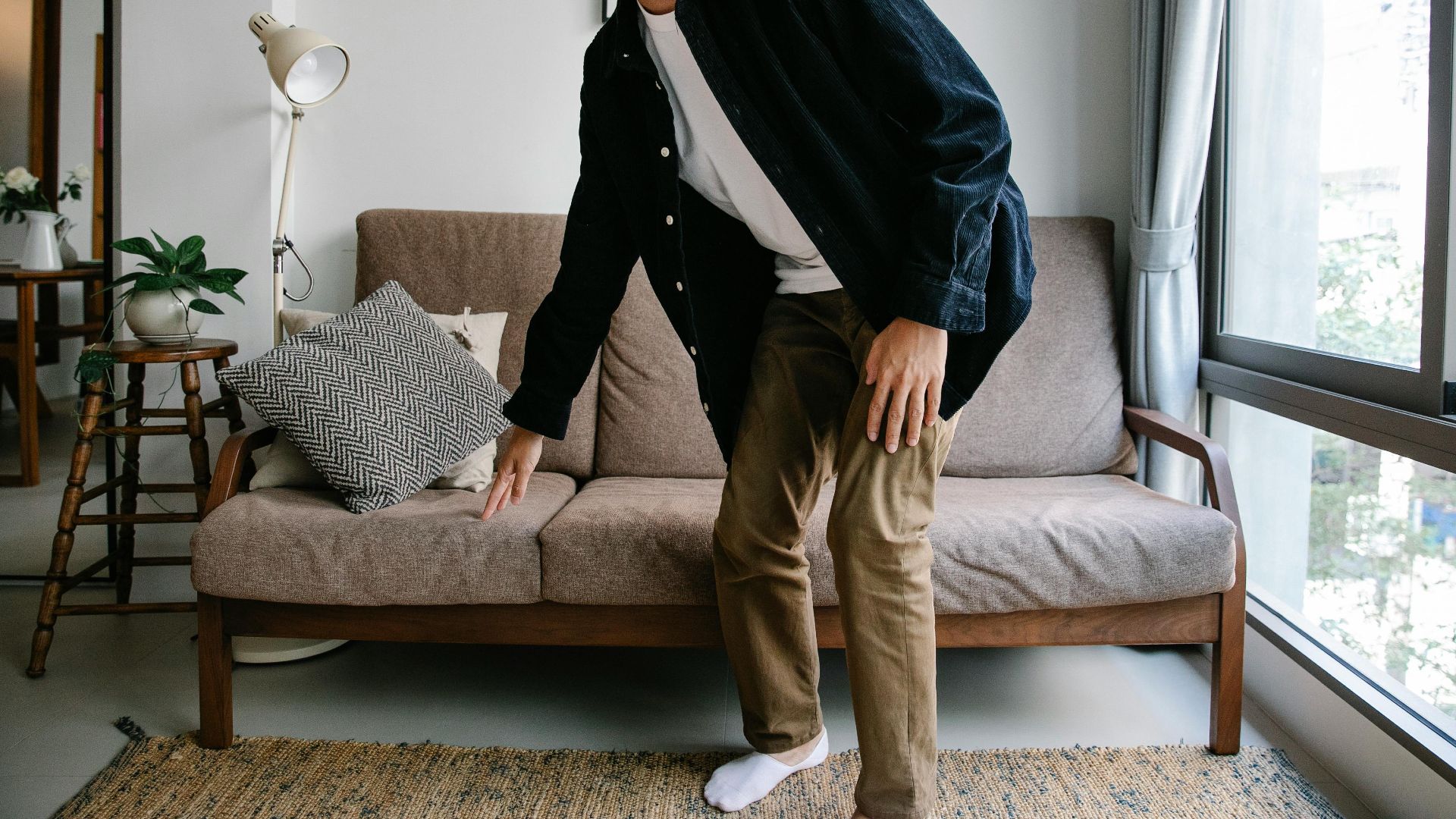
Doing several sit-to-stands in a row makes fatigue and control harder to hide. If the first few look fine and the later ones get slower, shakier, or noticeably more effortful, it may point to reduced lower-body power and steadiness.

9. Timed Up-And-Go
Standing up from a chair, walking a short distance, turning around, coming back, and sitting down again sounds ordinary because it is. That's exactly why it's such a useful test. It reflects the kind of movement sequence that fills up daily life, and it often exposes balance trouble before people expect it.

10. Functional Reach
Reaching forward as far as you comfortably can without taking a step is a surprisingly telling check on postural control. If your reach feels short, cautious, or strangely unsteady, your body may be less confident shifting weight forward than it used to be.

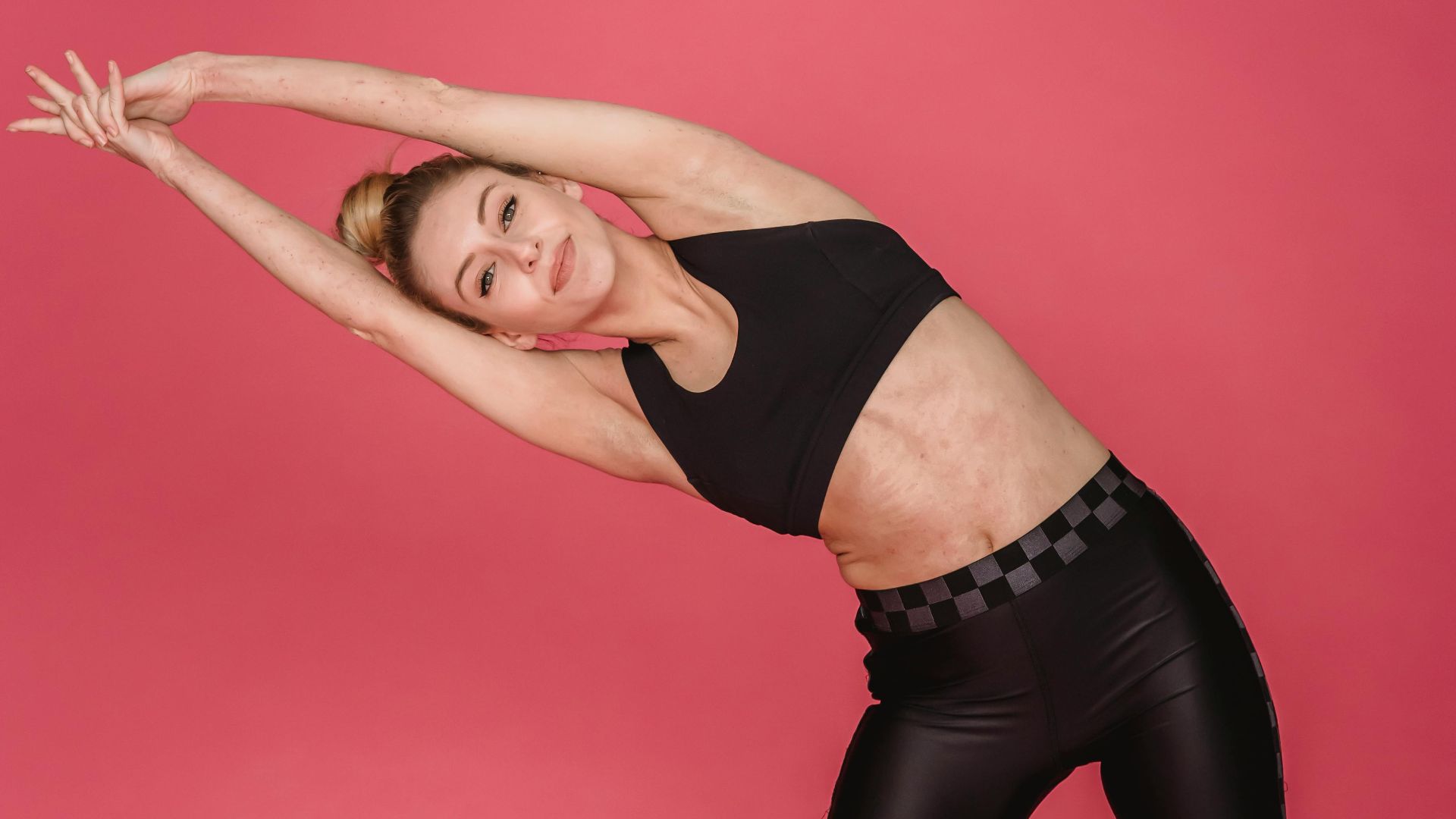
11. Lateral Reach
Reaching sideways without lifting a foot tests a part of balance that often gets ignored. It can also reveal whether one side feels less steady than the other, which is the sort of detail people discover a little later than they'd prefer.
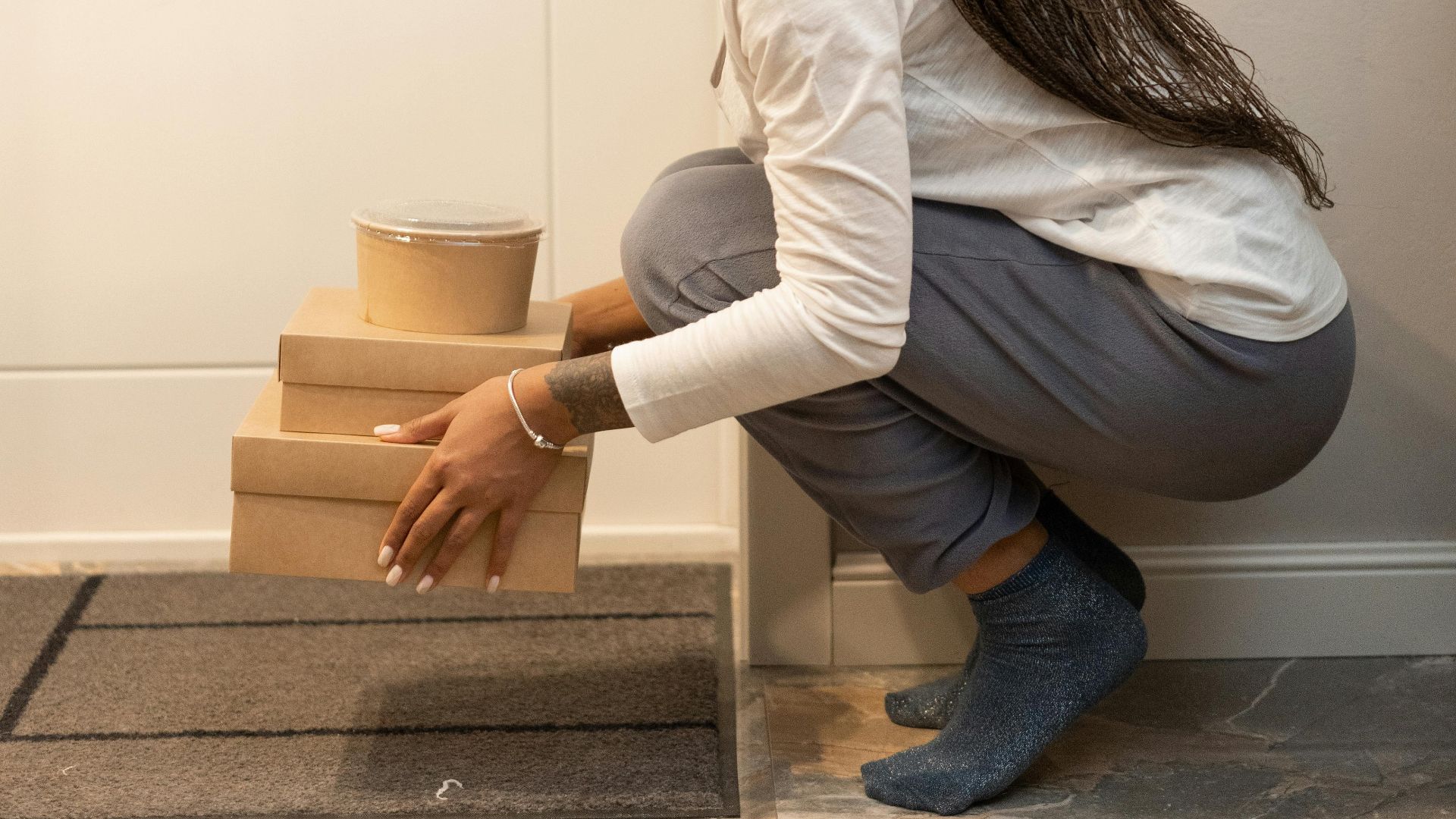
12. Pick-Up-From-The-Floor Test
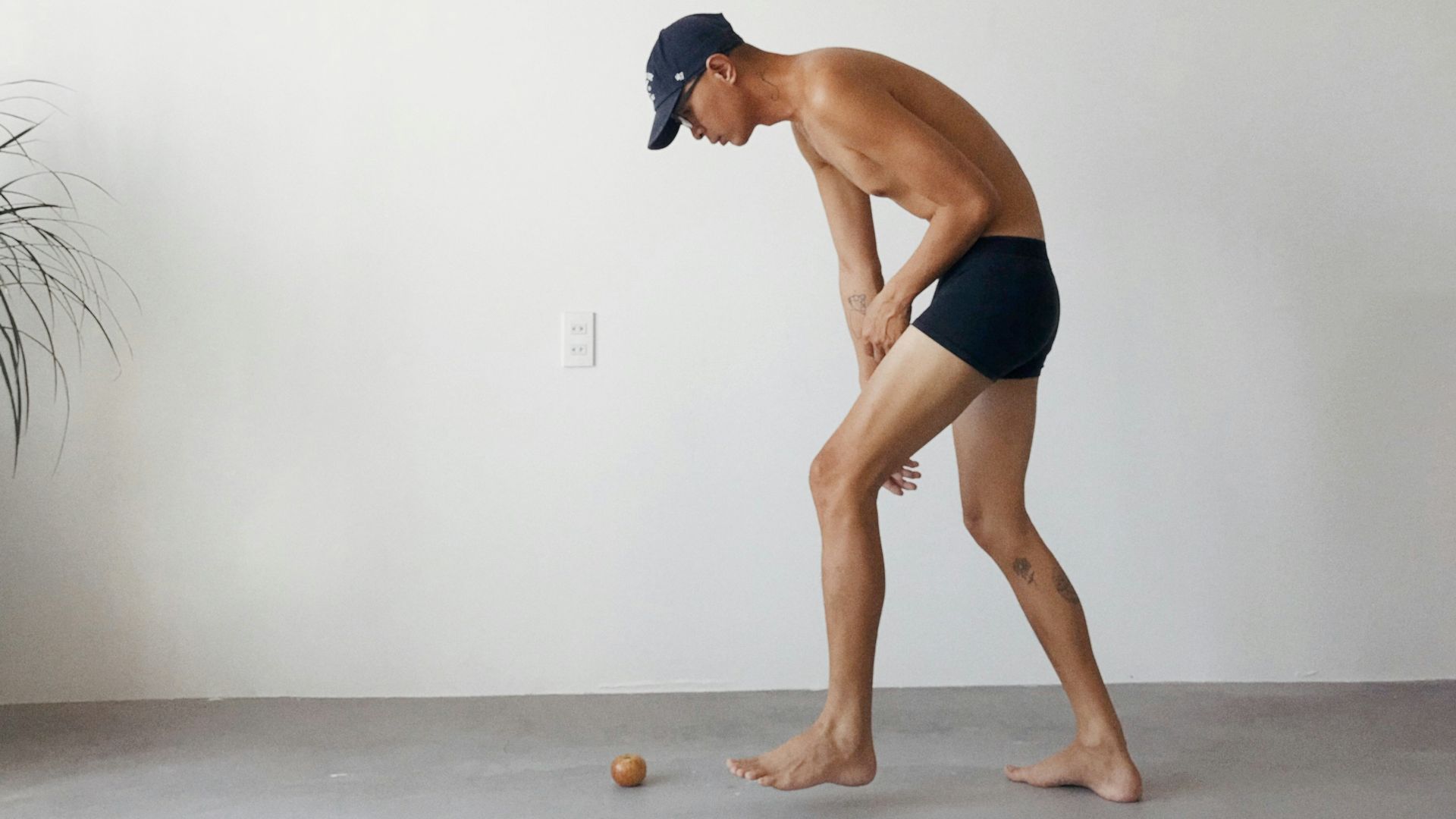
Bending down to pick up a sock, a pen, or a phone charger and standing back up without wobbling is a very real-world measure of control. If you need to brace on your thigh, widen your stance considerably, or come up in stages, your mobility and balance may be slipping a bit.
13. Turn-To-Look-Behind Test
Turning your head and upper body to look over one shoulder, then the other, while staying upright, can reveal more than you'd expect. A stiff, hesitant turn or a loss of steadiness often suggests your trunk and hips aren't coordinating as cleanly as they once did.

14. Three-Hundred-Sixty-Degree Turn
Turning in a full circle in place is one of those movements people assume will be easy until extra steps start sneaking in. A smooth turn shows good coordination and body control, while a stagger, a pause, or a wide pivot can hint that quick direction changes are getting harder.
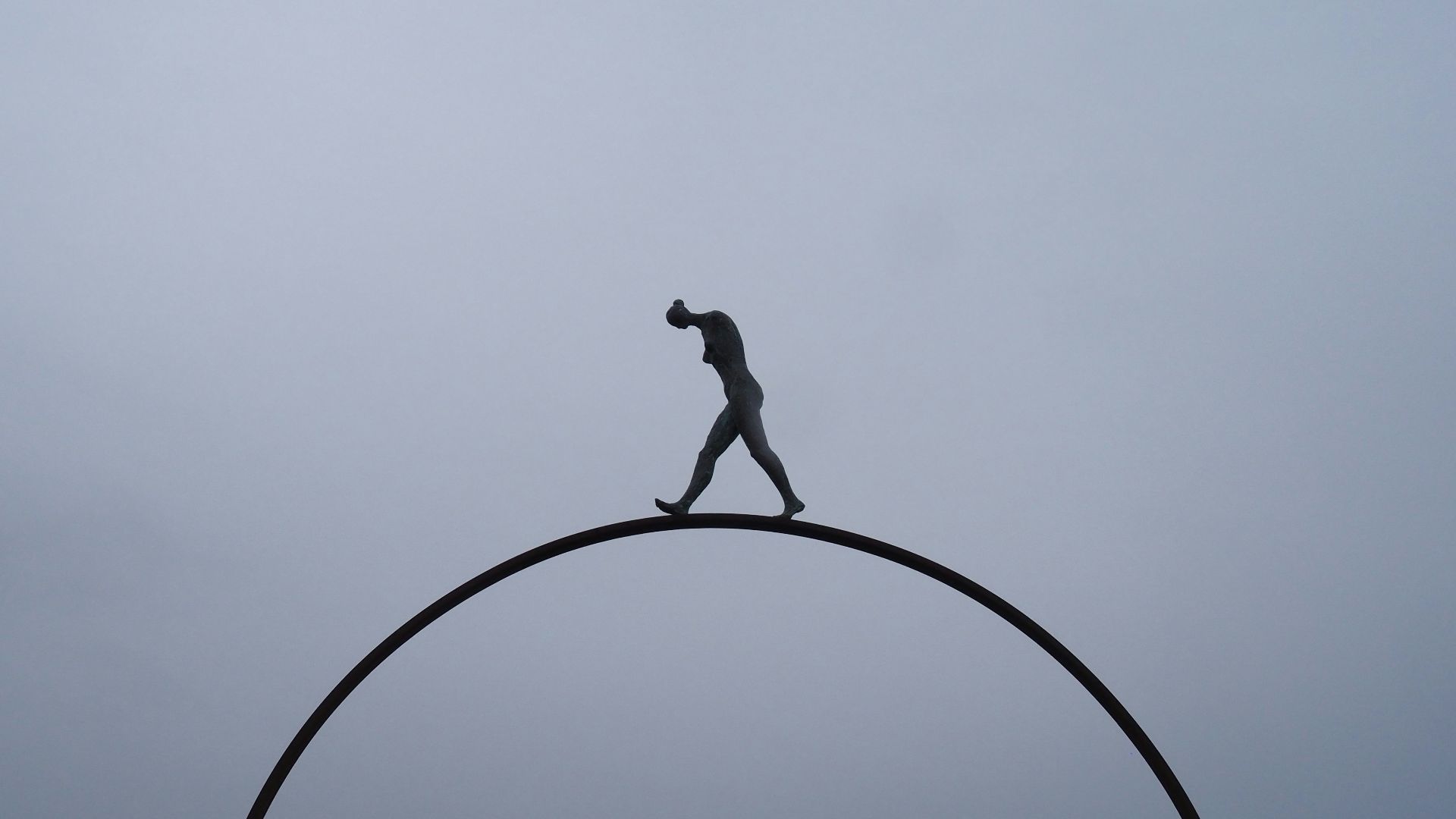
15. Tandem Walk
Walking heel-to-toe in a straight line for several steps can expose dynamic balance issues that standing still never will. If you drift off line, slap your feet down, or start using your arms, you may need to take a closer look at your coordination skillset.
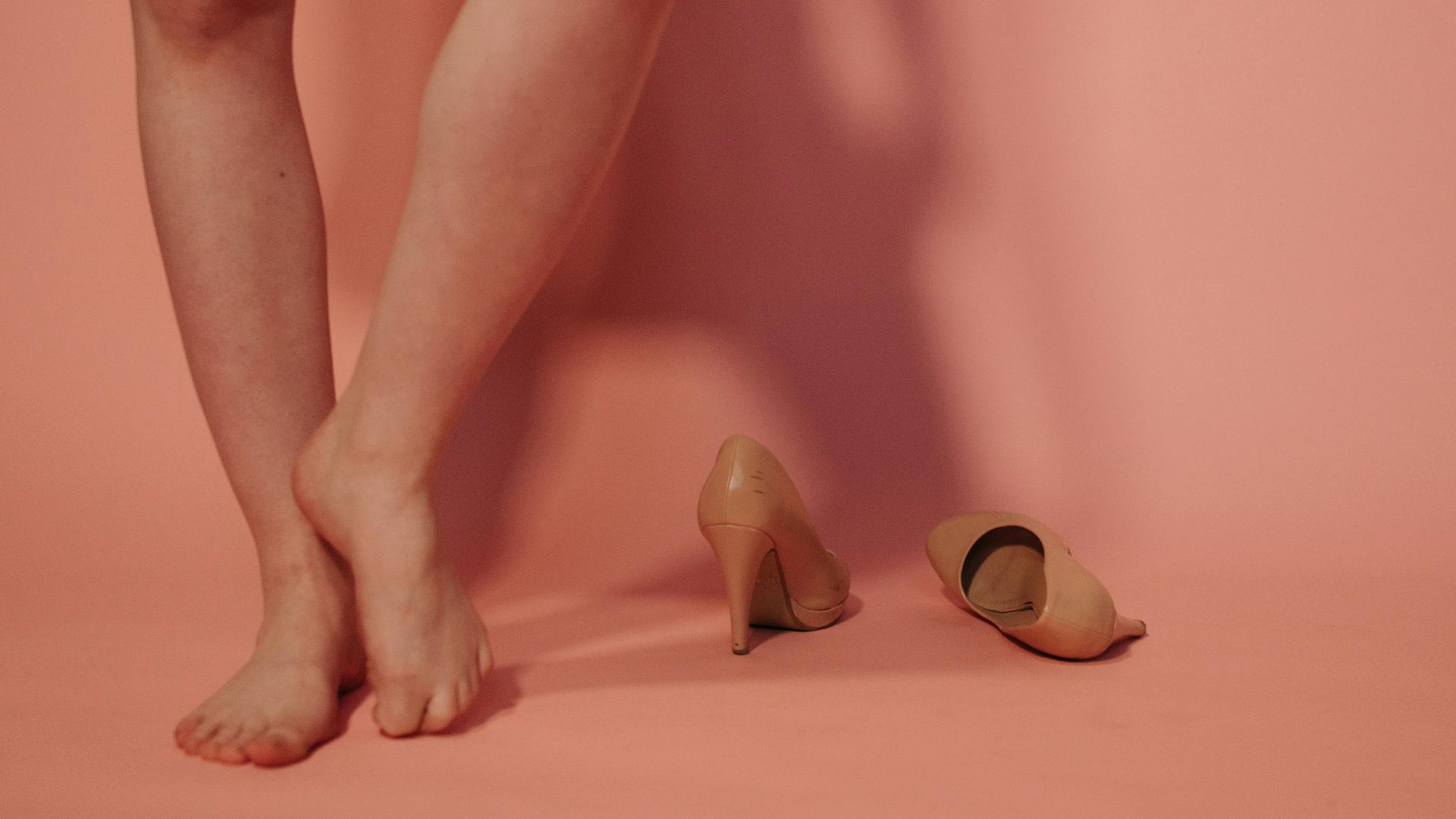
16. Alternate Foot On A Step
Touching each foot to a low step in an alternating rhythm checks how well you can shift weight from side to side without losing control. It also reveals whether your balance still works as you shift your weight back and forth.
17. Step-Over-Obstacle Test
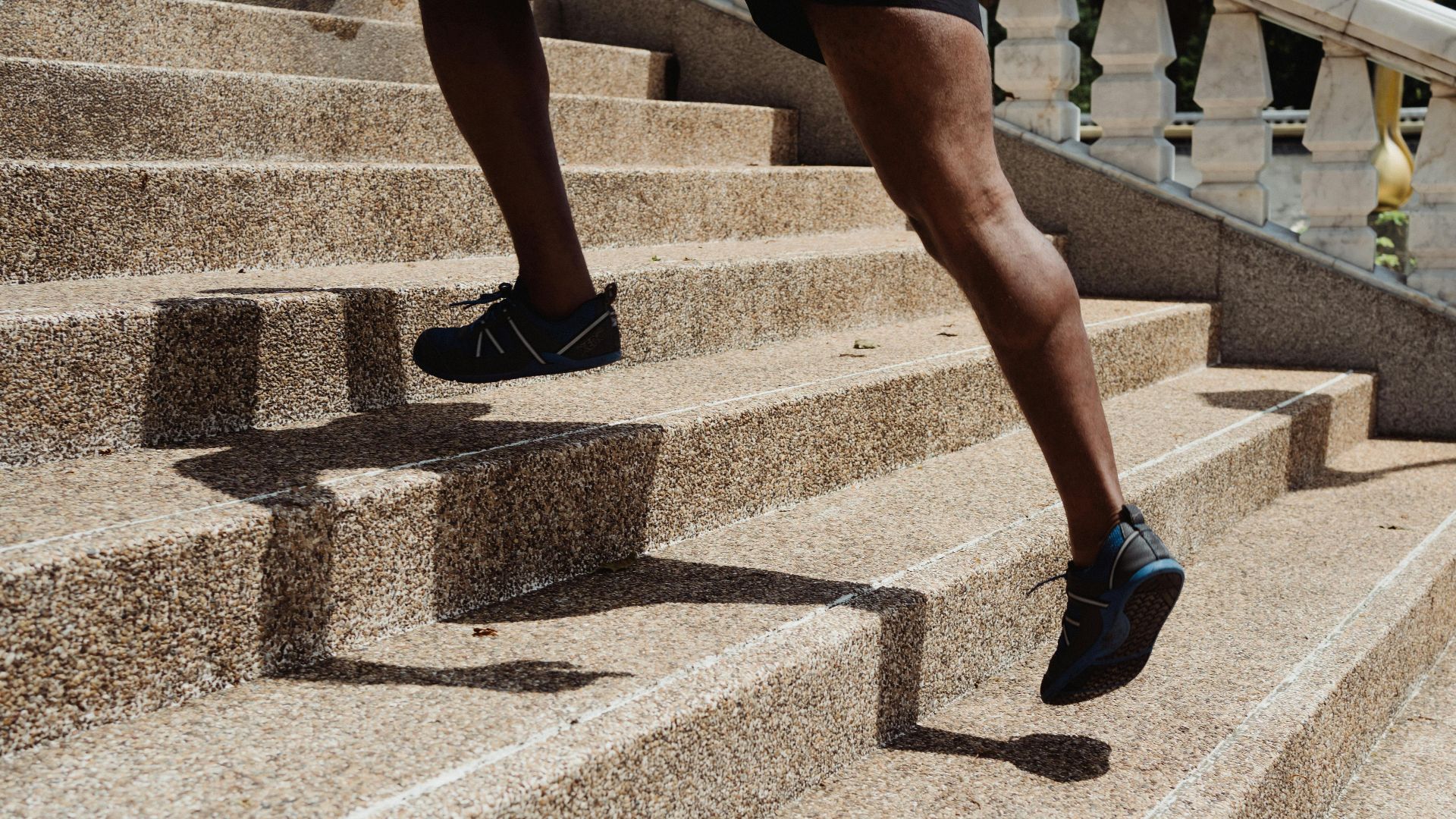
Stepping over a low object is one of those basic movements that matters more as you get older, because daily life is full of clutter, curbs, bags, and bad timing. If you clip the object, hesitate, or need a big correction after, your reactive balance may not be as sharp as it should be.
18. Foam-Surface Stand
Standing on a foam pad or another soft surface changes the information your feet send to the rest of your body, which means your system has to work harder to figure out where you are in space. Any extra sway on an unstable surface can suggest that sensory control isn't quite as crisp as it used to be.
19. Walk-And-Pivot Turn
Walking forward and then making a quick pivot to change direction checks how well your body reorganises itself while in motion. This is the kind of thing people do in kitchens, shops, and crowded hallways all the time, so any awkwardness here tends to matter more than it might seem.

20. Recovery-Step Test
A gentle nudge from a partner, or a controlled lean that makes you take a quick step to catch yourself, can reveal how well your body responds when balance is suddenly challenged. That matters because most real-life falls don't happen from standing still poorly. They happen when something unexpected throws you off, and your recovery is just a little too slow.
KEEP ON READING

10 Pre-Workout & 10 Post-Workout Tips To Follow