
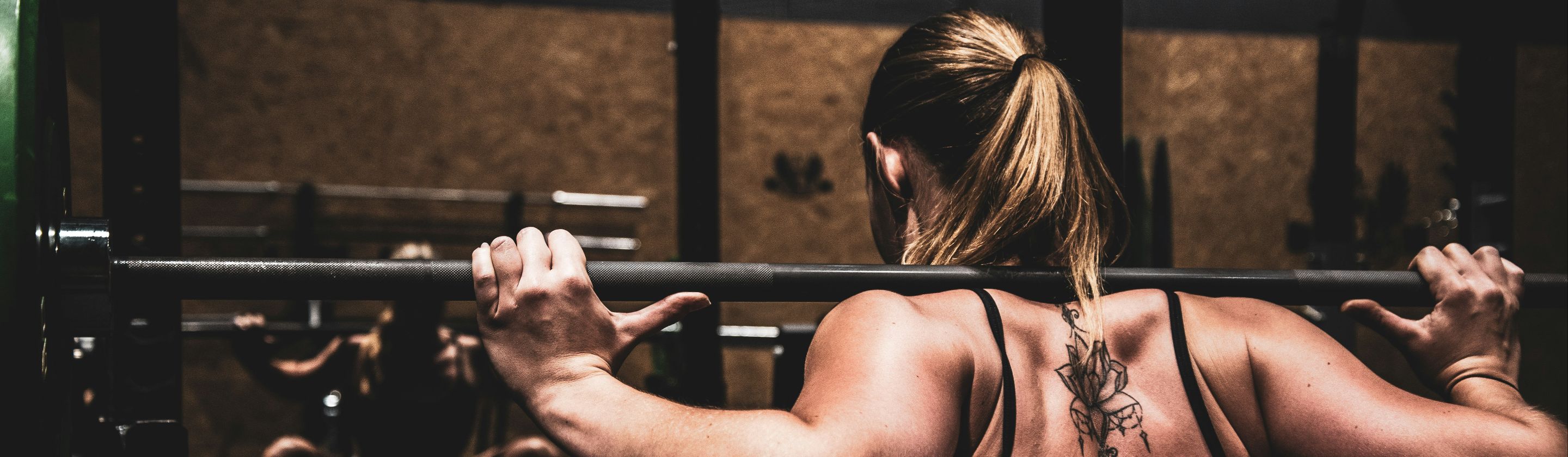
Pushing Too Hard Can Backfire
Staying consistent with workouts is important, but more isn’t always better. Overtraining can happen gradually, especially if you’re motivated and don’t recognize the warning signs early on. Instead of improving performance, too much strain without proper recovery can lead to fatigue, plateaus, and even injury. If something feels off in your routine, here are twenty signs your body might be telling you to slow down.

1. Constant Fatigue
Feeling tired after a workout is normal, but ongoing exhaustion throughout the day isn’t. If you’re waking up tired even after a full night’s sleep, your body may not be recovering properly. This kind of fatigue can build over time, and often signals that your training load is too high.

2. Decreased Performance
If your strength, speed, or endurance is declining despite consistent effort, it’s a red flag. Progress should generally move forward, even if slowly. A noticeable drop suggests your body isn’t keeping up with the demands. You may also struggle to complete workouts you previously handled with ease. This decline often happens gradually rather than all at once.

3. Persistent Muscle Soreness
Soreness that lasts for several days or never fully goes away can indicate overtraining. While delayed onset muscle soreness is normal, it shouldn’t feel constant. Lingering discomfort means your muscles aren’t repairing efficiently. This can affect your next workouts. You might begin to feel tight or stiff even before starting a session. Over time, this can limit your range of motion.

4. Trouble Sleeping
Overtraining can disrupt your sleep patterns, making it harder to fall or stay asleep. Even if you’re physically tired, your body may feel restless. Poor sleep further reduces recovery. This creates a cycle that’s hard to break, and you may wake up frequently during the night without a clear reason. Ultimately, sleep may feel lighter and less restorative than usual.

5. Increased Resting Heart Rate
A higher-than-normal resting heart rate can be a sign your body is under stress. It reflects how hard your system is working even at rest. Monitoring this over time can reveal patterns.

6. Frequent Illness
If you’re getting sick more often, your immune system may be compromised. Excessive training can weaken your body’s defenses. Minor colds or infections may become more common, and this is a clear sign your body needs recovery.

7. Loss of Motivation
A sudden drop in enthusiasm for workouts can signal burnout. Even if you usually enjoy exercise, it may start to feel like a chore. This mental fatigue often accompanies physical strain.
8. Mood Changes
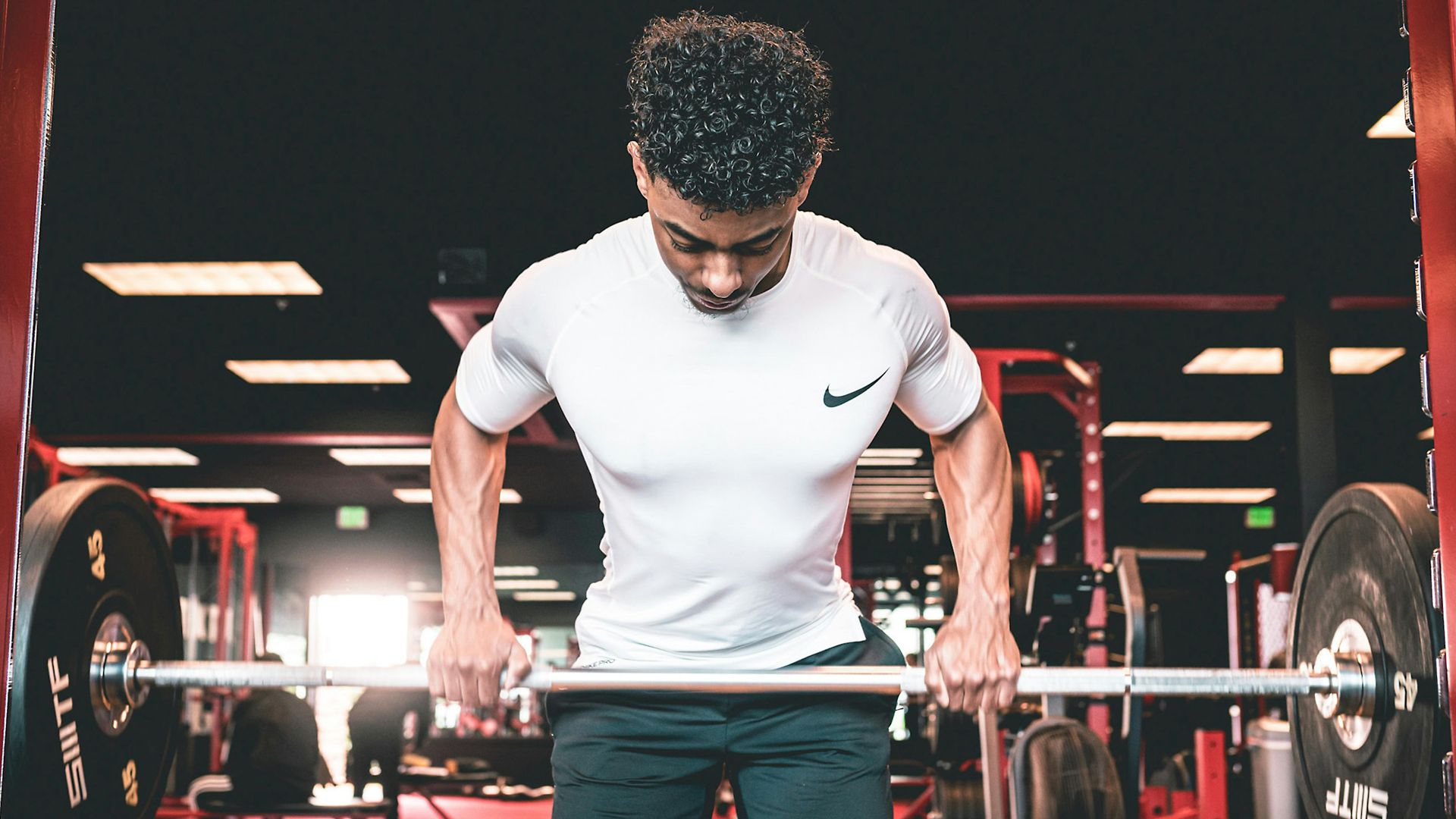
Irritability, anxiety, or low mood can be linked to overtraining. Hormonal imbalances caused by excessive exercise may play a role. You might feel more easily frustrated or less focused. These changes shouldn’t be overlooked. Small inconveniences may start to feel more overwhelming than usual, and your patience and emotional balance can shift noticeably.

9. Elevated Stress Levels
Your body may remain in a heightened state of stress even outside of workouts. This can affect daily life and overall well-being, as the physical strain adds to other life stressors.

10. Loss of Appetite
A reduced desire to eat can occur when the body is under too much strain. This is counterproductive since nutrition is essential for recovery. Skipping meals or eating less can worsen the issue.
 Pablo Merchán Montes on Unsplash
11. Increased Injuries
Frequent minor injuries, like strains or joint pain, can indicate overuse. Your body isn’t getting enough time to repair itself, and small issues can quickly become more serious. This is one of the more visible warning signs. You might find the same areas becoming sore repeatedly. Recovery from injuries may also take longer than expected.

12. Plateau in Progress
If you’re no longer seeing improvements despite consistent effort, overtraining may be the cause. Your body needs recovery time to adapt and grow stronger. Without it, progress stalls.
13. Heavy or Sluggish Workouts
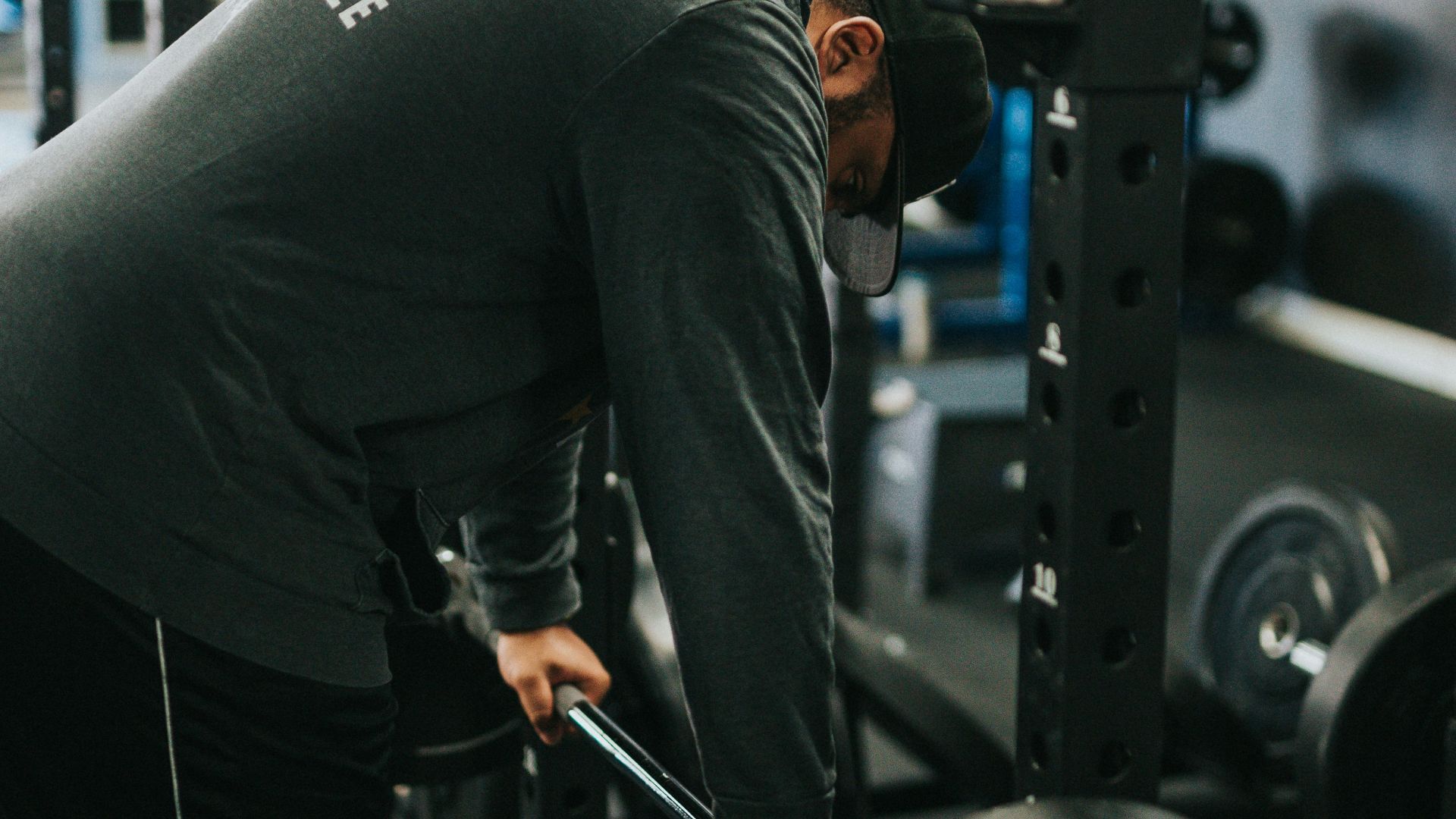
Workouts may start to feel harder than usual, even at the same intensity. Movements that once felt easy can feel unusually difficult. This sluggishness reflects accumulated fatigue, and it's a signal to scale back.

14. Hormonal Imbalances
Overtraining can affect hormone levels, including cortisol and testosterone. This may lead to changes in energy, mood, and recovery. In some cases, it can also impact menstrual cycles. Remember, these internal changes often go unnoticed at first.

15. Reduced Coordination
You might notice a lack of sharpness in movements or slower reaction times. This can increase the risk of injury during workouts. Coordination is closely tied to overall fatigue.

16. Cravings for Sugary Foods
Your body may start craving quick sources of energy when it’s overworked. This often shows up as a desire for sugary or highly processed foods. While occasional cravings are normal, consistent patterns can signal imbalance.

17. Dehydration Symptoms
Even with regular hydration, you may feel unusually thirsty or experience dry mouth. Overtraining can disrupt fluid balance. This can also lead to headaches or dizziness.

18. Digestive Issues
Some people experience stomach discomfort, bloating, or irregular digestion when overtraining. Stress on the body can affect how it processes food. These symptoms may seem unrelated at first. However, they can be connected to excessive training.

19. Lack of Enjoyment
When workouts stop feeling rewarding, it’s worth paying attention. Exercise should generally feel positive, even when challenging. A loss of enjoyment often reflects deeper fatigue.

20. Needing More Stimulants
Relying more on caffeine or energy drinks to get through workouts can be a warning sign. It suggests your natural energy levels are depleted. While occasional use is common, increased dependence isn’t ideal.

KEEP ON READING


20 Natural Ways You Can Boost Your Immune System

20 Ways To De-stress & Relax After Work

The 10 Most Common Diseases & The 10 Most Rare