
Stay Active While Protecting Your Body
Exercise is essential for maintaining strength, mobility, and overall health, but it can also put stress on your joints if you’re not careful. The good news is you don’t have to give up your workouts to stay pain-free. With a few smart adjustments, you can keep moving while reducing wear and tear on your body. Here are 20 practical ways to protect your joints without stepping away from exercise.

1. Warm Up Before Every Workout
Jumping straight into intense activity can strain your joints unnecessarily. A proper warm-up increases blood flow and prepares your muscles for movement. You’ll reduce stiffness and improve flexibility before the main session. Even five to ten minutes can make a noticeable difference.

2. Focus on Proper Form
Using correct technique helps distribute weight evenly across your joints. Poor form often leads to unnecessary stress on knees, shoulders, or hips. It’s worth slowing down to ensure each movement is controlled. If you’re unsure, guidance from a trainer can help.
3. Strengthen Supporting Muscles
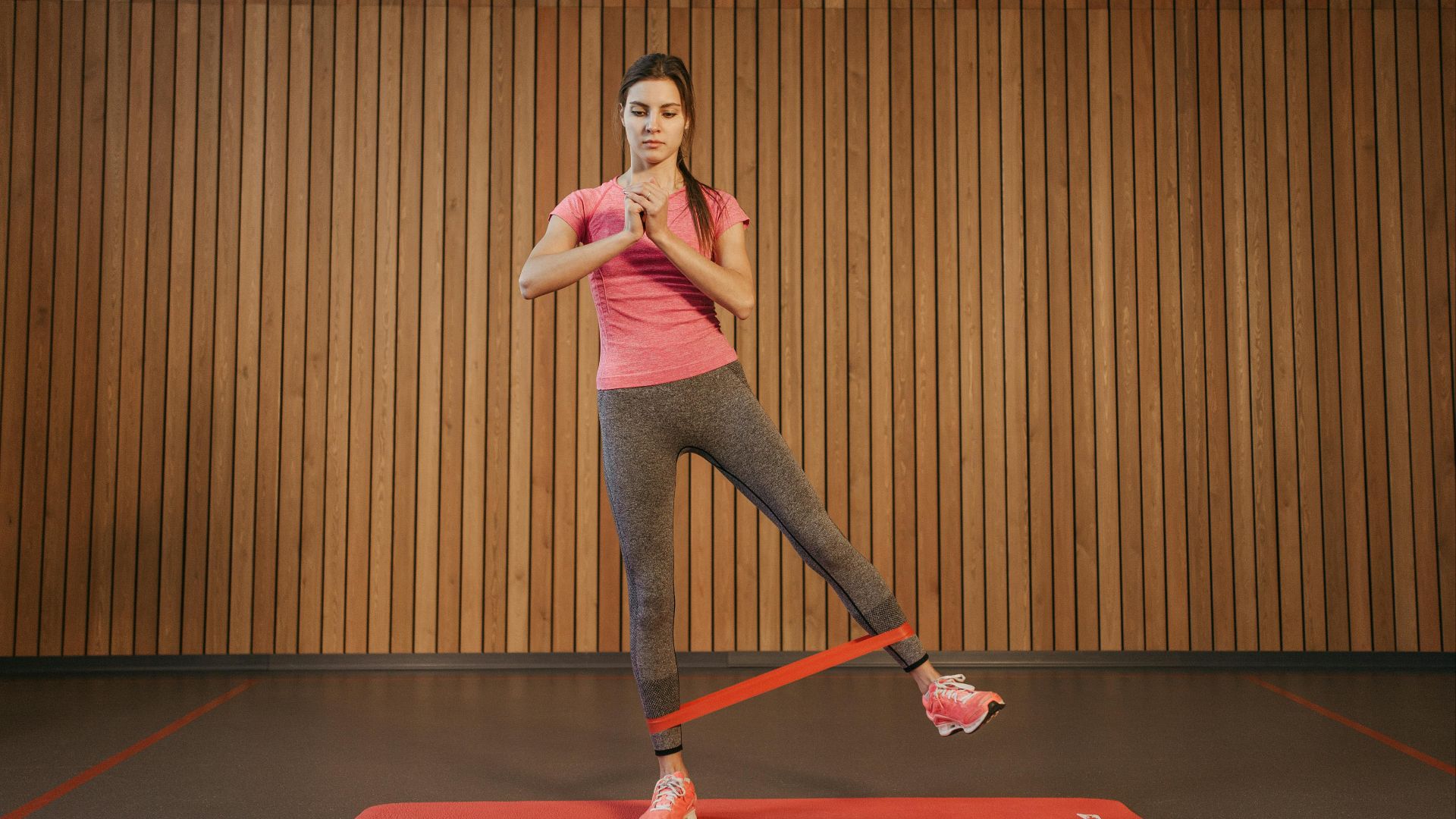
Strong muscles act as stabilizers for your joints. When muscles are weak, joints take on more of the load. Strength training helps improve balance and reduce injury risk. You don’t need heavy weights to see benefits, as consistency matters more.

4. Incorporate Low-Impact Exercises
Activities like swimming, cycling, or using an elliptical reduce joint strain. These exercises still provide cardiovascular benefits without excessive impact. They’re especially helpful if you’re managing joint discomfort. Mixing them into your routine can keep things balanced.
5. Wear Supportive Footwear
Shoes play a major role in how force travels through your body. Proper support can reduce stress on your ankles, knees, and hips. Worn-out or unsupportive shoes increase your risk of discomfort. Replacing them regularly helps maintain protection.

6. Avoid Overtraining
Pushing too hard without enough recovery can lead to joint irritation. Your body needs time to repair and adapt after workouts. Scheduling rest days helps prevent overuse injuries. Listening to your body is key to long-term progress.

7. Stretch Regularly
Flexibility reduces tension around your joints. Tight muscles can pull on joints and limit range of motion. Stretching after exercise helps maintain mobility, and over time, this can improve how your body moves overall.
8. Maintain a Healthy Weight
Excess body weight increases pressure on weight-bearing joints like knees and hips. Even small reductions can lower that stress significantly. Exercise combined with balanced nutrition supports joint health. It’s a gradual process that pays off over time.

9. Stay Hydrated
Water supports joint lubrication and overall tissue health. Dehydration can contribute to stiffness and reduced performance. Drinking enough fluids throughout the day helps your body function smoothly. It’s a simple habit that often gets overlooked.

10. Use Proper Equipment
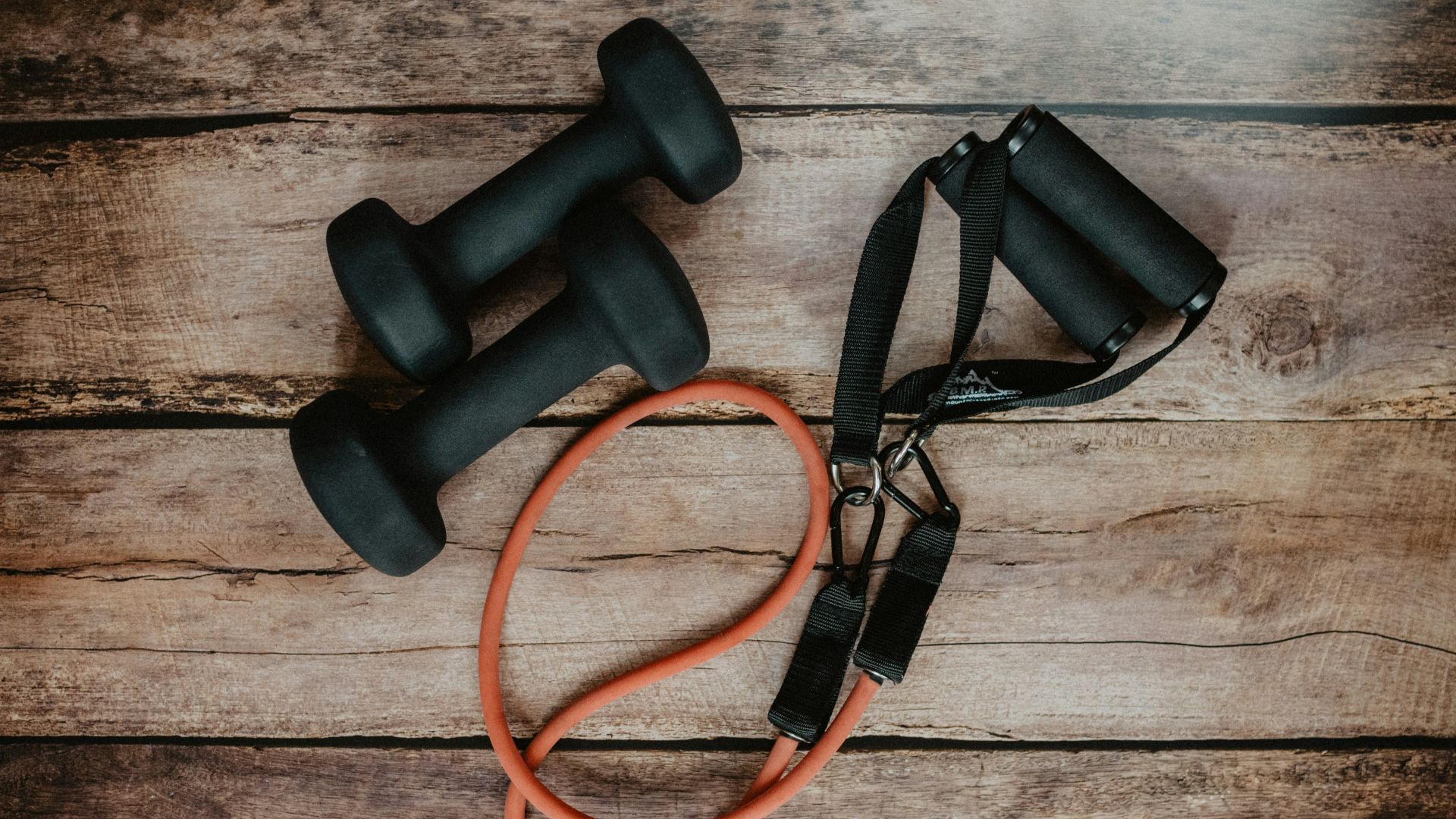
Whether it’s weights, mats, or resistance bands, using the right equipment matters. Poorly maintained or inappropriate gear can lead to awkward movements. This increases strain on your joints, so choosing quality equipment supports safer workouts.
11. Gradually Increase Intensity
Sudden spikes in activity can overload your joints. Progressing slowly allows your body to adapt safely. This applies to both weight and duration. Patience helps reduce the risk of setbacks.

12. Cross-Train Your Workouts
Repeating the same movements daily can stress specific joints. Mixing different types of exercise distributes the workload. For example, combining strength training with cardio and flexibility work keeps things balanced. Variety supports long-term joint health.

13. Pay Attention to Pain Signals
Sharp or persistent pain shouldn’t be ignored. It often signals that something isn’t right with your movement or workload. Adjusting your routine early can prevent more serious issues. If needed, consulting a professional is a smart step.

14. Strengthen Your Core
A strong core helps stabilize your entire body during movement. This reduces unnecessary strain on your spine and surrounding joints. Core exercises improve posture and balance. Over time, they support more efficient movement patterns.
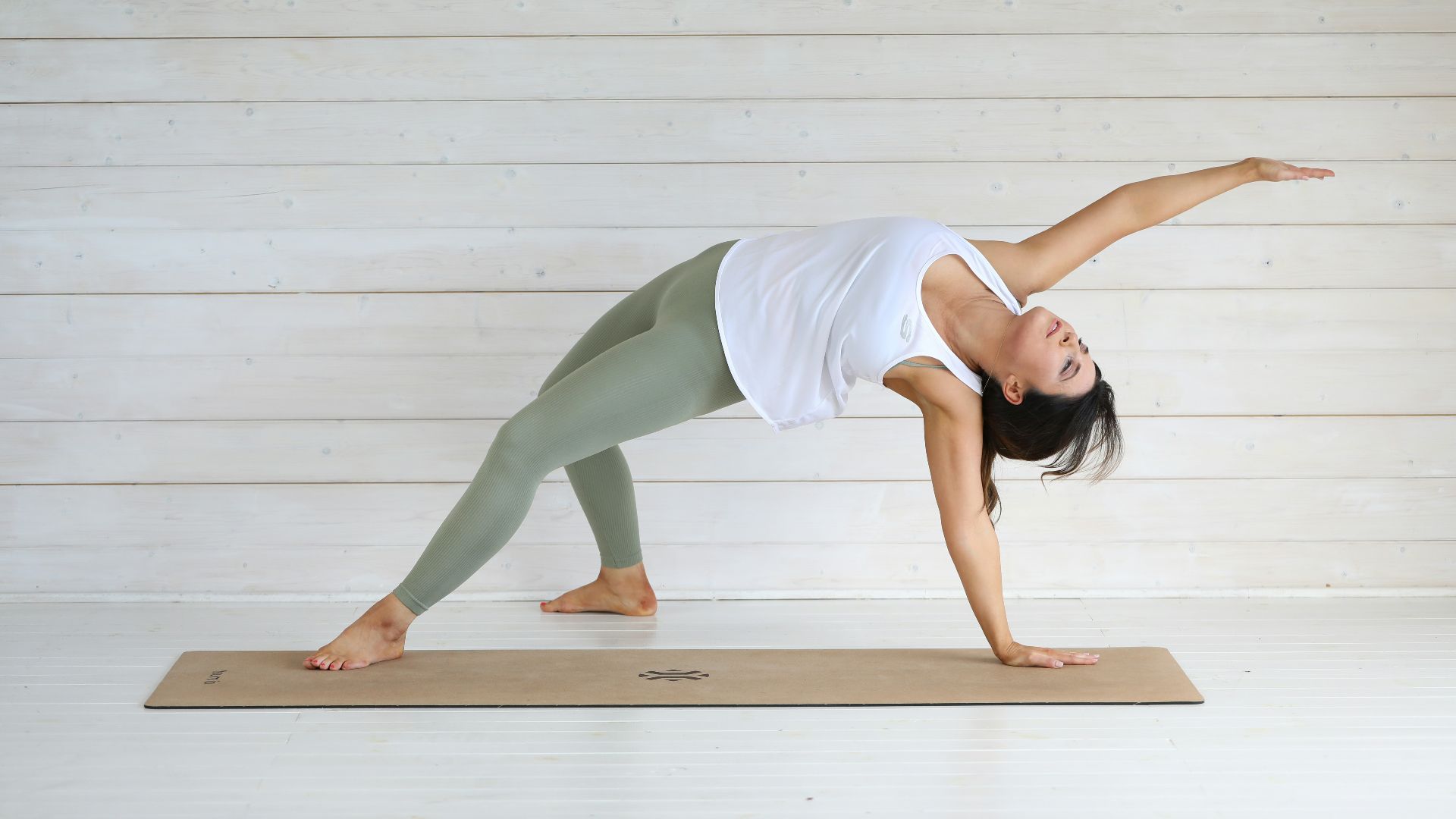
15. Use Compression or Support Gear When Needed
Braces or compression sleeves can provide extra stability for vulnerable joints. They’re especially useful during high-impact activities. While they shouldn’t replace proper training, they can offer additional support. Use them thoughtfully rather than relying on them entirely.

16. Prioritize Recovery Techniques
Recovery isn’t just about rest, it includes practices like foam rolling or light stretching. These techniques help reduce muscle tension around joints. Improved recovery leads to better performance in future workouts. It’s an important part of any routine.
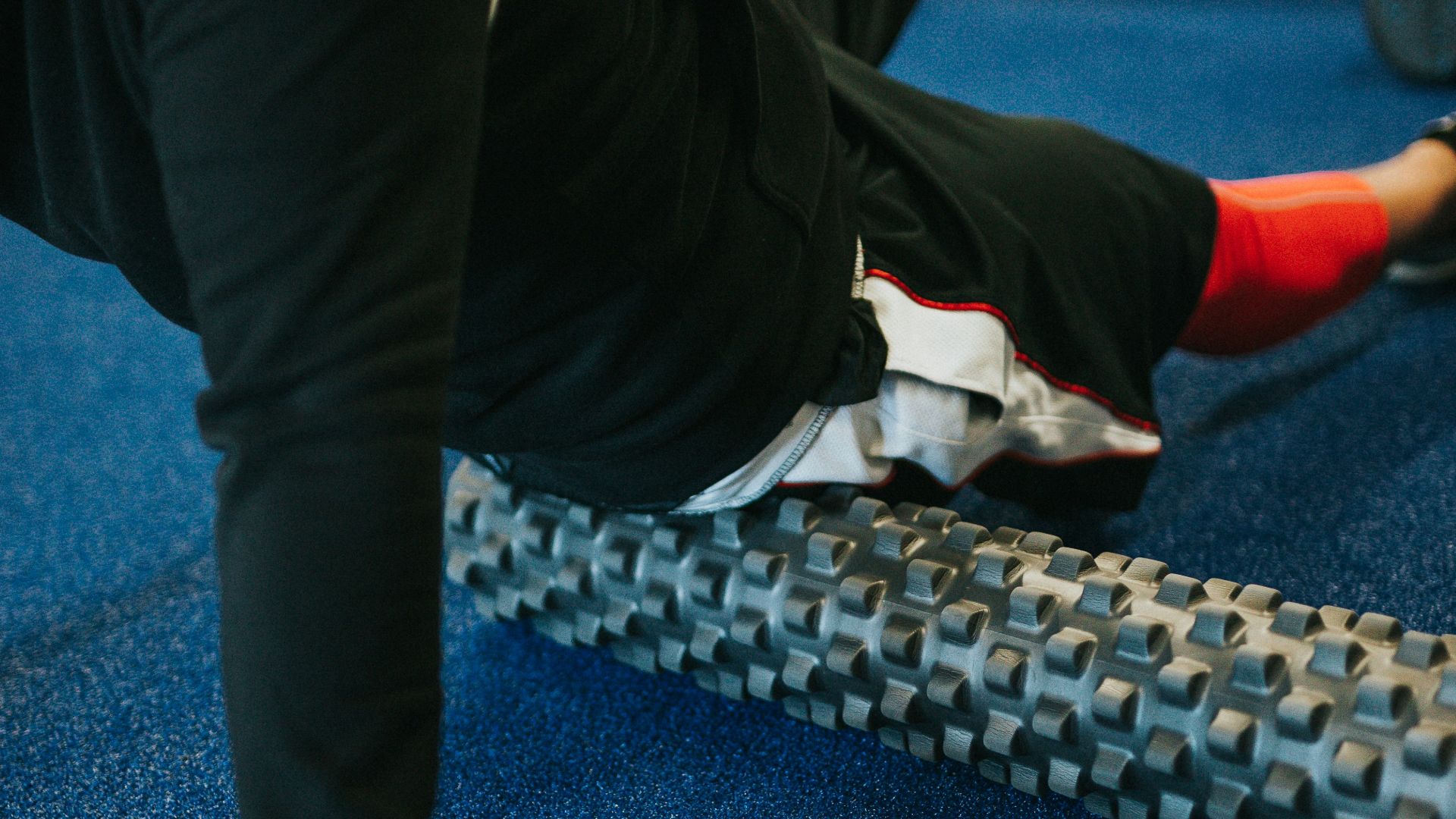
17. Adjust Your Workout Surface
Hard surfaces can increase the impact on your joints. Whenever possible, choose softer or more forgiving surfaces like grass or rubber flooring. This is especially important for running or jumping exercises. Small changes in environment can make a big difference.
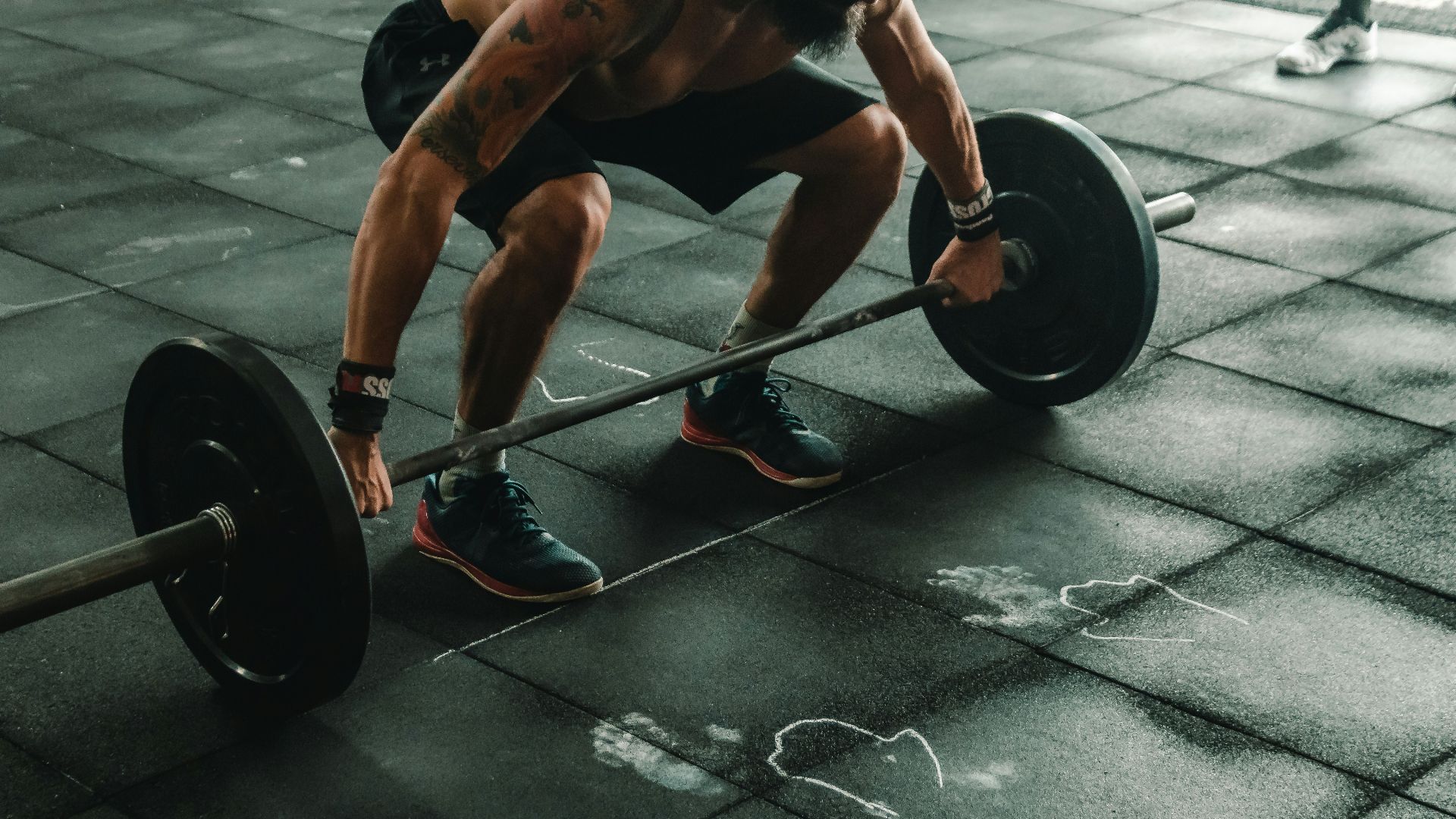
18. Include Mobility Exercises
Mobility work focuses on controlled joint movement through full ranges. It helps maintain joint function and reduces stiffness. Incorporating short mobility sessions can improve how your body feels during workouts. It’s a simple addition with long-term benefits.
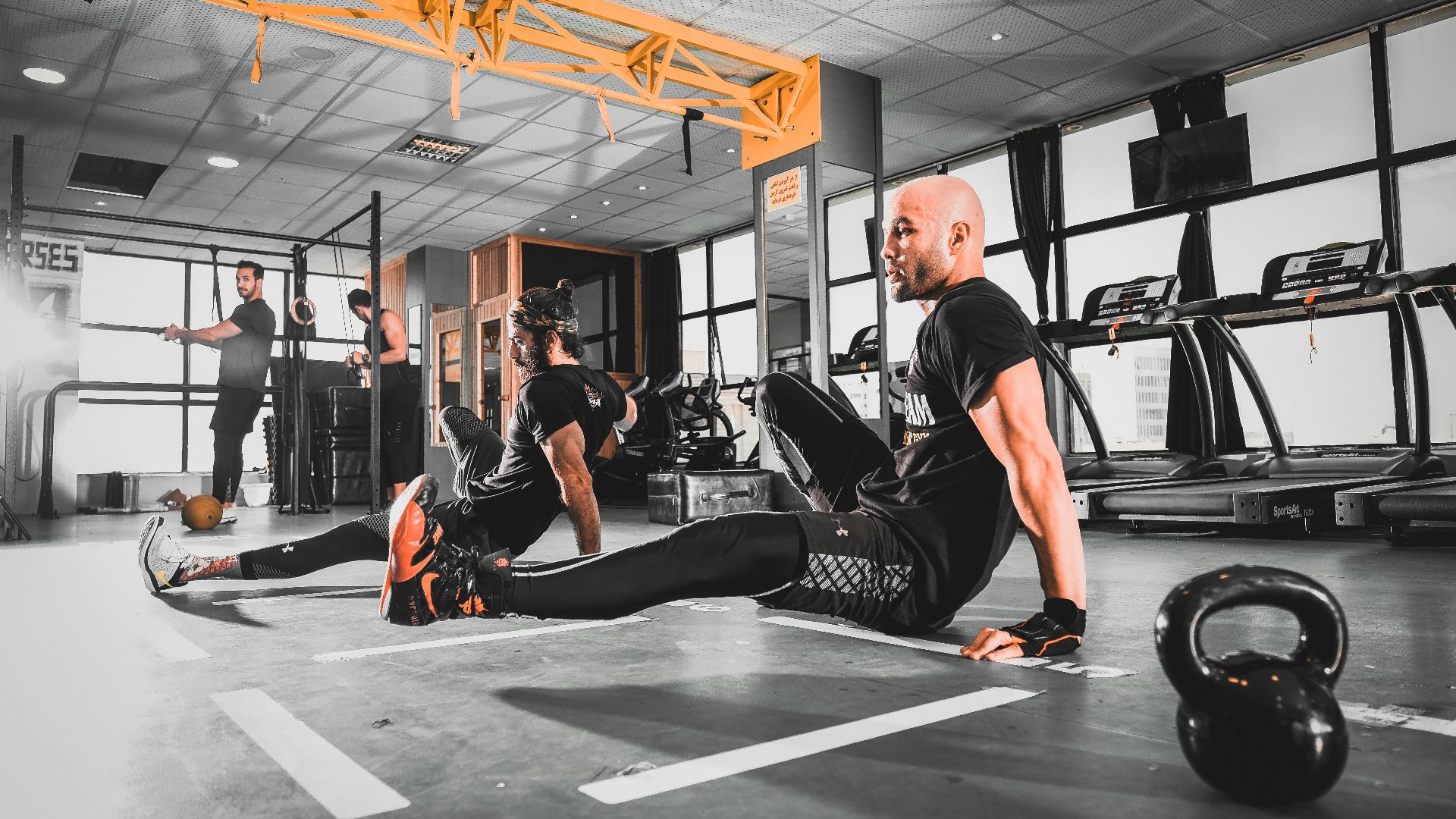
19. Balance High and Low Intensity Days
Alternating between intense and lighter workouts gives your joints time to recover. Constant high intensity can lead to fatigue and strain. A balanced schedule supports both performance and health. It helps you stay consistent without overloading your body.

20. Fuel Your Body Properly
Nutrition plays a role in joint health and recovery. Foods rich in nutrients support tissue repair and reduce inflammation. Skipping meals or under-fueling can affect how your body handles exercise. Eating well helps you maintain both energy and resilience.