Ground Rules for Getting It Right
No one likes going to the hospital, but sometimes, you just can’t get around a trip there. And, sure enough, as soon as you enter the doors, you’re greeted by busy staff, beeping machines, and the everyday chaos of the public. We know it’s easy to feel overwhelmed, but a little common sense can make the experience smoother for you, the staff, and everyone else around you. Whether you're visiting someone, waiting for treatment, or staying overnight, it helps to know which habits only make you an insufferable patient.
 National Cancer Institute on Unsplash
1. Don't Ignore Hospital Rules
Hospital rules aren't there to make your day harder, even if they feel inconvenient. They're designed to protect everyone, all of whom are crammed in an environment where small mistakes have real consequences. If you're asked to follow a guideline, do it without debate.
 Martha Dominguez de Gouveia on Unsplash
2. Don't Visit When You're Sick
Hang on a second—aren’t hospitals for sick people? You should obviously go if something doesn’t feel right; however, if you've got anything contagious, it’s best to stay home. Patients in hospitals often have weakened immune systems, and what feels minor to you could become a serious problem for them. Sending a text or making a call is a much kinder choice!
 Hush Naidoo Jade Photography on Unsplash
3. Don't Speak Loudly
Hospitals are rarely quiet by accident. Not only is quiet time essential for resting patients, but those experiencing crises don’t want to deal with loud talking or shouting. A calm voice goes a long way in a place where peace is already hard to come by.
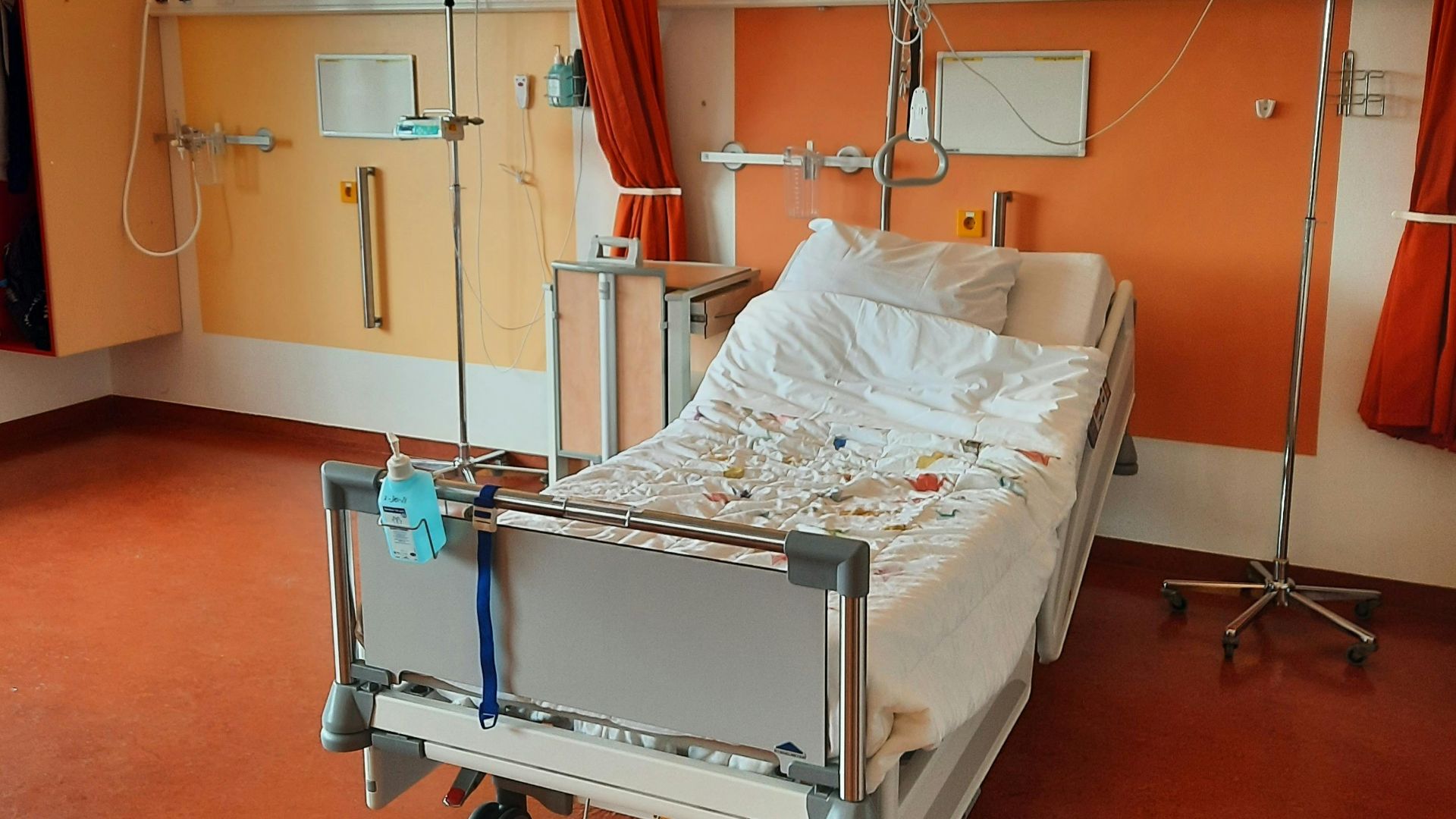
4. Don't Touch Medical Equipment
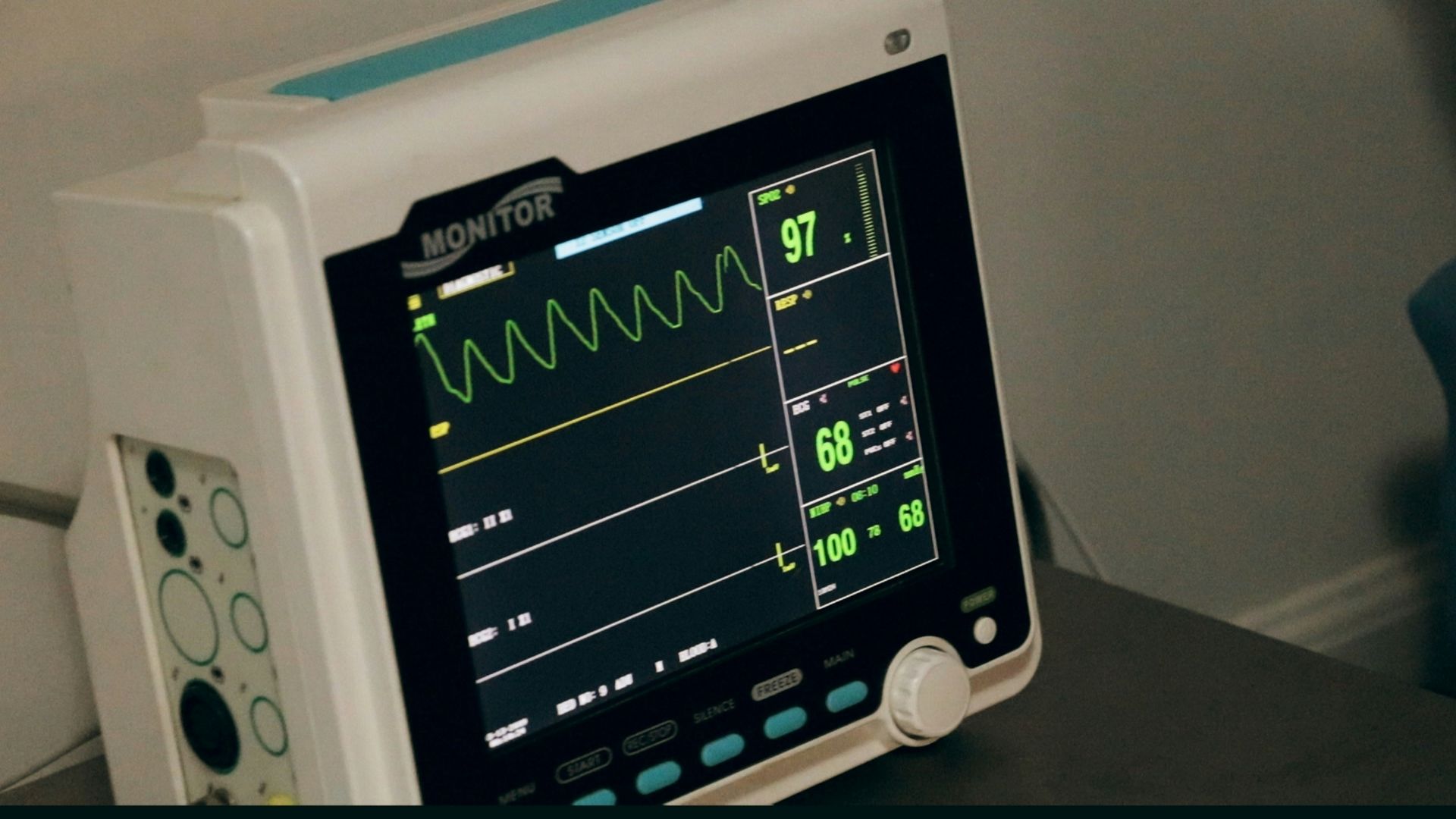
You might be curious about the machines and monitors around a patient's bed, but keep your hands to yourself. Medical equipment is carefully set up for a reason, and even a small adjustment can cause risk. Should anything look wonky, tell a nurse instead of trying to fix it.
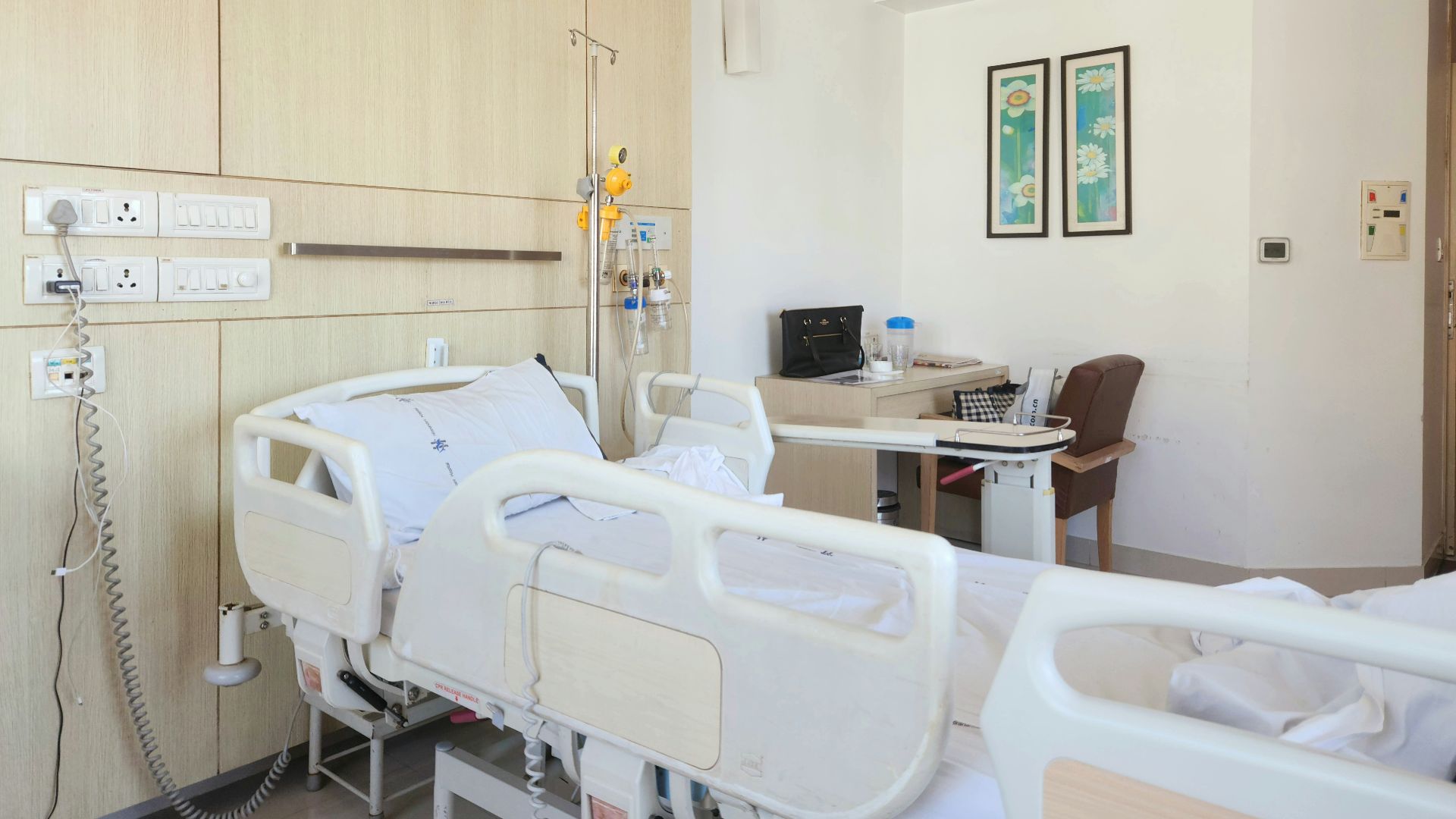
5. Don't Crowd the Staff
Doctors, nurses, and aides have packed schedules and urgent responsibilities. Stopping them every few minutes with questions or hovering while they work makes an already stressful job even harder. Ask what you need politely, then give them room to do what they need to.

6. Don't Bring Strong Smells Inside
Perfume, cologne, heavily scented lotion, and strong food odors can all wreak havoc in a hospital room. Many patients are sensitive to smells, especially if they're nauseated, recovering from surgery, or dealing with treatment side effects.

7. Don't Assume Visiting Hours Are Flexible
Visiting hours exist to support patients, not to test your negotiating skills. Staff need quiet time for treatment or shift changes, and that schedule matters more than your convenience. Do everyone, including yourself, a favor: arrive on time and leave when asked.
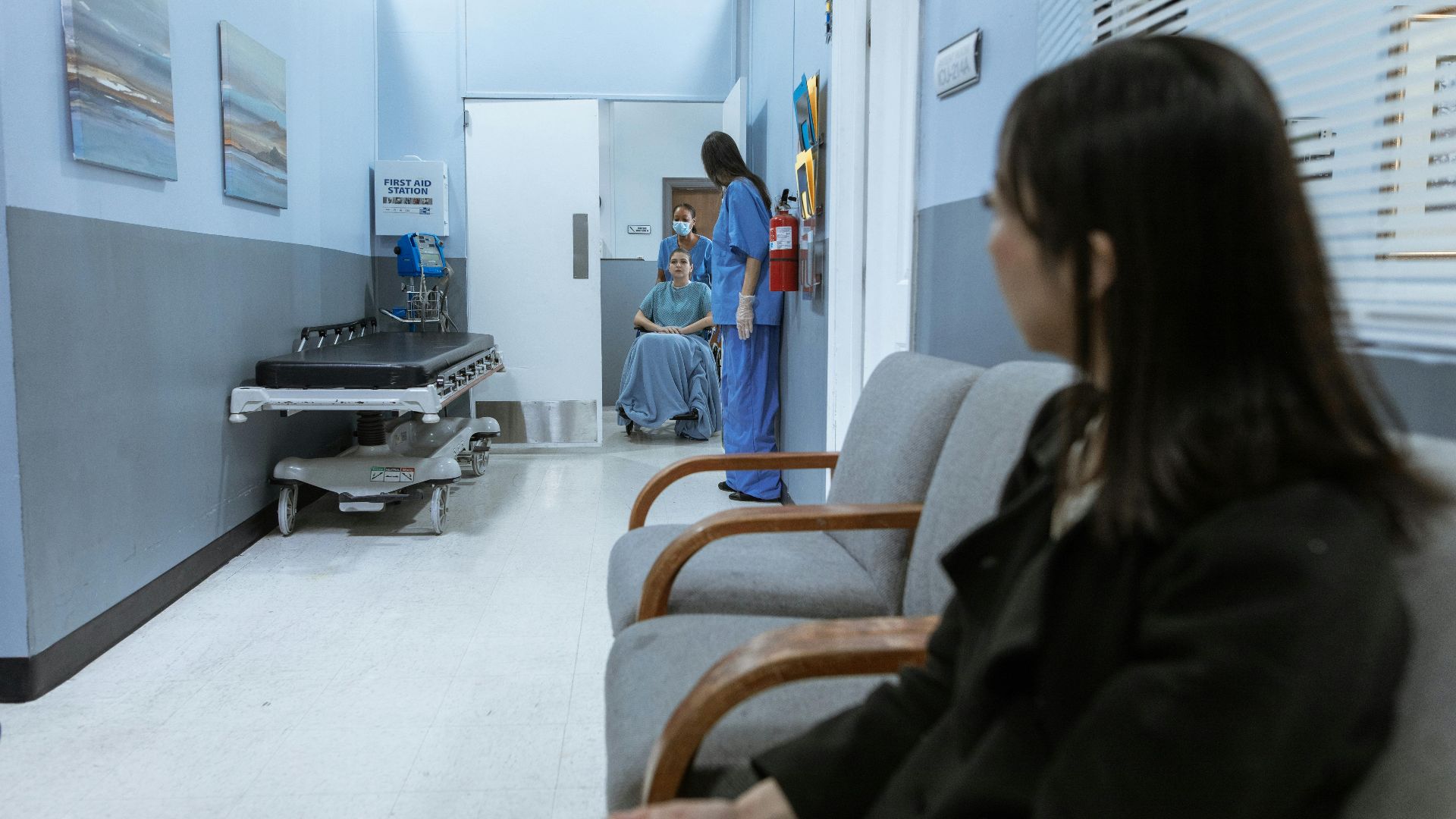
8. Don't Use Speakerphone in Shared Spaces
No one in a waiting room wants to hear your cousin's dinner plans. Much like using your outside voice, speakerphone calls can quickly turn a stressful environment into an irritating one for everyone around you. Use headphones if you need to distract yourself.
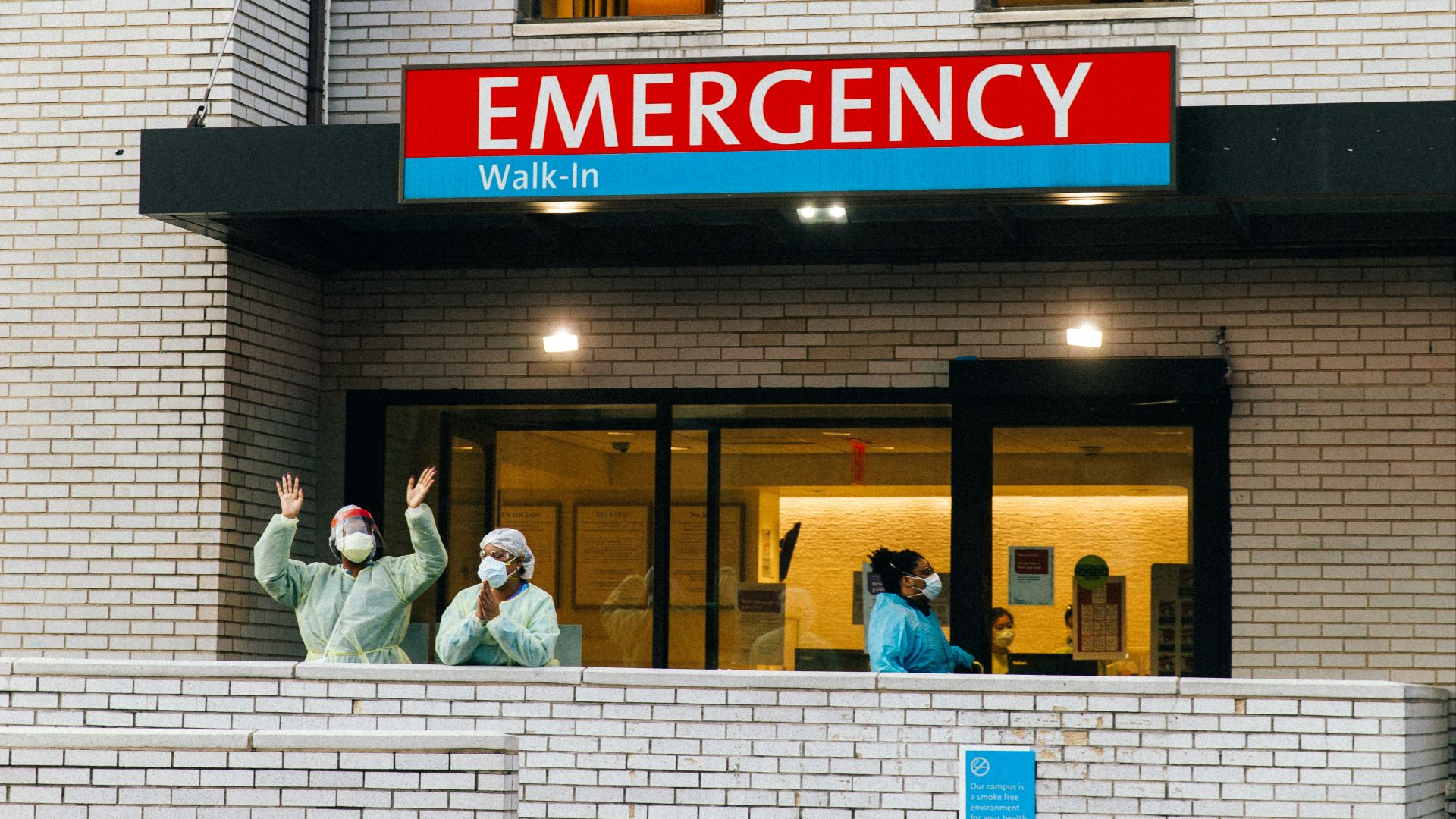
9. Don't Lean on Patient Furniture
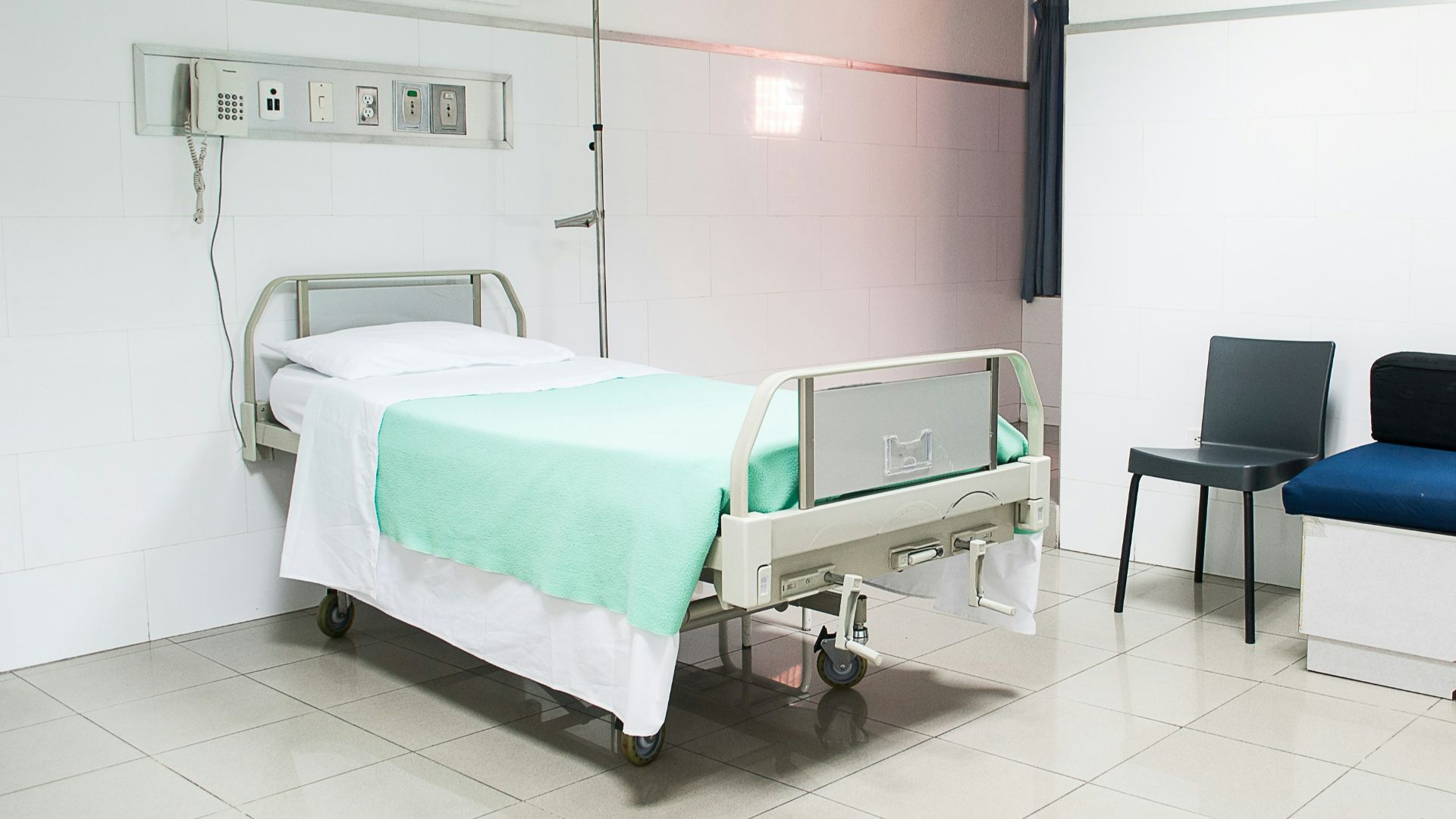
A hospital bed isn't extra seating! Even when the room feels crowded, nearby equipment is solely arranged for patient care, and using it willy-nilly interferes with safety, cleanliness, and comfort.
10. Don't Post Without Permission
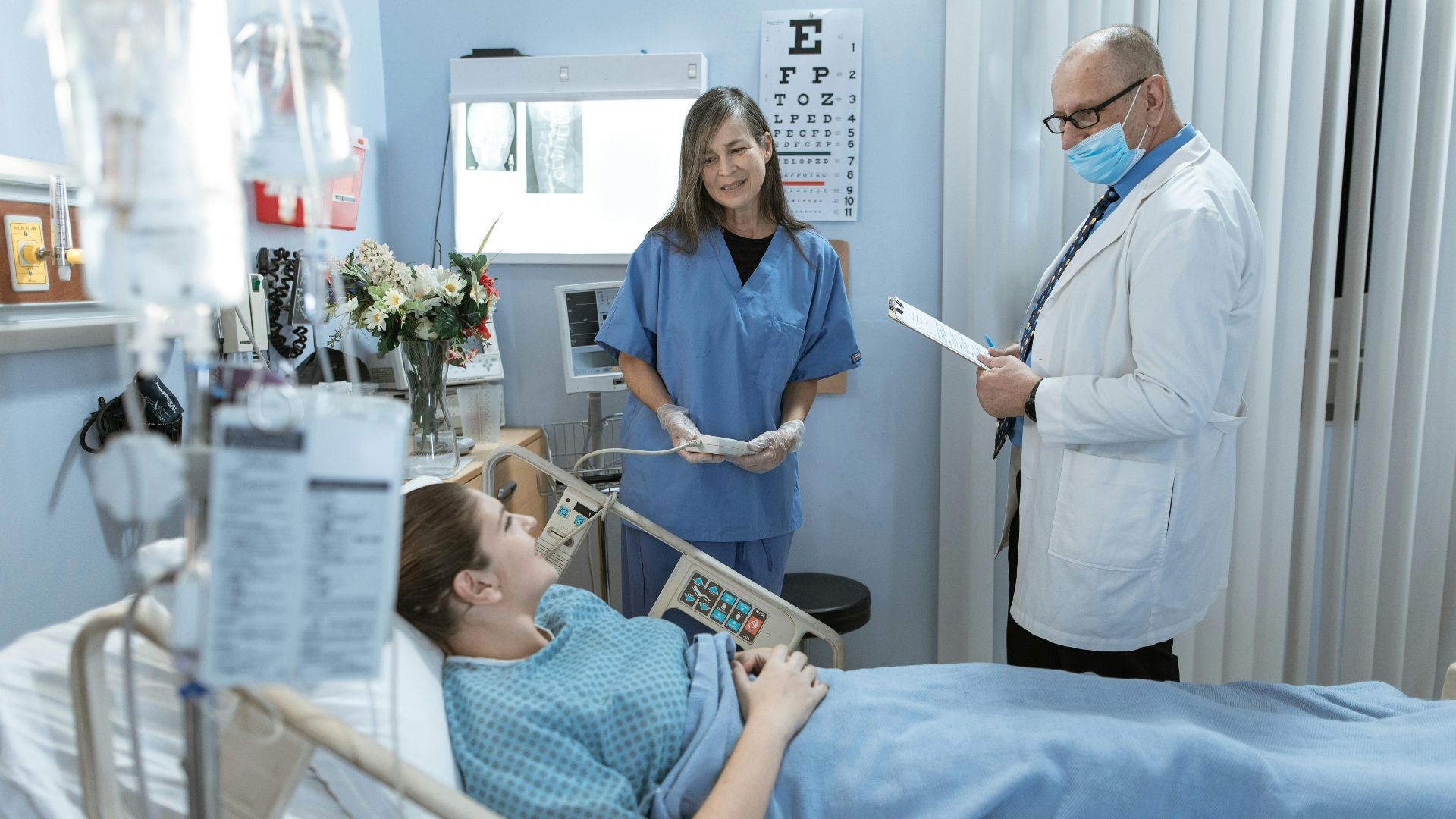
We all know how cruel it is to post a stranger at the gym, and the same sentiment applies in the hospital. If anything, it’s even more callous given how grave things often are. Patients deserve privacy, and even a well-meant post can cross a line very quickly.
11. Don't Argue
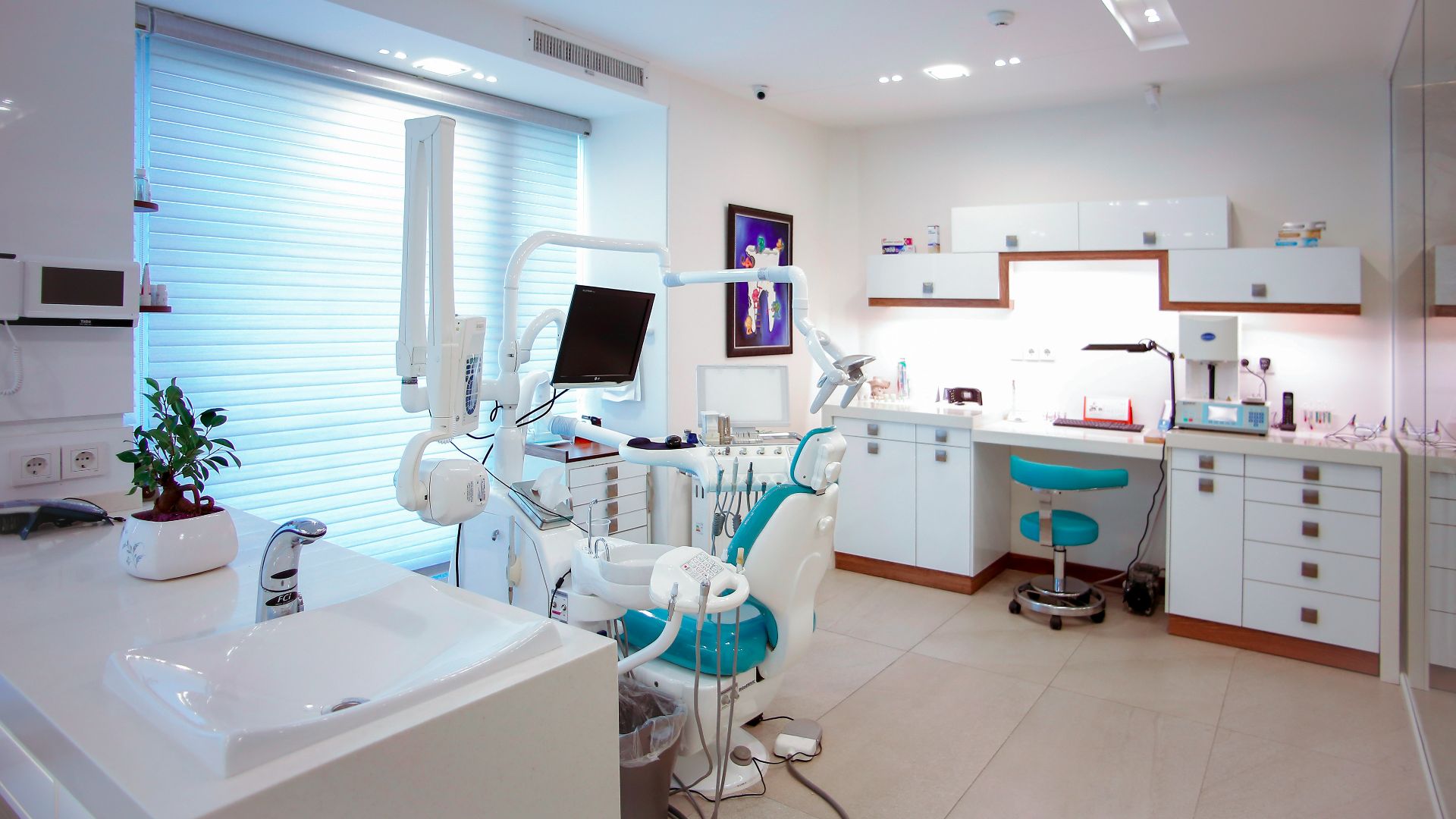
Hospital staff undergoes a lot of harassment from stressed patients or irritated family members—don’t be another statistic. Taking your frustration out on staff won't speed things up, and it definitely won't improve the atmosphere. A respectful question works much better than a scene.
12. Don't Wander Into Restricted Areas
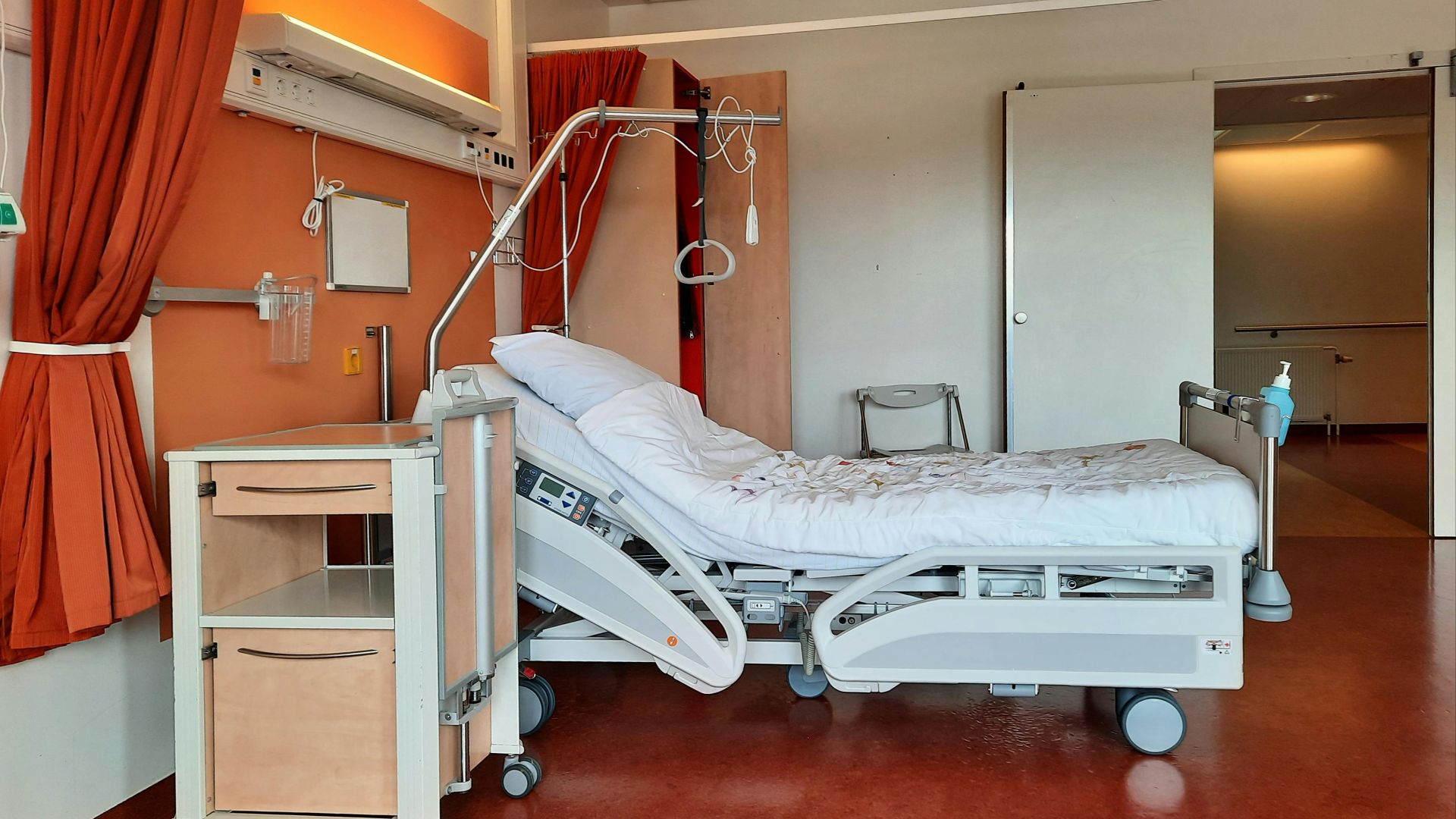
If a door reads Authorized Personnel Only, that's your sign to stop. This isn’t a video game, it’s real life, and wandering into barred areas only obstructs safety, privacy, and infection control. Even if you're trying to help, don’t go where you haven't been invited.

13. Don't Ignore Hand Hygiene
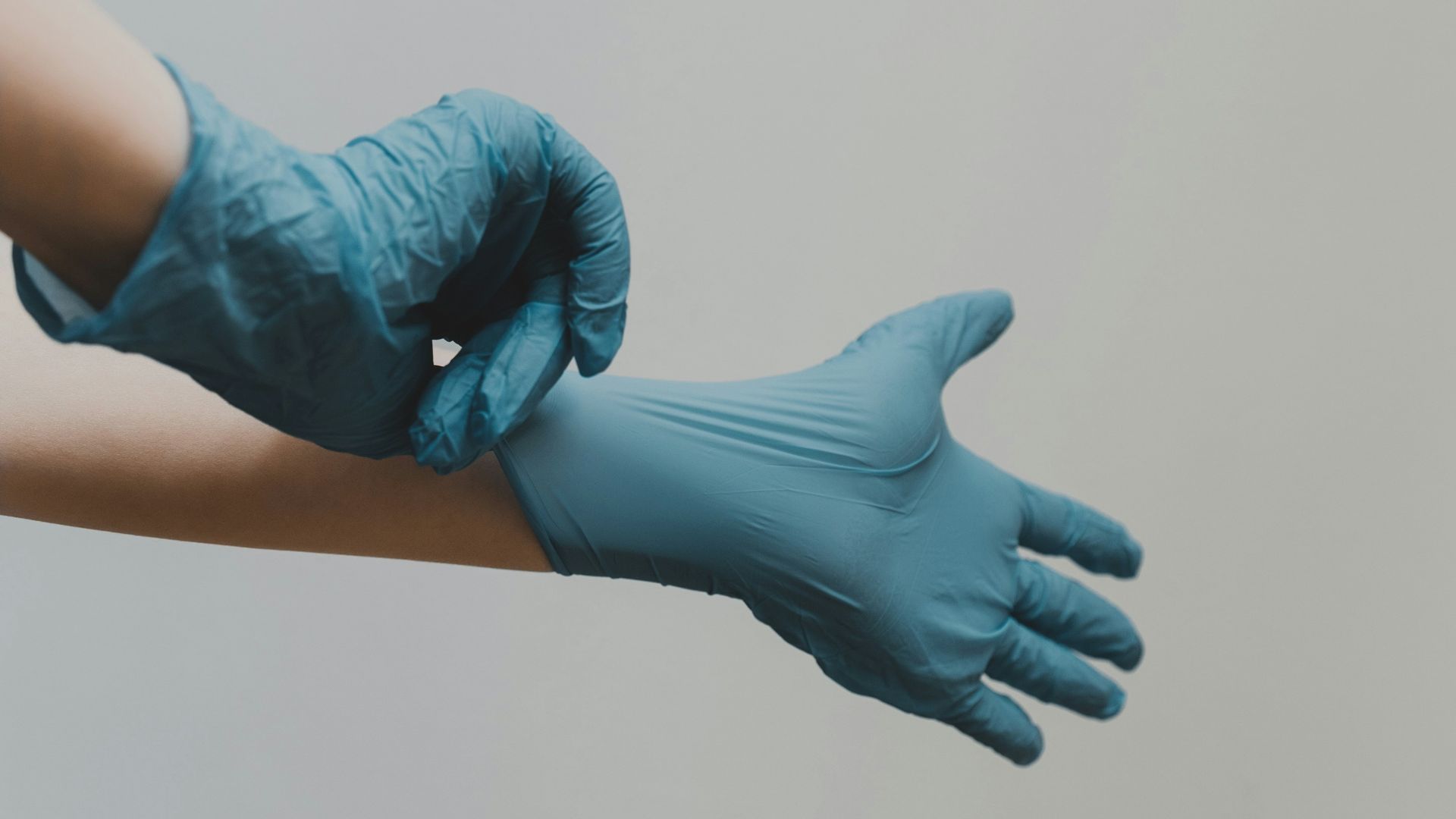
Hand sanitizer stations are everywhere in hospitals for a reason. Washing or sanitizing during your visits helps reduce the spread of bacteria. Never forget that you’re in a setting where people are especially vulnerable, and it takes only a few seconds—it matters more than most people realize.
14. Don't Bring a Huge Group to Visit
A hospital room isn't the place for a family reunion. Too many visitors can overwhelm the patient, block staff movement, and turn a small room into a noisy mess. A smaller group usually makes the visit more pleasant for everyone.
15. Don't Give Patients Anything Without Asking
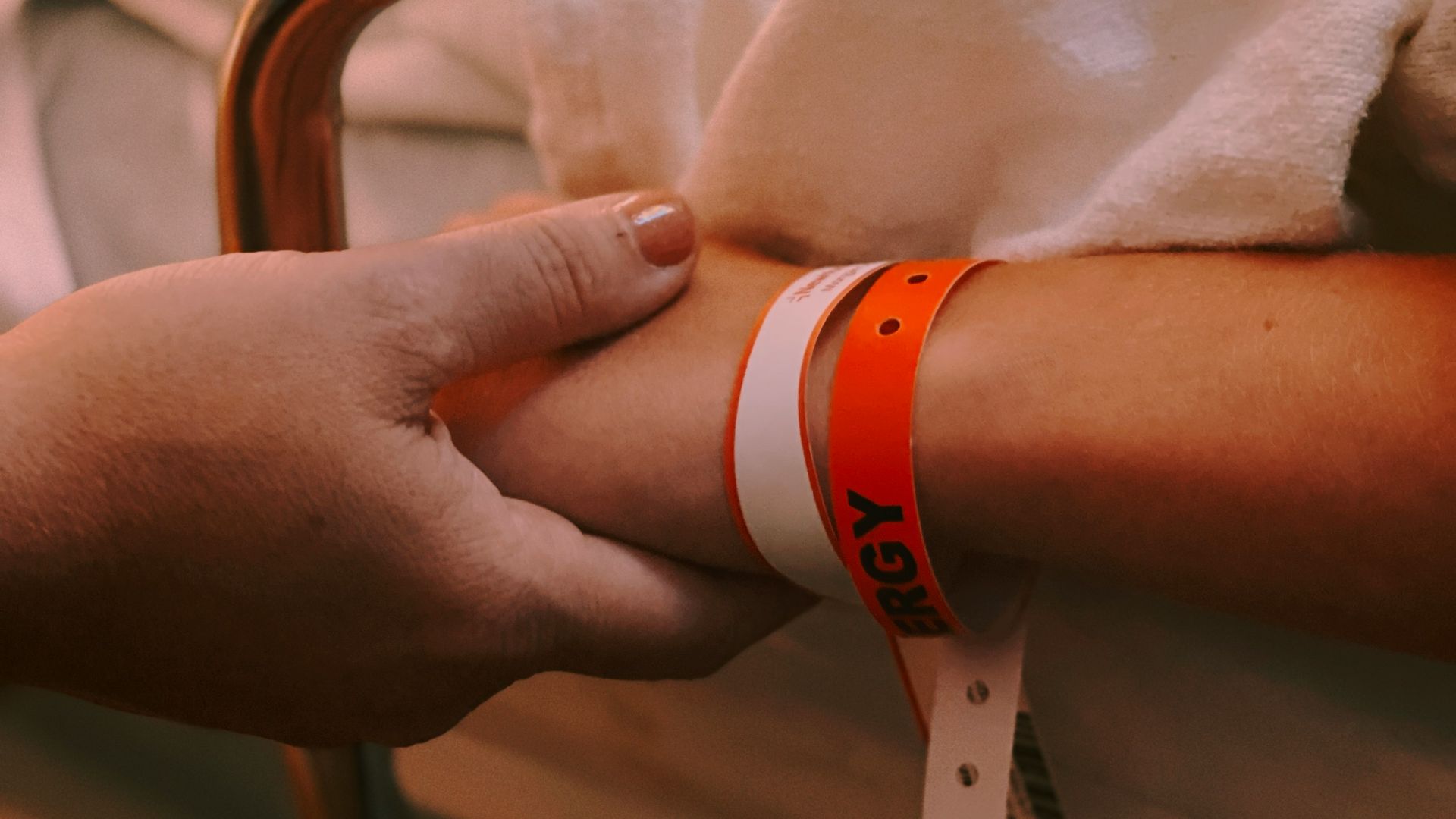
Offering a snack may seem thoughtful, but patients often have dietary restrictions or treatment-related instructions. Something as simple as water could interfere with a test, medication, or recovery plan, so wait until they’re given the all-clear first.
16. Don't Treat Nurses Like Assistants
Nurses catch a lot of flak for “not being as important” as the doctor. Well, we have news for you! They’re highly trained professionals, not on-call helpers for every minor personal preference. It's fine to ask for what you genuinely need, but barking orders isn't acceptable. Courtesy matters, especially when someone’s already working hard to care for multiple people.

17. Don't Leave Children Unsupervised
If children come with you, they need close supervision from start to finish. As you can imagine, hospitals contain all kinds of hazards, including sharp corners, medical devices, and busy hallways. Most importantly, they also have patients who need calm surroundings, so it isn't a good place for free-range energy.

18. Don't Act Like Delays Means Neglect
Hospitals can be horribly slow, yes, but delays aren’t a personal slight. In ERs especially, the place is often overworked and understaffed, so that might mean an excruciating wait. The fact that you haven't been updated every five minutes doesn't mean you've been forgotten. Patience won't magically speed things up, but it will keep you from making a hard day even harder.

19. Don't Move Someone Without Help
Even if a patient asks for assistance, and even if they’re someone you know, don't try to reposition them on your own unless staff has told you it's safe. A well-meant effort can lead to complications for both of you, so call for help and let trained professionals handle it.

20. Don't Forget Basic Courtesy
A hospital can be tense. It can be emotional. It’s almost always exhausting. That’s exactly why good manners matter. Lowering your voice, being patient, and thanking staff may seem small, but those habits improve the environment more than you'd think.

KEEP ON READING