Small Adjustments That Save Your Back, Knees, Shoulders, And Wrists
Here's the thing nobody tells you when you start going to the gym seriously: the stuff that keeps you training for years isn't anything exciting. It's not a new programme or a fancy supplement; it's just cleaning up the small, boring details in how you move. Most gym injuries don't come from a singular moment; they creep in from doing the same slightly-off thing, over and over, until your body decides it's had enough. Fix the setup, and suddenly the right muscles are doing the work. Here are 20 tweaks worth making before your next session.

1. Keep Your Spine Neutral
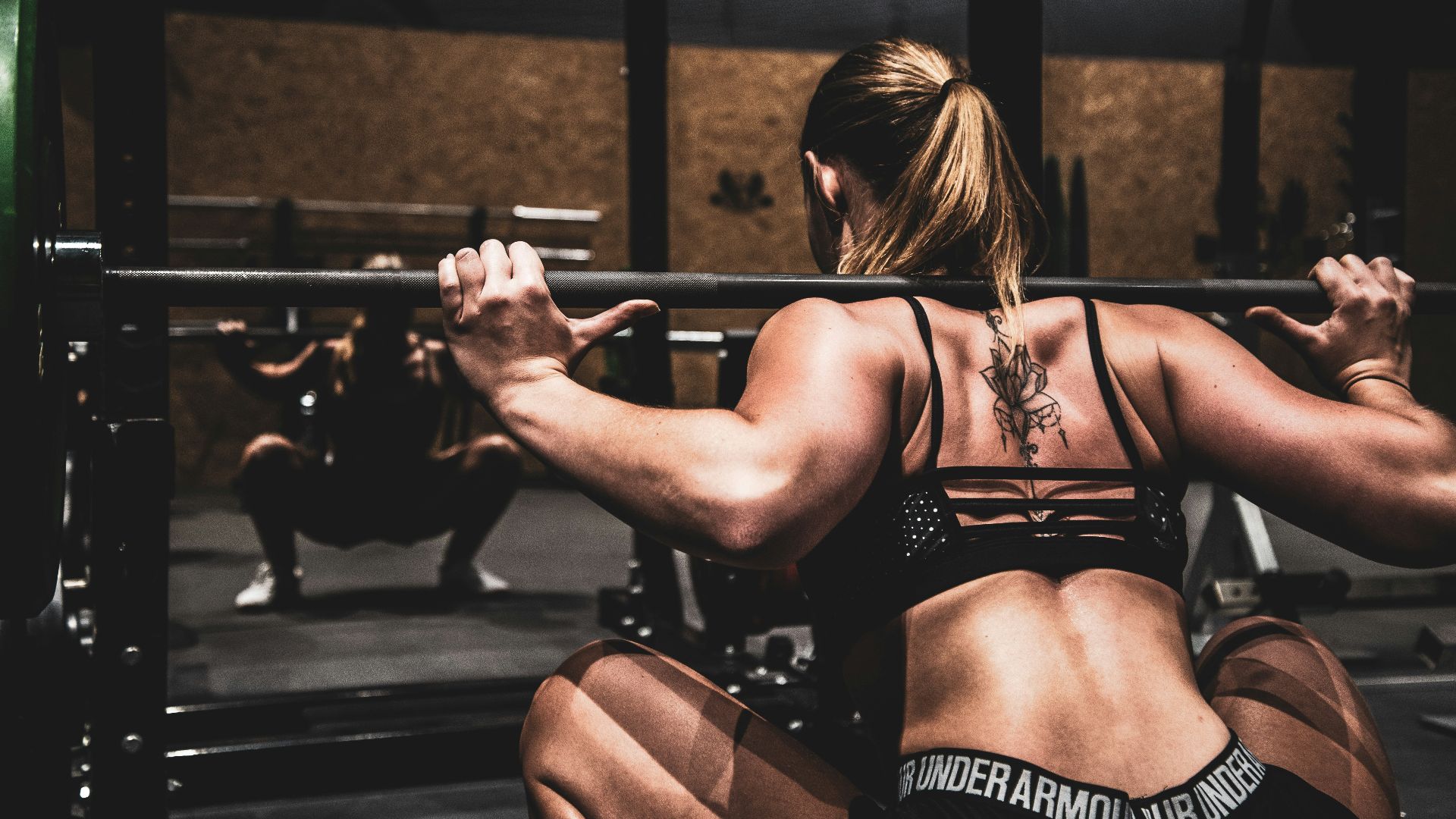
The moment your lower back starts curling under, or your chest folds forward mid-squat, things go wrong, fast. A neutral spine keeps the load where your hips and legs can actually deal with the strain, instead of sending all that stress straight into your lower back on every single rep.
2. Let Your Knees Track With Your Toes
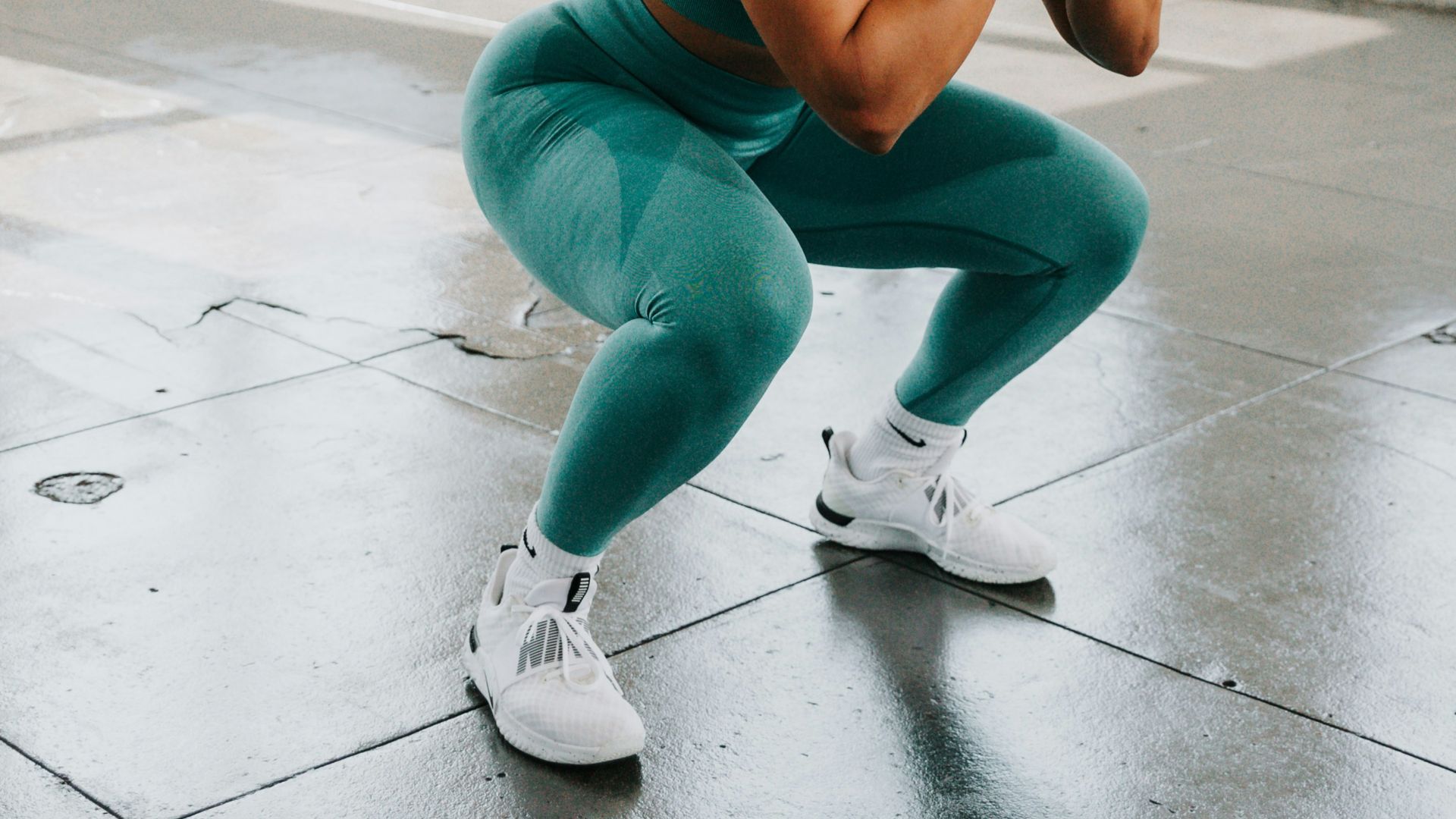
Knees caving inward during a squat doesn’t feel quite right, and that’s probably because it isn’t. Let your knees follow your toes, and the whole movement suddenly feels a lot more solid.
3. Brace Before You Deadlift
You'd be amazed at how many people just grab the bar and go. A proper brace through your midsection creates a support system around your spine, especially right before the bar leaves the floor and everything wants to shift forward.
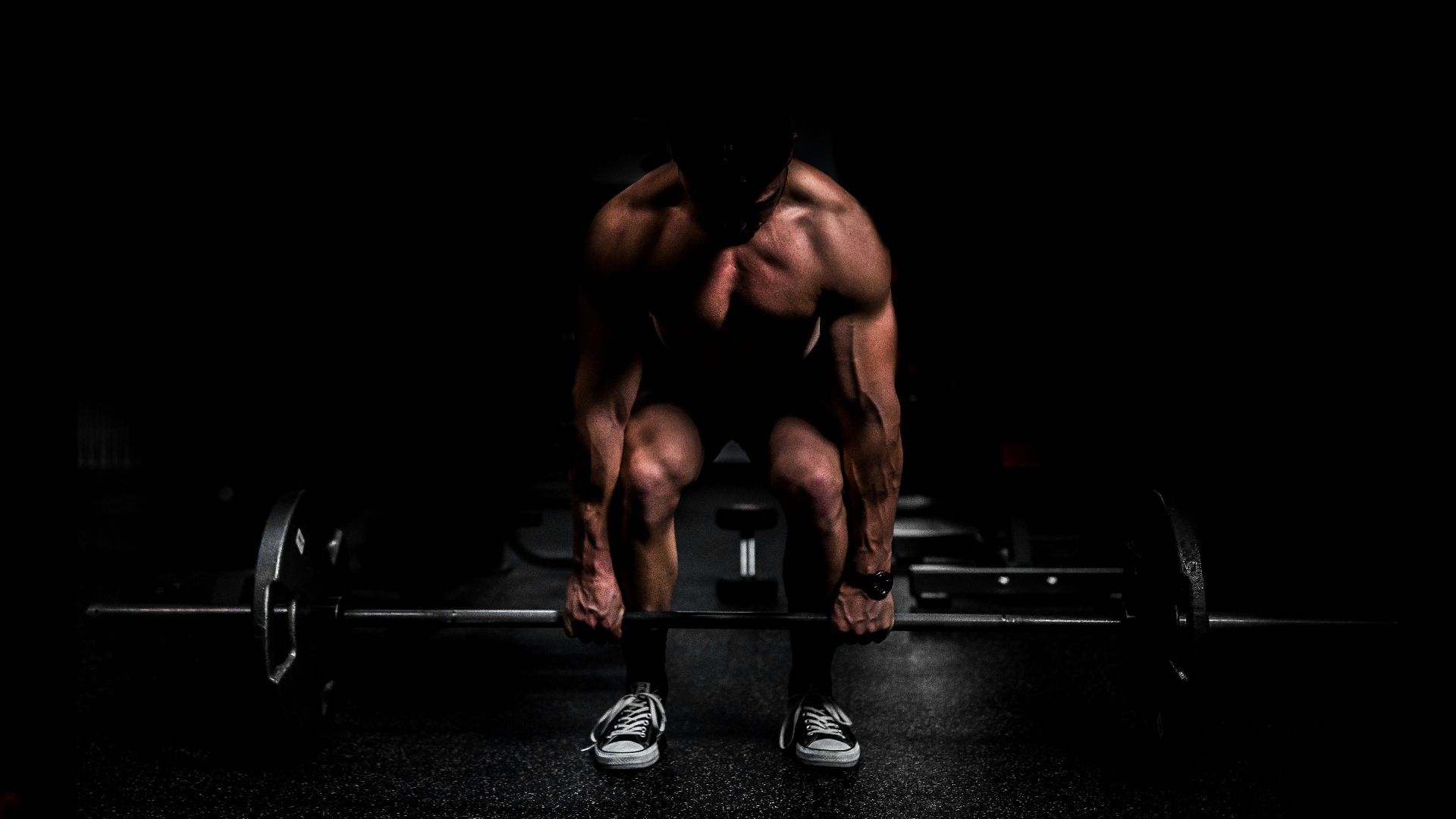
4. Keep The Bar Over Your Mid-Foot
If the bar is too far in front of you, the whole lift becomes a tug of war between the weight and your lower back. Set it over your mid-foot, and you get a straighter pull without chasing the bar forward the whole way up.
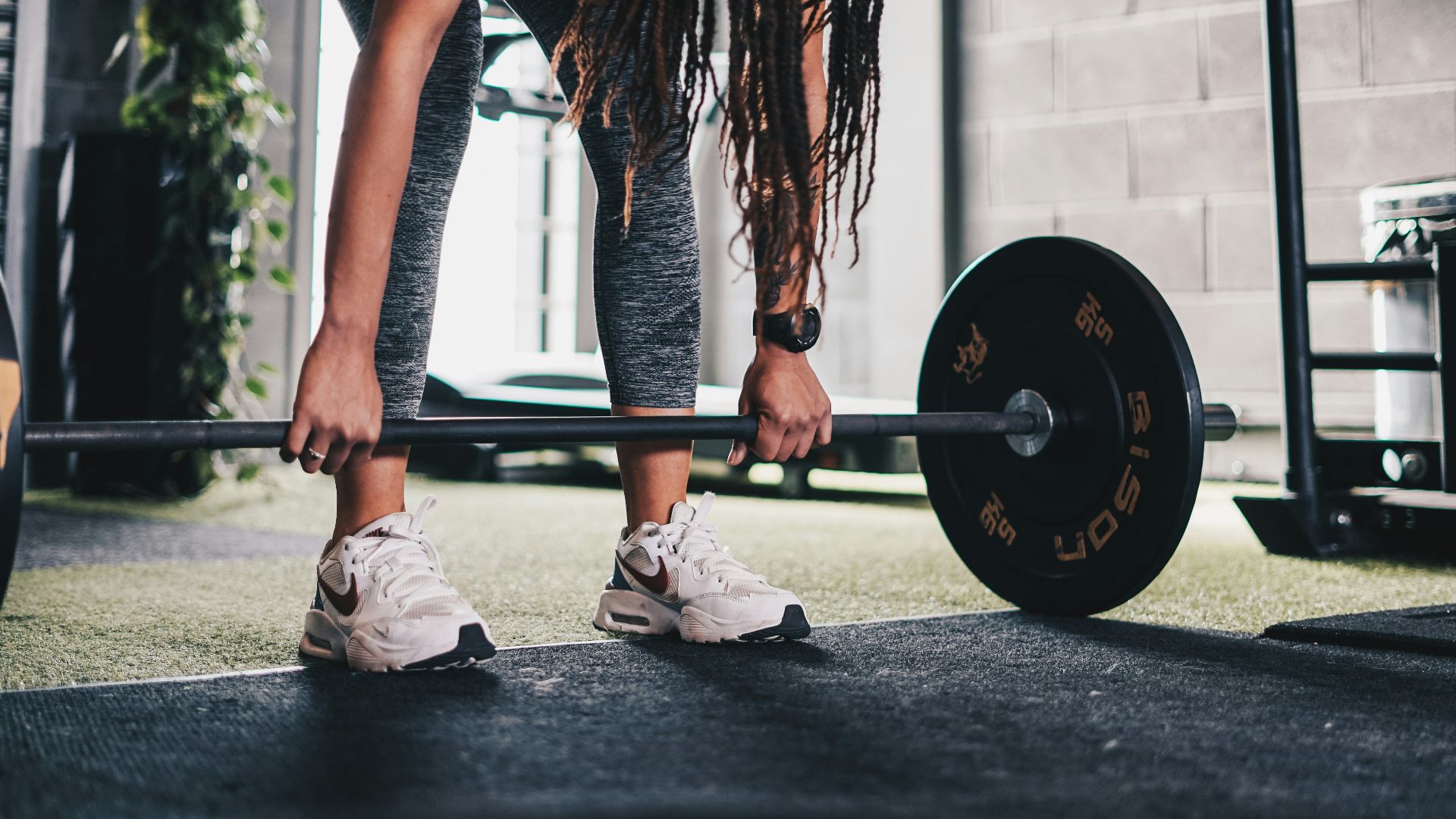 Ambitious Studio* | Rick Barrett on Unsplash
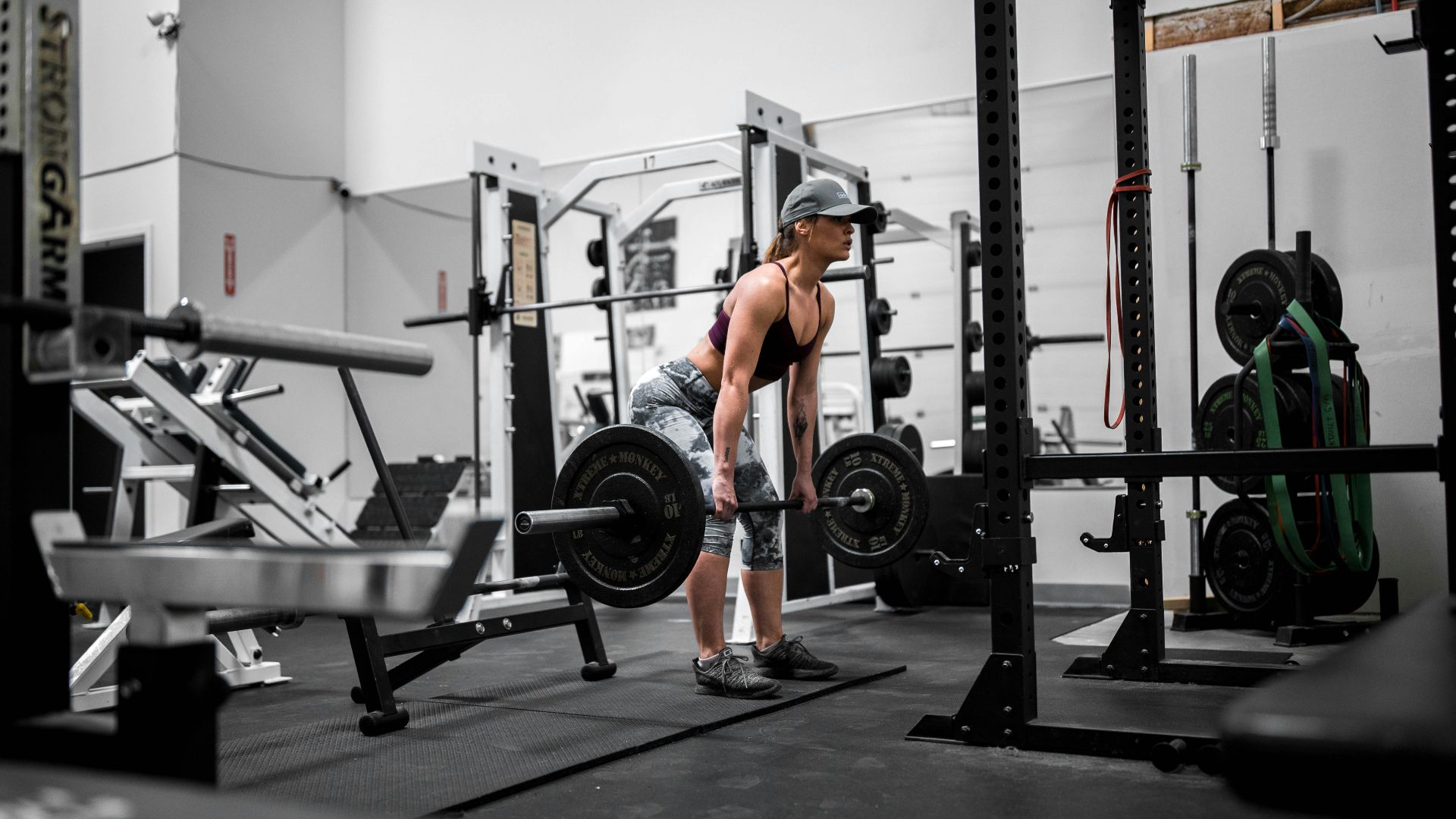
5. Stop Yanking The Deadlift
Jerking the bar up might feel powerful for half a second, but then your back and hips spend the next two days feeling achy and off. Build tension first, push the floor away, and the rep actually goes better. Plus, you won't be hobbling to your car afterward.
6. Keep Your Knees Soft
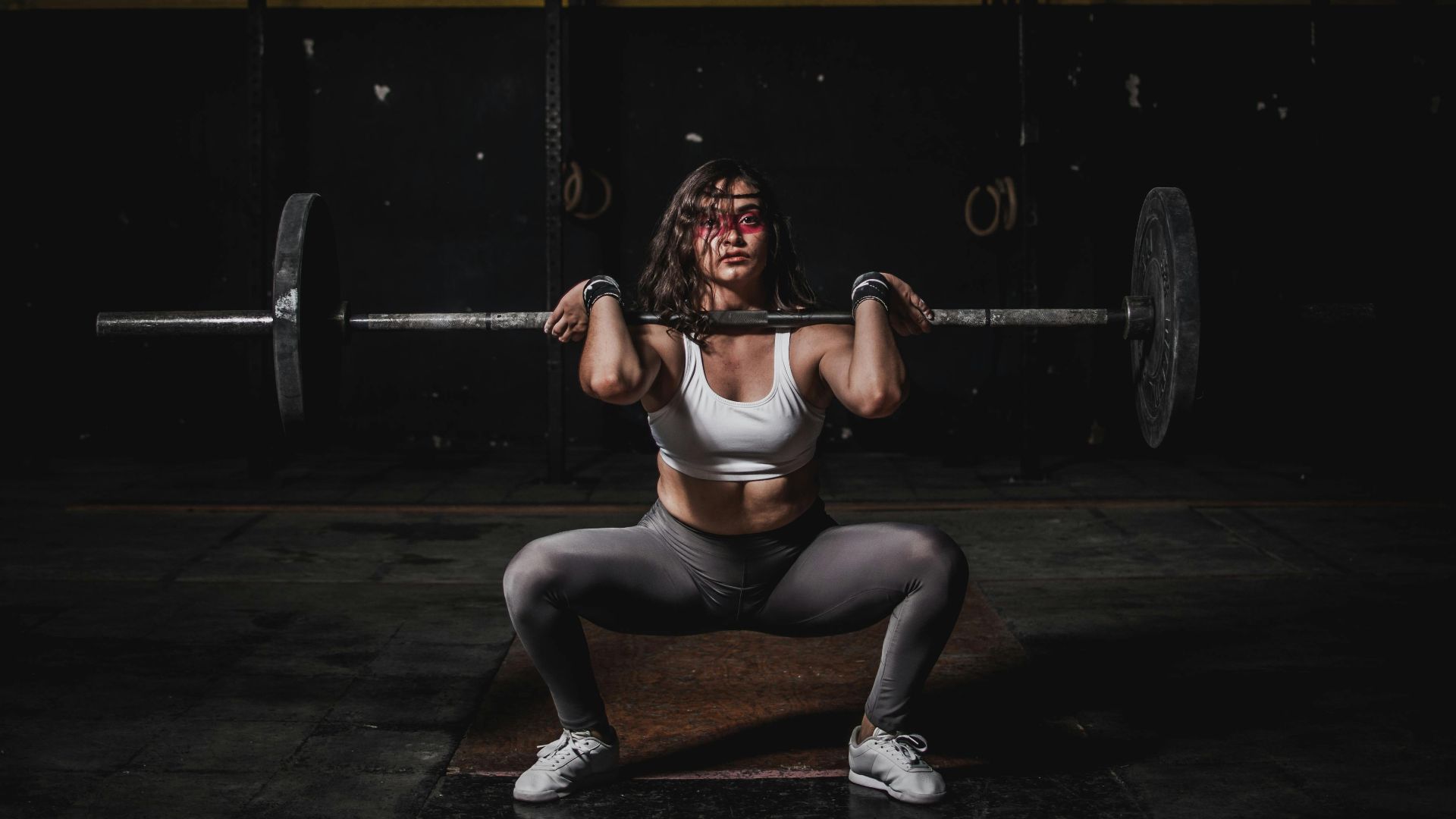
Locking your knees at the top of squats, deadlifts, and leg presses sends force directly into the joint instead of keeping your muscles doing their job. A small soft bend keeps everything engaged, but not stiff.
7. Retract Your Shoulder Blades
When your upper back is loose on the bench, your shoulders end up doing way more than they’re supposed to. Pulling your shoulder blades back into the bench creates a sturdier base so your chest and triceps can actually take on the weight.
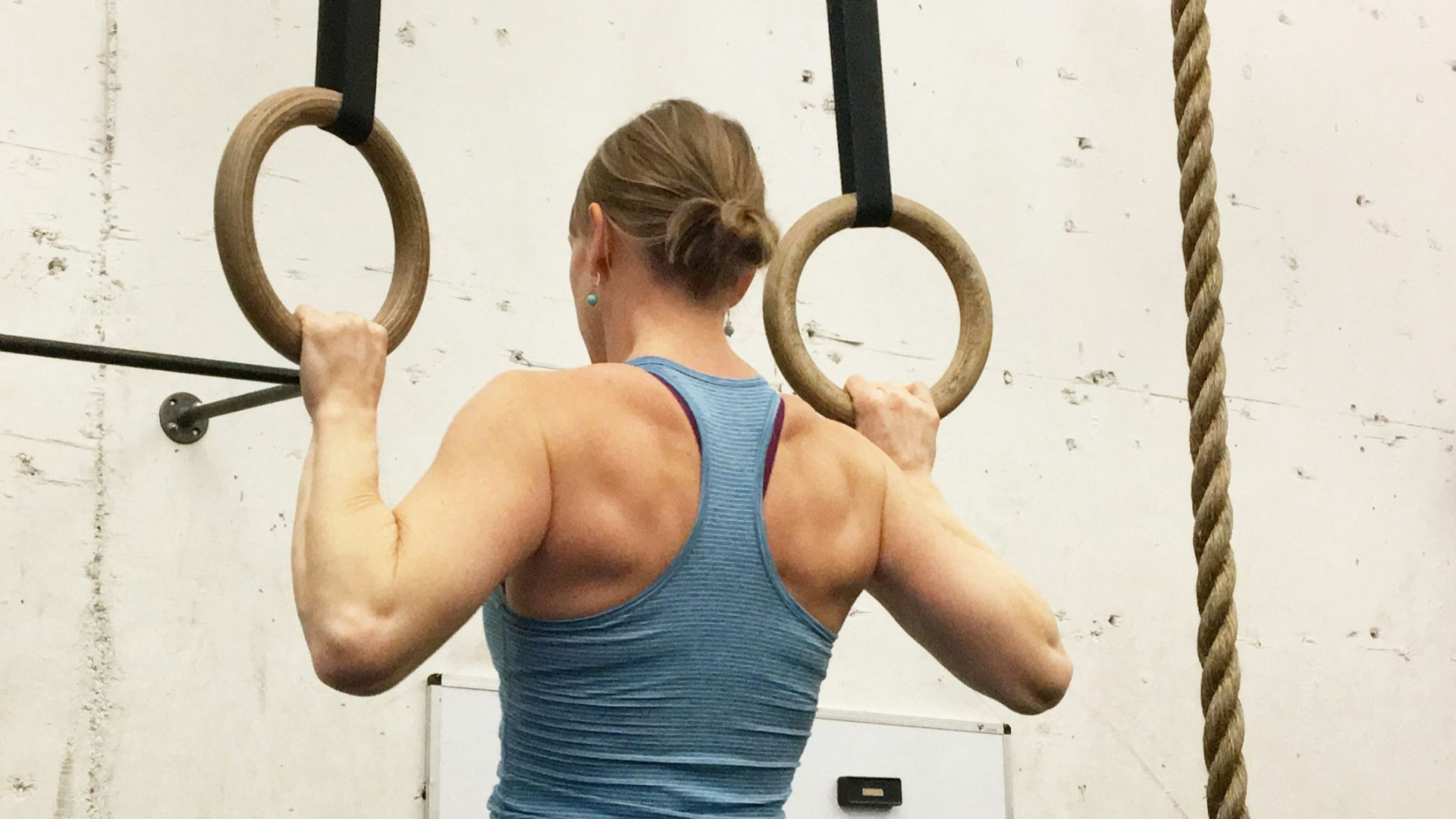
8. Tuck Your Elbows In
Flaring your elbows straight out puts your shoulders in a genuinely unpleasant position, especially as the weight goes up. Keeping them at a more natural angle, under the bar, usually makes the press feel stronger and a lot less aggravating.
 Federico Faccipieri on Unsplash
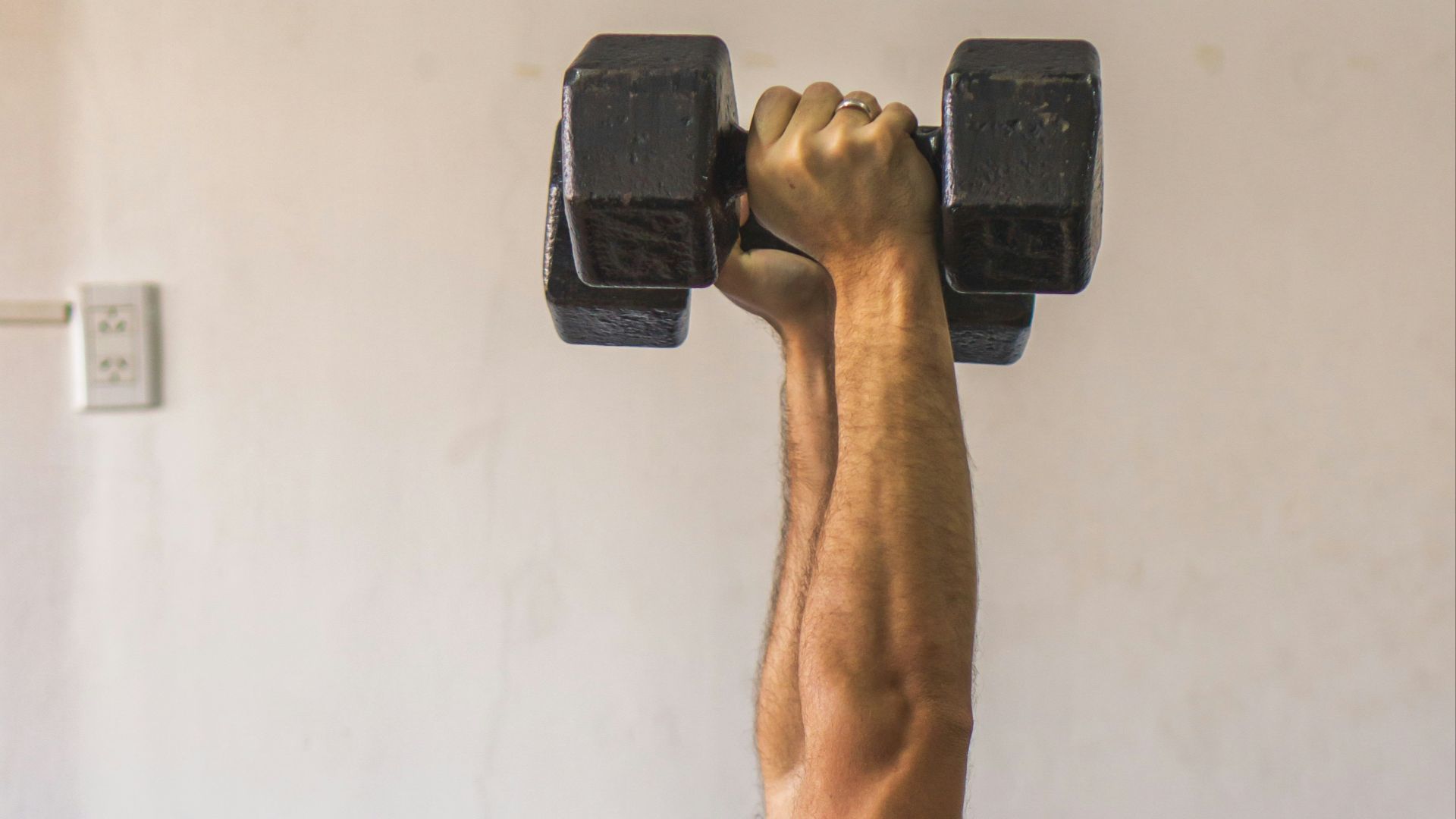
9. Keep Elbows Under The Bar
When your elbows drift behind the bar on an overhead press, you’ll start to feel a little unsteady. Get them slightly in front and underneath the weight, and the bar goes straight up with far less grinding through the shoulder joint.
 Rodrigo Rodrigues | WOLF Λ R T on Unsplash
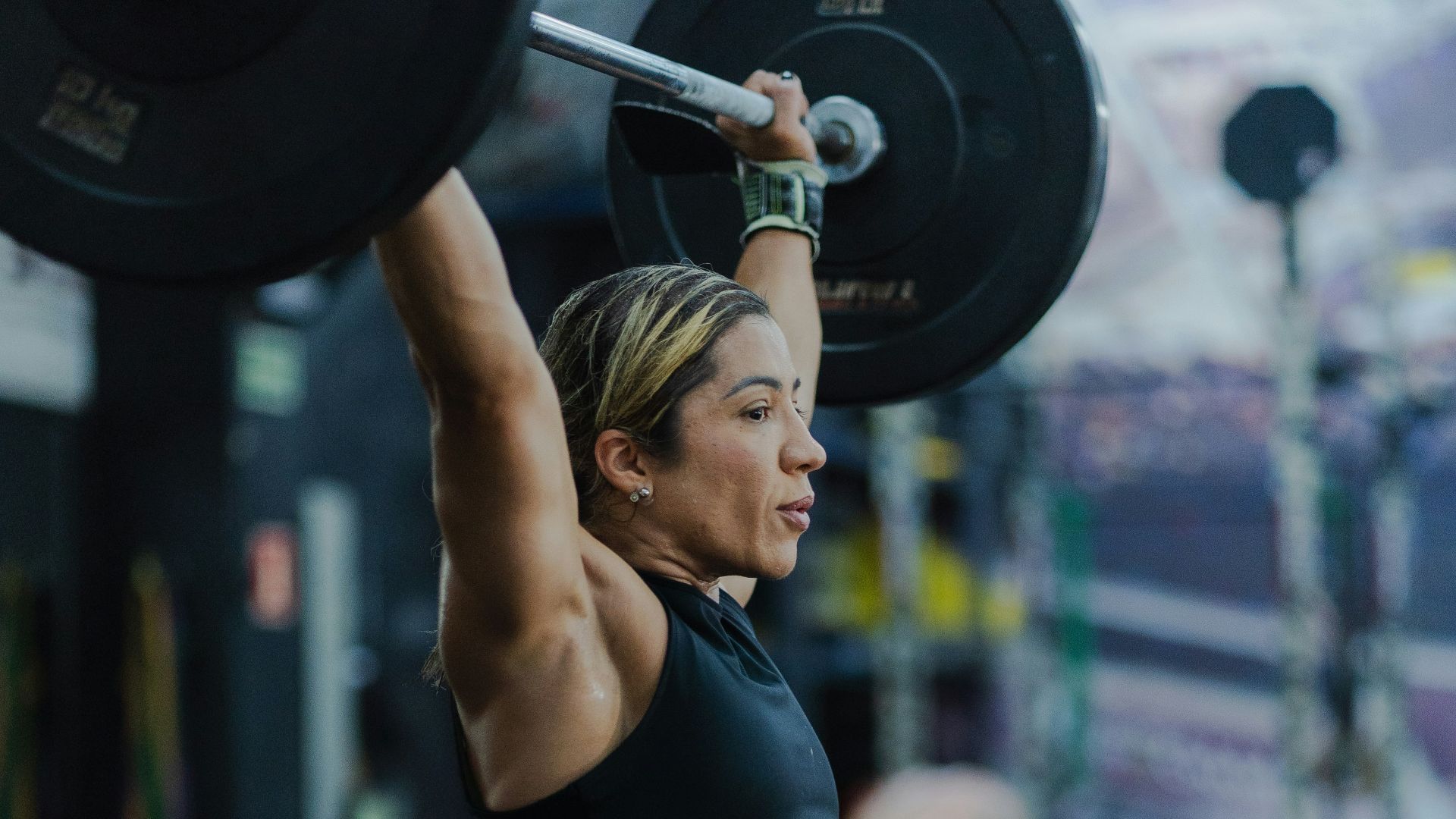
10. Don't Let Your Elbows Fly Wide
Wide, winging elbows on a press basically invite shoulder problems. Keeping them stacked helps the shoulder stay centered while the weight goes where you actually want it.
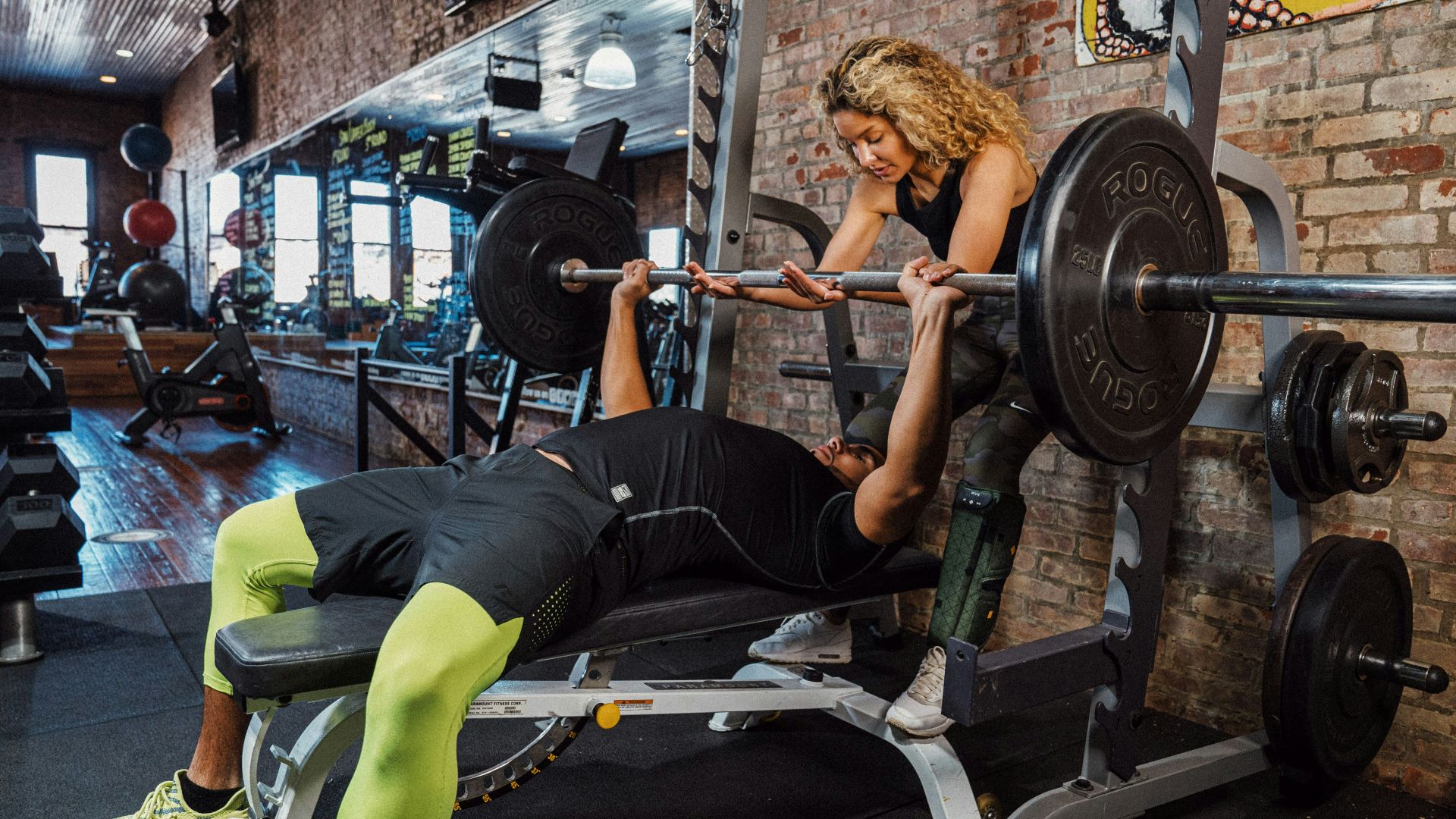
11. Keep Your Wrists Neutral
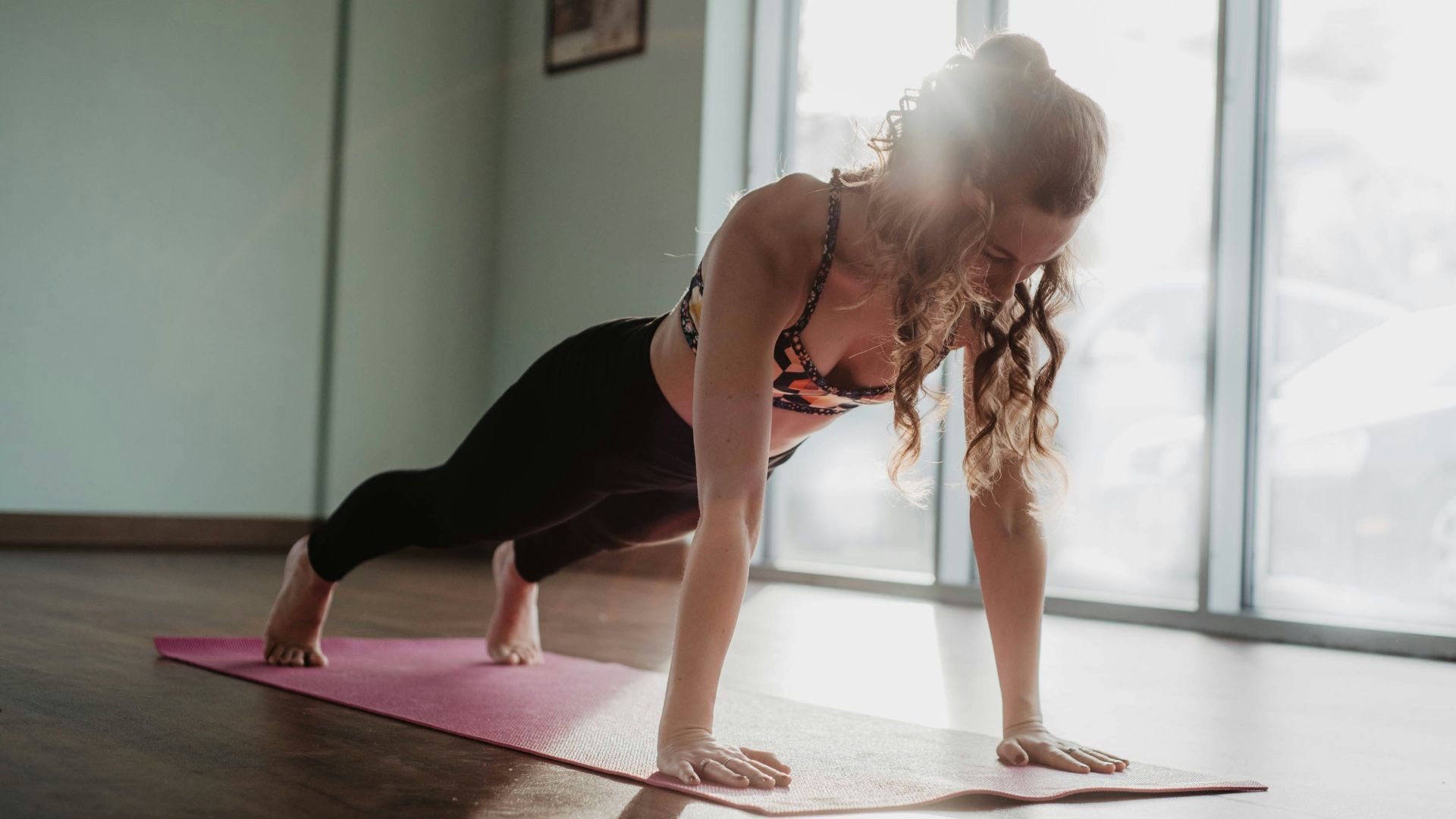
Push-ups can wreck your wrists long before your chest or triceps even feel tired. Using fists or gripping dumbbells keeps your wrists in a more neutral position and cuts out that sharp extension angle that tends to cause folks pain.
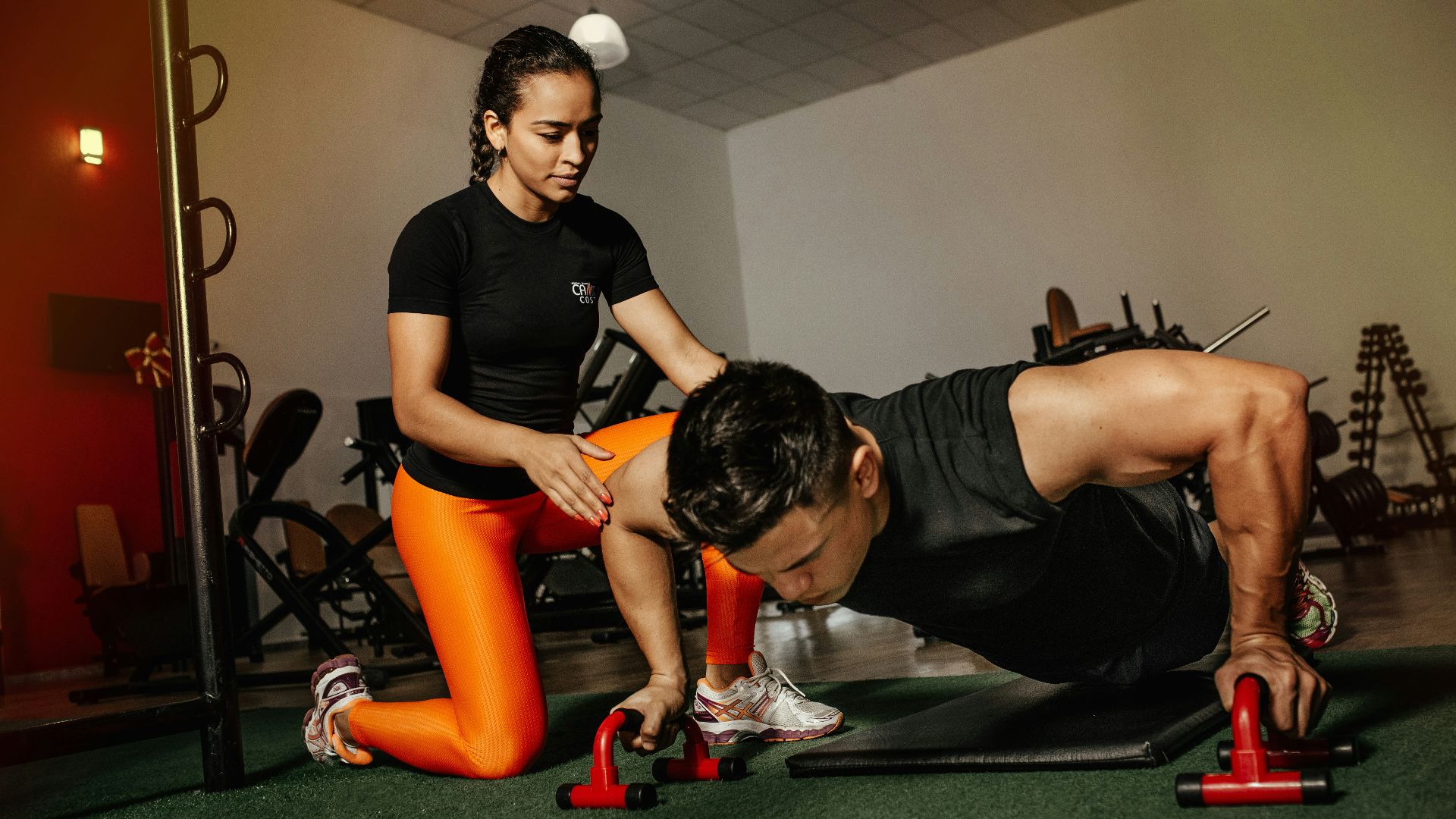
12. Use Full Range Of Motion
Half-reps and swinging might look like progress, but they don't do your shoulders any real favors. Moving through a full, controlled range lets your upper back and arms do the actual work instead of letting momentum throw you around.

13. Control The Negative
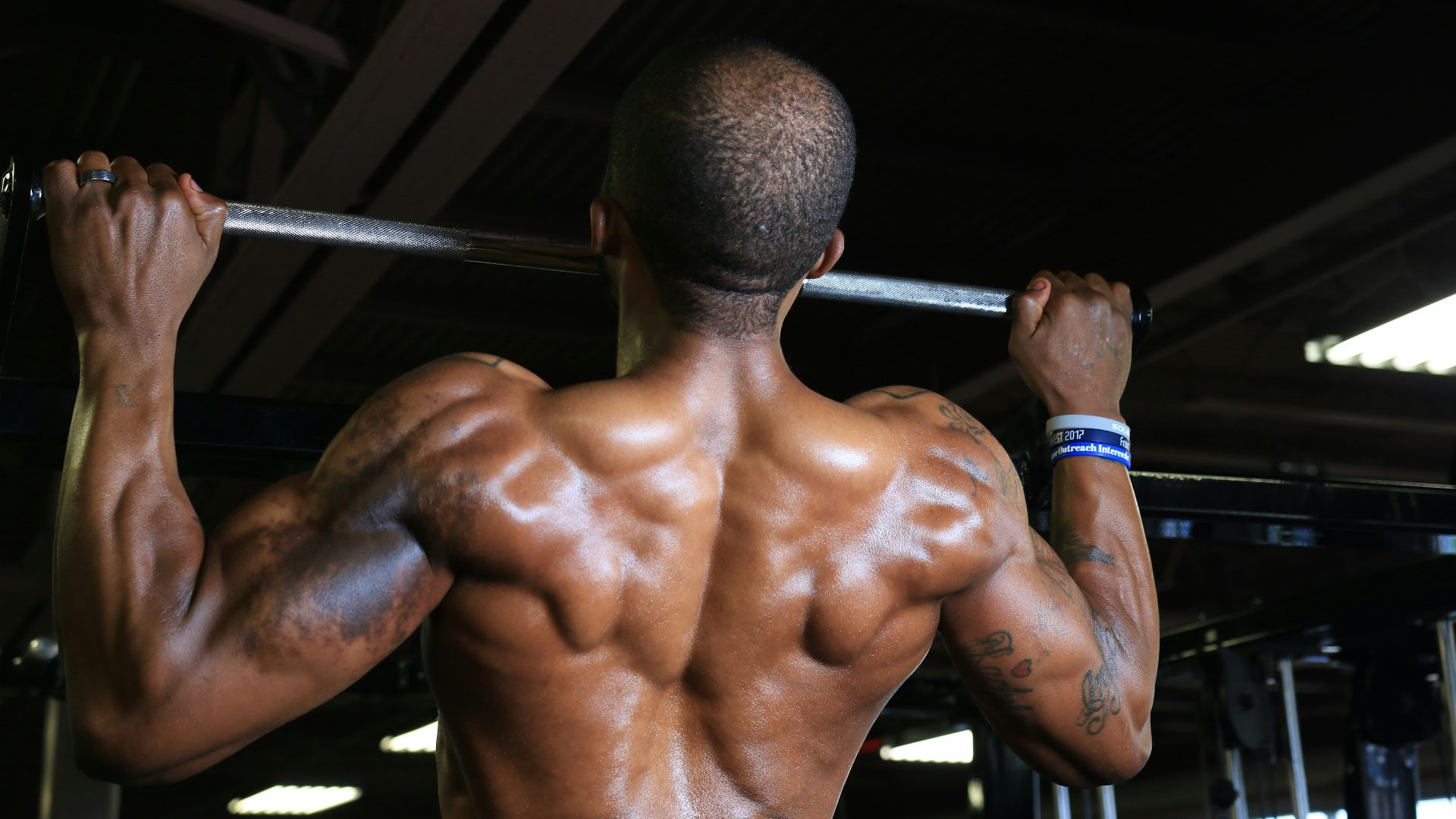
Dropping out of the top of a pull-up saves a little effort, but lands a lot of stress on your shoulders. Lower yourself with control, keep the tension where you want it, and the whole movement gets better and easier, over time.
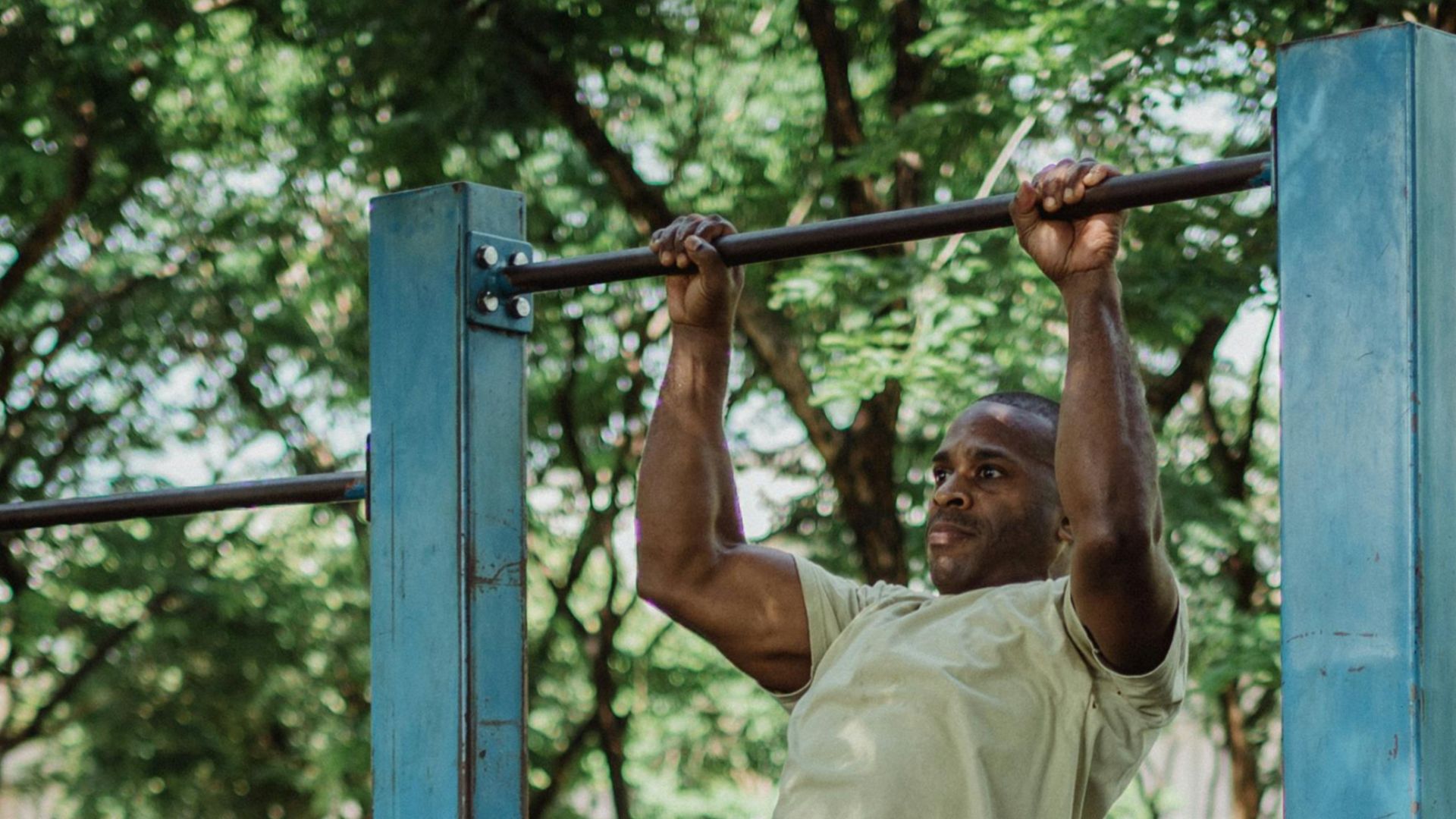
14. Keep Your Shoulders Down And Back
If you're shrugging up toward your ears during pull-ups, you're narrowing exactly the space your shoulders need to move comfortably. Push your shoulders down and back before you pull.
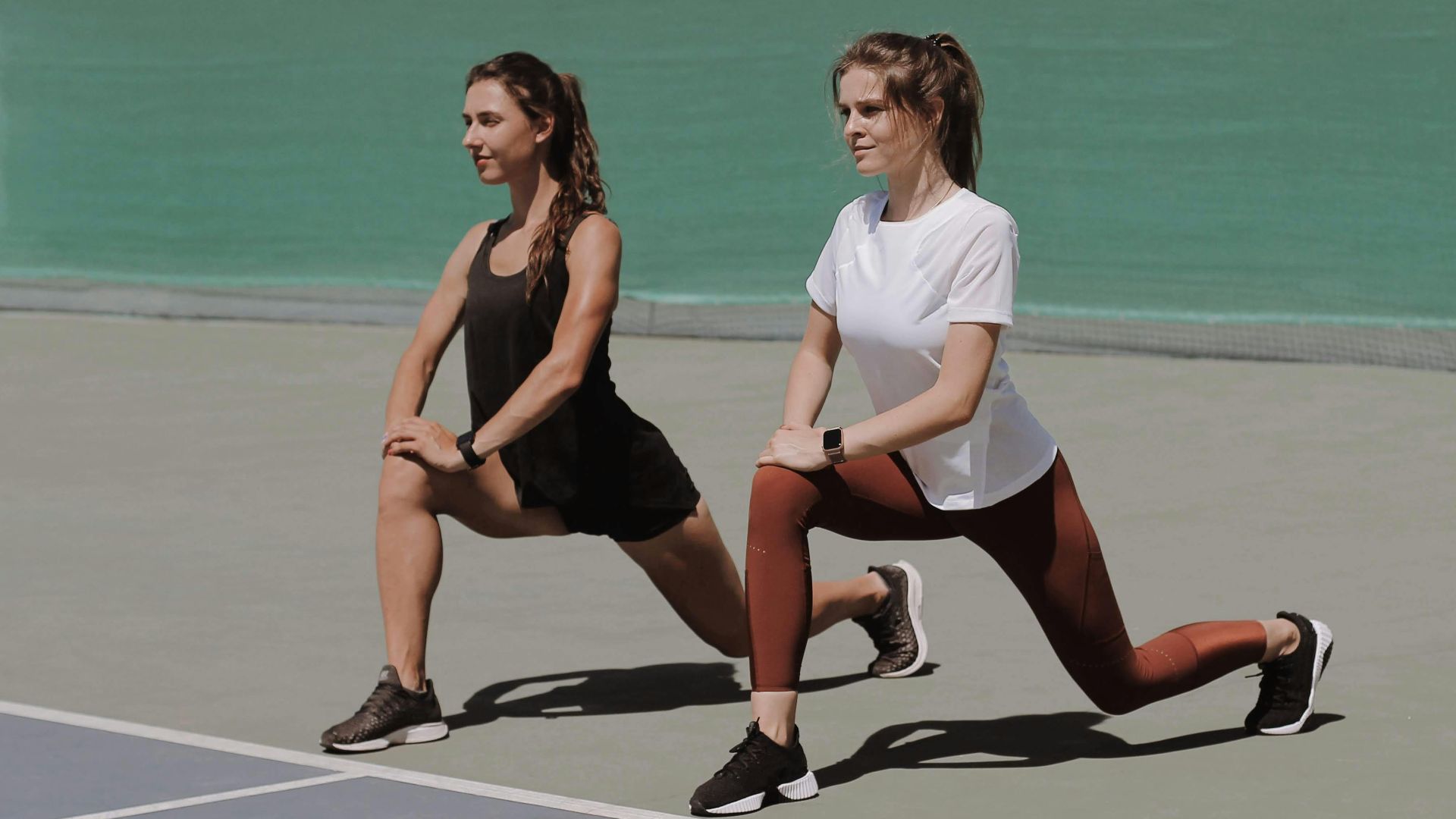
15. Reverse Lunges
Forward lunges can be rough on knees because the front leg takes a sharp braking force. Stepping back instead tends to feel smoother, with less front-of-knee stress and a lot more room to stay stable through the whole rep.
16. Set Your Feet Properly
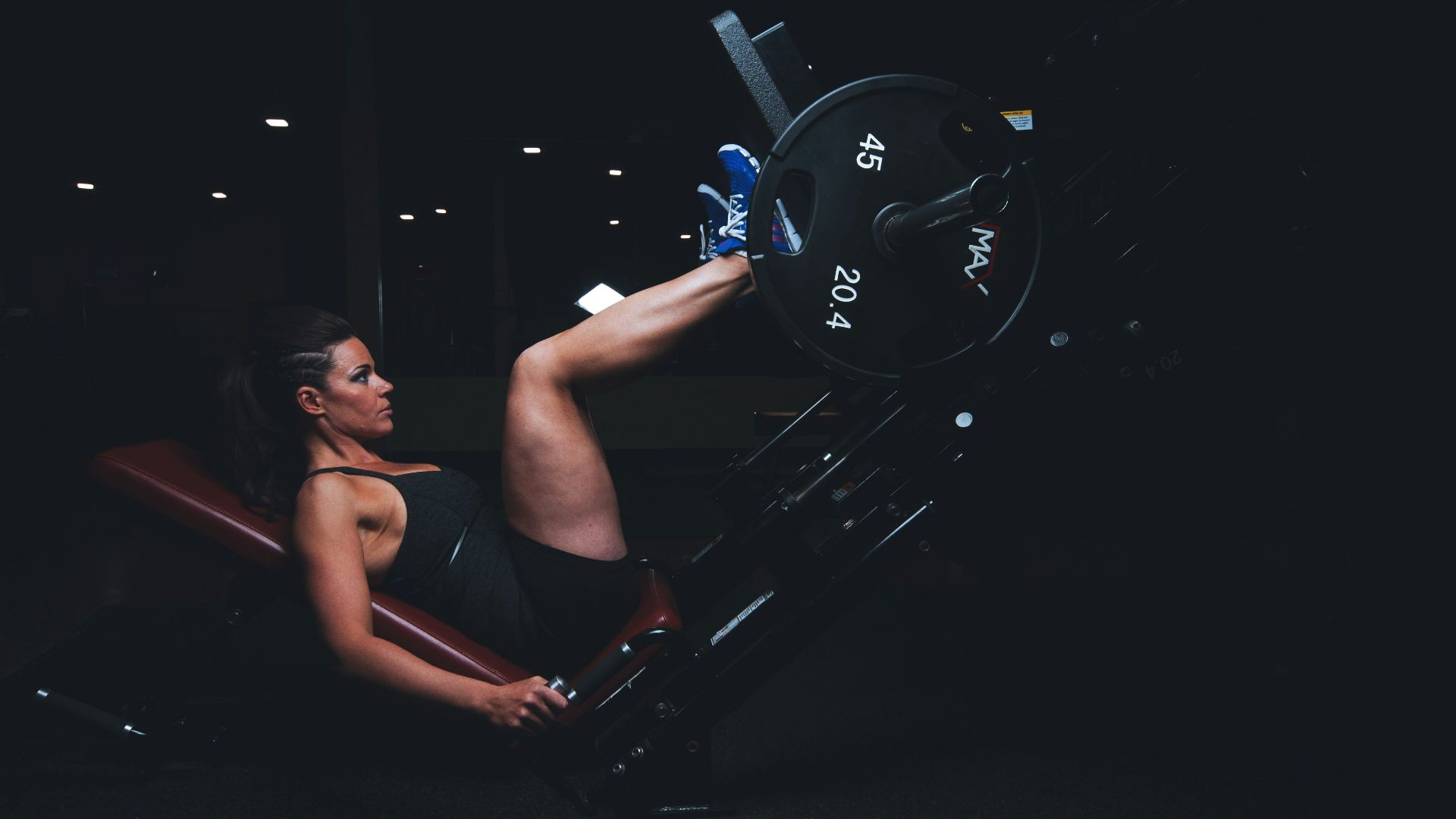
A narrow or awkwardly low foot position on the leg press makes your knees feel every single inch of every set. Instead, set your feet around shoulder-width with a slight toe turn out to give your hips a little more room.
17. Kettlebell Hinge
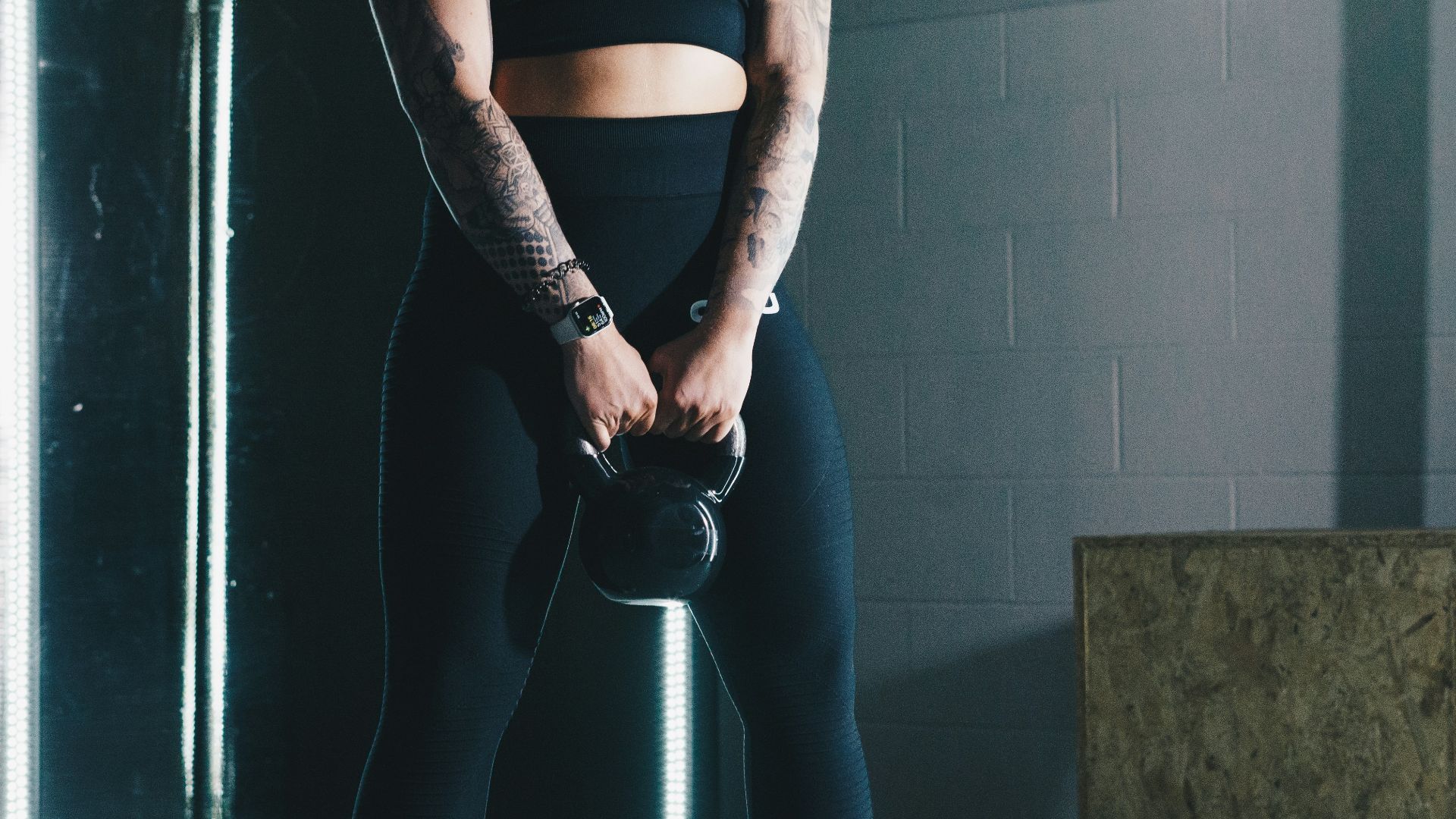
A kettlebell swing should be felt through your hips, not your spine. As you hinge, keep your back from rounding, and the swing will feel sharper and more controlled.
 Ambitious Studio* | Rick Barrett on Unsplash
18. Squeeze Your Shoulder Blades
When your shoulders slump forward and your neck starts creeping toward the weight, rows stop being useful pretty quickly. Setting your shoulder blades first means you're actually pulling from your upper back.
19. Keep Your Head In Line With Your Spine
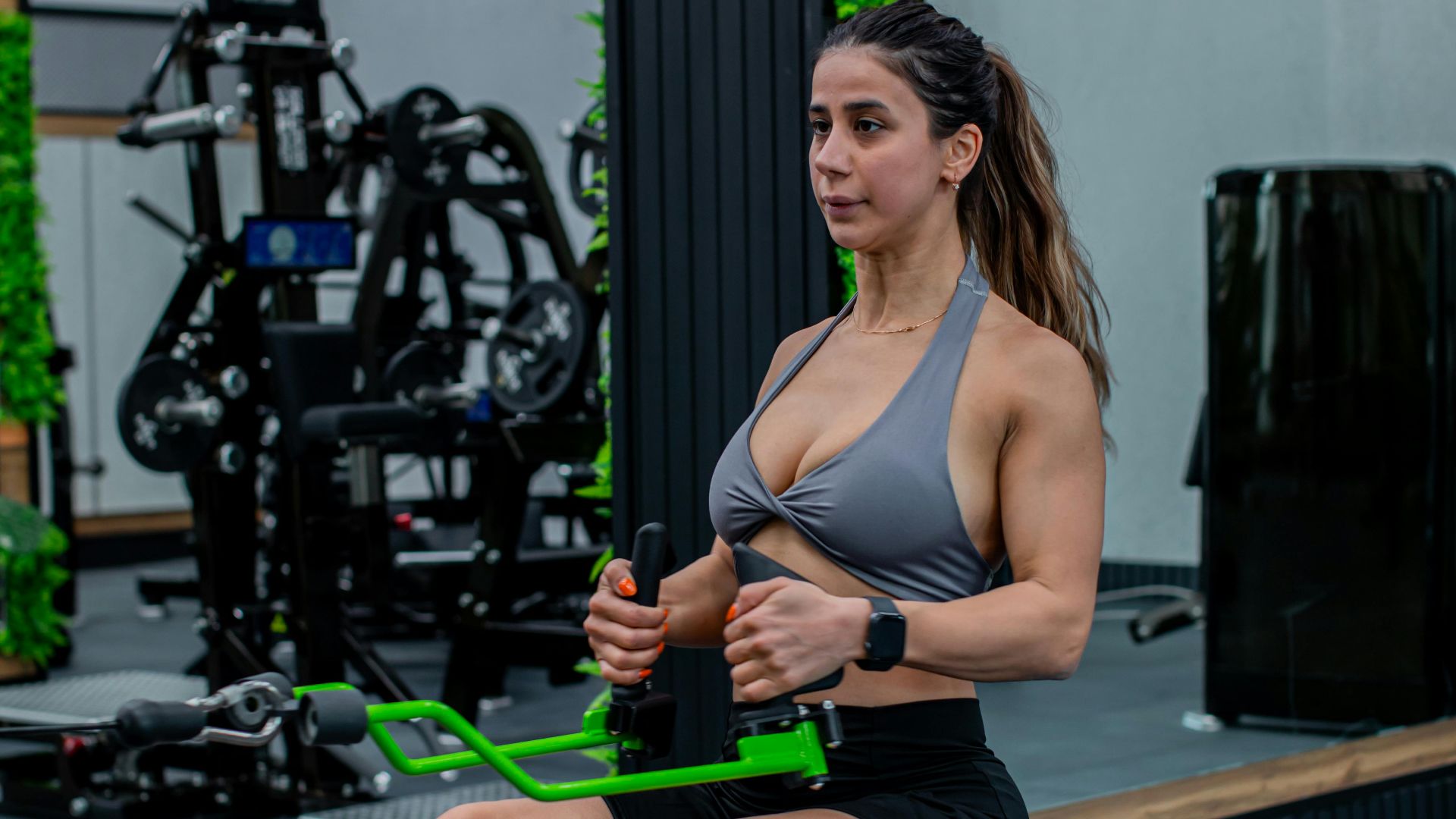
Craning your neck during planks, rows, and deadlifts is so often something you barely notice until everything feels tight and tense after. Keeping your head in line with your spine takes unnecessary strain off your neck and upper back.
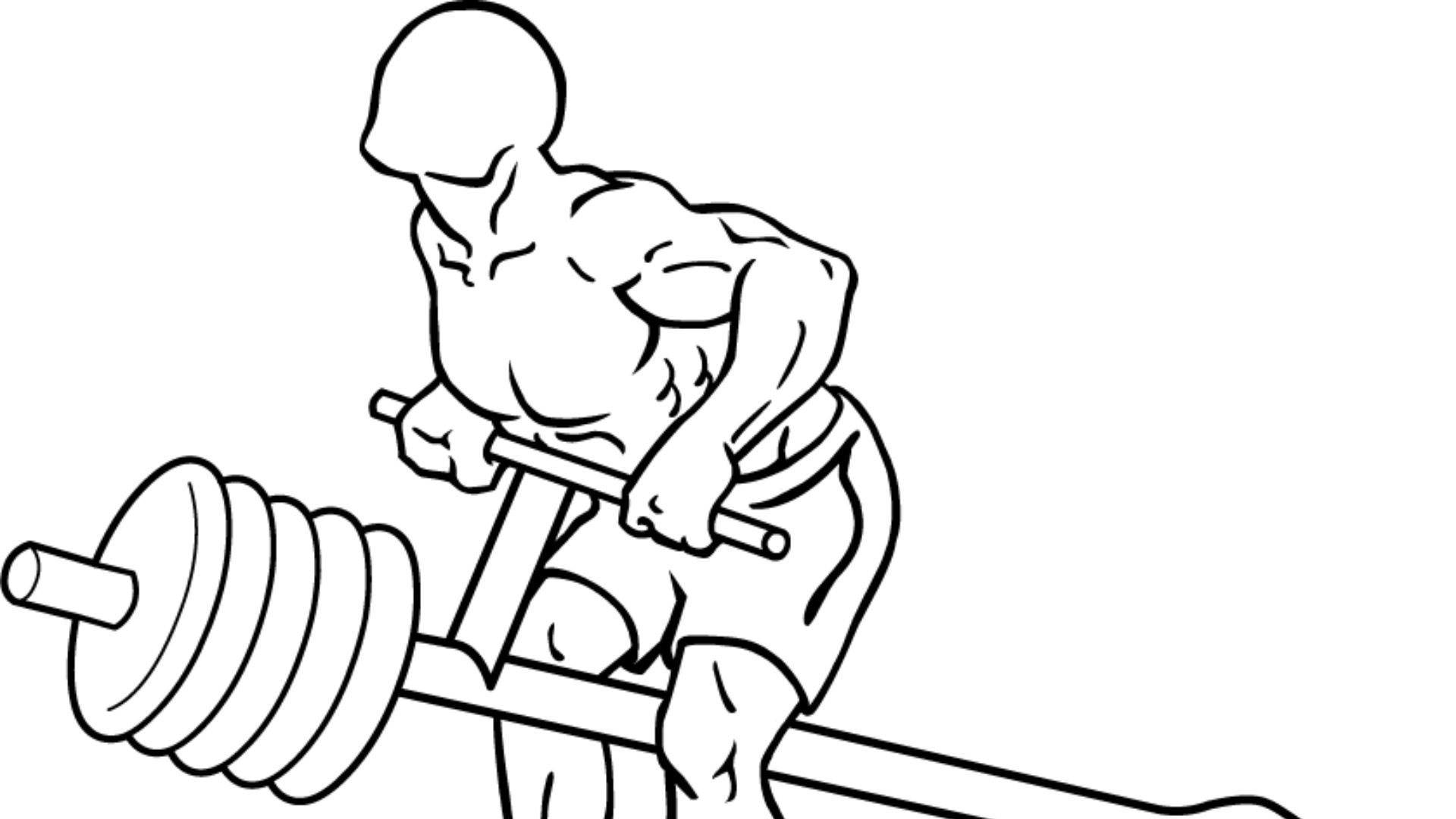
20. Retract Your Scapulae Without Folding
T-bar rows work beautifully when your shoulder blades actually move. They stop working when you round your whole torso to fake a bigger range of motion. Pull your scapulae back, keep your spine steady, and you’ll stop feeling the exercise in your lower back.
KEEP ON READING

20 Ways To Stay Motivated When Fitness Feels Boring



20 Healthy Habits That Save You Money Long-Term