
Your Cramps Might Not Be Inevitable
Uh-oh, your period is here, and it's brought back your biggest enemy: menstrual cramps. But before you pop open your bottle of Tylenol or Advil, it might be worth looking into your habits and lifestyle choices that may be intensifying the pain you're experiencing. Understanding what you should and shouldn't do can help you approach your cycle with a better plan and a lot less suffering. Read on, and we'll help walk you through it.
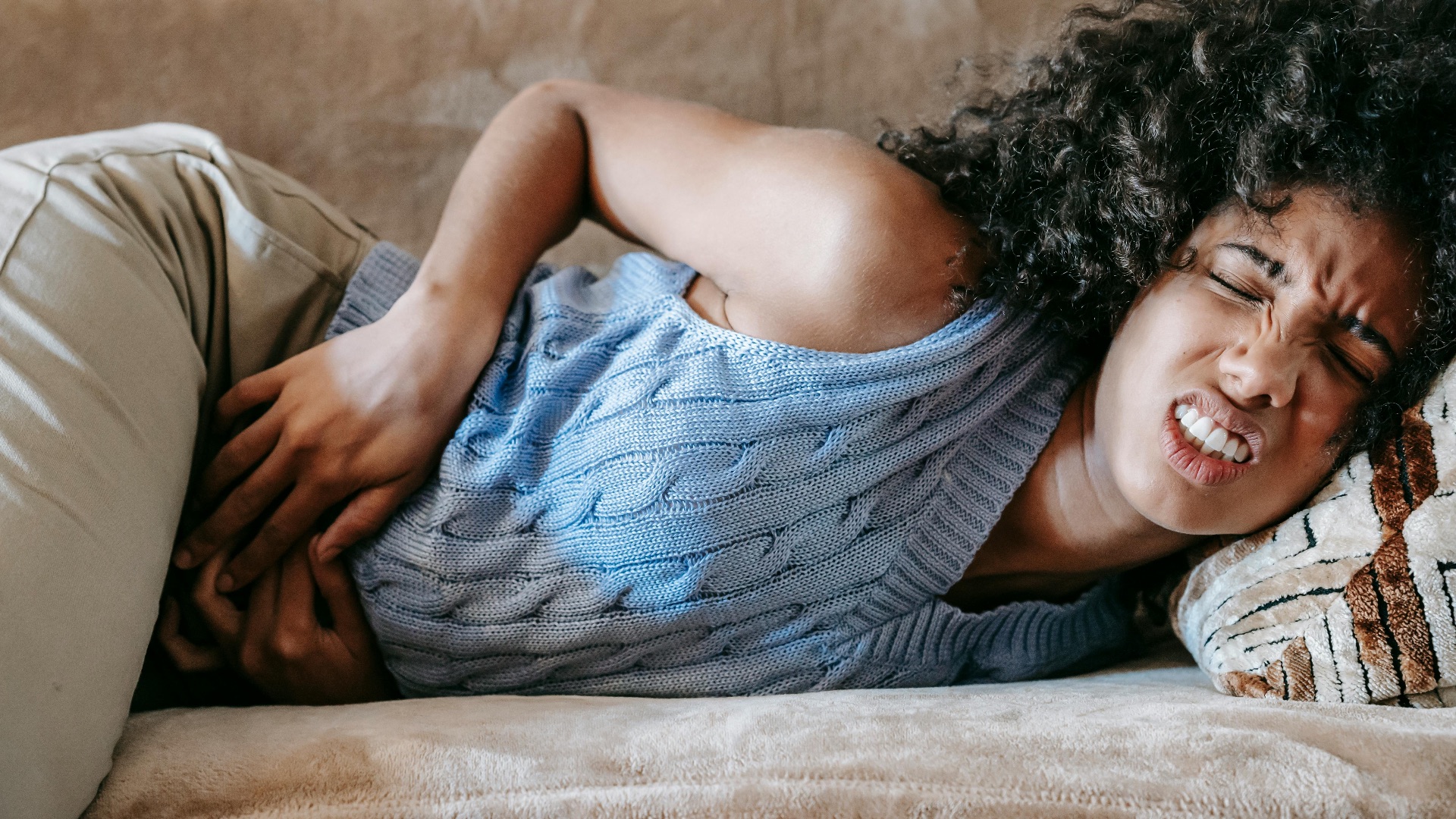
1. Skipping Exercise
It might seem counterintuitive to work out when you're already in pain, but a sedentary lifestyle can actually make menstrual cramps more severe. Regular physical activity helps increase blood flow and triggers the release of endorphins, which are your body's natural pain-relieving chemicals. Even light movement like walking can make a meaningful difference in how intense your cramps feel.

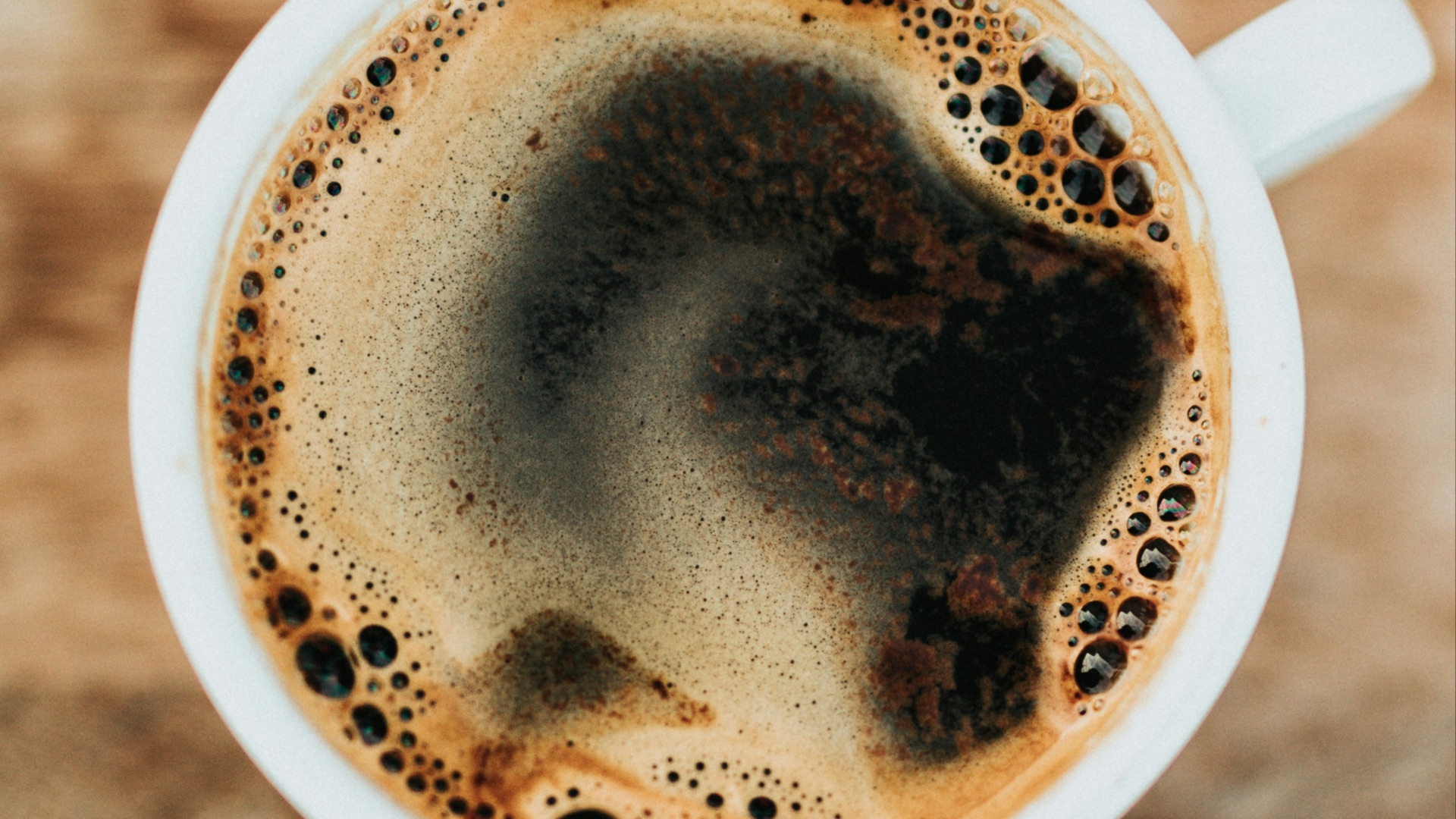
2. Consuming Too Much Caffeine
Your morning coffee might be a non-negotiable part of your routine, but drinking large amounts of caffeine during your period can worsen cramps by causing blood vessels to constrict. This reduced circulation to the uterus can intensify the muscle contractions that are already causing you discomfort. Cutting back, even temporarily, is worth considering if your cramps tend to be severe.
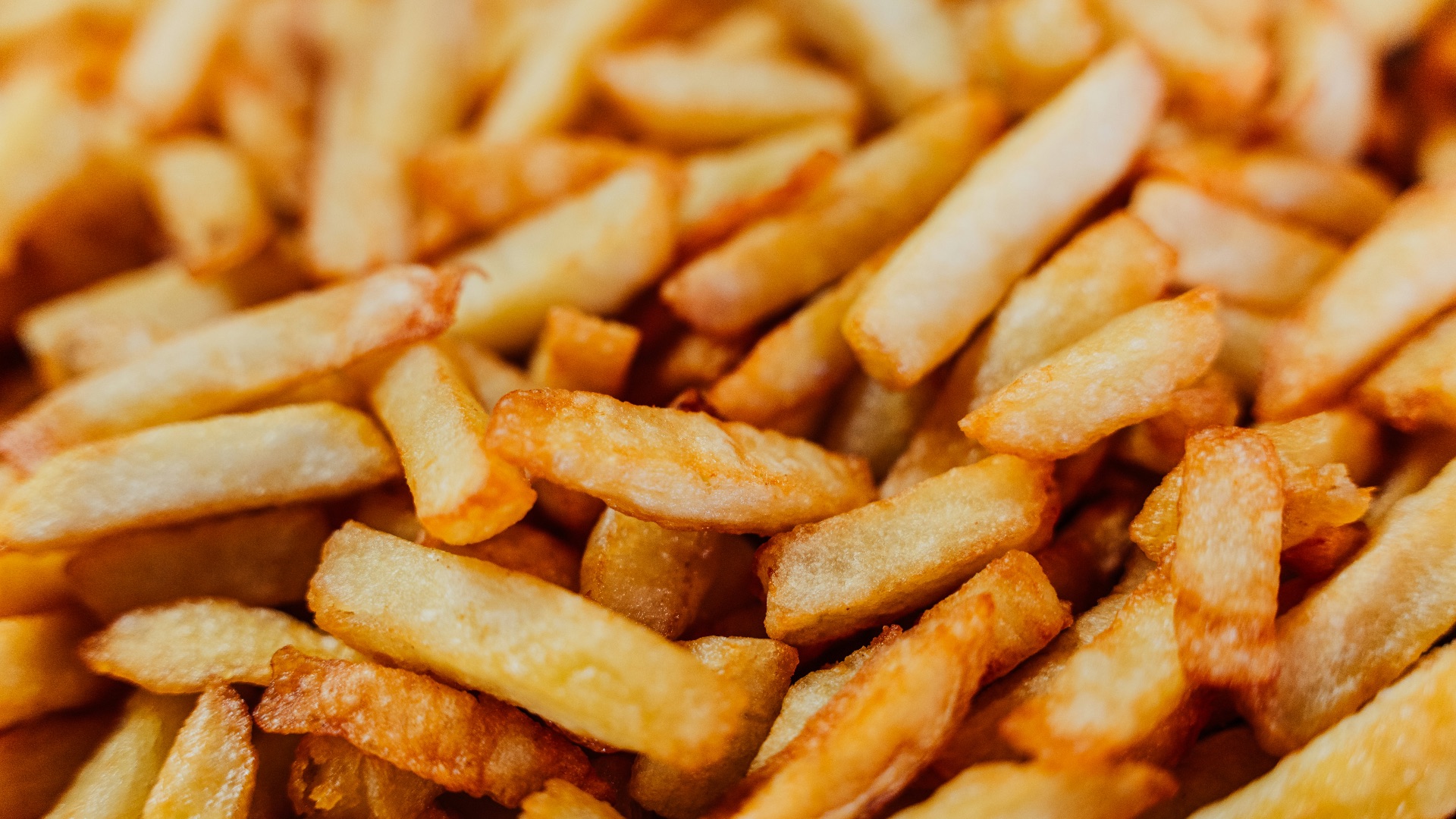
3. Eating a High-Sodium Diet
Loading up on salty foods in the days leading up to your period sets the stage for more painful cramping. Excess sodium causes your body to retain water, which can increase bloating and put additional pressure on an already-inflamed uterus. Swapping out processed snacks for whole foods during this time can help your body manage inflammation more effectively.
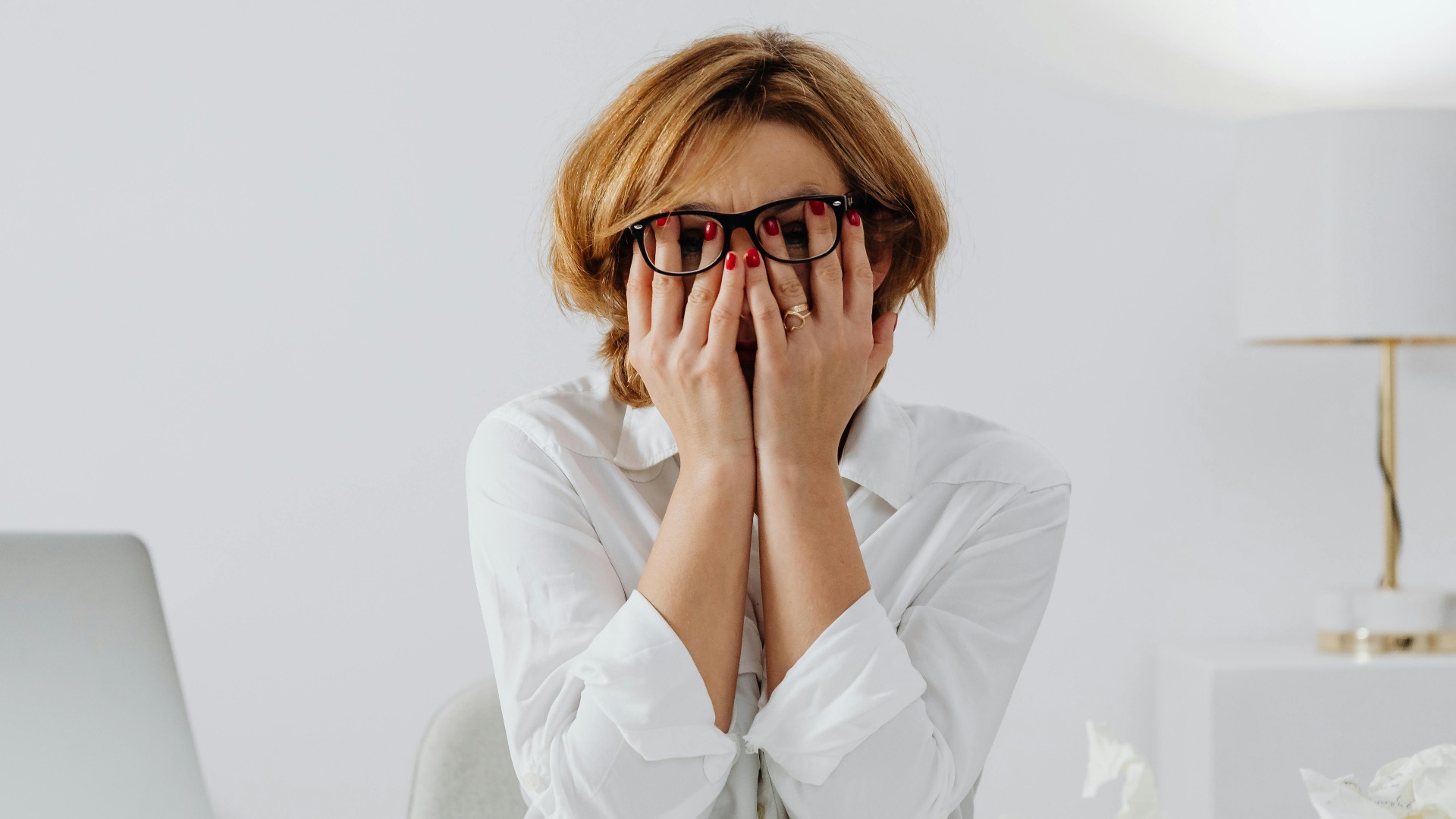
4. Chronic Stress
Ongoing stress doesn't just affect your mood; it has a direct impact on how your body experiences pain. High cortisol levels can increase inflammation throughout the body, which tends to amplify the intensity of menstrual cramps. Finding ways to manage stress consistently, and not just during your period, can lead to noticeably less pain over time.
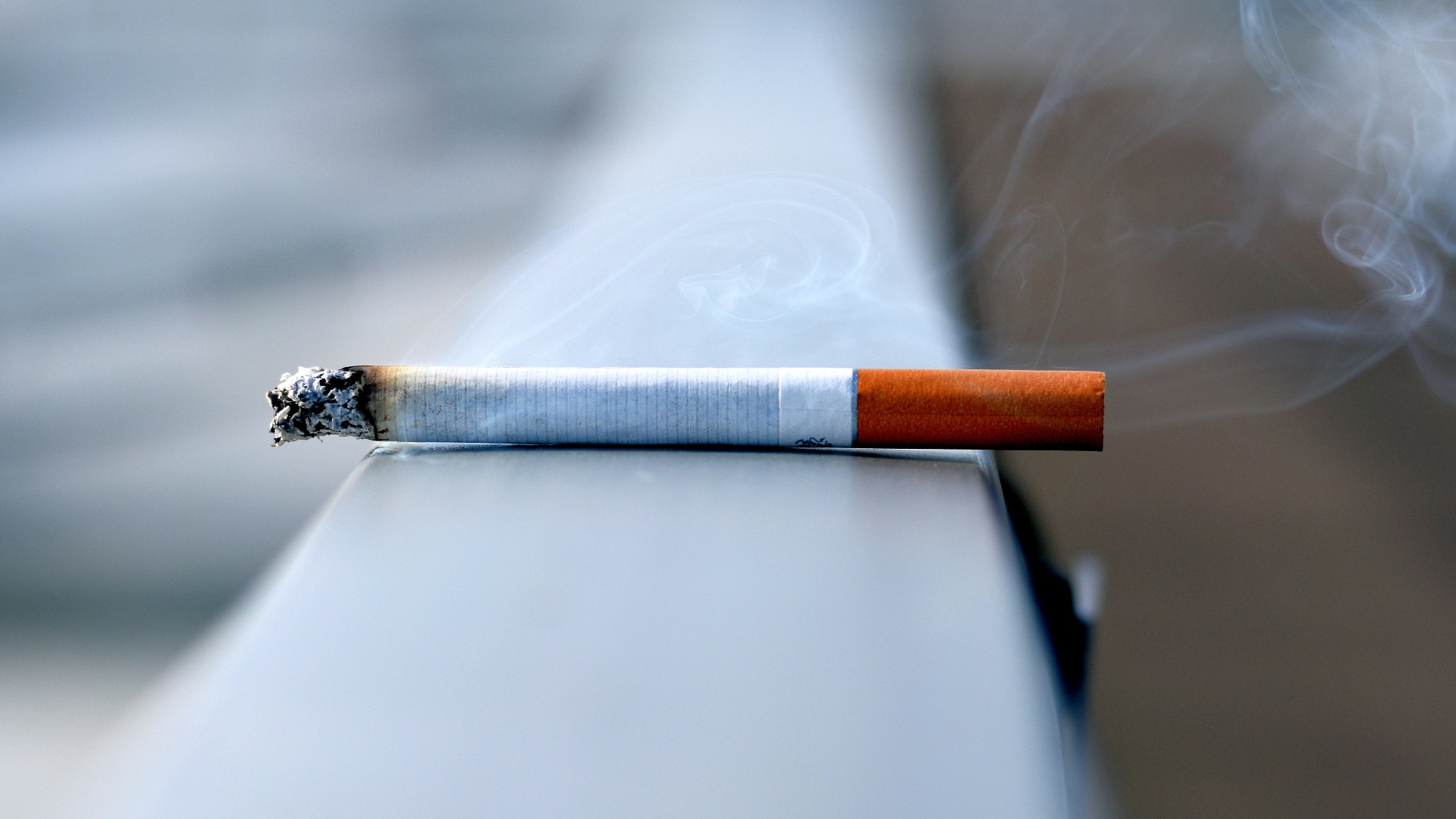
5. Smoking
Smoking is consistently linked to more painful periods, and the reason comes down to circulation. Nicotine narrows blood vessels and reduces oxygen delivery to the uterine muscles, making contractions feel sharper and more prolonged. Women who smoke tend to report significantly worse menstrual pain than non-smokers, which is one more reason to consider quitting.
6. Drinking Alcohol
Having a few drinks to take the edge off your cramps might sound appealing, but alcohol can actually make things worse by increasing prostaglandin levels, which are the compounds responsible for uterine contractions. It also contributes to dehydration, which can tighten muscles and heighten pain sensitivity. Sticking to water and herbal teas during your period is a far more effective strategy.

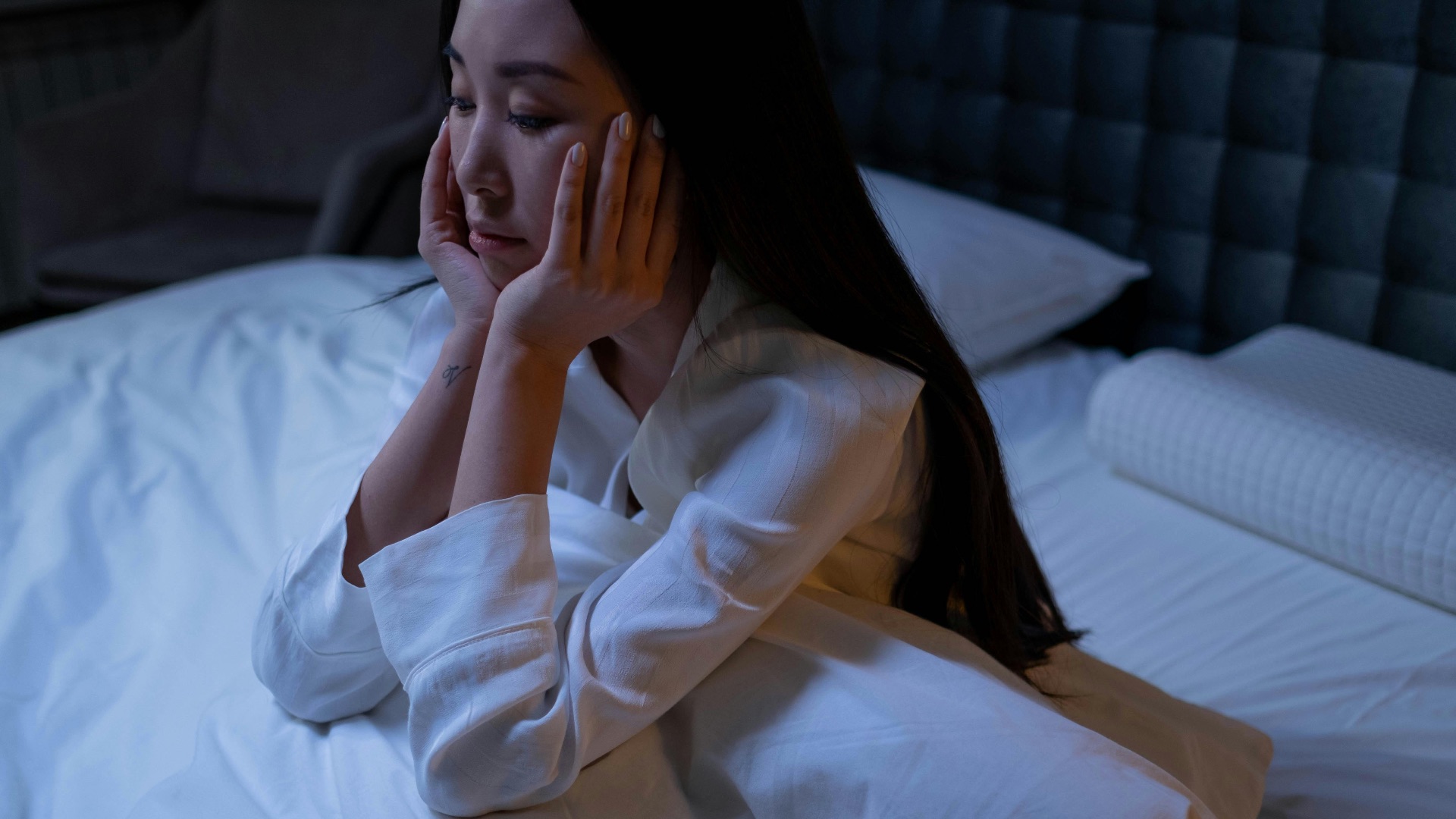
7. Poor Sleep Habits
When you're not getting enough quality sleep, your body's pain threshold drops and inflammation increases, creating a less-than-ideal situation when cramps are already in full swing. Sleep deprivation also raises cortisol levels, which can amplify the discomfort you'd otherwise be able to tolerate. Prioritizing rest in the days leading up to and during your period can make a surprisingly large difference.
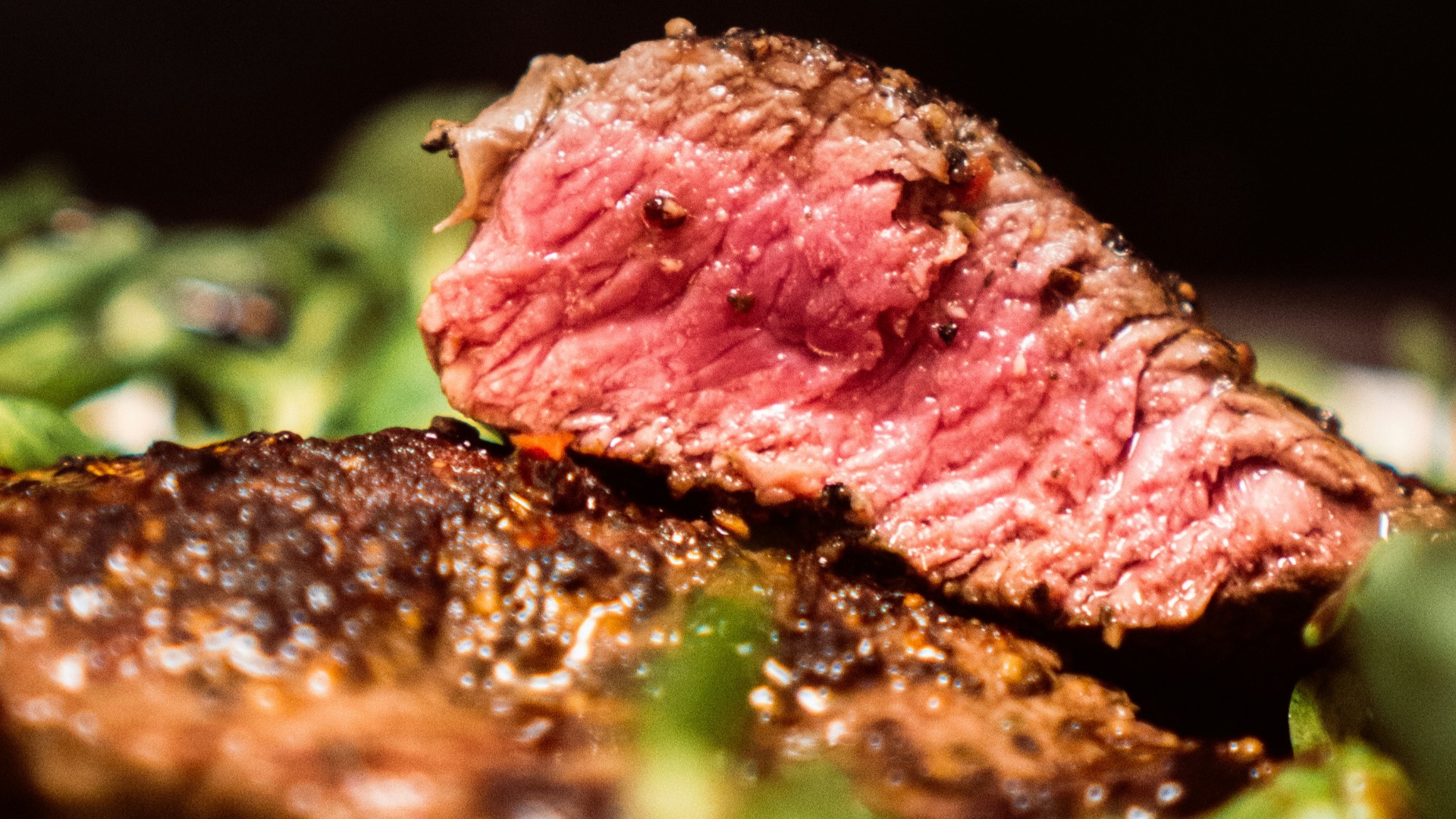
8. Eating a Diet High in Red Meat
Frequent consumption of red meat, especially processed varieties, is associated with higher levels of prostaglandins, which directly drive the cramping process. Diets that lean heavily on animal fats have been linked to more severe menstrual pain in multiple studies. Reducing red meat intake and incorporating more plant-based meals around the time of your period may help bring those levels down.
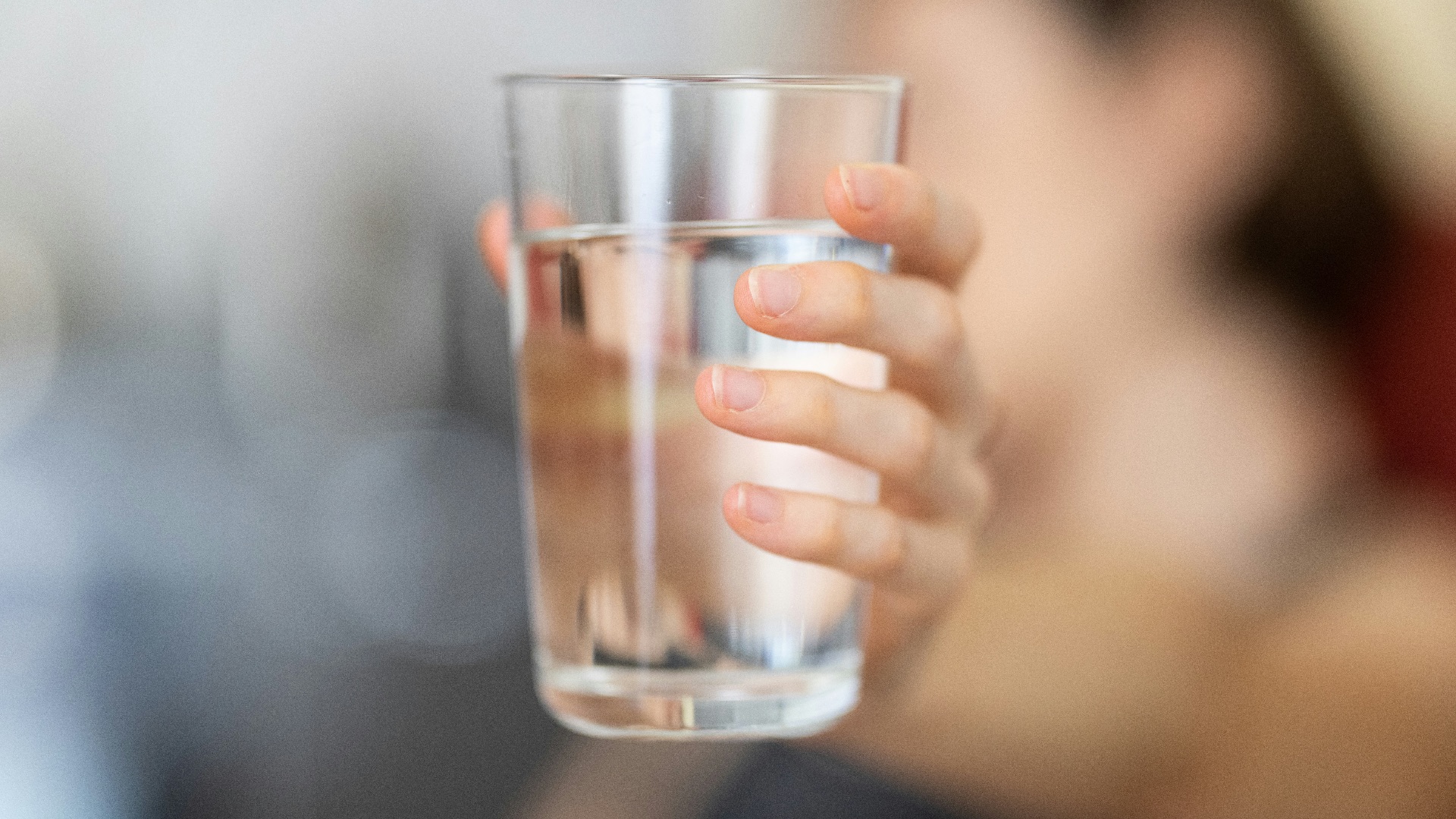
9. Ignoring Dehydration
Not drinking enough water is an easy habit to overlook, but dehydration can make cramps noticeably more intense. When your body is low on fluids, muscles become more prone to cramping and bloating tends to worsen, both of which add to the overall discomfort. Keeping a water bottle on hand throughout your cycle is one of the simplest things you can do for yourself.
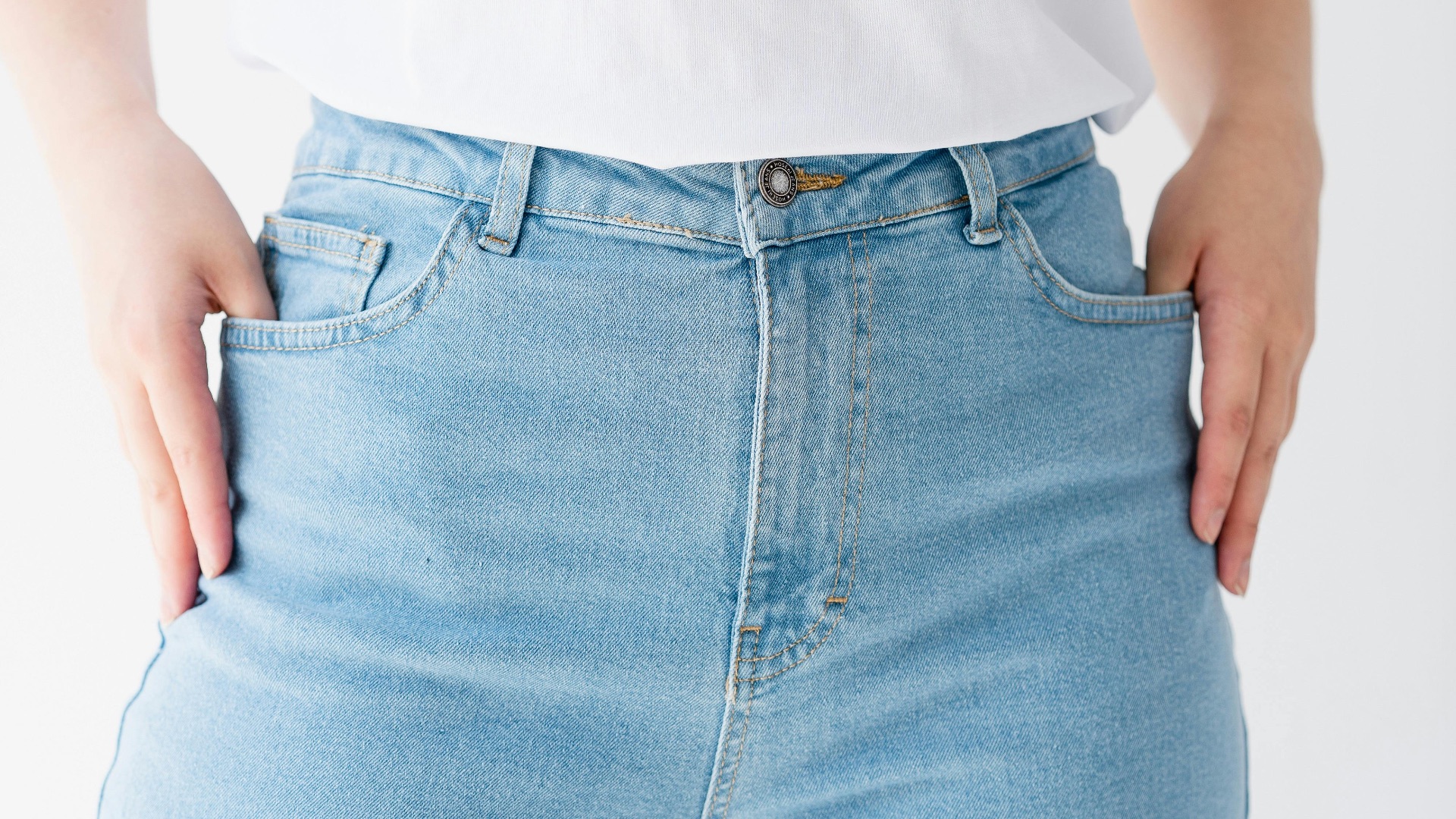
10. Wearing Tight Clothing
Squeezing into tight waistbands or restrictive clothing when you're already experiencing cramping can put direct pressure on your abdomen and make the pain feel worse. Constriction around the midsection limits blood flow and can intensify the sensation of bloating that often accompanies cramps. For the sake of your own comfort, opt for looser clothing.
Menstrual cramps can feel extremely intense, but painkillers aren't the only way to find relief. Read on for other ways to manage the pain you feel during your monthly cycle.
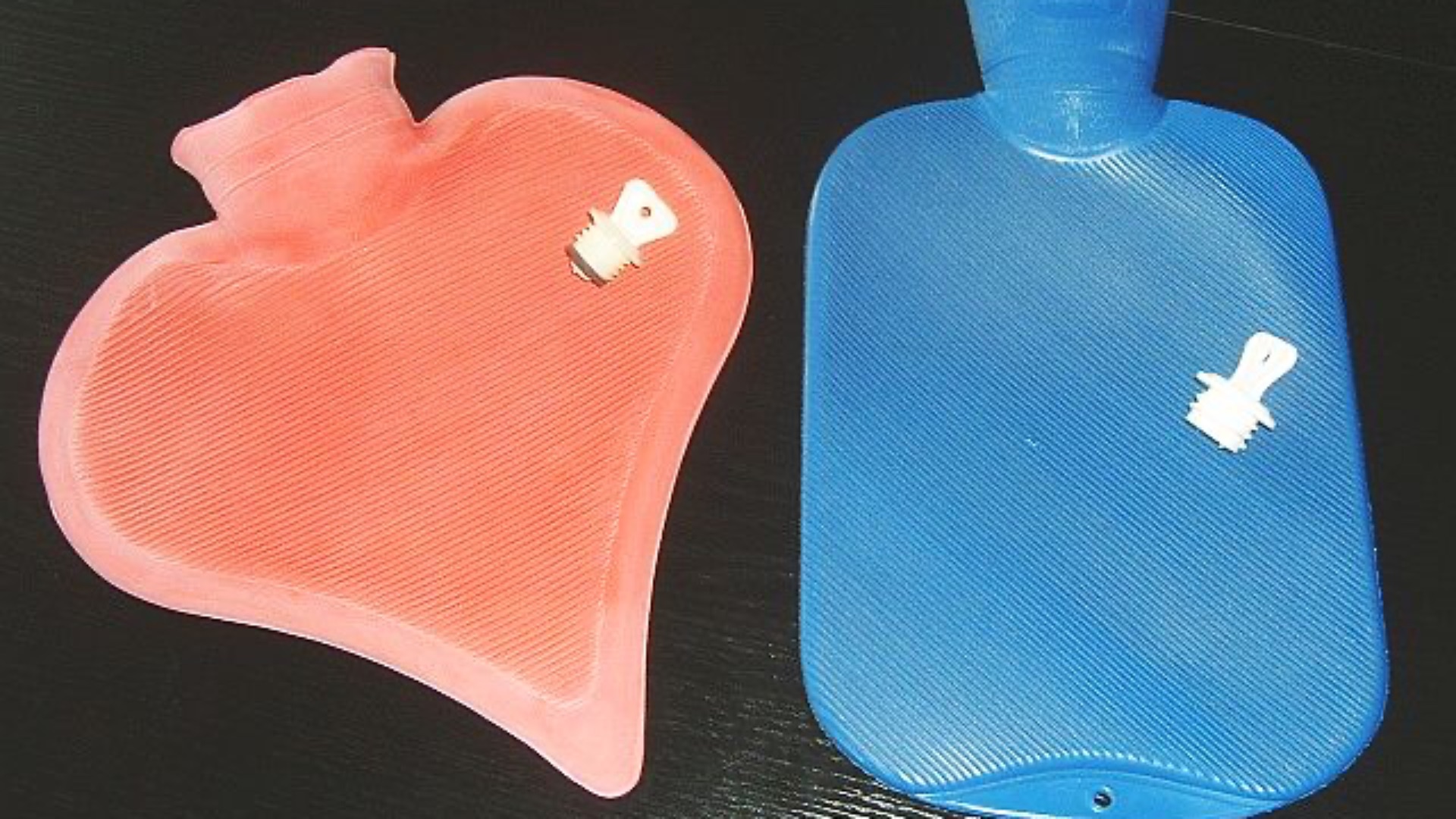
1. Applying Heat
Heat is one of the most well-supported remedies for menstrual cramps, and it works by relaxing the uterine muscles and increasing blood flow to the area. A heating pad or hot water bottle placed on your lower abdomen can provide relief that's comparable to taking over-the-counter pain medication. Using heat consistently throughout the day, rather than just when pain peaks, tends to give the best results.
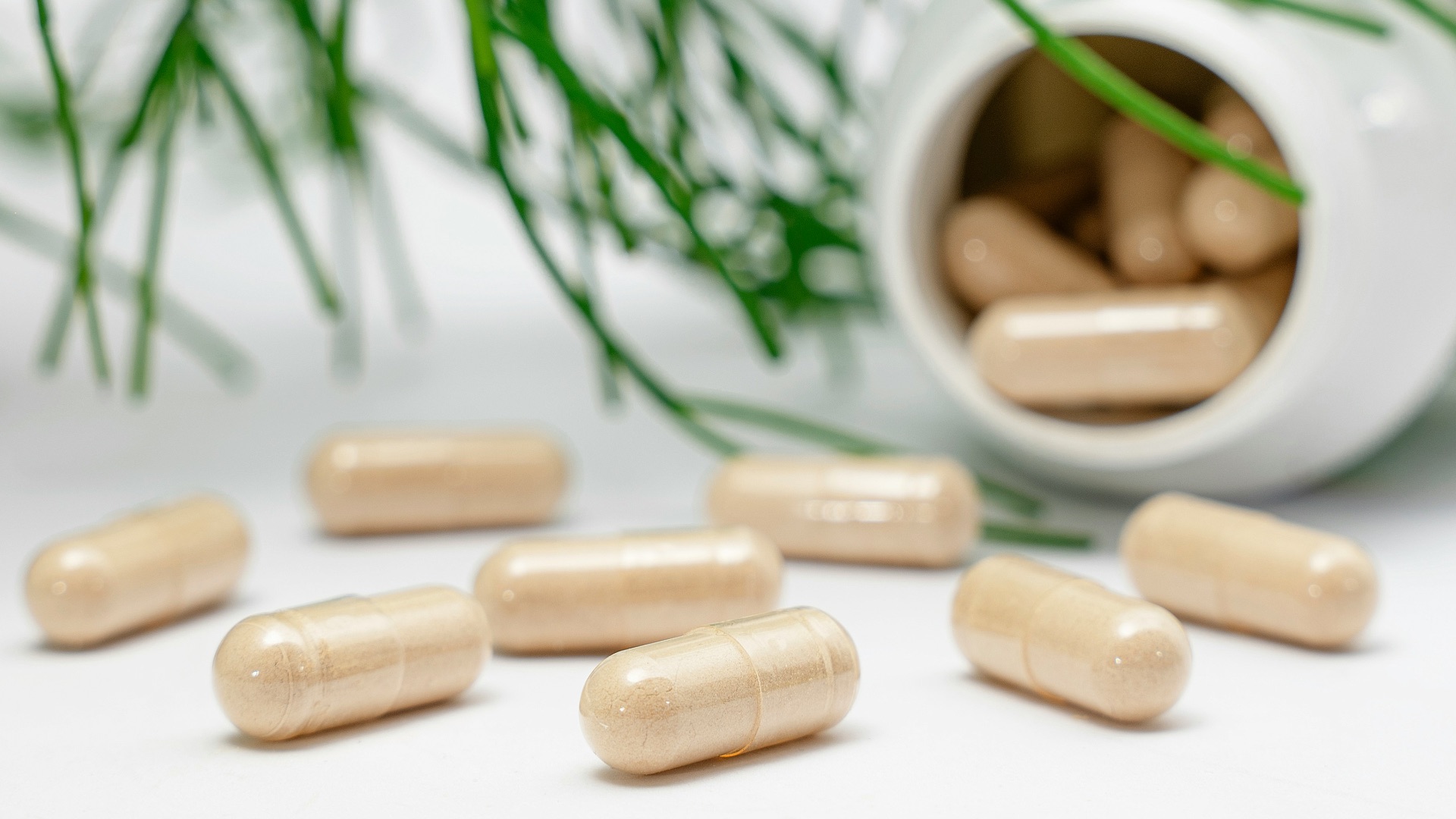
2. Taking Magnesium
Magnesium plays an important role in muscle relaxation, and many people who experience severe cramps are found to have lower magnesium levels. Supplementing with magnesium or increasing your intake through foods like leafy greens, nuts, and seeds can help reduce the frequency and intensity of cramping. It's worth talking to your doctor about whether a supplement might be a good addition to your routine.
 Supliful - Supplements On Demand on Unsplash
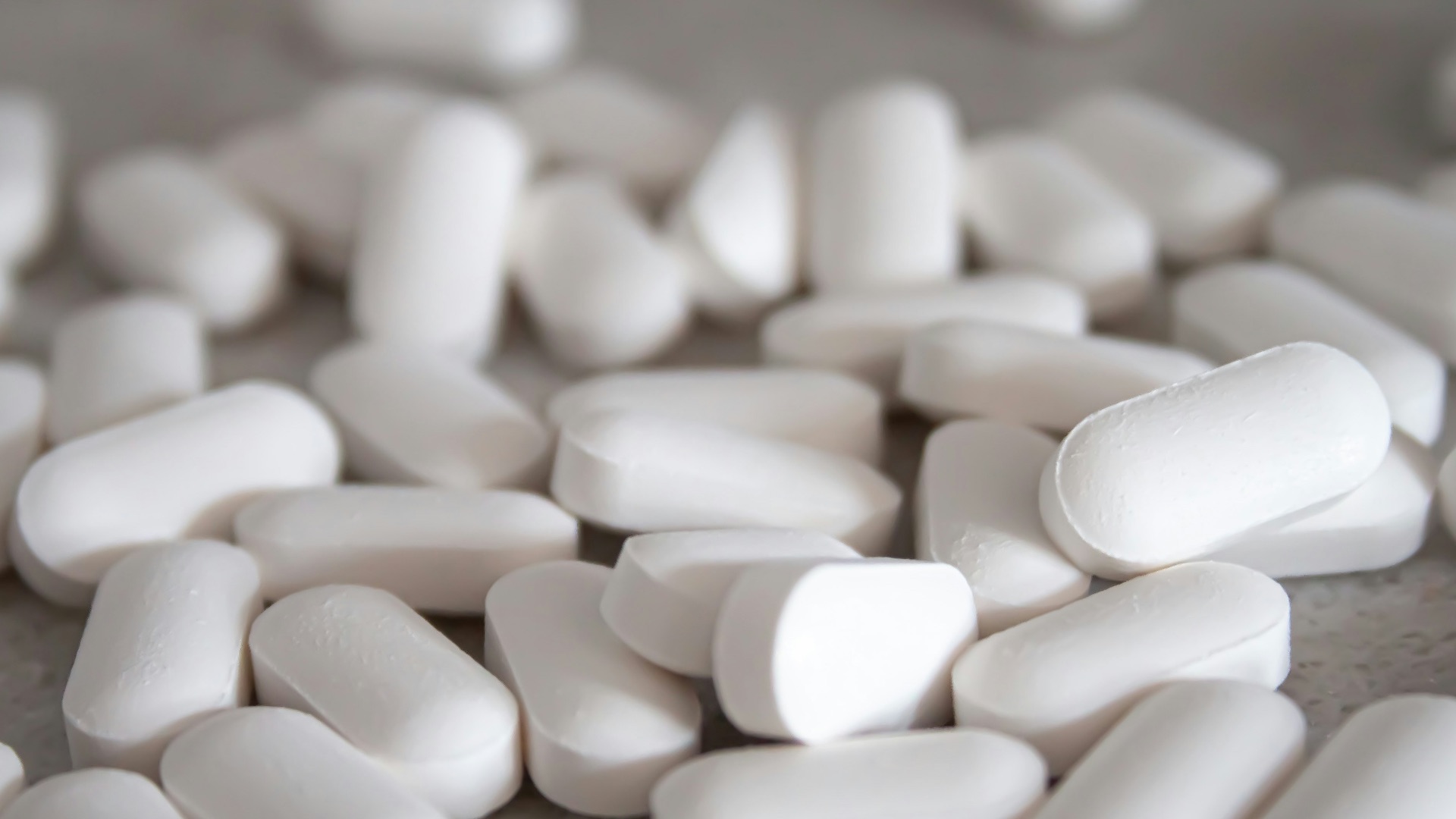
3. Trying Anti-Inflammatory Medications
Nonsteroidal anti-inflammatory drugs like ibuprofen work by blocking prostaglandins, which are the chemicals that trigger uterine contractions and cramping in the first place. Taking them at the first sign of cramps, rather than waiting until the pain is severe, is generally the most effective approach. Always follow dosage guidelines and consult your doctor if you need to use them frequently.
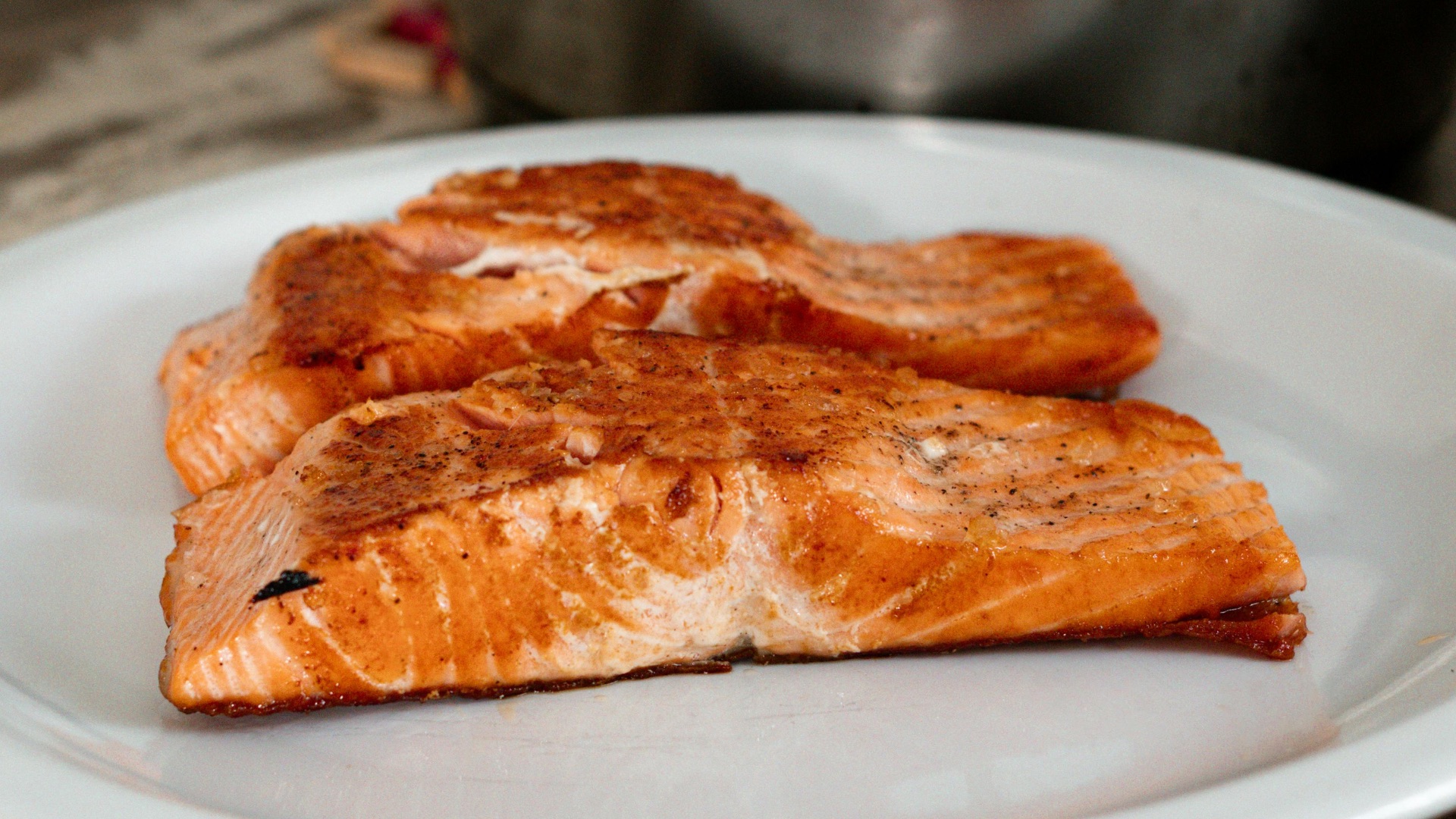
4. Eating More Omega-3 Fatty Acids
Foods rich in omega-3s, such as salmon, flaxseed, and walnuts, have natural anti-inflammatory properties that can help reduce the severity of menstrual cramps. Several studies have found that people who consume higher amounts of omega-3s tend to experience less menstrual pain overall. Adding these foods to your regular diet, not just around your period, gives your body a better chance to keep inflammation in check.
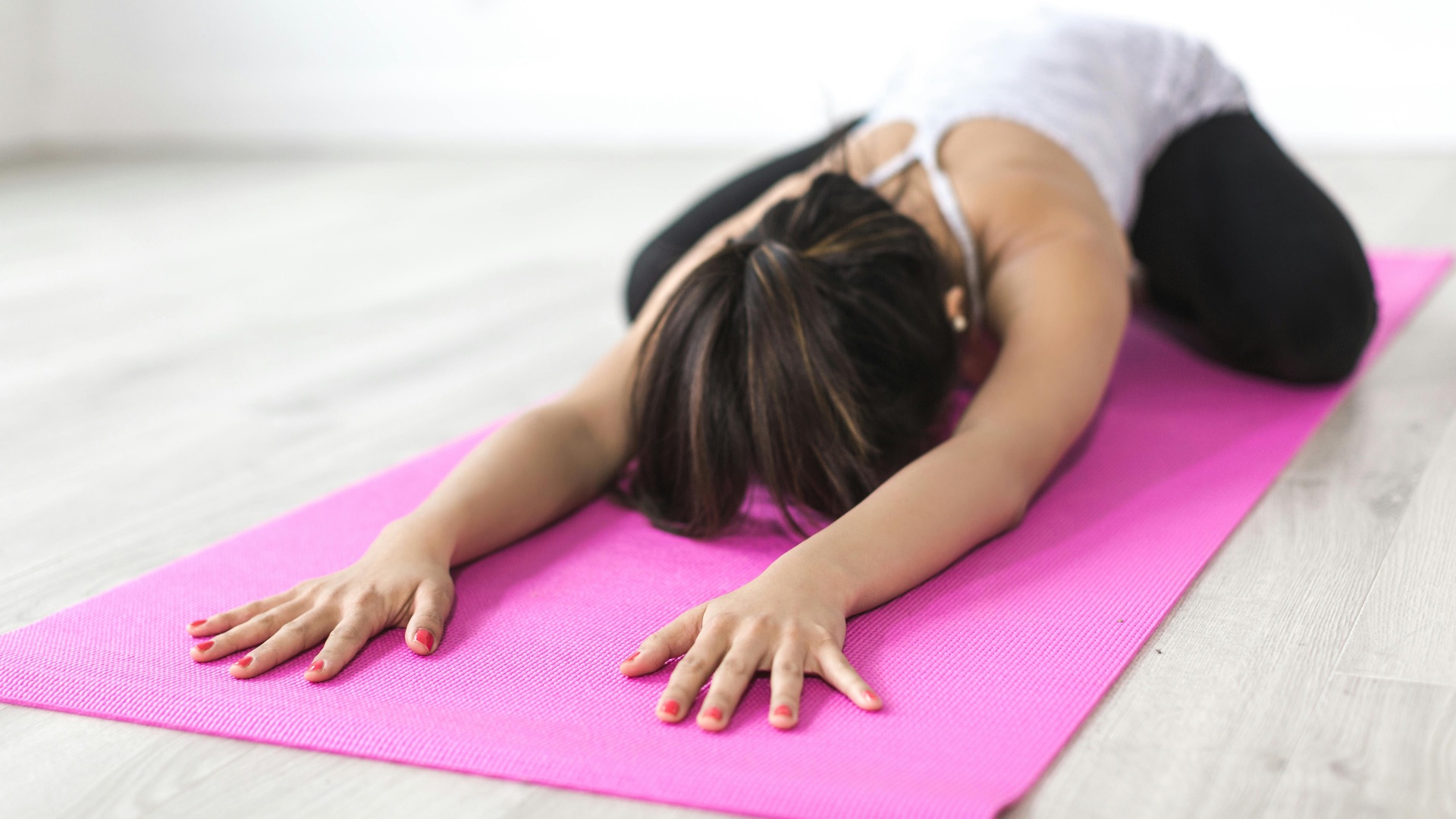
5. Practicing Yoga
Certain yoga poses are specifically effective at relieving menstrual pain by stretching the pelvic muscles and encouraging blood flow to the lower abdomen. Poses like child's pose, seated forward fold, and supine twists can ease tension in the areas most affected by cramping. Even a short, gentle yoga session on painful days can provide real relief without requiring you to push through an intense workout.
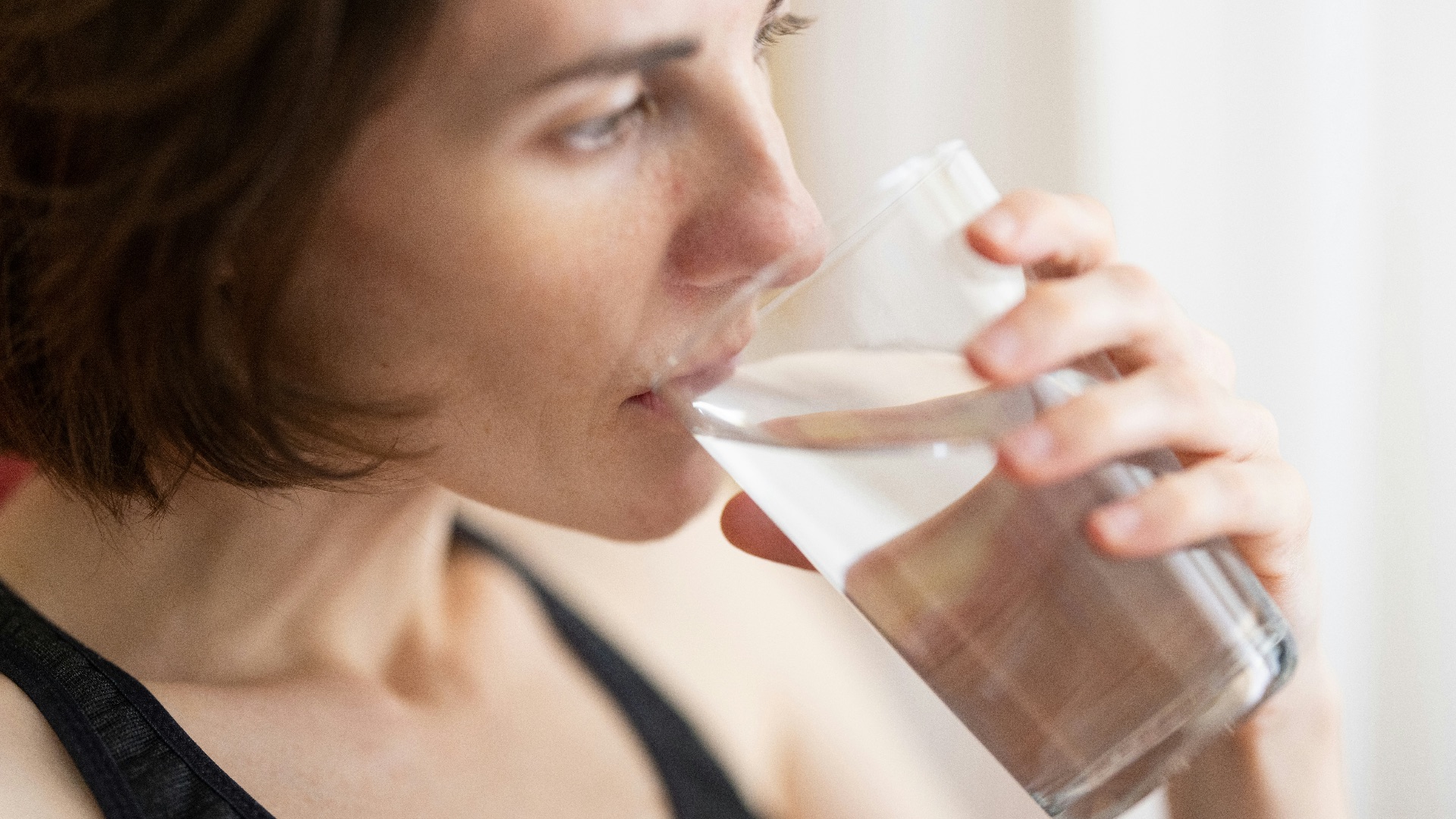
6. Staying Hydrated
As mentioned earlier, drinking enough water throughout your cycle helps reduce bloating, supports healthy circulation, and keeps muscles functioning properly, all of which contribute to less cramping. Warm water and herbal teas, particularly ginger and chamomile, can be especially soothing during your period because they combine hydration with additional anti-inflammatory benefits. Making a conscious effort to drink more fluids during this time is a low-effort habit with a solid payoff.
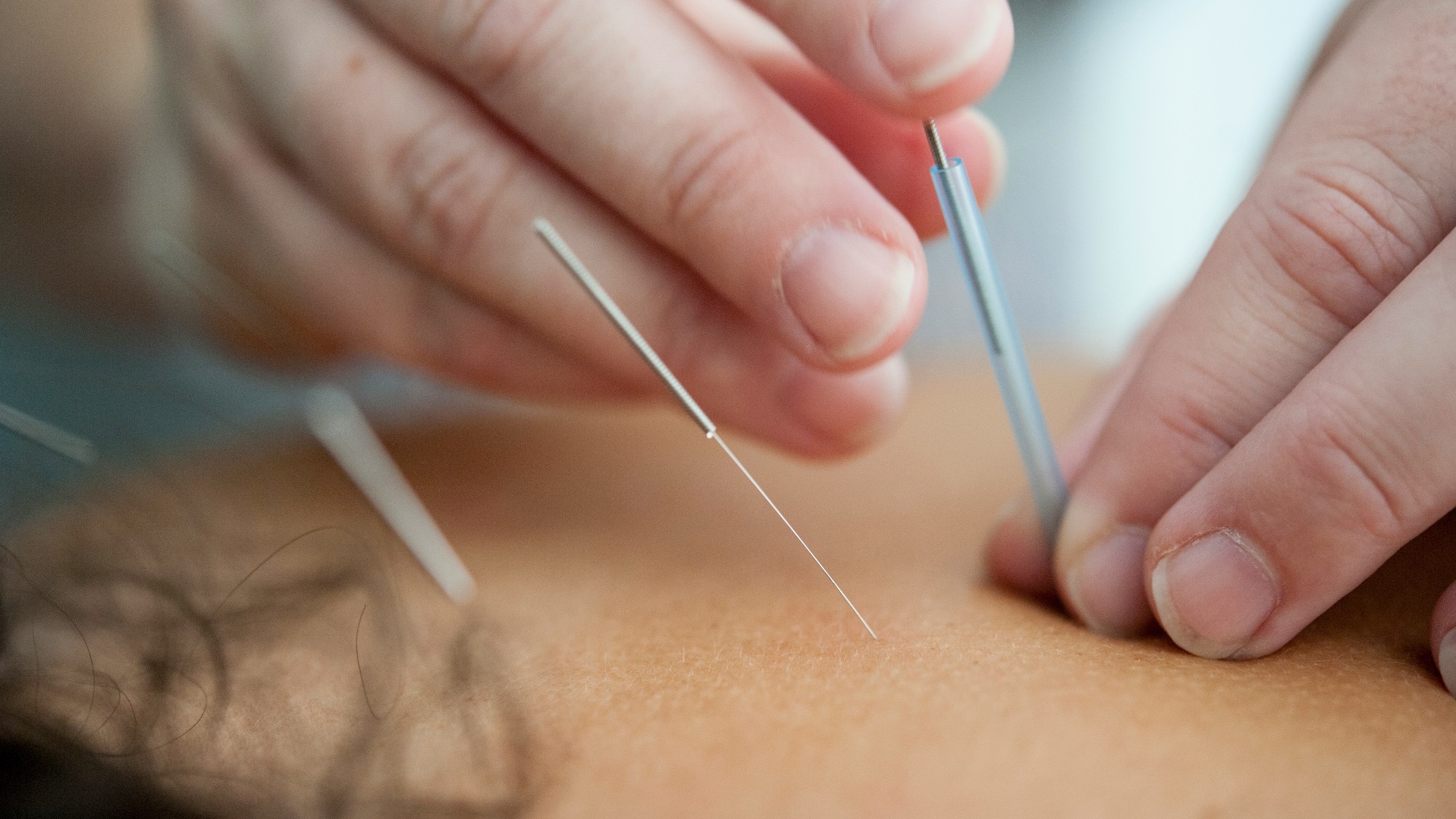
7. Getting Regular Acupuncture
Acupuncture has shown promising results as a treatment for menstrual pain, with research suggesting it can reduce cramping by improving blood flow and reducing inflammation in the pelvic region. Regular sessions, rather than a single treatment, tend to produce the most noticeable improvement over time. If you're open to complementary therapies, it's a well-studied option that many people find genuinely helpful.
8. Increasing Vitamin D Intake
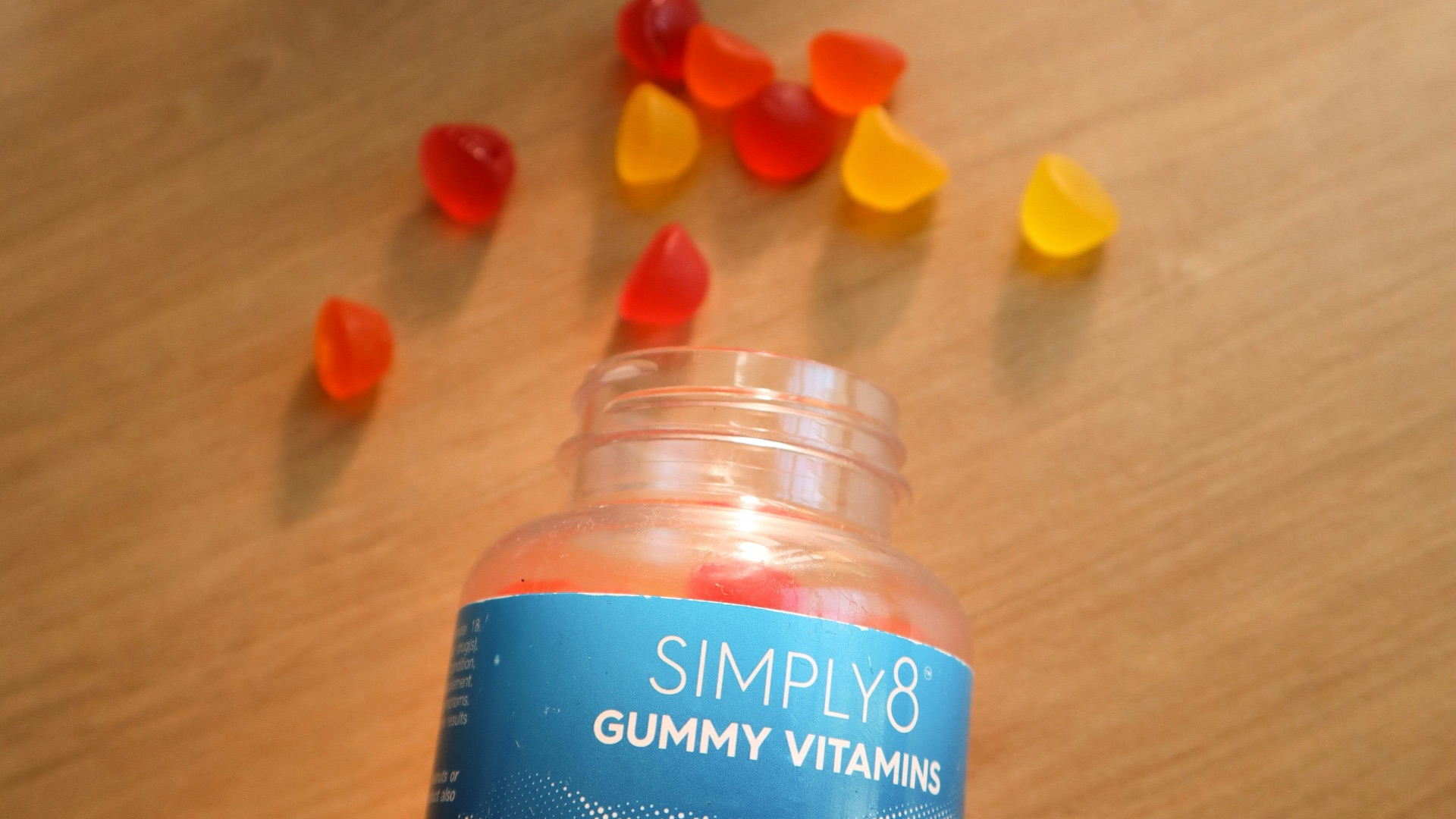
Low vitamin D levels have been associated with more severe menstrual cramps, and supplementing it has been shown in some studies to significantly reduce pain. Vitamin D helps regulate inflammation and supports muscle function, both of which are directly relevant to what's happening in your body during your period. Spending time outdoors and talking to your doctor about your levels can help you figure out whether supplementation makes sense for you.
9. Eating Anti-Inflammatory Foods
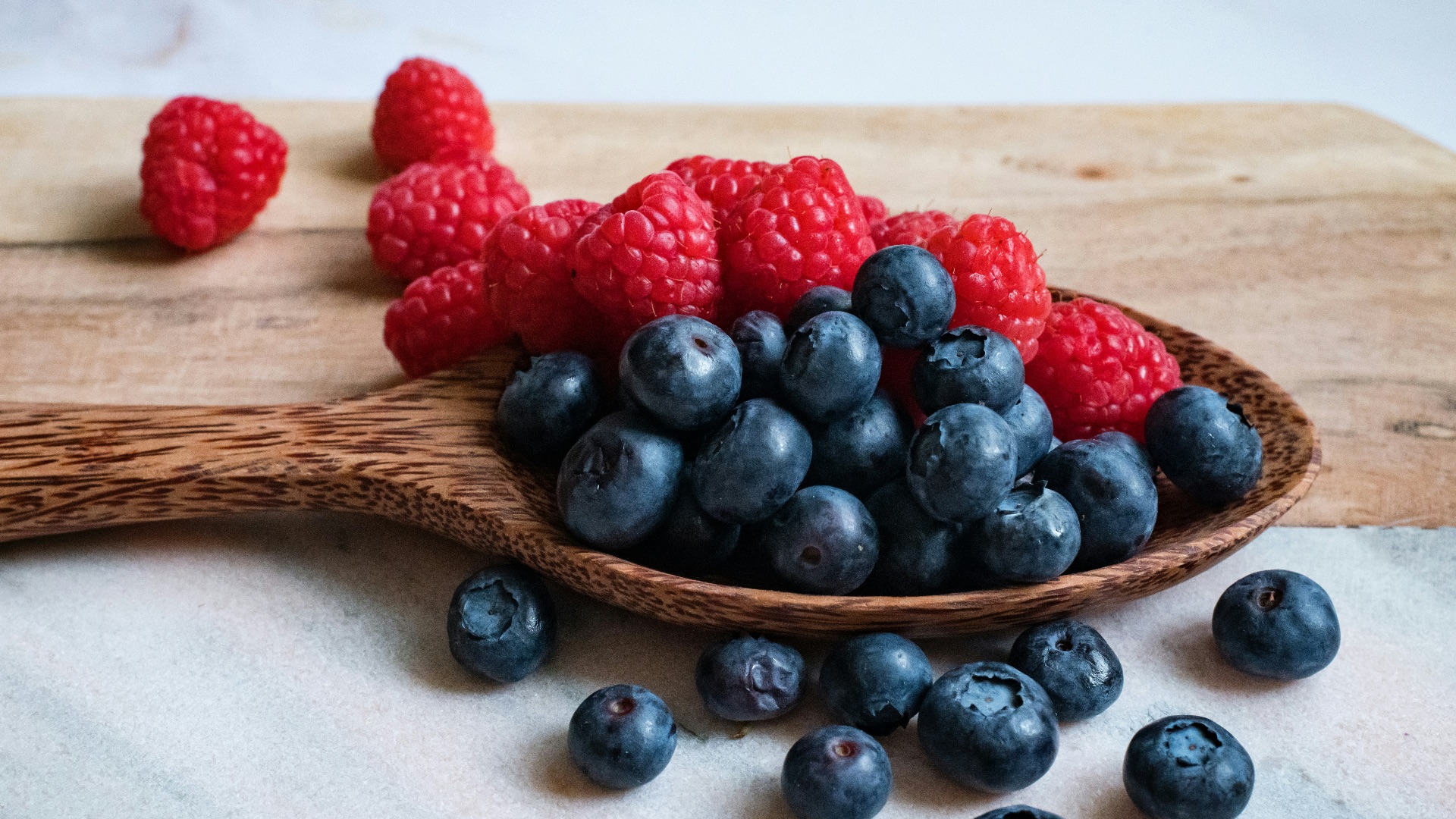
Incorporating foods like berries, leafy greens, turmeric, and olive oil into your diet can help lower overall inflammation, which directly impacts how severe your cramps are. These foods work best as part of a consistent dietary pattern rather than a last-minute fix, so the earlier you build them into your meals, the better. A diet that actively fights inflammation is one of the most sustainable long-term strategies for reducing menstrual pain.
10. Reducing Stress
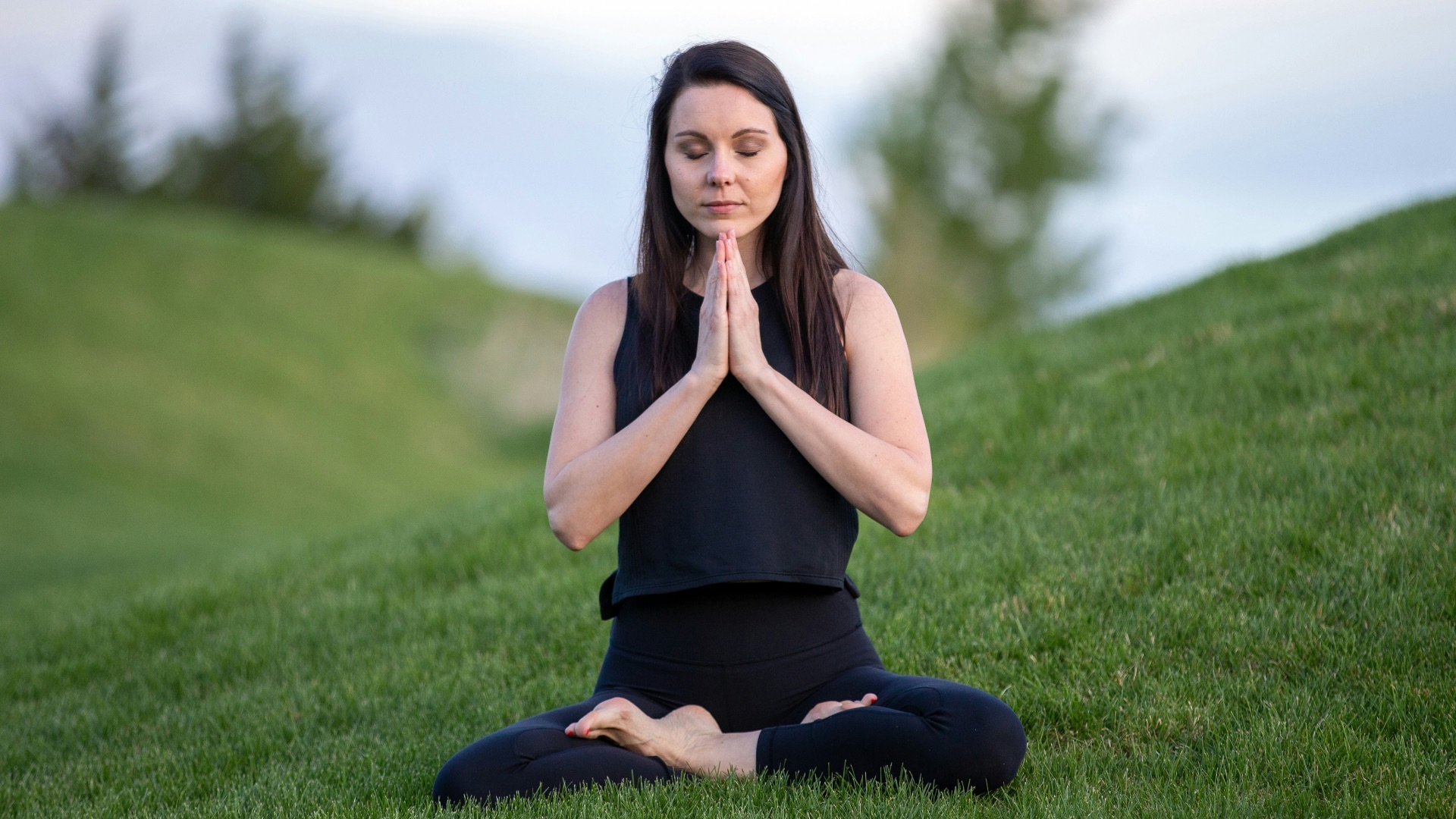
Keeping your stress levels in check can have a real impact on how severe your menstrual cramps feel, since high cortisol levels are known to increase inflammation and amplify pain. Practices like deep breathing, meditation, and journaling are all effective ways to bring your nervous system down from a heightened state before and during your period. Even small, consistent stress-reduction habits built into your daily routine can translate into noticeably less cramping over time.
KEEP ON READING

20 Natural Ways You Can Boost Your Immune System
20 Ways To De-stress & Relax After Work
The 10 Most Common Diseases & The 10 Most Rare