Smart Habits That Help Your Health and Your Wallet
Healthy habits often come with benefits that go far beyond physical well-being. Many everyday lifestyle choices can also reduce long-term expenses by lowering medical costs, preventing health issues, and improving overall quality of life. While some wellness trends can be expensive, the most effective habits are often simple and affordable. These 20 healthy routines not only support your body but can also save you significant money over time.

1. Cooking Meals at Home
Preparing meals at home is usually far less expensive than eating out regularly. Home cooking also allows you to control ingredients, portion sizes, and nutritional value. Over time, healthier meals can reduce the risk of diet-related health issues such as high blood pressure or obesity.
 Land O'Lakes, Inc. on Unsplash
2. Drinking More Water
Replacing sugary drinks with water is one of the easiest ways to improve health while saving money. Beverages like soda, specialty coffees, and bottled drinks can add up quickly. Drinking water supports hydration, digestion, and overall body function. Choosing water more often reduces daily spending and supports long-term wellness.

3. Walking Instead of Driving Short Distances
Choosing to walk when possible reduces fuel costs and vehicle wear. Regular walking also supports cardiovascular health and improves mood. Even short walks contribute to better fitness and help reduce sedentary habits. Over time, the savings on transportation and potential healthcare costs can be substantial.

4. Prioritizing Good Sleep
Getting consistent, quality sleep supports immune function, mental health, and productivity. People who sleep well are less likely to experience certain health problems that may require medical treatment.

5. Exercising Regularly
Regular physical activity helps prevent chronic illnesses such as heart disease and type 2 diabetes. Exercise doesn’t require an expensive gym membership, as activities like jogging, home workouts, or cycling can be highly effective.

6. Preparing Healthy Snacks in Advance
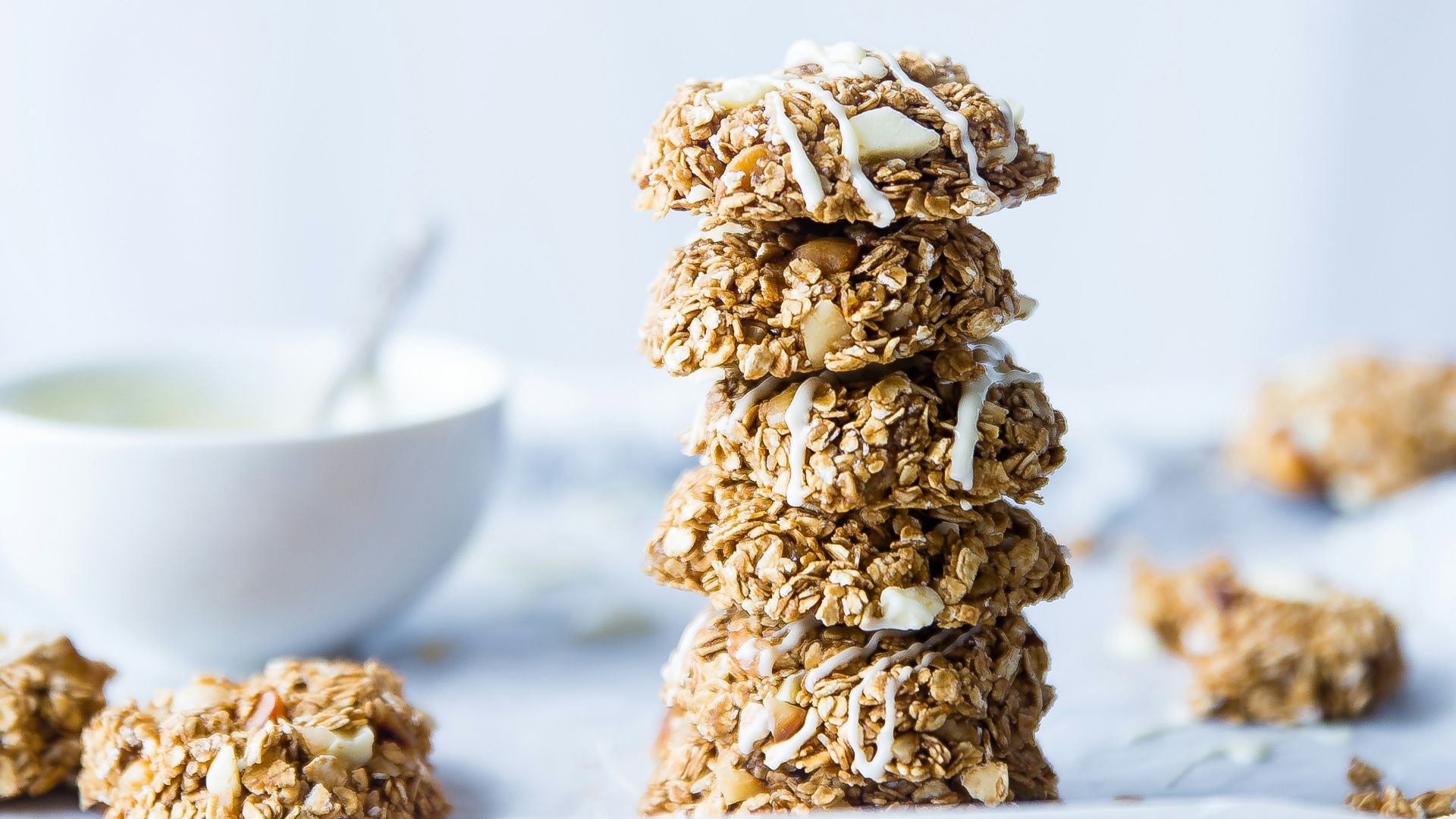
Packing your own snacks helps avoid frequent purchases of convenience foods. Store-bought snacks are often more expensive and less nutritious than homemade options.
7. Practicing Preventive Healthcare
Regular medical checkups and screenings help detect health issues early. Addressing problems early often reduces the need for more expensive treatments later. Preventive care also encourages healthier lifestyle choices through professional guidance, so investing time in routine healthcare can lead to significant financial savings.

8. Quitting Smoking
Smoking is one of the most expensive habits in terms of both health and finances. Cigarettes can cost thousands of dollars per year, depending on consumption and location. Quitting reduces the risk of serious diseases such as lung cancer and heart disease. The financial savings and health improvements make this change one of the most impactful habits.

9. Reducing Alcohol Consumption
Limiting alcohol intake benefits both physical health and household budgets. Alcoholic beverages can be costly, especially when purchased regularly at bars or restaurants.

10. Using a Reusable Water Bottle
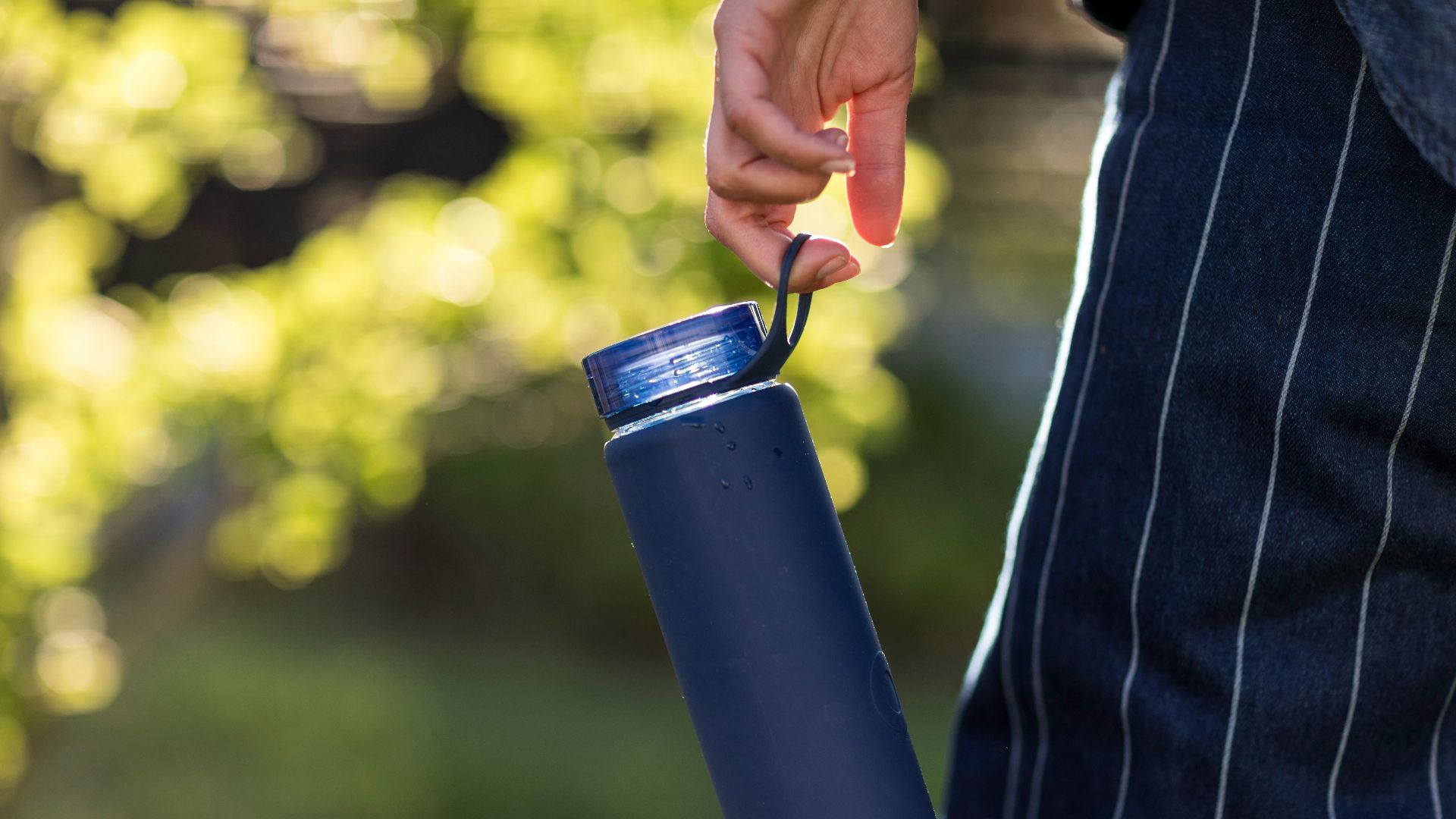
Carrying a reusable water bottle helps avoid frequent purchases of bottled drinks. This simple habit encourages hydration throughout the day. It also reduces plastic waste and promotes environmentally friendly behavior. Over time, the savings from skipping bottled beverages become noticeable.
11. Cooking in Batches
Batch cooking allows you to prepare multiple meals at once, reducing both time and food waste. Leftovers can be stored and used throughout the week, preventing last-minute takeout purchases.

12. Managing Stress Effectively
Chronic stress can contribute to health issues such as high blood pressure and sleep problems. Practices like meditation, breathing exercises, or spending time outdoors help manage stress in healthy ways. Reducing stress often leads to fewer impulse purchases and better decision-making. The combination of emotional and financial benefits makes stress management valuable.

13. Growing Some of Your Own Food
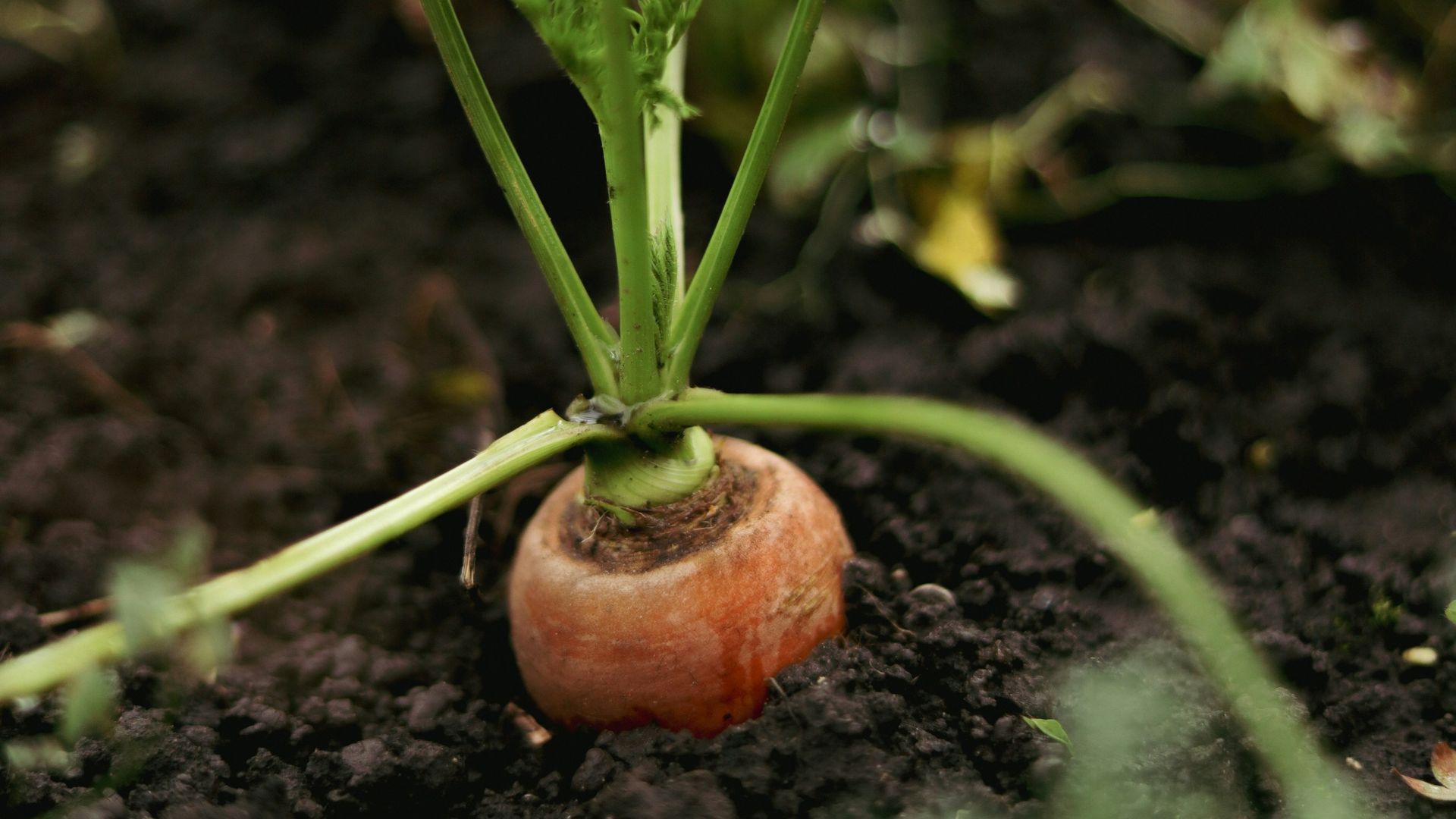
Even a small garden can provide fresh herbs, vegetables, or fruits. Growing food at home reduces grocery expenses while encouraging healthier eating. Gardening also promotes physical activity and time outdoors. The satisfaction of harvesting your own produce adds another benefit.
 Viktoriia Filipchenko on Unsplash
14. Learning Basic Cooking Skills
Understanding how to cook simple, nutritious meals helps reduce reliance on processed foods or restaurant meals. Cooking skills allow you to prepare healthy dishes at a fraction of the cost.

15. Maintaining Good Dental Hygiene
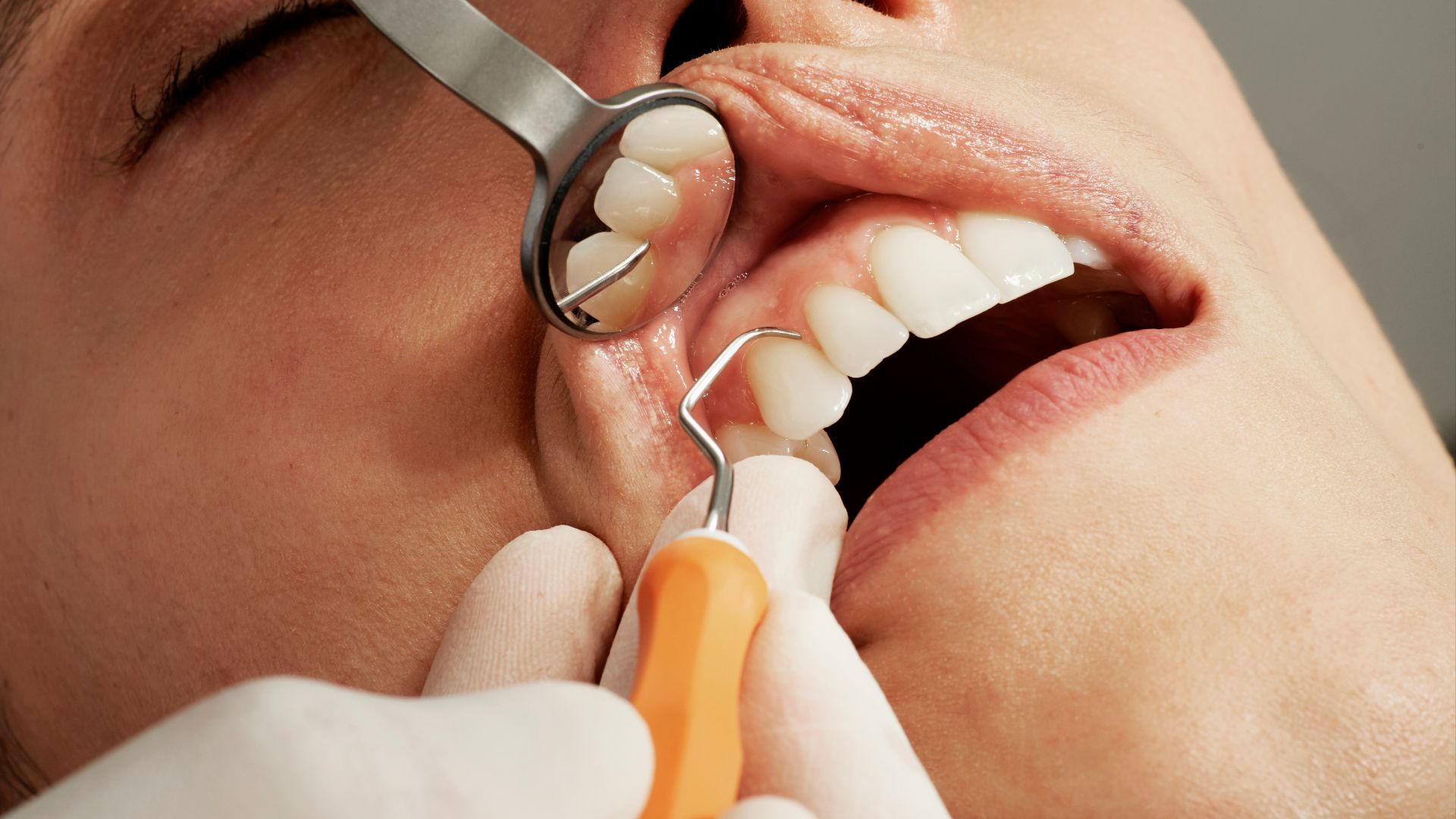
Brushing, flossing, and regular dental checkups help prevent serious dental issues. Preventive care reduces the likelihood of costly procedures such as root canals or extensive dental repairs. Good oral hygiene also supports overall health. This small daily effort can save significant money on dental care.
16. Using a Bike for Short Commutes
Cycling is both an effective form of exercise and an affordable transportation option. Using a bike for short trips reduces fuel costs and vehicle maintenance expenses.

17. Buying Whole Foods Instead of Processed Ones
Whole foods like fruits, vegetables, grains, and legumes are often more affordable than heavily processed products. They also tend to provide better nutritional value. Cooking with basic ingredients encourages healthier eating patterns.

18. Spending More Time Outdoors
Outdoor activities like hiking, walking, or visiting parks provide exercise without requiring expensive memberships. Fresh air and natural environments also support mental well-being. Many outdoor activities are free or very low-cost. This habit promotes both physical health and budget-friendly recreation.

19. Stretching and Maintaining Mobility
Regular stretching helps maintain flexibility and reduce the risk of injuries. Preventing injuries can avoid medical bills or physical therapy costs later. Stretching also supports better posture and muscle recovery after exercise. The long-term health benefits make it a valuable daily habit.

20. Building Consistent Daily Routines
Healthy routines make it easier to maintain good habits over time. Consistency helps reduce unhealthy behaviors such as frequent takeout meals or late-night snacking.

KEEP ON READING


20 Healthy Habits That Save You Money Long-Term