
What to Buy for Your Health
When it comes to your health, it's genuinely tempting to throw money at every product, supplement, or service that promises to make you feel better, sleep deeper, or live longer. But not so fast: the wellness industry is enormous, and not all of it is built on solid science—plenty of it is built purely on clever marketing and wishful thinking. Knowing where to actually invest your dollars (and where you shouldn't) can save you from impulsive spending decisions and help keep your health on the right track.

1. A Smartwatch with Heart Rate Monitoring
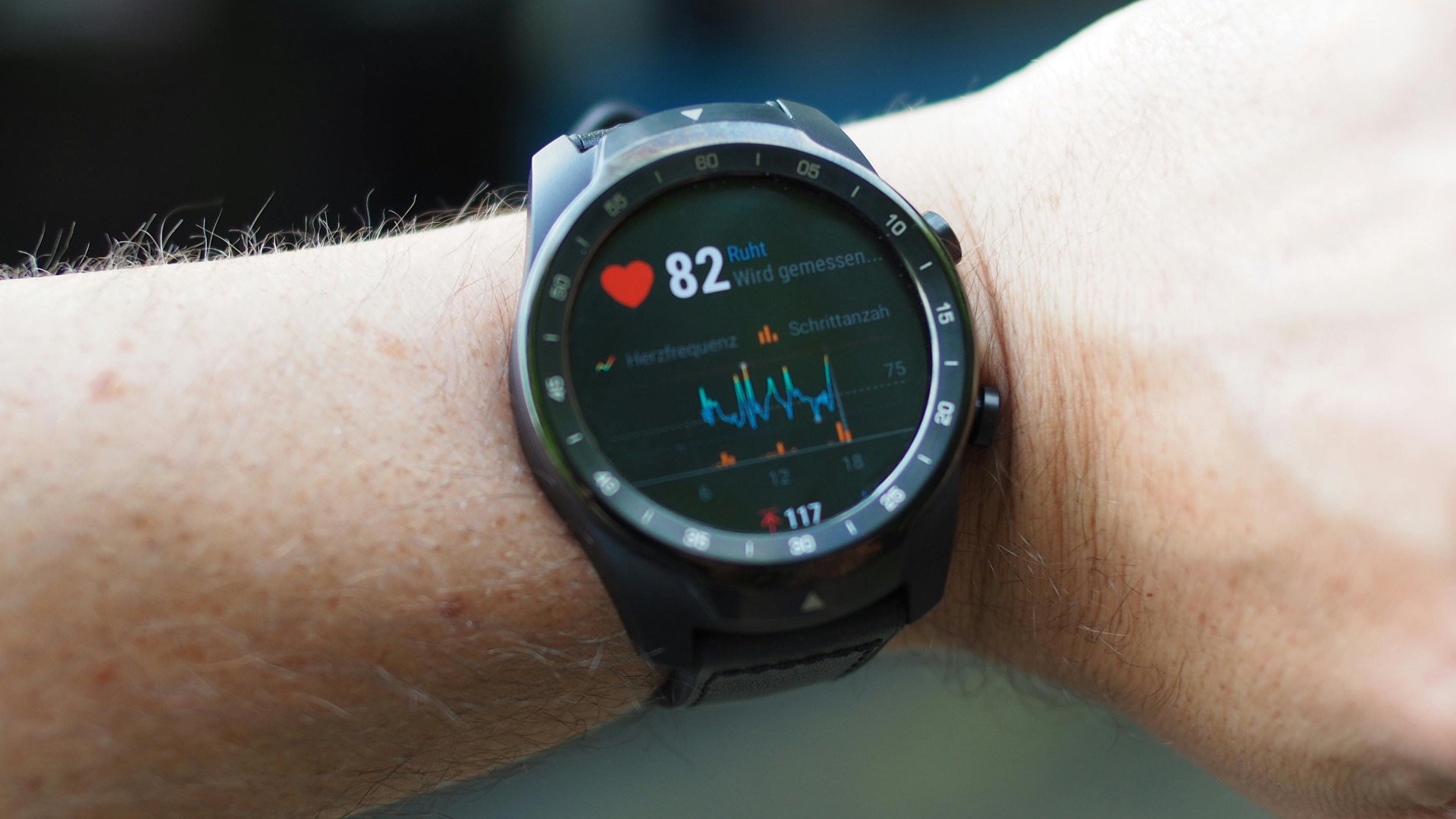
If you have any history of cardiac concerns or simply want a reliable way to keep an eye on your heart health day-to-day, a smartwatch with continuous heart rate monitoring is one of the more genuinely useful pieces of personal health technology available right now. Several models, including options from Apple and Garmin, have FDA-cleared features like irregular heart rhythm notifications and ECG functionality that have been credited with catching atrial fibrillation in people who had no prior symptoms.
2. Preventive Dental Care
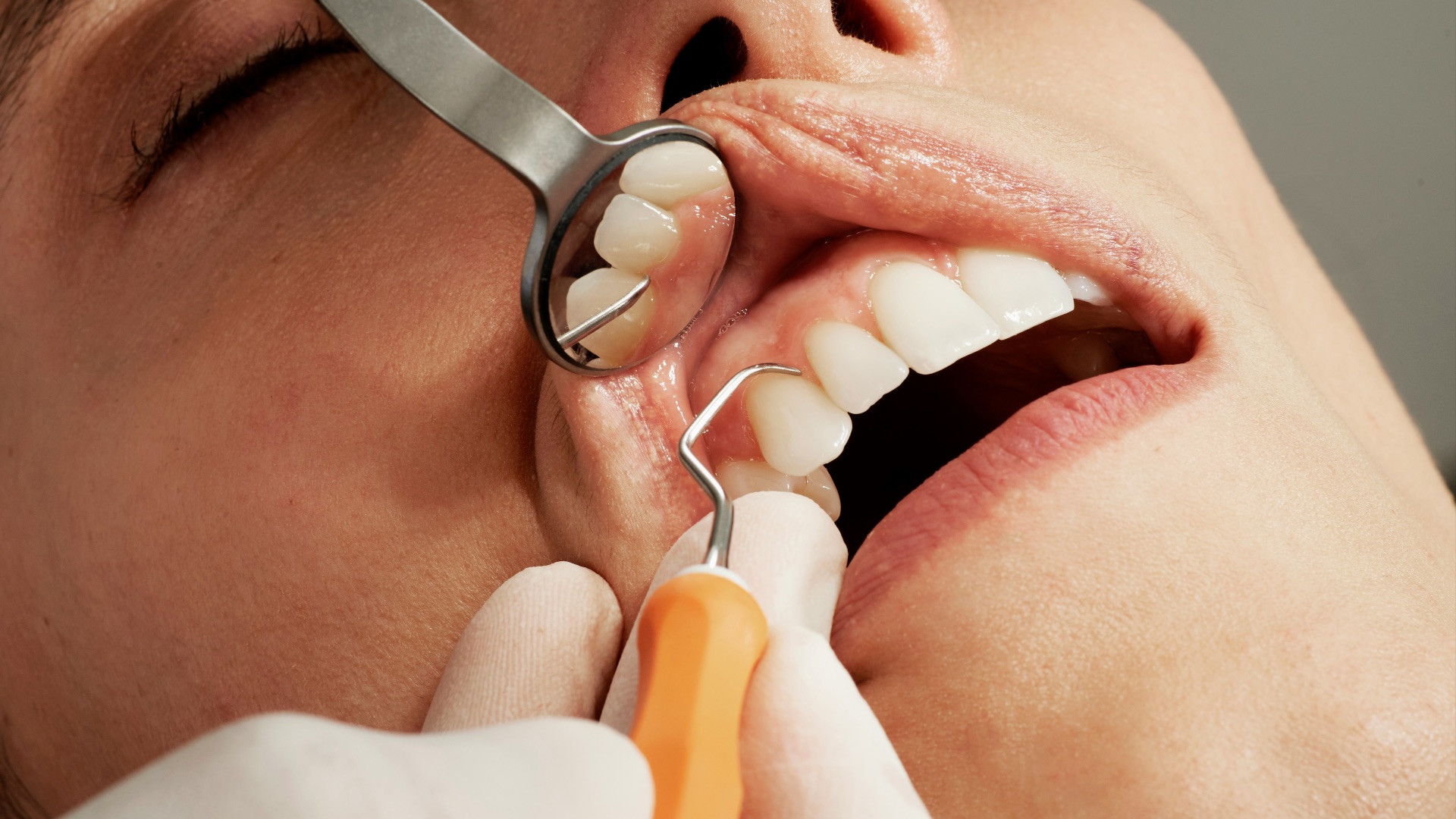
Twice-yearly dental cleanings and checkups can catch small problems before they become expensive, painful ones, because a cavity caught early costs a fraction of what a root canal does. There's also a well-documented link between oral health and systemic conditions like heart disease and diabetes, so your dentist appointments are doing more work than you might realize. Don't let the cost of a cleaning put you off, because skipping it tends to cost far more down the road.
3. Supportive, Well-Fitted Footwear
Your feet are the literal foundation of your posture, and wearing shoes that don't fit or support them properly can contribute to knee pain, hip misalignment, and lower back issues over time. Spending $100 to $200 on quality footwear from a reputable brand, especially if you're on your feet all day, is a genuinely smart health decision. It's worth visiting a specialty shoe store at least once to get properly fitted, since most people are wearing the wrong size without knowing it.

4. Therapy or Mental Health Counseling
Mental health is health, and the evidence behind cognitive behavioral therapy and other evidence-based modalities is robust enough that it rivals medication for many conditions, including depression and anxiety. Seeing a licensed therapist regularly, even just twice a month, can produce meaningful, lasting changes in how you handle stress, relationships, and life's inevitable curveballs.

5. A Gym Membership (That You'll Actually Use)
Regular exercise is one of the most comprehensively studied and consistently effective interventions for longevity, mood, metabolic health, and chronic disease prevention, and a gym membership gives you access to equipment, classes, and an environment that makes consistency easier. The key phrase here is one you'll actually use, because a gym membership that sits around is an absolute waste. If your local gym feels uninspiring, it's worth paying a bit more for a facility or class format that genuinely motivates you to show up.

6. Annual Physical Exams and Blood Work
Routine blood panels can reveal early warning signs of conditions like type 2 diabetes, thyroid dysfunction, high cholesterol, and vitamin deficiencies, often years before you'd notice any symptoms. Getting a full physical once a year also gives your doctor a baseline to track changes over time, which is far more informative than a single snapshot taken only when something feels wrong.

7. A Quality Mattress
Sleep is the foundation of virtually every health outcome you care about, from your immune function and mental clarity to your weight and cardiovascular health. Spending more on a mattress that truly supports your body is one of the highest-return investments you can make for your long-term wellbeing. If you're waking up sore, restless, or groggy every morning, your mattress is likely the first place worth looking.

8. A Standing Desk or Desk Converter
Prolonged sitting is associated with increased risk of cardiovascular disease, metabolic issues, and musculoskeletal problems, and for people with desk jobs, that risk accumulates every single workday. A sit-stand desk or a converter that lets you alternate between sitting and standing throughout the day can meaningfully reduce that sedentary time without disrupting your workflow.

9. Vitamin D and Magnesium Supplements
Unlike most of the supplement aisle, Vitamin D and magnesium are two nutrients that a significant portion of American adults are genuinely deficient in, and both play important roles in everything from bone health and immune function to sleep quality and mood regulation. Make sure to get tested first so you'll know your actual levels before dosing, then follow your doctor's recommendations.
 Supliful - Supplements On Demand on Unsplash
10. High-Quality Sunscreen
Skin cancer is the most commonly diagnosed cancer in the United States, and daily broad-spectrum SPF 30 or higher sunscreen is one of the most effective tools available for reducing that risk. Beyond cancer prevention, consistent sunscreen use is also the single most impactful thing you can do to slow the visible signs of skin aging, more so than any cream, serum, or facial treatment on the market.
Now that you know what to actually spend your dollars on, let's jump into where you shouldn't invest your hard-earned cash.
 National Cancer Institute on Unsplash
1. Detox Teas and Juice Cleanses
Your liver and kidneys are already running a highly efficient detoxification system around the clock, and no tea, juice, or three-day cleanse program is going to meaningfully enhance what those organs naturally do. The weight you lose during a juice cleanse is almost entirely water and glycogen, both of which return quickly once you resume eating normally.

2. Expensive Probiotic Supplements
The gut microbiome research space is genuinely exciting, but the science hasn't yet caught up to the marketing claims made by probiotic supplement companies charging $40 to $80 a month for their capsules. For most healthy adults, the bacterial strains in probiotic supplements don't reliably colonize the gut; they tend to pass through without taking up residence. Fermented foods like yogurt, kefir, kimchi, and sauerkraut deliver live cultures alongside fiber and nutrients at a fraction of the cost and with better overall evidence behind them.

3. At-Home Electroporation Devices
Electroporation devices use electrical pulses to temporarily permeabilize skin cells, theoretically allowing serums and active ingredients to penetrate more deeply than they would with topical application alone—and in a clinical setting, under professional supervision, the technique does have legitimate applications. The problem with consumer versions is that improper use, including applying too much pressure, using the wrong settings, or pairing the device with the wrong products, can cause burns, scarring, prolonged redness, and in some cases, even lasting skin damage. At $100 to $300 for a device that carries real risk without professional oversight and limited evidence of meaningful benefit in its consumer form, this is one wellness gadget that's much safer left to the professionals.

4. Most Multi-Ingredient Fat Burners
Walk into any supplement store and you'll find a wall of products promising to accelerate fat loss through proprietary blends of herbs, stimulants, and compounds with intimidating names, most of which have either minimal evidence or side effects that outweigh their modest benefits. Remember: sustainable fat loss comes from a caloric deficit maintained over time, and no pill reliably creates that on your behalf.

5. Alkaline Water
Alkaline water is marketed as superior to regular water because of its higher pH, with claims that it neutralizes acidity in the body, improves hydration, boosts energy, and even prevents cancer. The problem is that your body tightly regulates its blood pH regardless of what you drink, and the stomach's acidic environment neutralizes any alkalinity almost immediately upon swallowing. Plain water (filtered tap water or a standard bottled water) hydrates you just as effectively at a tiny fraction of the cost.

6. Collagen Supplements in Powder Form
Collagen powders have become enormously popular on the premise that consuming them will improve your skin's collagen levels, reducing wrinkles and improving elasticity. When you consume collagen, whether in powder or any other form, your digestive system breaks it down into amino acids just like any other protein, and there's no mechanism by which those amino acids are preferentially sent to rebuild your skin. Your body produces collagen from amino acids, vitamin C, and other nutrients, which means a balanced diet with adequate protein and vitamin C does the job without the hefty price tag.

7. Fitness Trackers for Lightly Active People
If you're training seriously for endurance events or tracking athletic performance with real intent, a dedicated fitness tracker has a reasonable case for justifying its cost. But for the average person with a light or only moderately active lifestyle, it quickly becomes an expensive pedometer. The motivation boost that comes with a new tracker tends to fade within a few weeks for most people, and the device ends up telling you information you could largely gauge on your own. A smartwatch with ECG monitoring is a different conversation entirely, but a standalone fitness tracker aimed at everyday users is, for most people, just a pricey wristband.

8. Whitening Toothpastes
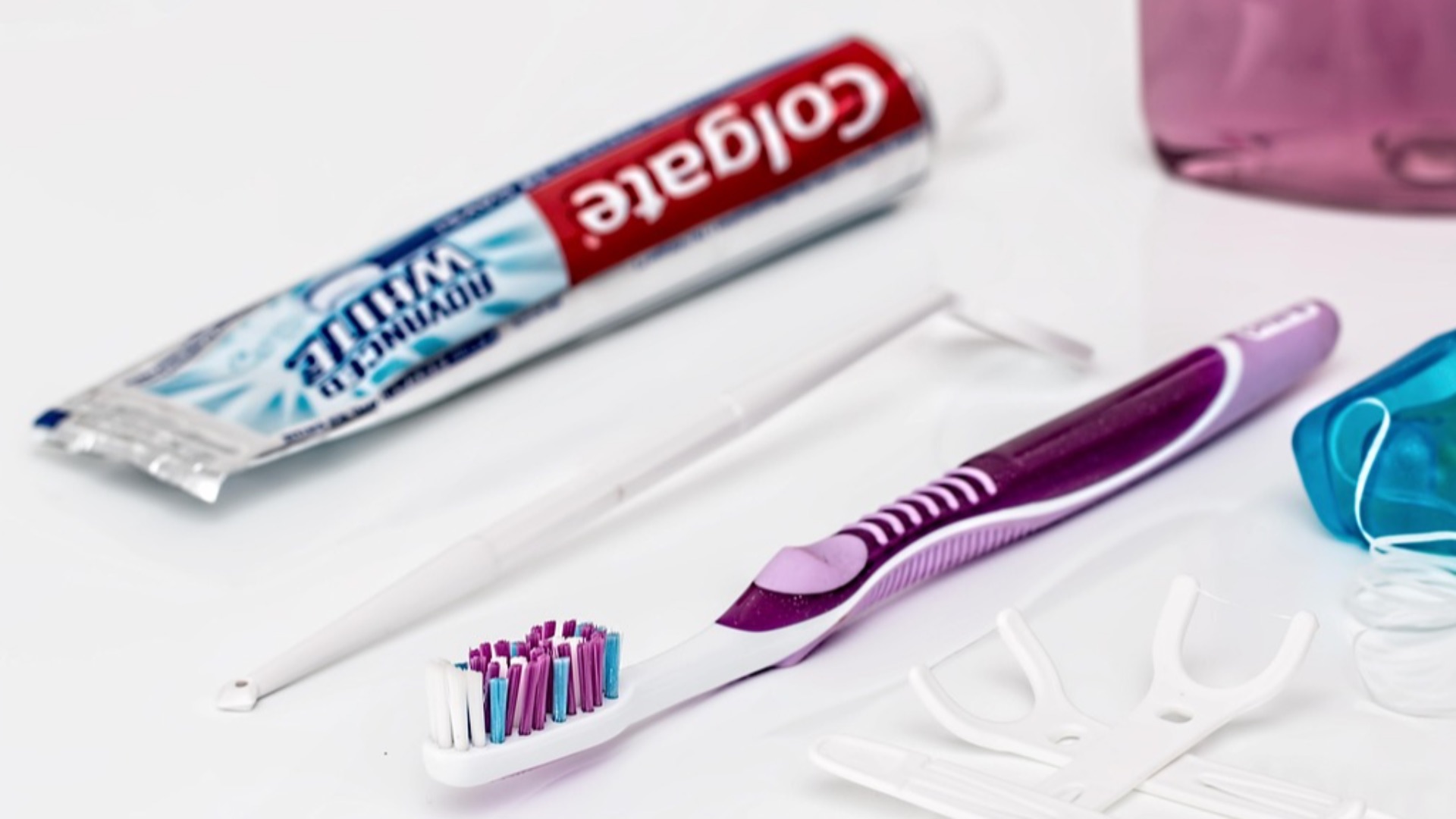
Whitening toothpastes are one of the most heavily marketed products in the oral care aisle, with premium options costing two to three times more than regular toothpaste and promising noticeably brighter teeth with consistent use. But don't believe the hype: the active ingredients in most of these products usually aren't present in high enough amounts or in contact with your teeth long enough to produce the dramatic results shown in the advertising. If whiter teeth are genuinely a priority for you, dentist-administered treatments or even over-the-counter whitening strips deliver far more meaningful results, and your regular fluoride toothpaste is already doing everything it needs to do for your actual dental health.
9. Anti-EMF Products and Stickers
Products claiming to shield you from the electromagnetic fields emitted by your phone, router, or smart devices, including stickers, pendants, crystals, and specialized cases, have found a willing market among people worried about the long-term health effects of wireless technology. But current scientific consensus, backed by the World Health Organization and the National Cancer Institute, does not support a causal link between the non-ionizing radiation from consumer devices and cancer or other health conditions at normal exposure levels. Which means these products aren't really protecting you from anything.

10. Luxury Supplement Subscriptions
A growing number of direct-to-consumer supplement brands charge a hefty price tag per month for curated daily packets of vitamins and minerals personalized to your health quiz answers, packaged in sleek, attractive containers. What you're often getting, however, is a collection of widely available nutrients at doses you could replicate with a standard multivitamin and a few targeted supplements for a fraction of the price, so you're better off spending your money elsewhere.

KEEP ON READING



10 Pre-Workout & 10 Post-Workout Tips To Follow