
Enjoyable Retirement Hobbies That Support Mental Well-Being
Retirement gives people something many haven’t had in years: time to explore activities purely for enjoyment. While relaxation is important, staying mentally active also plays a big role in maintaining cognitive health and emotional well-being. Hobbies that encourage creativity, learning, movement, or social interaction can help keep the mind sharp while improving mood and reducing stress. Here are twenty retirement hobbies that not only fill your days but can also give your mental health a meaningful boost.

1. Gardening
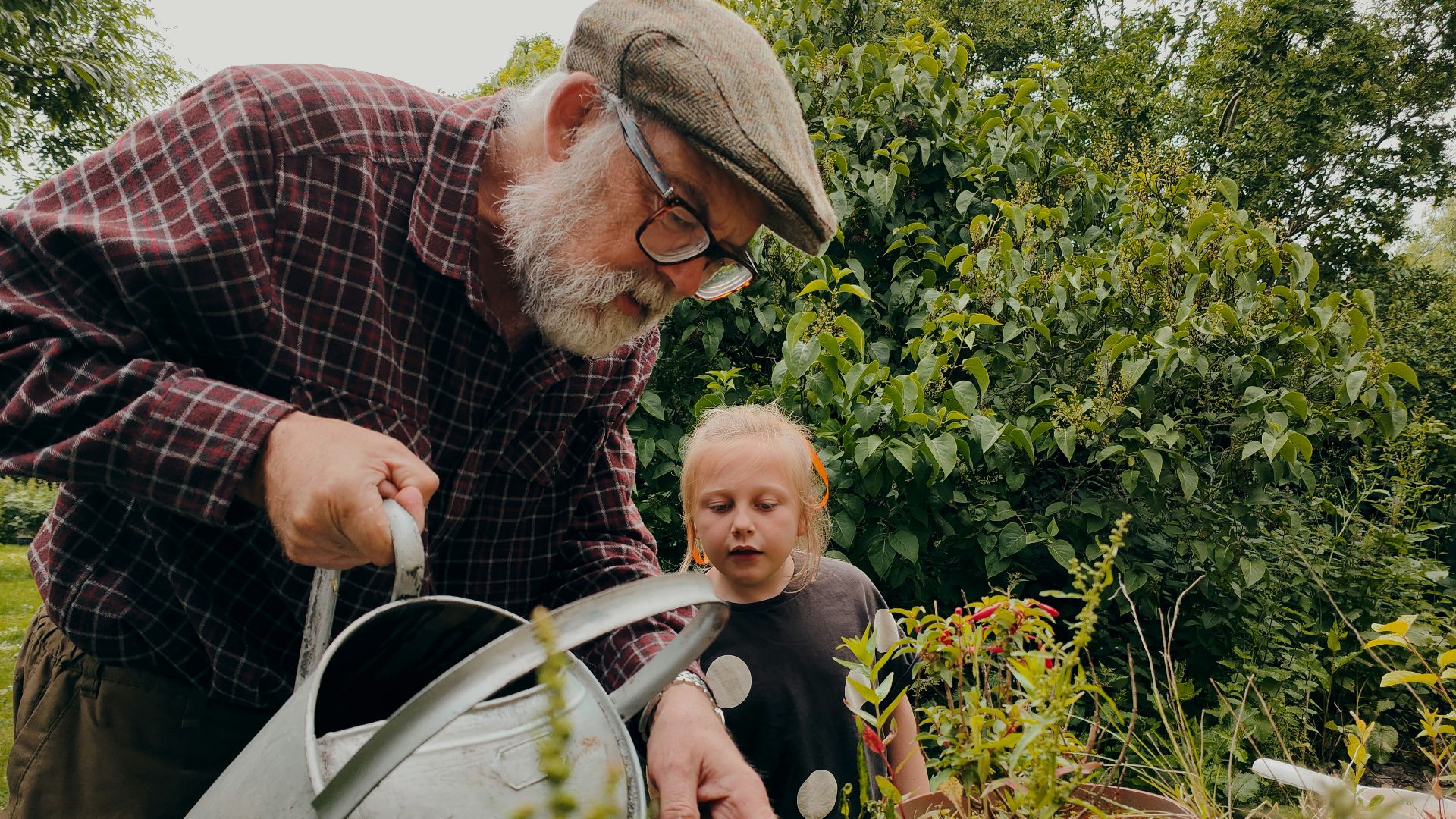
Gardening is both relaxing and mentally engaging because it involves planning, observation, and care. Many retirees enjoy watching plants grow while spending time outdoors. The process of tending flowers, herbs, or vegetables can create a calming routine. Being around greenery also helps reduce stress and improve overall mood.
2. Walking Groups
Joining a walking group combines light exercise with social interaction. Regular walks encourage physical activity while also creating opportunities for conversation. The routine of meeting others for a walk can provide structure to your week. Fresh air and gentle movement can help clear the mind and lift your spirits.

3. Painting
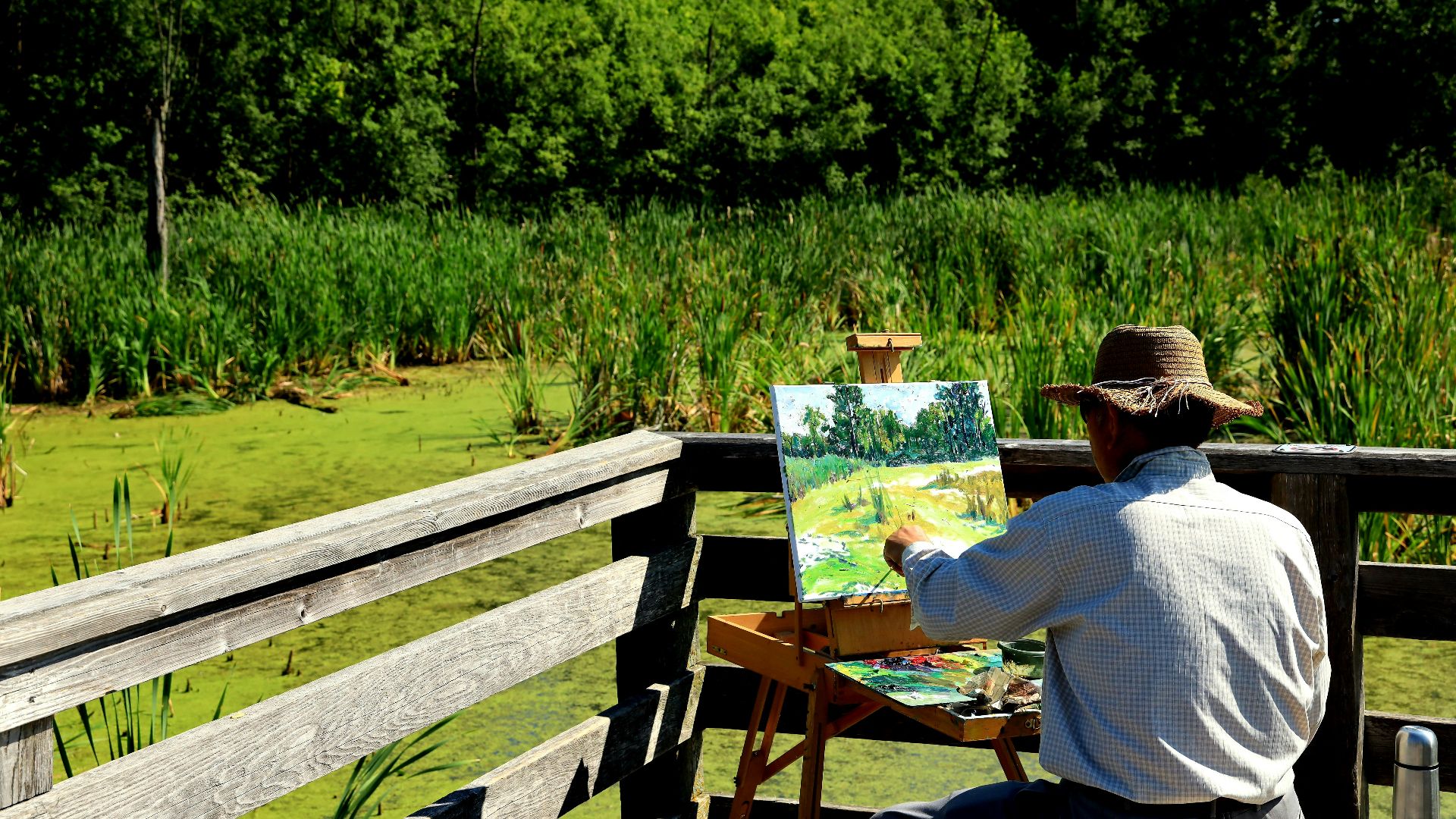
Painting allows retirees to express creativity while focusing their attention on a calming activity. Working with colors, shapes, and textures can be mentally stimulating. Many people find the process of painting relaxing because it encourages concentration without pressure. Over time, the hobby can also build confidence in artistic skills.
4. Learning a Musical Instrument
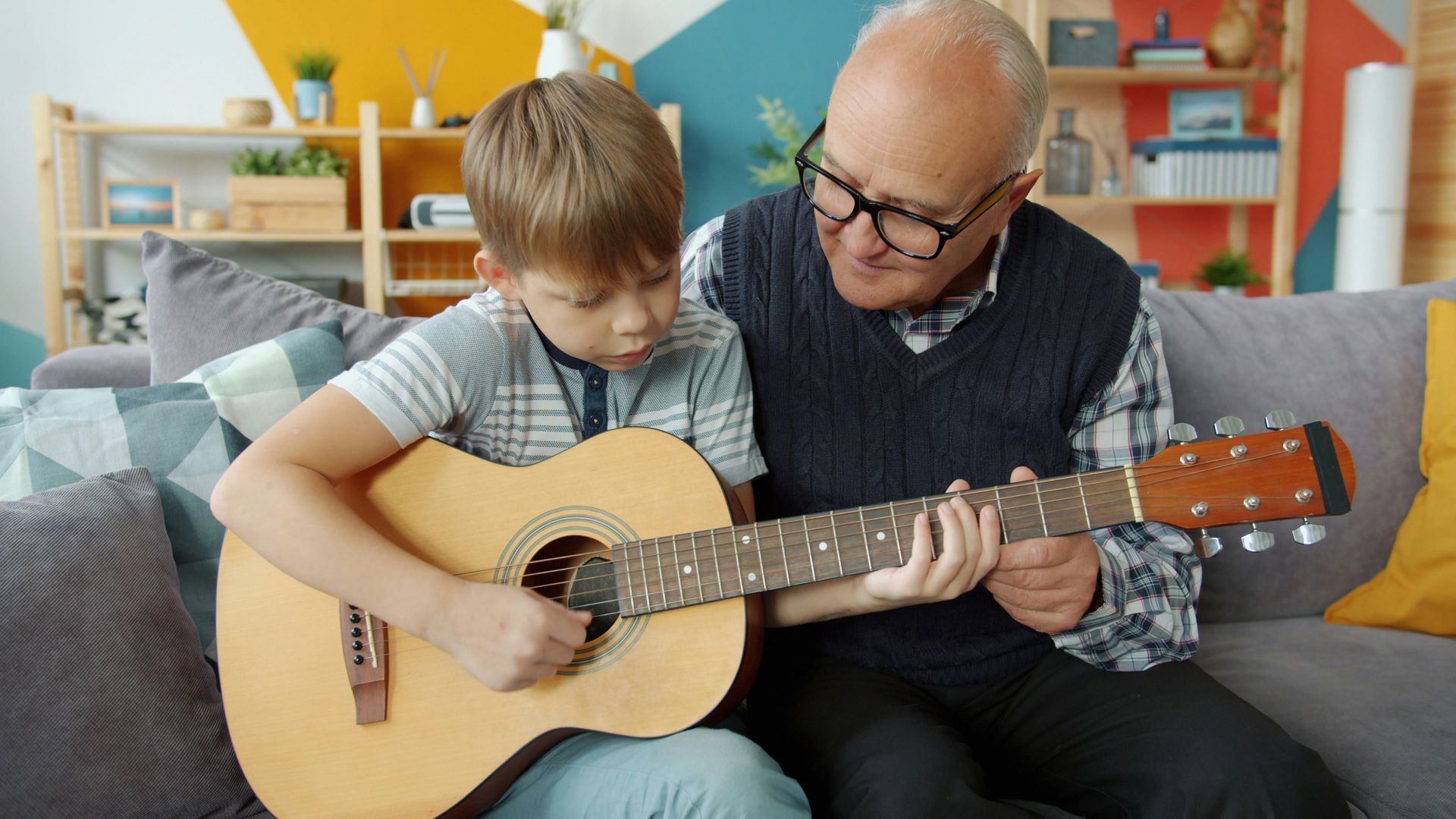
Picking up a musical instrument keeps the brain active because it involves coordination, memory, and practice. Many retirees choose instruments like piano, guitar, or ukulele. Learning new songs and techniques challenges the mind in positive ways. Playing music can also bring a sense of accomplishment and enjoyment.
5. Book Clubs
Book clubs encourage retirees to stay mentally engaged through regular reading and discussion. Reading itself stimulates the brain by introducing new ideas and perspectives. Group conversations about books also provide social interaction. Many participants appreciate the sense of community that develops over time.

6. Birdwatching
Birdwatching is a peaceful hobby that encourages observation and patience. Retirees often enjoy identifying different bird species and learning about their behavior. The activity gets people outdoors and encourages quiet focus. Many find it both relaxing and mentally rewarding.

7. Cooking New Recipes
Trying new recipes turns everyday cooking into an enjoyable, creative challenge. Planning meals and experimenting with ingredients keeps the mind active. The process also provides a sense of accomplishment when a dish turns out well. Sharing meals with family or friends can make the hobby even more fulfilling.

8. Photography
Photography encourages people to notice details they might otherwise overlook. Retirees often enjoy exploring nature, neighborhoods, or travel destinations with a camera. Learning about lighting, composition, and editing keeps the mind engaged. The hobby also creates lasting memories through captured images.

9. Puzzle Solving
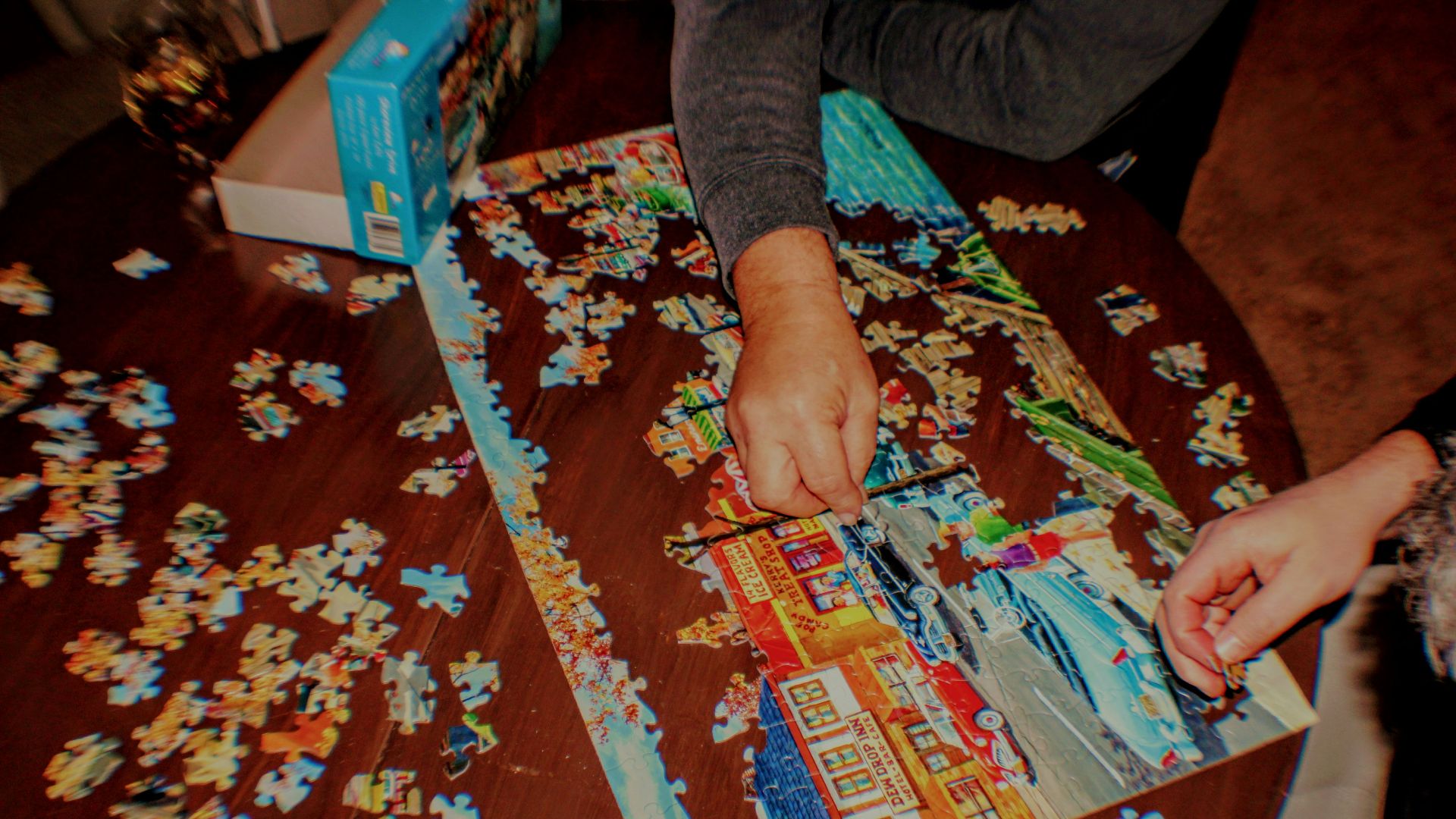
Crossword puzzles, Sudoku, and logic games are popular activities for maintaining mental sharpness. These challenges stimulate problem-solving skills and memory. Many retirees enjoy working on puzzles during quiet moments at home. The satisfaction of solving one provides a small but meaningful sense of achievement.
10. Volunteering
Volunteering allows retirees to stay socially connected while contributing to their communities. Helping others can provide a strong sense of purpose and fulfillment. Many people volunteer with charities, libraries, or community programs. The experience often boosts mood and creates meaningful relationships.
 The Tampa Bay Estuary Program on Unsplash
11. Writing Journals
Keeping a journal helps retirees reflect on their thoughts, experiences, and memories. Writing regularly can reduce stress and clarify emotions. Many people find it helpful for organizing their ideas or documenting important moments. Over time, journaling can become a deeply personal and rewarding practice.
 Maria Camila Tobón on Unsplash
12. Yoga
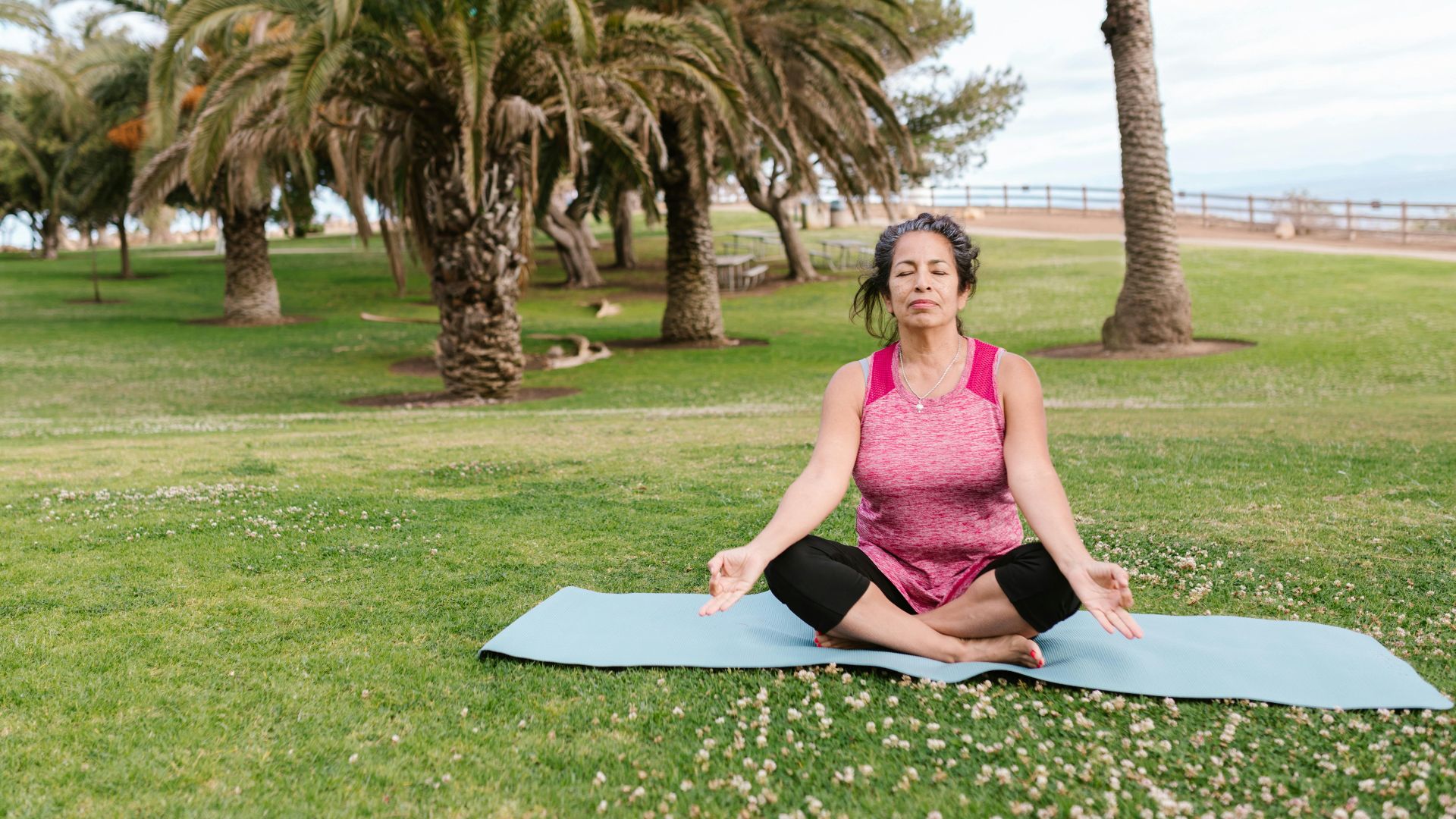
Yoga combines gentle movement with breathing and mindfulness. Many retirees enjoy it because it supports both physical flexibility and mental relaxation.
13. Learning a New Language
Studying a new language challenges the brain in multiple ways. It requires memorizing vocabulary, practicing pronunciation, and understanding grammar patterns. Many retirees enjoy using language apps, classes, or conversation groups. The process keeps the mind active while opening the door to new cultural experiences.

14. Woodworking
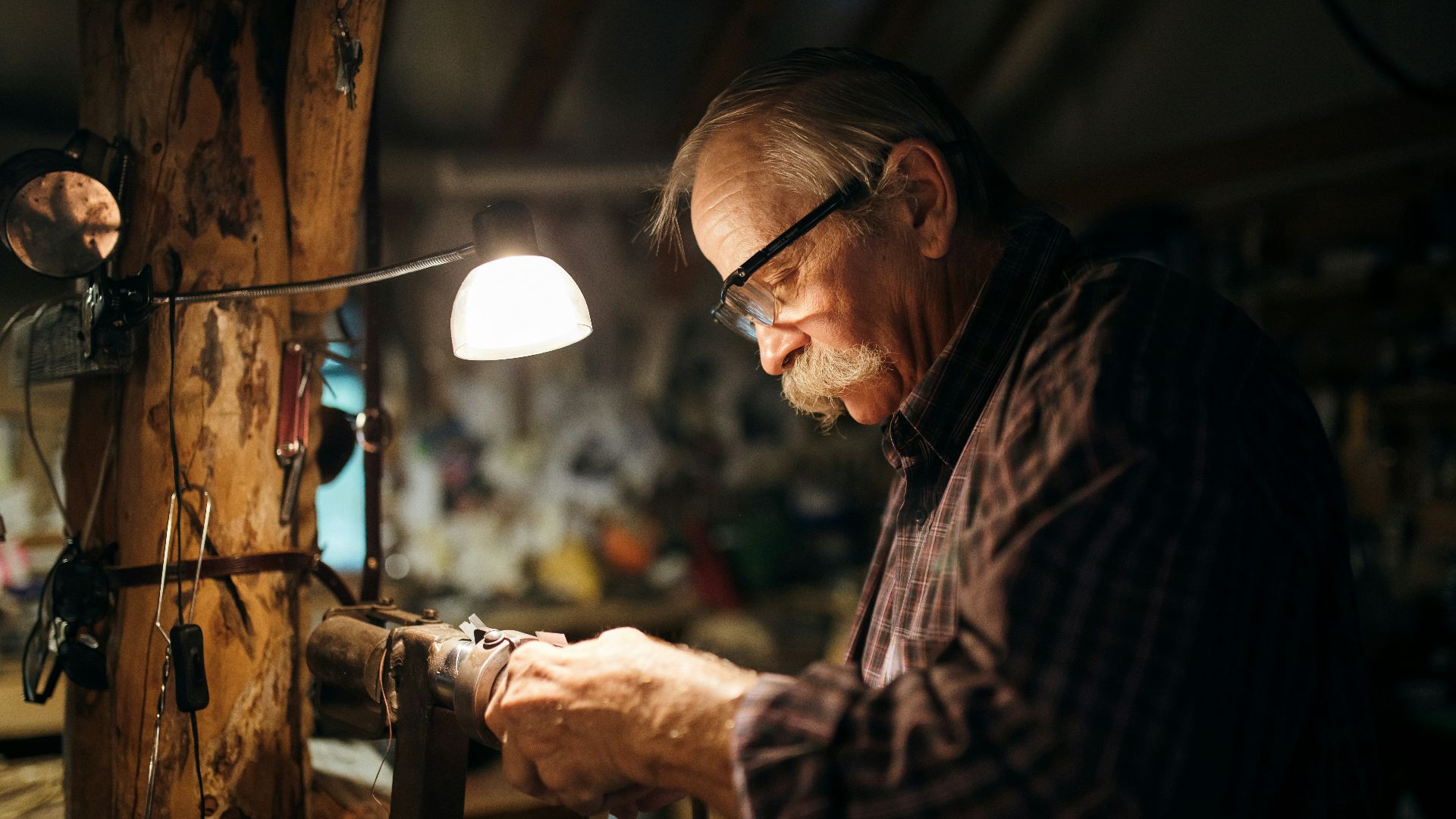
Woodworking allows retirees to build useful items while engaging in hands-on creativity. Measuring, planning, and assembling projects require focus and attention to detail.
15. Chess or Strategy Games
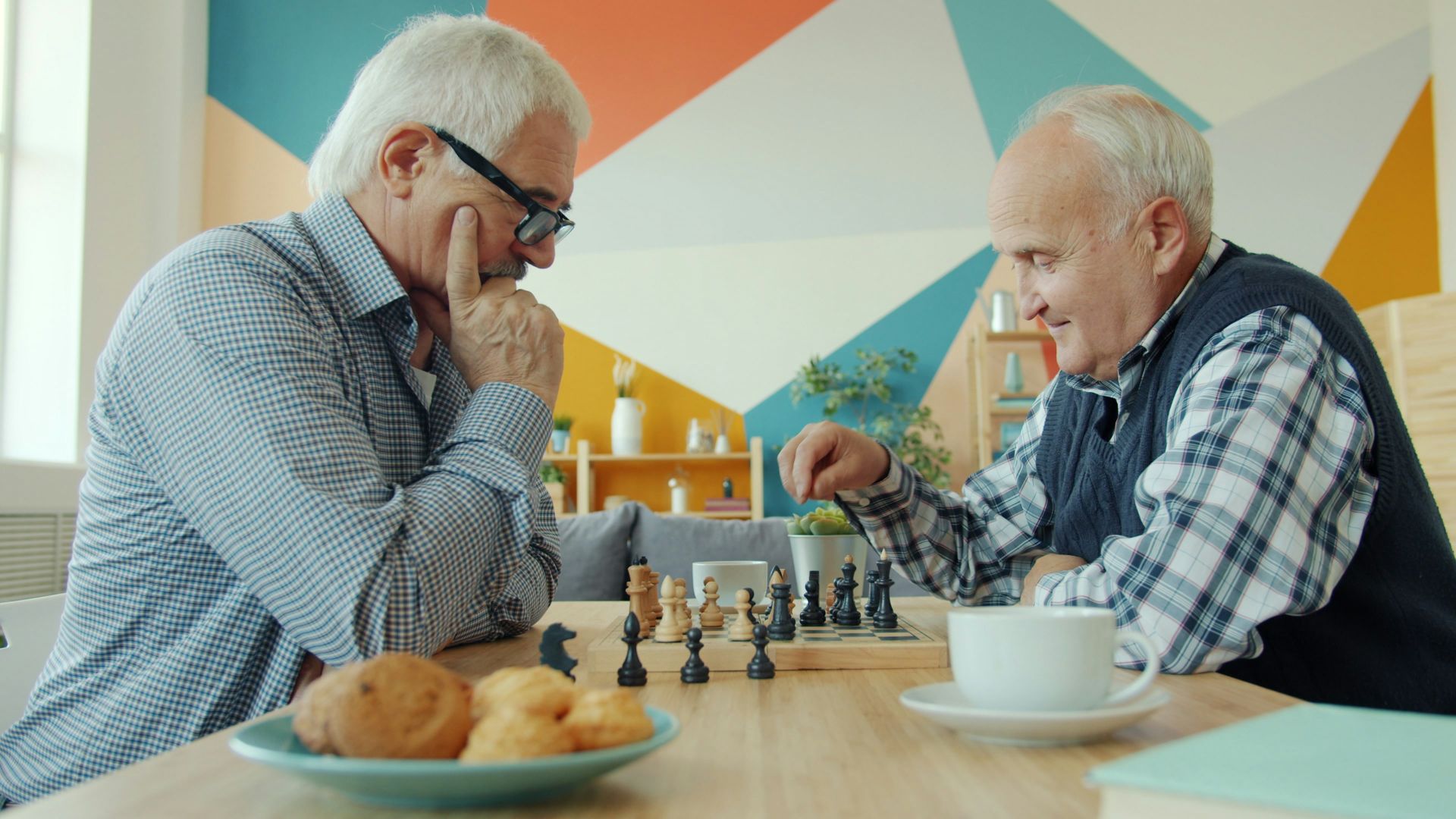
Strategy games such as chess stimulate the brain through planning and decision-making. Playing regularly helps sharpen concentration and memory. Many retirees enjoy meeting friends or joining local clubs for games. The social and mental aspects make the hobby especially rewarding.
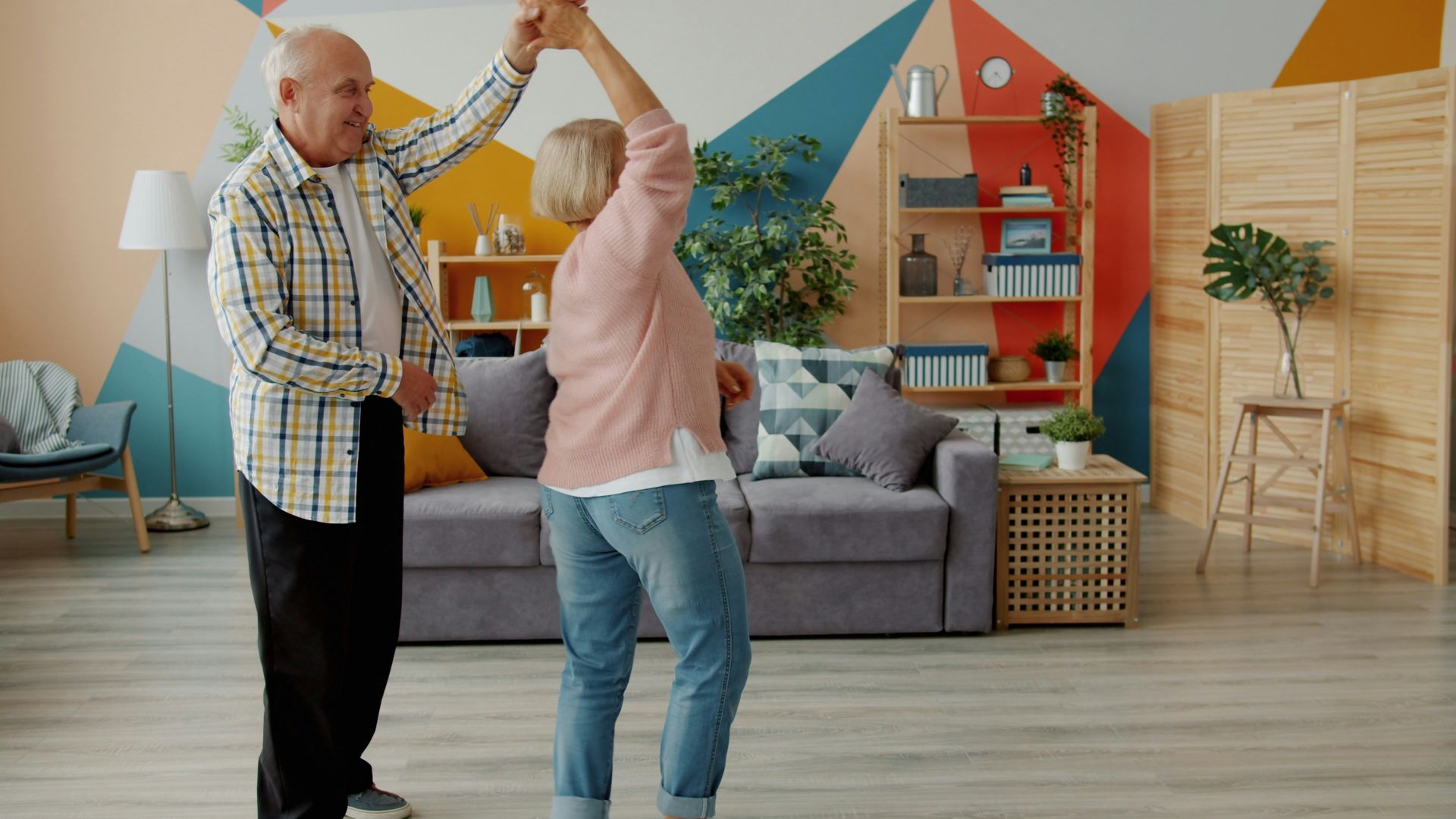
16. Dance Classes
Dance classes combine physical movement with music and social interaction. Learning steps and rhythms challenge coordination and memory. Many retirees enjoy styles such as ballroom, salsa, or line dancing. The activity often brings laughter and a sense of connection with others.
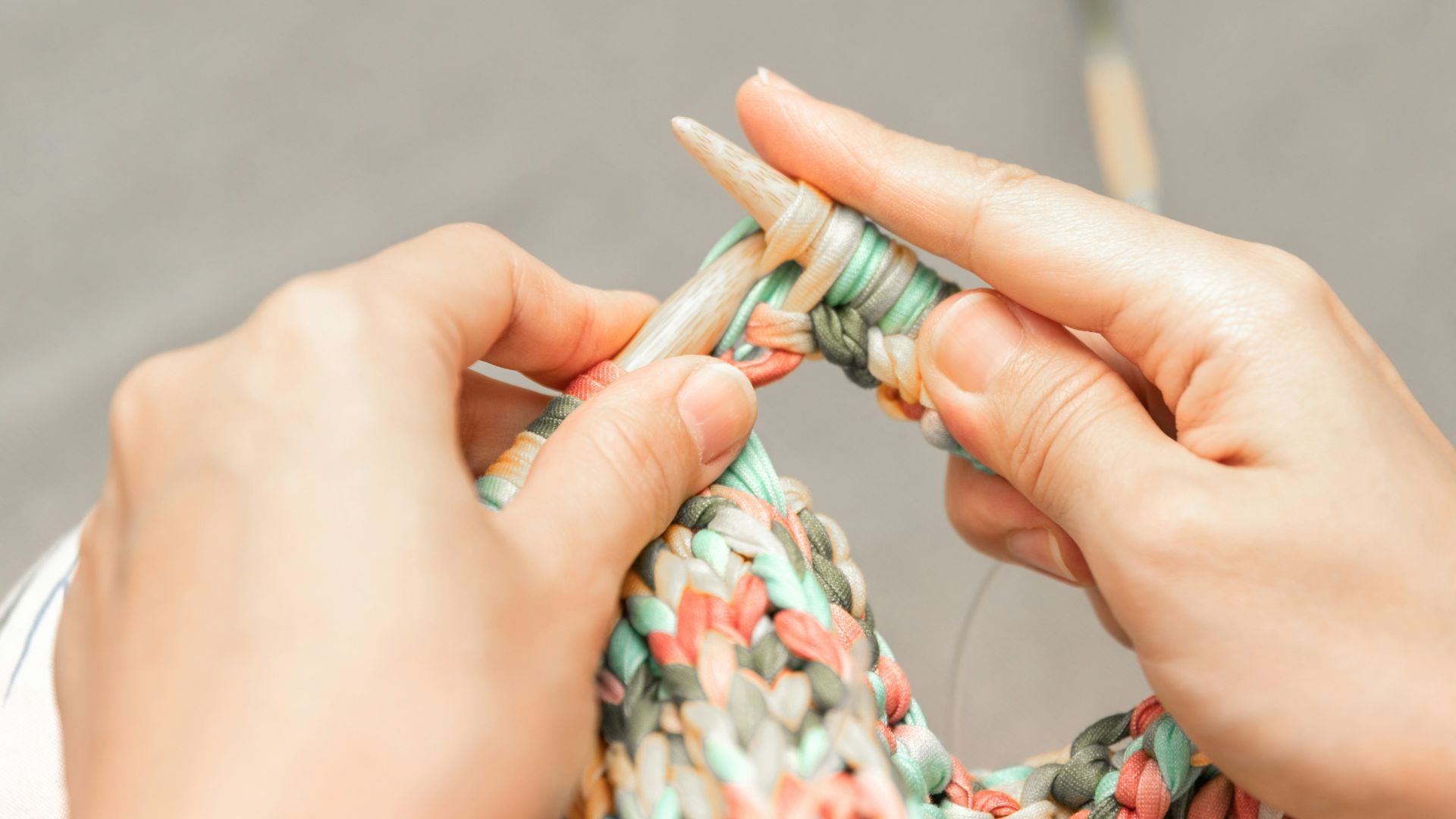
17. Knitting or Crocheting
Knitting and crocheting are relaxing hobbies that encourage focus and creativity. The repetitive motions can feel calming and meditative. Many retirees enjoy making scarves, blankets, or gifts for family members.
 Tanaphong Toochinda on Unsplash
18. Travel Planning
Planning trips can be almost as enjoyable as traveling itself. Researching destinations, routes, and activities keeps the mind active and curious. Many retirees enjoy creating detailed travel plans for future adventures. The process encourages learning about different cultures and places.
 Hoi An and Da Nang Photographer on Unsplash
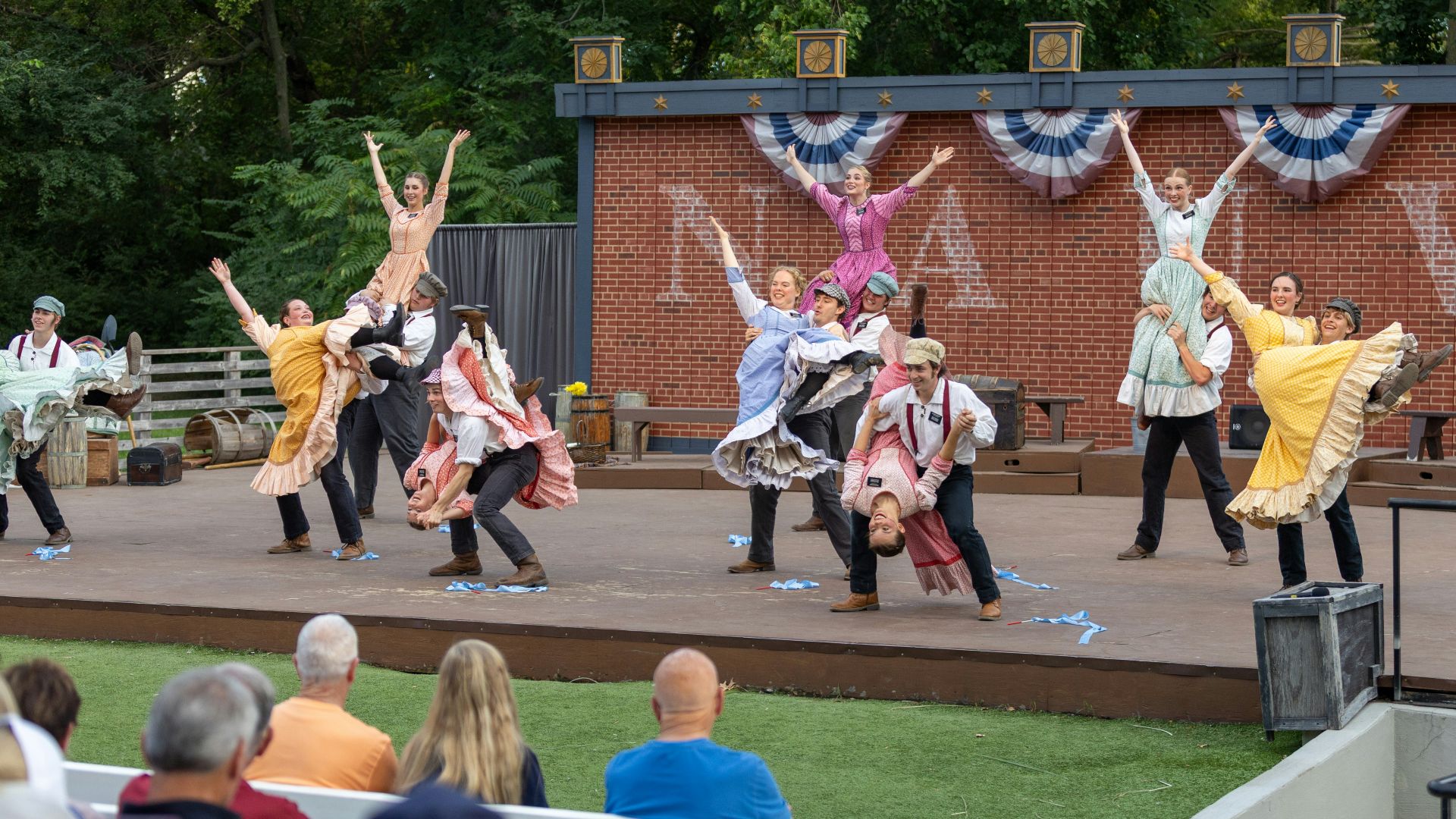
19. Community Theater
Participating in community theater allows retirees to explore acting, stage work, or production roles. Memorizing lines and rehearsing scenes stimulates the brain. The collaborative nature of theater also builds strong social connections. Many participants find the experience energizing and fulfilling.
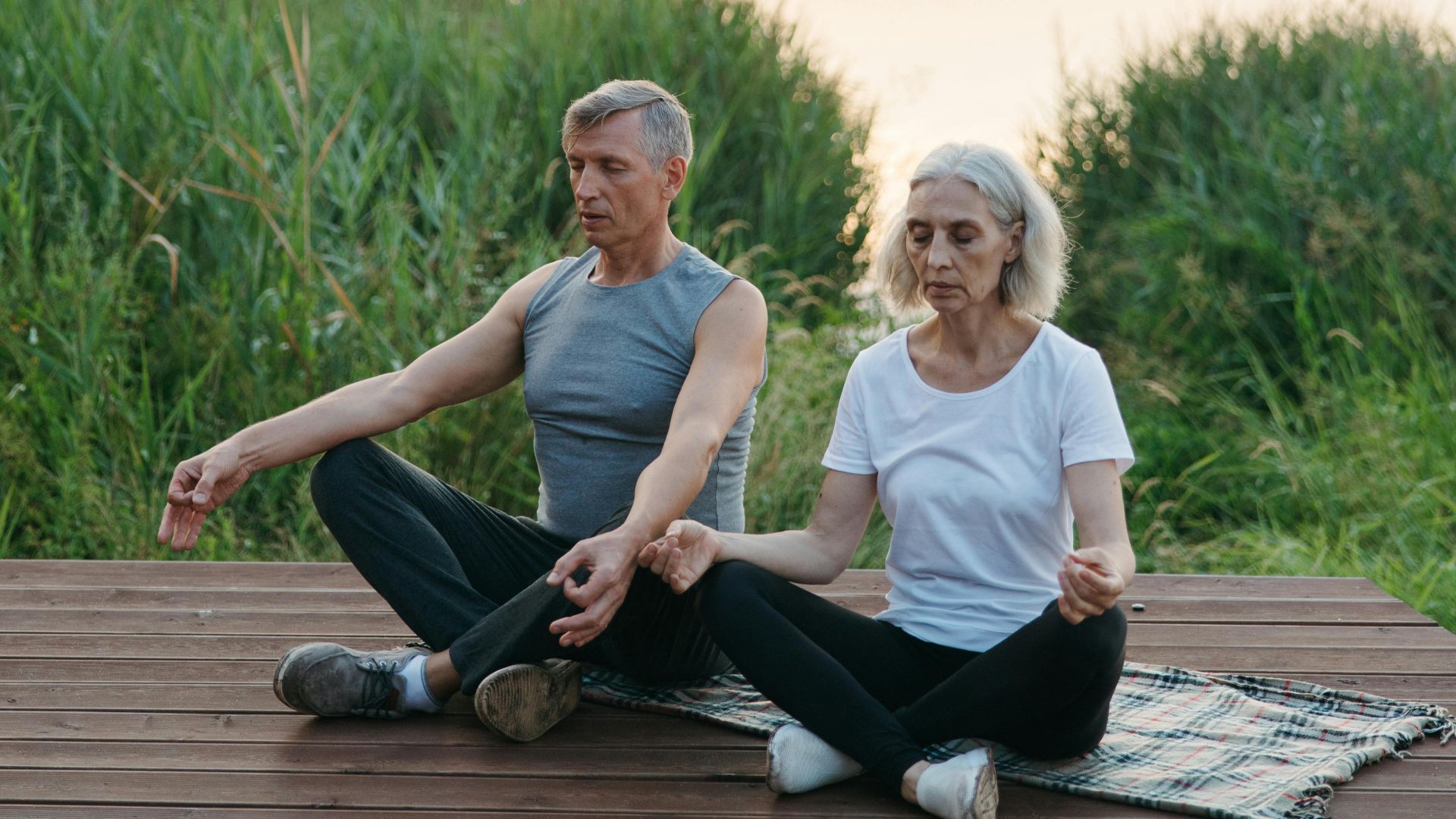
20. Meditation
Meditation encourages mindfulness and mental clarity. Retirees often use it as a way to slow down and focus on the present moment.
KEEP ON READING