Everyday Changes That Support Stability And Safety
When people think about improving balance, exercise is usually the first strategy that comes to mind. Strength training, stretching, and balance drills can certainly help, but they aren't the only factors that affect stability. Many everyday habits, environmental details, and health choices play a role in how well your body maintains balance. Vision, footwear, hydration, and even lighting conditions can influence your ability to move safely. Paying attention to these 20 non-exercise factors can reduce fall risk and help you feel more confident during daily activities.
 Wellness Gallery Catalyst Foundation on Pexels
1. Schedule Regular Vision Checks
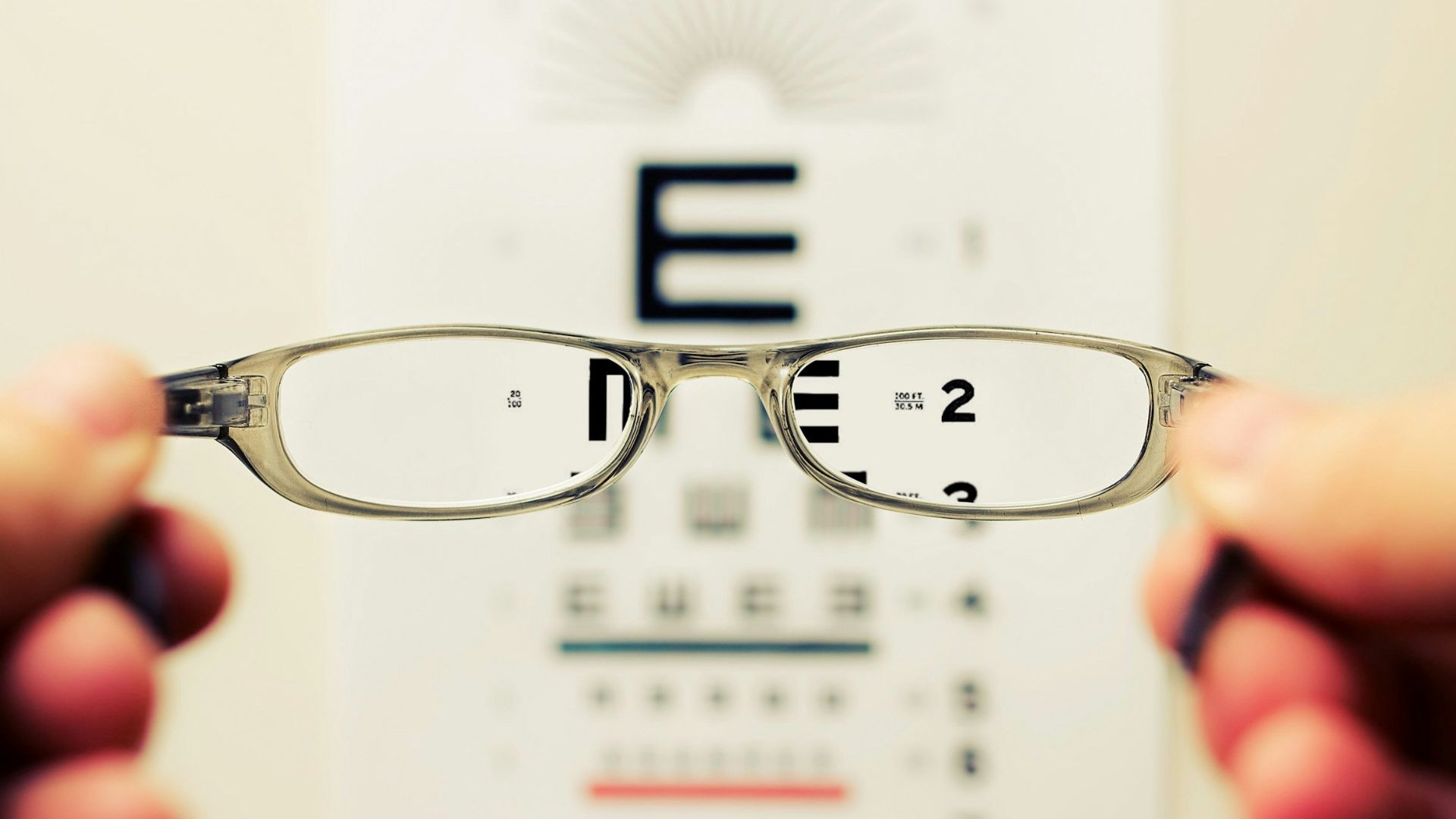
Clear vision plays a major role in maintaining balance because your eyes constantly help your brain understand where your body is in space. If your prescription is outdated or your eyesight has changed, you may misjudge steps, curbs, or uneven surfaces.
2. Improve Lighting In Your Home
Poor lighting can make it harder to notice obstacles, uneven flooring, or small objects on the ground. Installing brighter bulbs or adding extra lamps in hallways, staircases, and entryways can significantly reduce fall risk.

3. Wear Supportive Footwear
Shoes affect stability more than many people realize. Footwear with good arch support and non-slip soles provides a more secure foundation when walking. Slippers or loose-fitting shoes can slide around and make your footing less stable.

4. Keep Floors Clear Of Clutter
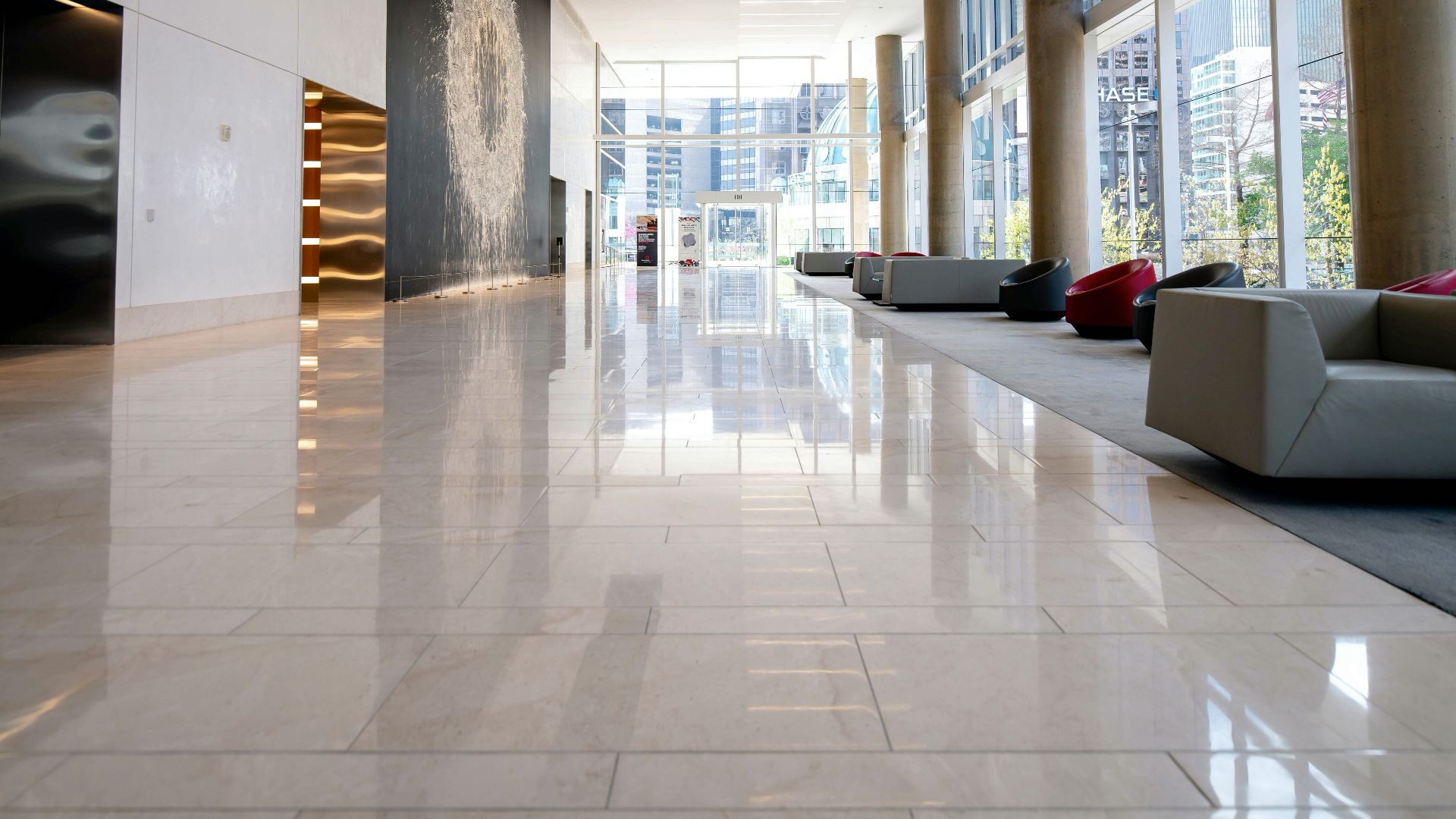
Small items on the floor can quickly turn into tripping hazards. Electrical cords, bags, and scattered belongings often go unnoticed until someone accidentally steps on them.
5. Install Grab Bars In Key Areas
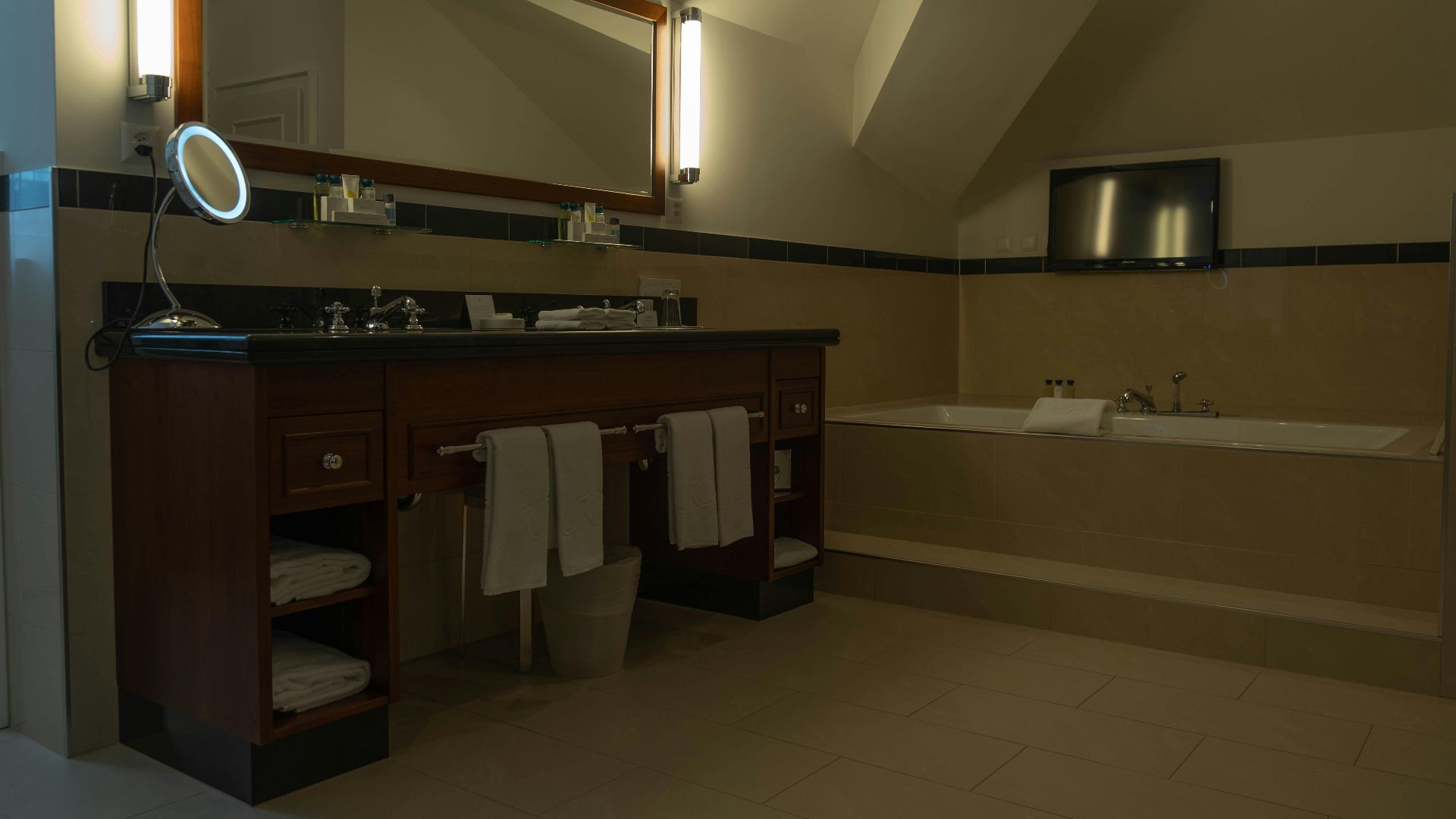
Bathrooms are one of the most common places where falls occur. Installing grab bars near showers, bathtubs, and toilets provides extra support during movements that require shifting weight. These bars offer a stable handhold when stepping in or out of slippery areas. Even individuals with good mobility often find them helpful.
 Nicholas Derio Palacios on Pexels
6. Stay Hydrated Throughout The Day
Dehydration can cause dizziness, fatigue, and reduced concentration, all of which affect balance. When the body lacks adequate fluids, blood pressure may drop slightly, especially when standing up quickly.
7. Review Medications With Your Doctor
Some medications can cause side effects such as dizziness, drowsiness, or changes in blood pressure. These effects may increase the likelihood of losing balance during daily activities.

8. Use Non-Slip Mats In Bathrooms
Wet surfaces create ideal conditions for slipping. Non-slip mats placed inside and outside the shower or bathtub provide additional traction when stepping onto wet floors. Many mats include suction grips that hold them securely in place. This small change can significantly reduce the risk of bathroom falls.
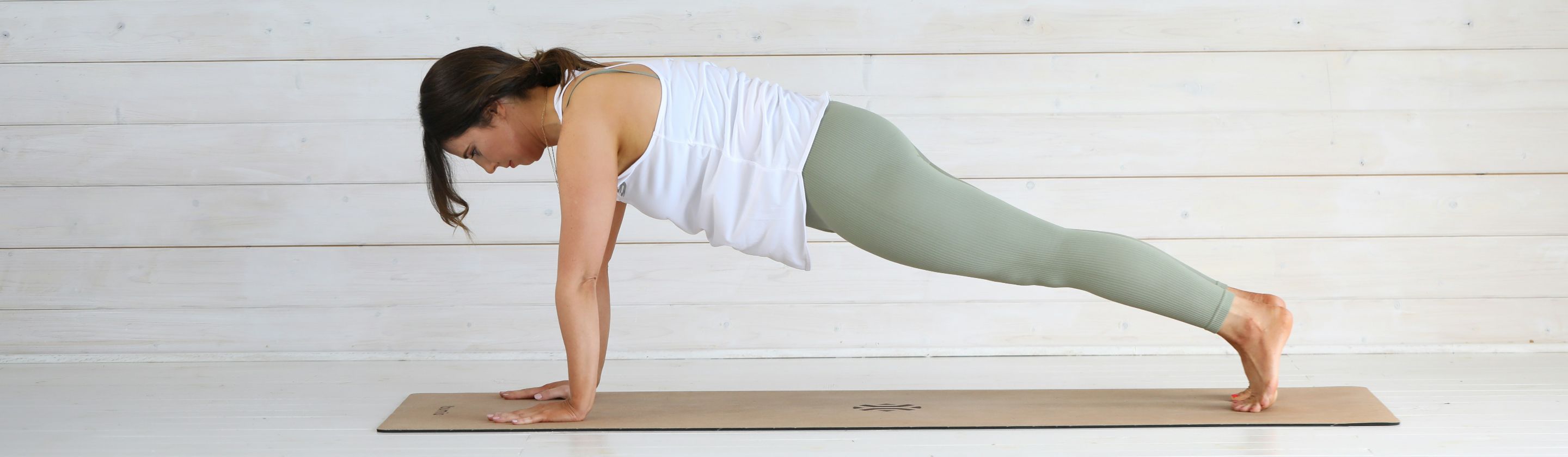
9. Maintain Good Posture During Daily Activities
Posture affects how your body distributes weight and maintains alignment. Standing or walking with slouched shoulders can shift your center of gravity forward. When you keep your head upright and shoulders relaxed, your body stays more balanced. Paying attention to posture during daily routines supports overall stability.

10. Take Your Time When Standing Up
Standing up too quickly can cause temporary lightheadedness. This happens because blood pressure briefly adjusts as your body changes position.

11. Choose Rugs With Non-Slip Backing
Loose rugs can slide unexpectedly when stepped on. Rugs with rubber or non-slip backing stay firmly in place and provide safer footing. If a rug tends to move, double-sided tape or rug grips can help secure it. Stable floor coverings make walking around your home safer.

12. Keep Stairways Well Maintained
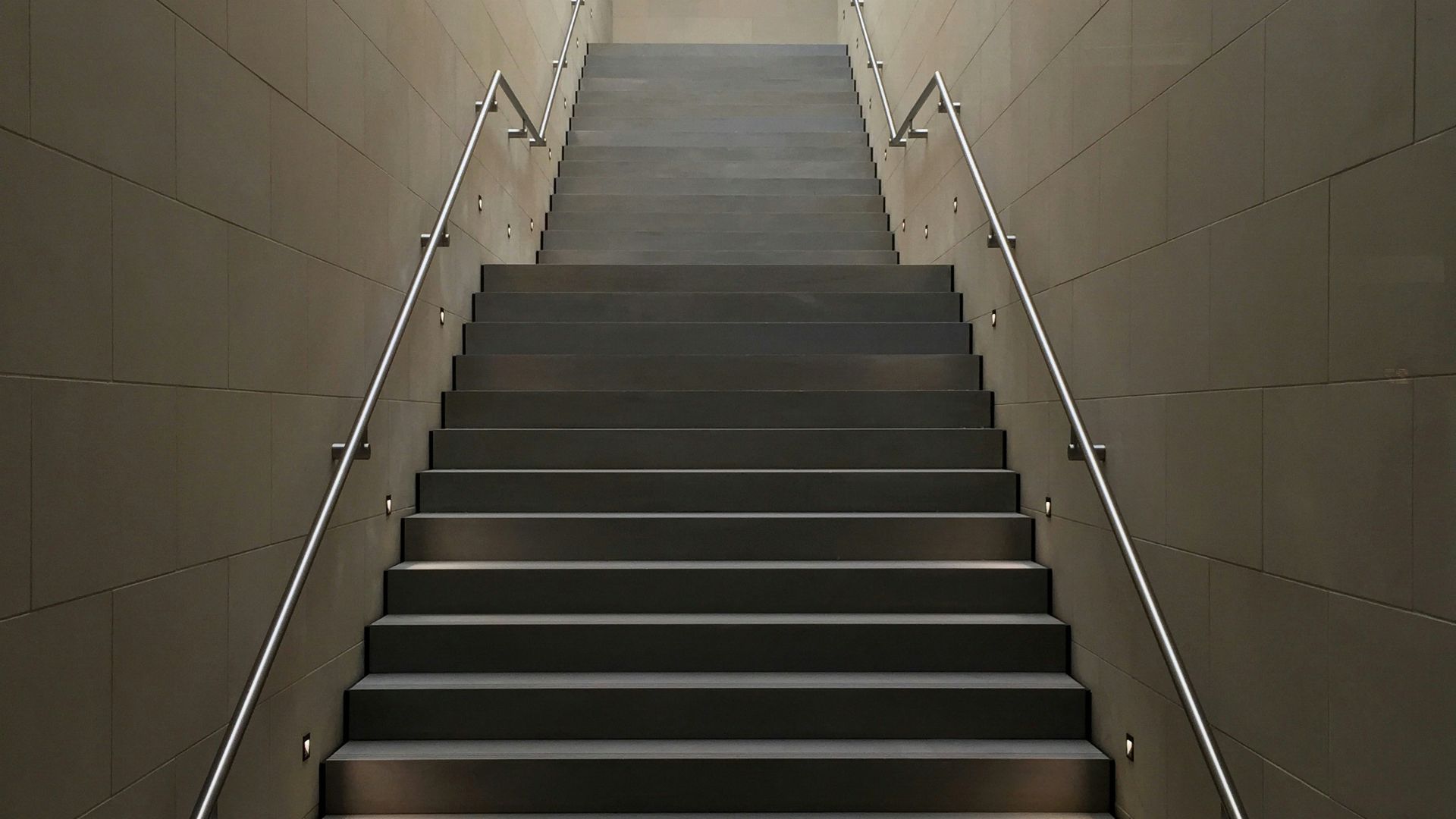
Staircases require extra attention because they involve changes in elevation and direction. Broken steps, loose railings, or worn carpeting can create hazards.
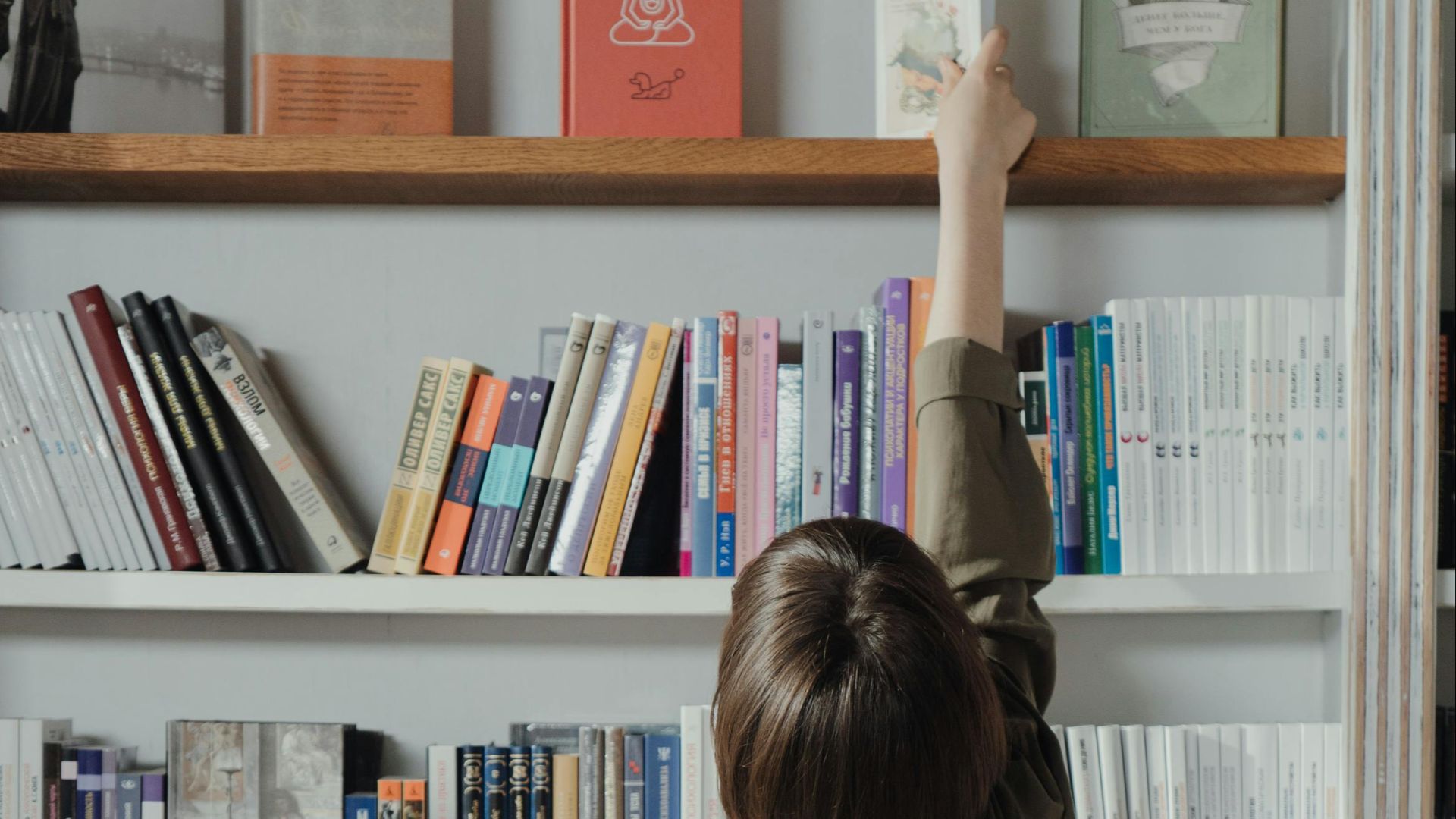
13. Organize Frequently Used Items Within Reach
Reaching too high or bending too low can affect balance, especially when holding objects. Keeping everyday items stored at comfortable heights reduces unnecessary strain.
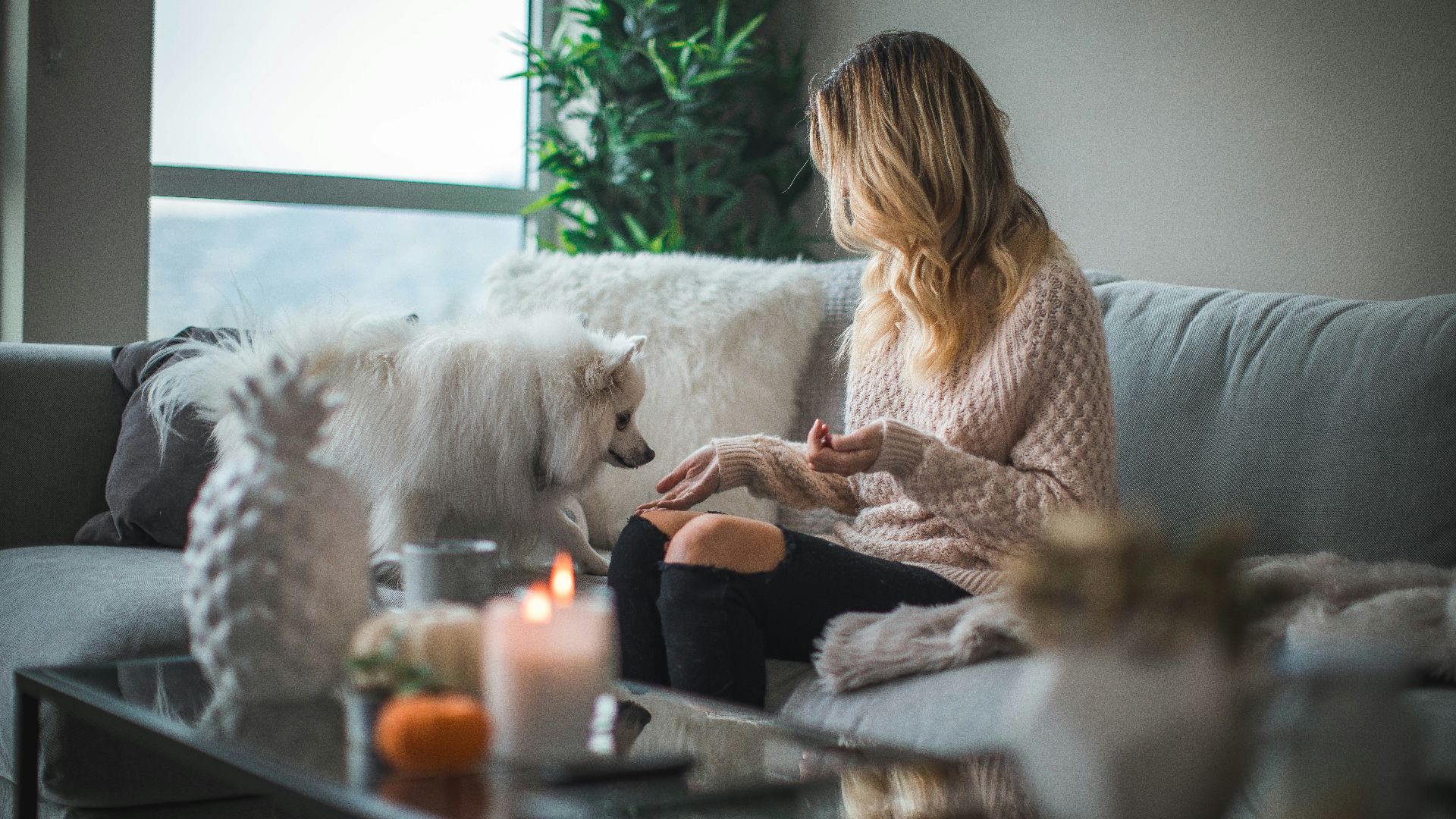
14. Keep Pets From Underfoot
Pets can unintentionally create tripping hazards when they move quickly around your feet. Small animals in particular may be difficult to notice when you're walking through the house.

15. Use Handrails Whenever Available
Handrails provide an additional point of contact that improves stability during movement. Whether you're using stairs, ramps, or public transportation, taking advantage of railings adds an extra layer of support.

16. Maintain Healthy Sleep Habits
Fatigue can affect coordination, reaction time, and focus. When you're overly tired, your body may respond more slowly to changes in balance. Maintaining consistent sleep habits supports alertness during daily activities. Adequate rest helps both your brain and body function effectively.

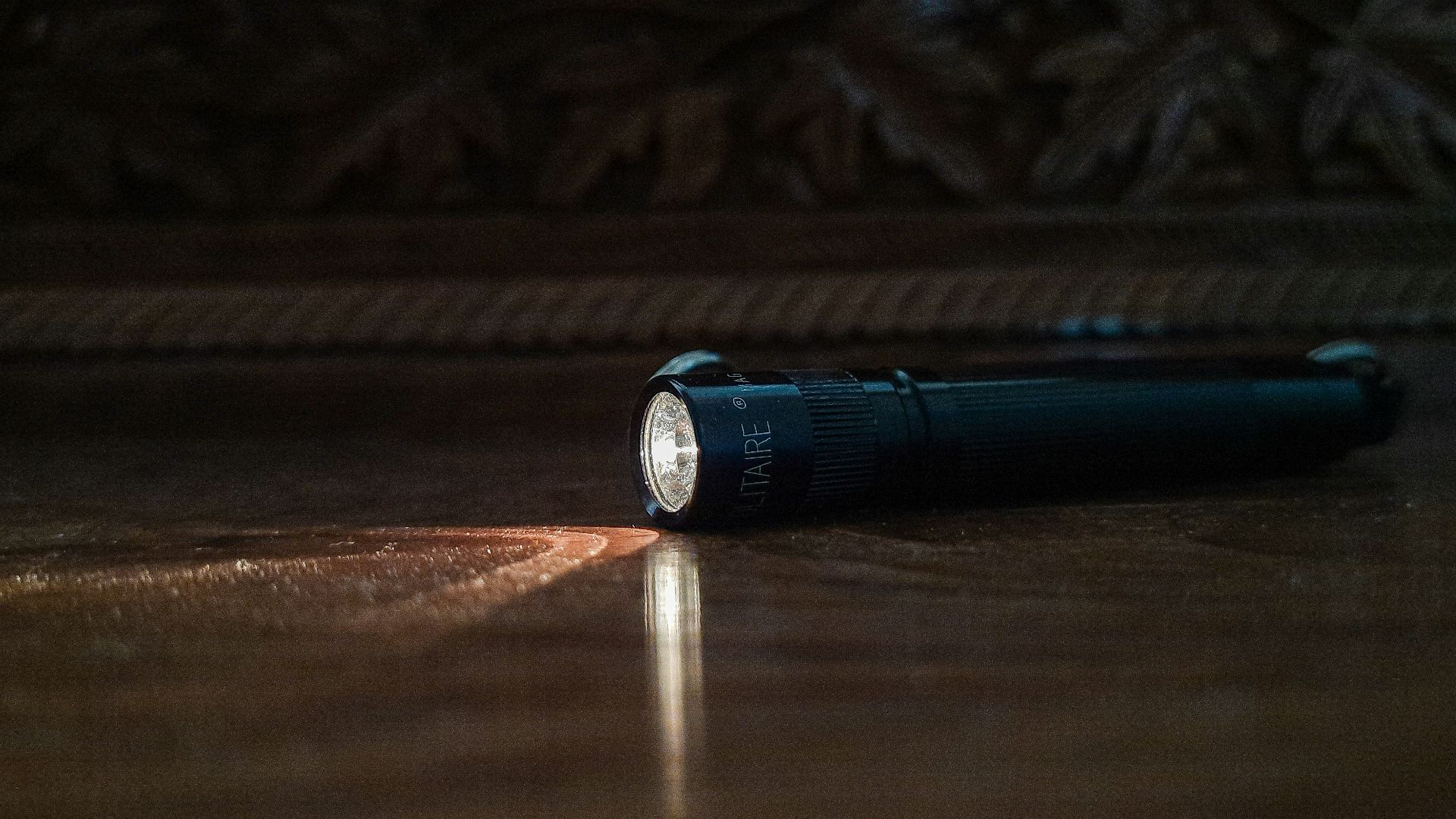
17. Keep Emergency Lighting Accessible
Power outages or dim conditions can make navigation difficult. Flashlights, nightlights, or battery-powered lamps ensure you can still see clearly if regular lighting fails. Placing these tools in easy-to-reach locations helps you respond quickly. Clear visibility supports safe movement in unexpected situations.
18. Stay Mindful While Walking
Distractions such as texting or focusing on other tasks while walking can affect balance. Paying attention to where you're stepping helps your brain process environmental cues more accurately. This awareness becomes especially important on uneven surfaces or crowded areas.

19. Wear Glasses With The Correct Prescription
If you wear glasses, keeping your prescription up to date is essential for depth perception. Incorrect lenses may distort distances or make steps appear uneven. Updated prescriptions allow your eyes to work more efficiently with your body's balance system.
 Vinicius Wiesehofer on Unsplash
20. Make Home Safety Part Of Your Routine
Preventing falls isn't about one single change but rather a collection of small habits. Regularly checking your environment for potential hazards keeps your home safer over time. Paying attention to lighting, organization, and daily behaviors can make a noticeable difference.
KEEP ON READING

20 Healthy Mango Treats To Make For The Summer



20 Diseases With Possible Interstellar Origins