
That Nagging Nudge You Shouldn’t Ignore
Your body’s good at sending small, easy-to-miss signals when something’s off. But, because they’re small, they often go completely ignored by most people—and that’s exactly what can land you in hot water. A lot of the time, these clues aren’t dramatic, but they can still matter, especially when they stick around or keep coming back. Here are 20 subtle clues that it might be time to schedule a doctor’s appointment.

1. You’re More Winded on Normal Stairs
If a flight of stairs suddenly feels challenging, take note of when it happens and how long your heart rate lasts. You should also pay attention to whether it’s paired with unusual fatigue, chest discomfort, or a new need to pause mid-task. A doctor can help sort out whether it’s something heart-related or a less serious diagnosis.

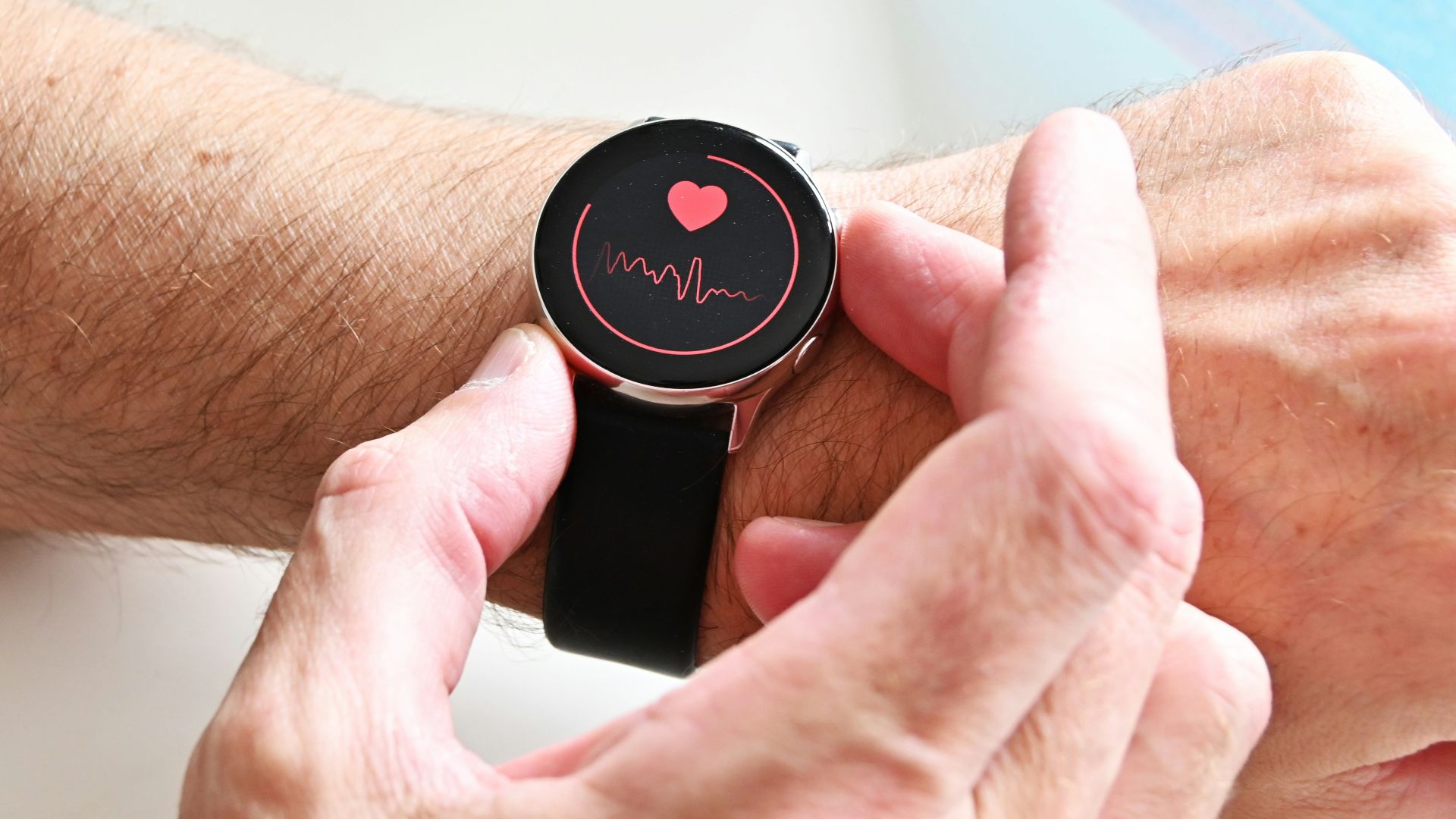
2. Your Resting Heart Rate Seems Higher
A consistently elevated resting heart rate can show up before you feel clearly “sick.” Does it happen across several days? Does your heart race at random times, not just after caffeine or a stressful week? It’s worth discussing; thyroid changes, infections, and medication effects can all play a role.
3. You Wake Up With Headaches
It’s never good to start the day with a headache, and it’s even worse if they come out of nowhere. Track whether they’re tied to snoring or poor sleep quality, despite a full night in bed. A clinician can check for any potential issues and help you with a plan forward.

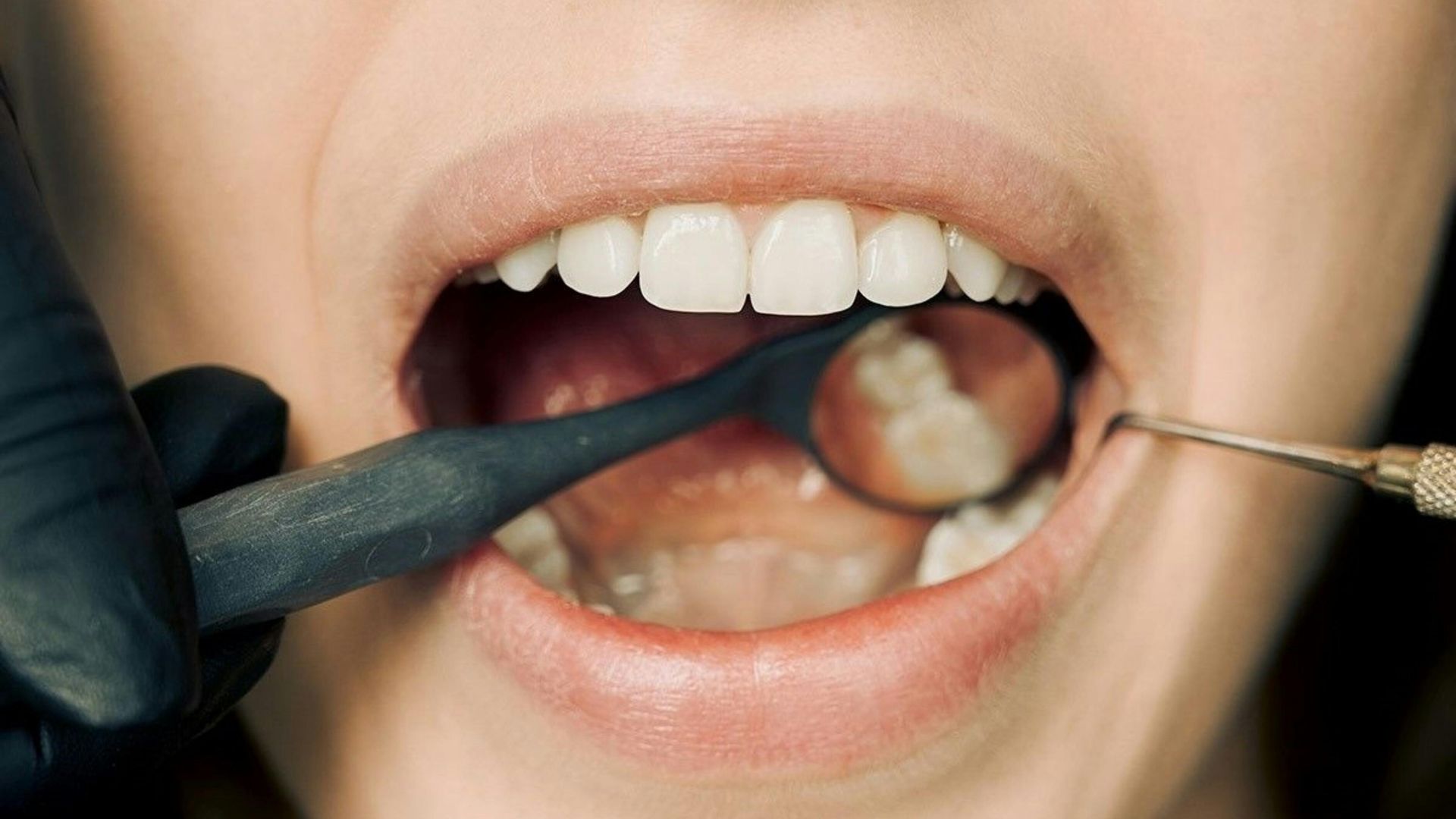
4. Your Gums Bleed More Easily
A little blood after flossing isn’t the end of the world, but if brushing suddenly brings frequent bleeding, your mouth may be signaling more than simple irritation. Persistent bleeding can mean inflammation that deserves a dental look, especially if your gums also seem puffy or tender.
5. Small Cuts Heal Slower
We don’t always monitor the length of our healing journey, and that’s how we miss glaring signs. When minor scrapes linger longer than you expect, it can be a clue that something’s going on. Your doctor can evaluate factors like nutrition, circulation, blood sugar, and immune function, so it’s worth setting up an appointment.

6. Your Skin Feels Itchier
It’s one thing to develop an allergy. It’s another to use a new laundry detergent. However, an uptick in itchiness that isn’t easily explained might warrant a trip to the doctor. Pay attention to whether it’s widespread, worse at night, or paired with subtle changes.

7. Your Hands or Feet Go Numb
Occasional tingling can happen, but repeated numbness deserves attention. Keep note of any trailing symptoms, like weakness or pain that wakes you up. The reality is that anything from nerve compression to blood sugar problems could be the culprit, and you won’t know unless you see a clinician.

8. Your Eyes Feel Drier and More Irritated
With allergy season on its way, drier eyes aren’t always a cause for concern. But if your peepers are frequently burning, it’s not something you should just power through. It’s an even greater cause for concern if you also notice dry mouth, joint aches, or changes in vision clarity. There’s no harm in seeing your eye doctor if you notice any changes.

9. You’ve Started Craving Non-Food Items
Believe it or not, a strong urge to chew ice (or crave non-food items) can be a medical signal. If it’s new or intense, it’s worth mentioning, even if you feel a little awkward. A doctor can check for iron deficiency or related issues that can be easily treated once identified.

10. You’re Lightheaded When You Stand Up
Don’t brush off frequent dizzy spells. Pay attention to hydration, track your meals, and note down whether the sensation comes with a higher heart rate or faintness. Your clinician can evaluate any concerns and keep you in the loop.

11. Your Sleep Feels Less Restful
There’s nothing worse than waking up tired, and if it happens more frequently, it’s usually your body is asking for a closer look. Snoring and nighttime awakenings are worth mentioning to a doctor, who can explore sleep apnea, mood factors, and hormonal changes.

12. Your Nails Change
No, we’re not talking about everyday growth that goes unnoticed. We’re talking about unusually brittle nails, new ridges, or shape changes over time. Your clinician might look at the bigger picture, like nutrition issues, thyroid concerns, or chronic conditions that sometimes show up in subtle ways.

13. You’re Suddenly More Sensitive to Temperature
If you find yourself sweating buckets or always reaching for a blanket, you should book an appointment with your doctor. Though it doesn’t seem like much on its own, that bodily signal can sometimes be paired with changes in appetite, sweating, bowel habits, or heart rate. Those kinds of symptoms always warrant a medical check.

14. Your Voice Gets Hoarse
We often assume signs of trouble come in glaring red flags, but even our voices can highlight potential issues. Pay attention to whether you also have frequent throat clearing, mild swallowing discomfort, or nighttime coughing. Clinicians will want to know, and that information helps get to the root of a problem.

15. A New Pattern of Mild Swelling
Subtle puffiness, especially in your ankles or around your eyes, can be easy to miss—until it becomes routine. Track when it happens. Note whether it’s worse at the end of the day. Definitely keep track if it changes with salt intake. Because swelling can relate to circulation, kidney function, and hormones, it’s worth a medical review.

16. Your Bathroom Habits Shift
Like it or not, our bathroom schedules indicate how our bodies function! Changes in frequency or stool consistency can be a clue to something else. It’s also worth paying attention to timing, diet changes, and whether you’re also losing weight without trying or feeling unusually tired.

17. Your Appetite Feels Off
A lingering lack of appetite—or feeling full quickly—can be more telling than a single skipped meal. And it’s only more concerning if it’s accompanied by nausea or bloating. Appetite changes can come from many causes, so a clinician can help narrow it down.

18. You’re Bruising More Easily
If bruises seem to appear with minimal bumps, your body may be hinting at something. While it doesn’t always warrant immediate concern, you should make note of whether any bruises are larger than expected or if they’re paired with frequent nosebleeds. Your doctor can help you get sorted out.

19. You Feel “Foggy” More Often
Brain fog can show up as anything from trouble concentrating to feeling less sharp in conversations. Don’t just assume it’ll go away on its own. A medical visit can help evaluate contributors like vitamin deficiencies, medication effects, or depression and anxiety.

20. An Unusual Symptom Won’t Quit
When a small symptom keeps hanging around, it still deserves attention. How long has it been going on? What makes it better or worse? Is it gradually changing? If it’s persistent, checking in with a doctor can give you clarity and, often, relief.