
How to Be Psychologically Attractive
Building an instant rapport with new people doesn't require a total personality overhaul or a magic wand. Most of the time, being perceived as likeable comes down to small, subtle psychological shifts that make the person you're talking to feel seen and valued. With that in mind, here are 20 psychological tricks to boost your attractiveness.

1. Mirror Their Body Language
Mirroring someone means matching their posture or gestures in a subtle way. You don’t want to copy them exactly, but if they’re sitting with crossed legs, cross yours too. If they’re sitting up straight, don’t slouch.
 Bewakoof.com Official on Unsplash
2. Use Their Name Frequently
There is nothing quite as sweet to a person as the sound of their own name spoken in conversation. When you sprinkle their name into your sentences, it signals that you’re fully focused on them and that they aren't just another face in the crowd. It’s a simple way to build intimacy quickly.
 Christina @ wocintechchat.com M on Unsplash
3. Ask for a Tiny Favor
Research has shown that we tend to like people more after we do something for them. This is known as the Benjamin Franklin effect. The next time you meet someone, try asking them for a small favor like some advice or the salt.

4. Maintain Just Enough Eye Contact
Finding the right balance with eye contact is key because staring too hard is intense, while looking away too much seems shifty. Aim for about sixty percent of the time, which shows you’re engaged and confident without making the other person feel like they’re under a microscope.

5. Perfect the Duchenne Smile
There’s a huge difference between a polite smile and a genuine smile. When you smile with your eyes, it’s called a Duchenne smile. Practice smiling with your eyes in the mirror so that when you do it with others, it comes across as natural and sincere.

6. Practice Active Listening
Instead of formulating what you’re going to say while the other person talks, try to actually listen. Nod here and there and give small verbal confirmations like “uh-huh.” When someone feels heard, they’ll think you’re a great conversationalist.
7. Reveal a Small Flaw
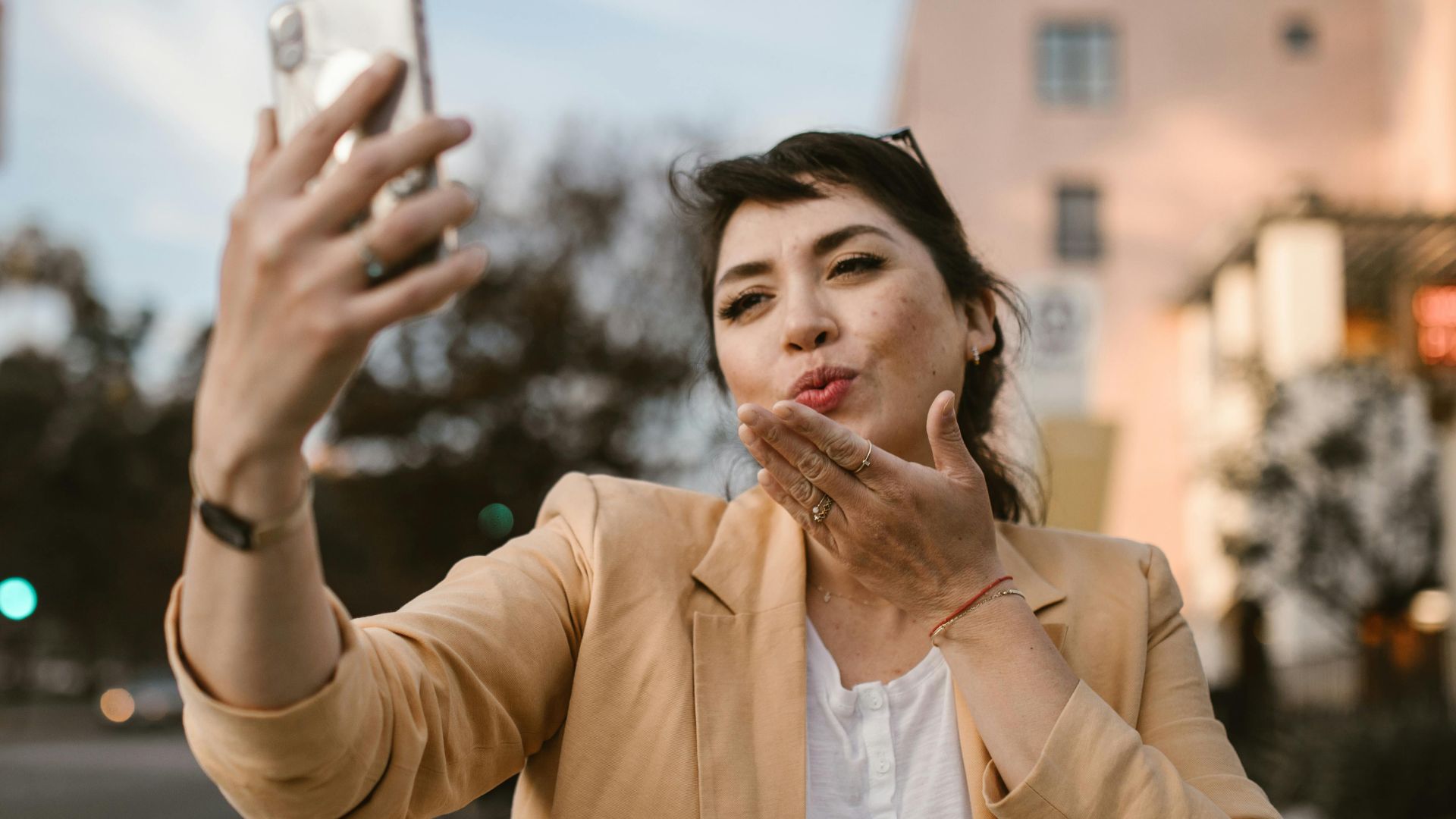
Nobody likes a know-it-all, so tell them about a small mistake you recently made. Whether you forgot a friend’s birthday or dropped food on the floor, don’t be afraid to admit you’re human too. It will make you more relatable and they’ll feel more comfortable around you.

8. The Power of a Light Touch
Physical contact can be a quick way to make someone like you as long as you’re subtle about it. A gentle touch on the arm will release bonding hormones between you and the person you just touched. Just make sure the setting is appropriate first.

9. Give Genuine Compliments
When you tell someone something positive about themselves, people subconsciously view that trait as part of your personality. If you’re nice to everyone you meet, they’ll start to think you’re a nice person too. Call people out when they’re doing something great.
10. Show Enthusiastic Responses
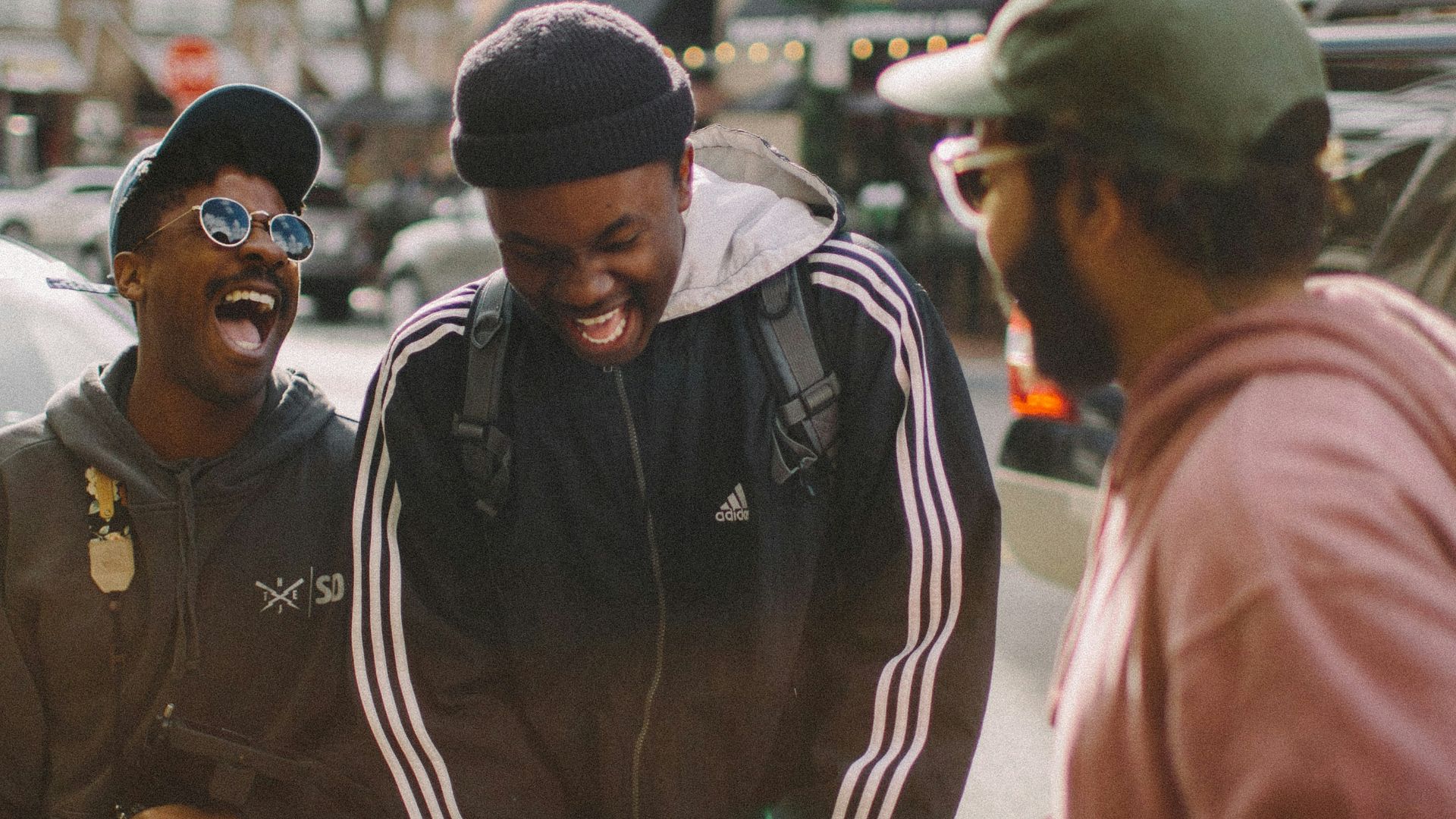
When someone shares good news with you, responding with high energy and genuine excitement makes a massive difference in how they perceive you. Simply saying “that's nice” is a rapport ender, whereas asking follow-up questions and celebrating their win creates a deep emotional connection.

11. Find Common Ground Early
Whether it’s the same hometown, pet peeve, or love for pizza, find something you have in common. We like people who we believe are similar to us. Your brain views similarities as a way of validating who you are, so find some common ground quickly.

12. Let Them Correct You
Make a little mistake that you could care less about and let them correct you. Most people will feel slightly better about themselves after correcting someone, even if it was you. Laugh off your mistake and thank them for letting you know.

13. Tilt Your Head Slightly
In the world of nonverbal communication, a slight head tilt is a sign of curiosity. It signals that you’re listening intently and are open to what the other person has to say. This small adjustment to your posture can make a big difference in how “safe” and likeable you appear to others.

14. Keep Your Palms Visible
Showing your palms is a primal way of showing someone you’re not a threat. Our hands are where we instinctively hide weapons, so by leaving them visible, you appear open and trustworthy. Avoid crossing your arms or stuffing your hands in your pockets.

15. The "Three-Second" Rule for Pausing
Don’t rush to answer a question that’s been posed to you. Take a second to think about it and then respond. You want the other person to know that what they’re saying is important enough for you to stop and think about before you reply.

16. Share a Secret
Sharing secrets with someone will subconsciously make you feel like you know each other on a deeper level. By telling someone a small secret, you’ll find yourself building trust between each other. Just make sure the secret is harmless.

17. Master the Art of the Follow-Up
Remember that thing your friend mentioned they liked? Bring it up a week later and ask how it’s going. People will be amazed you actually remembered what they said and will feel much closer to you.
18. Be a Source of Positive Energy
Yes, everyone has bad days, but be the person who consistently brings positive energy to the group. Most people are attracted to those who make them feel better about themselves. Strive to be the sunlight that shines on others.

19. Acknowledge Their Expertise
If you know someone is good at something, ask them about it. It allows them to showcase their knowledge, which will make them feel smart and appreciated. They’ll remember you for recognizing their skill set.

20. End on a High Note
The “peak-end rule” suggests that people judge an experience largely based on how it ended rather than the total sum of the interaction. Make sure your final few sentences are warm, complimentary, and leave the door open for future meetings. Leaving someone with a great last impression ensures that their memory of you remains overwhelmingly positive.

KEEP ON READING



20 Ways To Get Your Vitamins And Minerals

20 Ways Doing Less Can Actually Improve Your Health