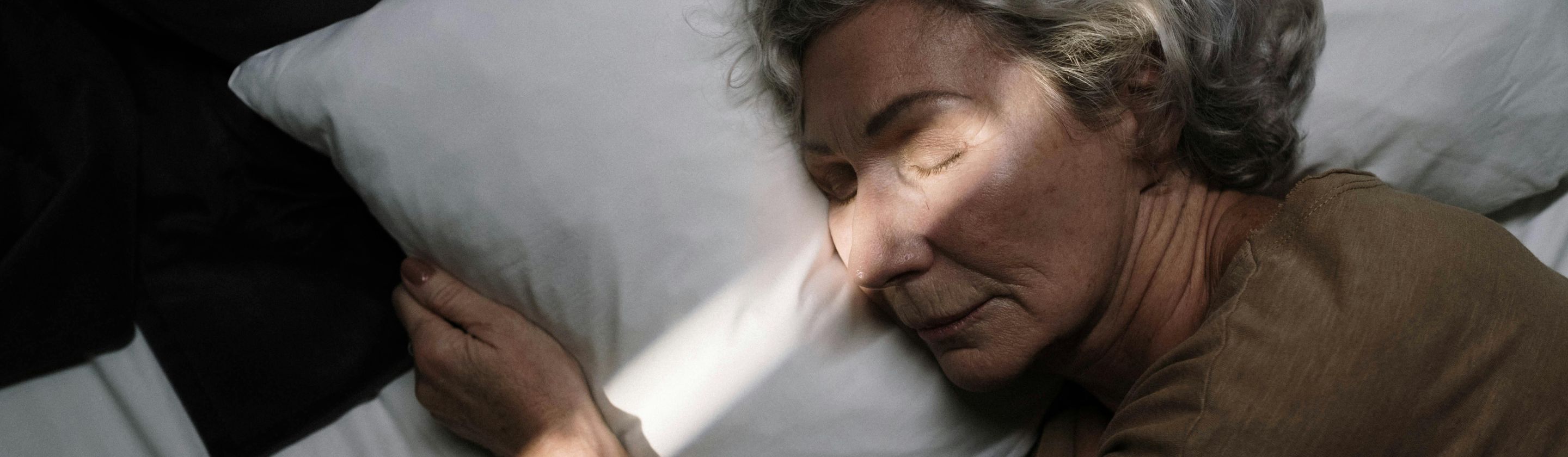
Sleep Habits That Can Change With Age
Sleep patterns often shift as people get older, and many adults notice changes after the age of 50. Factors such as hormone levels, health conditions, medications, and lifestyle habits can all affect sleep quality. While occasional sleep issues are common, certain habits can unintentionally make restful sleep harder to achieve. Recognizing these 20 common mistakes can help people adjust their routines and support healthier sleep as they age.

1. Keeping an Irregular Sleep Schedule
Going to bed and waking up at different times each day can disrupt the body’s internal clock. After 50, the circadian rhythm often becomes more sensitive to changes in routine. Inconsistent sleep times may lead to difficulty falling asleep or waking up too early.

2. Spending Too Much Time in Bed Awake
Some people stay in bed long after waking up or remain there while unable to sleep. This habit can weaken the mental association between bed and sleep. Sleep specialists often recommend using the bed primarily for sleeping to reinforce healthy sleep cues.
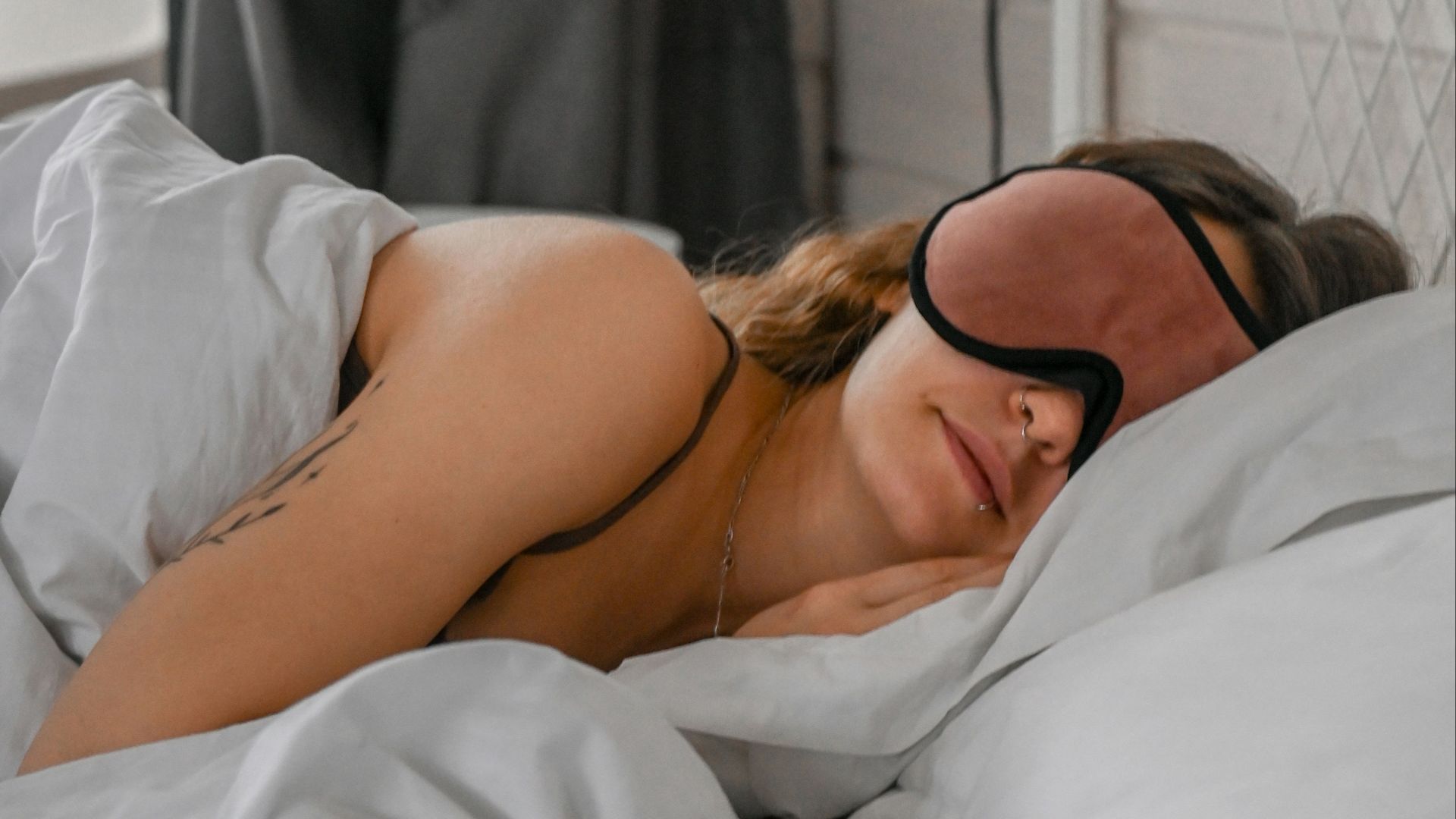
3. Drinking Caffeine Too Late in the Day
Caffeine can remain in the body for several hours after consumption. Drinking coffee, tea, or caffeinated soda in the afternoon or evening may delay the ability to fall asleep. As metabolism changes with age, the body may process caffeine more slowly. Limiting caffeine intake later in the day can improve sleep quality.

4. Relying Too Often on Long Daytime Naps
Short naps can be refreshing, but long or late naps may interfere with nighttime sleep. After age 50, the body may become more prone to fragmented sleep at night.

5. Using Screens Right Before Bed
Phones, tablets, and televisions emit blue light that can interfere with melatonin production. Melatonin is the hormone that helps regulate sleep cycles. Using electronic devices close to bedtime can make it harder for the brain to recognize that it’s time to sleep. Reducing screen use in the hour before bed may improve sleep onset.

6. Ignoring Changes in Sleep Duration Needs
Sleep needs can shift slightly with age, but many adults still benefit from around seven to eight hours of sleep per night. Some people assume that needing less sleep is a normal part of aging and ignore chronic sleep loss.
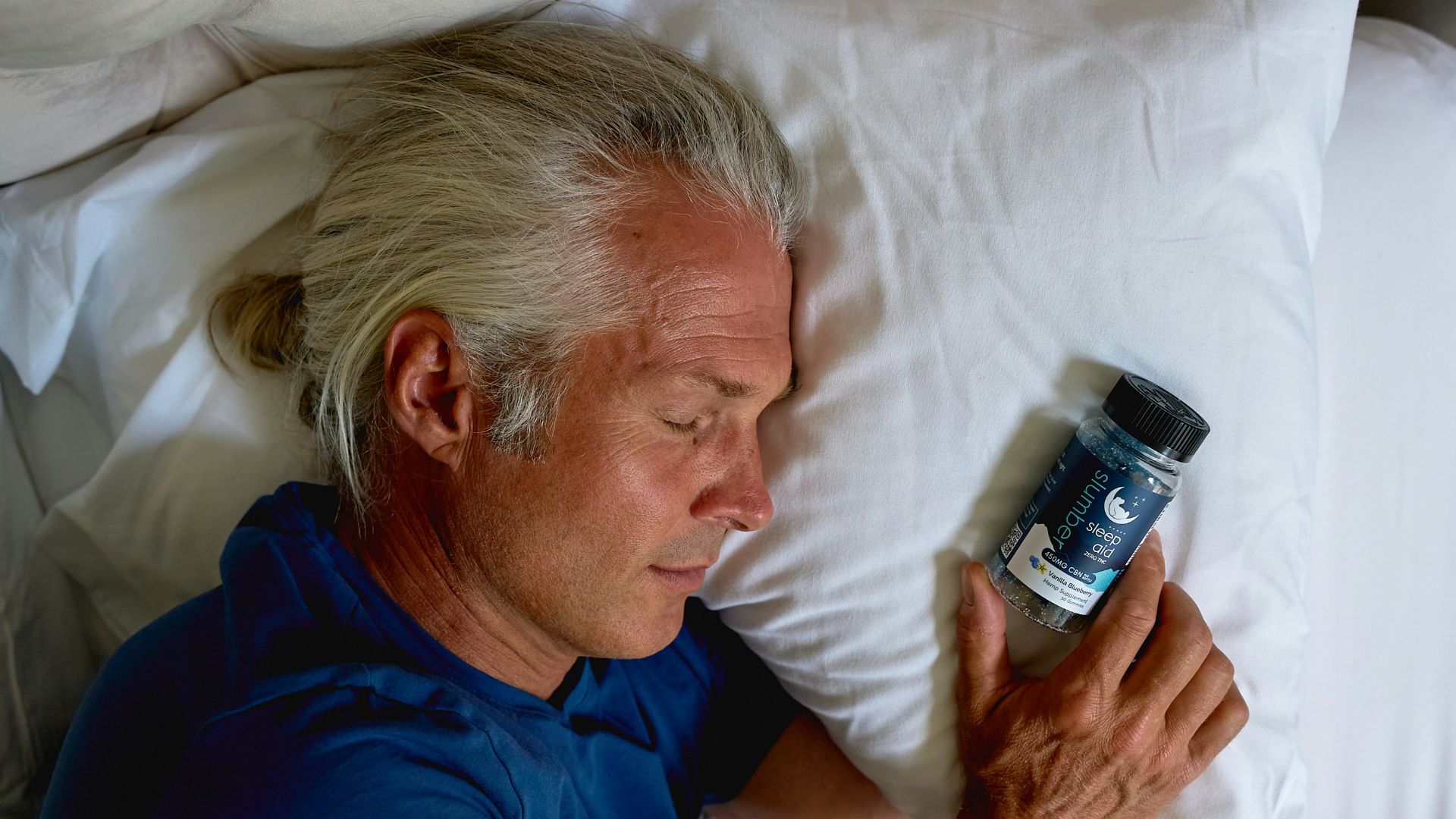
7. Eating Heavy Meals Late at Night
Large meals close to bedtime can cause digestive discomfort or acid reflux. These issues may become more common as people age. Lying down soon after eating can worsen symptoms and interrupt sleep. Finishing dinner several hours before bedtime can help the body settle before sleep.
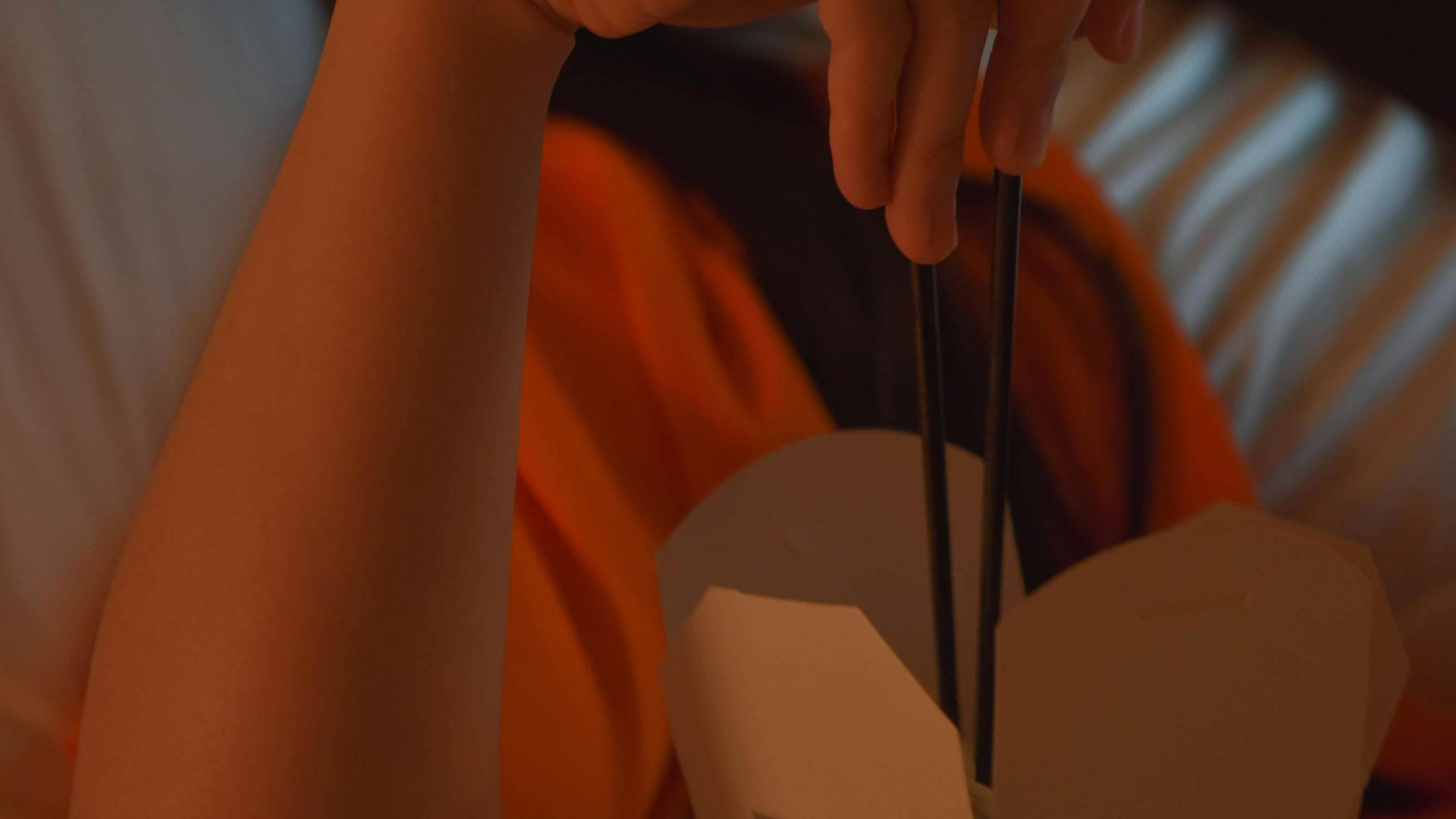
8. Drinking Alcohol to Fall Asleep
Alcohol may initially make people feel sleepy, but it often disrupts sleep later in the night. It can reduce rapid eye movement (REM) sleep and cause more frequent awakenings.
 Niels from Slaapwijsheid.nl on Pexels
9. Skipping Regular Physical Activity
Regular exercise is linked to better sleep quality in adults of all ages. Physical activity helps regulate energy levels and supports the body’s natural sleep rhythm. Without sufficient movement during the day, it may become harder to feel tired at night. Even moderate activities like walking can make a positive difference.

10. Keeping the Bedroom Too Warm
A cooler environment generally supports better sleep. If the bedroom temperature is too warm, the body may struggle to reach the conditions needed for restful sleep. Many sleep experts suggest a slightly cool room for optimal comfort. Adjusting temperature or bedding can improve overnight rest.

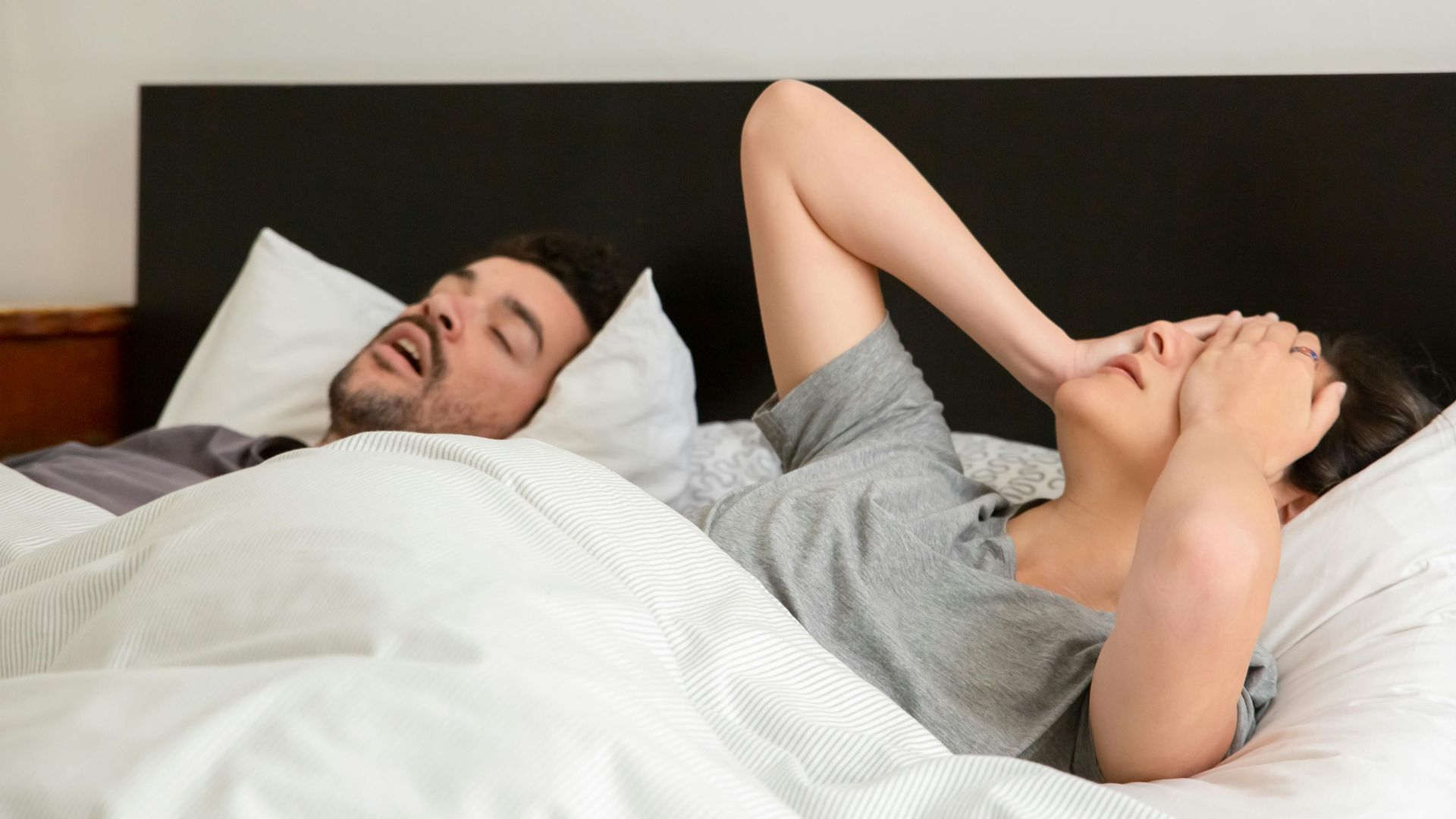
11. Ignoring Symptoms of Sleep Apnea
Sleep apnea becomes more common with age and can significantly affect sleep quality. Symptoms may include loud snoring, pauses in breathing, or excessive daytime fatigue.
12. Taking Certain Medications Too Late in the Day
Some medications can interfere with sleep if taken close to bedtime. Stimulant effects, increased urination, or other side effects may cause nighttime awakenings. Adults over 50 are more likely to take multiple medications, which can complicate sleep patterns. Reviewing medication timing with a healthcare professional may help.

13. Spending Too Little Time in Natural Daylight
Exposure to daylight helps regulate the body’s circadian rhythm. People who spend most of the day indoors may not receive enough natural light signals.

14. Worrying Too Much About Not Sleeping
Stress and anxiety about sleep can make falling asleep even more difficult. Some people become increasingly concerned about every restless night. This mental pressure can keep the mind active when it should be relaxing. Practicing calming routines before bed can help ease this cycle.
15. Drinking Too Many Fluids Before Bed
Drinking large amounts of fluid late in the evening can lead to frequent nighttime bathroom trips. This issue may become more noticeable with age.
16. Using the Bedroom for Work or Other Activities
Turning the bedroom into a workspace or entertainment area can blur the connection between the room and sleep. The brain may remain alert when entering a space associated with productivity. Keeping the bedroom primarily for sleep and relaxation can strengthen healthy sleep cues.

17. Ignoring Persistent Pain or Discomfort
Chronic pain conditions become more common as people age and can interfere with sleep. Joint discomfort, back pain, or other physical issues may cause frequent awakenings.
18. Skipping a Wind-Down Routine
Going straight from busy evening activities to trying to sleep can make it harder for the mind to relax. A short wind-down period helps signal that the day is ending.

19. Keeping Bright Lights On Late at Night
Strong lighting in the evening can delay the body’s natural release of melatonin. Bright overhead lights or intense room lighting may signal daytime to the brain.

20. Assuming Poor Sleep Is Just Part of Aging
While sleep patterns do change with age, persistent sleep problems shouldn’t be ignored. Many treatable conditions can affect sleep quality.
KEEP ON READING



20 Natural Ways You Can Boost Your Immune System
20 Ways To De-stress & Relax After Work

The 10 Most Common Diseases & The 10 Most Rare