
How Bad Is Your Self-Control?
When you say you'll do something, how often is it that you actually follow through? What about when you tell yourself you won't do something? Self-control is one of those things that's easy to underestimate until it starts costing you, whether that's money you didn't mean to spend, sleep you can't get back, or goals that keep getting pushed to tomorrow. But don't worry: a few small tweaks can help you get back on track. Here are 10 signs your self-control needs some work, and 10 practical ways to turn things around.

1. You Constantly Impulse Buy
If your bank statement is full of purchases you don't remember making, impulse buying is likely a problem. It usually happens when emotions are running high or when you're bored, stressed, or just browsing without a clear purpose. Poor self-control in spending tends to show up consistently rather than occasionally, so pay attention to whether it's a pattern.

2. You Always Say You'll Start Tomorrow
Delaying action until tomorrow is one of the most common signs you lack self-control, because tomorrow has a way of never actually arriving. You might genuinely intend to follow through, but the habit of postponing means you're consistently choosing short-term comfort over long-term progress. When "I'll start Monday" becomes a recurring mantra, it's worth asking yourself how many Mondays have already passed.

3. You Can't Stop Once You Start
Whether it's snacks, social media, or a TV series, not knowing how to stop once you've started something is a telling sign of weak impulse control. People with strong self-control can enjoy things in moderation without needing external factors to force them to stop. If finishing the whole bag, the whole episode queue, or the whole scroll feels automatic, it's a sign that your off switch isn't working as well as it should.

4. You Frequently Abandon Your Goals
Setting goals is easy. Sticking to them when motivation fades? That's something else entirely. If you regularly start new routines or projects only to drop them within days or weeks, it likely isn't a motivation problem but a discipline problem. Motivation gets you started, but self-control is what keeps you going when things get tedious or difficult.

5. You Struggle to Resist Peer Pressure
Going along with things you didn't want to do simply because someone else suggested them is a sign that your self-control is being shaped by external forces rather than your own values. This can show up in social eating, unnecessary spending, or staying out later than planned even when you know you'll regret it. When other people's preferences consistently override your own intentions, your internal self-regulation likely needs strengthening.

6. You React Emotionally Without Thinking
Lashing out, making rash decisions, or saying things you later regret are all indicators that emotional self-control is lacking. Self-control isn't just about physical habits; it also covers how you manage your responses to frustration, disappointment, and stress. If your immediate reaction is usually the one you end up apologizing for, that's a clear sign that a pause between impulse and action would serve you well.

7. You're Constantly Distracted
An inability to focus on one task without drifting to something more stimulating is closely tied to self-control, even if it doesn't immediately seem that way. Checking your phone mid-conversation, switching tasks before finishing anything, and gravitating toward entertainment over obligations are all forms of giving in to impulse. Attention is a resource, and self-control is what keeps it directed where it actually needs to go.

8. You Often Overindulge
Eating past the point of fullness, drinking more than you intended, or spending beyond your budget are all forms of overindulgence that signal a gap between knowing better and doing better. It's not that you're unaware of the limit; it's that in the moment, the pull toward more feels stronger than the reasoning that says stop. Consistent overindulgence across different areas of your life is one of the clearest signs that self-control is something you need to actively work on.

9. Your Sleep Schedule Is Chaotic
Staying up far too late for no particular reason (sometimes called revenge bedtime procrastination) is a surprisingly common sign of poor self-control. Even when you know you'll be exhausted the next day, the urge to reclaim personal time or keep scrolling wins out over the rational choice to sleep. A consistently chaotic sleep schedule isn't just a time-management issue, but it reflects a broader difficulty with prioritizing long-term well-being over short-term comfort.

10. You Break Promises to Yourself
Commitments you make to yourself, whether it's exercising three times a week, cutting back on junk food, or limiting screen time, are often the first to go when self-control is weak. It's easy to rationalize breaking a personal promise because there's no external accountability involved, but the cumulative effect is a gradual erosion of self-trust. If you've stopped taking your own commitments seriously, that's a significant red flag worth addressing.
Do these signs sound like you? If so, here's how to flip the switch and regain control.

1. Build a Routine You'll Actually Stick To
One of the most effective ways to improve self-control is to reduce the number of decisions you have to make each day by building consistent routines. When healthy behaviors become automatic, like a set wake-up time or a regular workout slot, you're relying less on willpower and more on plain old habit. Start small with one or two anchored routines and expand from there as they become second nature.

2. Use the 10-Minute Rule
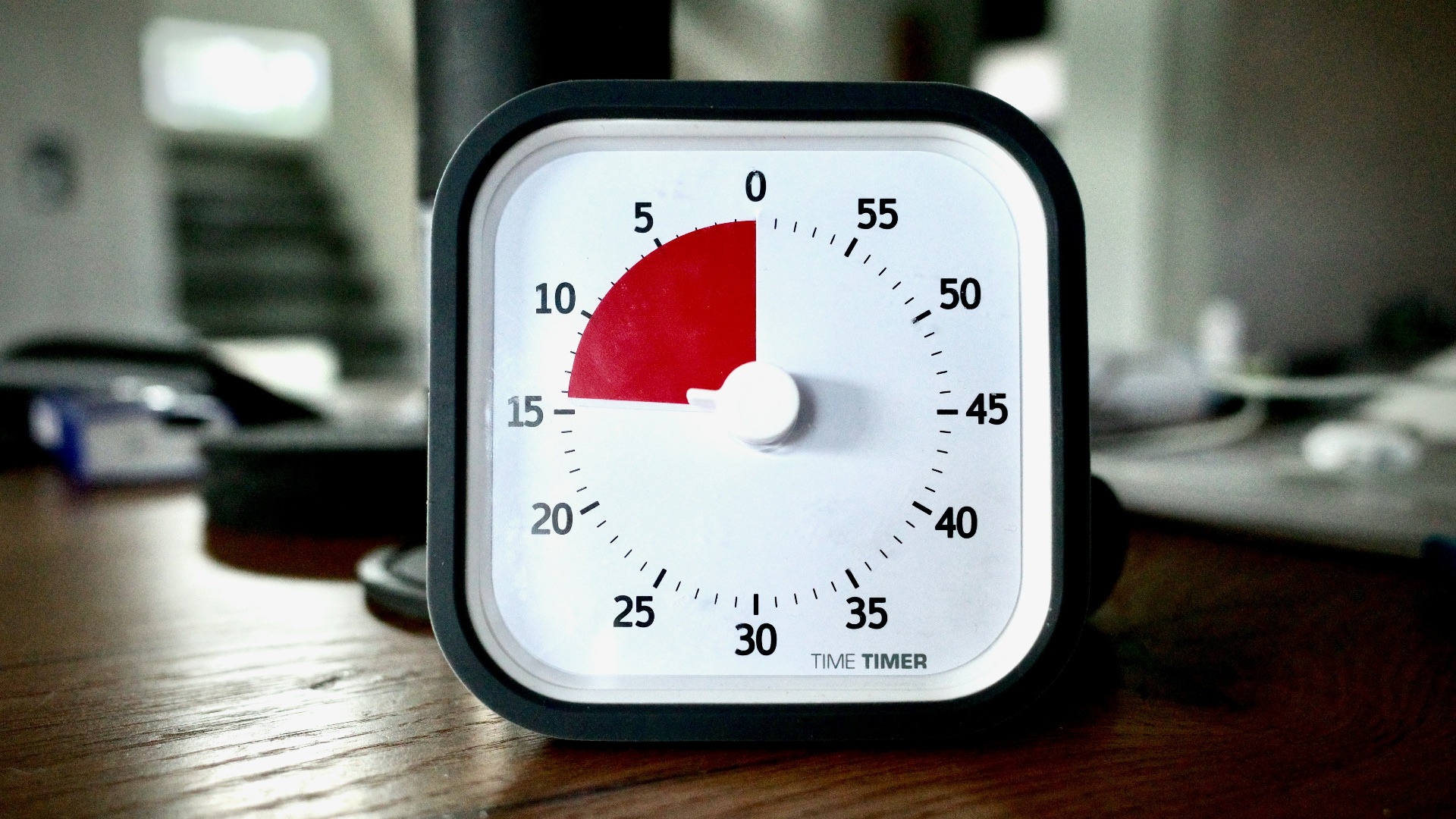
When an urge hits, whether it's to buy something, eat something, or quit something, give yourself a mandatory 10-minute waiting period before acting on it; the longer, the better. This delay helps interrupt the automatic nature of impulsive behavior and gives your rational thinking time to catch up with your instincts. You'll find that many urges either pass entirely or shrink to a much more manageable size once those minutes are up.
3. Remove Temptation from Your Environment
Willpower is a limited resource, and relying on it to resist things that are right in front of you is a losing strategy over time. If junk food isn't in the house, late-night snacking becomes significantly harder; if your phone is in another room, mindless scrolling loses its grip. Designing your environment to make the right choices easier and the wrong ones harder does a lot of the heavy lifting for you.

4. Set Specific, Measurable Goals
Vague goals like "I want to be healthier" or "I'll save more money" give your brain no clear finish line to work toward, which makes it far easier to give up when things get hard. Specificity forces commitment: instead of saving more, decide to set aside a fixed amount each week without exception. The more clearly defined your target is, the harder it becomes to rationalize falling short of it.

5. Practice Mindfulness Daily
Mindfulness trains you to notice the gap between an impulse and your response to it, which is exactly the space where self-control lives. Even a few minutes of focused breathing or deliberate observation each day can strengthen your ability to pause before reacting, spending, or overindulging.

6. Track Your Behavior Honestly
Keeping a simple log of the behaviors you're trying to change—whether that's spending, eating, screen time, or sleep—makes it much harder to ignore patterns you'd otherwise rationalize away. Seeing your habits laid out in data removes the comfortable vagueness that allows poor self-control to go unchecked; even a basic notes app entry at the end of each day can create a meaningful level of self-awareness.

7. Find an Accountability Partner
Having someone who checks in on your progress introduces a layer of external accountability that can carry you through the periods when internal motivation is running low, so have a friend ask you how your goal is going every few days. Knowing that someone else is aware of what you said you'd do makes it considerably harder to abandon your commitments.

8. Reframe What Discipline Feels Like
A lot of people resist improving their self-control because they associate it with restriction, deprivation, and generally making life less enjoyable. But shifting that perspective to see discipline as something you're doing for your future self, rather than against your current self, changes the emotional charge around it significantly. Self-control isn't about saying no to everything; it's about making deliberate choices that you're less likely to regret later.

9. Prioritize Sleep
Poor sleep has a well-documented effect on the prefrontal cortex, which is the part of the brain responsible for impulse control, decision-making, and emotional regulation. When you're sleep-deprived, your brain is effectively operating with reduced capacity to override impulsive behavior, which makes every other self-control strategy harder to execute. So instead of staying up to scroll on your phone, get some much-needed shut-eye!

10. Celebrate Small Wins
Progress in self-control tends to be gradual, but it's important not to overlook your small improvements. Take a moment to recognize when you resisted an impulse, followed through on a commitment, or made a better choice than you would have previously, then give yourself a pat on the back. It might not feel significant right now, but you're making good progress in the right direction, and that always warrants celebration.

KEEP ON READING

20 Ways You're Hurting Your Body Without Realizing