
Bad Habits Taking a Toll on Your Health
You probably already know that skipping the gym and eating too much junk food aren't great for you, but there's a whole list of everyday habits that fly under the radar and cause harm without you realizing. From the way you hold your phone to how long you stand, the small behaviors you repeat daily can accumulate into real physical damage over time. Here are 20 ways you're hurting your body without knowing—and how to fix it before it's too late.

1. Holding Your Phone Too Low
Looking down at your phone for extended periods (sometimes called text or tech neck) places enormous stress on the cervical spine, sometimes adding the equivalent of dozens of extra pounds of pressure to your neck. This can lead to stiffness, pain, and over time, structural changes in the spine. Holding your phone at eye level, even if it feels a little awkward at first, is a straightforward habit that protects your neck health.

2. Breathing Through Your Mouth
Sure, it might be inevitable when you're sick and your nose is clogged up, but nasal breathing is the body's preferred method for a reason: it filters, warms, and humidifies the air before it reaches your lungs. Habitual mouth breathing, on the other hand, can dry out the throat, disrupt sleep quality, and contribute to dental issues, including bad breath and gum disease. If you notice you're frequently breathing through your mouth during the day, it's worth mentioning to a doctor, as it may signal an underlying issue like nasal congestion or allergies.

3. Wearing Unsupportive Footwear
Shoes that look great don't always treat your feet well, and consistently wearing unsupportive footwear can cause problems that travel well beyond your feet. Flat shoes with no arch support, as well as high heels, can alter your gait and put stress on your knees, hips, and lower back. Choosing footwear with adequate support and cushioning is one of the simplest investments you can make in your long-term joint health.

4. Sleeping on an Old Mattress
A mattress that's past its prime doesn't provide the support your body needs to recover overnight, often leading to waking up stiff, sore, or unrested. Poor spinal alignment during sleep can contribute to persistent back pain and disrupt the quality of sleep itself. Most mattresses have a lifespan of around seven to 10 years, so it's worth assessing whether yours is still doing its job.
 Niels from Slaapwijsheid.nl on Pexels
5. Not Stretching After Exercise
Finishing a workout and immediately collapsing on the couch skips a crucial step in your body's recovery process. Stretching after exercise helps reduce muscle soreness, maintain flexibility, and prevent the tightening that builds up over time with regular physical activity. Even five to 10 minutes of gentle stretching post-workout can have a noticeable impact on how your body feels the next day.

6. Wearing Earbuds at High Volumes
Noise-induced hearing loss develops gradually, which is exactly why it tends to go unnoticed until real damage has already been done. Listening to audio at high volumes through earbuds or headphones exposes the delicate hair cells in your inner ear to sound levels they weren't built to handle. Keeping your volume at or below 60% and taking regular listening breaks is a widely recommended approach to protecting your hearing.

7. Crossing Your Legs While Sitting
Sitting with your legs crossed might feel natural, but doing it habitually can contribute to muscle imbalances, poor circulation, and nerve compression; it can even temporarily spike your blood pressure. You may also develop numbness or tingling in the foot from putting sustained pressure on the peroneal nerve. Sitting with both feet flat on the floor keeps your pelvis level and reduces unnecessary strain on your hips and lower back.

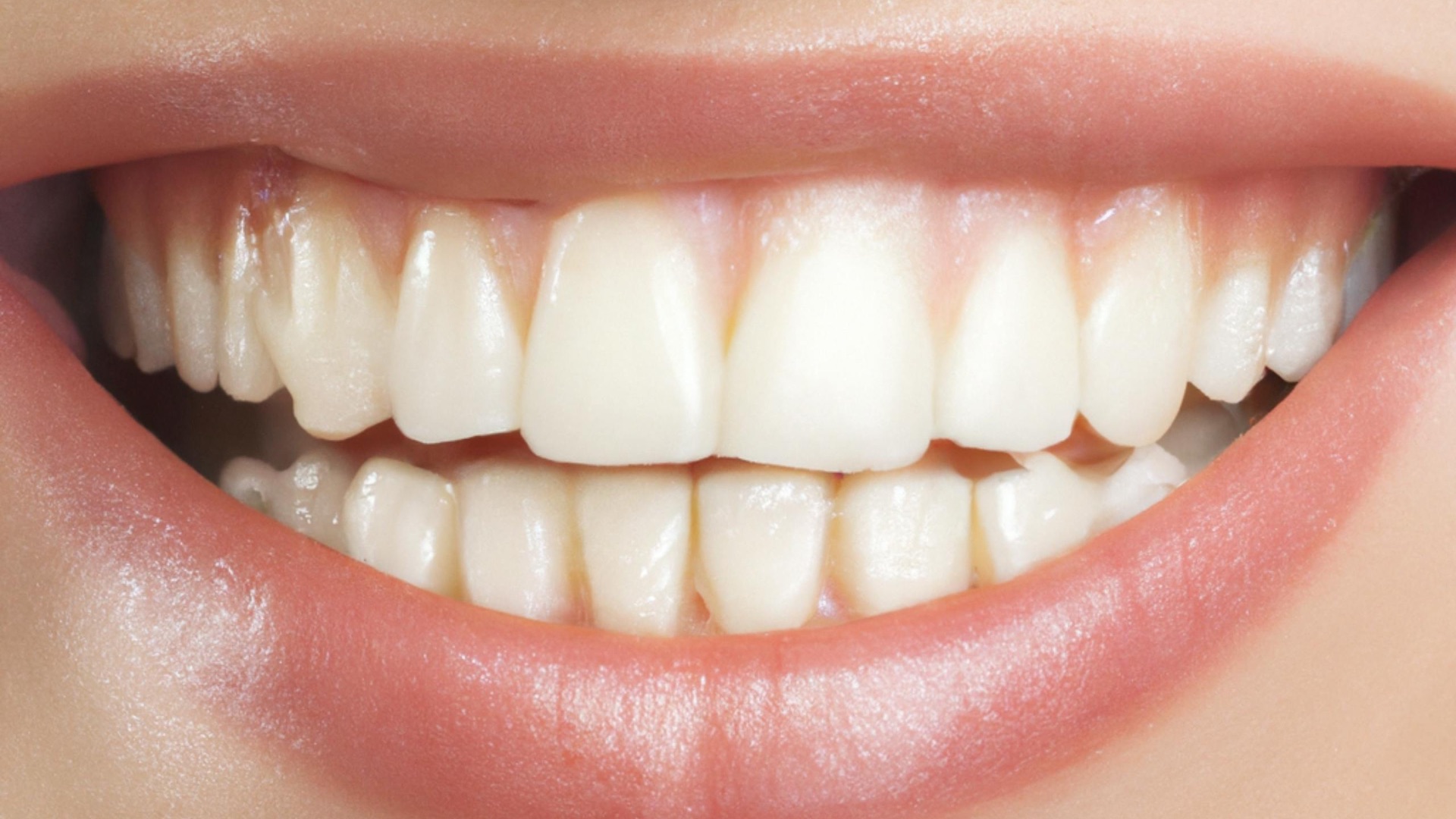
8. Clenching Your Jaw
Jaw clenching, often referred to as bruxism, is something many people do without being aware of it, particularly during stressful periods or while concentrating. Over time, it can wear down tooth enamel, cause jaw pain, and contribute to headaches, especially in the temples and behind the eyes. Becoming more mindful of tension in your jaw throughout the day, and speaking to a dentist if you suspect you clench at night, can prevent long-term damage.
9. Spending Too Much Time Indoors
The human body is designed to spend time in natural light, and consistently staying indoors can lead to vitamin D deficiency, disrupted circadian rhythms, and lower mood. Vitamin D plays a role in bone health, immune function, and a range of other physiological processes, so a deficiency isn't something to dismiss. Even a short daily walk outside during daylight hours can meaningfully support your body's natural rhythms.

10. Using Your Phone Right Before Bed
The blue light emitted by phone screens suppresses melatonin production, which is the hormone your body relies on to initiate sleep. Scrolling through your phone in the hour before bed essentially signals to your brain that it's still daytime, making it harder to fall asleep and reducing the quality of the rest you do get. Creating a wind-down routine that keeps screens out of the bedroom can lead to noticeably better sleep over time.

11. Sitting with Poor Posture
Slouching in your chair might feel comfortable in the moment, but it puts significant strain on your spine, neck, and shoulders. Over time, poor posture can lead to chronic pain, compressed discs, and muscle imbalances that are difficult to correct. Making a conscious effort to sit upright with your feet flat on the floor can make a meaningful difference in how your body feels long-term.

12. Staring at Screens Too Long
Extended screen time forces your eyes to work harder than they're designed to, leading to eye strain, headaches, and blurred vision. The issue is compounded when your screen brightness doesn't match the ambient lighting in your environment. Following the 20-20-20 rule—looking at something 20 feet away for 20 seconds every 20 minutes—can help significantly reduce this strain.

13. Skipping Breakfast
When you skip breakfast, your body goes without fuel for an extended period, which can affect your metabolism, concentration, and energy levels throughout the day. Research also suggests that skipping your morning meal may lead to overeating later, which puts additional stress on your digestive system. Even a small, nutritious breakfast sets your body up to function more efficiently.

14. Not Drinking Enough Water
You don't need us to tell you that not drinking enough water is bad. But chronic mild dehydration is far more common than most people realize, and its effects go well beyond just feeling thirsty. Insufficient water intake can impair kidney function, reduce cognitive performance, and even contribute to joint pain because cartilage is largely made up of water. Keeping a water bottle at your desk or setting hydration reminders on your phone are simple ways to stay on top of your intake.

15. Eating Too Quickly
When you rush through meals, your digestive system doesn't get the chance to work properly, which can lead to bloating, indigestion, and discomfort. There's also a significant delay between eating and your brain registering fullness, so eating quickly often means consuming far more than you need before you even realize you're full. Slowing down and chewing your food thoroughly gives your digestive system a real advantage and makes meals more satisfying.

16. Skimping on Sleep
Most adults need between seven and nine hours of sleep per night, yet many consistently fall short and treat it as no big deal. Chronic sleep deprivation has been linked to a weakened immune system, increased risk of cardiovascular disease, weight gain, and impaired memory. It's not a matter of willpower or toughness; your body genuinely needs that time to repair and regulate itself.

17. Ignoring Stress
Stress isn't just a mental experience; it has very real physical consequences when it's left unaddressed over time. Elevated cortisol levels from chronic stress can contribute to inflammation, high blood pressure, digestive issues, and disrupted sleep. Building regular stress management practices into your routine, whether that's exercise, meditation, or time outdoors, is genuinely protective of your physical health.

18. Skipping Regular Health Check-Ups
Many serious conditions develop gradually and without obvious symptoms, which is exactly why routine check-ups exist. Skipping annual physicals or routine bloodwork means potential issues go undetected until they've progressed further than they needed to. Preventive care is consistently more effective and less disruptive than treating a condition that's been allowed to develop unchecked.

19. Carrying a Heavy Bag on One Shoulder
Regularly hauling a heavy bag on one shoulder forces your body to compensate by raising that shoulder and tilting your spine, which creates muscular imbalances over time. This habit is a surprisingly common contributor to neck pain, shoulder tension, and upper back discomfort. Switching to a backpack with two straps, or at least alternating shoulders regularly, distributes the load more evenly and reduces the strain on your musculoskeletal system.

20. Standing for Long Periods of Time
Many people assume that standing is automatically better than sitting, but standing still for extended periods comes with its own set of problems, including varicose veins, lower back pain, and swollen feet. Your body needs movement, not just a change of position, to keep circulation flowing and muscles functioning well. If your day involves a lot of standing, scheduling short walks or incorporating gentle movement breaks is just as important as it is for those who sit at a desk.

KEEP ON READING



20 Natural Ways You Can Boost Your Immune System

20 Ways To De-stress & Relax After Work

The 10 Most Common Diseases & The 10 Most Rare