Why Protein Matters More Than You Might Think
Protein plays a vital role in nearly every function of the body. It supports muscle repair, helps produce enzymes and hormones, and contributes to healthy skin, hair, and immune function. When protein intake is too low for an extended period, the body can start showing subtle warning signs. Recognizing these 20 signs early can help you adjust your diet and maintain better overall health.
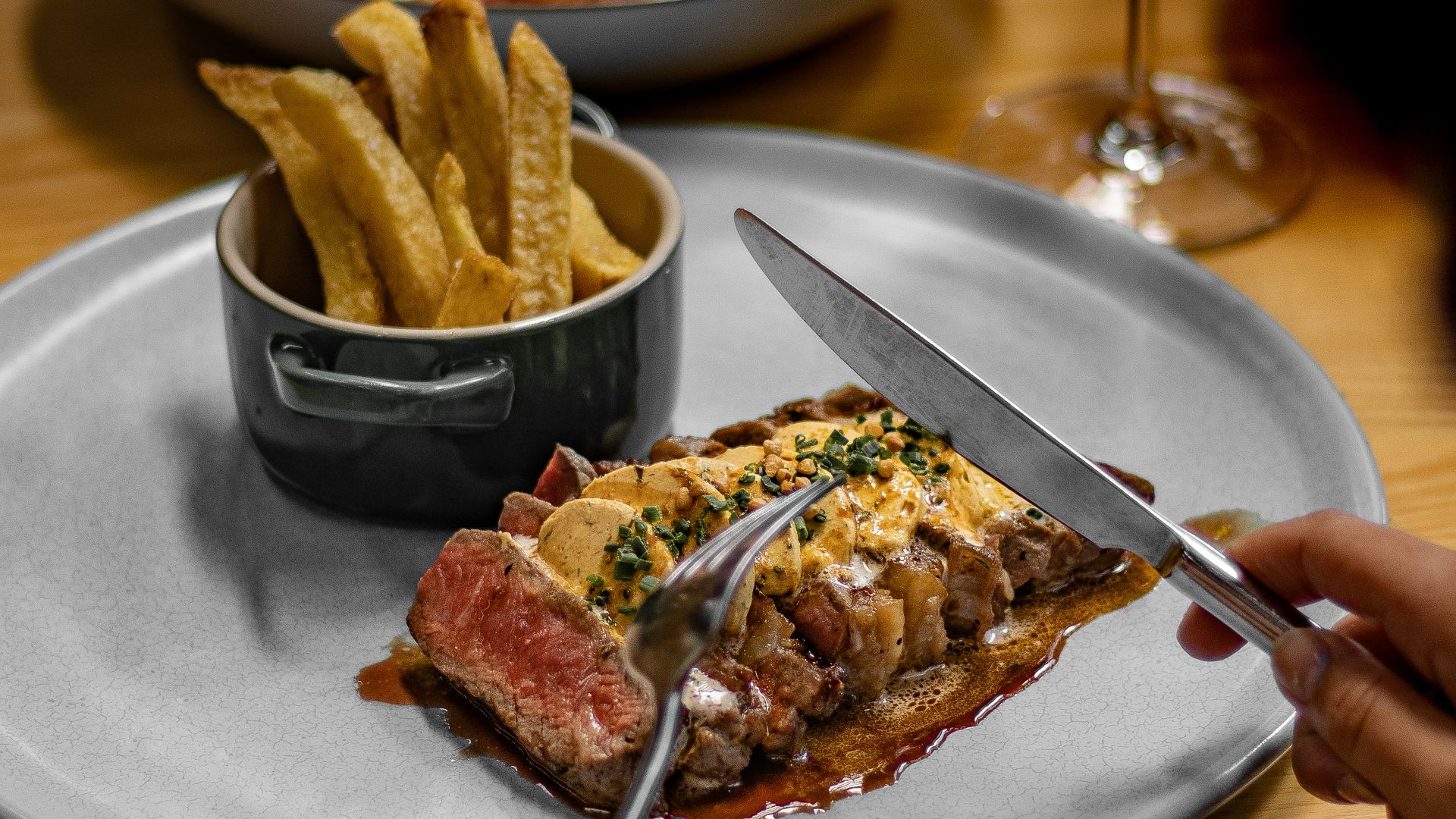
1. Frequent Hunger Between Meals
Protein helps promote feelings of fullness by slowing digestion and stabilizing blood sugar levels. When meals are low in protein, hunger can return quickly even after eating. You may find yourself reaching for snacks more often than usual. Increasing protein intake can help make meals feel more satisfying and lasting.
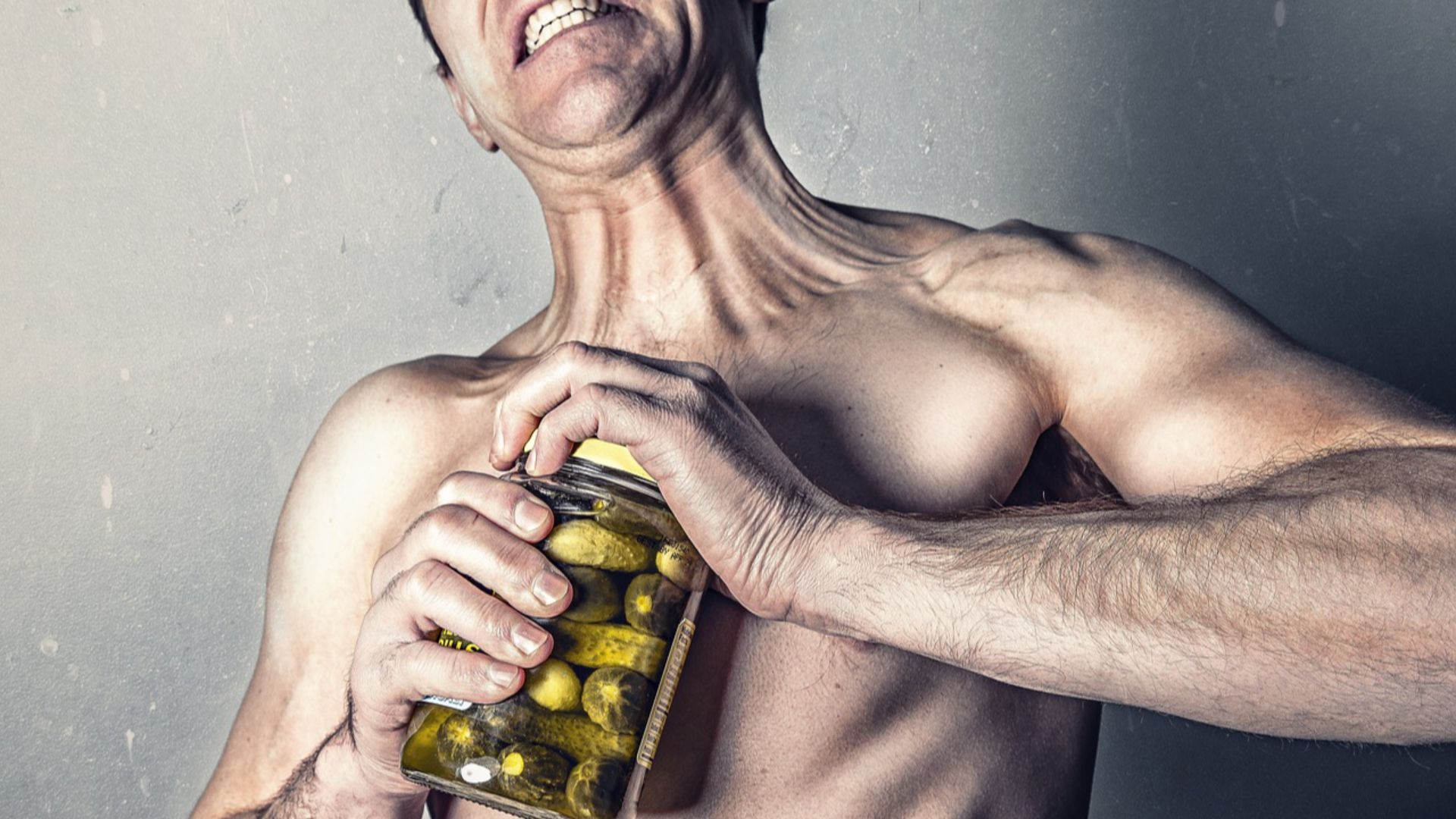
2. Muscle Weakness
Muscle tissue relies on protein to maintain strength and structure. When the body doesn’t receive enough protein, it may begin breaking down muscle to meet its needs. This can lead to reduced strength or difficulty performing physical activities. Adequate protein helps maintain healthy muscle mass.
3. Slow Muscle Recovery
After exercise, muscles need protein to repair and rebuild. If recovery feels unusually slow or soreness lasts longer than expected, protein intake may be insufficient. Proper nutrition helps muscles heal and adapt to physical activity. Including protein after workouts supports the recovery process.
 THE ORGANIC CRAVE Ⓡ on Unsplash
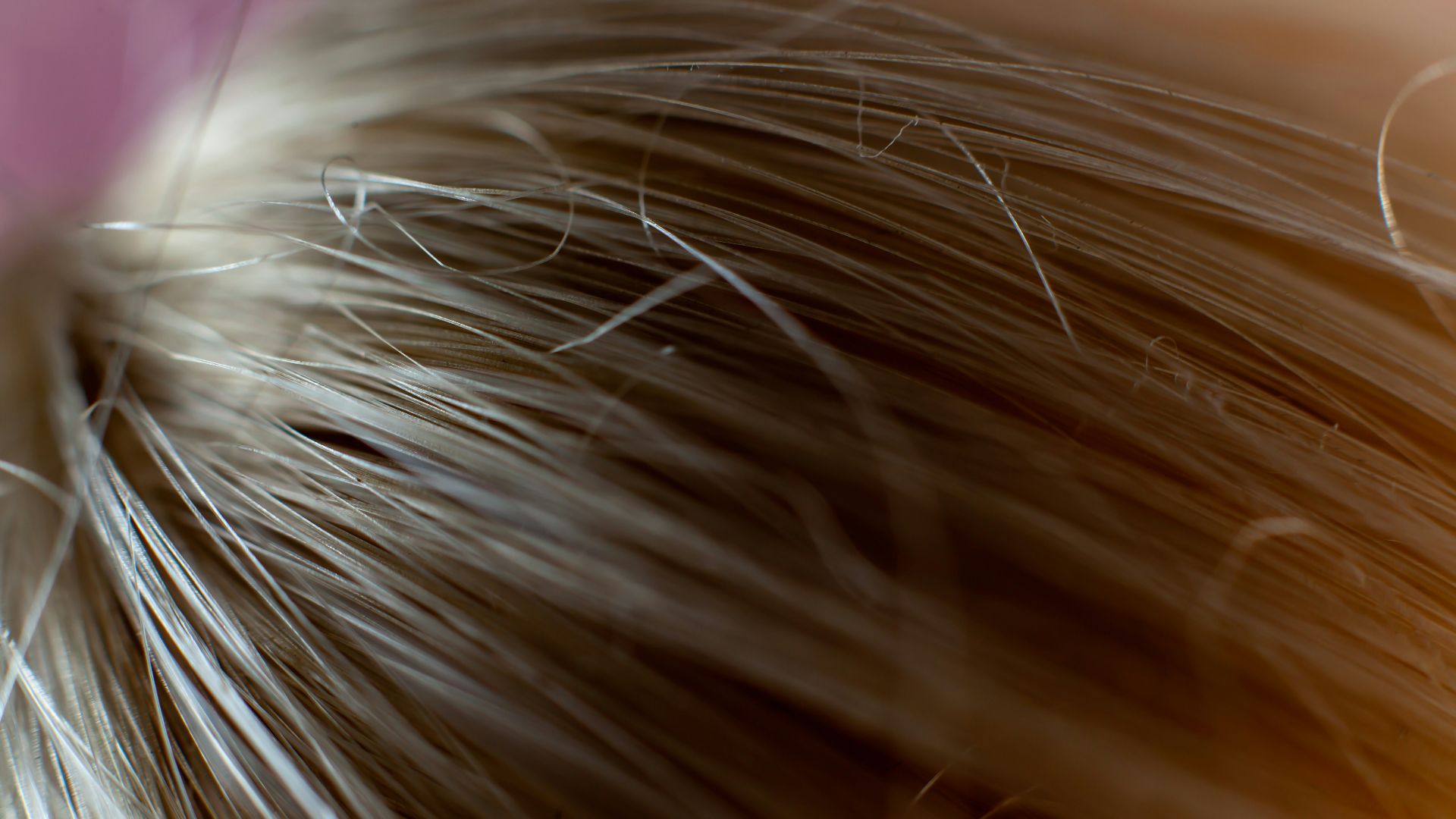
4. Brittle Hair
Hair is largely made from a protein called keratin. When dietary protein is too low, the body may prioritize more essential functions over hair growth. This can result in hair becoming brittle or thinning over time. Adequate protein supports healthy hair structure.
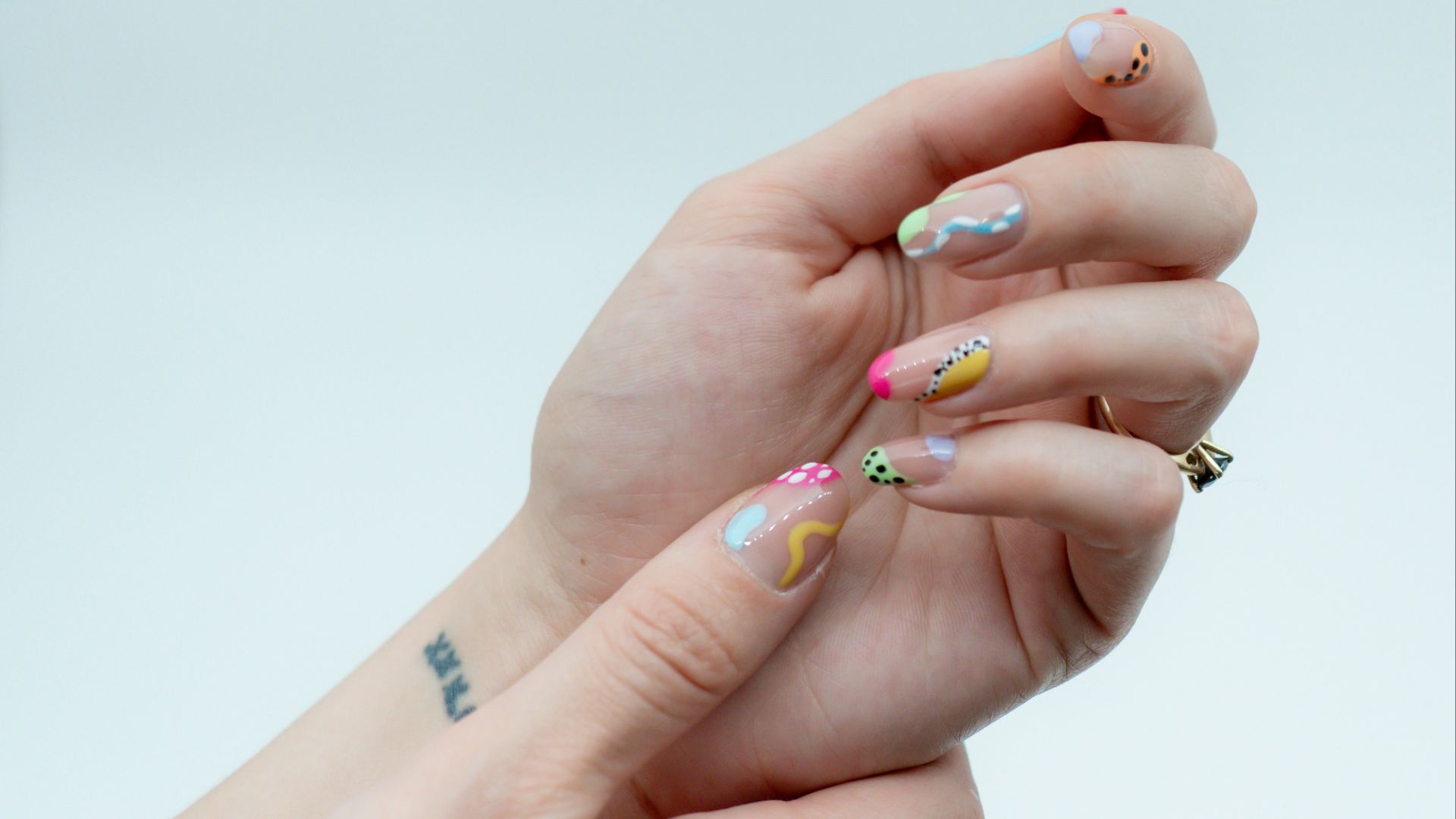
5. Weak or Brittle Nails
Nails, like hair, rely on protein for strength. When the body lacks sufficient protein, nails may become thin, weak, or prone to breaking. While many factors influence nail health, diet plays an important role. A balanced intake of protein supports stronger nail growth.
6. Frequent Illness
Protein contributes to immune system function by helping produce antibodies and immune cells. When intake is too low, the immune response may weaken.

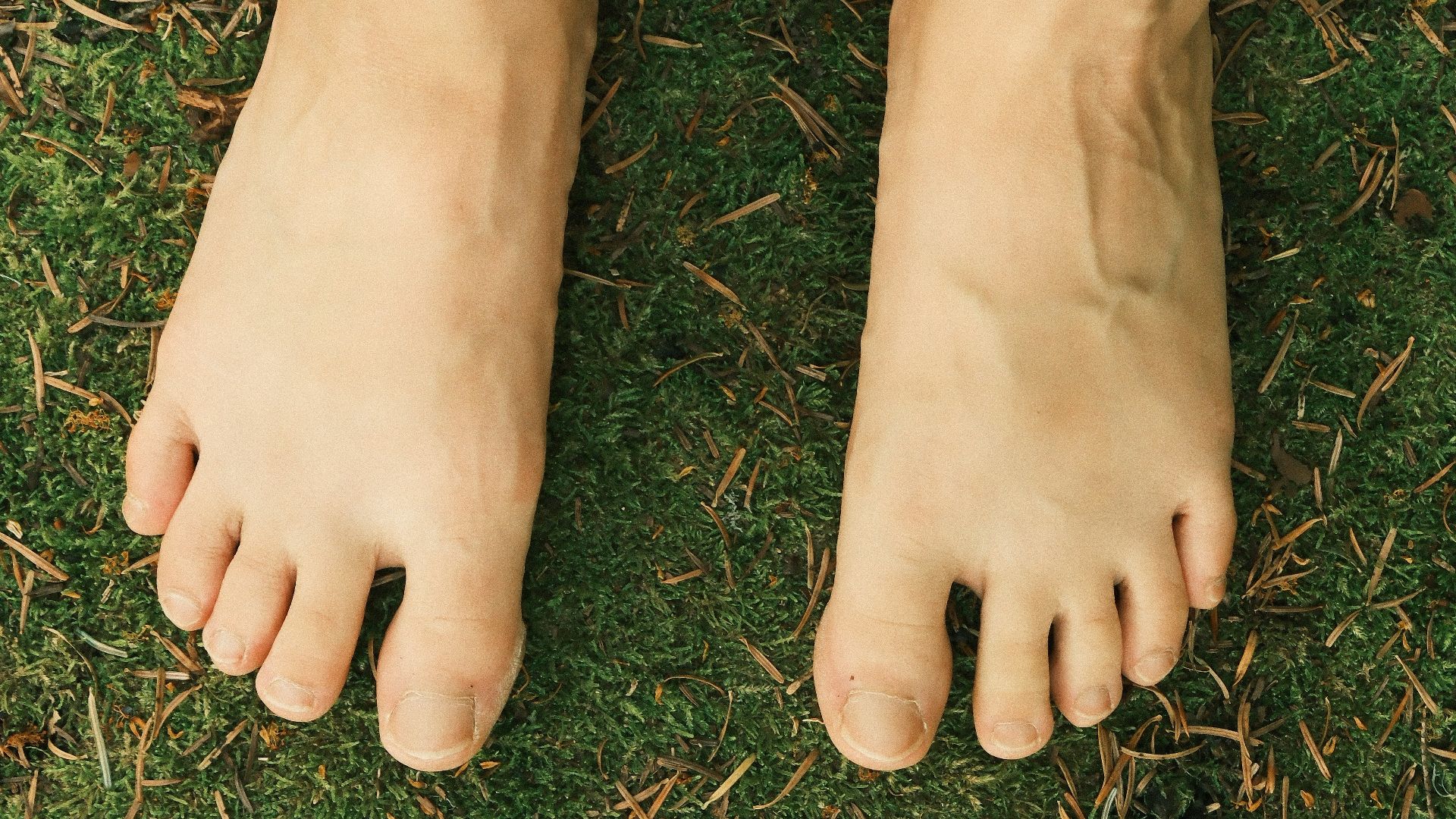
7. Swelling in the Feet or Legs
Severe protein deficiency can sometimes lead to fluid retention in tissues. This occurs because certain proteins help regulate fluid balance in the bloodstream. When levels are too low, swelling may develop in the feet, ankles, or legs. Medical evaluation is important if persistent swelling occurs.
8. Constant Fatigue
Protein supports the production of enzymes and hormones involved in energy metabolism. When intake is inadequate, the body may struggle to maintain steady energy levels. This can lead to persistent tiredness even with adequate sleep. Balanced meals containing protein can help stabilize energy throughout the day.

9. Difficulty Concentrating
The brain relies on neurotransmitters that are partly formed from amino acids, the building blocks of protein. Low protein intake may affect the production of these chemicals.

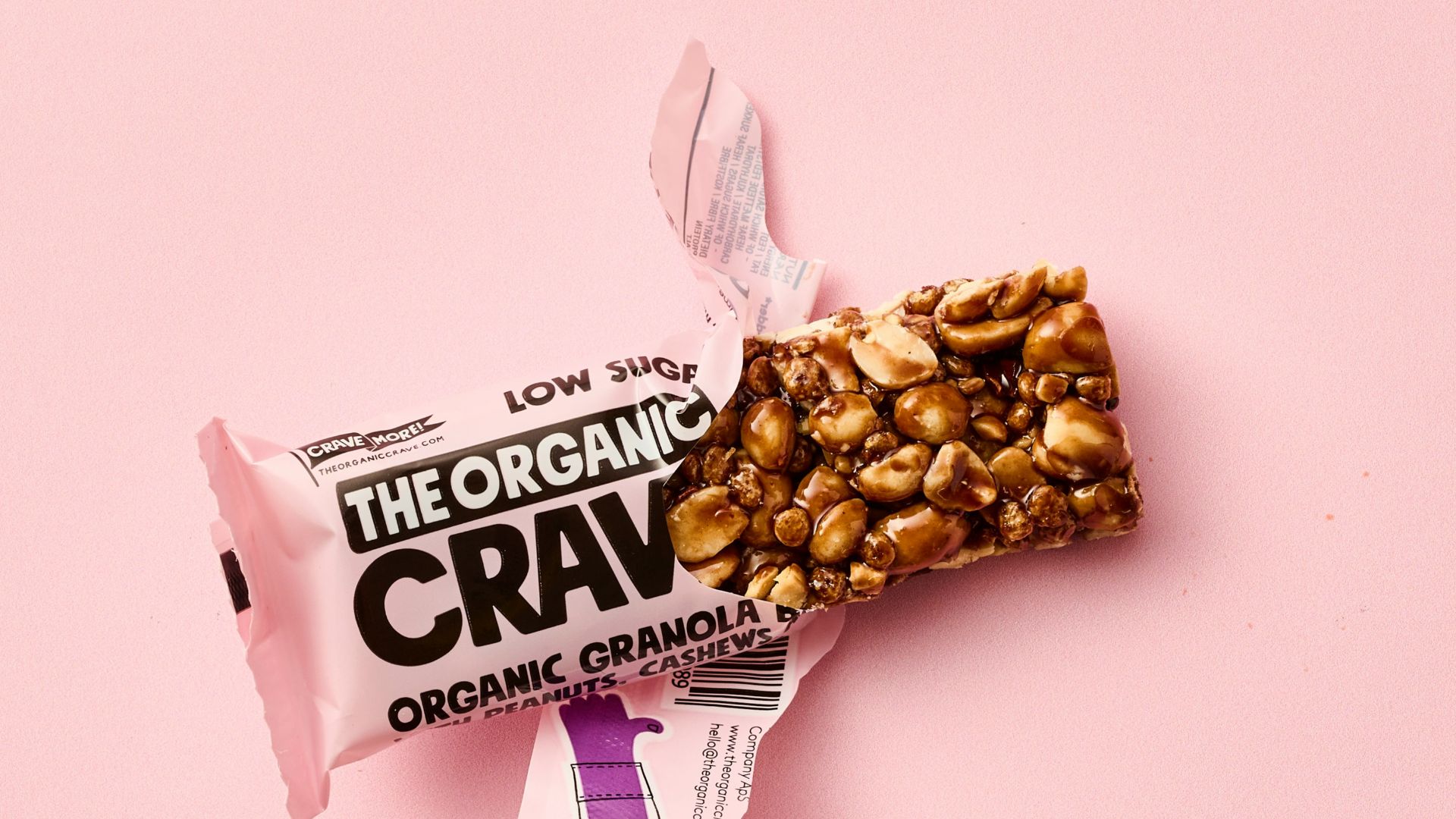
10. Increased Cravings for Sugary Foods
Meals that lack protein often lead to quicker blood sugar fluctuations. These fluctuations can trigger cravings for sugary or high-carbohydrate foods. Protein helps slow digestion and stabilize blood glucose levels. Including protein in meals may reduce sudden cravings.
11. Slow Wound Healing
Protein is essential for repairing tissues and forming new cells. When intake is insufficient, cuts or minor injuries may take longer to heal.

12. Frequent Injuries
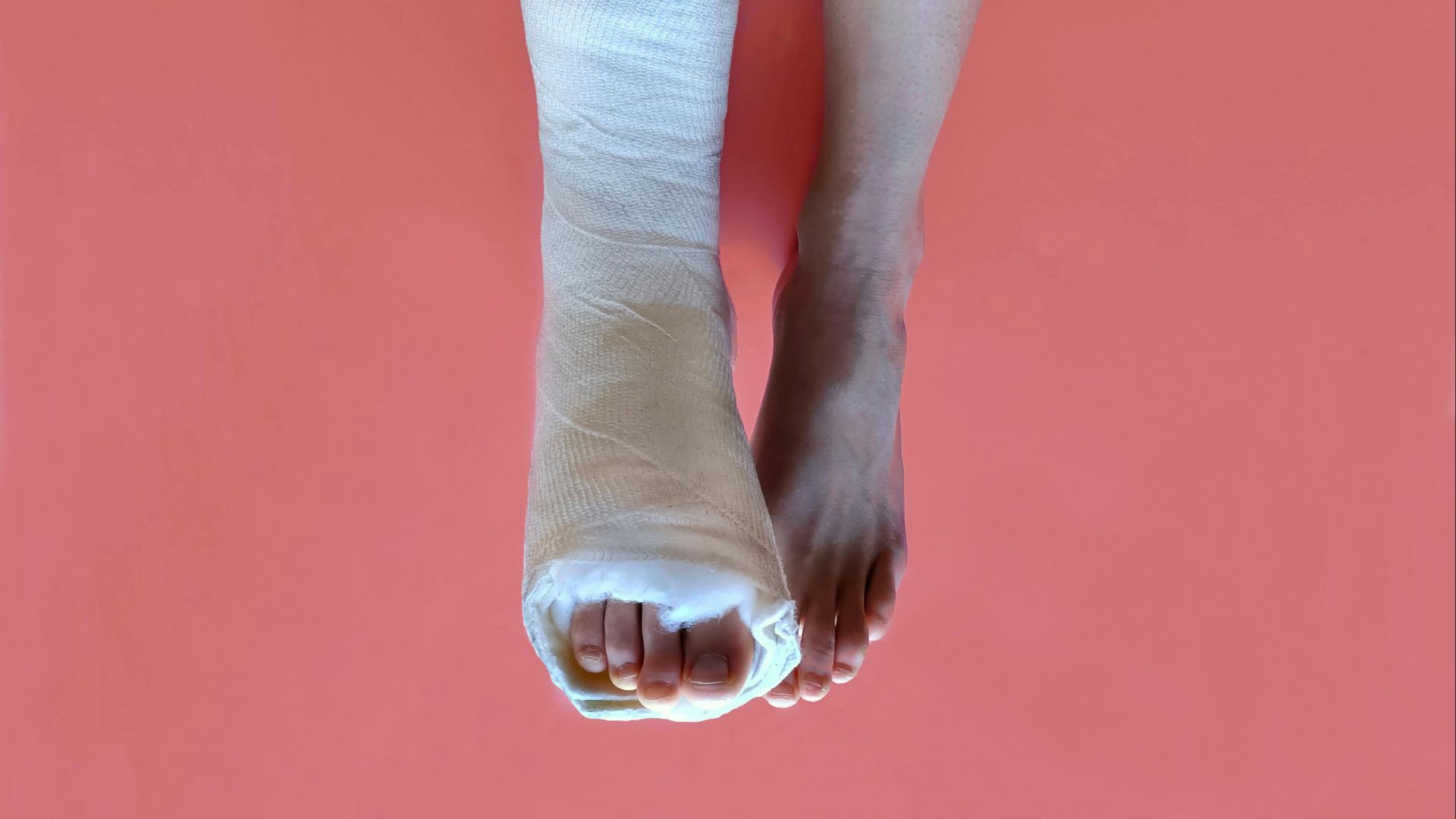
Protein plays a role in maintaining muscles, tendons, and other structural tissues. Without enough protein, these tissues may become weaker over time. This can increase the risk of strains or minor injuries during activity. Proper nutrition helps maintain physical resilience.
13. Reduced Muscle Mass
When the body does not receive enough dietary protein, it may break down muscle tissue to supply essential amino acids. Over time, this can lead to noticeable loss of muscle mass. This is particularly important for older adults, who naturally lose muscle with age. Consuming enough protein helps preserve muscle.

14. Dry or Flaky Skin
Skin cells rely on proteins to maintain their structure and function. Insufficient protein intake may contribute to dryness or slower skin renewal.
15. Feeling Weak After Physical Activity
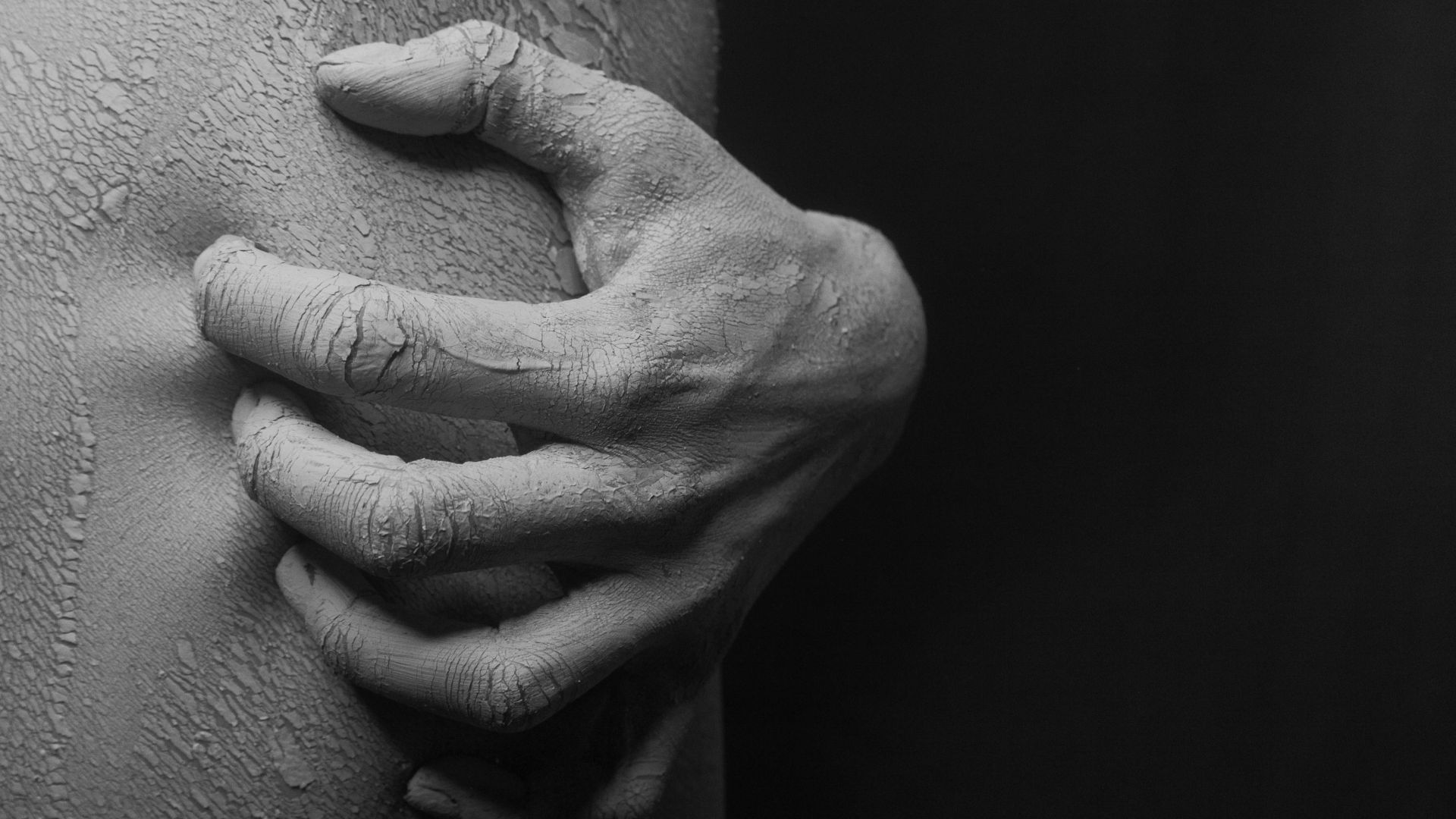
If the body lacks sufficient protein, muscles may not recover effectively after exertion. This can lead to lingering weakness or fatigue following physical tasks. Protein provides the amino acids needed for muscle repair. Including protein in regular meals supports strength and endurance.

16. Increased Appetite Late at Night
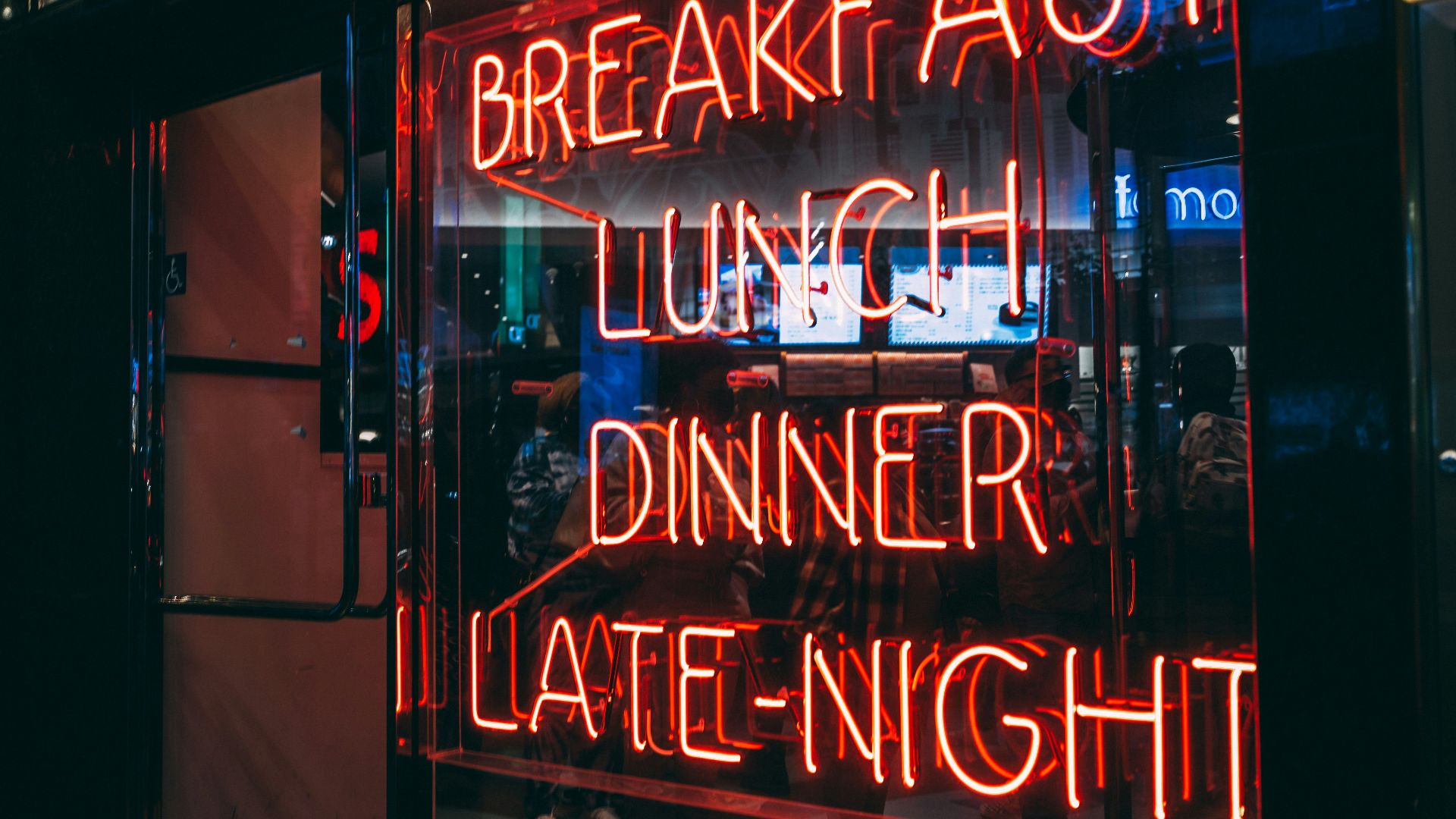
Low protein intake during the day can sometimes lead to hunger later in the evening. Protein helps regulate appetite-related hormones that influence satiety. When meals lack adequate protein, the body may signal a need for additional nutrients later on.
17. Loss of Strength Over Time
Gradual declines in strength can occur when muscles are not receiving enough protein for maintenance. This may become noticeable during everyday tasks like lifting objects or climbing stairs. While aging also affects strength, diet plays a significant role. Adequate protein helps maintain functional strength.
18. Thinning Hair Over Time
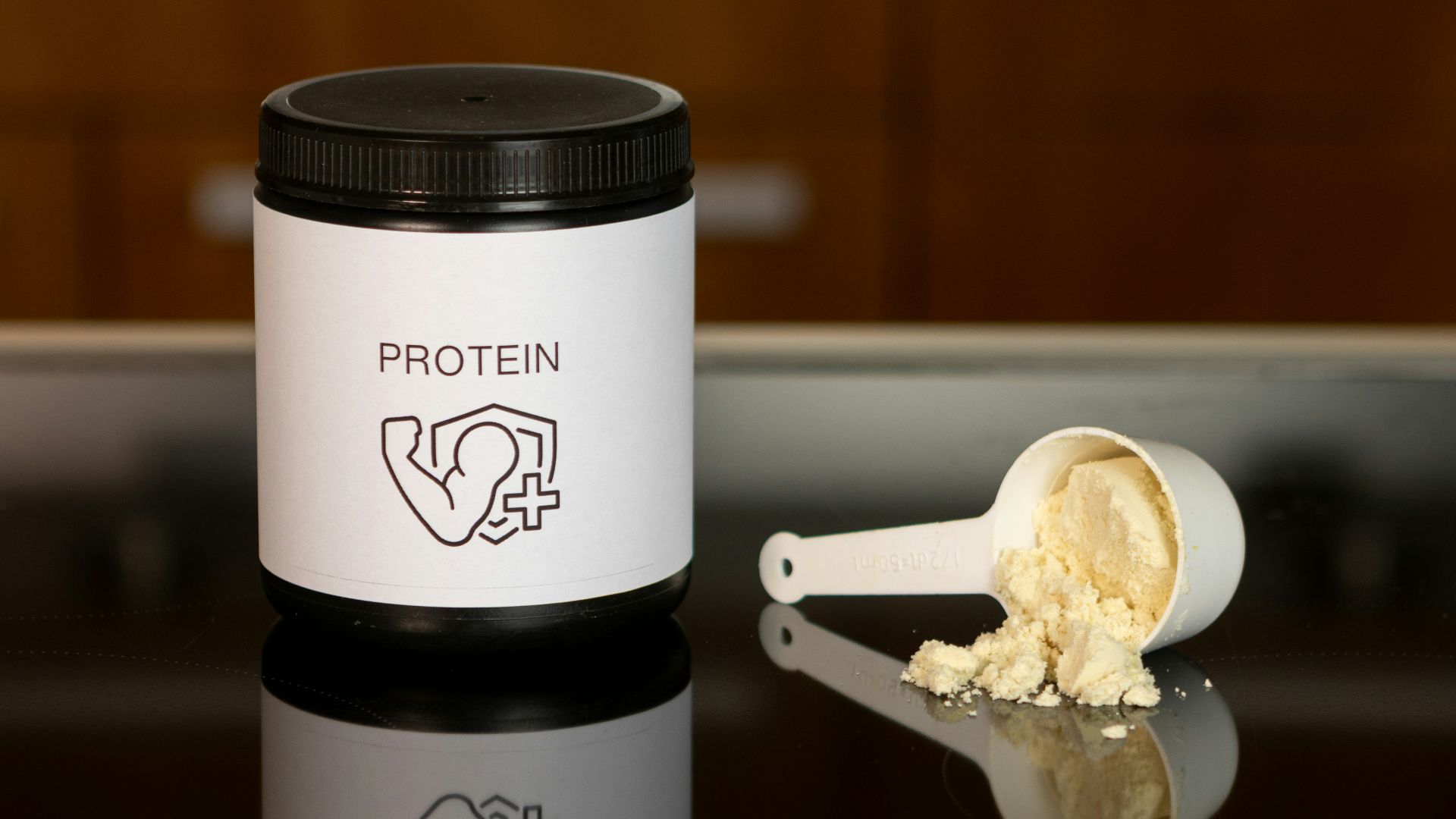
When protein intake is consistently low, hair growth cycles may change. Some hair follicles may enter resting phases earlier than normal. This can lead to gradual thinning over time. Maintaining balanced nutrition supports healthy hair growth patterns.

19. Difficulty Maintaining a Healthy Weight
Protein helps regulate appetite and supports lean muscle mass. Muscle tissue burns more energy than fat tissue, even at rest. Without adequate protein, maintaining a balanced body composition can become more difficult.
20. Feeling Unsatisfied After Meals
Meals that lack protein often fail to create lasting fullness. This can lead to continued snacking or larger portion sizes later. Protein contributes significantly to satiety compared to many other nutrients.

KEEP ON READING

20 Ways You're Hurting Your Body Without Realizing