The Everyday Habits Nurses Wish You’d Drop
Nurses are trained to stay calm and professional, even when a shift gets chaotic, but that doesn't mean every patient habit is easy to deal with. While they’ll never tell you outright that things are bothersome, it doesn’t take much to realize that some behaviors slow down care, create unnecessary stress, or make an already demanding job harder than it needs to be. Let’s dive into a few things that stir the pot.

1. Hitting the Call Button for Everything
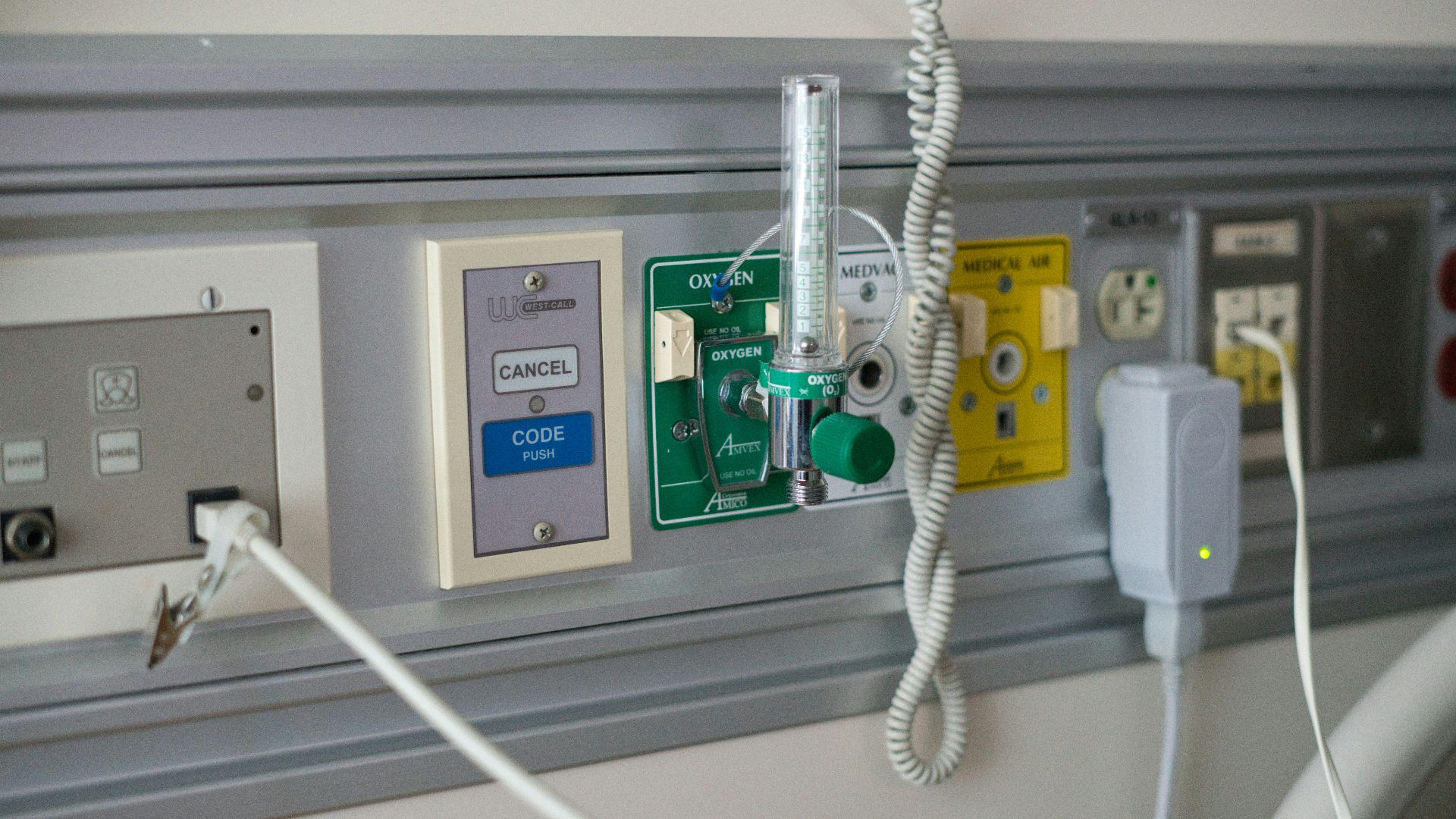
Using the call button for legitimate help is exactly what it's there for, but ringing it every few minutes for minor preferences can wear staff down fast. When a nurse is juggling medications and urgent patient issues, nonessential calls pull attention away from people who may truly need immediate help.
2. Ignoring Instructions
It’s bad enough to fluff off instructions, but what makes it worse is when patients openly complain about the aftermath. At that point, the nurse isn't just managing your condition; they're also dealing with the choices they tried to help you avoid.

3. Treating Nurses Like Assistants
There's a big difference between asking for care and expecting hotel-style service at all hours. Nurses help with comfort, but their role is medical, and it’s irritating when patients act as though fresh ice is as urgent as a medication issue.

4. Saying They're in “Ten Out of Ten” Pain When They’re Not
Pain is personal, and nurses know that not everyone shows discomfort the same way. However, patients do lose credibility when their words and behavior don't match. If someone says they're in unbearable agony while chatting casually, the staff may naturally question what's going on.

5. Refusing Medication
Some patients shut down the conversation as soon as medication’s mentioned, even when the nurse is trying to explain its importance. Asking questions is smart, but dismissing treatment before hearing anything out can make care much more difficult. Nurses don't mind caution—but they do get frustrated when concern turns into stubborn resistance.

6. Mentioning Things at the Last Minute
It’s not always easy to remember everything in your noodle, but it’s a little annoying when you stop the nurse once she’s out the door. Soon, one thing becomes three more requests, two questions, and a complaint about the pillow.

7. Being Rude to Staff
Hospitals are incredibly stressful for just about everyone involved, but that’s no reason to lash out at staff. Remember: snapping doesn't stop being rude just because you're in a hospital bed, and nurses go through more harassment than you think. They don’t need someone else adding to it.

8. Assuming the Nurse Controls Everything
Patients often act as though the nurse personally sets hospital policy, writes the doctor’s orders, approves discharge timing, and controls the kitchen schedule. In reality, they work within systems they didn't create and can't change. Getting angry at them usually lands on the wrong person.

9. Being Dishonest
It doesn’t matter what happened. The how and why isn’t embarrassing. What is embarrassing is forgoing crucial details and hoping the nurse just figures things out. Nurses aren't asking questions to judge you, and most have heard far stranger things than whatever you're trying to hide.
10. Letting Family Members Debate the Staff
Family support is crucial for healing patients; there’s no denying that! However, some visitors make every conversation more complicated than it needs to be. Nurses then get stuck repeating the same explanation to five different people, all while trying to keep the patient on track.

11. Ignoring Diet Restrictions
Food rules are one of the biggest conflict zones in patient care because people simply decide they don't count if they're hungry enough. And what happens then? Nurses get blamed when a patient who's supposed to be fasting orders snacks or sneaks food.
12. Recording Staff Without Consent
Some patients pull out a phone and start filming without warning, which only creates tension. Nurses are there to work, not to wonder whether every word and movement is being captured for social media or a future complaint. Trust drops quickly when a room feels like a surveillance zone.

13. Acting Like Google Outranks Clinicians
Patients have every right to research their symptoms, and there’s no shame in asking questions, but things go sideways when those searches are treated as more reliable. Nurses spend valuable time correcting dramatic misconceptions that came from a late-night internet spiral, so make sure you hear out the actual professional.

14. Getting Out of Bed After Being Told Not To
Fall risks are serious, and nurses don’t just make up precautions. When a patient stands up alone and then nearly falls, the nurse is left managing both the danger and the paperwork that follows. If you need to get up, that’s what the call button’s for!

15. Expecting Instant Responses During a Busy Shift
Hospitals don’t exactly grant each patient uninterrupted one-on-one attention. That’s not on your nurse or doctor, either! You never know what’s going on behind the scenes, so don’t blow a gasket if they can’t get to you right away.

16. Being Selectively Helpless
Nurses notice when a patient says they can't adjust a blanket or pick up a cup…only to manage just fine when something more interesting happens. Genuine limitations are taken seriously, but exaggerated dependence can test anyone's patience.
17. Demanding Updates and Then Not Paying Attention
Few things are more draining than explaining a plan carefully, answering questions, and then being asked the same thing two minutes later—all because the patient wasn't listening. Casual disinterest is different from confusion. If you want clear communication, meeting the staff halfway makes a difference.

18. Assuming a Friendly Nurse Can Talk and Talk
Warm, talkative nurses make anyone’s stay a little easier. There’s no shame in making conversation when the moment calls for it. However, kindness shouldn't be mistaken for unlimited free time.

19. Saving Bad Behavior for the Night Shift
Some patients seem perfectly reasonable during the day, then become oddly dramatic once the lights are low. Night nurses deal with fewer resources and more interruptions, so making those hours harder is something they rarely forget.

20. Forgetting That Nurses Are Human Beings
At the center of all of this is one simple issue: some patients stop seeing the nurse as a person. Nurses get tired. They get overloaded and emotionally drained, too. There’s no point in making their lives miserable!

KEEP ON READING



20 Natural Ways You Can Boost Your Immune System

20 Ways To De-stress & Relax After Work
The 10 Most Common Diseases & The 10 Most Rare