

Bless You!
Have you been sneezing more lately? Unless you have a diagnosed allergy, you might be at your wits' end, wondering what in the world keeps tickling your nose. Sneezing, after all, is your body's way of clearing irritants from the nasal passages, and though it's usually harmless, it can be annoying, relentless, and downright exhausting when it won't let up. Here are 10 common triggers that may help you narrow down what's causing you to achoo! and 10 tips for quick relief.
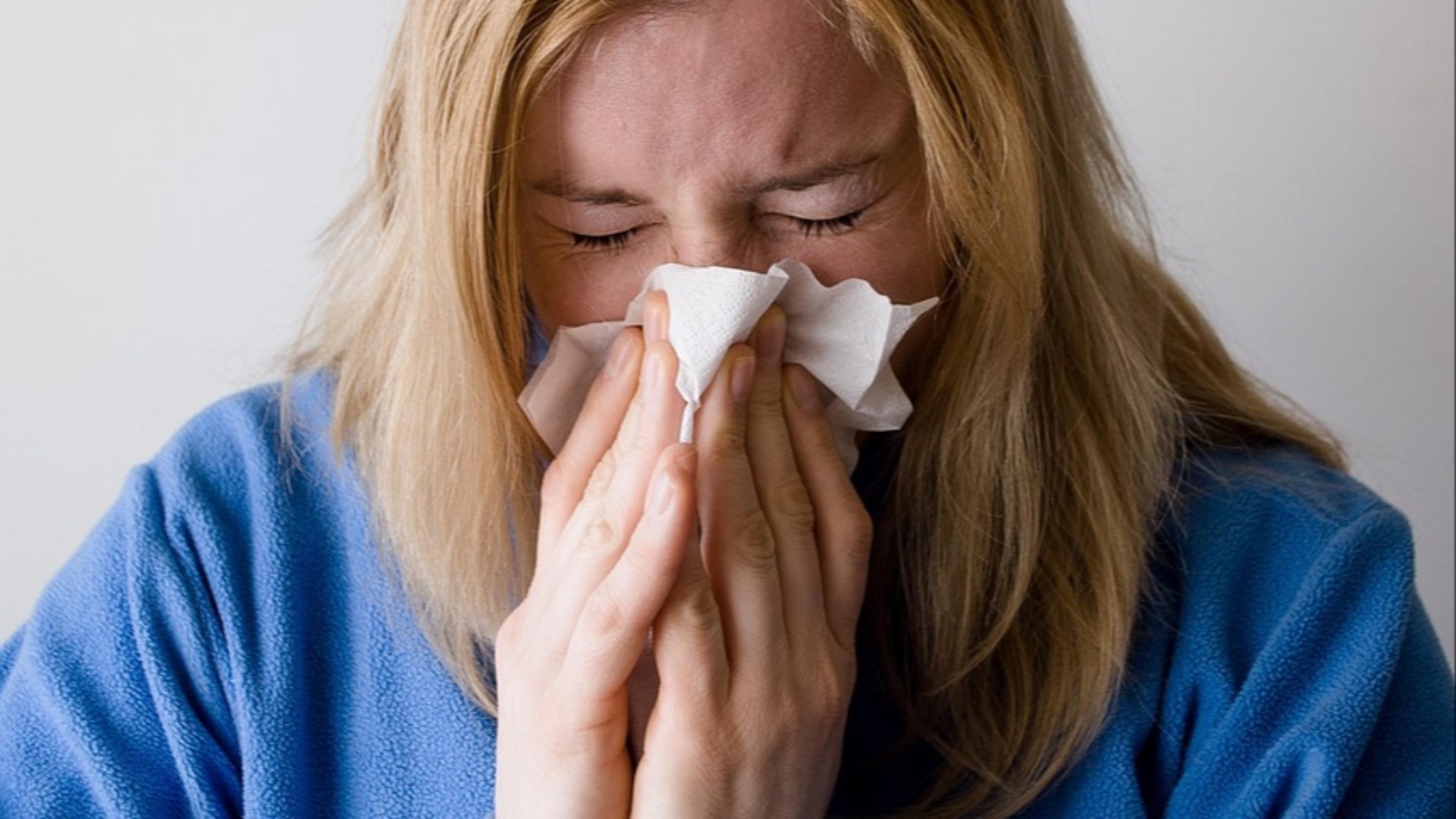
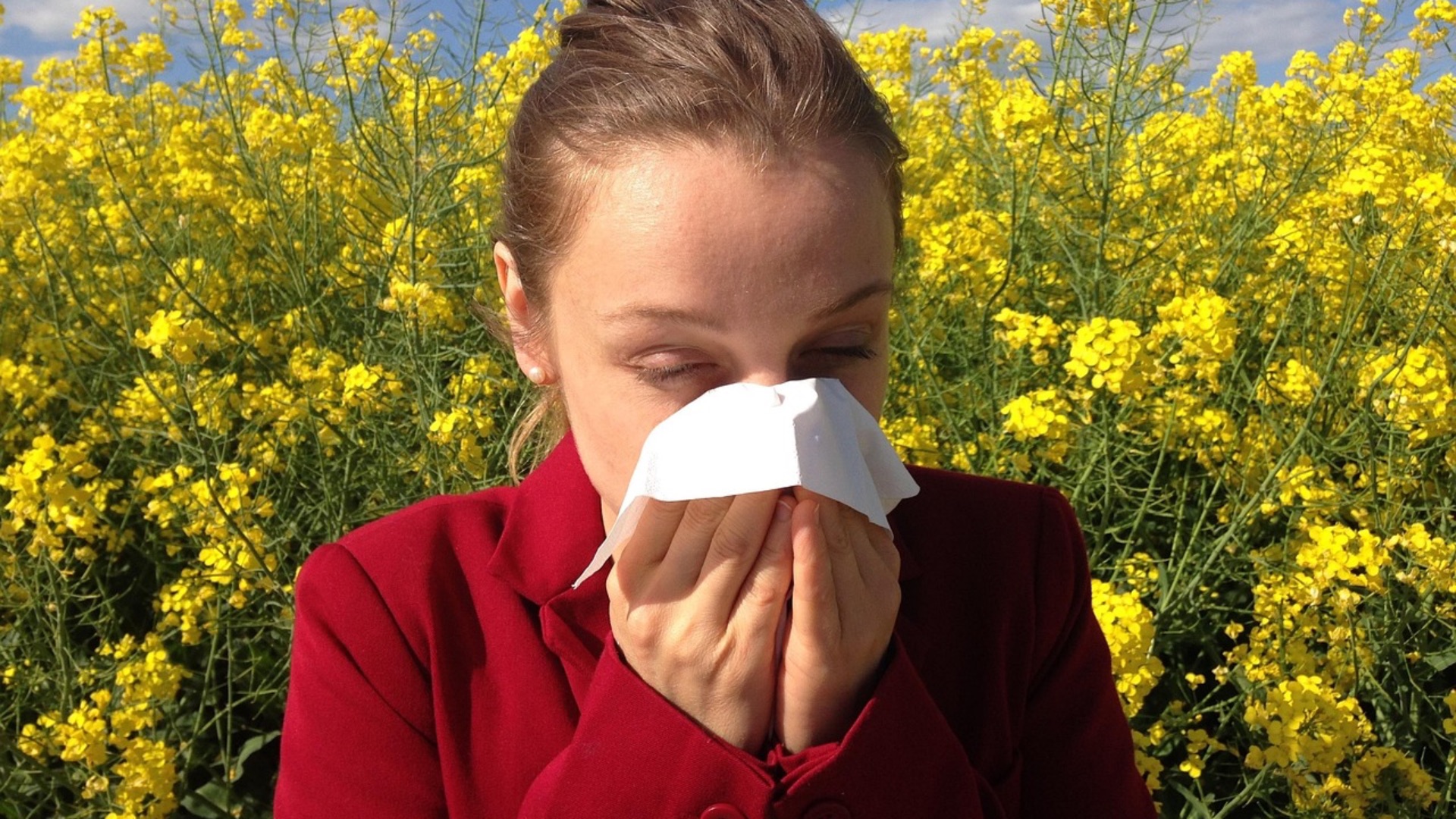
1. Pollen
Pollen is one of the most widespread sneezing triggers out there, affecting millions of people during spring, summer, and fall when trees, grasses, and weeds release it into the air. If you're allergic, your immune system treats pollen as a threat and releases histamine in response, which is what causes the sneezing, itching, and congestion that come with hay fever. Pollen counts tend to be highest in the morning and on warm, windy days, so paying attention to daily forecasts can help you plan accordingly.
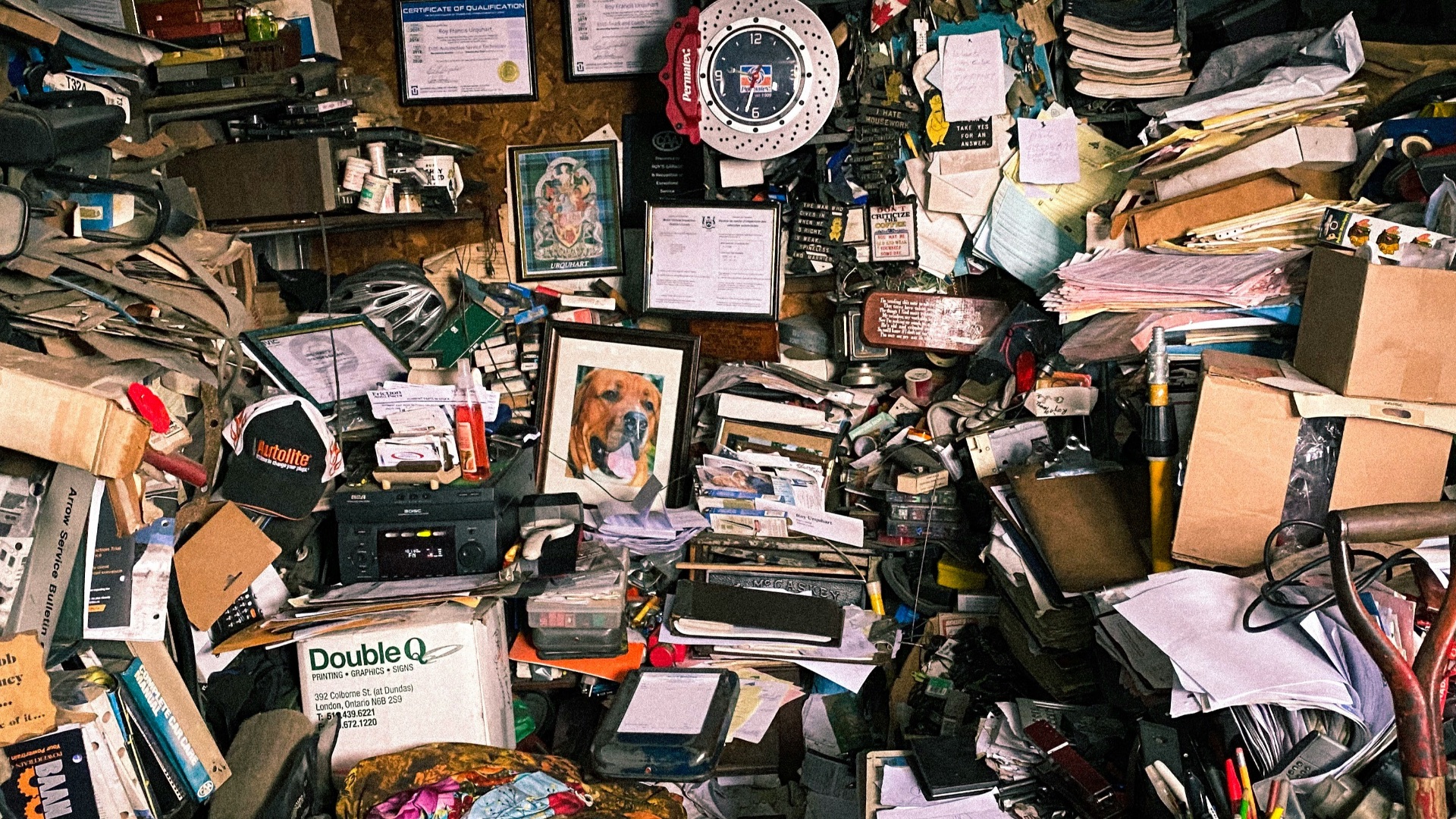
2. Dust and Dust Mites
Household dust is rarely just dust; rather, it's a mixture of skin cells, fabric fibers, and microscopic dust mites that can trigger sneezing fits even in people who don't consider themselves allergy-prone. Dust mites thrive in bedding, upholstered furniture, and carpets, making them difficult to avoid entirely without some deliberate effort. Regular washing of bedding in hot water and using allergen-proof covers on pillows and mattresses can significantly reduce your exposure.
3. Pet Dander
If you've ever walked into a home with cats or dogs and immediately started sneezing, pet dander is almost certainly the culprit. Dander consists of tiny flakes of skin shed by animals, and it's lightweight enough to stay airborne for long periods and settle on furniture, clothing, and walls. It's worth noting that no breed is truly hypoallergenic, though some do produce less dander than others.

4. Strong Perfumes and Fragrances
Heavily scented products like perfumes, colognes, air fresheners, and scented candles can irritate the nasal lining and trigger sneezing even in people without traditional allergies. People with fragrance sensitivity often find that their symptoms are worse in enclosed spaces where scents have nowhere to dissipate.

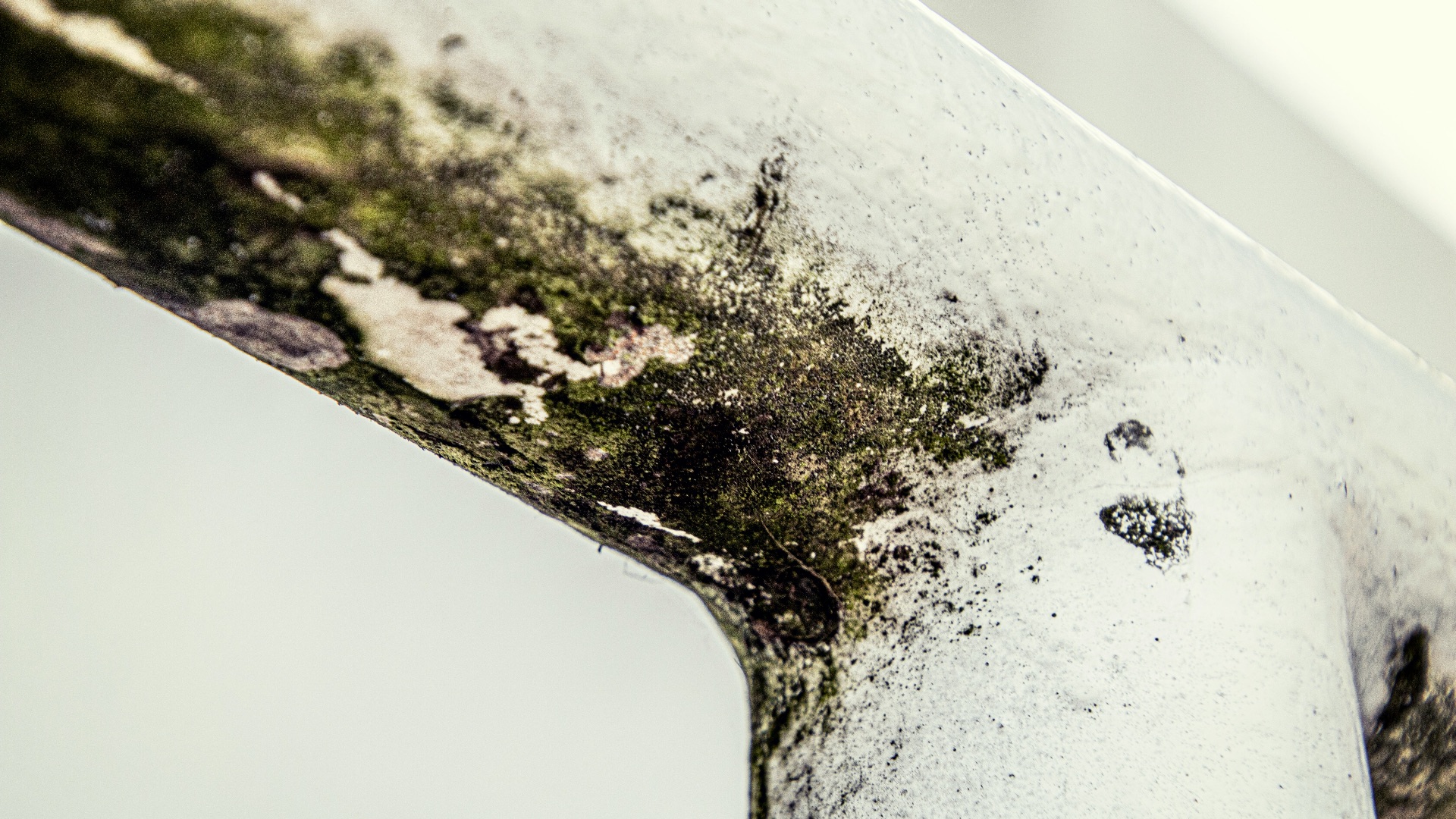
5. Mold Spores
Mold releases tiny spores into the air that your nose can pick up easily, particularly in damp or poorly ventilated areas like bathrooms, basements, and kitchens. Mold allergies can cause persistent sneezing that's easy to mistake for a cold, especially during humid weather or in older buildings with moisture issues. Keeping indoor humidity levels below 50% and fixing any leaks promptly are two of the most effective ways to keep mold growth in check.
6. Bright Light
Stepping outside on a sunny day and suddenly sneezing has a name: photic sneeze reflex, and it affects somewhere between 18-35% of the population. It's hypothesized to happen because the optic nerve and the trigeminal nerve, which controls sneezing, are located close together, and a sudden burst of bright light can accidentally stimulate both. It's a genetic trait, so if one of your parents is a sun sneezer, there's a reasonable chance you are too.

7. Cold Air
Breathing in a sharp rush of cold air can irritate the nasal passages and trigger sneezing, particularly when you step from a warm indoor environment into the cold outdoors. The sudden temperature shift causes the nasal lining to react defensively, producing excess mucus and triggering the sneeze reflex as a way of managing the change. People with existing nasal sensitivities or respiratory conditions tend to find cold air more problematic than those without.

8. Spicy Foods
Eating spicy food can set off a sneezing response that has nothing to do with allergies and everything to do with the compound capsaicin, which is what gives chili peppers their heat. Capsaicin stimulates the same nerve endings in your nasal passages that react to irritants, which can cause sneezing during or shortly after a spicy meal.

9. Common Cold and Flu
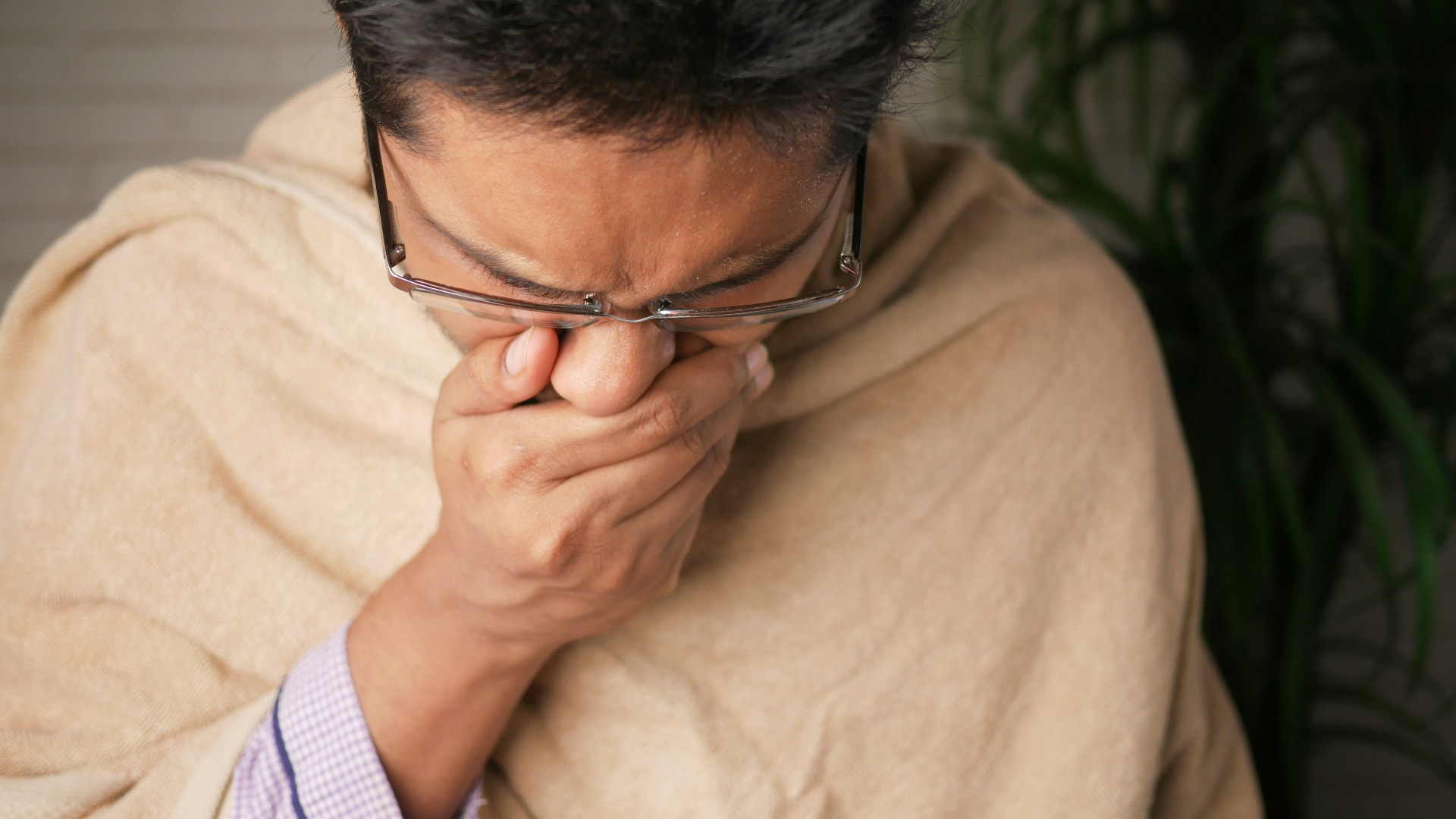
Sneezing is one of the earliest and most recognizable symptoms of both the common cold and the flu, occurring as your body tries to expel the virus from the nasal passages. Unlike allergy-related sneezing, cold and flu sneezing is typically accompanied by other symptoms like a sore throat, fatigue, and a runny nose that progresses over the course of a few days. Frequent hand washing and avoiding close contact with people who are sick are your best defenses against picking up the viruses that cause these illnesses.
10. Hormonal Changes
Sneezing more than usual during pregnancy or at certain points in your menstrual cycle isn't just a coincidence; hormonal fluctuations can cause the nasal passages to swell and become more reactive to everyday irritants. Estrogen in particular has been shown to influence nasal congestion and sensitivity, which is why some people experience a noticeable uptick in sneezing during specific hormonal phases. It's a temporary and normal response, though it can be frustrating when it shows up without an obvious external trigger.
Looking for fast relief? We've got you. Read on for some tips on how you can stop sneezing.

1. Try Antihistamines
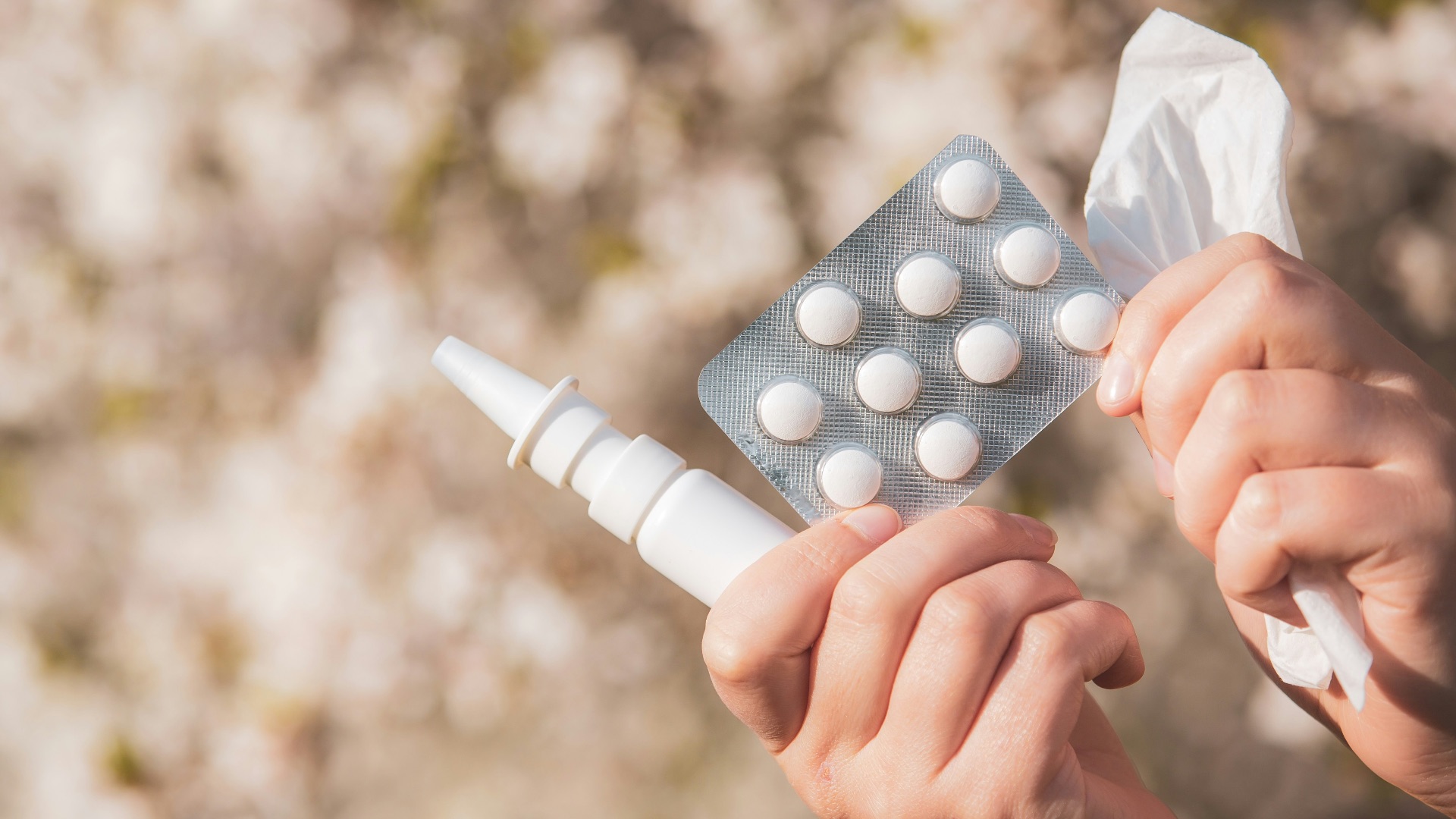
Over-the-counter antihistamines are one of the most effective first-line treatments for sneezing caused by allergies, working by blocking the histamine response that triggers symptoms in the first place. Non-drowsy formulas are widely available and can provide relief within an hour for most people, making them a convenient option for managing both sudden and ongoing sneezing. Taking them before you know you'll be exposed to a trigger, such as before visiting a home with pets, can be even more effective than waiting until symptoms start.
2. Rinse with a Saline Nasal Spray
Saline nasal sprays work by flushing irritants, allergens, and excess mucus out of the nasal passages, which can stop sneezing at the source rather than just masking the symptom. They're safe to use multiple times a day, require no prescription, and are suitable for people of all ages, including during pregnancy when many medications are off the table. Keeping a small bottle in your bag means you'll always have a quick, drug-free option on hand when sneezing strikes unexpectedly.
3. Keep Windows Closed
On days when pollen counts are elevated, keeping your windows closed and relying on air conditioning instead can make a significant difference in how much allergen you're inhaling at home. It might feel like a shame to close out fresh air on a nice day, but the trade-off is worth it if pollen is a consistent trigger for you.
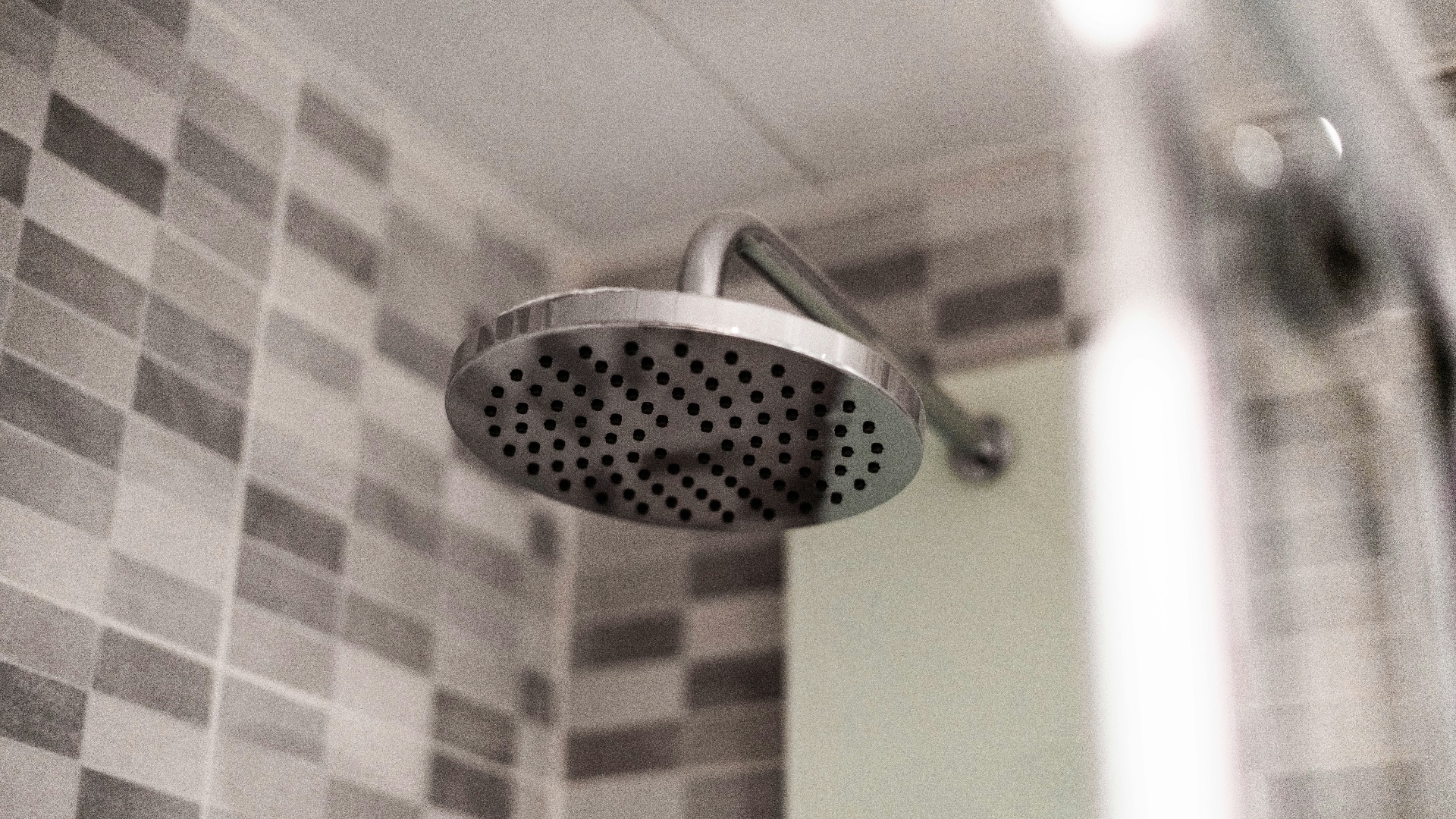
4. Shower After Being Outdoors
When you've spent time outside during high-pollen periods, pollen clings to your hair, skin, and clothing, meaning you're continuing to expose yourself to the trigger even after you've come inside. Showering and changing your clothes after outdoor activities is one of the most effective ways to remove allergens from your body before they have a chance to keep irritating your nasal passages.
5. Tickling the Roof of Your Mouth
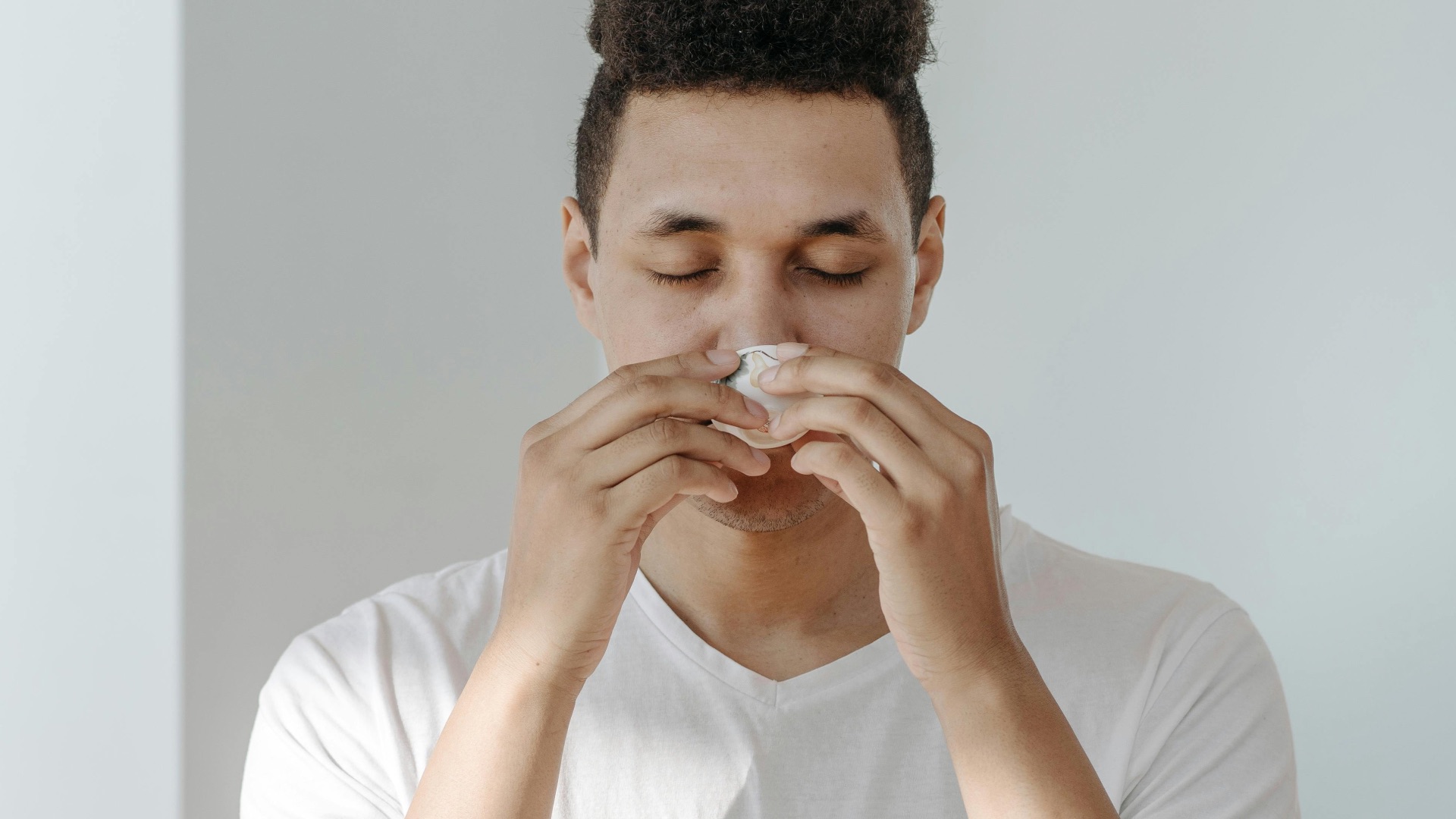
If you feel a sneeze coming on, try pressing your tongue to the roof of your mouth and "tickling" yourself for a few seconds to see if it disrupts the reflex. The stimulation is thought to interfere with the nerve signals involved in triggering a sneeze, giving you just enough of a pause to stop it from happening. It's worth noting that there's no scientific research to back this up yet, but it's a harmless technique that many people find worth trying.

6. Pinch the Bridge of Your Nose
If you feel a sneeze coming on and need to suppress it quickly, applying firm pressure to the bridge of your nose with your fingers can sometimes interrupt the sneeze reflex before it fully develops. This technique works by disrupting the nerve signal that triggers the sneeze, and while it doesn't work every single time, many people find it reliably effective in a pinch (pun intended).

7. Eat Anti-Inflammatory Foods
A diet rich in anti-inflammatory foods like berries, leafy greens, ginger, and foods high in omega-3 fatty acids can help calm the immune system's overreaction to allergens over time. Quercetin, a natural compound found in onions, apples, and green tea, has been studied for its ability to stabilize the cells that release histamine, which may help reduce allergy-related sneezing. While diet alone won't replace medication for severe allergies, it can be a meaningful supporting strategy when combined with other approaches.
8. Blow Your Nose
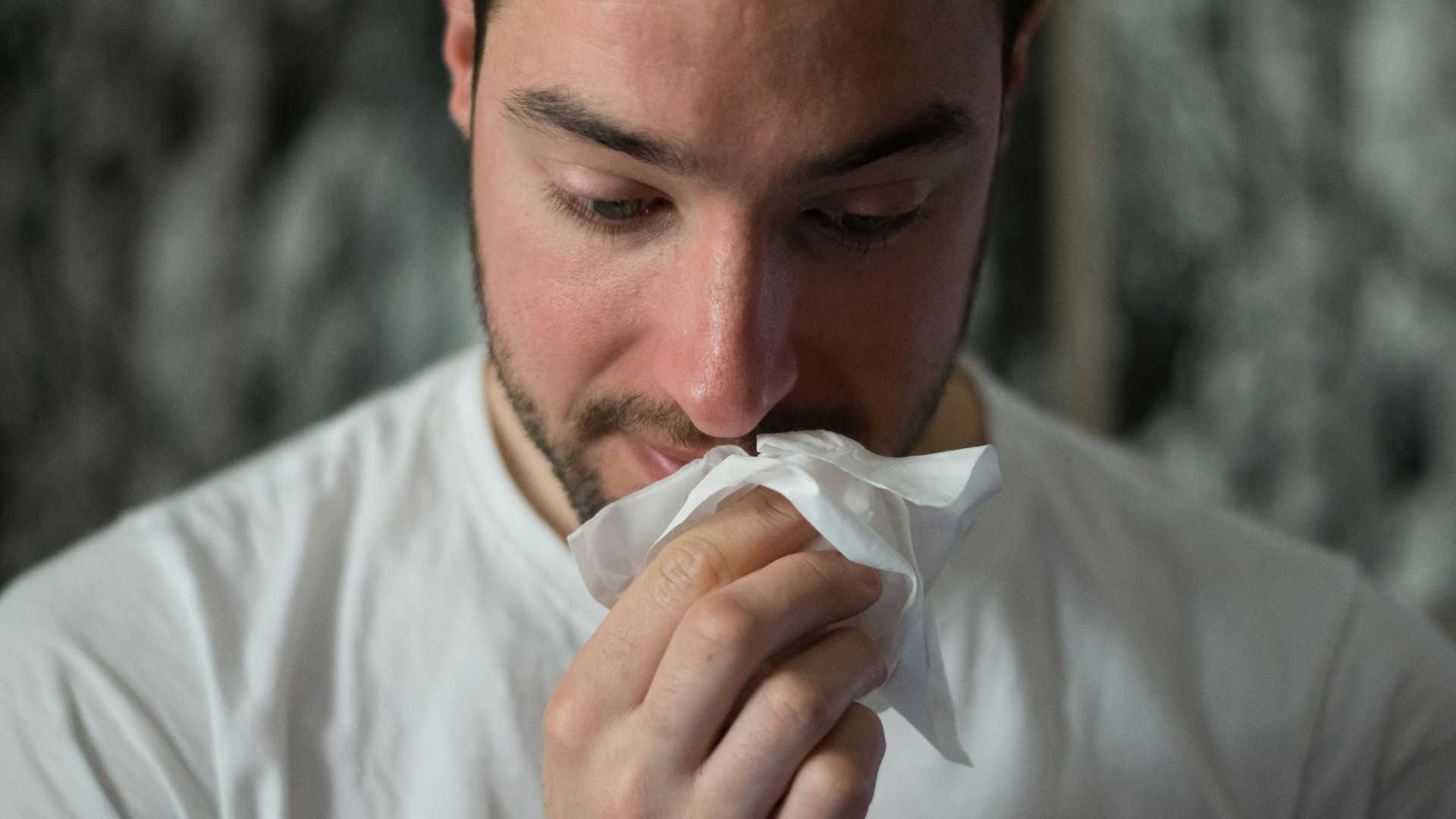
Blowing your nose when you feel a sneeze coming on may help by clearing out whatever irritant is triggering the reflex in the first place. It doesn't work every time, and some people find they sneeze immediately afterward anyway, so it's more of a helpful first attempt than a guaranteed fix. Keeping tissues close by means you'll always be ready to give it a shot before the sneeze takes over.
9. Vacuum and Dust Regularly
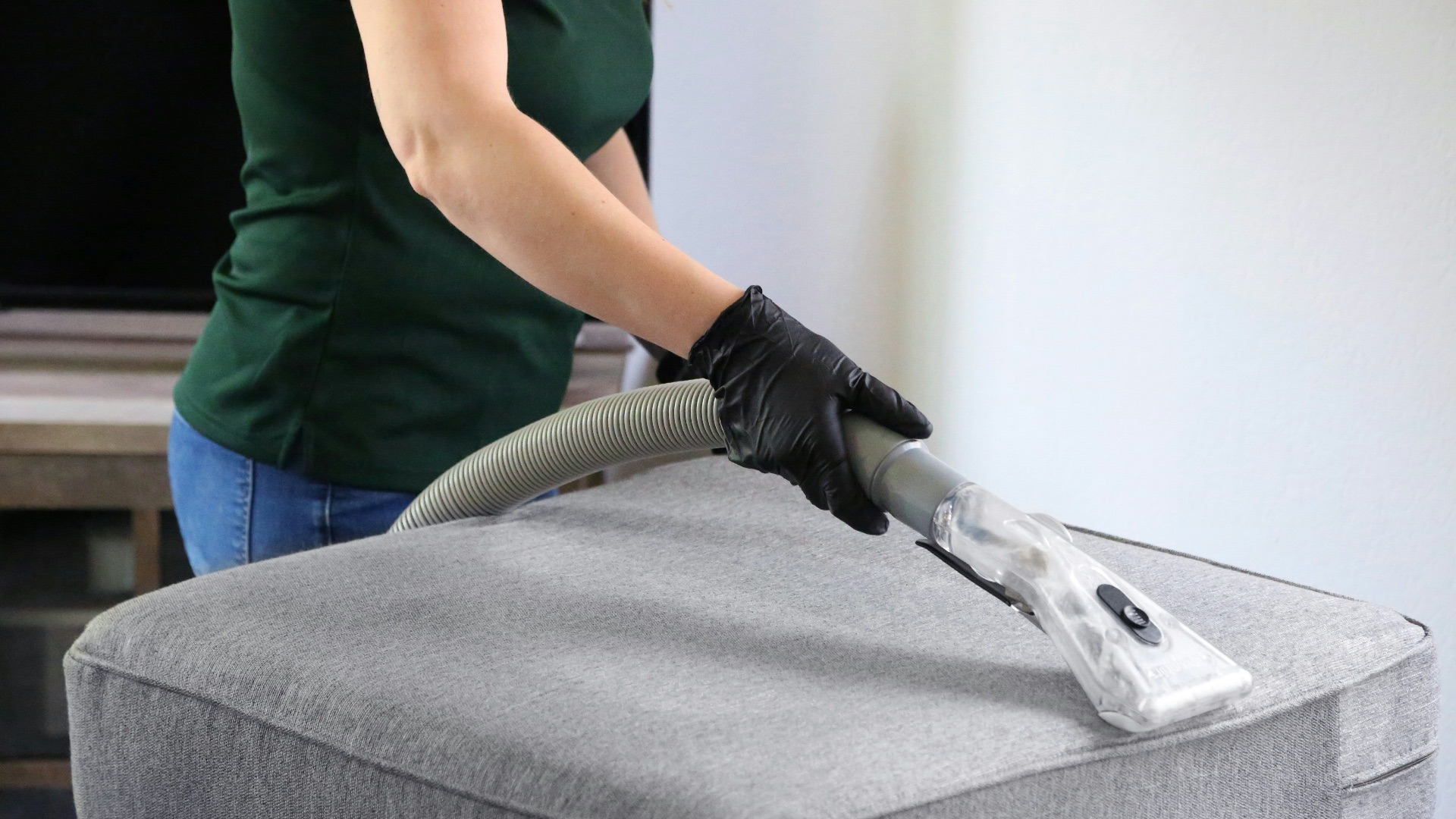
Staying on top of household cleaning is one of the most practical ways to reduce indoor sneezing triggers, particularly for people sensitive to dust, dust mites, and pet dander. Using a vacuum with a HEPA filter traps fine particles instead of redistributing them into the air, and wiping surfaces with a damp cloth rather than a dry one prevents dust from becoming airborne during cleaning. Establishing a consistent weekly cleaning routine makes a bigger difference than sporadic deep cleans, since allergens accumulate quickly in lived-in spaces.
10. Talk to Your Doctor
If your sneezing is frequent, persistent, and interfering with your daily life, reach out to your doctor to narrow down a cause and how to find relief. For example, a nasal corticosteroid spray may be the most effective tool available to you; these sprays work by reducing inflammation in the nasal passages, addressing the underlying cause of the sneezing rather than just the immediate symptom. They take a few days of consistent use to reach full effectiveness, but for people with chronic nasal allergies, they're considered one of the most reliable long-term treatments available.

KEEP ON READING



20 Ways to Deal With Your Sweet Tooth

20 Low-Impact Exercise Ideas For People Over 50