Think Twice Before You Touch...
You wipe down your counters, run the dishwasher, and keep your home looking tidy, but don't trust the illusion—a surprising number of everyday surfaces are far dirtier and harbor much more bacteria (like E. coli, Salmonella, and Staph) than they appear. From your kitchen sink to your smartphone screen and even your toothbrush, you might want to think twice before you touch these things you assume are clean. We suggest not eating while reading through this article; you might get queasy.
1. Your Kitchen Sink
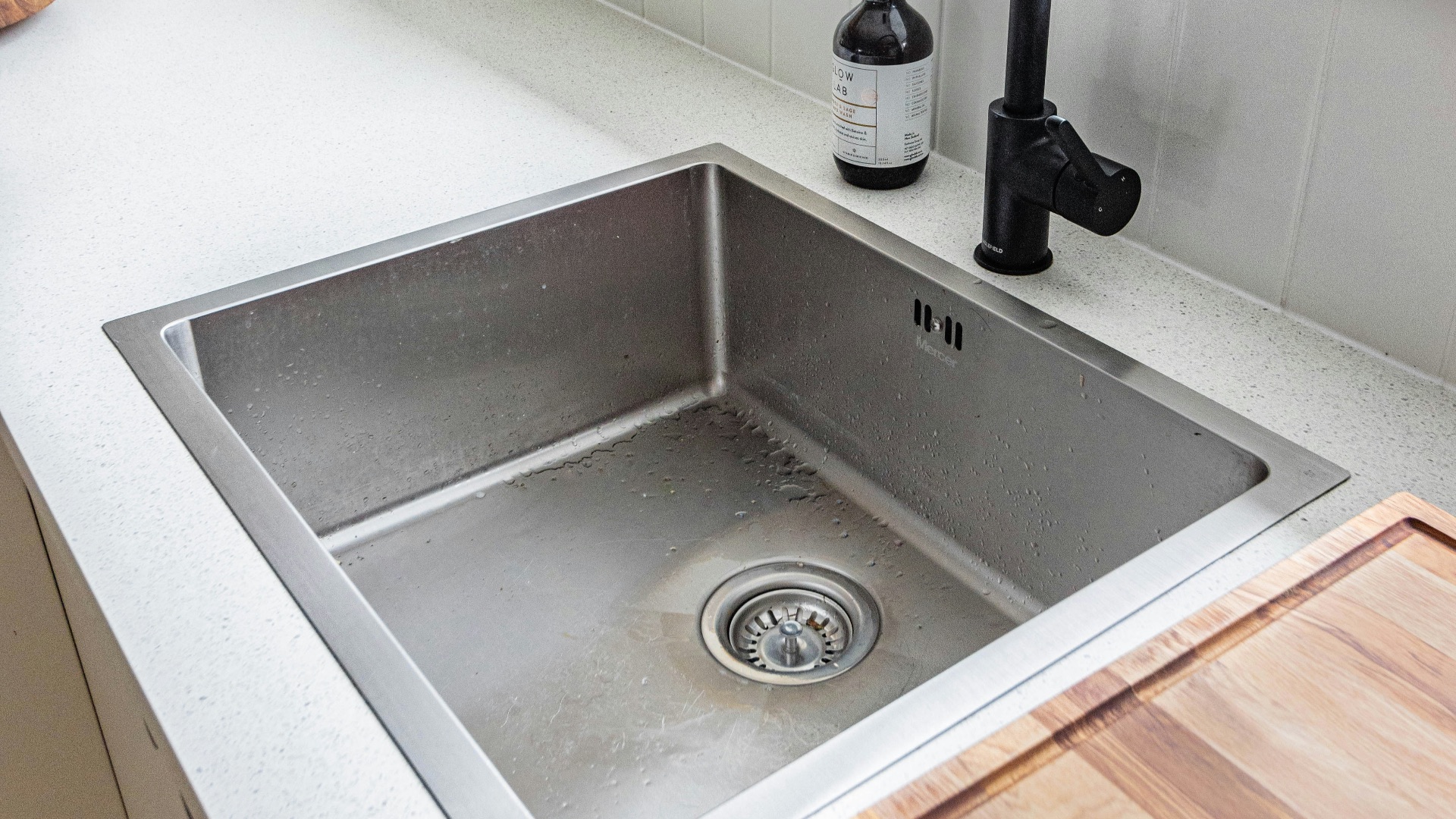
The kitchen sink harbors more bacteria than most people realize, with studies consistently finding it to be one of the germiest spots in the entire home, and containing even more fecal matter than your toilet bowl (yikes!). From food residue to raw meat juices, your basin has an ideal environment for bacteria like E. coli and Salmonella to thrive. Rinsing the sink out after washing dishes isn't enough; you'll want to scrub and disinfect it on a regular basis.
2. Your Cutting Board
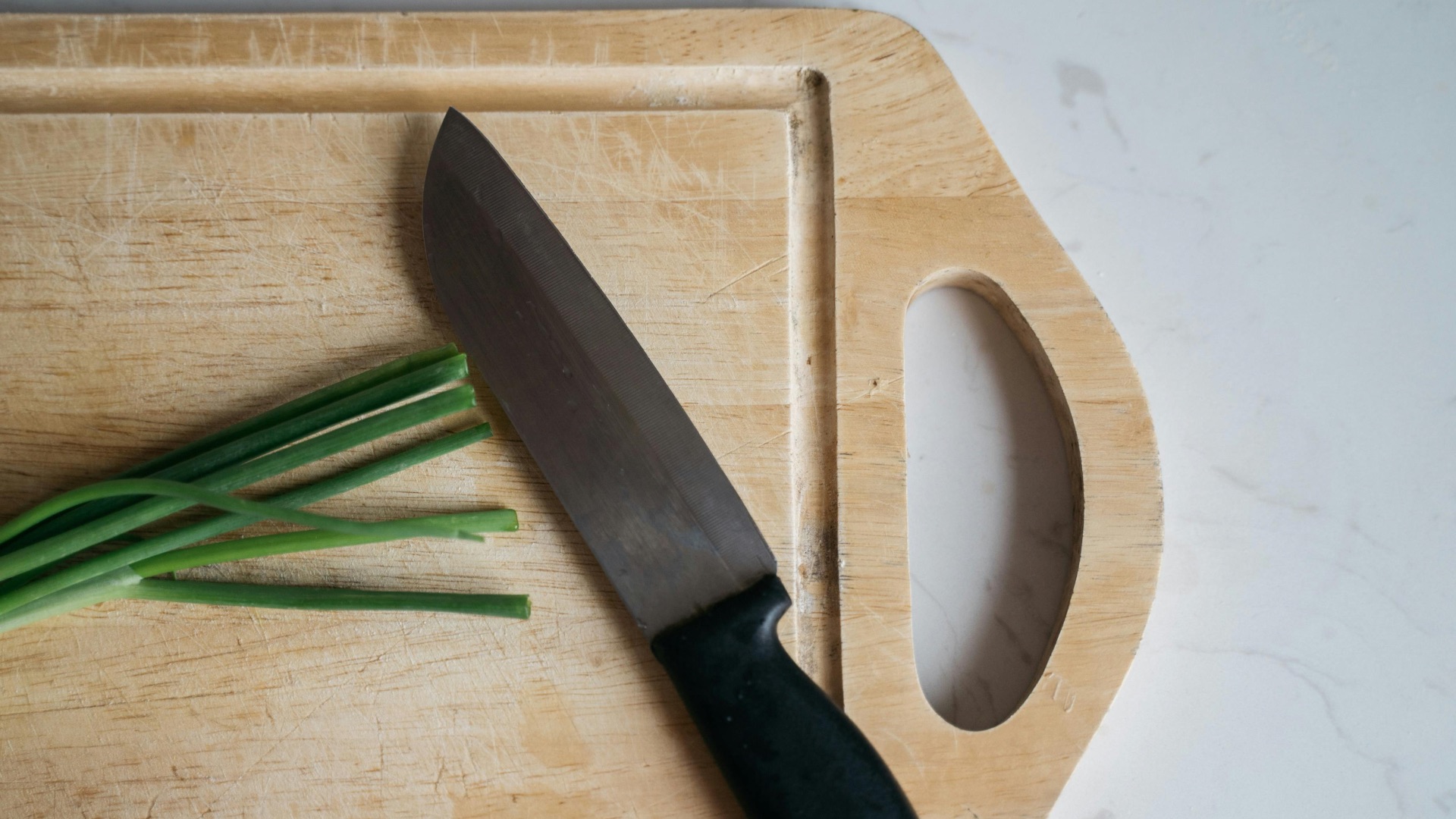
Similar to your kitchen sink, cutting boards, especially wooden ones, are riddled with grooves and knife marks that trap bacteria long after they've been rinsed. The surface can harbor traces of raw meat, poultry, and fish that a quick wash with dish soap won't fully eliminate, so you might want to give it a deep clean before prepping your dinner.
3. Your Phone Screen
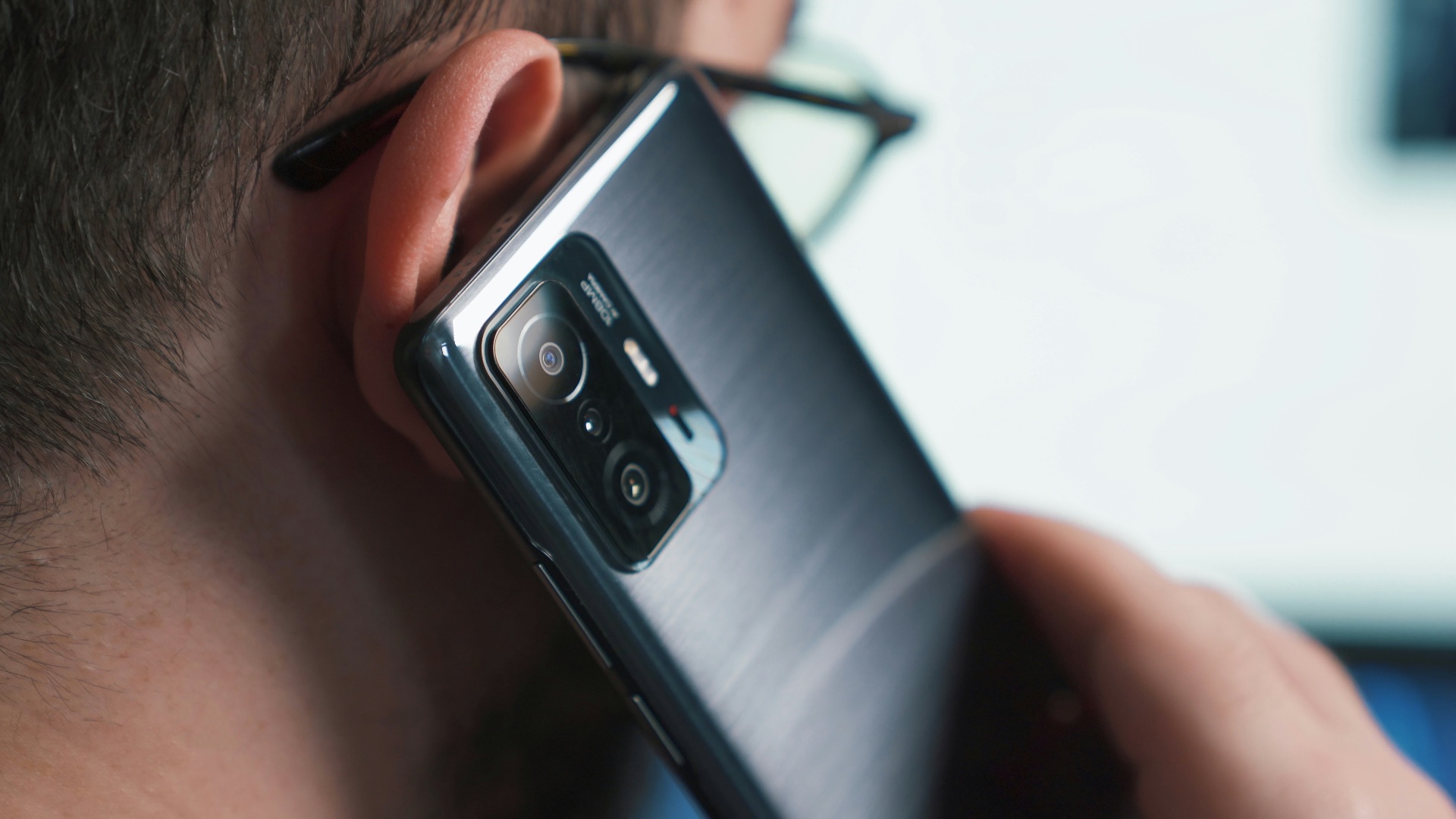
Your phone goes everywhere you do, from the bathroom to the dinner table, picking up germs along the way. Research has found that the average smartphone screen carries 10 times more bacteria than a toilet seat, largely because most people never clean them. A regular wipe-down with a screen-safe disinfectant wipe can make a real difference in what you're touching every single day.
4. Your Computer Keyboard
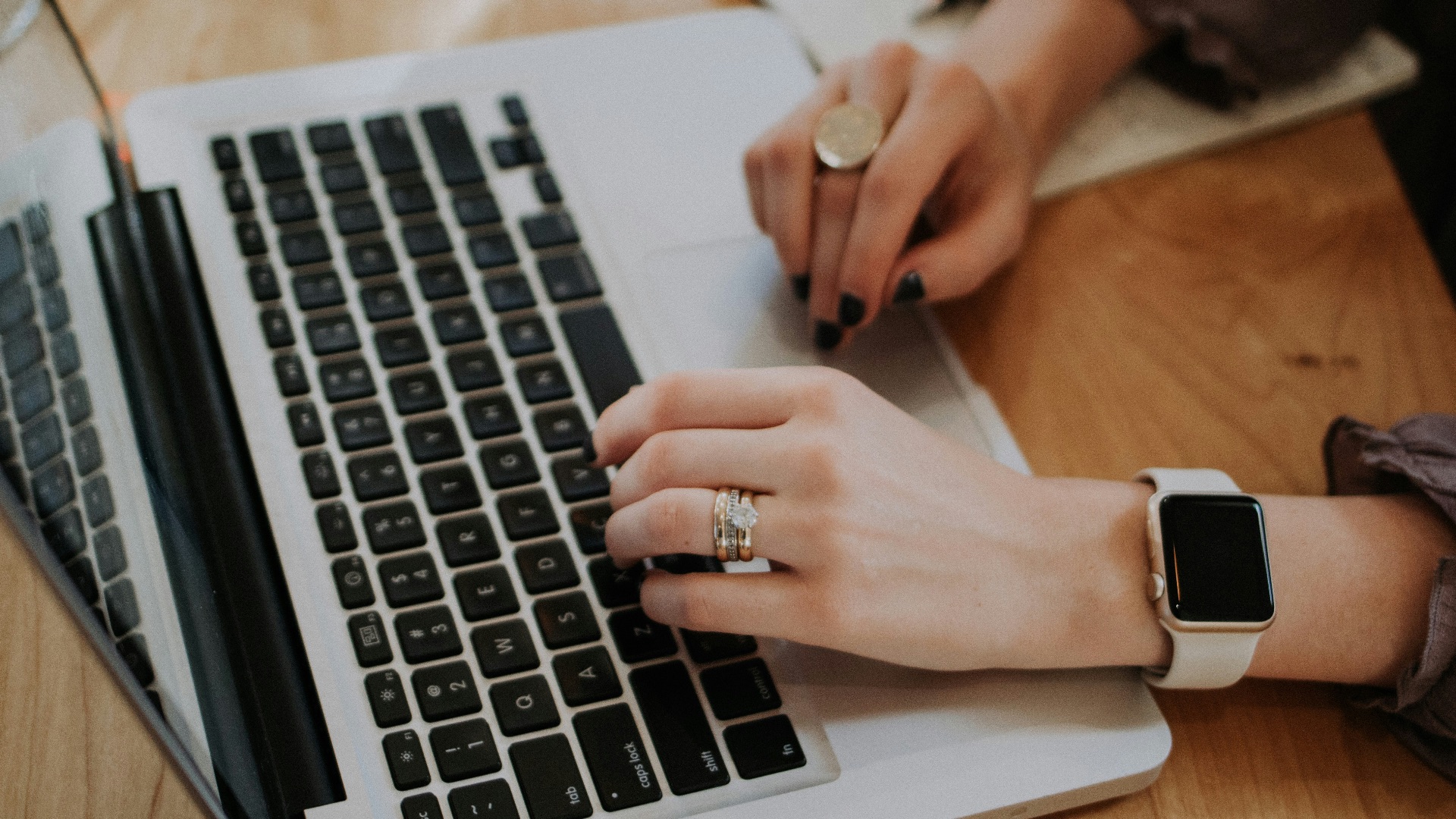
Between crumbs, skin cells, and the oils from your fingertips, your keyboard accumulates a surprising amount of debris over time. Studies have found keyboards to harbor bacteria like E coli and Staphylococcus aureus, which can cause skin infections and other illnesses. Even worse is if you regularly eat your lunch in front of it.
5. Light Switches
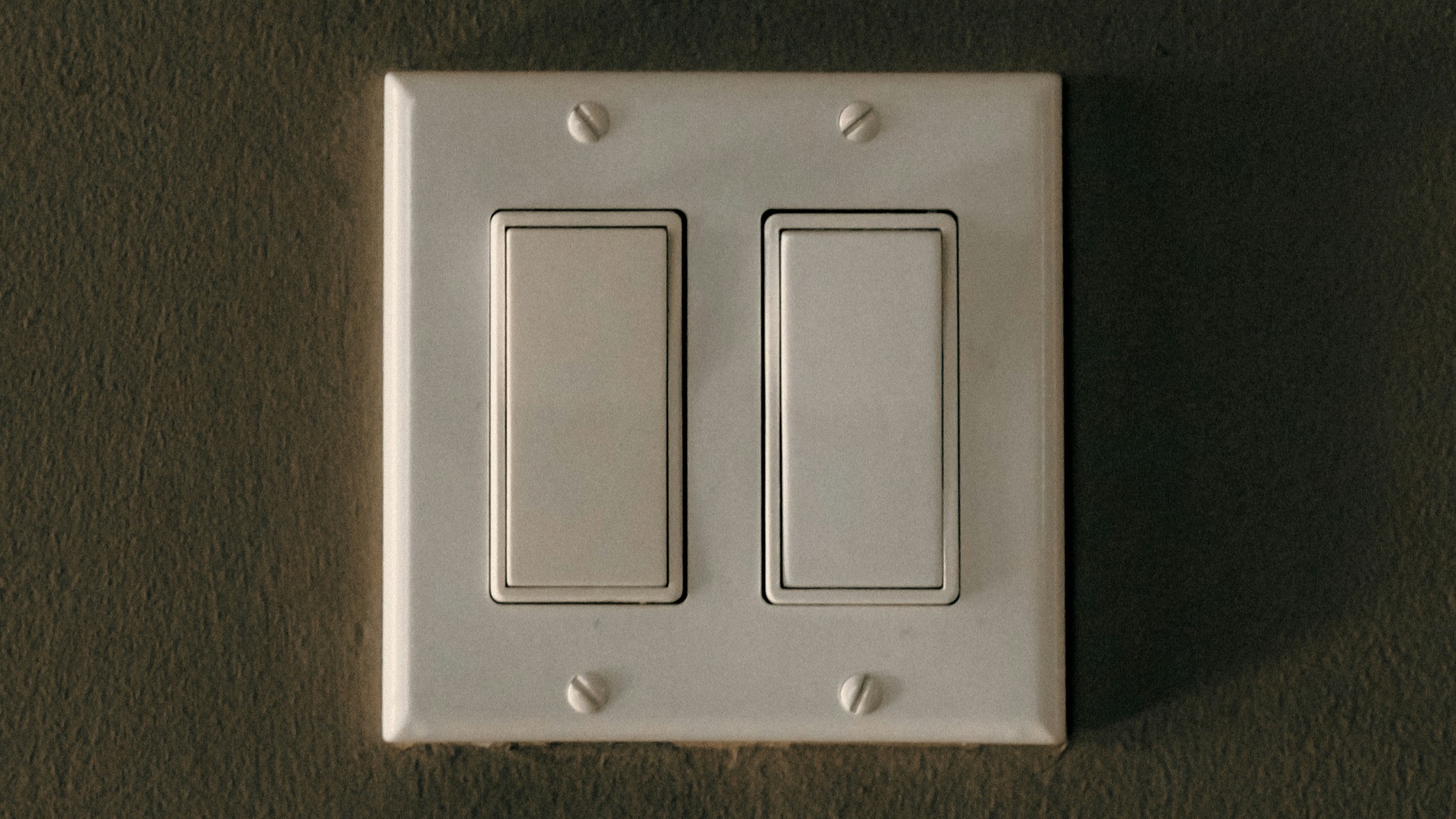
Light switches are touched dozens of times each day by multiple people, yet they're almost never included in a standard cleaning routine. Because they're often touched right after handling raw food, coming in from outside, or even sneezing, they can accumulate a wide variety of germs over time. Make sure to give them a quick swipe with a disinfectant wipe every now and then.
6. Your TV Remote
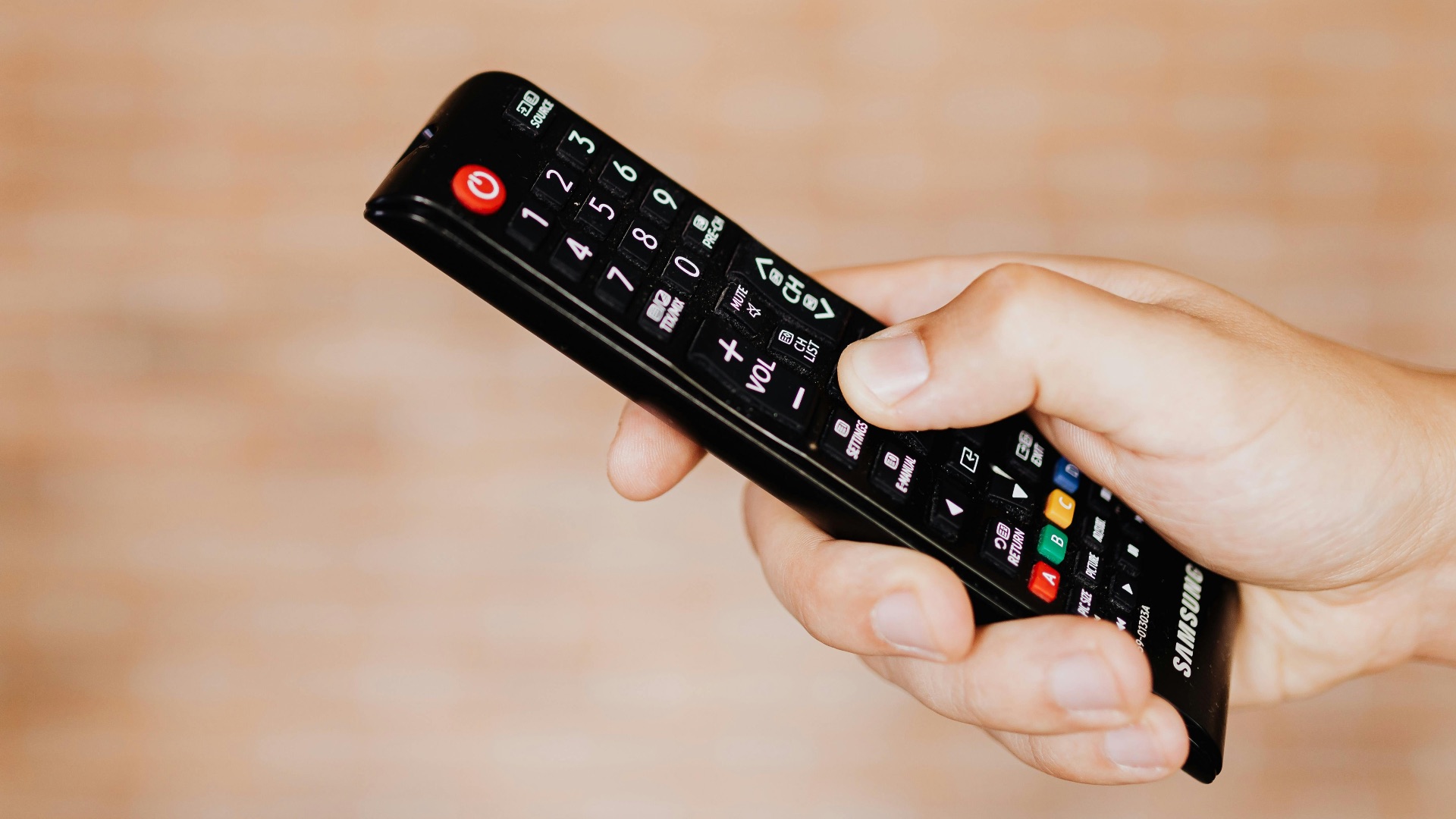
The TV remote is one of those objects that gets passed between hands constantly, dropped on the floor, and tucked between sofa cushions (where buried food crumbs never see the light of day), all without ever being cleaned. Bacteria and viruses can survive on hard plastic surfaces for hours to days, meaning a sick household member can easily spread illness through a shared remote.
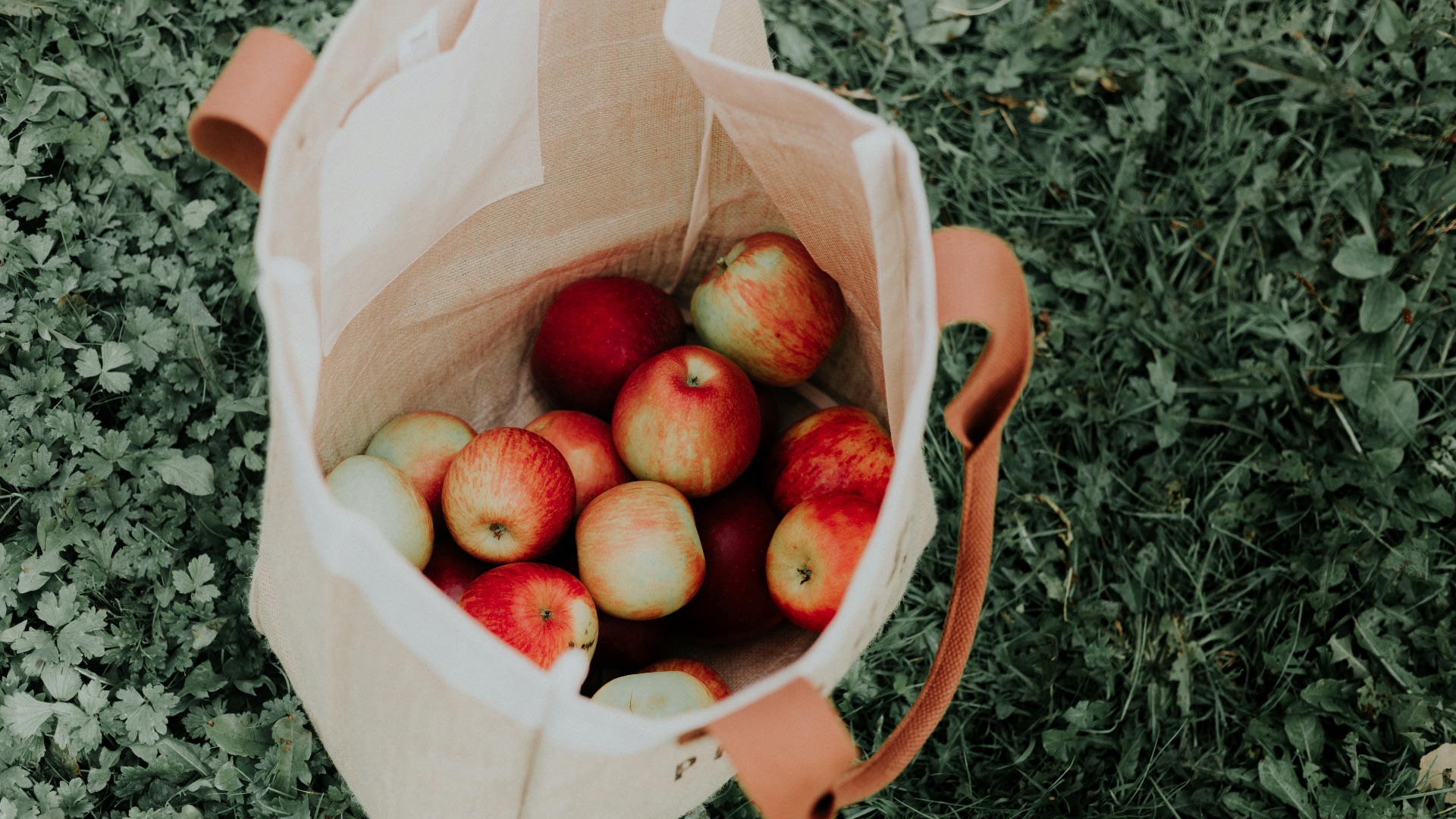
7. Reusable Shopping Bags
Reusable bags are a great eco-friendly choice, but they can become a breeding ground for bacteria if they're not washed regularly. Raw meat leaks, produce residue, and the simple act of setting them on various surfaces all contribute to contamination over time. Most fabric bags can be tossed in the washing machine, while insulated styles can be wiped down with a food-safe disinfectant spray.
 Priscilla Du Preez 🇨🇦 on Unsplash
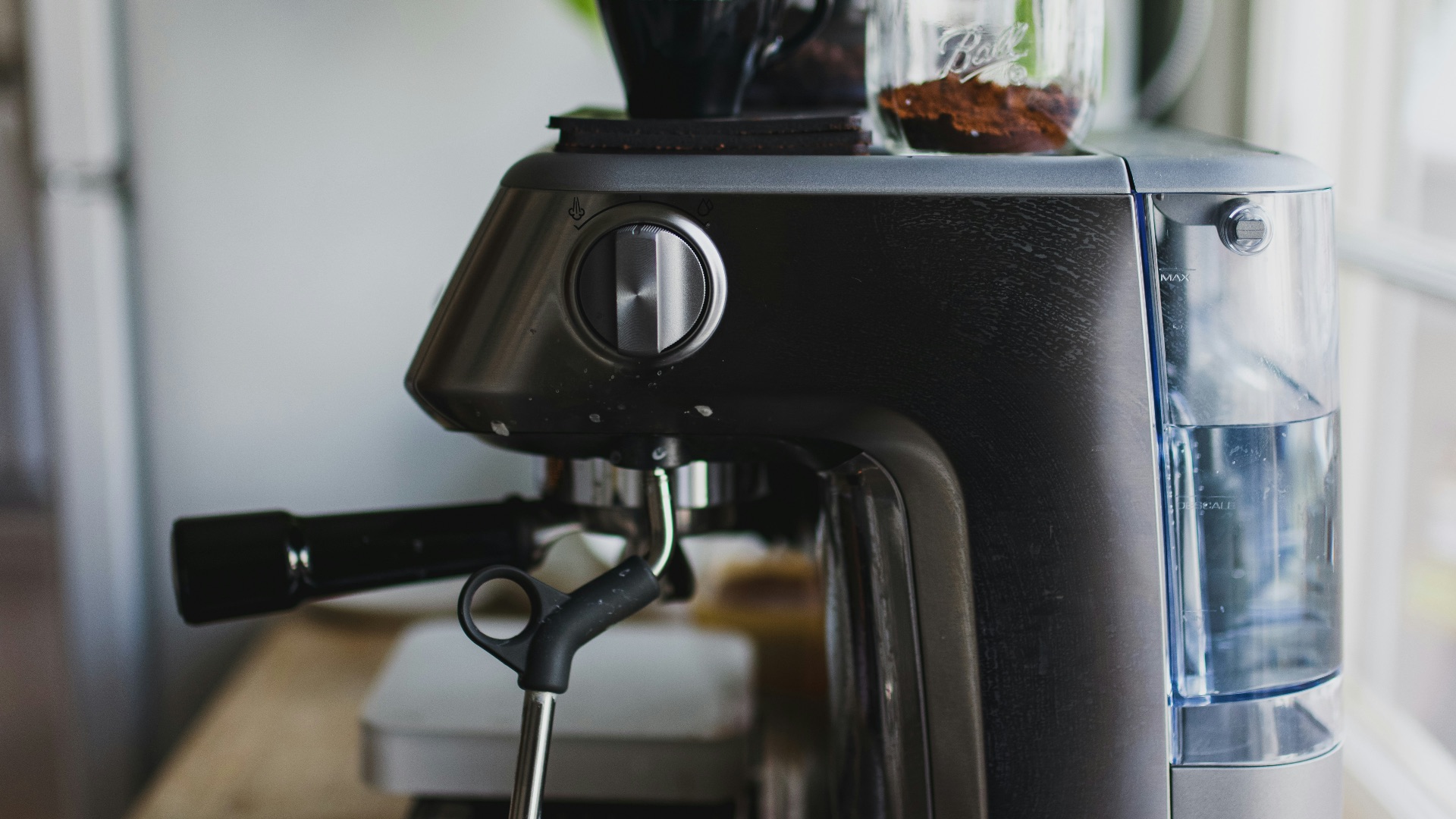
8. Your Coffee Maker's Water Reservoir
The water reservoir in your coffee maker stays warm and damp after every brew cycle, which makes it a welcoming environment for mold and bacteria. Most people clean the exterior of their machine but never think to address the inside of the reservoir, where buildup can accumulate for months unnoticed. Running a cycle with a water-and-white-vinegar mixture on a regular basis is an effective way to keep it clean.
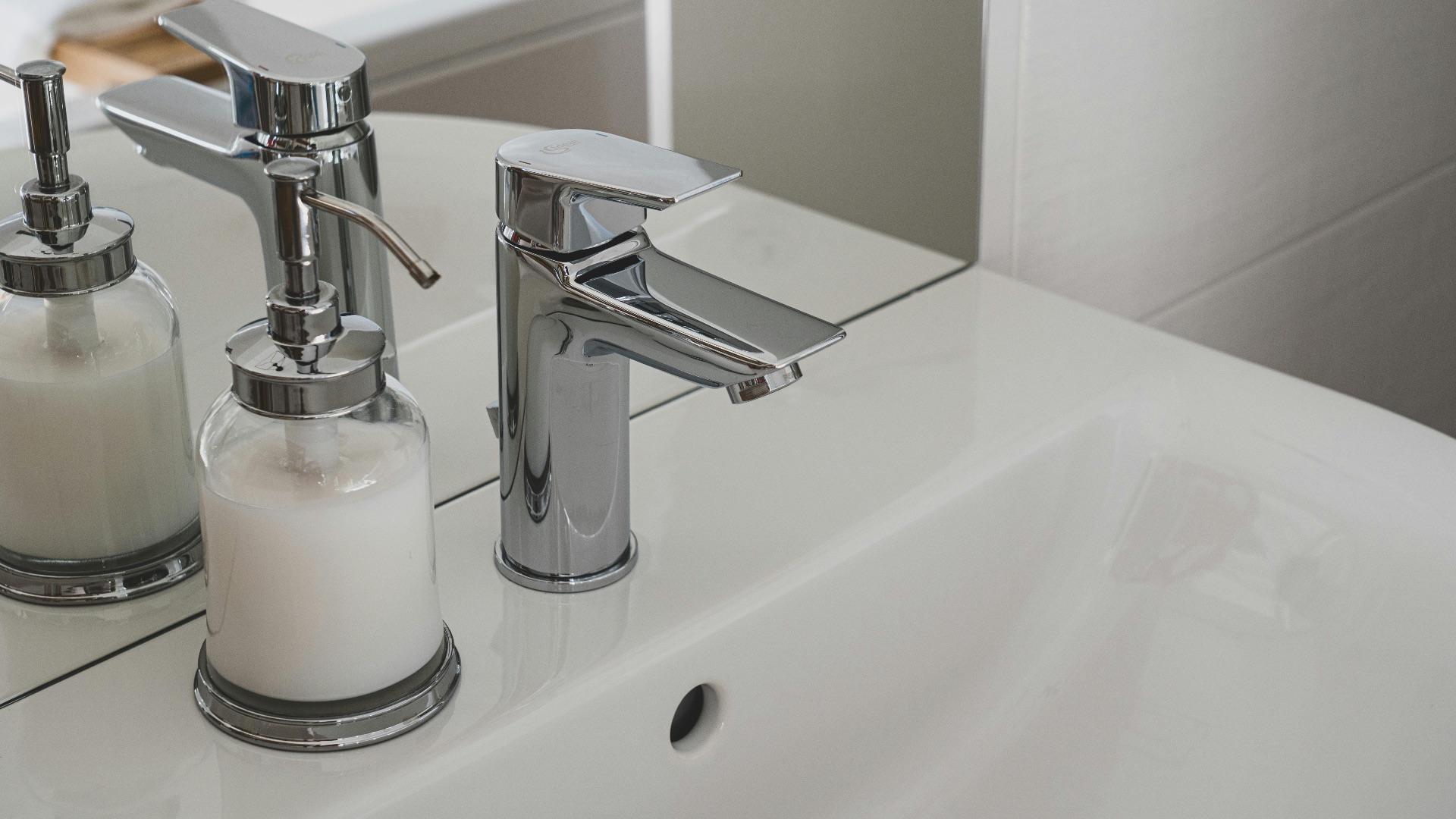
9. Bathroom Faucet Handles
Bathroom faucet handles are touched every single time someone washes their hands, including before the actual handwashing takes place. That means they're regularly contacted by unwashed hands carrying whatever germs prompted the trip to the sink in the first place. Always remember to clean them as part of your regular bathroom scrub-down.
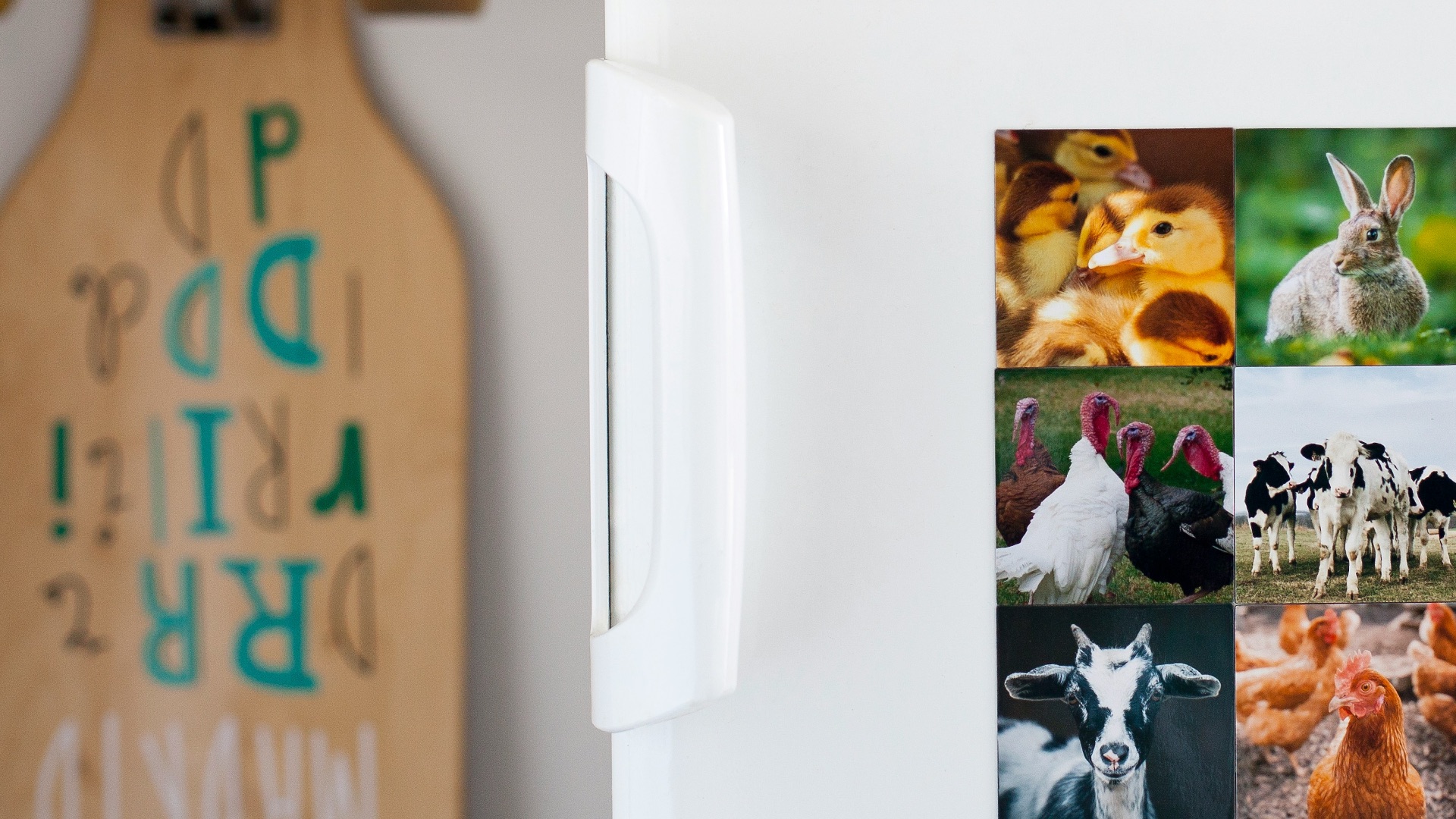
10. Your Refrigerator Handle
The refrigerator handle is touched multiple times a day, often by hands that are in the middle of cooking or handling food, which makes it a prime spot for cross-contamination. Despite its high-traffic status, it's rarely included in a weekly cleaning routine, either. And you know where your hands go to next? Yep—the food you're about to put in your mouth.
 Kristyna Squared.one on Unsplash
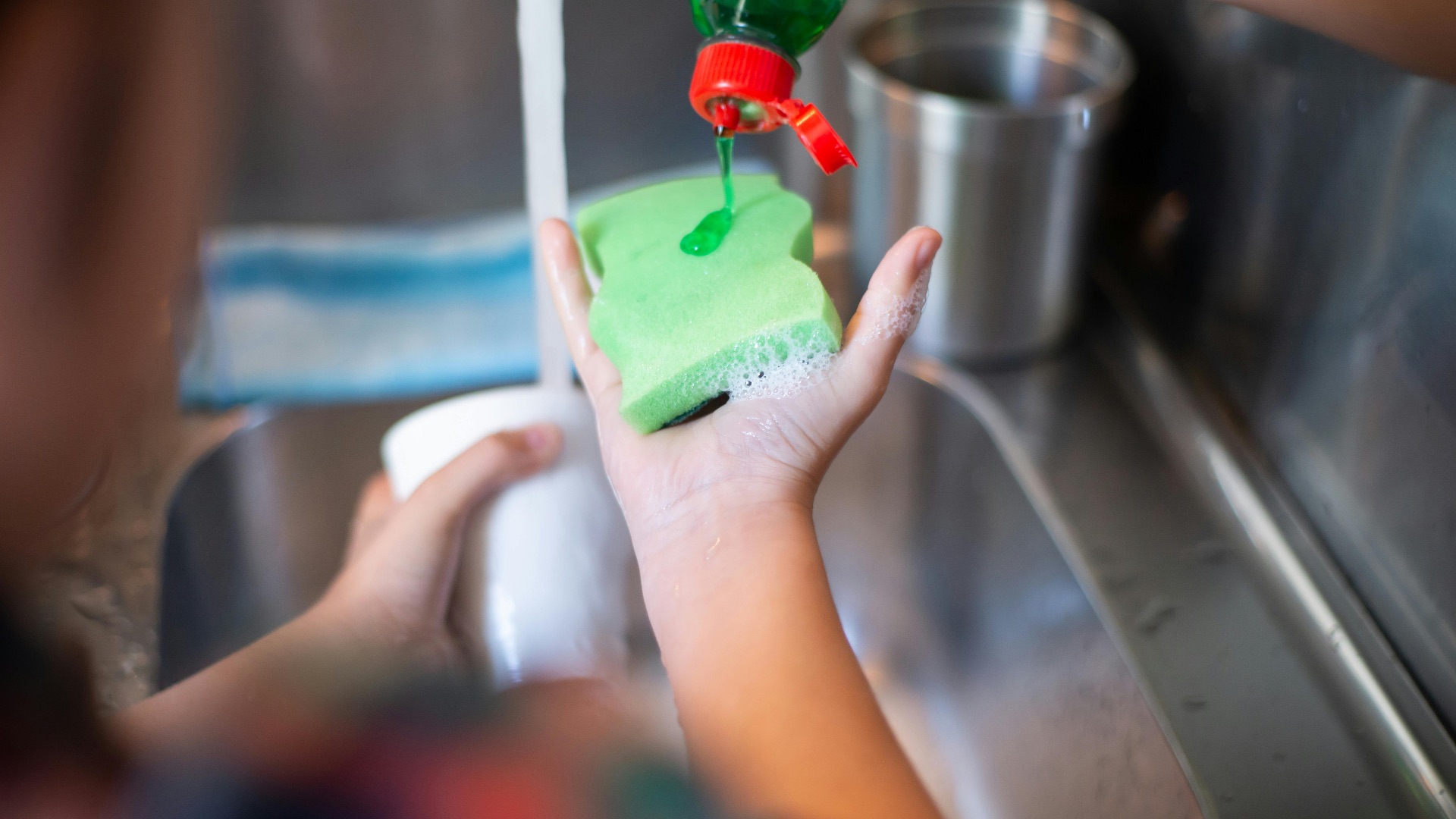
11. Your Dish Sponge
The dish sponge is arguably the dirtiest object in the average kitchen, given that it's used to scrub food residue off surfaces and then left damp on the counter between uses. That combination of moisture, food particles, and warmth makes it one of the most bacteria-dense items in your home, with some studies finding millions of bacteria per square centimeter. Yikes!
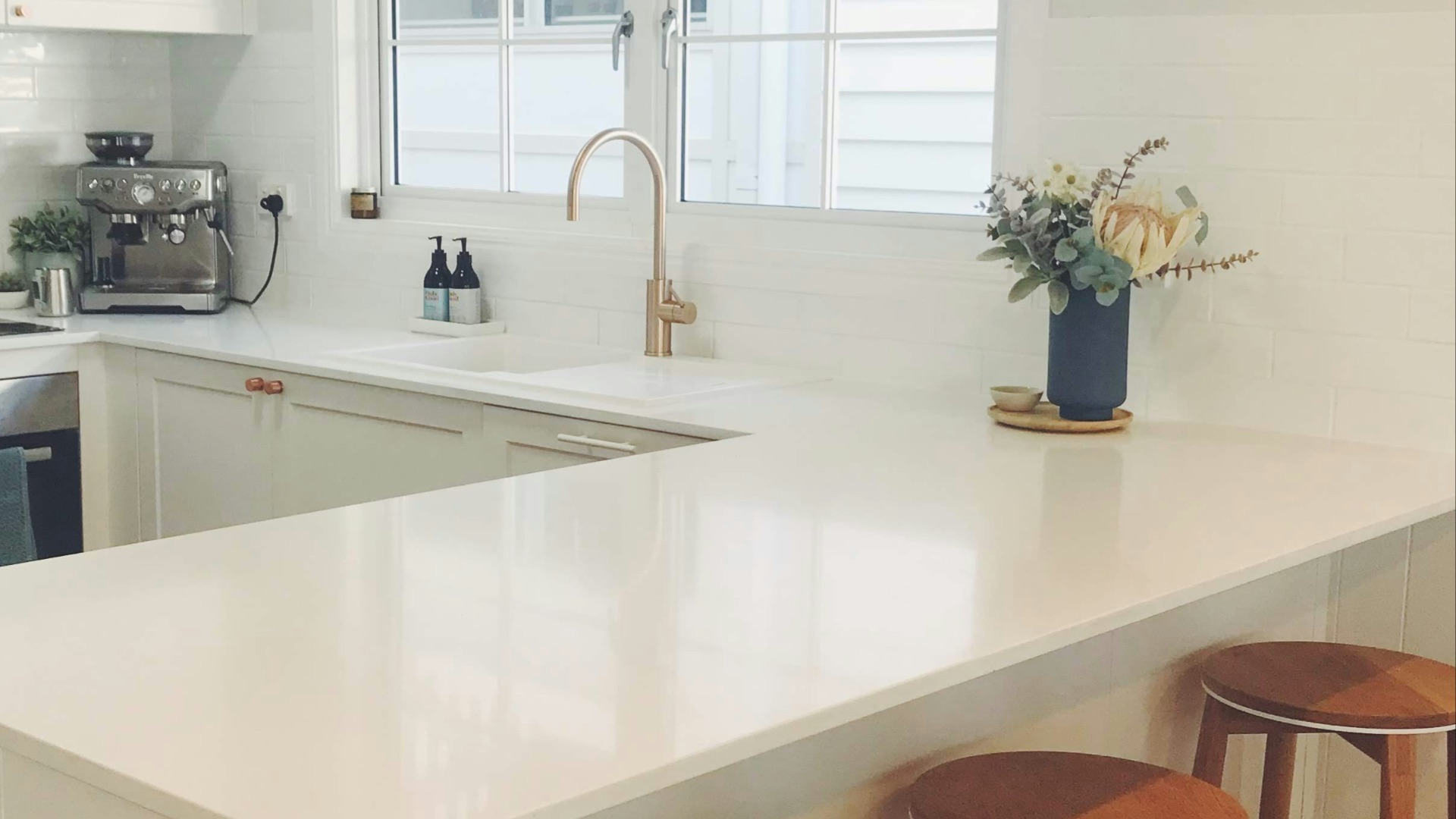
12. Your Kitchen Countertop
Kitchen countertops look clean after a quick wipe, but a standard kitchen cloth or paper towel often just moves bacteria around rather than eliminating it. Raw meat juices, produce residue, and everyday spills can all seep into small scratches or grout lines on the surface, where a cursory wipe won't reach. Using a food-safe disinfectant spray and letting it sit for the recommended contact time before wiping is what actually sanitizes the surface properly.
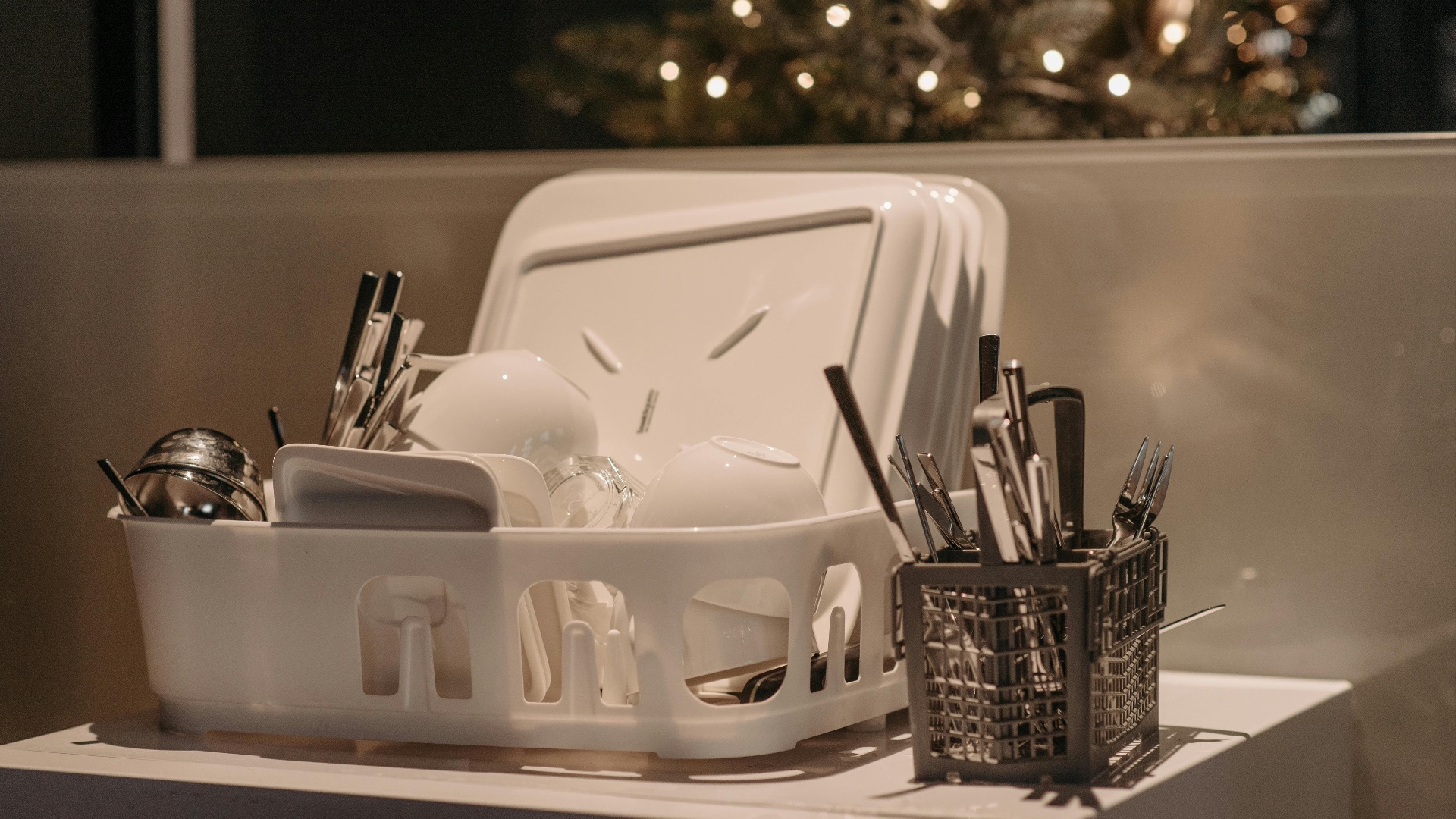
13. Your Dish Rack
Dish racks sit in a damp environment and collect water, soap residue, and food particles every time they're used. That standing moisture is exactly the kind of environment where mold and mildew thrive, particularly in the drip tray at the bottom. Washing your dish rack weekly and allowing it to dry completely between uses will keep it from undermining the cleanliness of the dishes placed on it.
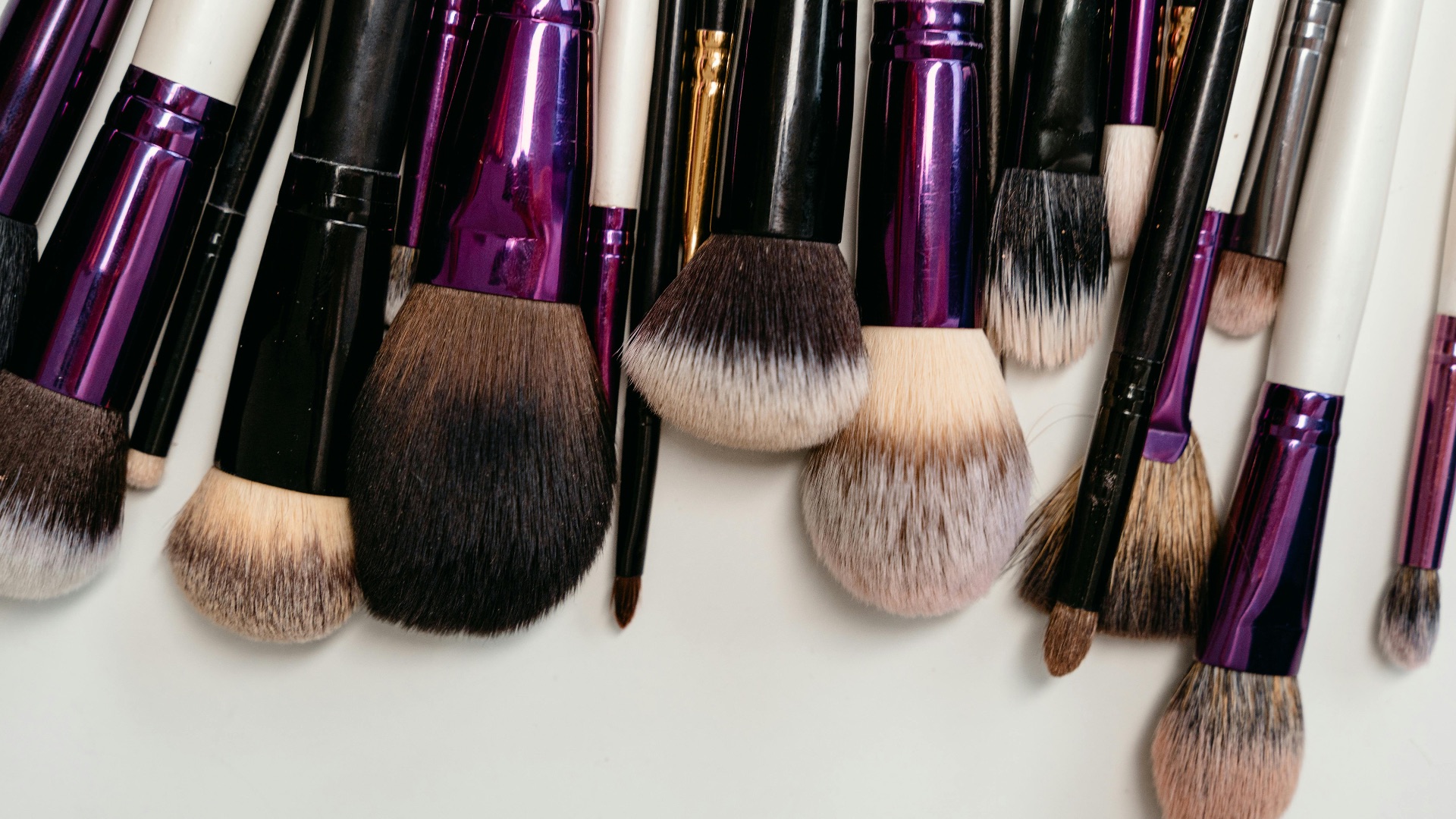
14. Your Makeup Brushes
Makeup brushes pick up oils, dead skin cells, and product residue with every use, and that buildup becomes a breeding ground for bacteria over time. Reaching for a dirty brush means you're re-applying all of that to your face each time, which can contribute to breakouts and skin irritation. If you don't already, make sure to deep clean your brushes at least once a week.
15. Your Pillowcase
You spend roughly a third of your life with your face pressed against your pillowcase, and it absorbs sweat, skin cells, hair products, and saliva along the way. Bacteria and dust mites accumulate quickly, which can aggravate allergies, cause breakouts, or irritate sensitive skin over time. Washing your pillowcase once a month isn't enough; you'll want to toss it in the wash with hot water at least once a week to kill all the germs.

16. Your Bath Towel
Most people use their bath towel for days or even a full week between washes, assuming that because they're clean when they use it, the towel stays clean, too. In reality, towels collect dead skin cells and moisture with every use, creating ideal conditions for bacteria and mold to develop. Washing your bath towel every two to three uses, and making sure it dries fully in between, is the hygiene standard most experts recommend.

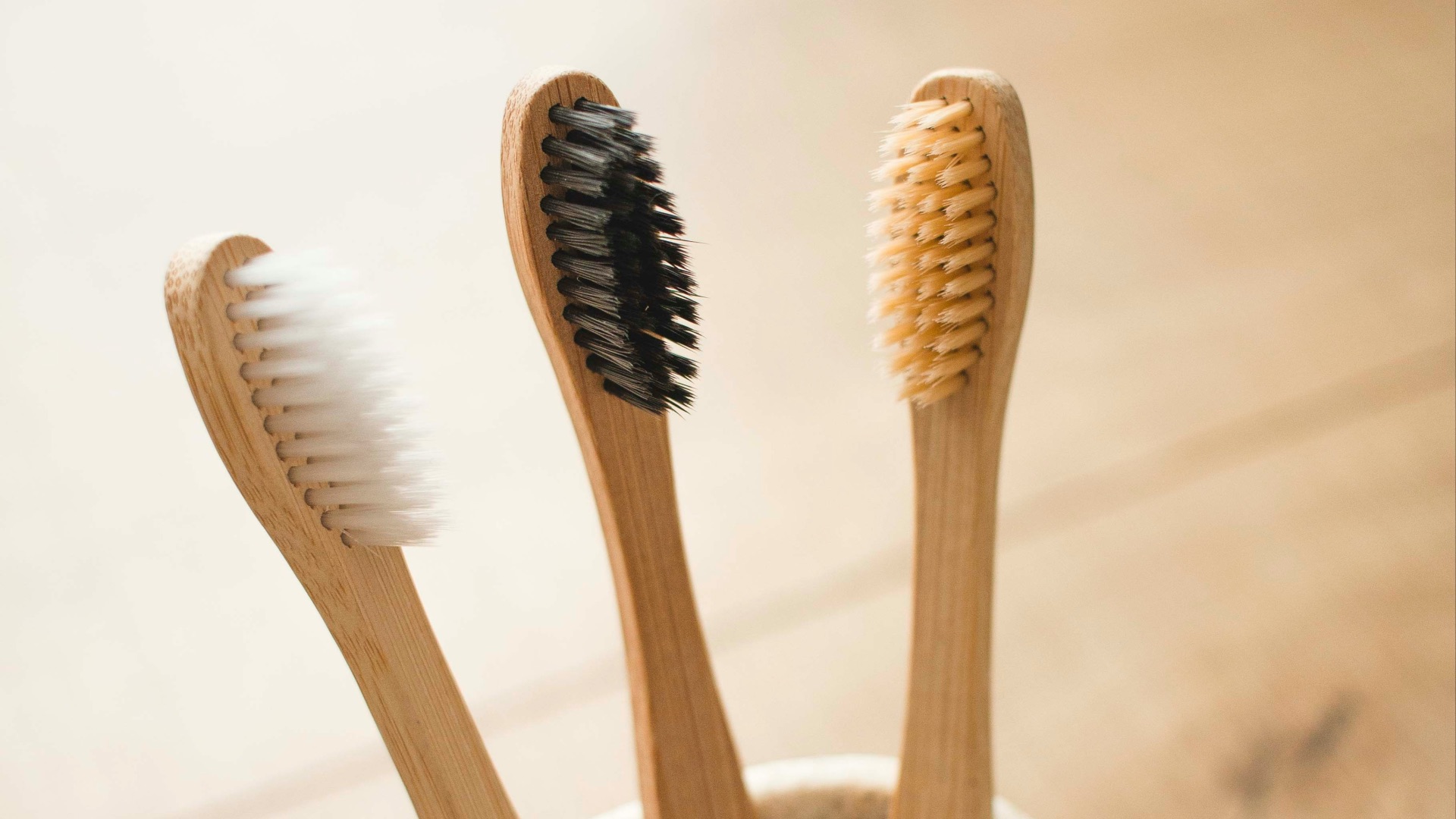
17. Your Toothbrush
Your toothbrush sits in the bathroom, often uncovered and within close proximity to the toilet, which means every flush can send airborne bacteria in its direction. In fact, the average toothbrush can harbor more than 10 million bacteria, including E. coli and Staph. If that doesn't convince you to swap it out for a new one on a regular basis, we don't know what will.
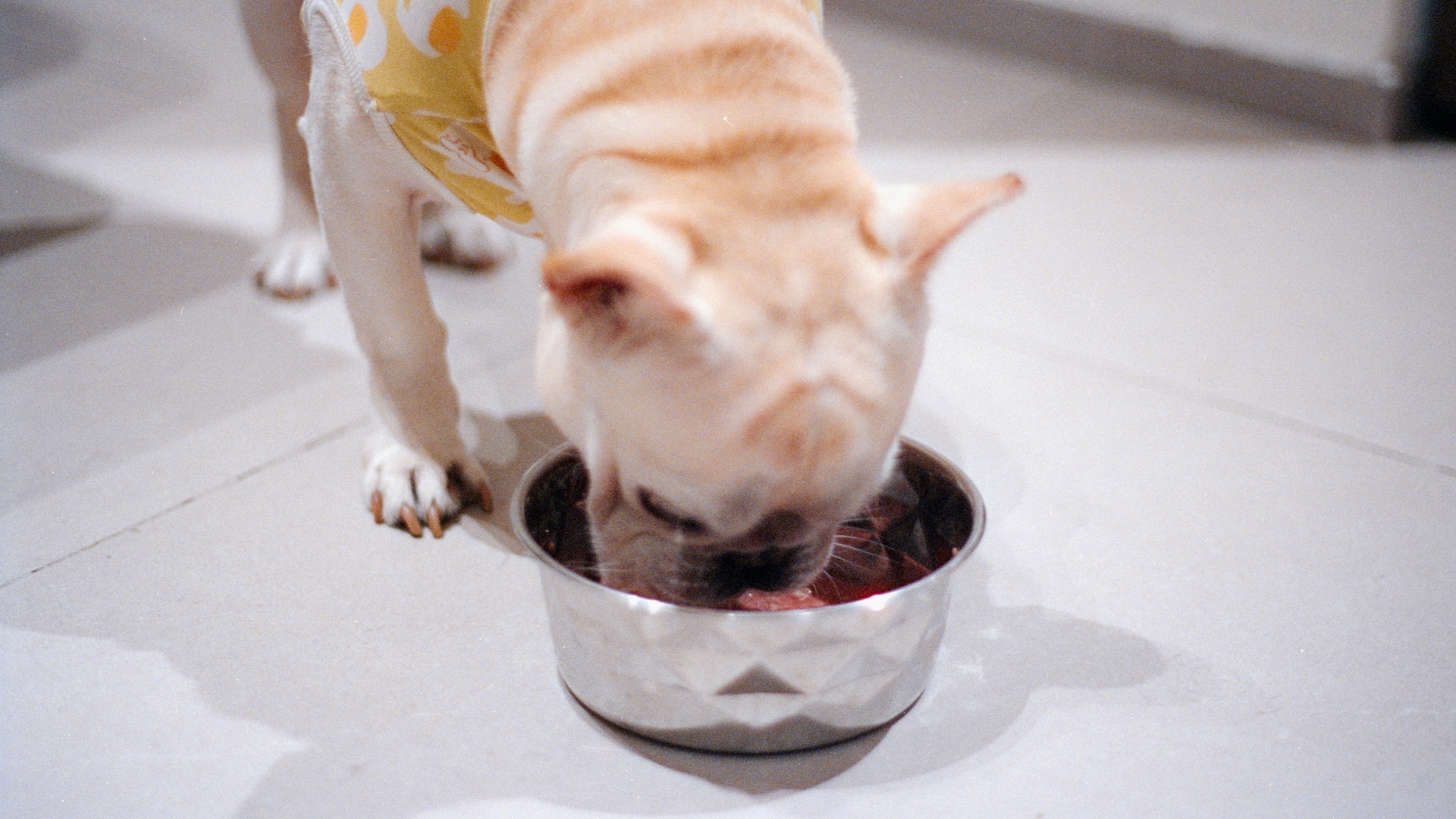
18. Your Pet's Food Bowl
Pet food bowls are typically rinsed out after each meal, but they're rarely scrubbed with soap and hot water the way other dishes are. Wet pet food residue and saliva left in the bowl can quickly develop a biofilm, which is a thin layer of bacteria that clings to the surface even after a quick rinse. Washing your pet's bowl with dish soap and hot water after every meal helps keep it just as clean as the dishes you use yourself.
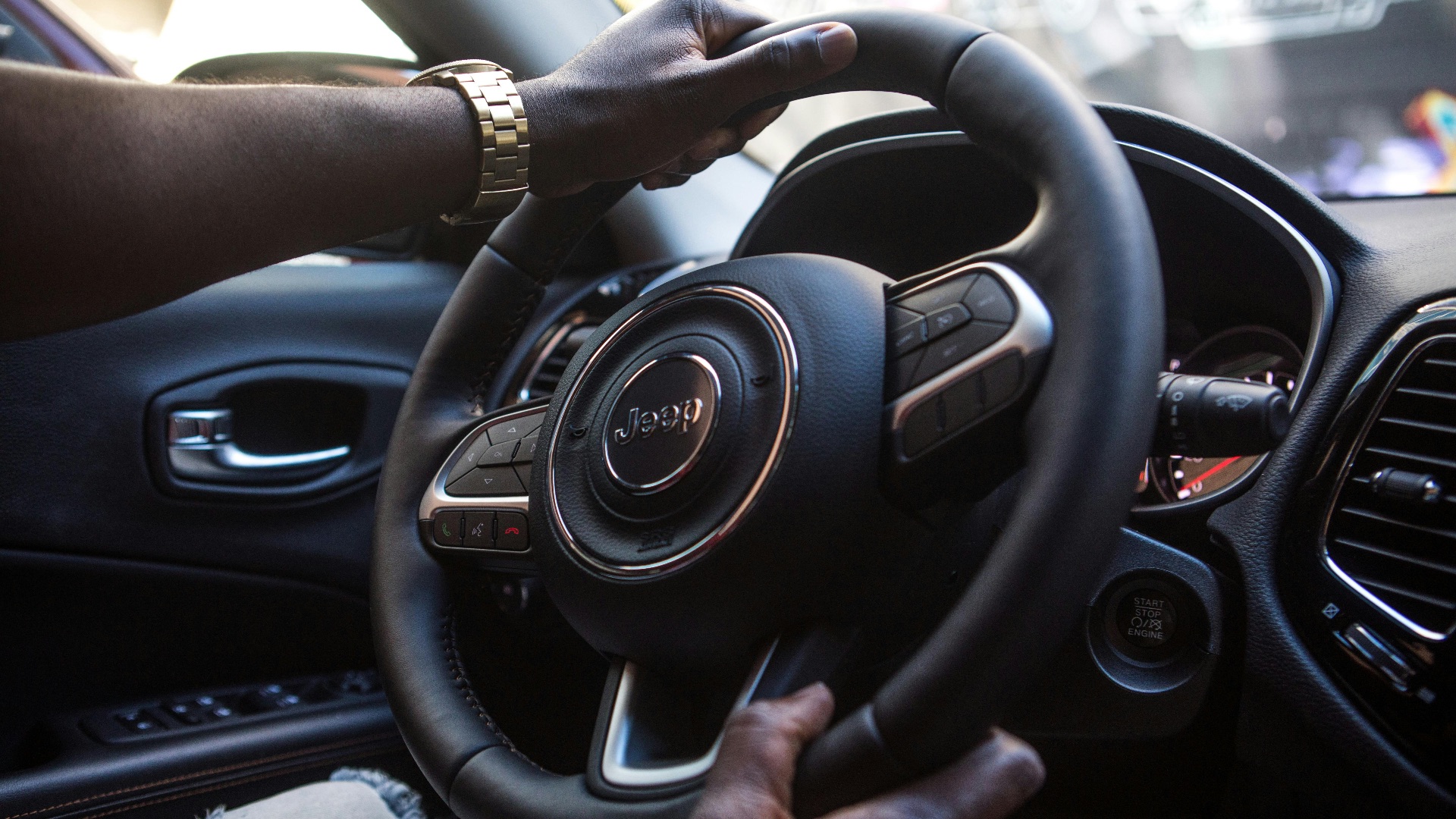
19. Your Car's Steering Wheel
Your steering wheel is handled every time you drive, often after pumping gas, eating, or touching other germ-laden surfaces throughout the day. Studies have found that steering wheels can carry significantly more bacteria than the toilet seat of a public restroom, which tends to come as a surprise to most drivers. It's probably best to give it a quick swipe with a disinfecting wipe each time before you drive.
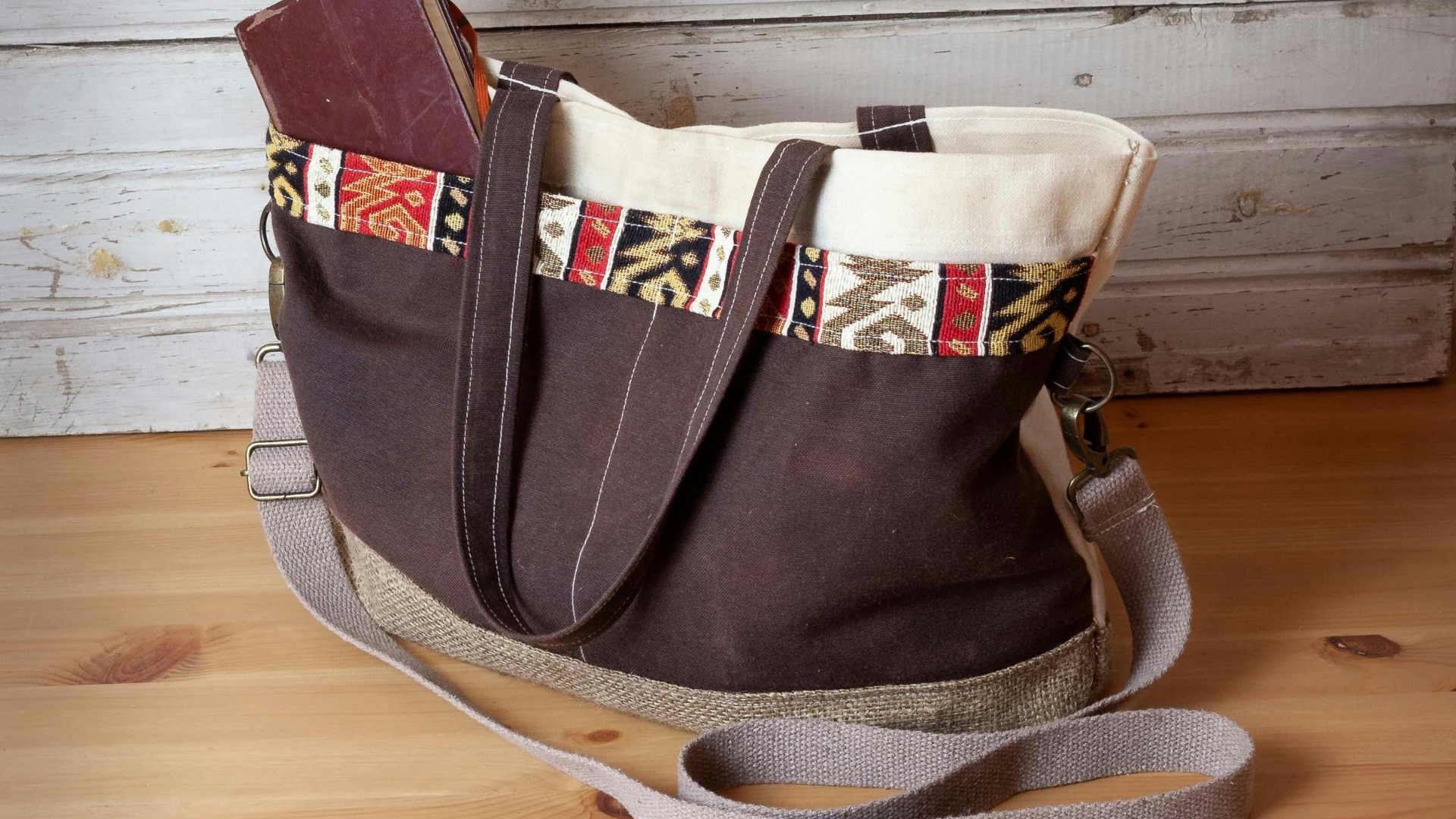
20. The Bottom of Your Handbag or Backpack
The bottom of your bag is set down on floors, public restroom surfaces, restaurant seats, and sidewalks on a daily basis, picking up everything those surfaces have to offer. Research has found that handbag bottoms can carry bacteria like E. coli, which can transfer to your hands and eventually make its way to your face or food. Making a habit of hanging your bag on a hook rather than placing it on the floor, and wiping the bottom periodically, goes a long way toward keeping it clean.
KEEP ON READING


20 Natural Ways You Can Boost Your Immune System
20 Ways To De-stress & Relax After Work
The 10 Most Common Diseases & The 10 Most Rare