
What It Actually Does
Red light therapy has been around for years, but it’s only recently been repackaged into sleek, at-home devices. The idea is simple: sit in front of a panel, let the light hit your skin, and expect a range of benefits. Some of those claims are backed by real research, particularly in clinical and sports settings. But the version you see marketed online often stretches those benefits into something broader and more immediate than they actually are. Once you separate what’s proven from what’s promised, the difference is hard to miss. Here are ten legitimate benefits of red light therapy, and ten claims that aren't entirely based in reality.
1. Skin Texture And Fine Lines
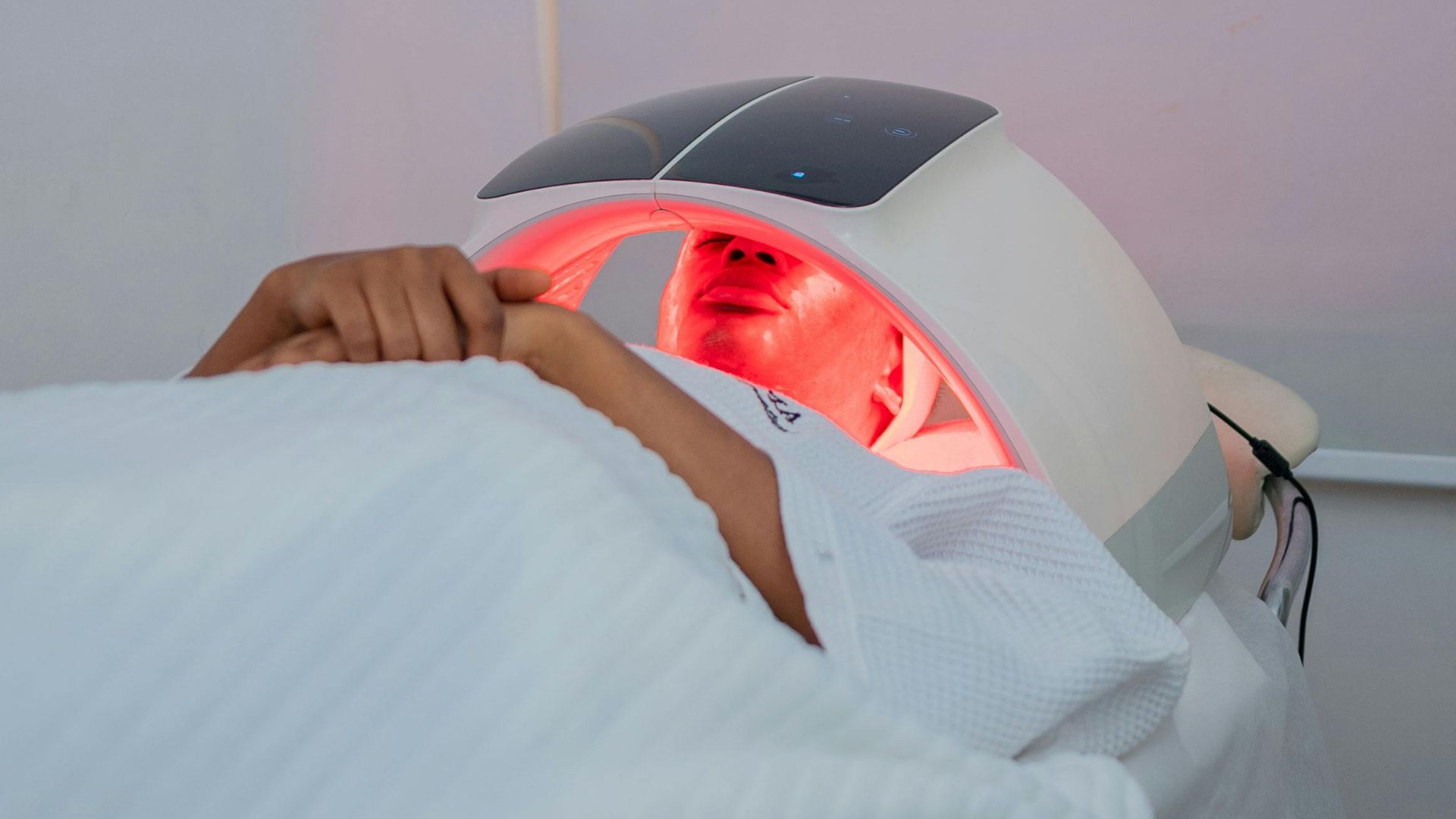
Red light therapy can support collagen production, which helps skin look a little smoother and more even over time. It’s not the kind of change you notice overnight, but after consistent use, the overall texture can feel slightly firmer and less dull, especially in areas where fine lines are just starting to form.
 MUTHIA ASHIFA SALSABELLA on Unsplash
2. Wound Healing Support
In medical settings, red light has been used to help wounds heal more efficiently by encouraging cellular repair. It doesn’t replace proper care, but it can help nudge the healing process along in a way that’s measurable rather than just anecdotal.

3. Reduced Inflammation
One of the more reliable effects is its ability to reduce localized inflammation, particularly in muscles and joints. That calming effect on tissue is part of why it shows up in both clinical rehab settings and athletic recovery routines.

4. Muscle Recovery
After intense workouts, red light therapy can help ease soreness and support faster recovery, especially when used consistently. It doesn’t eliminate fatigue entirely, but it can take the edge off that lingering heaviness that usually sticks around for a day or two.

5. Joint Pain Relief
For people dealing with joint discomfort, especially from conditions like arthritis, red light can provide a noticeable reduction in stiffness. The effect tends to build gradually, becoming more apparent after repeated sessions rather than all at once.

6. Circulation Support
Exposure to red and near-infrared light can improve blood flow in targeted areas, which plays a role in both healing and recovery. It’s a localized effect, but in those specific areas, it can make a meaningful difference over time.

7. Acne Reduction
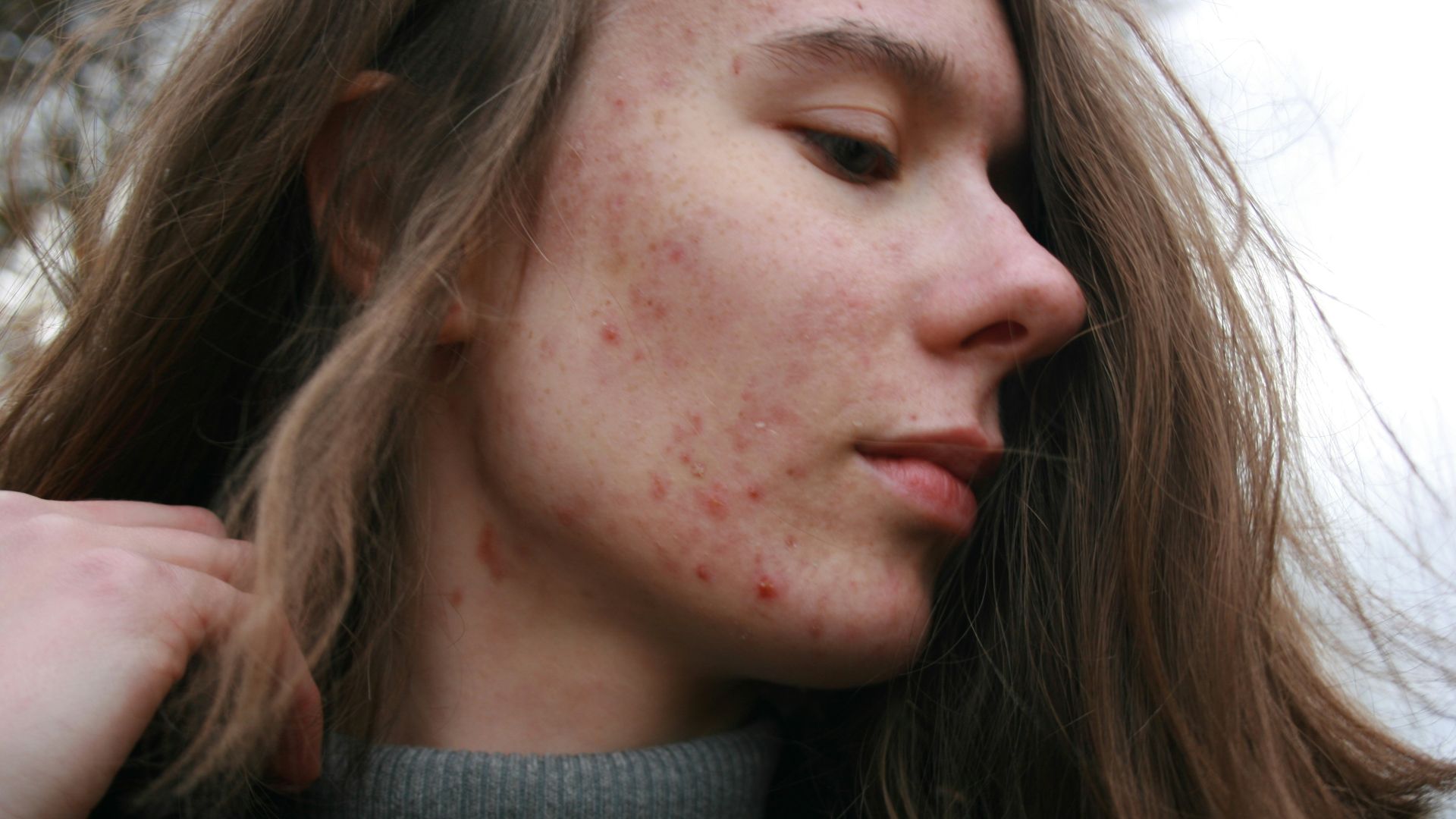
Red light helps calm inflammation tied to acne, which can reduce the severity and frequency of breakouts. It’s not a standalone fix, but when combined with a solid routine, it can make flare-ups feel less aggressive and more manageable.
 Barbara Krysztofiak on Unsplash
8. Hair Growth Support
There’s evidence that it can stimulate hair follicles in certain types of hair loss, particularly androgenetic alopecia. The results are gradual and inconsistent, but for some people, it helps maintain or slightly improve density over time.

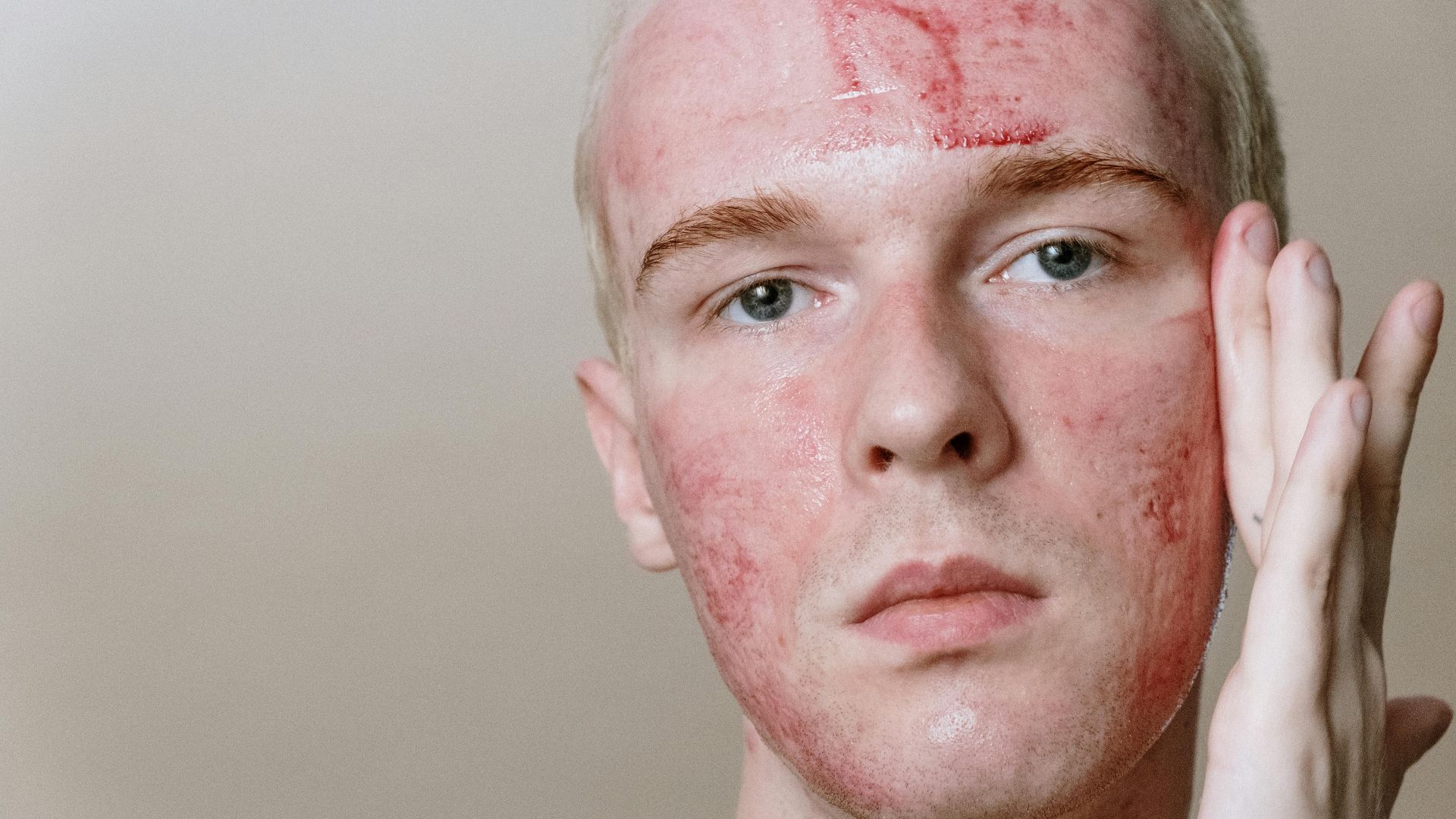
9. Skin Tone And Redness
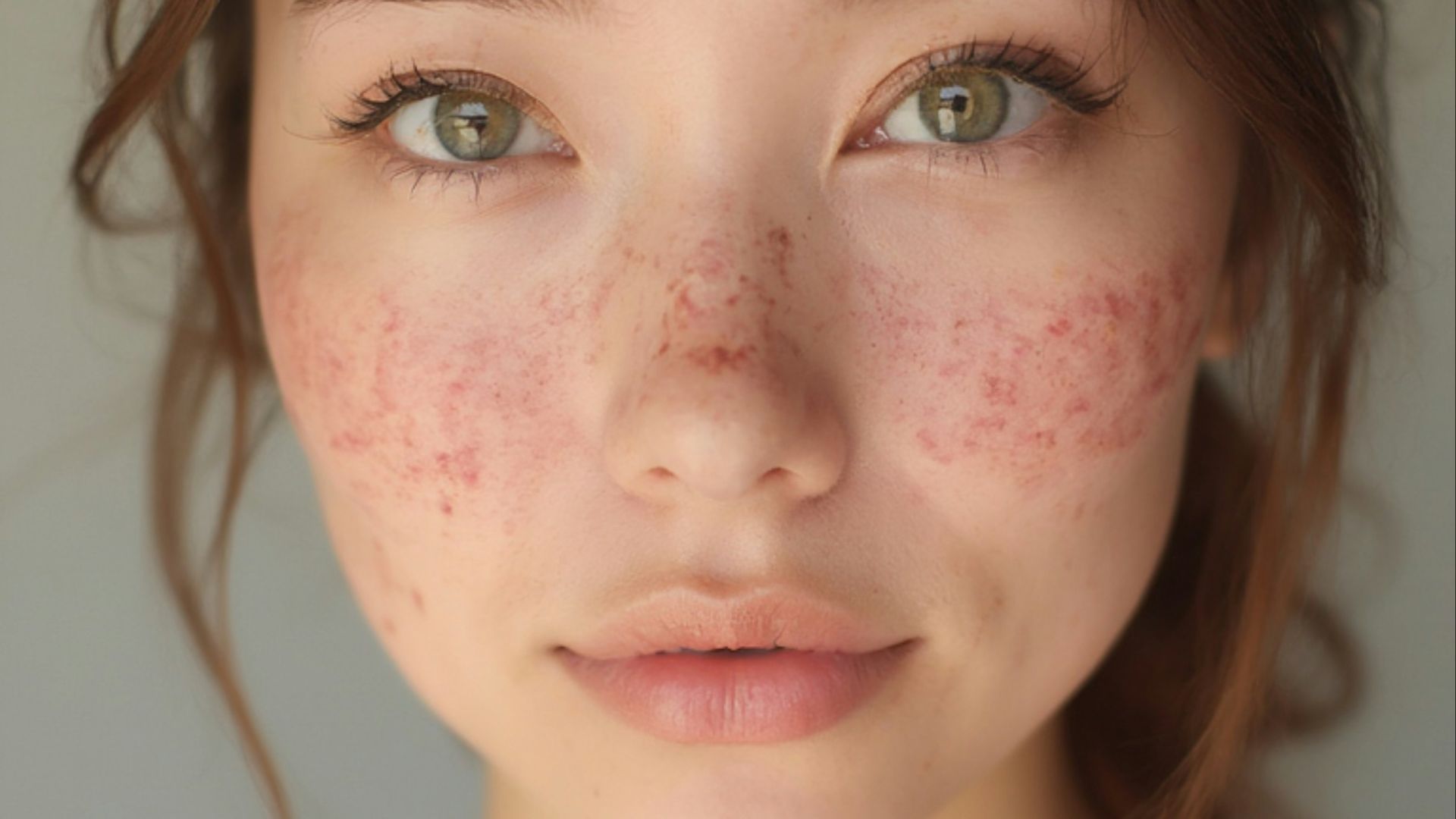
Regular use can help even out skin tone and reduce persistent redness, especially in milder cases. The change is subtle, but it adds up in a way that makes skin look calmer and more balanced overall.
10. Cellular Energy Production
At a cellular level, red light supports mitochondrial activity, which helps cells produce energy more efficiently. This isn’t something you feel directly, but it underpins many of the smaller, visible improvements seen with consistent use.
The problem is that these real, limited benefits often get stretched into something much bigger than they are. Here are ten claims that are overhyped.

1. Fat Loss
Despite how it’s marketed, red light therapy doesn’t meaningfully reduce body fat. At best, it may cause temporary changes in fat cells that don’t translate into lasting, visible results without diet and exercise.

2. Instant Wrinkle Removal
The idea that a few sessions can erase wrinkles doesn’t hold up in practice. Any improvement in skin comes slowly, and even then, it softens rather than removes lines.
3. Full-Body Detox
“Detox” is one of those words that sounds convincing but rarely means anything specific. Red light therapy doesn’t flush toxins or replace the body’s existing systems that already handle that job.

4. Curing Chronic Diseases
Some claims push it as a treatment for serious, long-term conditions, which quickly moves beyond what the evidence supports. It may help with certain symptoms, but it’s not a cure or a substitute for proper treatment.

5. Dramatic Muscle Growth
While it can support recovery, it doesn’t build muscle on its own. Any suggestion that it significantly increases muscle mass without training is more marketing than reality.

6. Permanent Hair Regrowth
Hair growth benefits are often overstated, especially when framed as permanent solutions. Most results require ongoing use, and even then, they vary widely from person to person.

7. Complete Pain Elimination
Red light therapy can reduce discomfort, but it rarely eliminates pain entirely. It’s better understood as something that helps manage symptoms rather than remove them altogether.

8. Replacing Skincare
It can complement a skincare routine, but it doesn’t replace basic habits like cleansing, moisturizing, and sun protection. Without those, any benefits tend to be limited or short-lived.
9. Instant Energy Boost
Some people report feeling more energized, but it’s not consistent or immediate enough to rely on. It doesn’t replace sleep, nutrition, or anything else that actually drives energy levels.

10. One-Session Results
Most meaningful effects come from repeated, consistent use over time. The idea that one session will create noticeable change is more about selling the experience than reflecting how it actually works.

KEEP ON READING