
Should Your Kids Play Sports?
Deciding whether to sign your kids up for a sport is one of those parenting questions that seems simple on the surface but gets more complicated the longer you think about it. One one hand, there are real, tangible benefits to getting children involved in athletics, from building physical fitness to teaching them how to work as part of a team. But on the other hand, there are equally valid reasons why sports might not be the right fit for every child or every family, so it's worth considering both sides before you make any commitments.
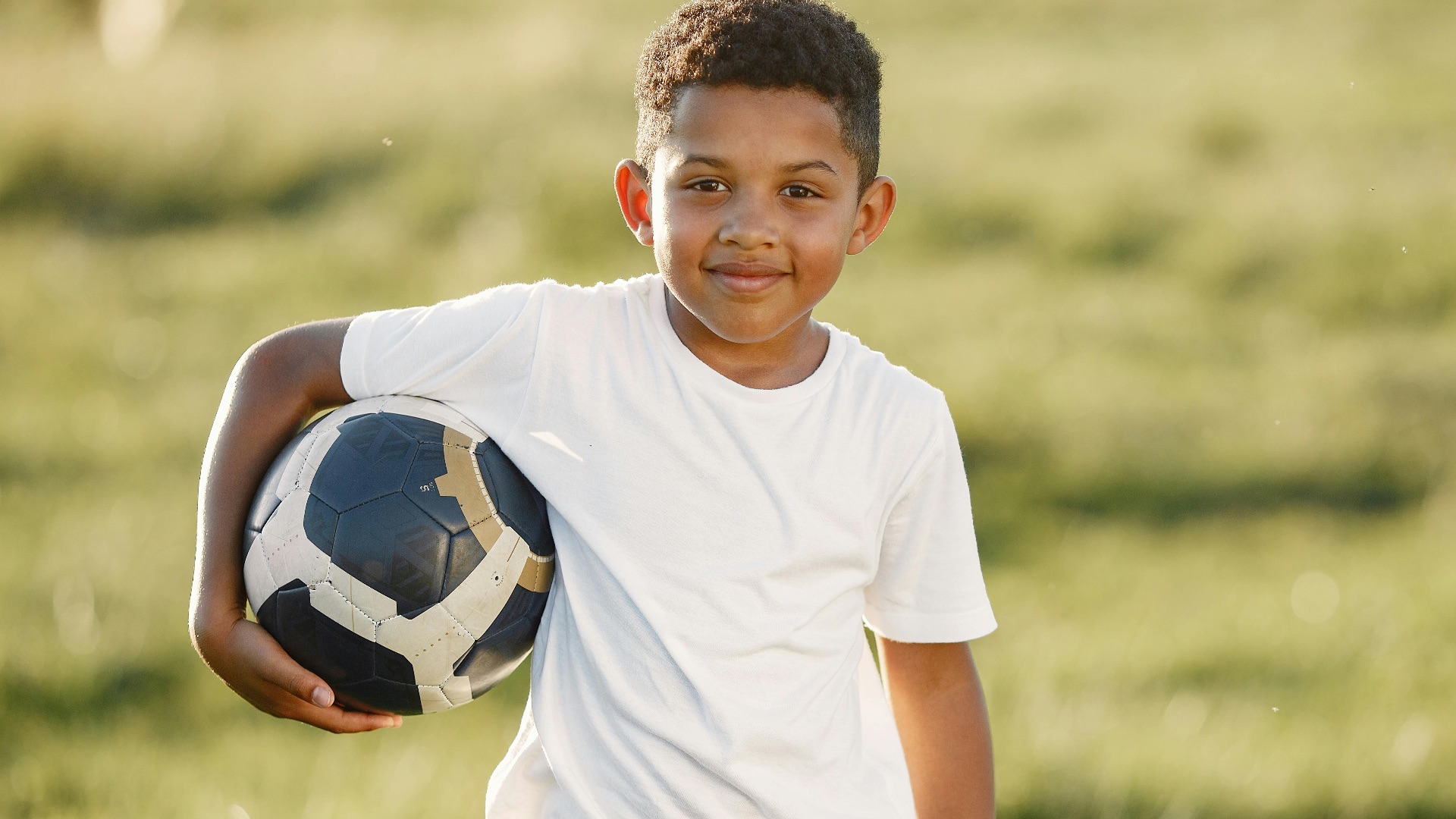
1. Builds Physical Fitness from an Early Age
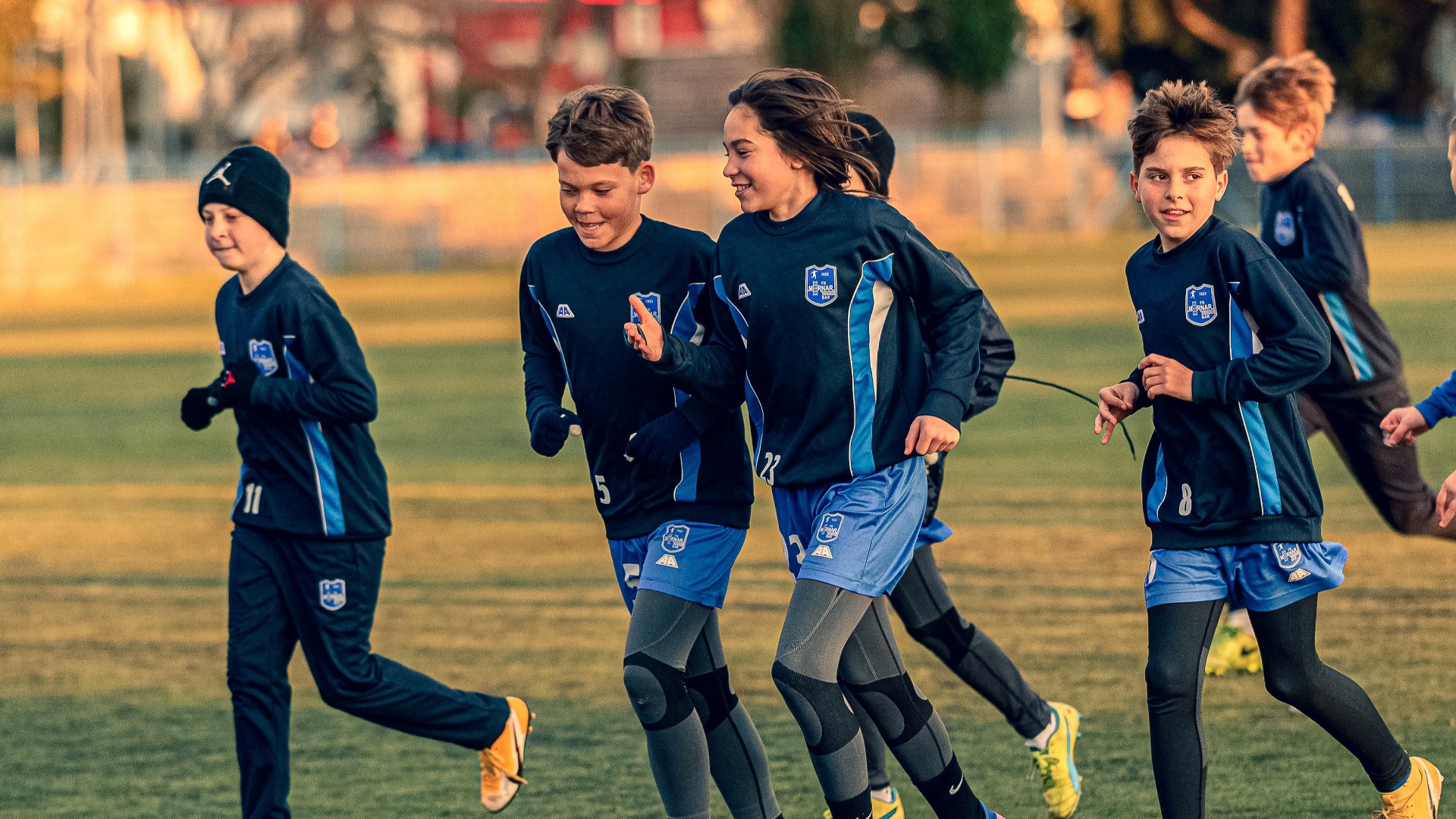
Regular participation in sports helps children develop stronger muscles, better cardiovascular health, and improved coordination well before adulthood. Kids who are active from a young age tend to maintain healthier habits as they get older, which can reduce the risk of chronic health conditions down the line. Encouraging your child to stay active through sports is one of the most straightforward ways to invest in their long-term well-being.
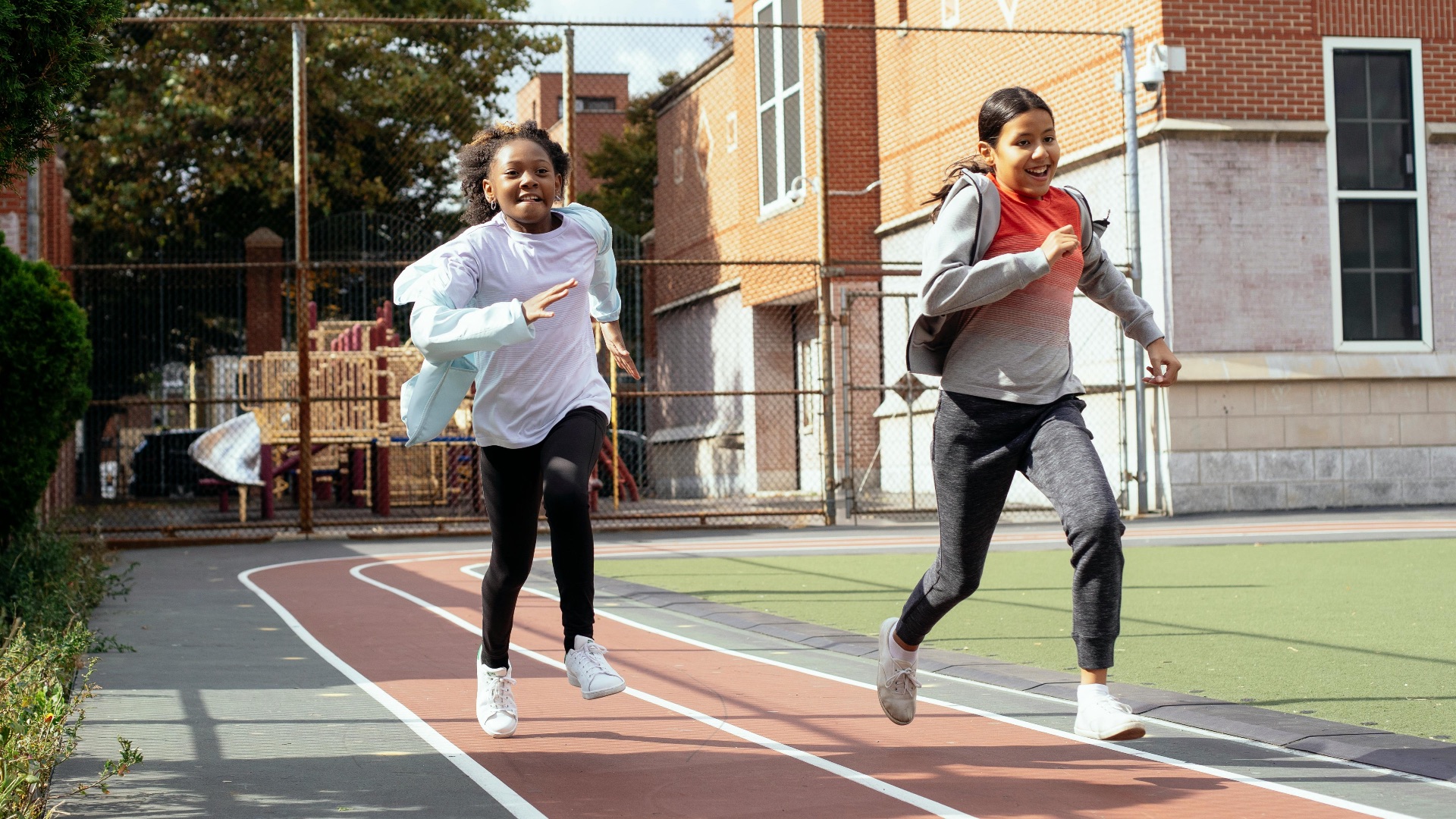
2. Teaches Teamwork and Collaboration
Team sports put children in situations where they have to work alongside others toward a shared goal, which is a skill that carries over into nearly every area of adult life. Learning to communicate, share responsibilities, and trust their teammates gives kids a social foundation that's hard to replicate in a classroom setting. These lessons tend to stick because they're learned through firsthand experience rather than instruction alone.
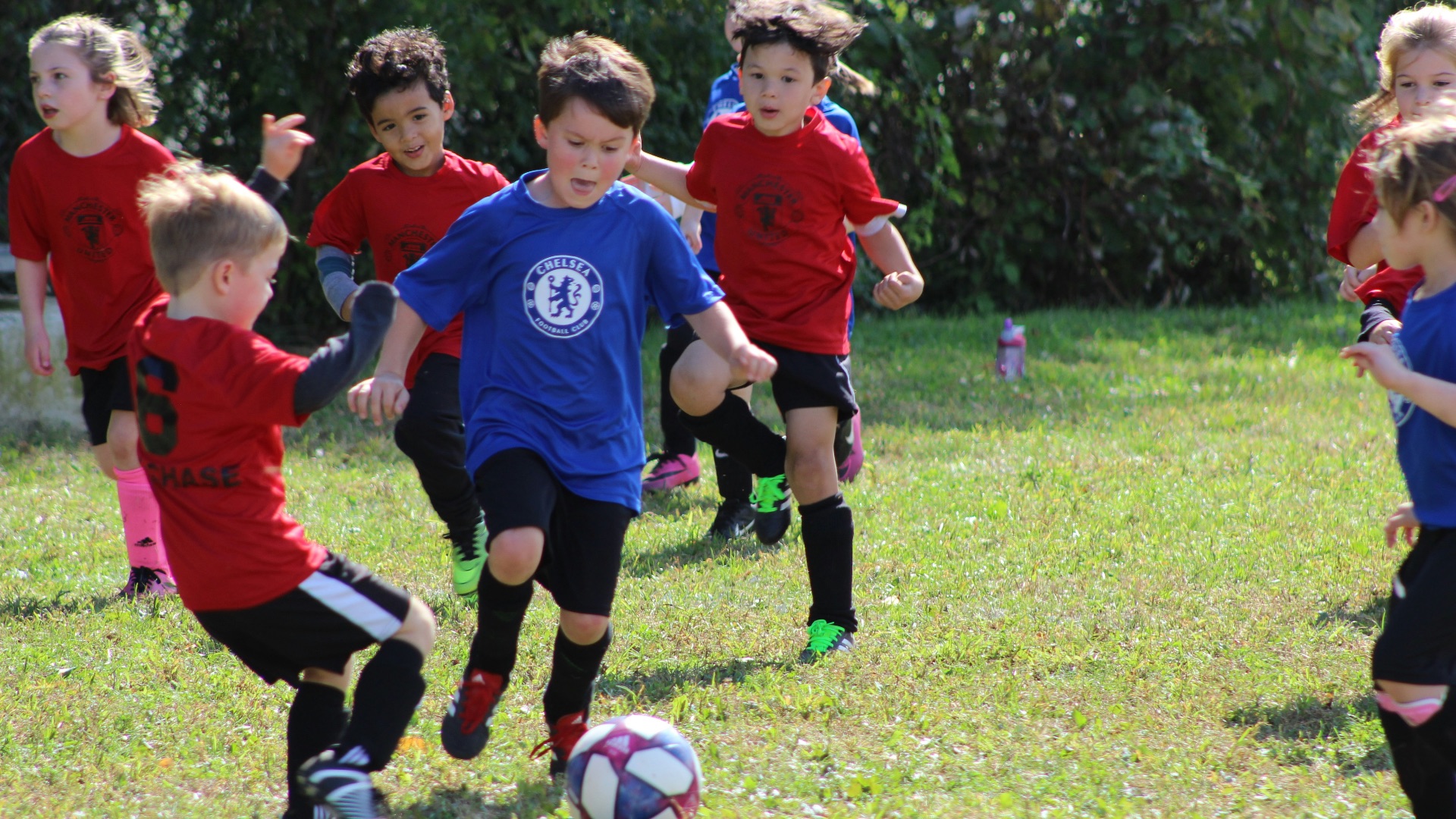
3. Helps Develop Resilience and Perseverance
Sports expose kids to setbacks on a regular basis, whether that's losing a game, missing a shot, or getting cut from a roster. Working through those disappointments in a structured environment teaches children how to manage frustration and keep going despite obstacles. That kind of resilience is something they'll draw on throughout their lives, long after they've moved on from youth athletics.
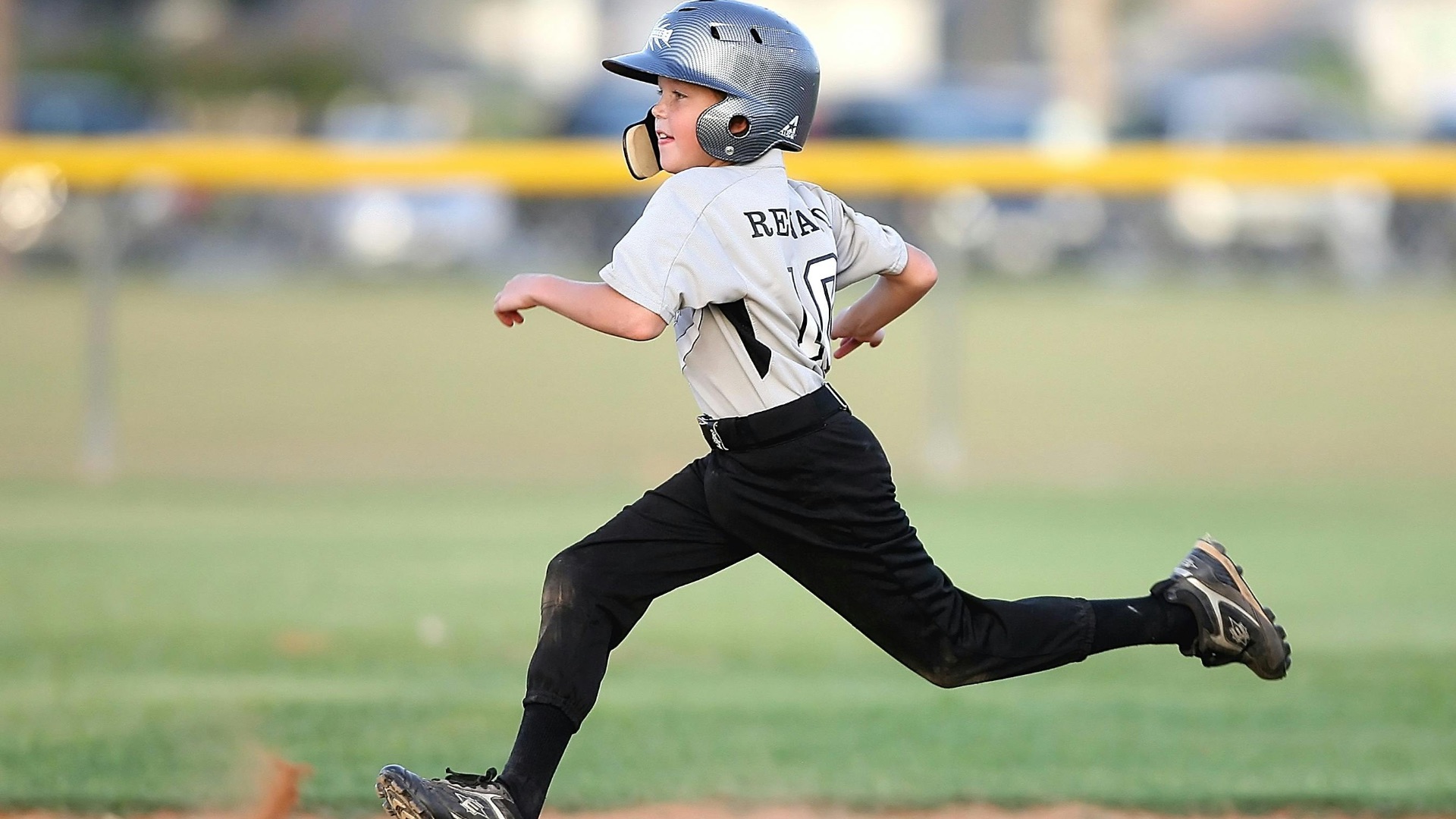
4. Supports Mental Health and Emotional Regulation
Physical activity is well-documented as a natural mood booster, and kids who play sports regularly often show lower levels of anxiety and depression compared to their less active peers. The routine of practice and competition also gives children a healthy outlet for stress, which can be especially valuable during the more demanding years of school. Beyond the physical benefits, the sense of belonging that comes from being part of a team can do a lot for a child's self-esteem.
5. Encourages Discipline and Time Management
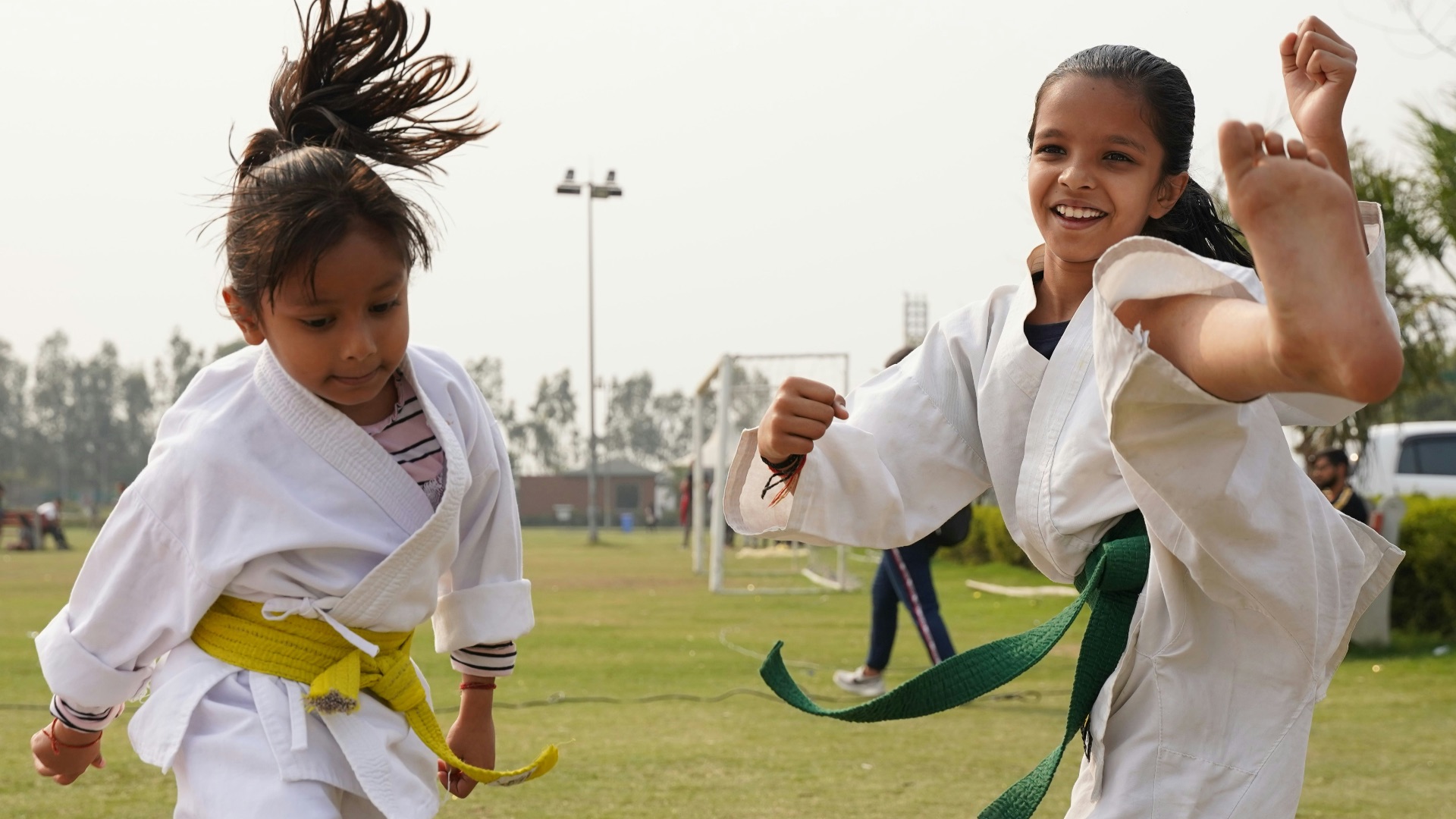
Committing to a sport means showing up to practice, keeping up with schoolwork, and learning how to balance multiple responsibilities at once. Kids who play sports often become more organized by necessity, since they have to figure out how to manage their time across different commitments. Those habits, once established early, tend to become part of how they approach challenges as they get older.
6. Creates Meaningful Social Connections
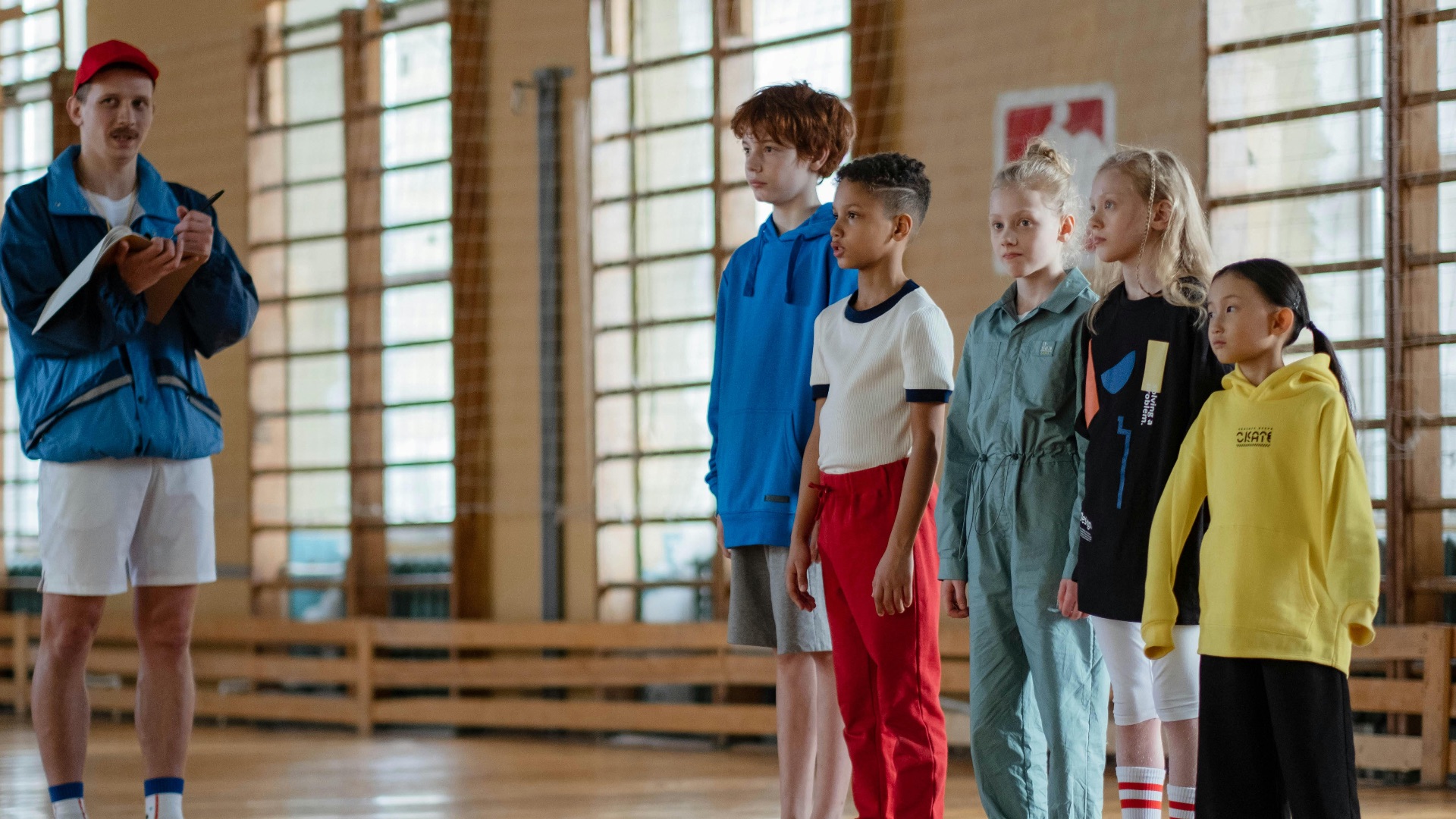
Being on a team gives children a built-in social environment where they can form friendships with peers who share a common interest. For kids who struggle to connect socially in other settings, the shared experience of working toward a goal together can make it much easier to build relationships. Some of those friendships end up lasting well into adulthood, which makes sports one of the more powerful social vehicles available to young people.
 Alexander Nadrilyanski on Pexels
7. Provides Structure and Routine
Children generally thrive when they have a predictable schedule, and sports provide exactly that with regular practices, games, and seasonal rhythms. That structure can be especially useful for high-energy kids who need a consistent outlet for their activity levels. Having something to show up for on a regular basis also gives children a sense of purpose and something to look forward to throughout the week.
8. Cultivates Leadership Skills
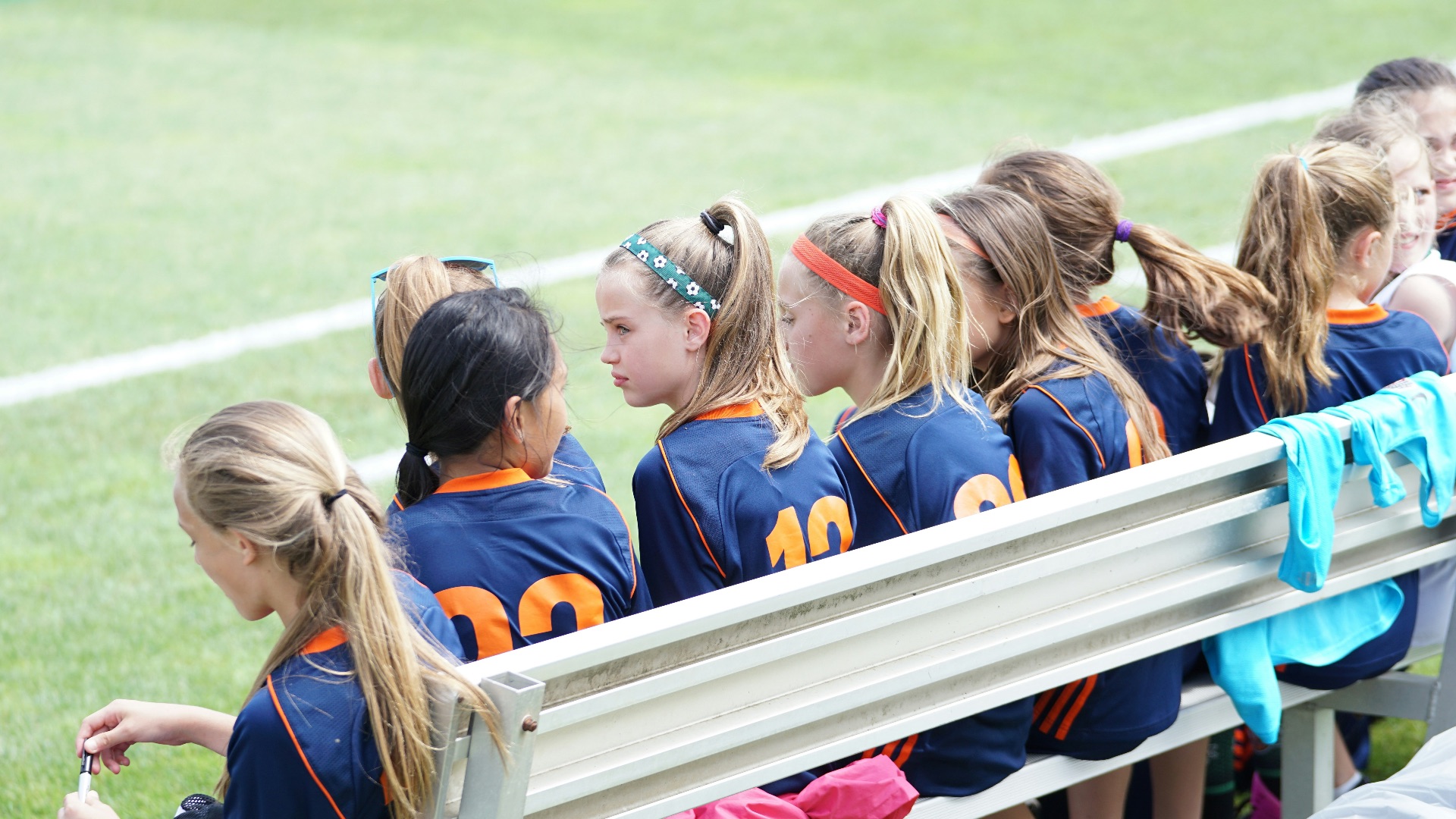
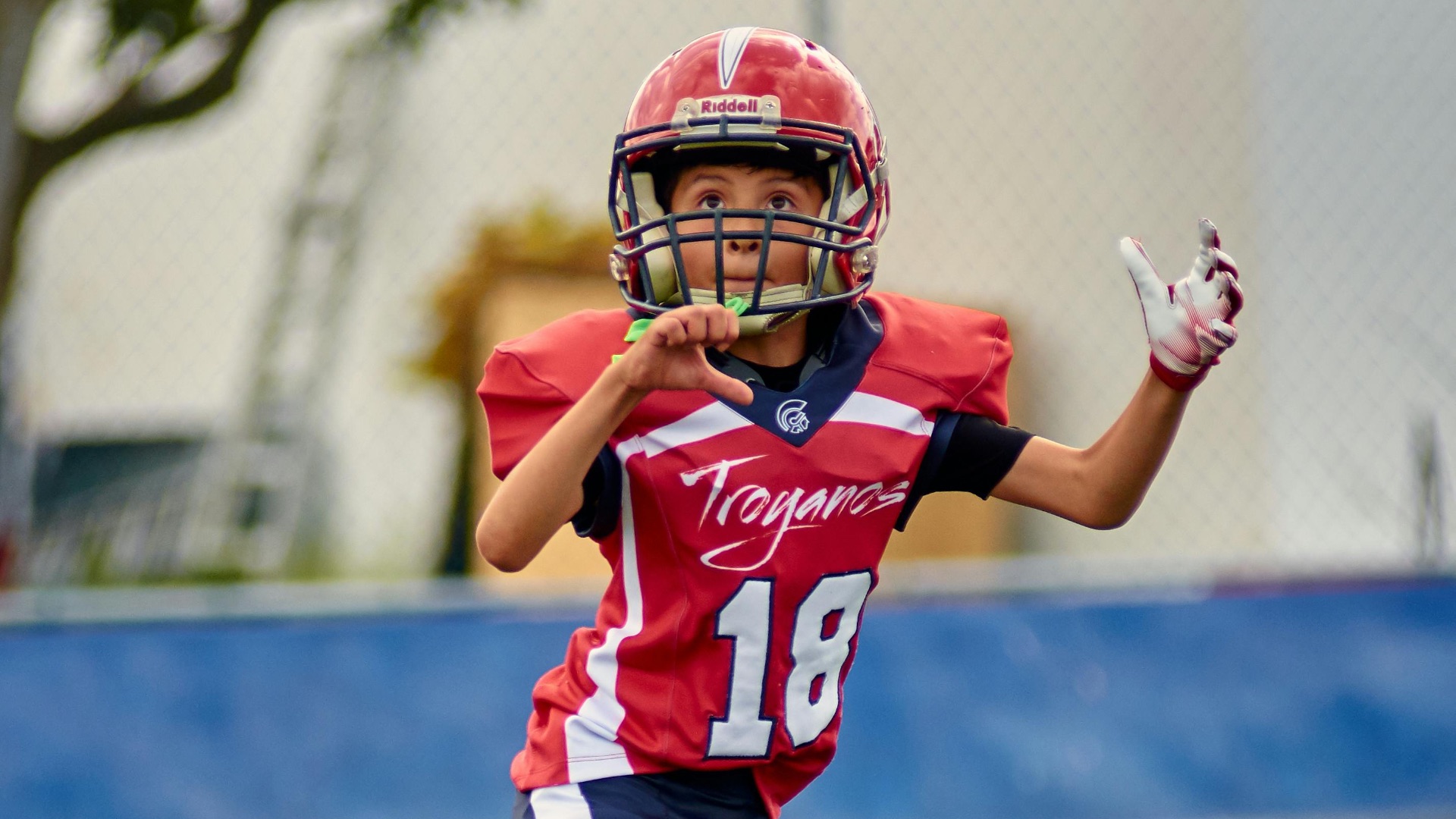
Whether your child ends up as a team captain or simply takes initiative during a tough moment in a game, sports create natural opportunities for leadership to emerge. Kids learn how to motivate others, communicate under pressure, and take responsibility for their role within a group. Those experiences lay the groundwork for the kind of leadership qualities that are valued in academic, professional, and personal settings alike.
 Gerardo Vazquez Garcia on Pexels
9. Introduces Healthy Competition
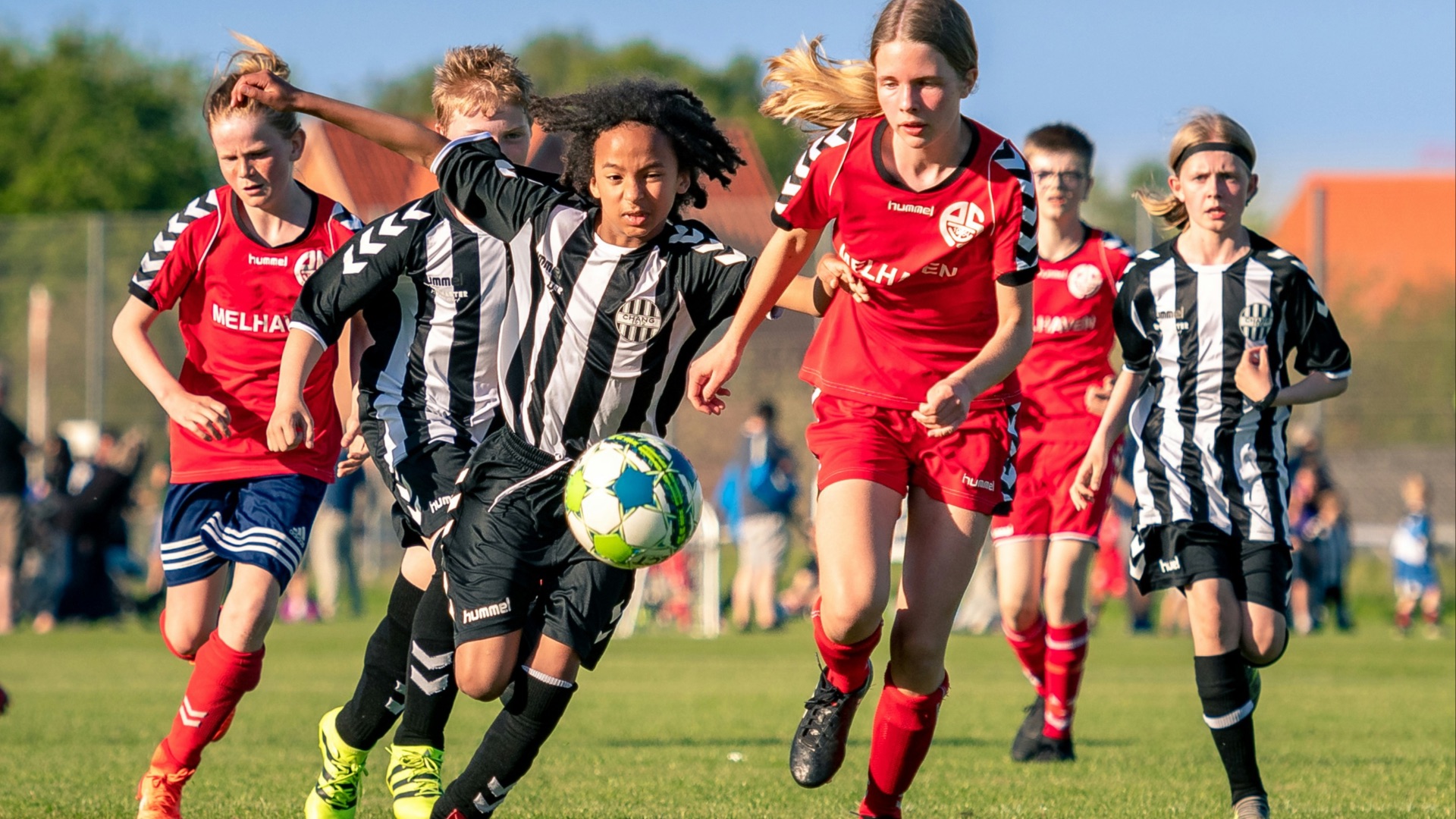
Learning how to compete in a fair, respectful way is a skill that doesn't come automatically to most kids, and sports offer one of the best environments for developing it. Children who grow up playing competitive sports tend to become more comfortable with being evaluated and measured against others, which prepares them for the realities of school and the workplace. The key is that sports frame competition within a set of rules and expectations, which teaches kids that how you compete matters just as much as whether you win.
10. It Can Open Doors to Future Opportunities
For kids who take to sports naturally and pursue them seriously, athletics can create pathways that wouldn't otherwise exist, including scholarships, college recruitment, and career opportunities in coaching or sports management. Even for those who don't go pro, having a background in competitive sports can be an asset when it comes to college applications and professional networking. The skills and experiences gained through years of athletic participation have a way of paying dividends well beyond the playing field.
But on the flip side, sports aren't a one-size-fits-all solution, and it's just as important to be honest about the potential downsides. Let's now take a look at 10 reasons why sports might not be the right choice for your child right now, or at all.

1. The Financial Cost Can Add Up Quickly
Between registration fees, equipment, uniforms, travel, and private coaching, youth sports can become a significant financial burden for many families. Some sports, particularly those that involve travel leagues or specialized gear, can run into thousands of dollars per year before you've even factored in incidentals. It's worth doing an honest budget assessment before committing, because financial stress on parents can trickle down and affect the overall experience for everyone involved.

2. It Can Put Excessive Pressure on Kids
When sports become less about enjoyment and more about performance metrics, rankings, and parental expectations, children can start to dread the very activity that was supposed to be fun. That kind of pressure has been linked to burnout, anxiety, and early dropout from sports altogether, which defeats the purpose of enrolling them in the first place. Paying close attention to how your child talks about their sport can help you gauge whether the pressure has crossed a line.

3. It Comes with a Real Risk of Injury
Contact sports in particular carry a meaningful risk of physical injury, ranging from minor sprains and bruises to more serious issues like concussions or stress fractures. Even non-contact sports aren't entirely free from injury risk, especially when kids are pushing themselves hard during practice or competition. Parents should have a clear understanding of the injury statistics for whatever sport their child is considering before they sign up.

4. Leaves Little Time for Other Interests
A demanding sports schedule can crowd out time that your child might otherwise spend on creative pursuits, academic enrichment, or simply relaxing and playing freely. Kids who are over-scheduled from a young age sometimes struggle to discover what they actually enjoy because they've never had the space to explore. Balance matters, and a sport that takes over every evening and weekend may not leave enough room for a well-rounded childhood.

5. Not All Coaches Create Positive Environments
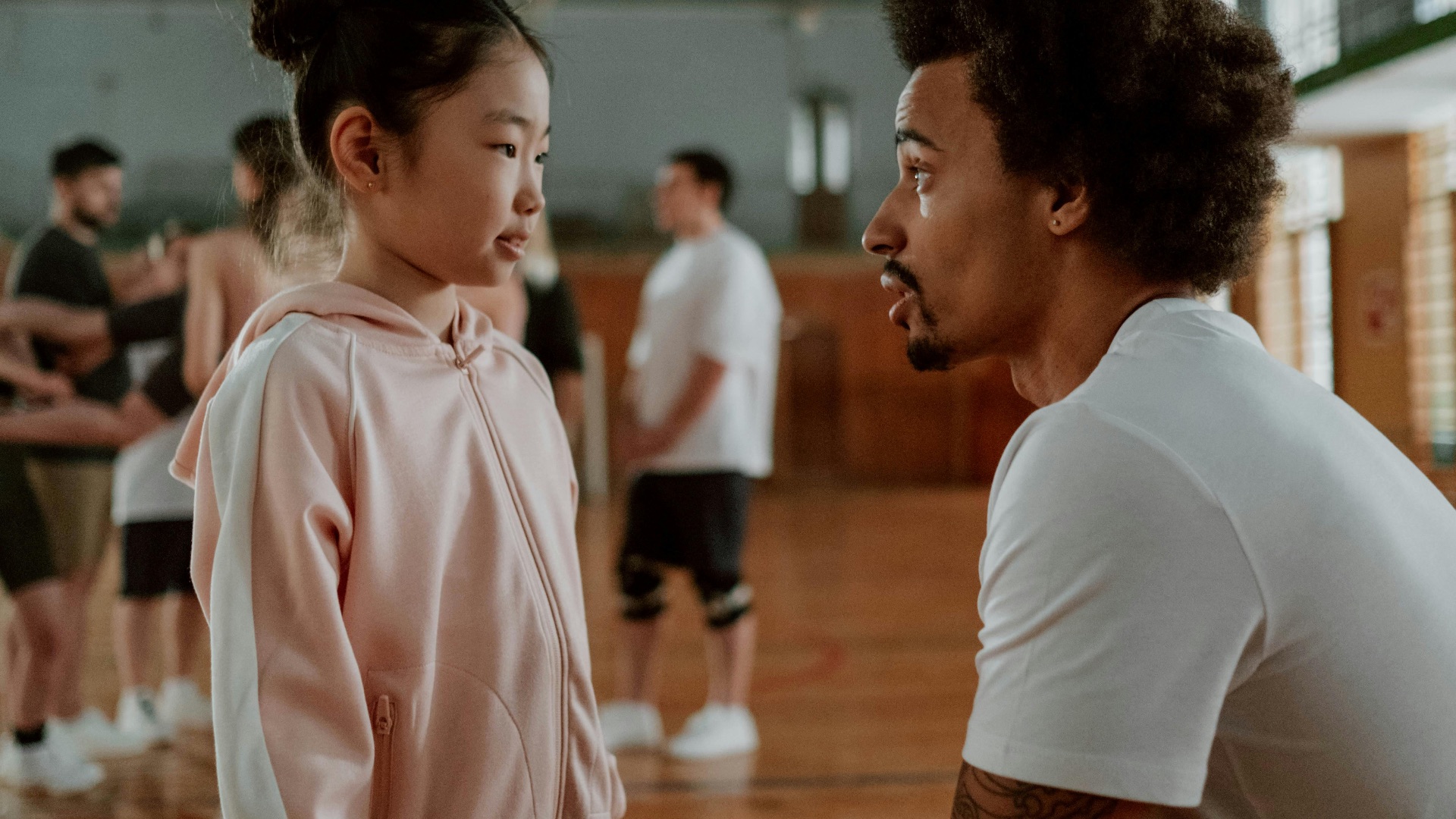
The quality of a child's experience in sports is heavily shaped by the adults in charge, and not every coach prioritizes emotional safety, fairness, or age-appropriate expectations. A negative coaching experience can cause lasting damage to a child's confidence and their relationship with physical activity, sometimes putting them off sports entirely. Before signing up, it's worth spending some time observing how a coach interacts with the kids already in the program.
6. Early Specialization Can Lead to Burnout
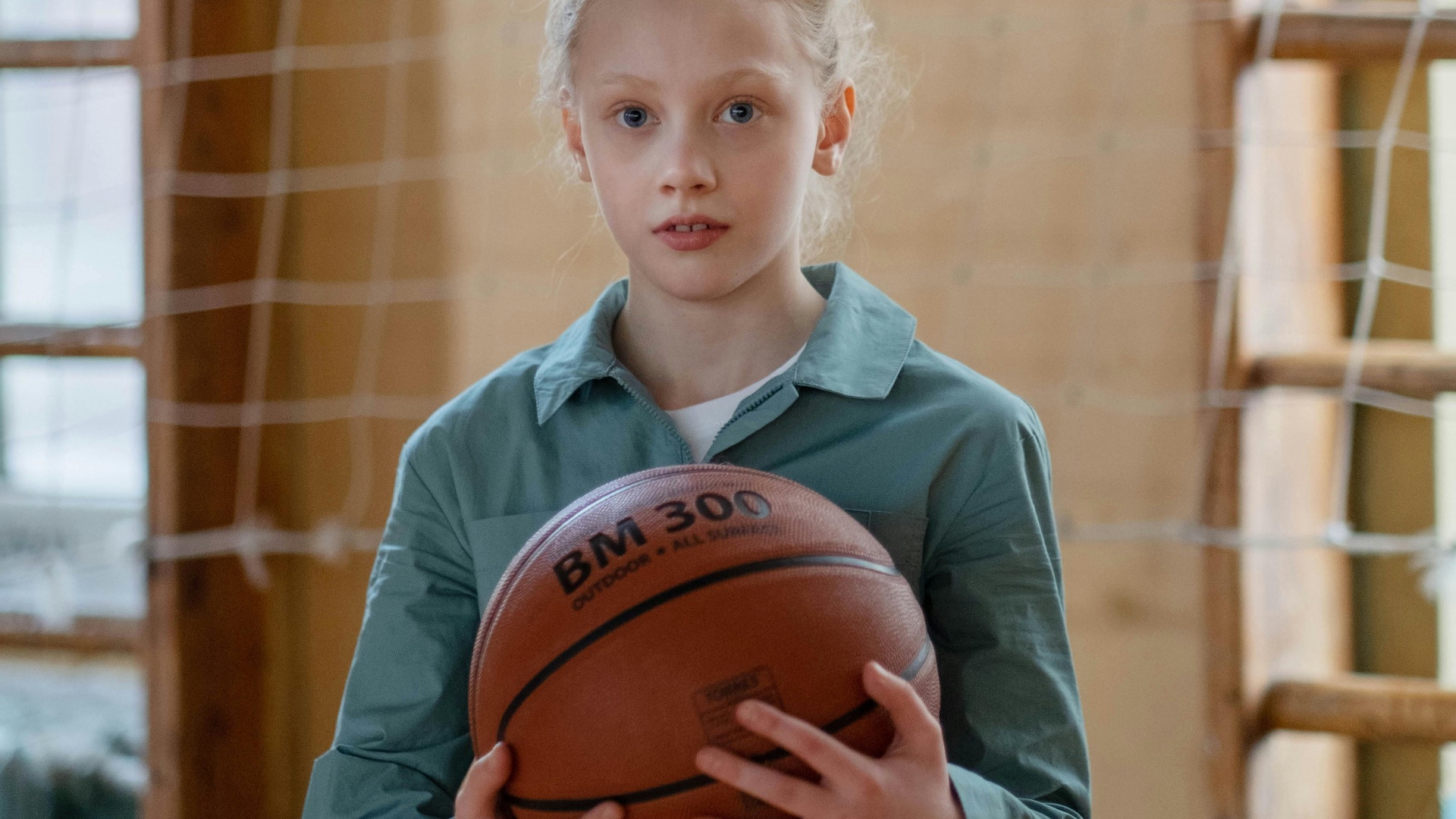
There's a growing body of research suggesting that pushing kids to specialize in a single sport too early can actually be counterproductive, both physically and mentally. Overuse injuries are more common in children who train the same muscle groups year-round, and the psychological fatigue of doing one thing exclusively can erode motivation faster than most parents expect. Many elite athletes credit their success to sampling multiple sports during childhood rather than locking in early.
7. It Can Become More About the Parents Than the Child
Youth sports have a well-documented tendency to bring out intense behavior in parents, from sideline arguments to placing unrealistic expectations on their kids' performance (such as when parents push their children into sports because of their own unfulfilled ambitions). When a parent's emotional investment in the outcome outpaces the child's own enthusiasm, the sport can stop being the child's activity and start feeling like an obligation they're fulfilling for someone else. It takes a consistent level of self-awareness to keep your child's experience at the center of why they're playing.
8. Some Kids Simply Aren't Interested
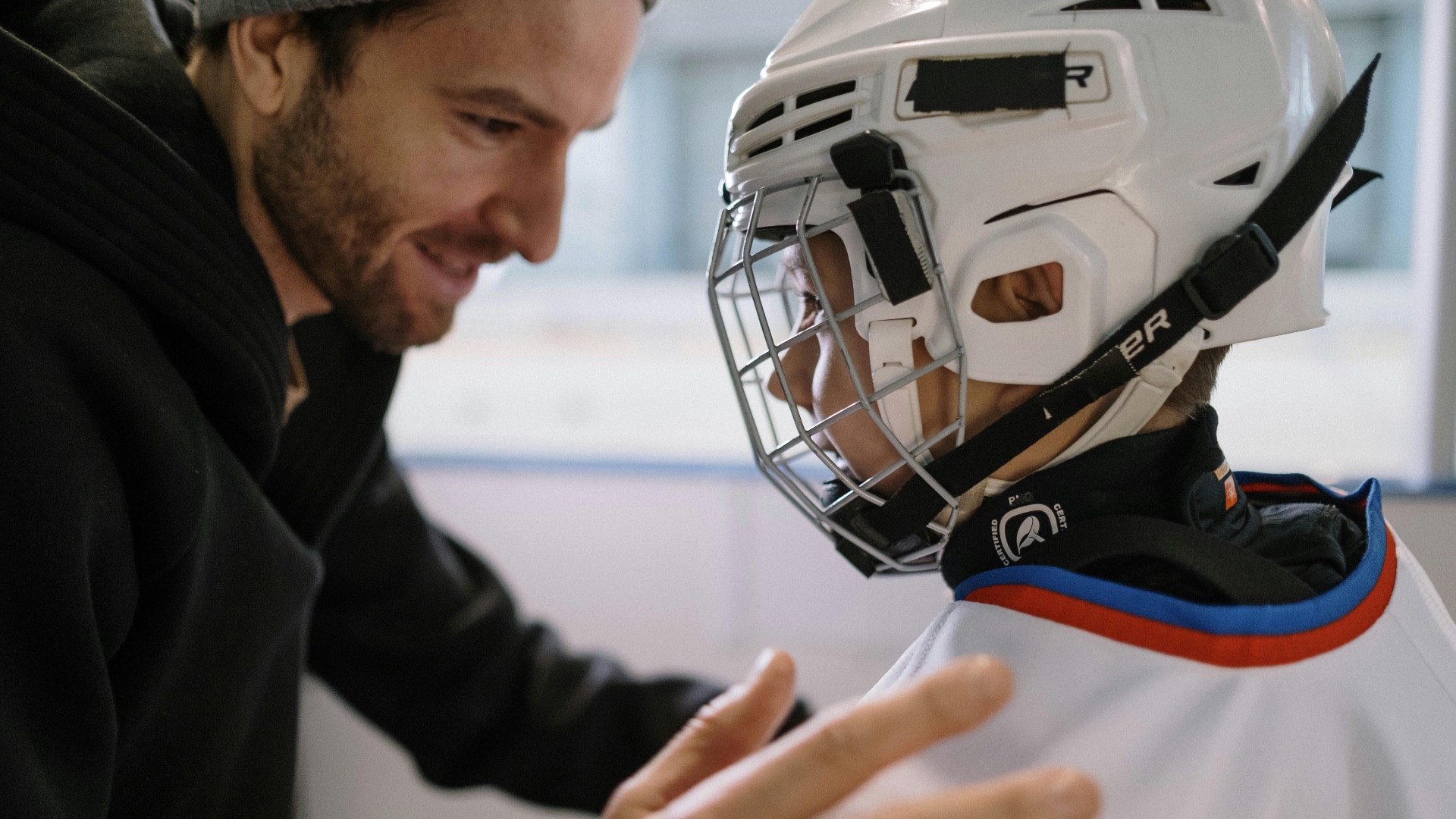
Not every child is naturally drawn to sports, and enrolling a reluctant kid in an activity they have no interest in rarely ends well for anyone. Forcing participation can breed resentment and teach children that their preferences don't matter, which is a harder lesson to undo than simply skipping the sport altogether. If your child consistently shows no enthusiasm for athletics, it may be a better investment of everyone's time to explore other activities that genuinely excite them.

9. The Competitive Culture Isn't Right for Every Temperament
Some children are naturally more sensitive or introverted, and the high-stakes, high-visibility environment of competitive sports can feel overwhelming rather than motivating to them. Being evaluated publicly, dealing with losing in front of peers, or navigating team dynamics can be sources of real distress for kids who aren't wired for that kind of pressure. There are plenty of other ways to stay active and build character that don't involve the intensity of organized competition.
10. It Doesn't Automatically Translate to Life Skills
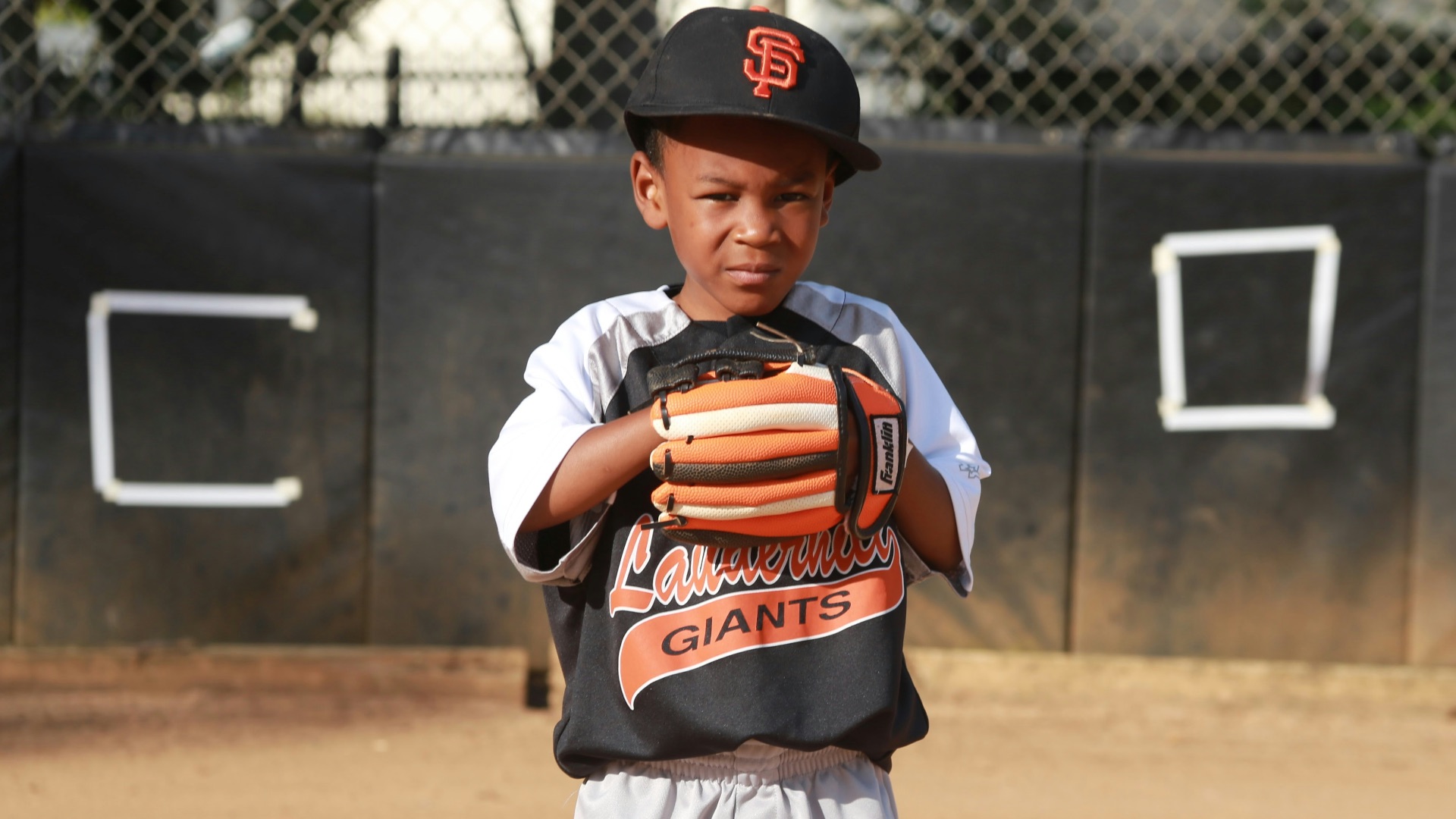
While sports can be a great vehicle for teaching discipline, leadership, and resilience, those lessons aren't guaranteed to happen just because a child puts on a uniform. The quality of the coaching, the team culture, and the level of parental support all play significant roles in whether a child actually internalizes those values. Sports are a tool, and like any tool, the outcome depends entirely on how thoughtfully they're used.
KEEP ON READING



20 Natural Ways You Can Boost Your Immune System

20 Ways To De-stress & Relax After Work

The 10 Most Common Diseases & The 10 Most Rare