Eating Your Way to Hydration
Staying properly hydrated can feel like a bit of a chore when you’re just not thirsty, or you’re tired of carrying around a heavy water bottle all day. As people get older, the body actually loses some of its ability to signal thirst, which makes it much easier to accidentally become dehydrated without even realizing it. With that in mind, here are 20 foods you can eat to help meet those hydration needs.

1. Crispy Cucumber Slices
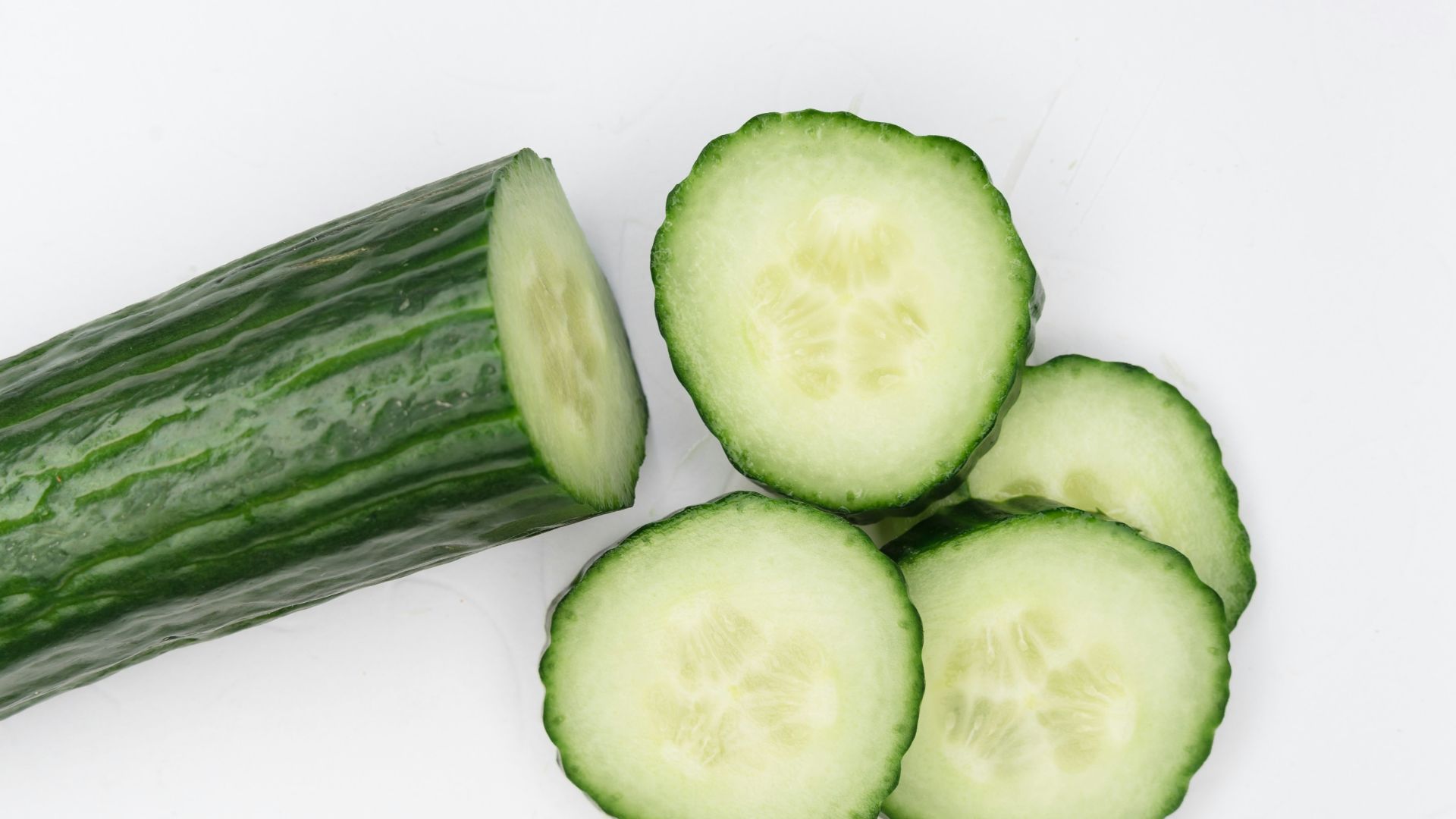
Cucumbers are about 95 percent water, which makes them nature’s sports drink. Enjoy them peeled if the skin isn’t preferred, or unpeeled for extra crunch. Slice them up and toss them in tuna salad for lunch, or munch on them throughout the day.
2. Juicy Watermelon Wedges
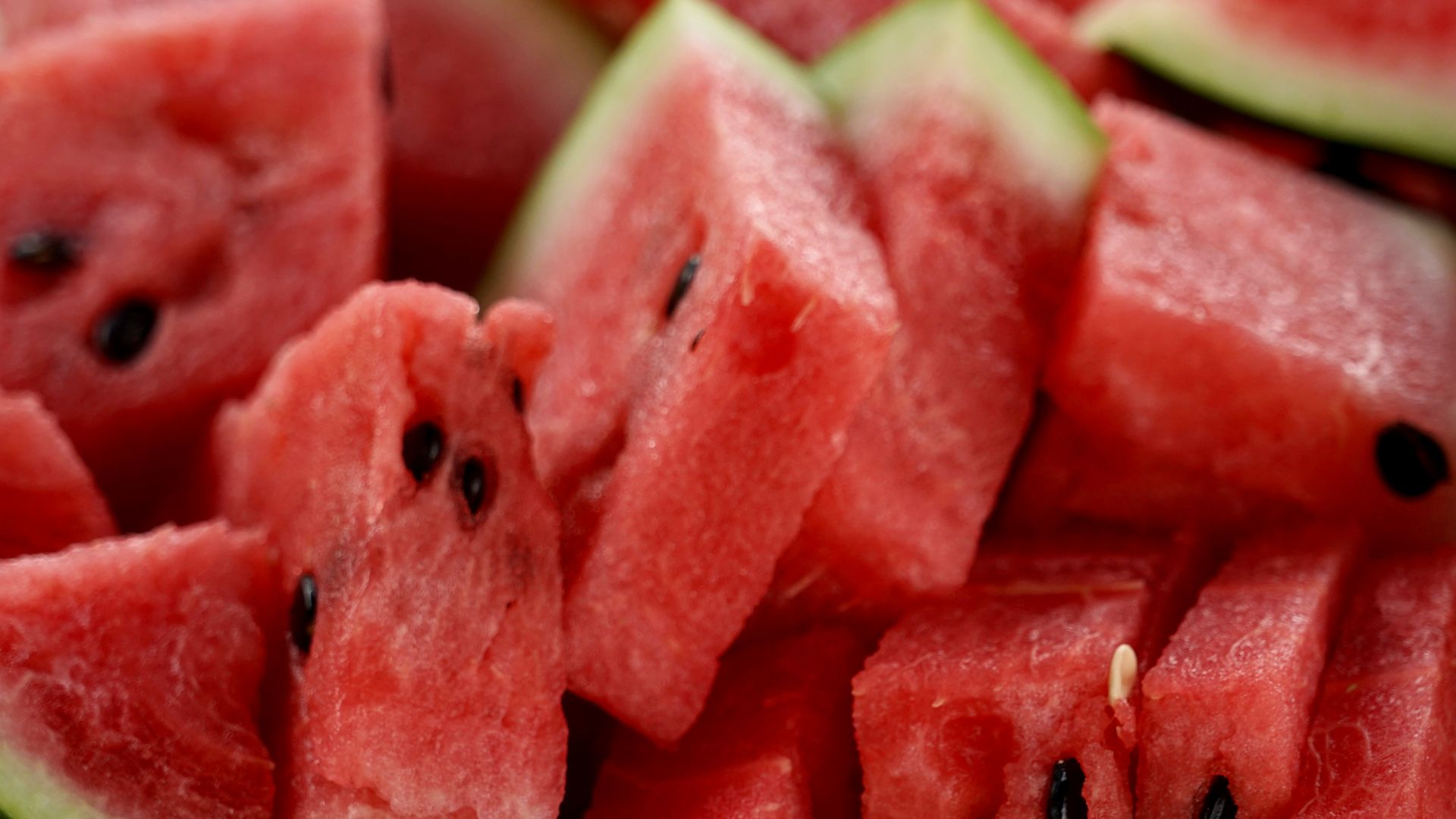
It’s easy to see why watermelon is so hydrating. Each bite is full of water, and it also contains lycopene, which is great for heart health. A big bowl of melon can be just as satisfying as a glass of water.
3. Fresh Strawberries
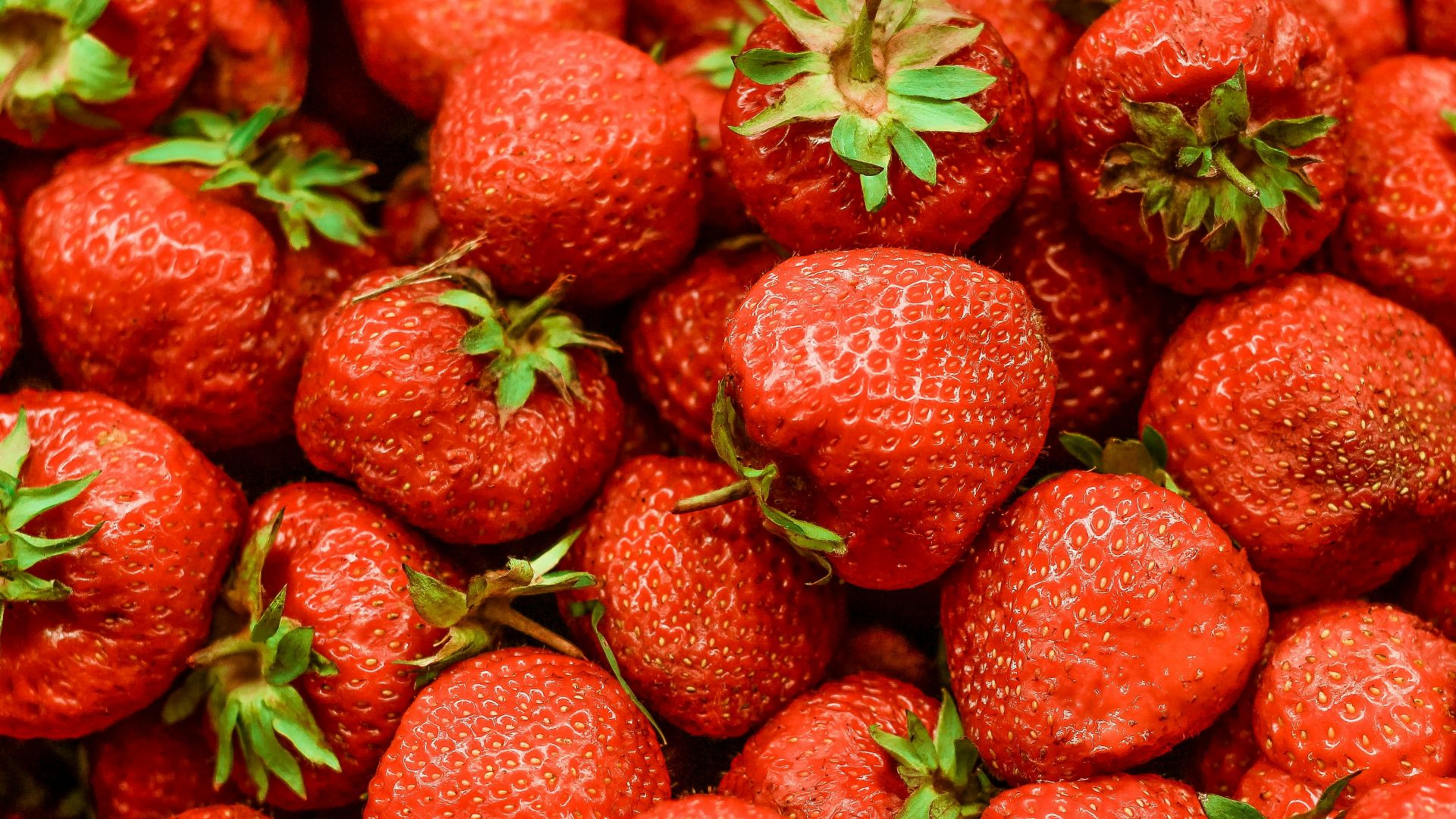
Strawberries are made up of 91 percent water. Toss a few into a morning bowl of oatmeal or yogurt. Not only does this increase hydration, but it also helps avoid adding extra sugar.
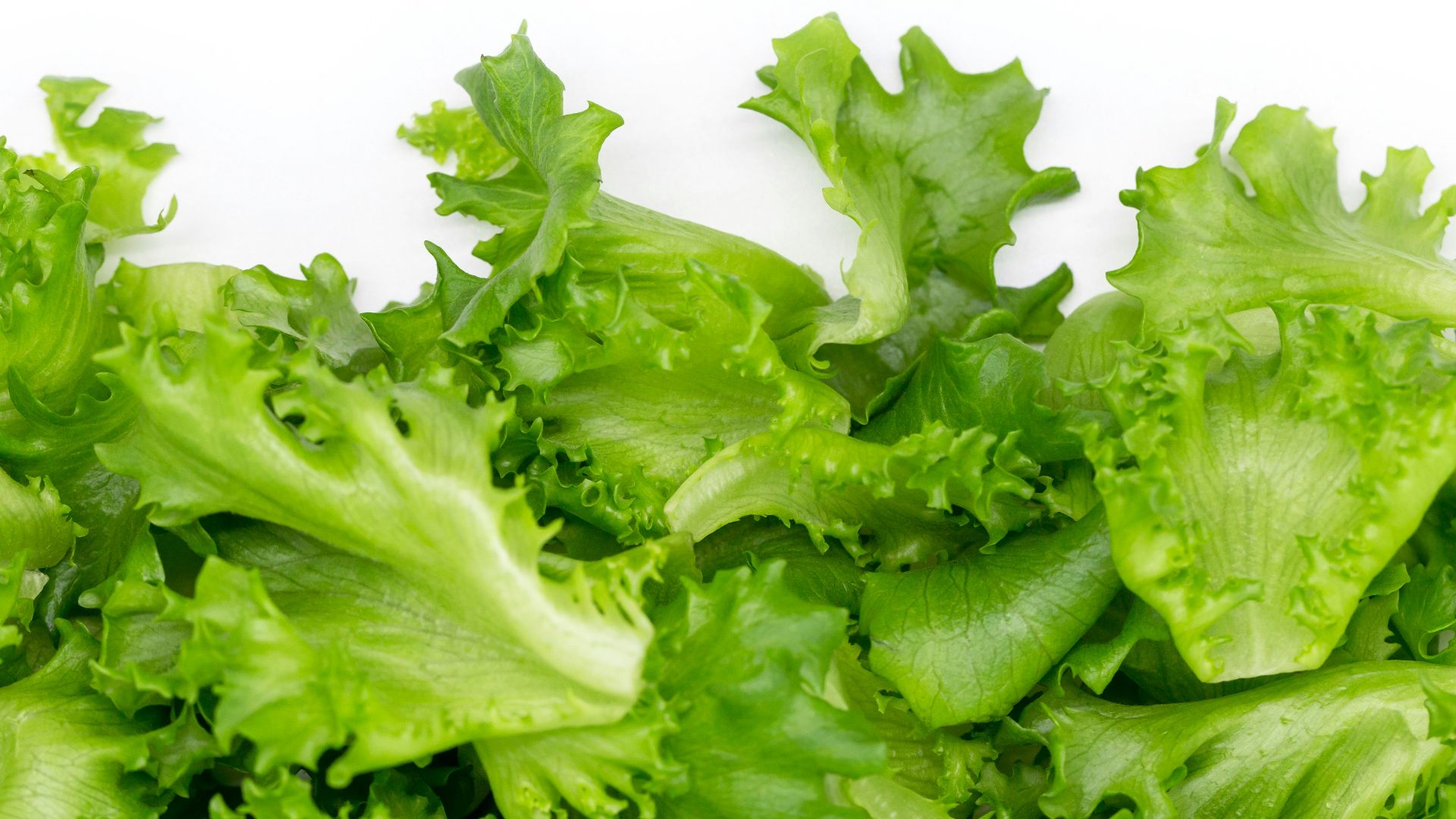
4. Refreshing Iceberg Lettuce
While it sometimes gets a bad reputation for being less nutrient-dense than kale, this leafy green is actually a hydration powerhouse. It’s perfect for those who find drinking water boring because it provides a satisfying crunch in sandwiches or wraps. It can be piled high on a plate to significantly increase fluid intake during lunchtime.
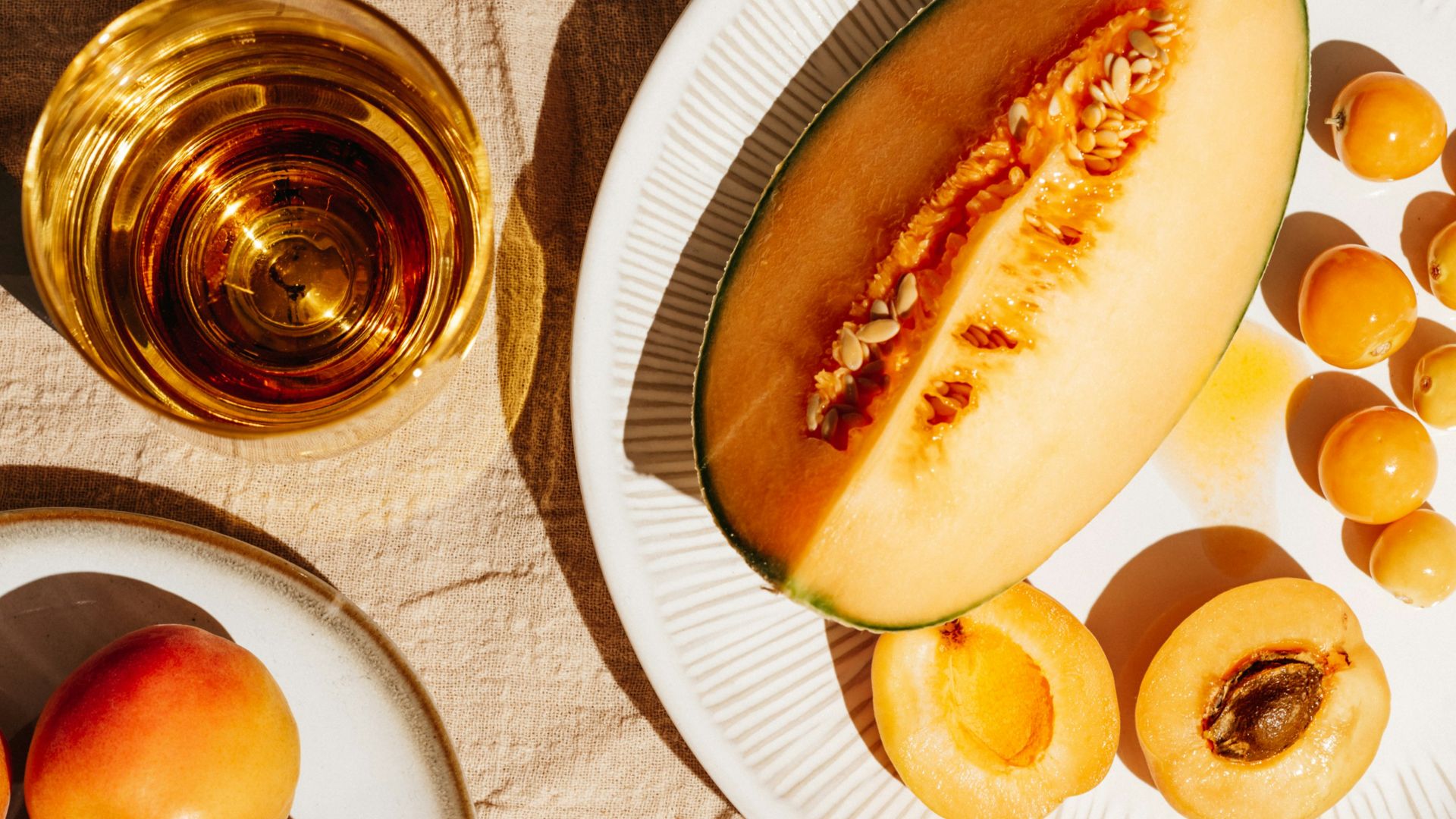
5. Sweet Cantaloupe
Cantaloupe is soft, sweet, and easy to chew. For older adults who struggle to drink enough water, a slice of melon can help. Full of electrolytes like potassium, cantaloupe helps the body retain water throughout the day.
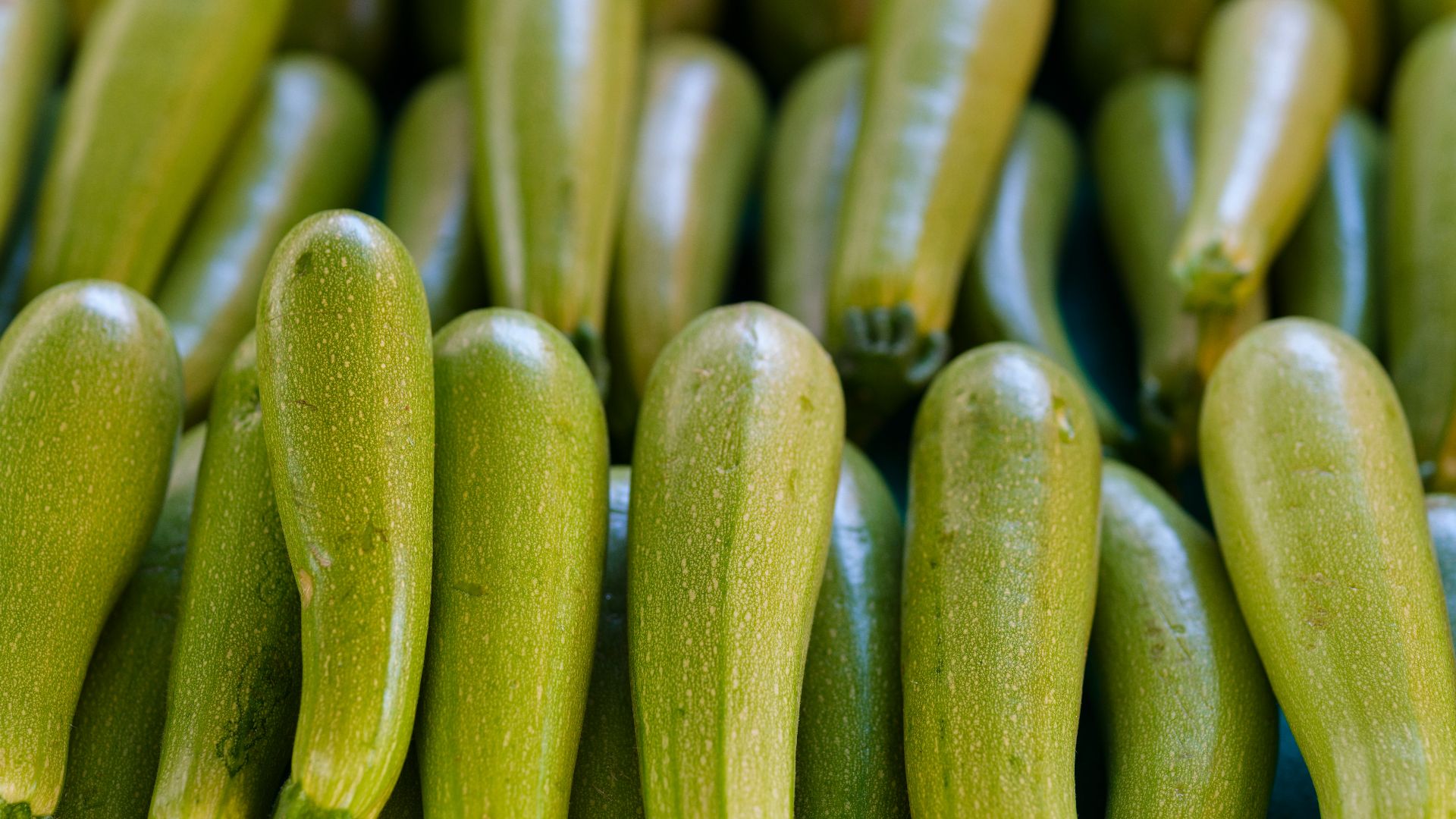
6. Zucchini Noodles or Slices
This versatile summer squash is mostly water and takes on the flavor of whatever sauce or seasoning is used. It can be grated into muffins for extra moisture or sautéed lightly as a healthy side dish. It’s a great way to add more hydration without changing beverage habits.
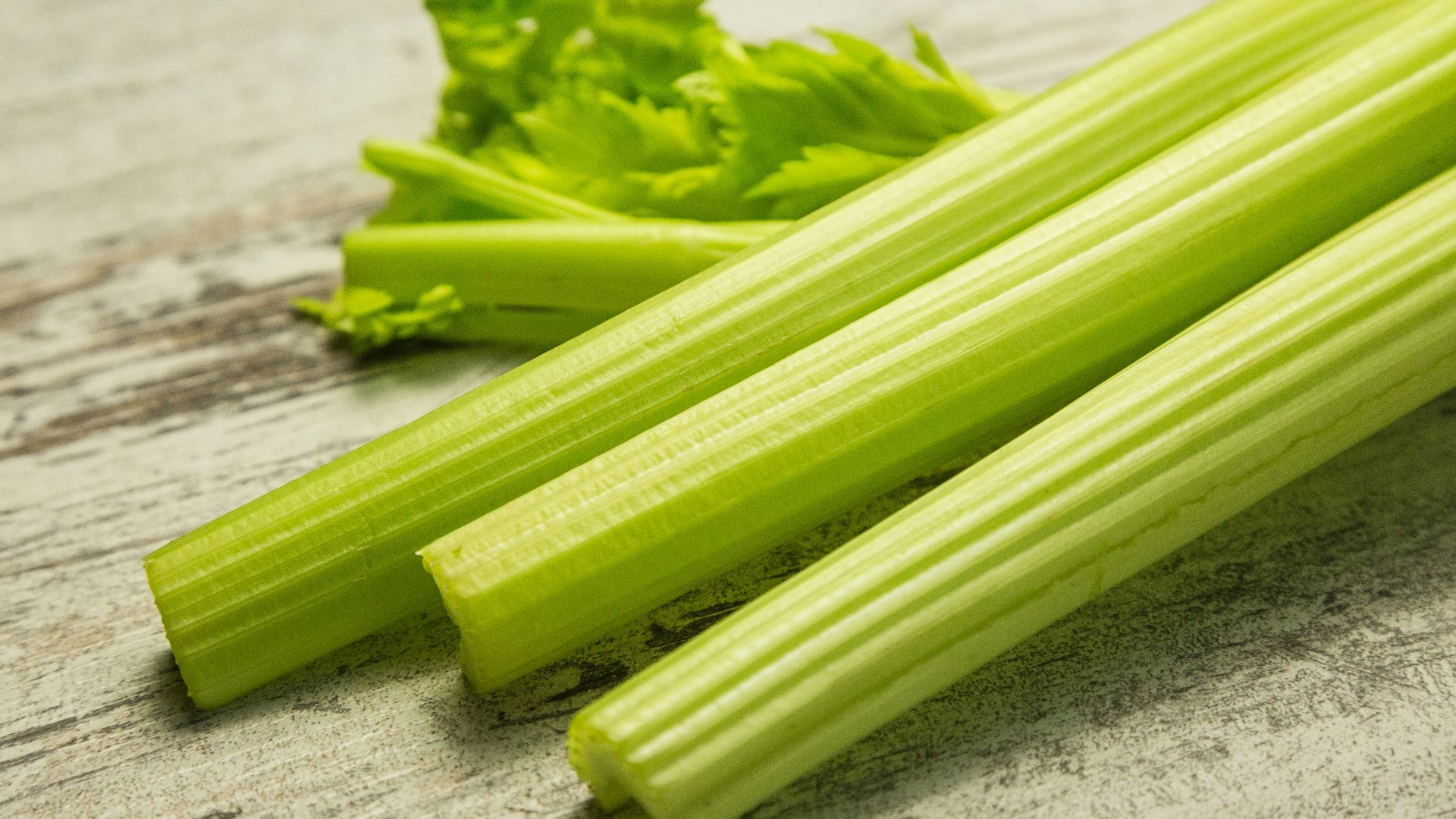
7. Traditional Celery Stalks
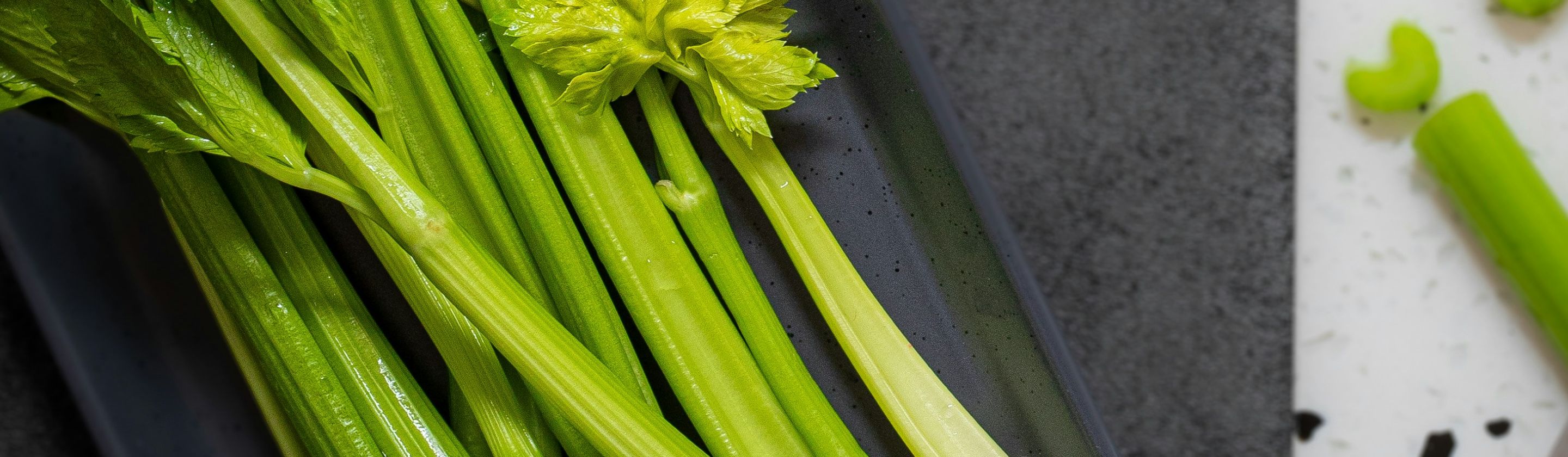
Celery is about 95 percent water and contains fiber as well. For those who don’t enjoy it plain, the crunchy stalks can be filled with peanut butter or cream cheese for a balanced snack.
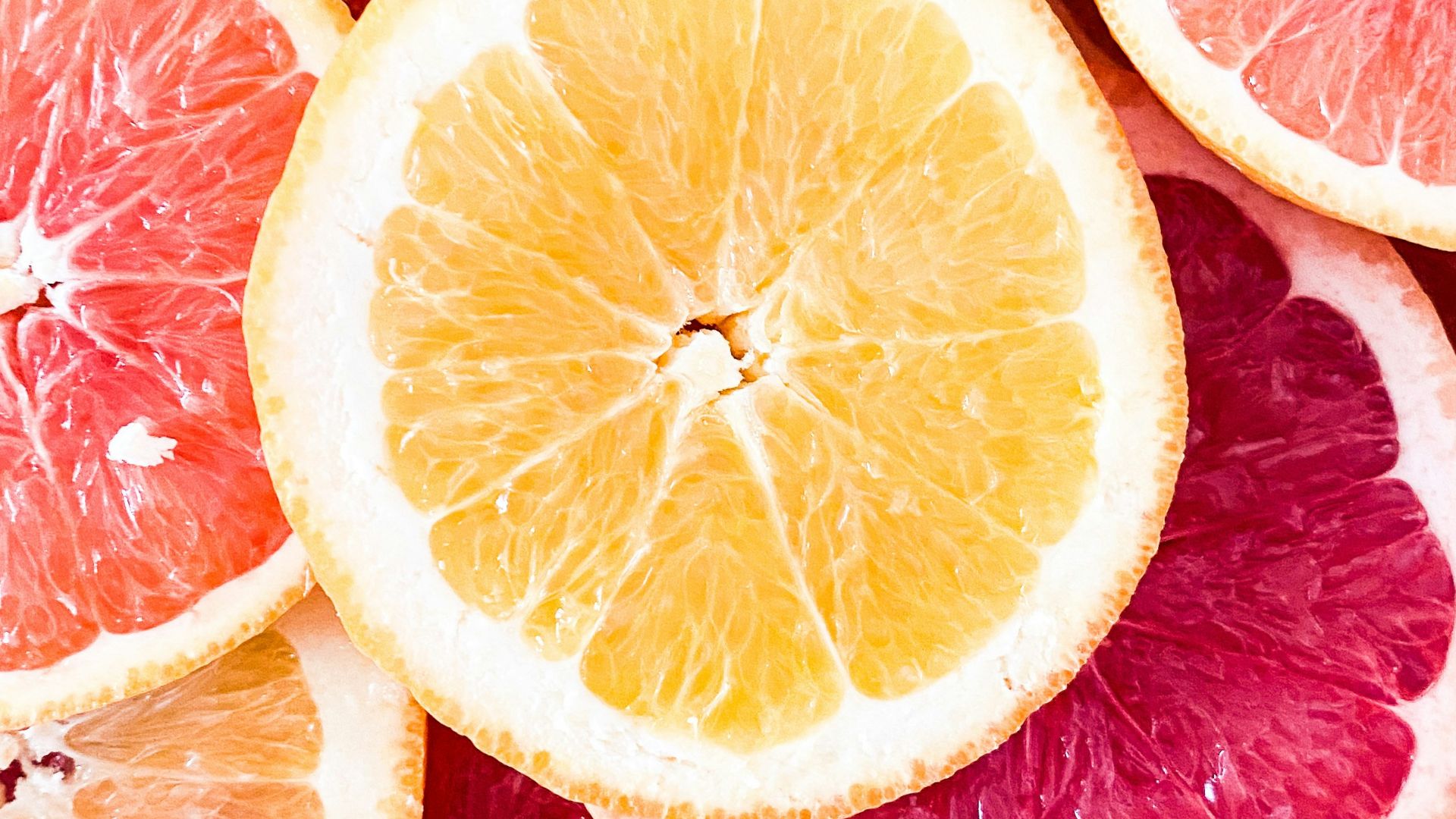
8. Tangy Grapefruit
Eating half a grapefruit in the morning can help with hydration. Not only is grapefruit full of water, but it may also help some people lower cholesterol. A doctor should be consulted first, as it can interact with certain medications.
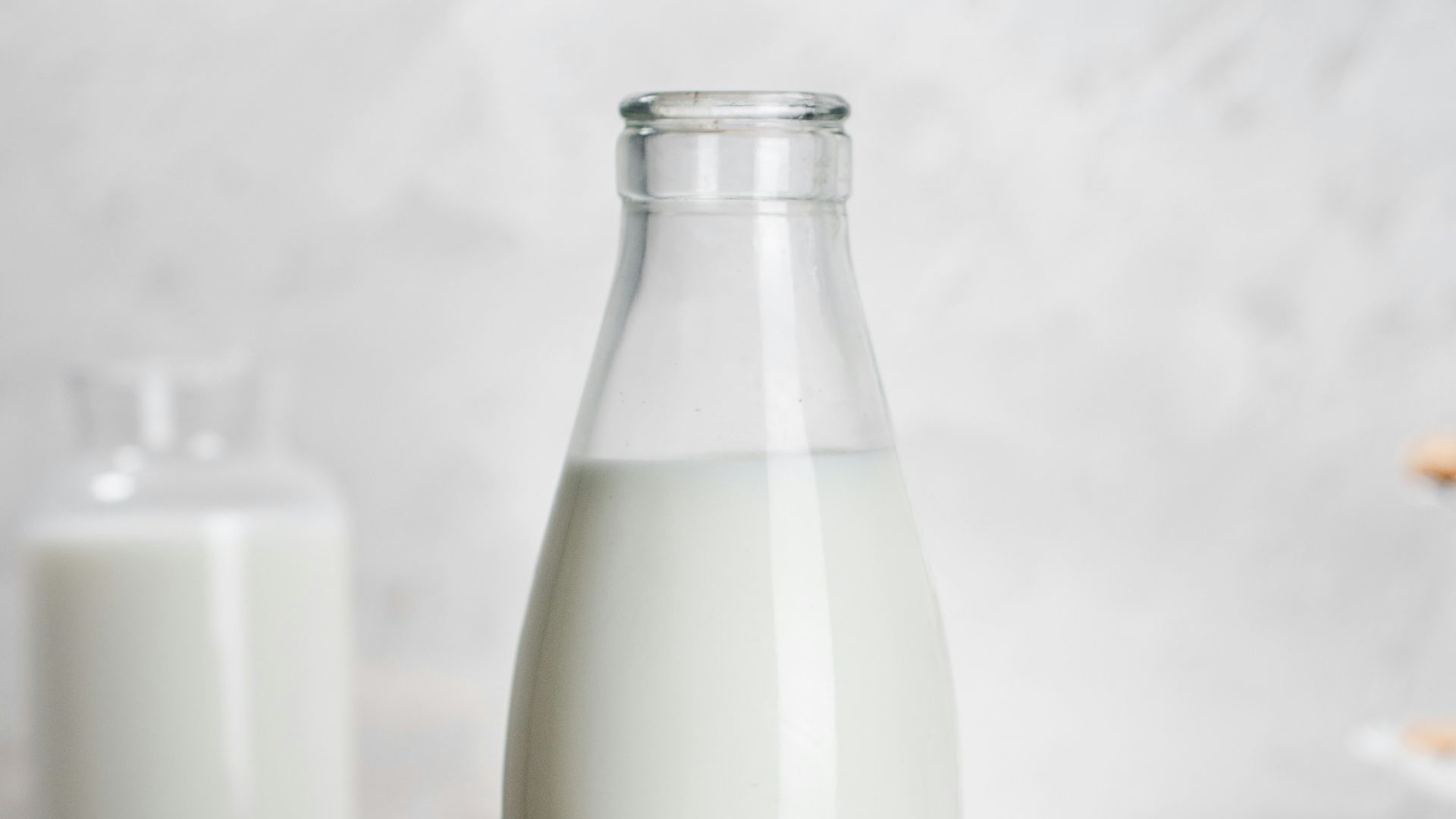
9. Mild Skim Milk
Contrary to popular belief, milk can sometimes hydrate better than water. It contains proteins and fats that slow the absorption of fluids, helping the body stay hydrated longer. It also provides calcium for strong bones.
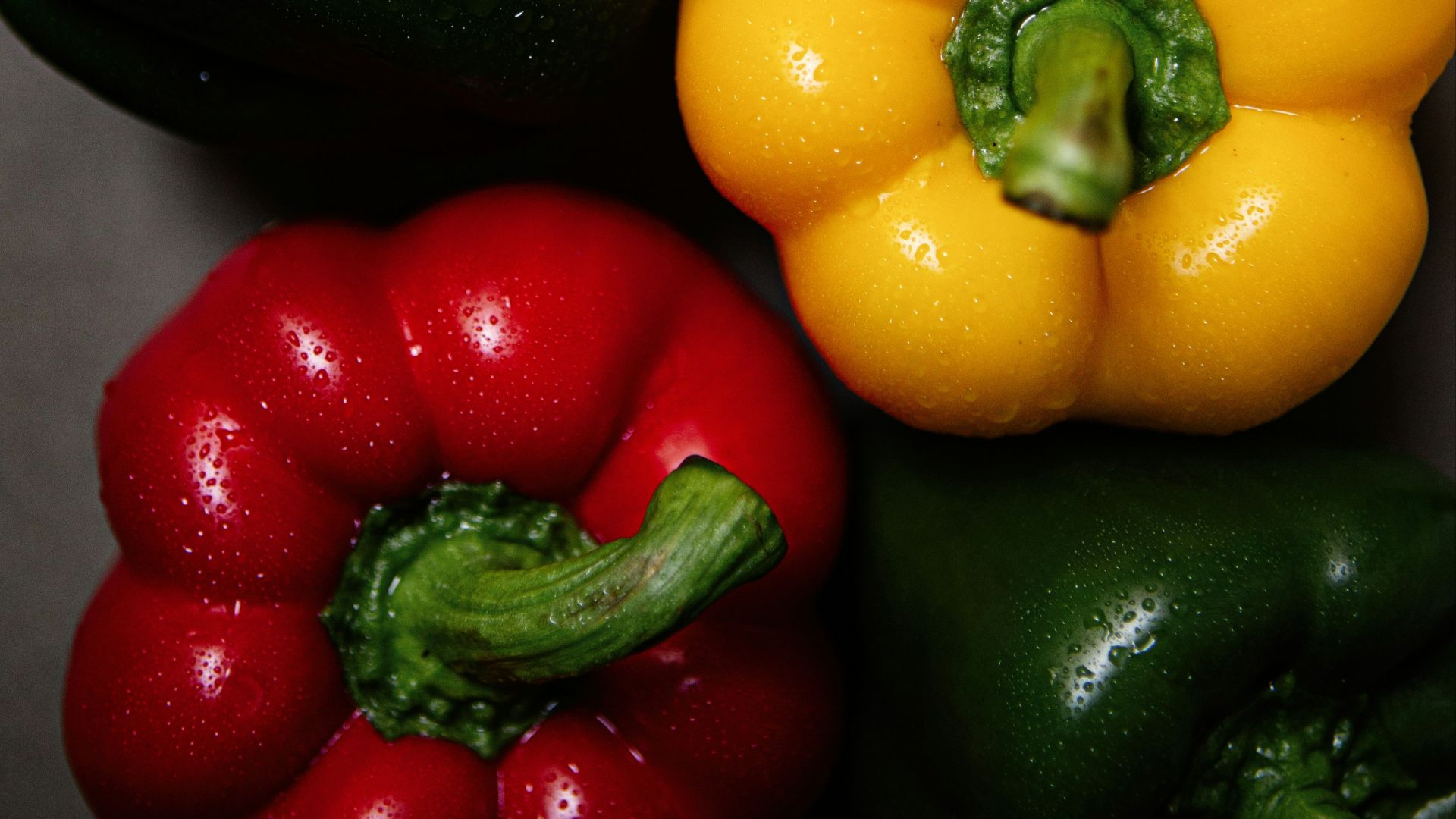
10. Colorful Bell Peppers
Whether red, orange, or green, these vibrant vegetables are composed of over 92% water. They are also high in vitamin C, which supports the immune system. They can be dipped in hummus for a refreshing and satisfying snack.
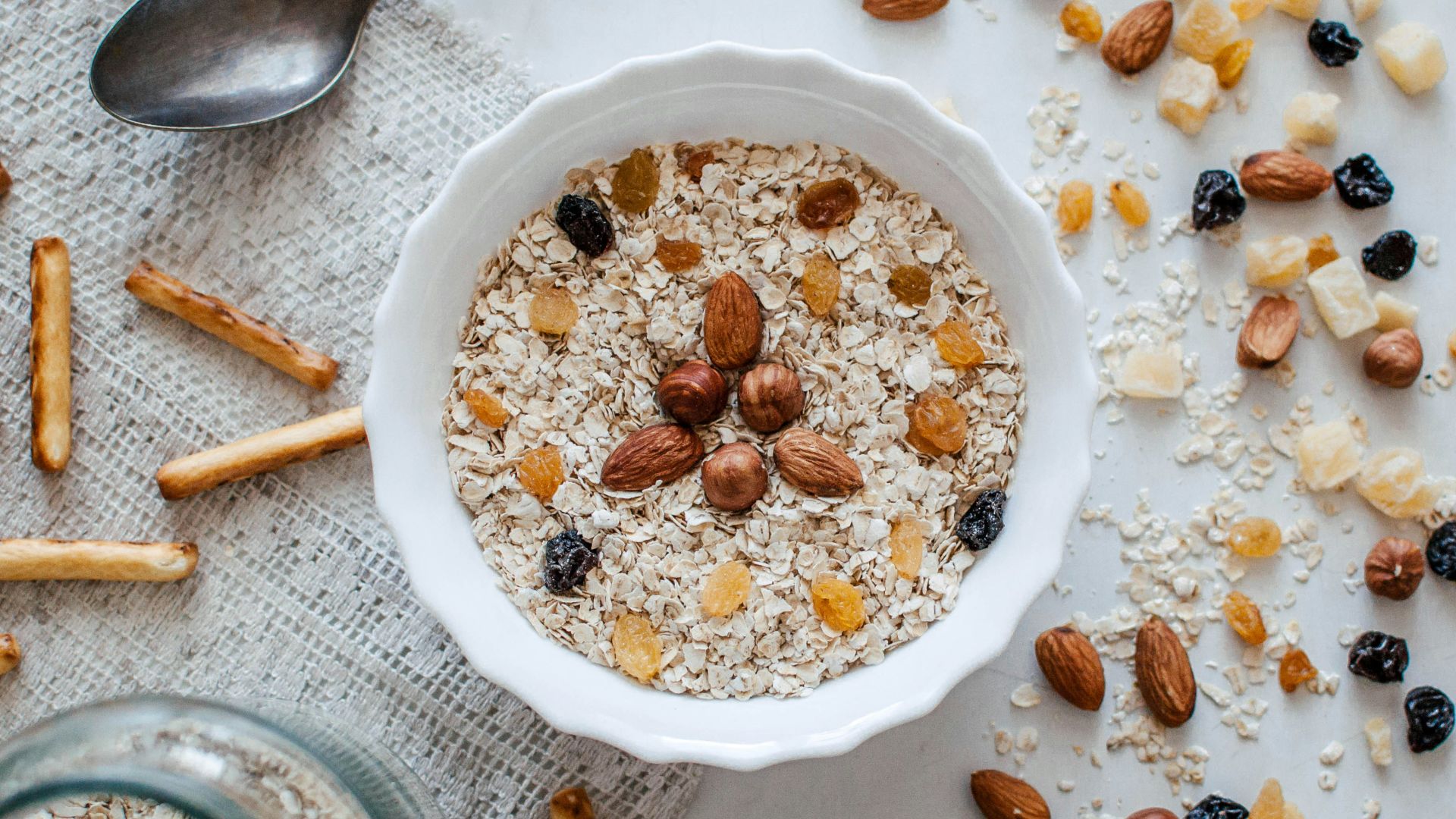
11. Cooked Oatmeal
When oats are prepared, they absorb a significant amount of water or milk, creating a naturally hydrating dish. This warm breakfast option keeps the body full while contributing to daily fluid intake. The soft texture is also easy to digest.
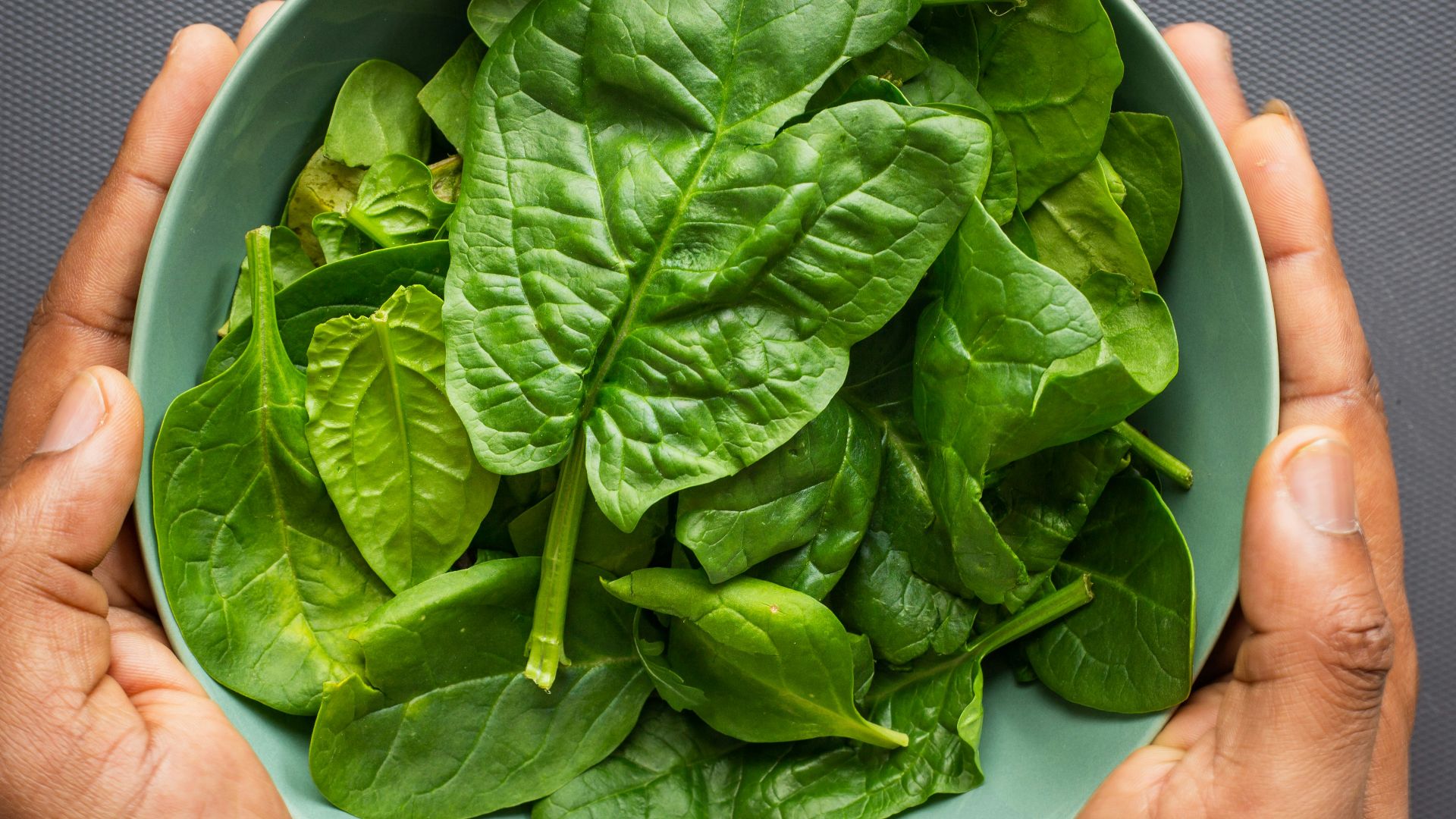
12. Fresh Baby Spinach
Adding spinach to smoothies or salads is an easy way to increase water intake. As the leaves break down during digestion, they release stored moisture into the body. It’s a nutrient-rich option that provides iron and antioxidants along with hydration.
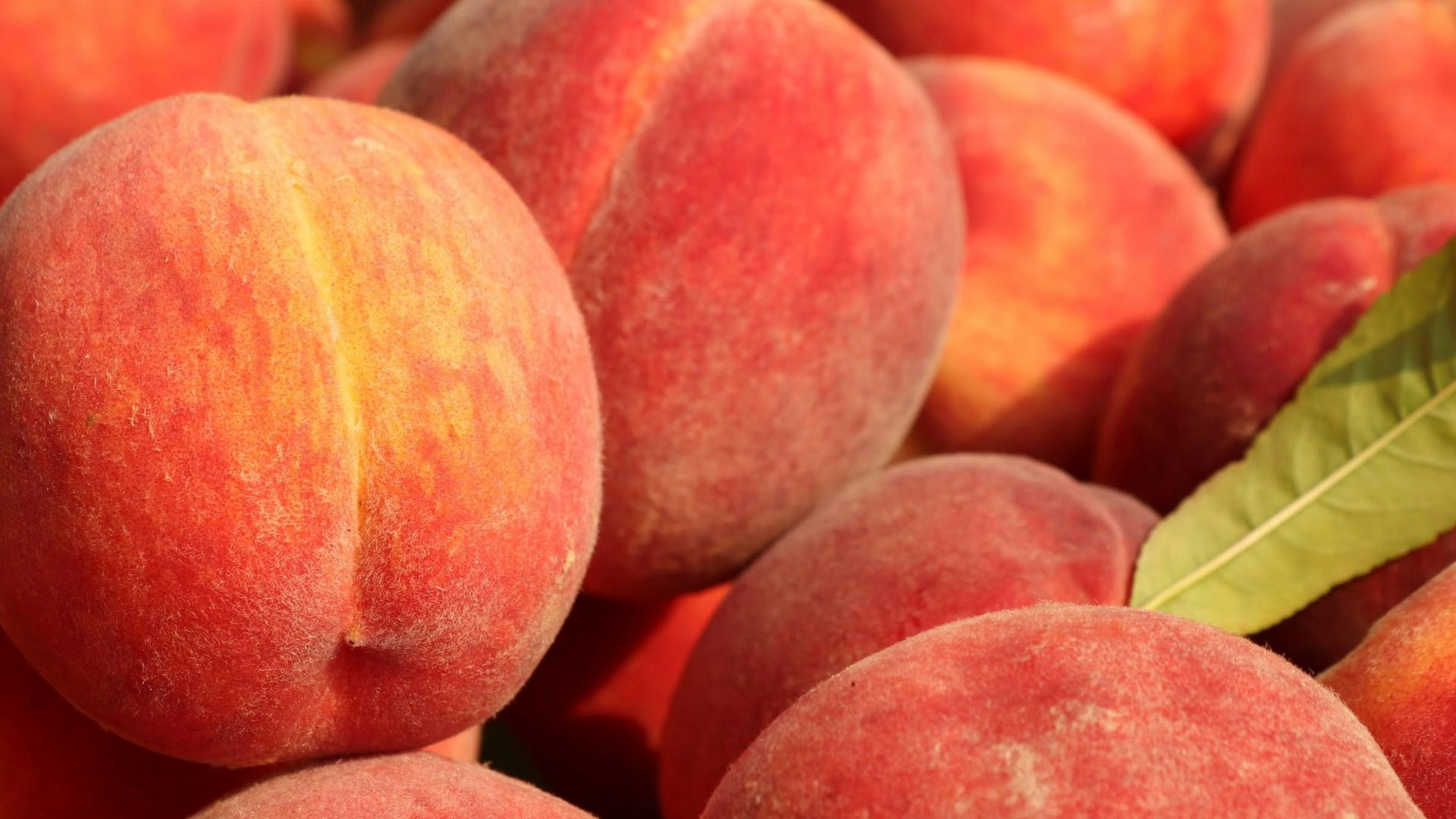
13. Plump Peaches
A ripe peach is packed with juice and often drips when bitten into. Over 88% of this fruit is water, making it a great option for staying hydrated in warm weather. Peaches can also be grilled for a simple dessert.
 NisonCo PR and SEO on Unsplash
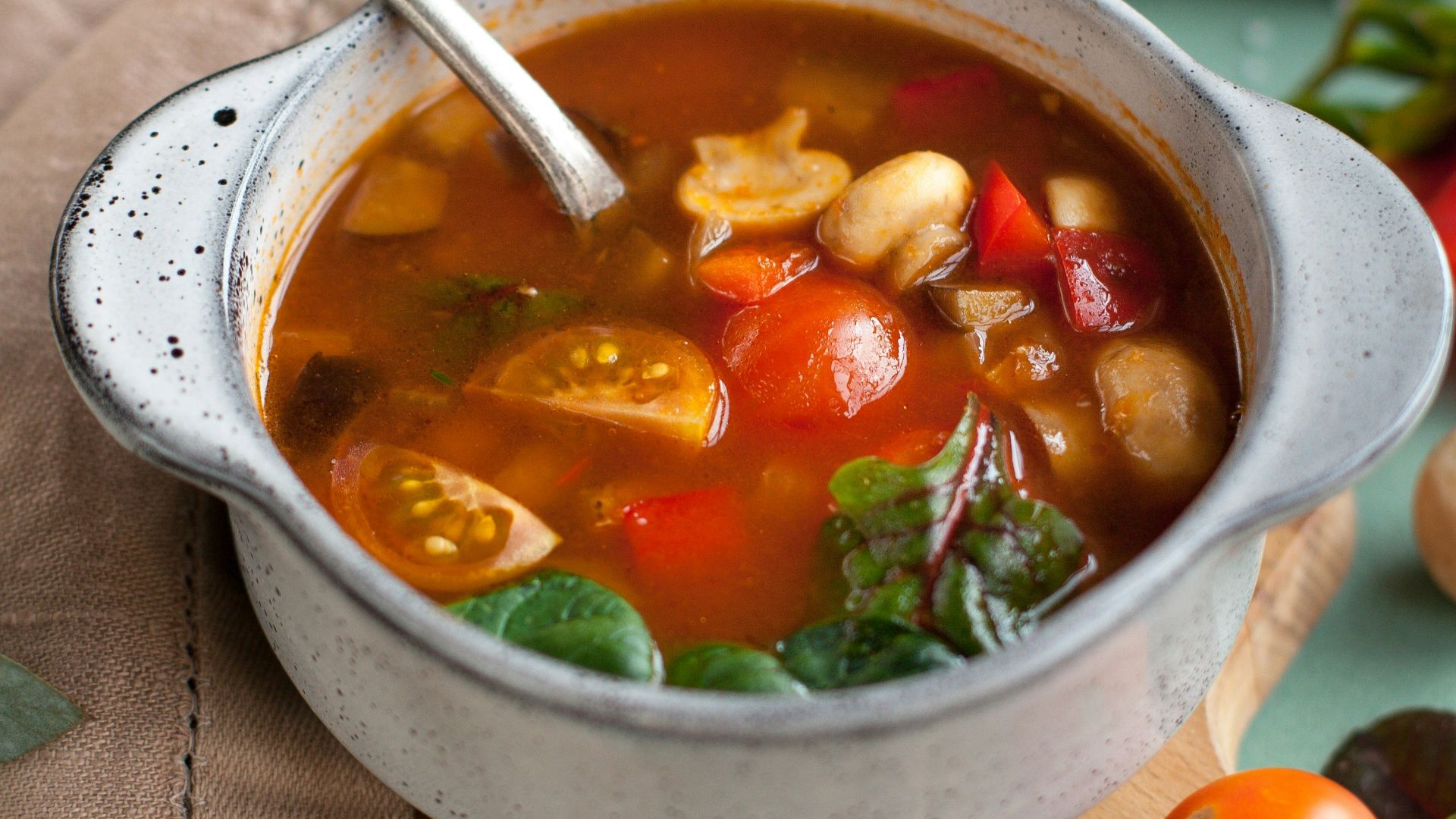
14. Savory Broth-Based Soups
A cup of chicken or vegetable soup is a great way to hydrate since most of it is liquid. It’s important to monitor sodium levels to avoid excess salt intake.
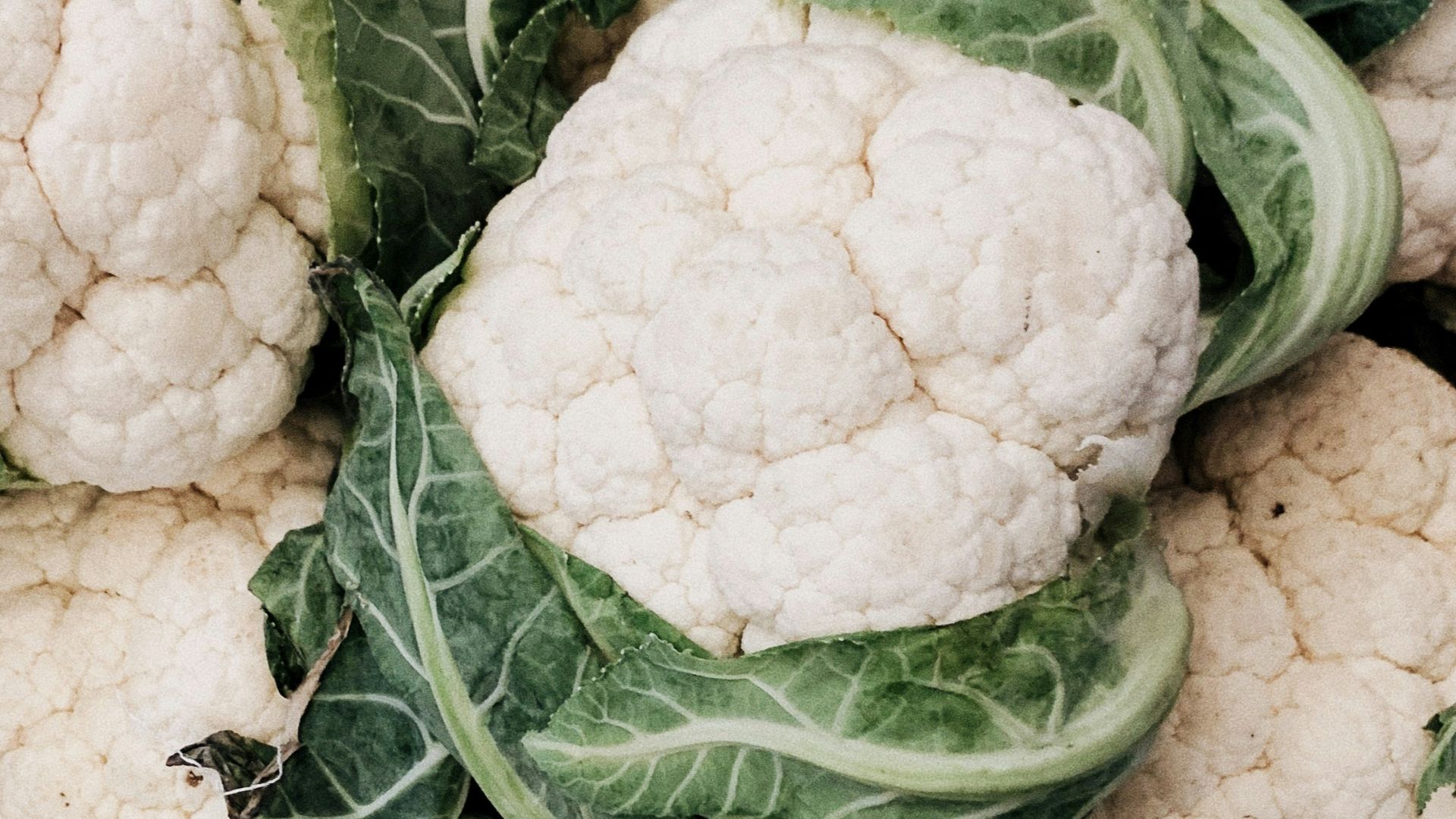
15. Hydrating Cauliflower
Cauliflower is made up of over 92 percent water. It can be riced or mashed as a substitute for potatoes to increase moisture intake at meals. It’s a versatile ingredient that works well with many flavors.
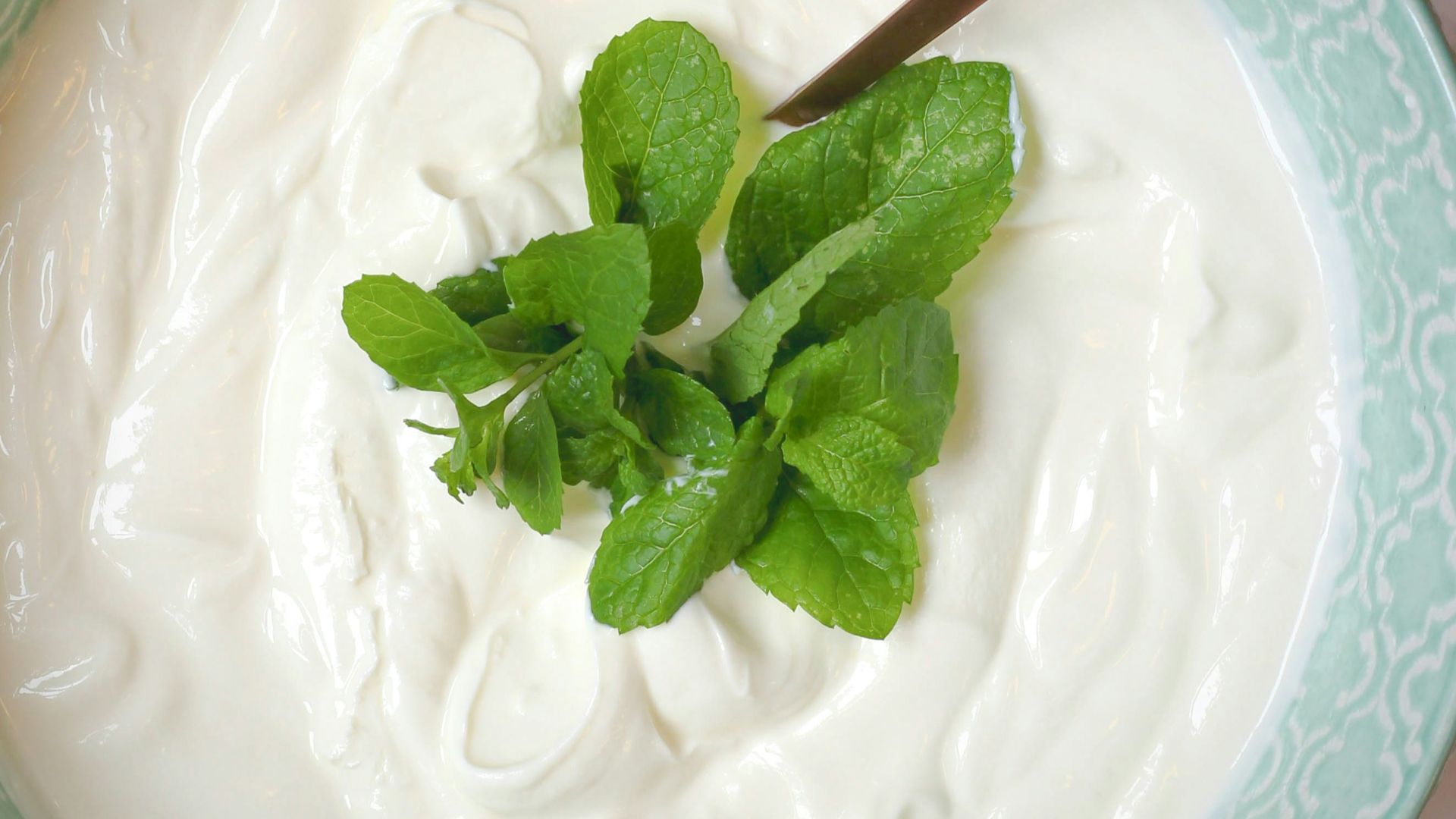
16. Natural Plain Yogurt
Yogurt is another unexpected source of hydration. It can help increase daily fluid intake. Topping it with fruit adds even more hydration benefits.
 micheile henderson on Unsplash
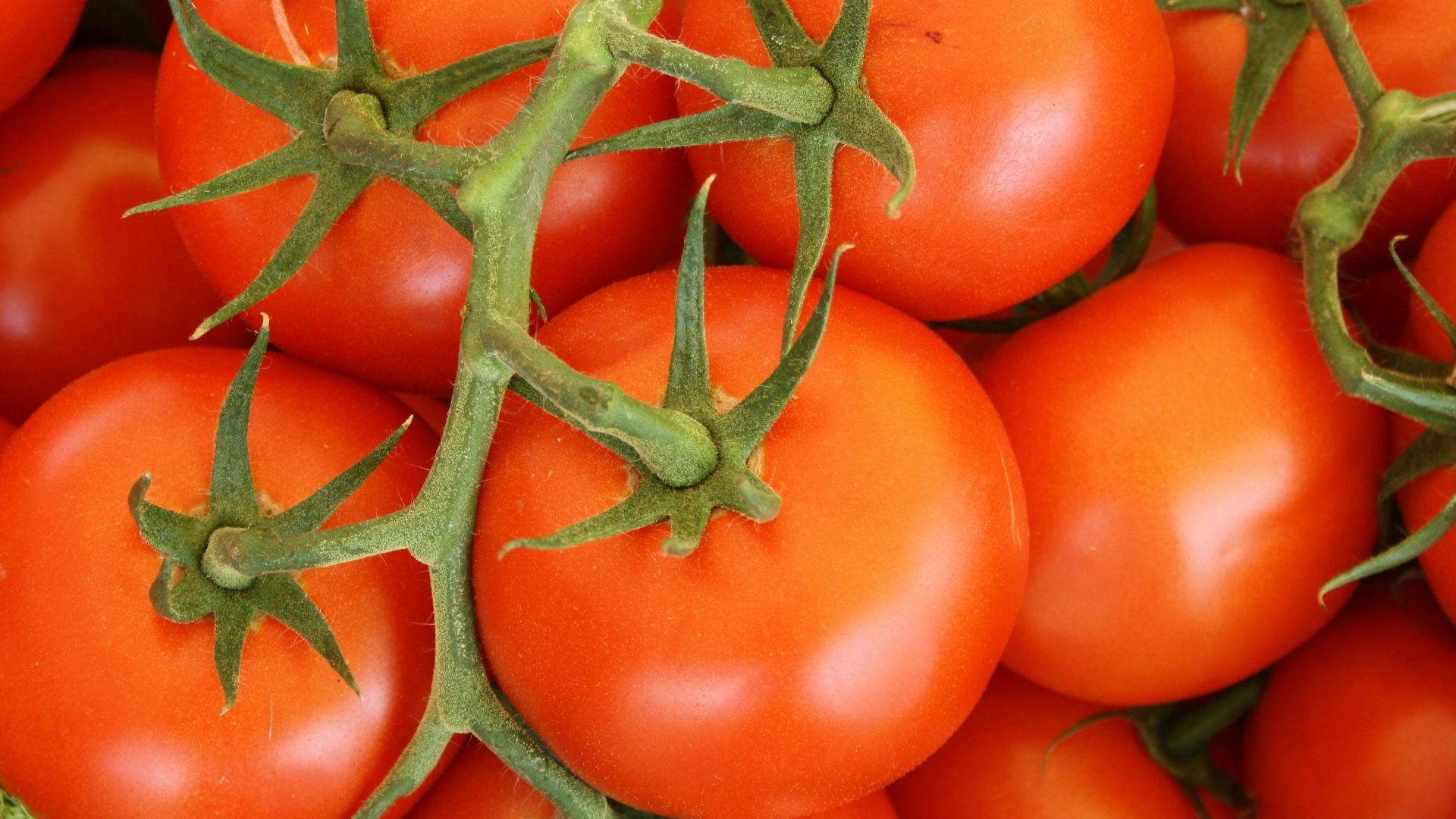
17. Sliced Tomatoes
Tomatoes are mostly water and can easily be added to meals. Thick slices work well on burgers or sandwiches and provide extra vitamins and hydration. Adding them to salads is another simple way to boost fluid intake.
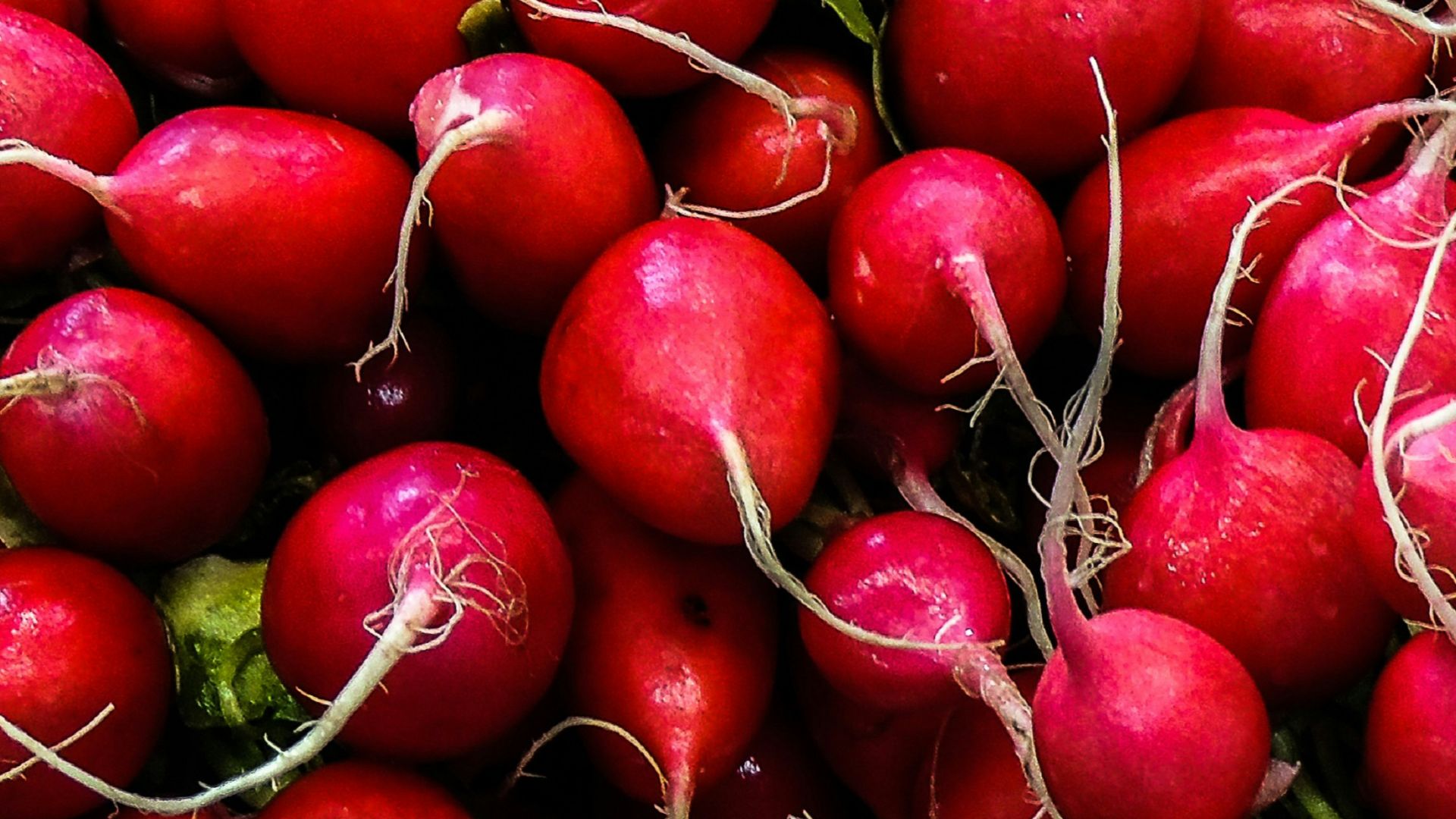
18. Crunchy Radishes
Radishes are high in water and low in calories. They add a bit of spice to salads. They can also be eaten raw with a small amount of butter and a sprinkle of salt.
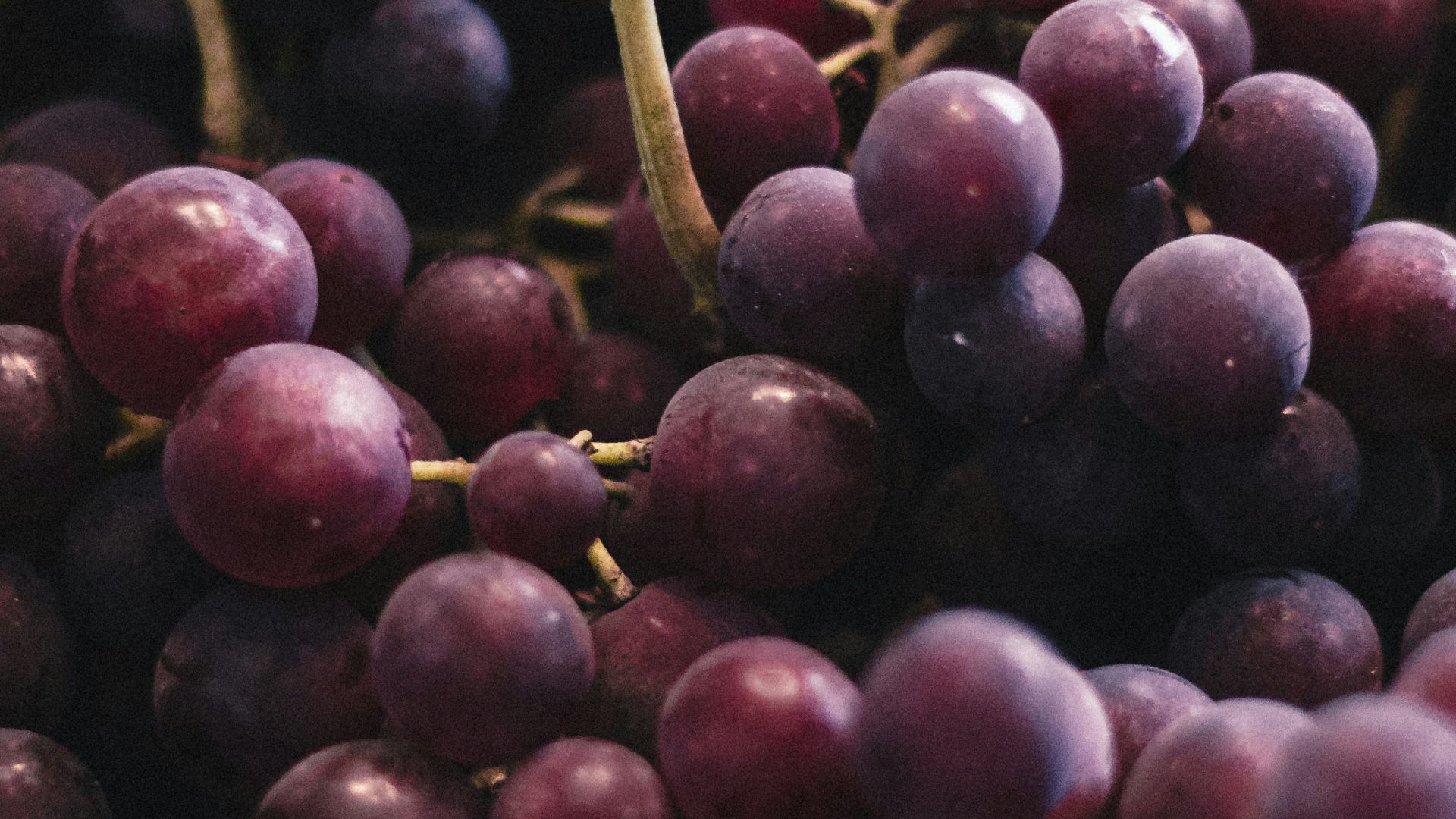
19. Sweet Grapes
Keeping grapes in the refrigerator provides an easy snack that’s full of moisture. They can also be frozen and eaten as a refreshing treat. Along with hydration, they offer a natural energy boost from their sugars.
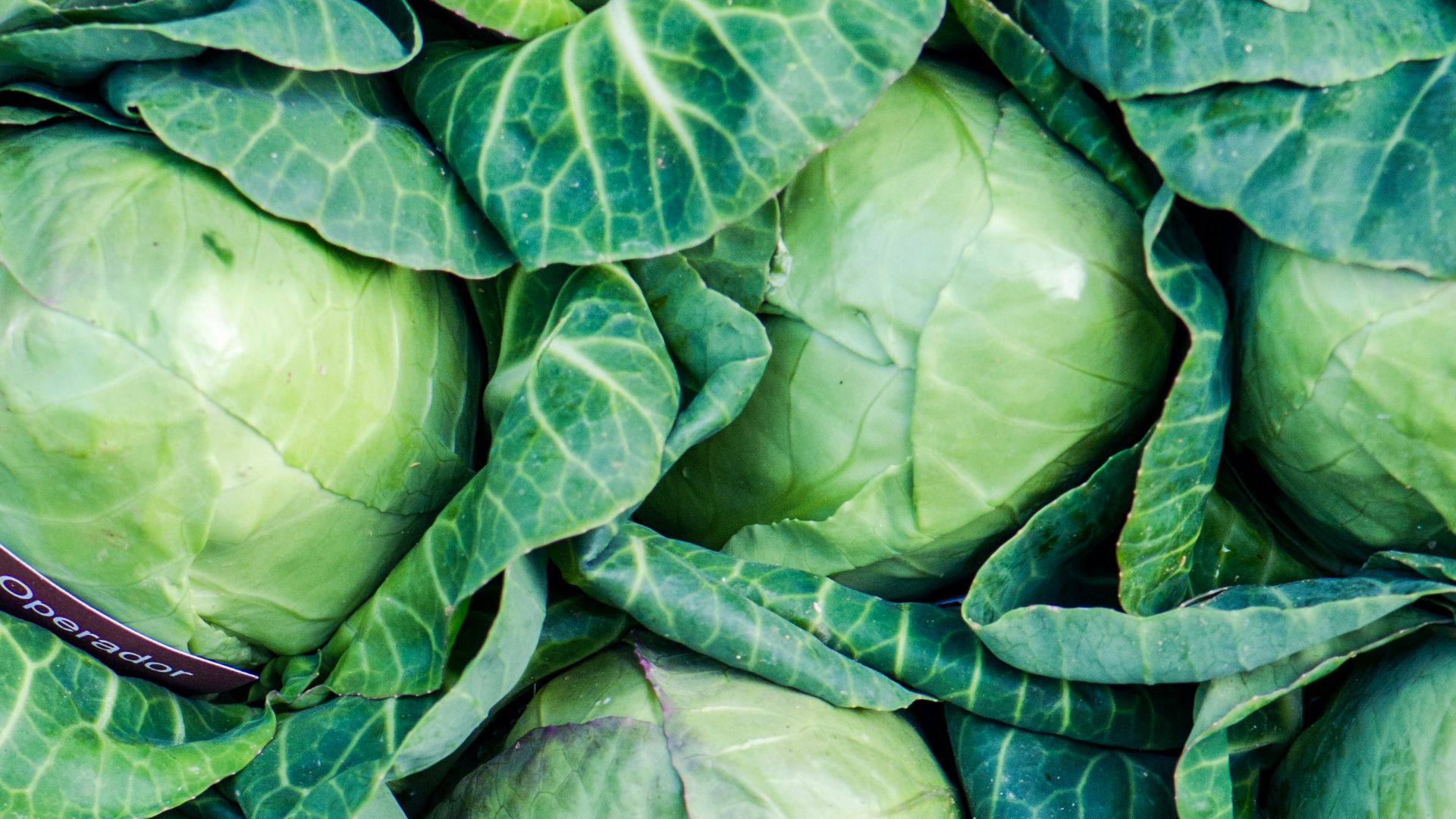
20. Tender Cooked Cabbage
Cabbage holds onto its water content well and adds bulk to meals, which helps with digestion. Whether served in slaw or steamed, it’s a simple way to stay hydrated while enjoying a mild flavor.
KEEP ON READING



20 Ways To Get Your Vitamins And Minerals

20 Ways Doing Less Can Actually Improve Your Health