Some Thoughts Should Stay In Your Head
We all know about basic hospital etiquette at this point, but did you know that a big part of how you’re treated boils down to the very things you say? A comment that might sound harmless or casual can come off badly in a crowded ER. If you don't want to be someone everyone resents, come with us as we break down the worst things you could say in a tense hospital.

1. Asking If Someone Died
Walking into a waiting room and asking, “So, who died?” is a terrible way to break the ice. Even if you mean it as a joke, it’s just plain harsh in a place where people may actually be scared of hearing bad news—or, you know, if someone actually passed and you didn’t know it.
2. Talking About How Creepy It Feels
Saying the hospital feels haunted or gives off “bad vibes” doesn't make things lighter. People are nervous enough without the commentary, and comments like that only exacerbate the unease. There are better ways to say you're uncomfortable without making the whole place sound worse.

3. Doubting the Doctor Out Loud
Whether you call them out to their face or question them passive-aggressively, commenting on a doctor’s expertise isn’t as funny as you think it is. If you have a real concern, ask it with respect instead of turning it into a comment that makes everyone more tense. Nobody needs extra doubt in the room when they're already trying to stay calm.

4. Treating the Whole Thing Like a Show
Sometimes people say they'd love to sit in and watch a procedure, but that always sounds weird. Medical treatment isn’t there to satisfy your curiosity like some sort of circus tent. Even if you're trying to be playful, it usually comes off as tone-deaf.

5. Mentioning Something You Read Online
There’s nothing wrong with a healthy dose of skepticism, and reading things online isn’t always a bad thing. However, telling a doctor that Google says something different is rarely a smooth move. Asking questions is fine, but saying it as if you've already decided just makes the conversation harder. You can be informed without challenging the pros.

6. Commenting On How Bad Someone Looks
A patient lying in a hospital bed doesn’t need to hear that they look awful. We get it, sometimes it just comes out, but saying it that way can feel surprisingly blunt. It’s really just best to keep those thoughts to yourself.
7. Bringing Up the Scariest Possibility
Patients are already trying not to spiral, so throwing out the worst-case scenario helps no one. Regardless of whether it’s on your mind, voicing it aloud won’t help anything, so if you're trying to make someone feel better, that’s not the way to go.
8. Joking About Going Where You Shouldn't
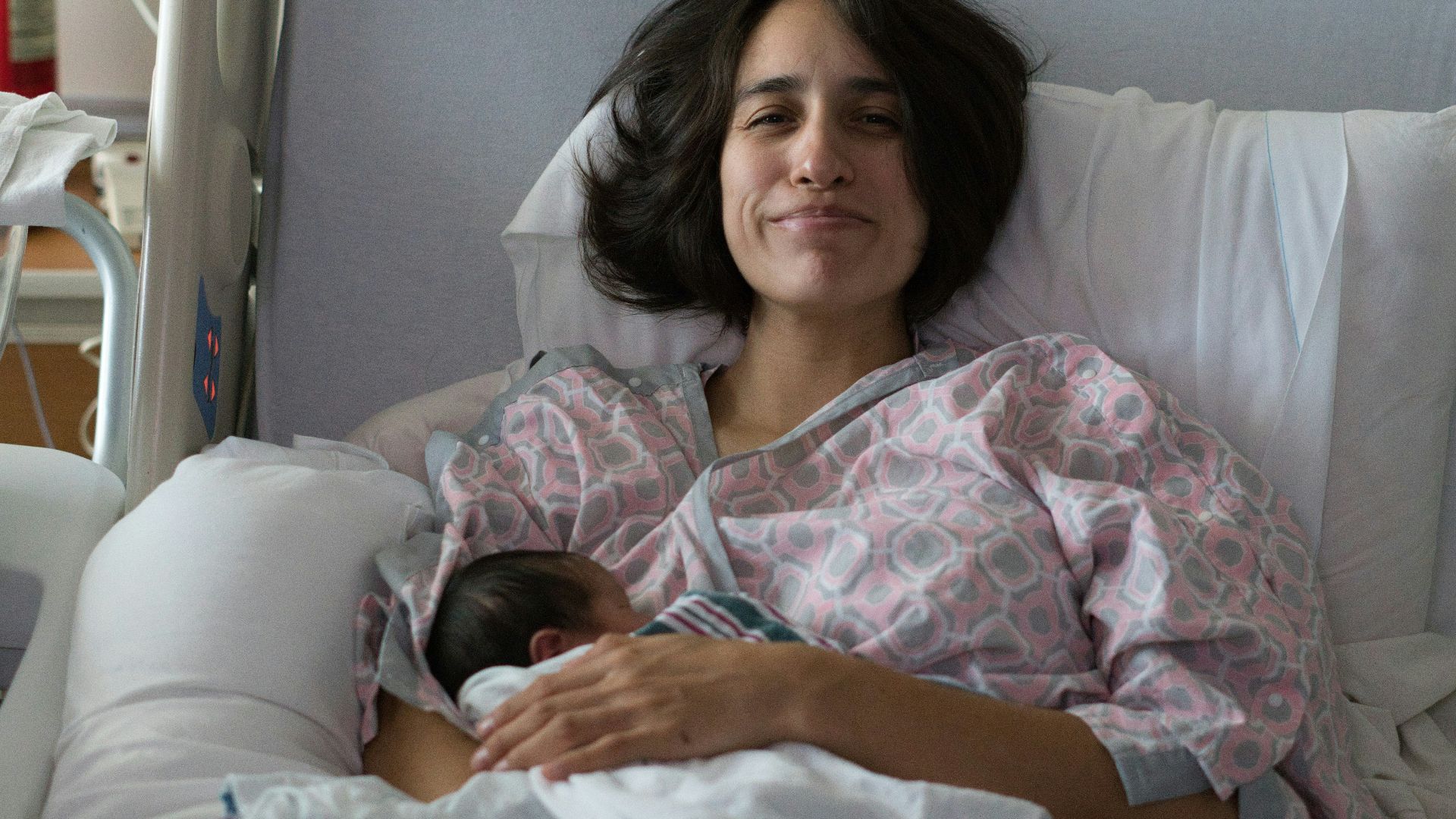
Comments about sneaking into the maternity ward or wandering into a restricted area are never funny. In a hospital, privacy and security actually matter, and joking about both is a bad look. Not to mention, hospital staff deal with more than you think, so they have no way to tell if you’re being serious.
9. Complaining About How Much You Hate Hospitals
Look, we all hate them, but calling hospitals depressing or gross isn’t super thoughtful—especially for those who need to be there. Patients and families are busy dealing with enough without hearing a running review of the atmosphere. Sometimes the kindest thing you can do is keep personal discomfort to yourself.
10. Cracking a Joke About Not Making It
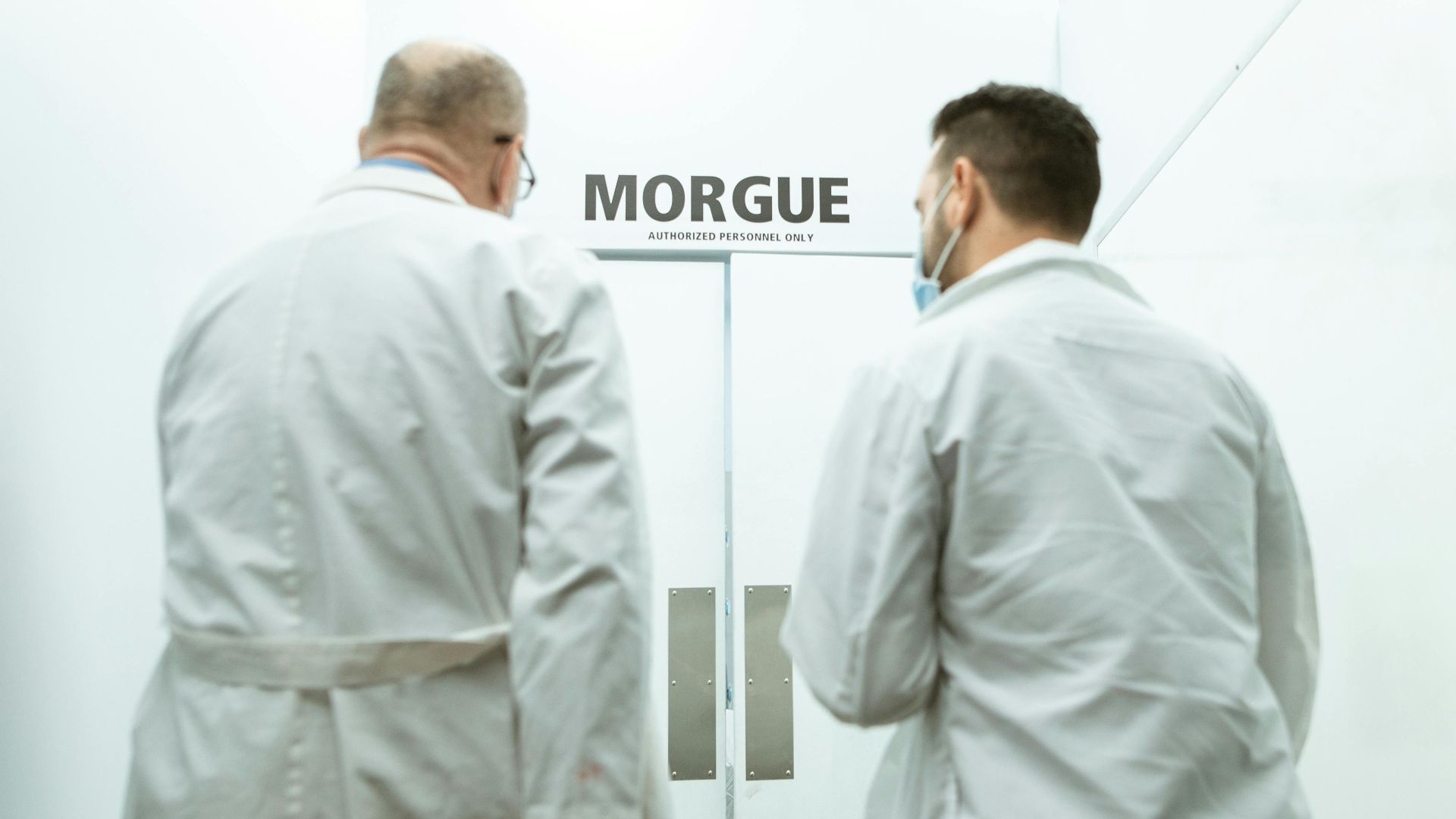
People love to joke about morbid stuff, especially as a coping mechanism, and while there’s nothing inherently wrong with that, there’s a time and place. Scary comments usually put everyone in the awkward position of deciding whether to laugh or shut it down.
11. Asking Questions That Panic Everyone
It’s easy to lose our cool in a stressful situation, but try not to put everyone on edge. Blurting out, “Is that much blood normal?” is a great way to make everybody within earshot more stressed. If you're genuinely worried, there’s a calmer way to ask what's going on. Never forget that in a hospital, your phrasing matters more than you think.
 Martha Dominguez de Gouveia on Unsplash
12. Telling a Horror Story About Someone Else
Nobody wants to hear about your cousin who had the same thing and ended up with a toe tag. That story isn’t helpful. It’s not informative. And it’s definitely not comforting.

13. Acting Like the Staff Are Guessing
Asking something like, “So we're just trying stuff now?” may sound light in your head, but out loud it comes off rude. Medical staff don’t always read that as nervous sarcasm, and it lands even worse when they're trying to do their jobs.
14. Talking Like It Would Make Great Content
Hospitals are like gyms: no filming without consent! No, someone’s suffering isn’t good content. People are sick, stressed, and vulnerable—they don’t need to become part of somebody else's post.
15. Asking to Keep Something From a Procedure
For some reason, people love making jokes about taking things home after surgery. Here’s the thing: it always gets the same kind of reaction, which is a tired stare and silence. If you're nervous, there are less unsettling ways to show it.
16. Wanting to Eat Right There
It doesn’t always seem like it, but asking if you can eat in a patient’s room can sound more inconsiderate than you realize. Someone nearby may be nauseated, fasting, recovering, or not allowed food at all, and now that snack is everyone's problem.

17. Asking For the Grossest Story
Trying to get staff to reveal the nastiest thing they've seen is...odd. It doesn’t matter if they have good bedside manner; they’re not there to chit-chat, and their work isn’t meant to entertain you. Not to mention, other patients' worst moments aren’t fun topics.
18. Brushing Off a Serious Symptom
If you’re experiencing something serious, say something! Telling doctors, “It's probably nothing, but I can't feel one side of my face,” isn’t as relaxed as it sounds. In fact, it usually makes people more alarmed.
19. Asking What's Wrong With Someone Else
When you hear crying, yelling, or a lot of commotion, don’t butt in. Other people's medical situations are private, even when they're happening nearby. You honestly never know what happened, and it’s uncouth to ask.
20. Making the Bill Joke
Medical bills are a real concern, and joking about the cost rarely comes off well. Worst of all, it can make you sound oddly casual in a moment that probably doesn't call for it. There are normal ways to ask about cost later without making it a punchline.

KEEP ON READING



20 Ways to Deal With Your Sweet Tooth

20 Low-Impact Exercise Ideas For People Over 50