
Small Daily Habits That Keep Your Energy Steady
Staying energized throughout the day isn’t about quick fixes or constant caffeine; it’s about consistent habits that support your body and mind. When you build a routine that prioritizes balance, you’ll notice fewer crashes and more sustained focus. The key is choosing simple, realistic behaviors you can stick with over time. Here are 20 habits that help you maintain energy all day.

1. Start Your Day with Water
Drinking water first thing in the morning helps rehydrate your body after hours of sleep. Even mild dehydration can lead to fatigue and reduced concentration. Keeping a glass nearby makes it easier to stay consistent. This simple habit sets a strong foundation for the rest of your day.

2. Eat a Balanced Breakfast
A breakfast that includes protein, healthy fats, and complex carbohydrates provides steady energy. Skipping it can lead to mid-morning fatigue and poor focus. Foods like eggs, whole grains, and fruit work well together. You’ll feel more stable compared to relying on sugary options.

3. Get Natural Light Early
Exposure to natural light in the morning helps regulate your internal clock. This supports better alertness during the day and improved sleep at night. Even a short walk outside can make a difference. It’s an easy way to boost your energy naturally.

4. Move Your Body Regularly
Physical activity increases blood flow and oxygen delivery throughout your body. You don’t need intense workouts to benefit, as even light movement helps. Taking short walks or stretching breaks can prevent sluggishness. Consistent movement keeps your energy from dipping.

5. Avoid Heavy, Greasy Meals at Lunch
Large, high-fat meals can slow digestion and make you feel tired. Choosing lighter options with lean protein and vegetables helps maintain steady energy. You’ll avoid the common afternoon slump that follows heavy eating. Smaller portions can also make a noticeable difference.

6. Stay Hydrated Throughout the Day
Energy levels often drop when you’re not drinking enough water. Keeping a reusable bottle nearby encourages regular intake. Small, frequent sips are more effective than drinking large amounts at once. Staying hydrated supports both physical and mental performance.

7. Take Short Breaks from Screens
Long periods of screen time can lead to mental fatigue and eye strain. Stepping away for a few minutes helps reset your focus. Even brief breaks can improve productivity and reduce tiredness. You’ll return to your tasks feeling more refreshed.

8. Maintain Consistent Sleep Hours
Going to bed and waking up at the same time each day supports your body’s natural rhythm. Inconsistent sleep schedules can leave you feeling tired even after enough hours in bed. A steady routine improves sleep quality over time. This habit has a direct impact on daytime energy.

9. Limit Excess Sugar Intake
Sugary foods can cause rapid spikes and crashes in blood sugar levels. While they may give a quick boost, the drop that follows often leads to fatigue. Choosing whole foods helps maintain more stable energy. It’s a simple adjustment with noticeable benefits.

10. Include Protein in Every Meal
Protein helps stabilize blood sugar and keeps you feeling full longer. Meals that lack protein can lead to quicker energy dips. Adding sources like chicken, beans, or yogurt makes a difference. You’ll notice more consistent energy throughout the day.

11. Practice Deep Breathing
Taking a few moments to focus on your breathing can increase oxygen flow and reduce stress. Stress often contributes to feelings of fatigue. Deep breathing exercises are easy to do anywhere, and this habit can quickly help you feel more alert.

12. Keep Your Workspace Organized
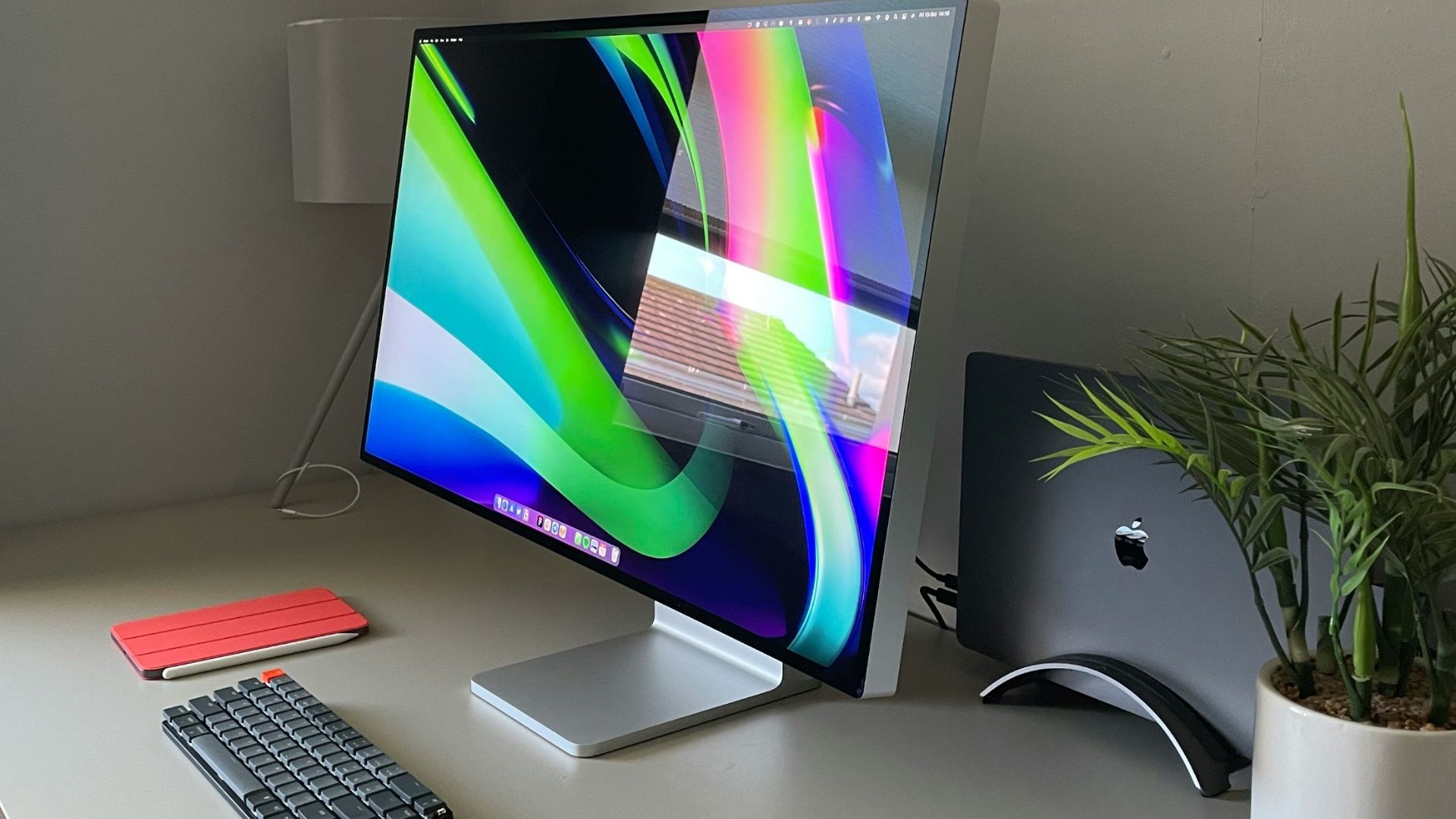
A cluttered environment can drain mental energy and make it harder to focus. Keeping your space tidy reduces distractions and improves efficiency. You’ll spend less time searching for things and more time being productive. That clarity helps maintain your energy levels.
13. Snack Smartly
Choosing snacks with a balance of protein and carbohydrates helps sustain energy. Options like nuts, fruit, or yogurt work well. Avoid snacks that are high in sugar and low in nutrients. Smart snacking prevents sudden drops in energy.

14. Manage Your Caffeine Intake
Caffeine can be helpful, but too much can lead to jitters and crashes. Spacing out your intake and avoiding it late in the day is important. Moderate consumption supports alertness without negative effects. Being mindful helps you use it effectively.

15. Stand or Stretch Periodically
Sitting for long periods can make you feel sluggish and stiff. Standing up or stretching improves circulation and reduces fatigue. Even a quick stretch can make a difference. This habit helps you stay physically and mentally engaged.

16. Set Realistic Daily Goals
Overloading your schedule can lead to stress and exhaustion. Breaking tasks into manageable steps makes them easier to handle. You’ll feel a sense of progress without becoming overwhelmed. That balance supports sustained energy.

17. Spend Time Outdoors
Fresh air and a change of environment can refresh your mind and body. Even a short break outside can improve your mood and energy. Nature exposure has been linked to reduced fatigue, and it’s a simple way to recharge during the day.

18. Keep a Consistent Eating Schedule
Eating at regular intervals helps maintain stable blood sugar levels. Skipping meals or eating irregularly can lead to energy dips. Planning your meals makes this easier.

19. Stay Mentally Engaged
Engaging tasks can keep your mind active and prevent boredom-related fatigue. Switching between different types of work can also help.

20. Wind Down Properly at Night
A relaxing evening routine helps prepare your body for restful sleep. Limiting screen time and creating a calm environment can improve sleep quality.

KEEP ON READING



20 Natural Ways You Can Boost Your Immune System

20 Ways To De-stress & Relax After Work

The 10 Most Common Diseases & The 10 Most Rare