The Buzzword Workout
Functional fitness is one of those phrases that sounds instantly convincing because nobody wants to train for something useless. A workout that promises real-life strength, everyday movement, and durability already sounds smarter before anybody explains what it actually means. That is part of the trick. The term is broad enough to flatter almost any class, coach, or training style. Here are ten common claims, and ten reasons it is mostly marketing.

1. It Trains You For Real Life
This is the flagship claim, and it sounds hard to argue with because real life involves lifting, carrying, bending, reaching, and getting up off the floor. The problem is that almost any decent strength and conditioning program improves those things, so calling one style uniquely real-life-ready is usually just a way of making ordinary training sound morally superior.

2. It Uses Natural Human Movement
That phrase does a lot of work while saying almost nothing. Human movement is so broad that it can cover a deadlift, a lunge, a crawl, a sandbag carry, or somebody stepping over a laundry basket, which means the label stays flexible enough to fit whatever the program was already selling.
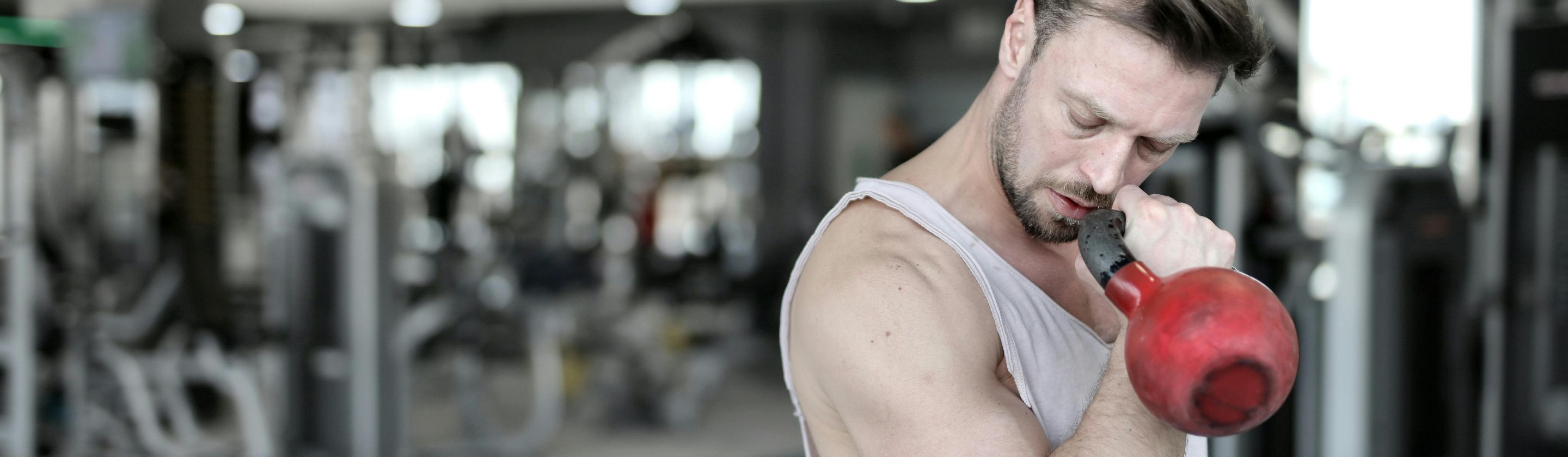
 Rodrigo Rodrigues | WOLF Λ R T on Unsplash
3. It Builds Strength You Can Actually Use
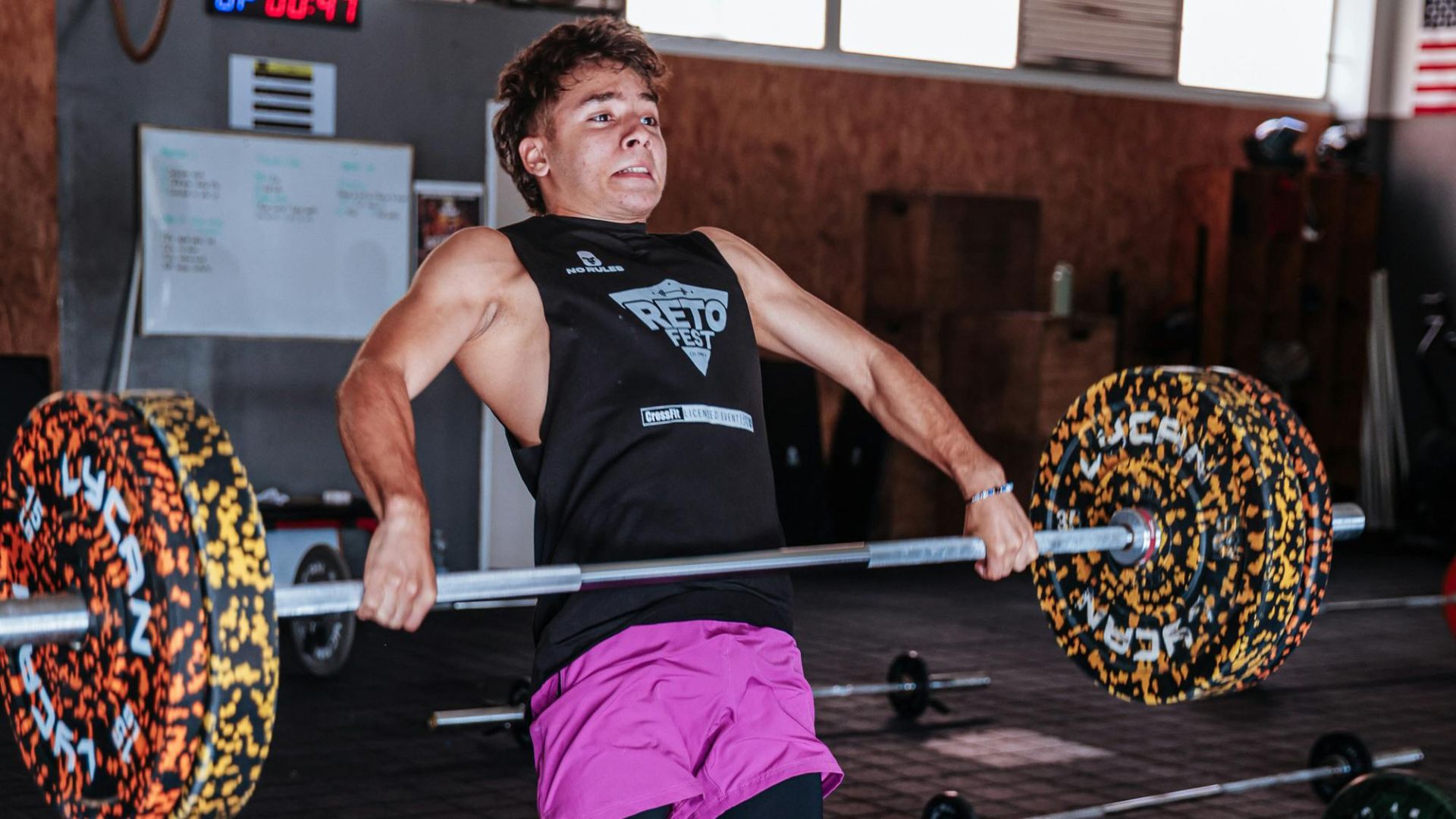
Usable strength is mostly just strength with good coordination and enough practice in the tasks you care about. A stronger body is usually more useful than a weaker one, whether that strength came from kettlebells, barbells, machines, bodyweight work, or a trainer shouting about primal patterns near a stack of foam boxes.
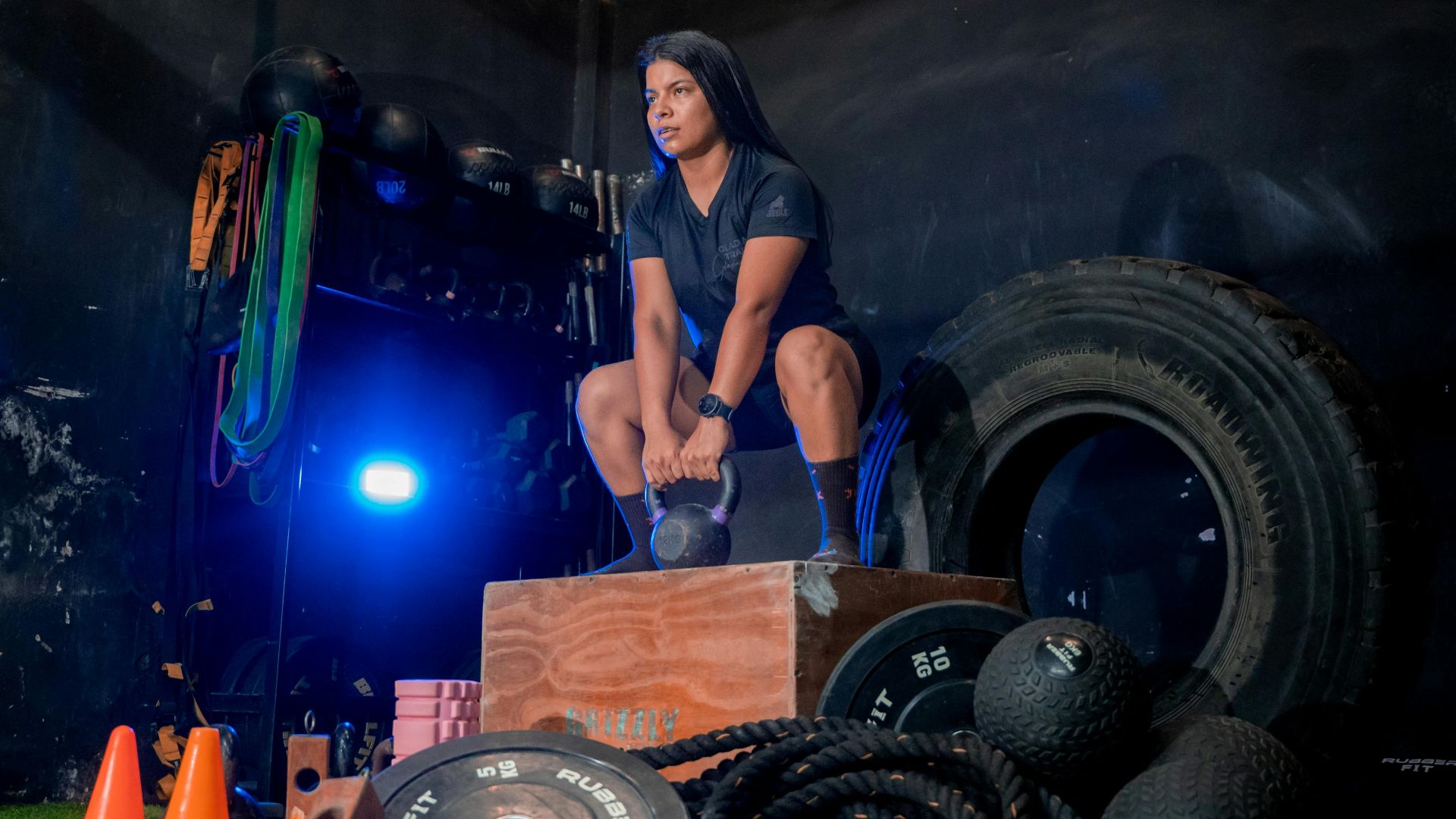 Franklin Santillan A. on Pexels
4. It Mimics Everyday Tasks
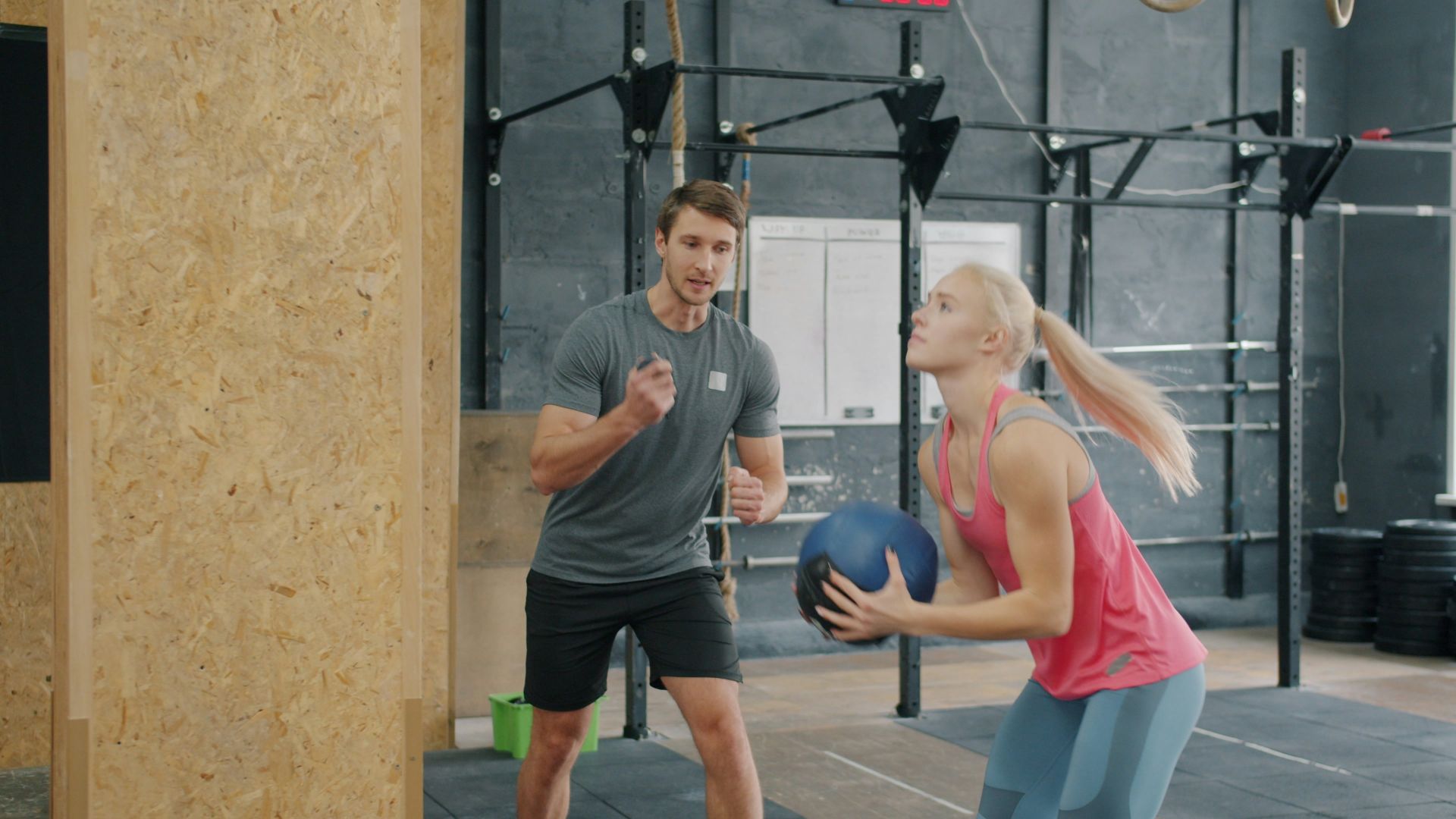
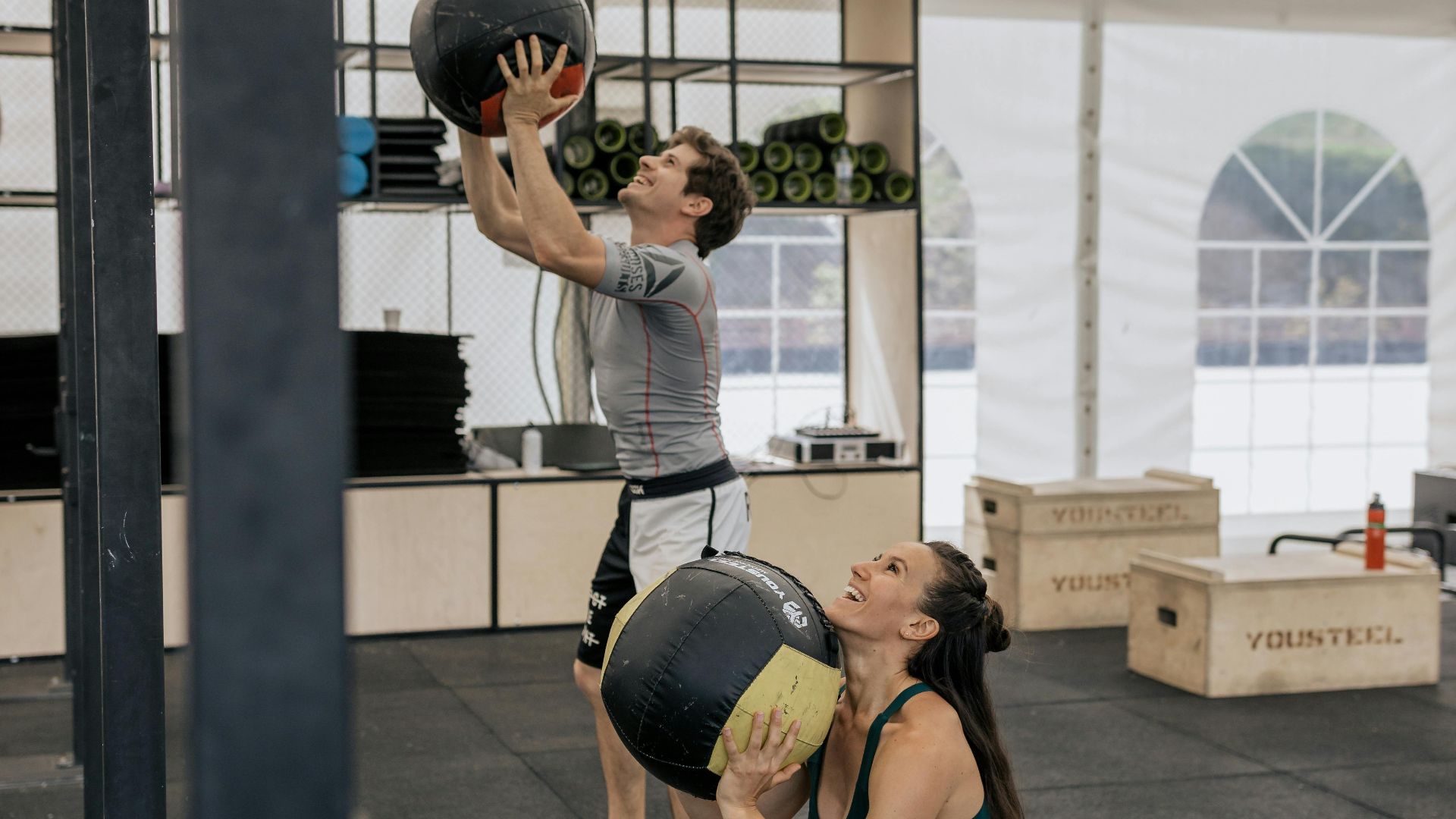
Sometimes that means carrying uneven loads or rotating under control, which can be helpful and sensible. Sometimes it means doing an awkward exercise that vaguely resembles putting a suitcase in an overhead bin, and at that point the workout starts feeling less like training and more like improv with medicine balls.

5. It Prevents Injury Better Than Traditional Training
That is a strong claim for a category that often refuses to stay specific. Good programming, gradual progress, decent technique, recovery, and not doing reckless things under fatigue matter much more than whether the workout was branded functional or traditional.
6. It Trains The Body As One Unit
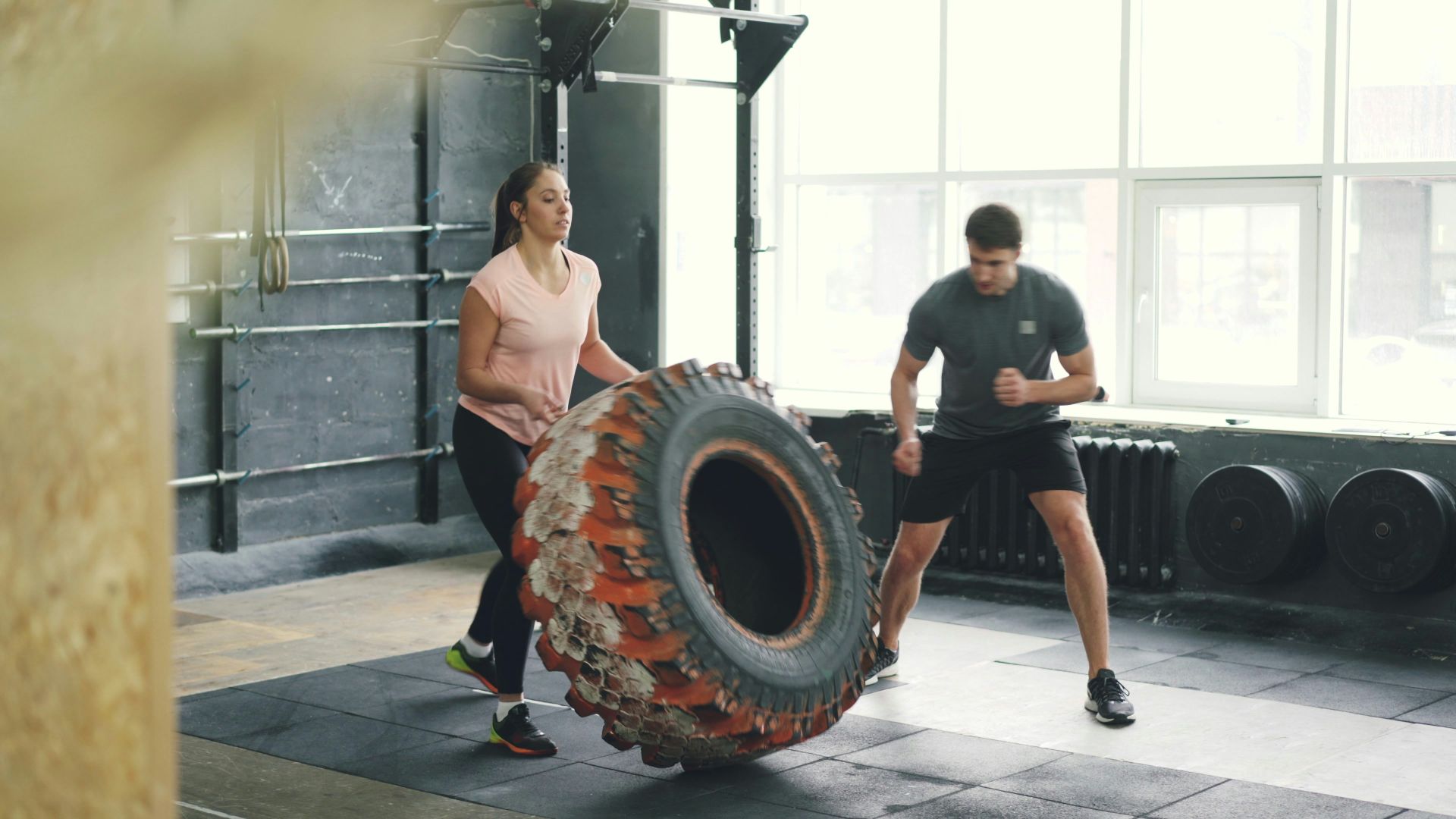
This one sounds profound because nobody wants to imagine training in disconnected pieces. But most competent programs already involve the whole body in some way, and even very basic lifts ask muscles, joints, and balance systems to work together without needing a special slogan on the studio wall.

7. It Improves Mobility And Stability At The Same Time
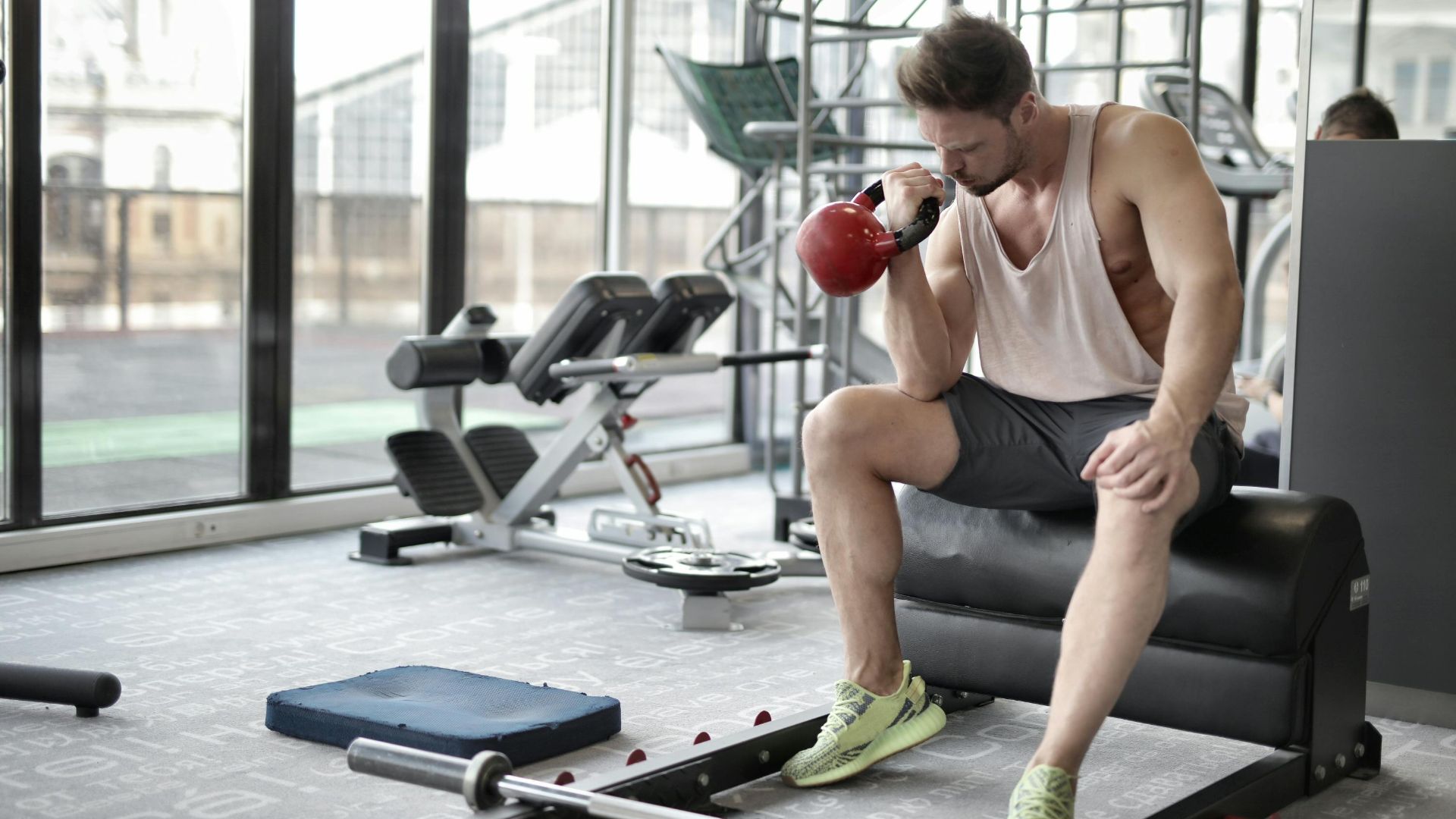
Sometimes it does, especially if someone is starting from a low baseline and is finally moving with some range and control. Still, this claim often gets used like a magic stamp, as if holding a kettlebell in a half-kneeling position automatically fixes everything modern life did to your hips, shoulders, and lower back.
8. It Is Better Than Training For Looks
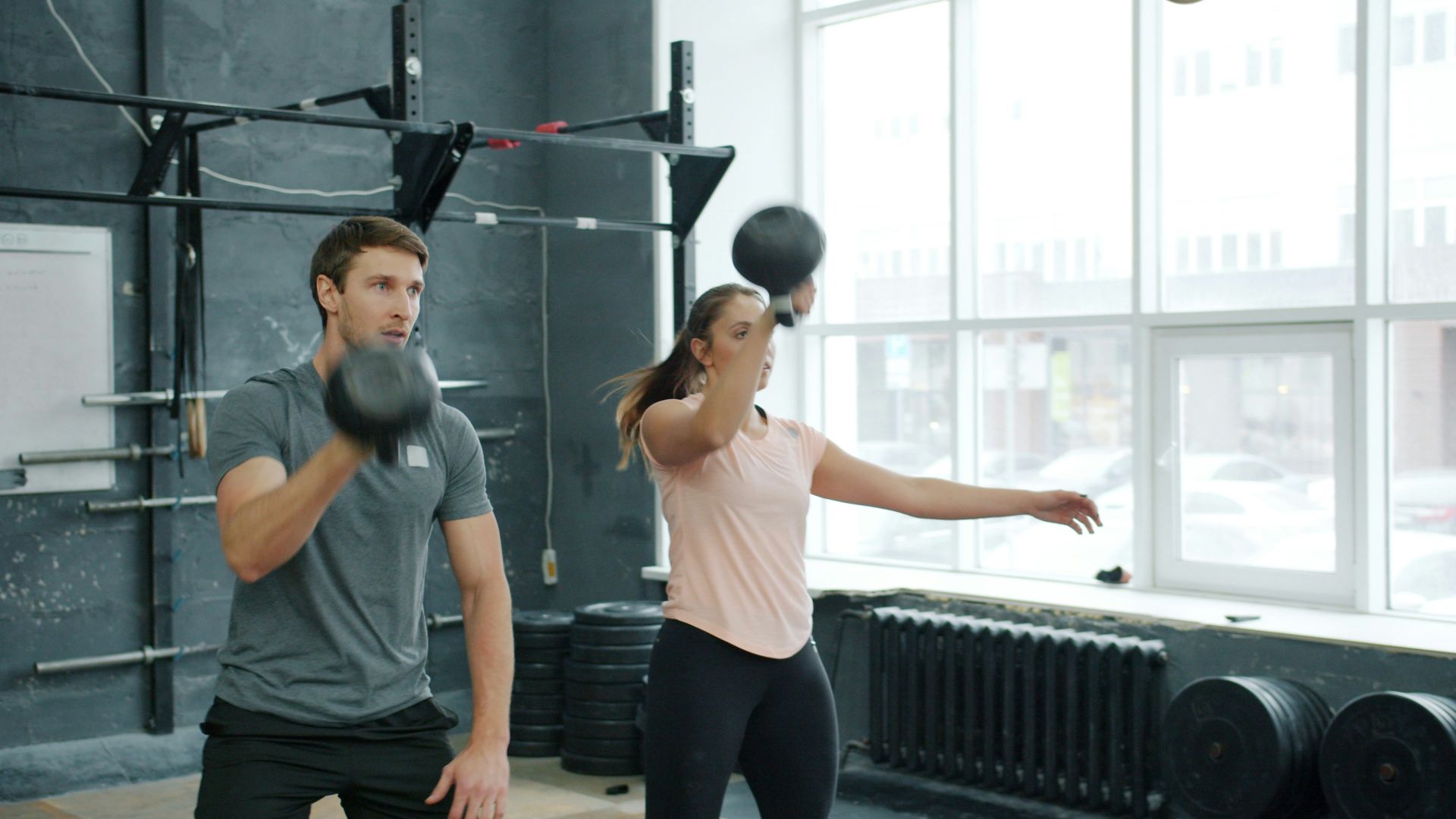
There is always a little moral theater in this one, as if functional fitness is noble and purposeful while other people are just standing in front of mirrors doing curls for shallow reasons. In reality, plenty of people want both performance and aesthetics, and there is nothing especially enlightened about rebranding a tough circuit as character development.
 LOGAN WEAVER | @LGNWVR on Unsplash
9. It Makes You More Athletic
Athleticism is not a seasoning you sprinkle on a workout by adding battle ropes or lateral hops. Real athletic ability depends on the sport, the skill, the speed, the timing, and the years of practice, so most of the time this claim really just means you will feel fitter, which is good, but not the same thing.
10. It Prepares You For Anything
Any program that says it prepares you for anything is relying on the fact that nobody will test that sentence too closely. It might prepare you for carrying groceries, hiking with friends, or hauling a box up the stairs without needing a recovery day, but that is very different from being ready for everything the phrase quietly suggests.
The sales pitch sounds strong because the objections are usually even stronger. Here are ten reaons functional fitness is mostly good marketing.

1. The Word Functional Hardly Means Anything
This is the biggest problem and the reason the label travels so well. Once a term can describe rehab drills, power cleans, farmer’s carries, bootcamp circuits, and standing on one leg while pressing a cable handle, it stops being a clear training category and starts behaving like good packaging.
 CRISTIAN CAMILO ESTRADA on Pexels
2. Most Exercise Is Functional Enough
Getting stronger, fitter, more coordinated, and less winded helps with life in ways that are not very mysterious. Squats help you stand up, rows help you pull, carries help you carry, and cardio helps you not feel cooked after one flight of stairs, even when nobody puts functional in the class description.
3. It Often Rebrands Basic Strength Work
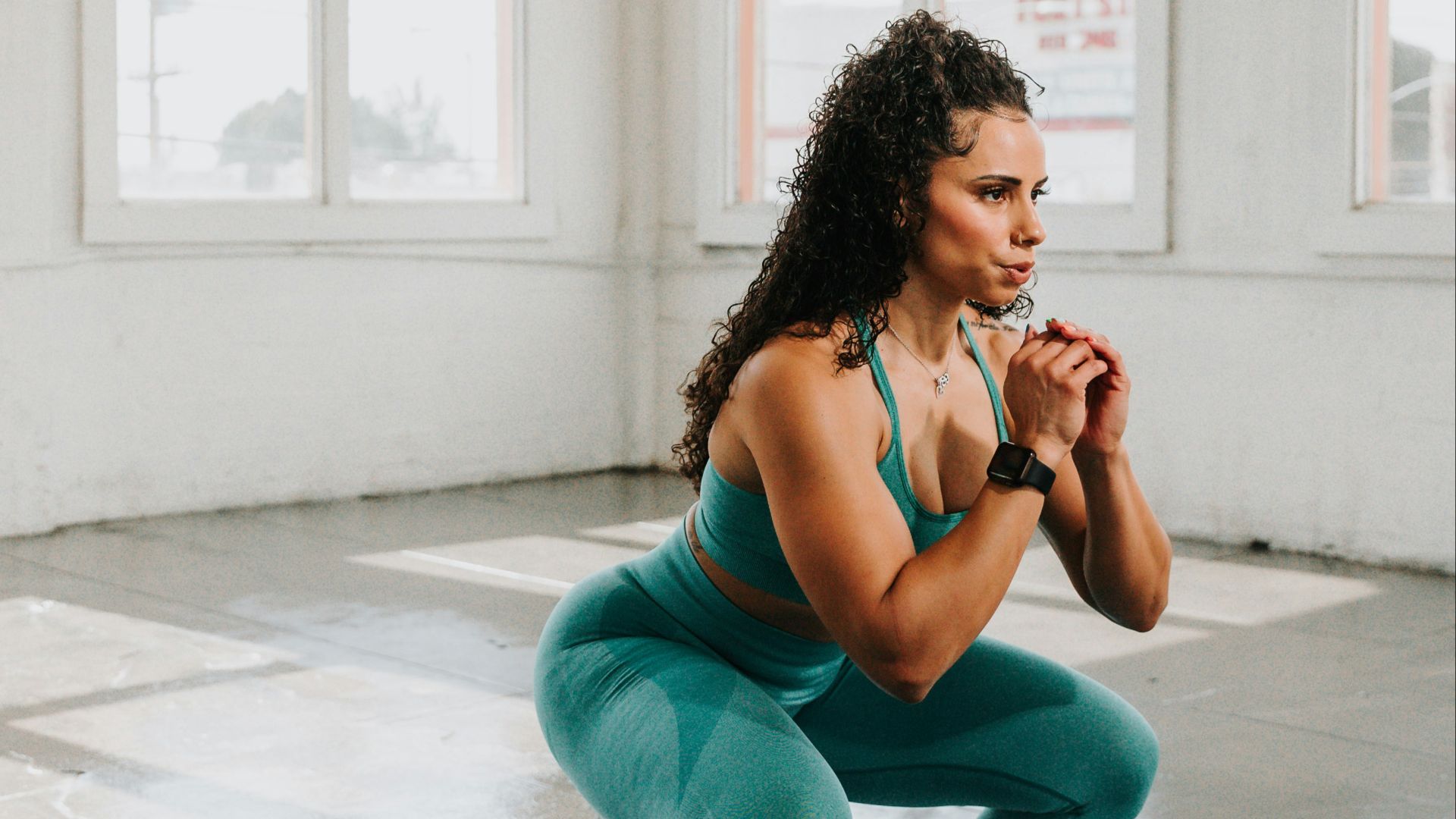
A lot of so-called functional training is just regular resistance training with different props and better copy. A squat becomes a movement pattern, a carry becomes a lifestyle statement, and suddenly the same old effort comes with a cleaner font and a higher monthly fee.

4. The Marketing Flatters People
This style of branding works because it tells people they are not just exercising, they are training for life. That feels smarter, more grounded, and a little more grown up than saying you are trying to get stronger or leaner, which is why the language sticks even when the actual session looks like a normal circuit class.
5. Weird Does Not Mean Useful
There is a certain corner of the fitness world that mistakes novelty for depth. Balancing on unstable surfaces, twisting under load for no clear reason, or combining three movements into one ugly repetition can look impressive on social media while doing less for you than simpler, heavier, better-practiced work.
6. It Lets Coaches Sound More Scientific Than They Are
Movement language can be useful, but it can also become a fog machine. Once every lunge is about planes of motion, kinetic chains, and real-world transfer, a very average session can start sounding like a research lab instead of a room full of tired adults trying to stay in shape after work.

7. It Creates A Fake Divide
The whole pitch depends on making other training sound pointless, which is rarely true. Bodybuilding can build muscle that supports strength, powerlifting can build raw force, machines can help people train around pain, and steady cardio can improve endurance, so the idea that only one method has practical value is mostly salesmanship.
8. It Makes Ordinary Goals Sound Embarrassing
There is a weird little judgment built into some of this culture, where wanting visible muscle or weight loss gets treated as less worthy than wanting to move better for life. Most people have mixed reasons for training, and pretending only the noble, practical ones count is just another way to sell identity along with exercise.
9. It Thrives In Short-Form Content
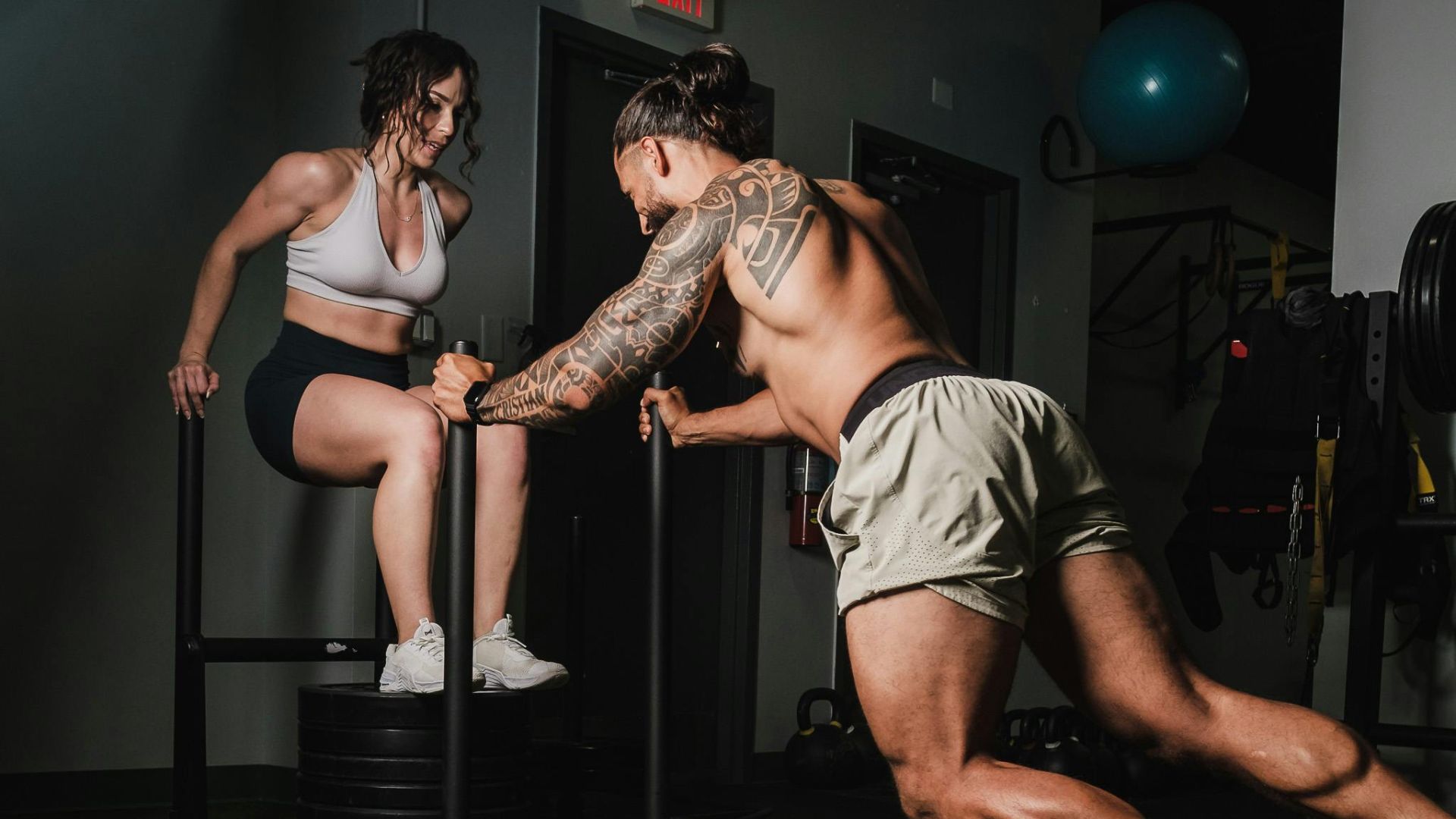
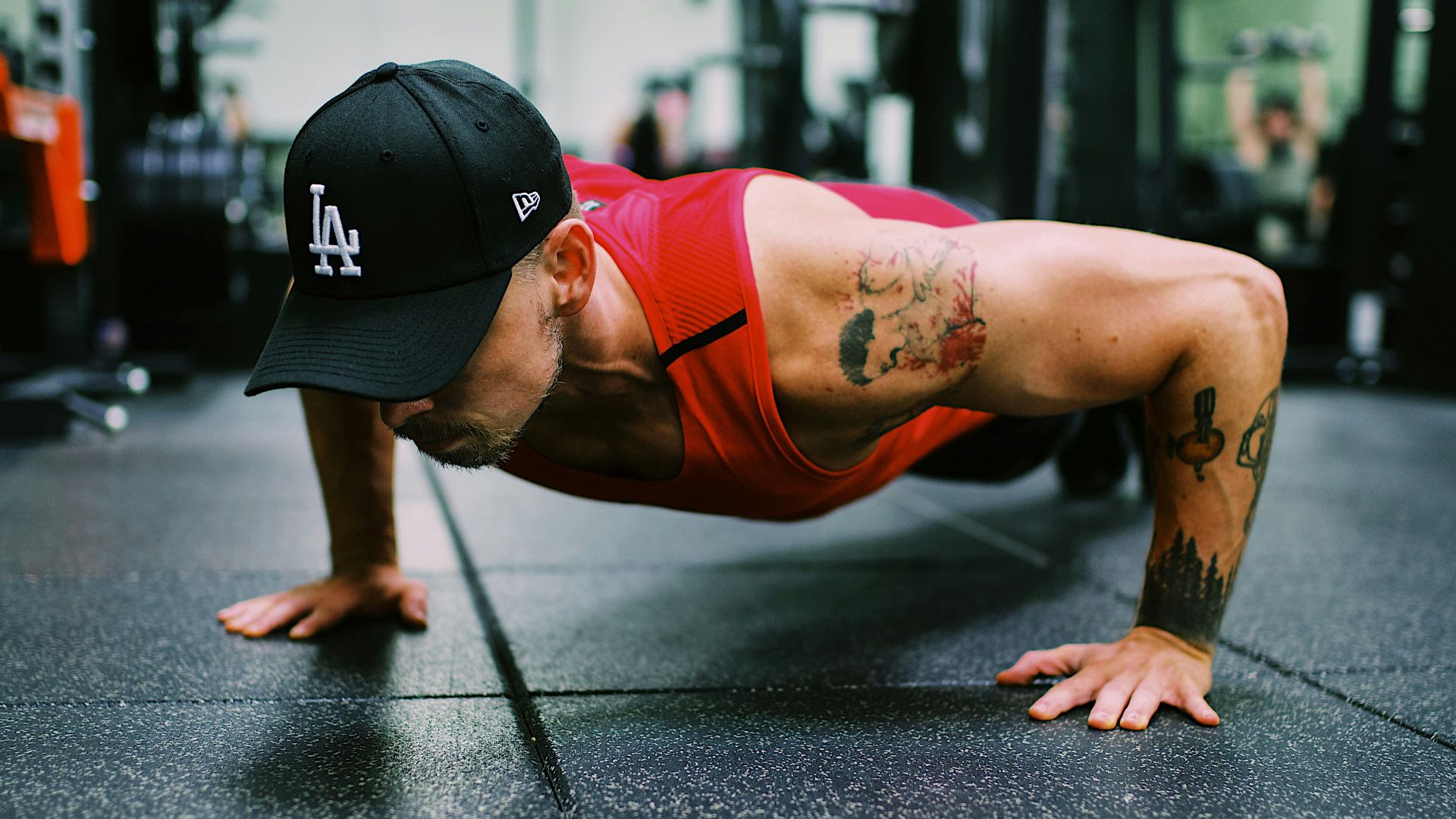
Functional fitness is perfect for clips and captions because it looks busy, dynamic, and a little unconventional. Drag a sled, flip something heavy, carry mismatched weights, throw in a crawl, and the workout immediately looks more meaningful online than a plain set of leg presses ever will, even if the plain set might be exactly what somebody needs.

10. Results Still Come From The Boring Stuff
This is the part the marketing cannot make glamorous enough. Progress still depends on consistency, load, recovery, technique, time, and doing enough useful work for long enough that your body actually adapts, which is not a functional fitness secret so much as the same old truth in a newer outfit.