Staying Strong Between the Workouts
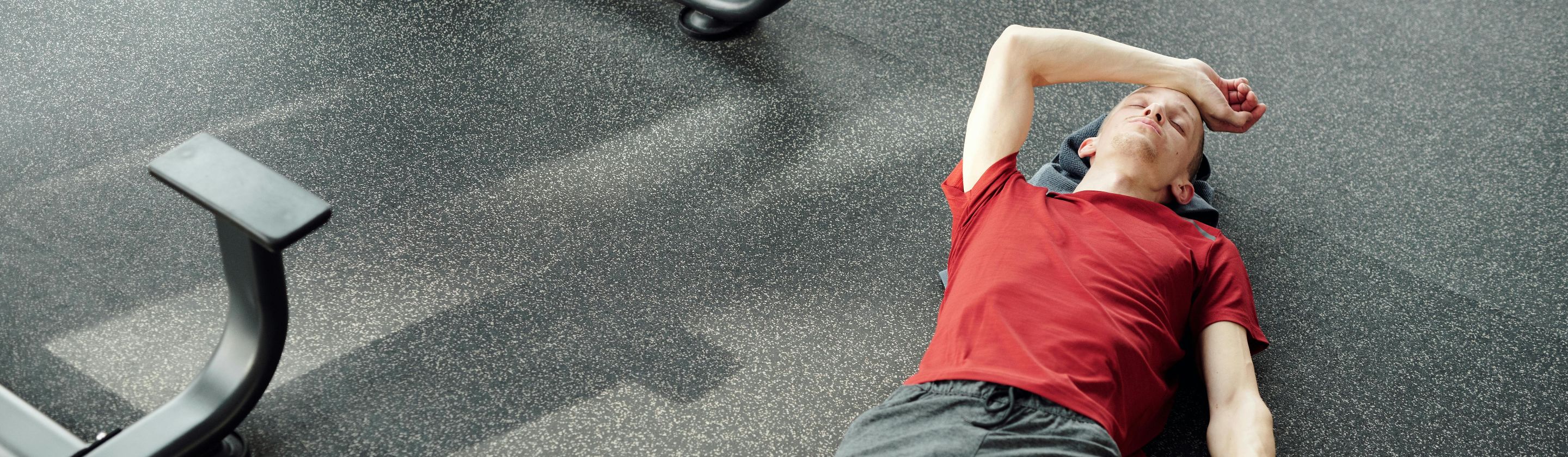
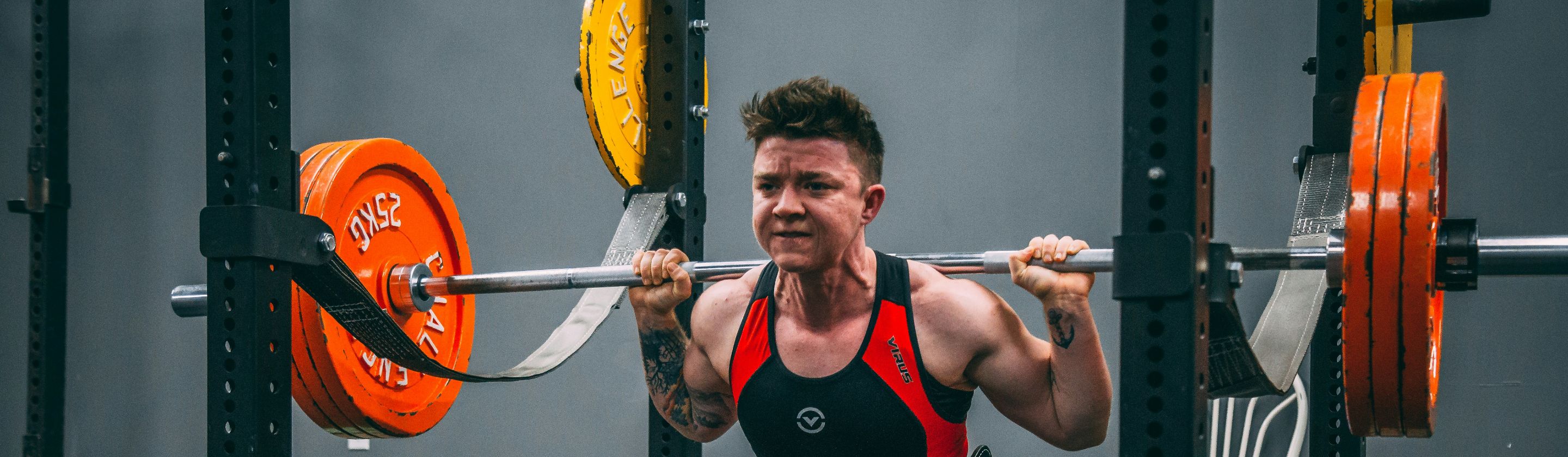
Peak performance isn’t just built in training; it’s maintained through recovery. Athletes who prioritize proper recovery can reduce injury risk, improve consistency, and extend their careers. From science-backed methods to simple daily habits, the right recovery strategies help the body repair and adapt. Here are 20 approaches that keep athletes performing at their best.
 Rodrigo Rodrigues | WOLF Λ R T on Unsplash
1. Quality Sleep
Sleep is one of the most effective recovery tools available. During deep sleep, the body repairs muscle tissue and regulates hormones. Most athletes need seven to nine hours for optimal recovery. Consistent sleep schedules improve both physical and mental performance.

2. Active Recovery Sessions
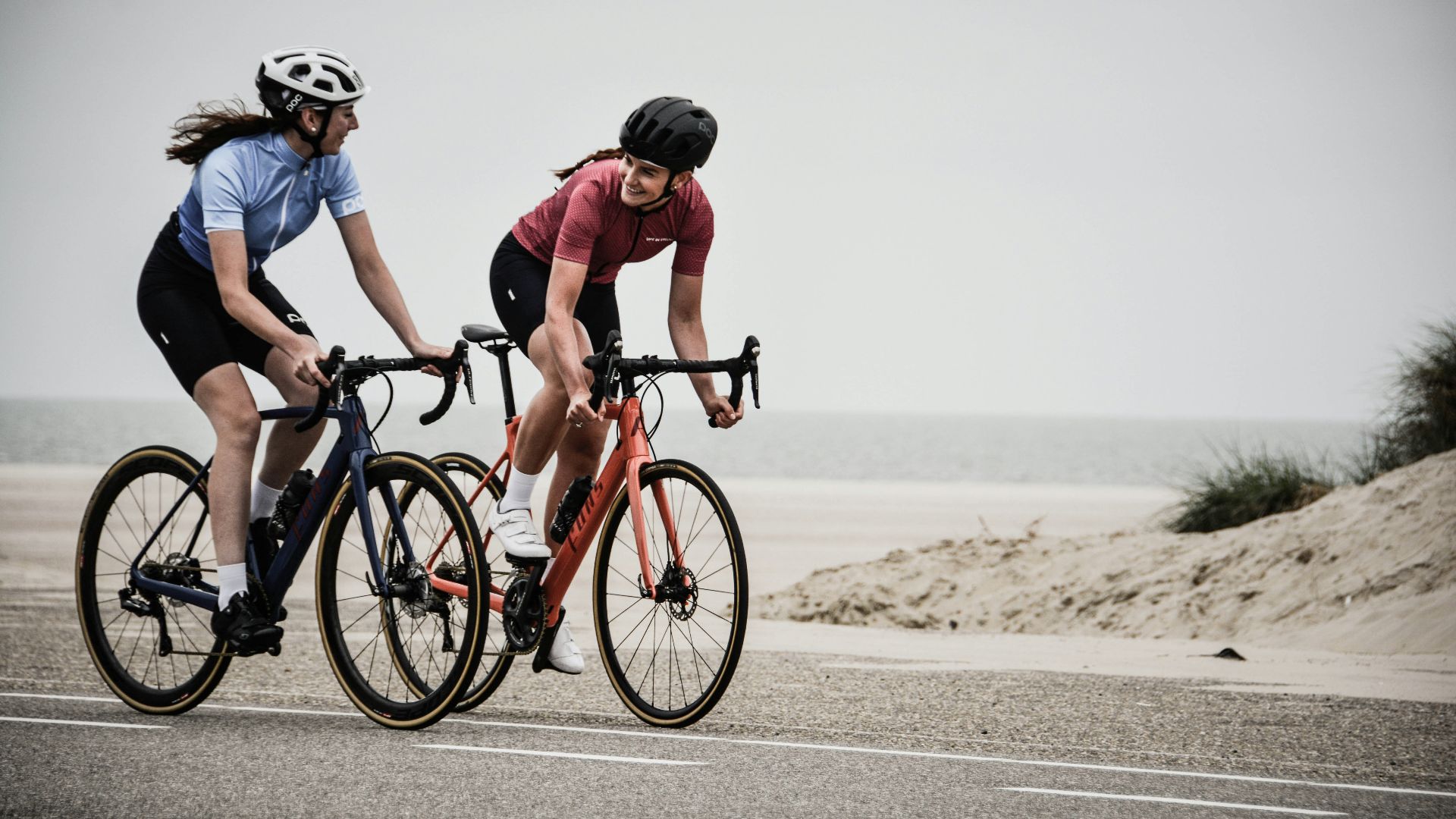
Light movement, such as walking or easy cycling, helps promote blood flow without adding stress. This process aids in removing metabolic waste from muscles. It also reduces stiffness after intense workouts. Active recovery keeps the body moving while still allowing it to heal.
3. Proper Hydration
Fluids are essential for nearly every recovery process in the body. Dehydration can slow muscle repair and reduce performance. Replacing lost electrolytes is especially important after intense sessions. Staying hydrated supports overall recovery efficiency.

4. Balanced Nutrition
Consuming a mix of protein, carbohydrates, and healthy fats supports muscle repair and energy replenishment. Protein helps rebuild tissue, while carbohydrates restore glycogen levels. Nutrient timing can also influence recovery speed. Consistency in diet plays a key role.

5. Stretching and Mobility Work
Regular stretching improves flexibility and reduces muscle tightness. Mobility exercises help maintain joint health and range of motion. These practices can prevent imbalances that lead to injury. They’re often integrated into both warm-ups and recovery routines.

6. Foam Rolling
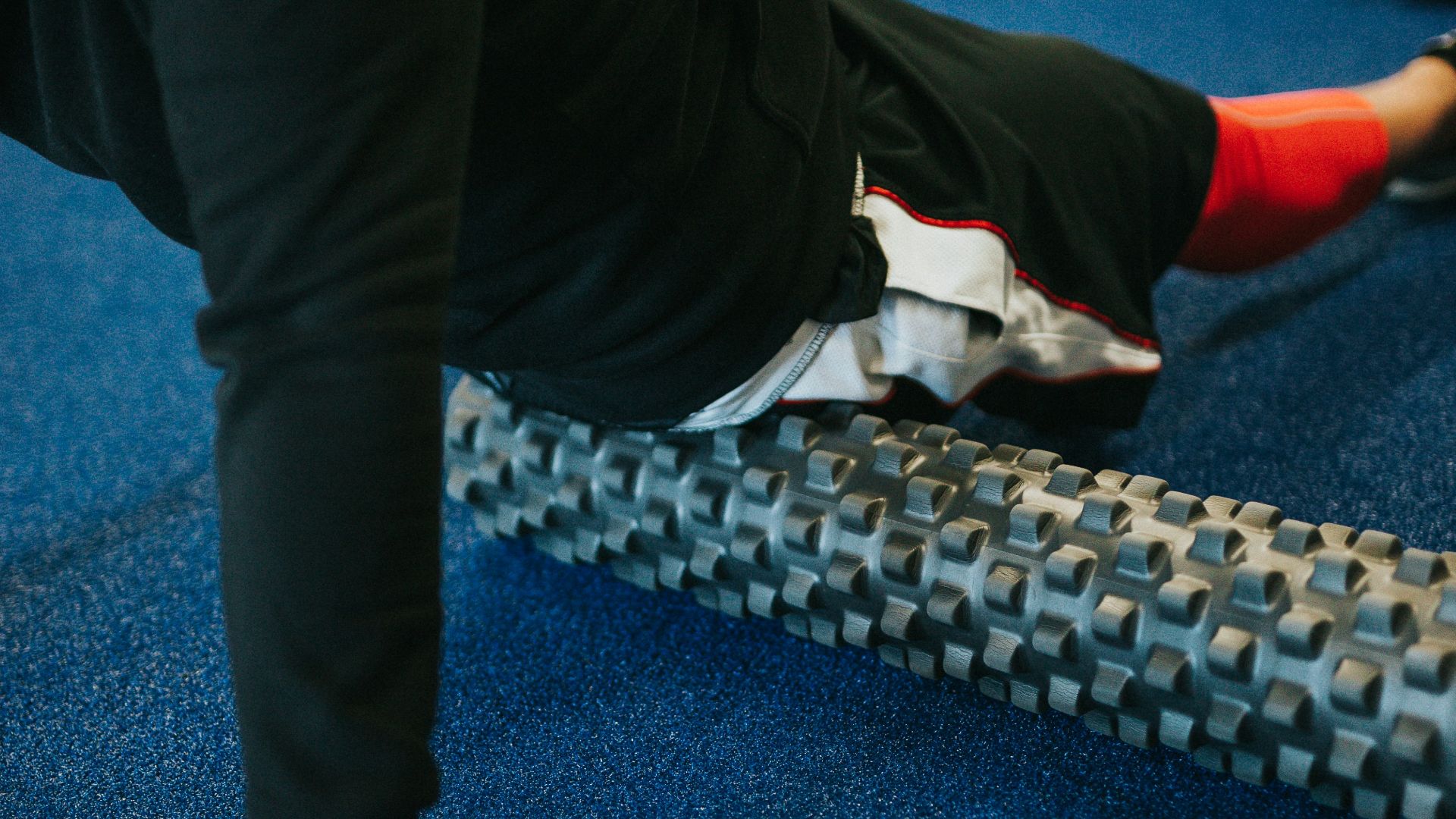
Foam rolling is a form of self-myofascial release that targets tight muscles. It can help reduce soreness and improve circulation. Many athletes use it after workouts to aid recovery. It’s a simple and accessible tool for maintaining muscle health.
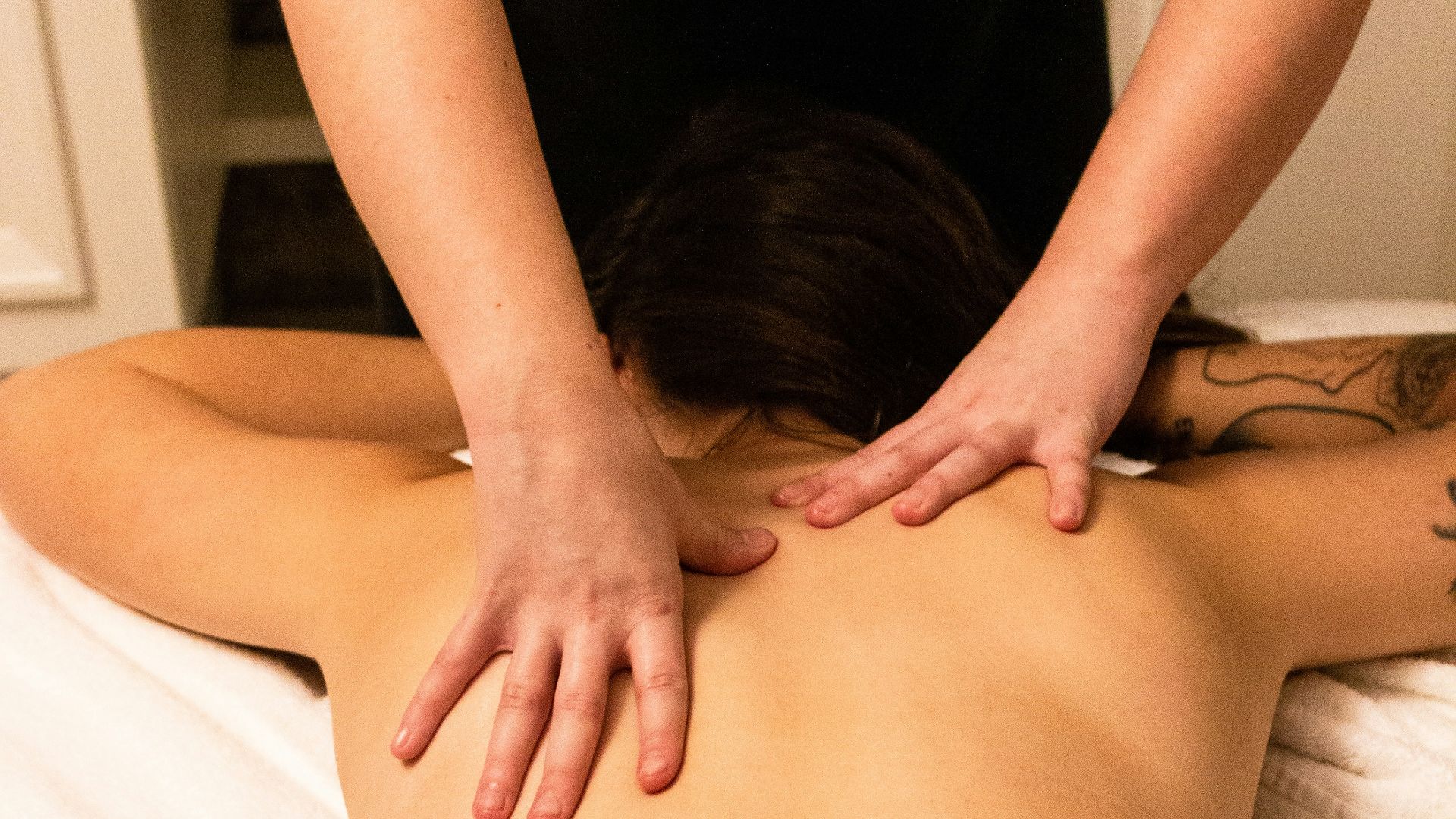
7. Massage Therapy
Professional massage can help reduce muscle tension and improve blood flow. It may also decrease delayed onset muscle soreness. Regular sessions can support long-term recovery, and many athletes incorporate it into their training schedules.
8. Ice Baths (Cold Water Immersion)
Cold exposure can reduce inflammation and muscle soreness after intense activity. Athletes often use ice baths following heavy training or competition. The cold helps limit tissue damage and swelling. It’s widely used in high-performance sports.

9. Contrast Therapy
Alternating between hot and cold water exposure can stimulate circulation. This method encourages blood flow to muscles and helps remove waste products. It’s often used to reduce soreness and speed recovery. Many athletes use it after demanding sessions.
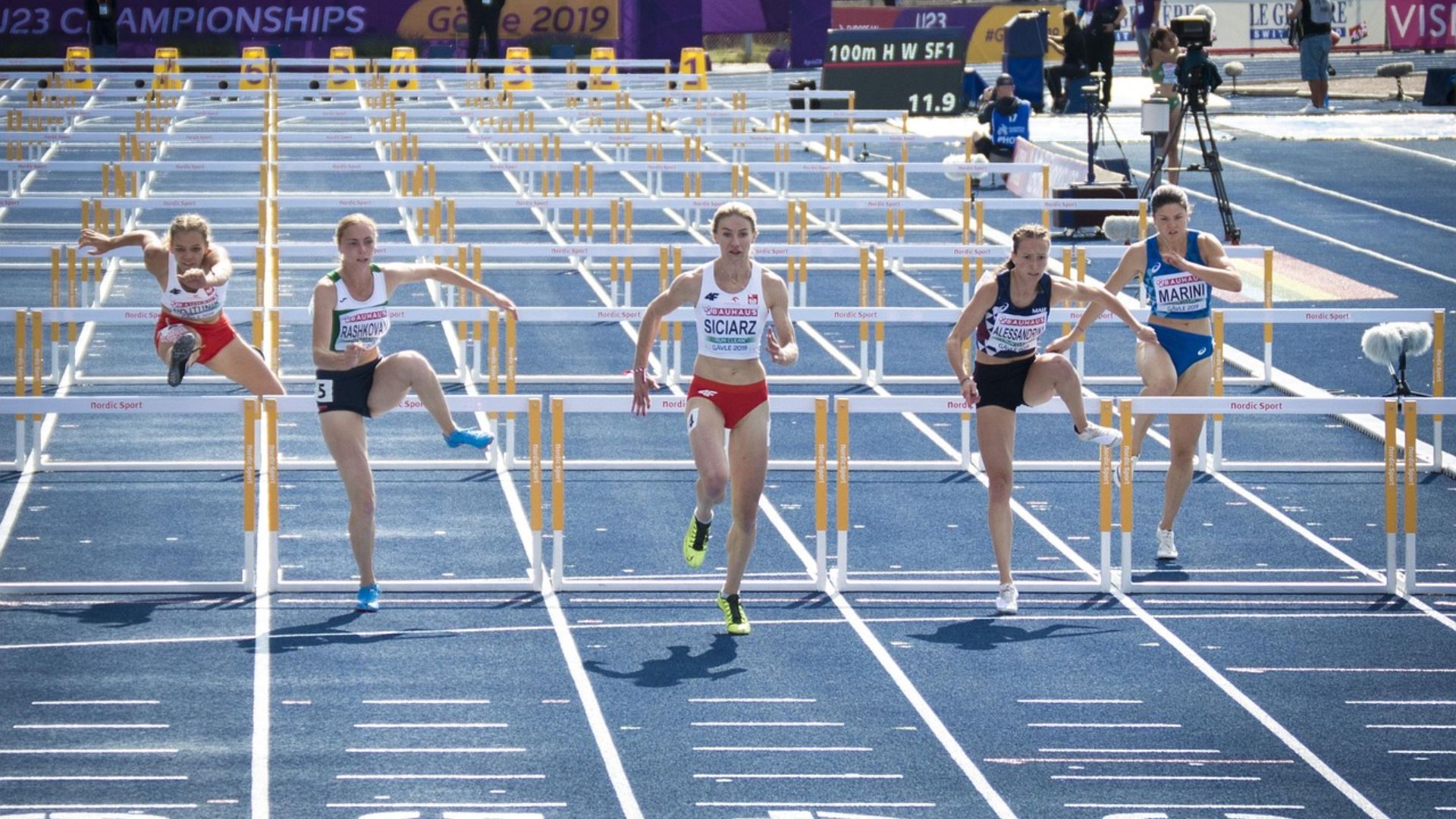
10. Compression Garments
Wearing compression clothing can improve circulation and reduce swelling. These garments may help decrease muscle fatigue. They’re often worn during or after an activity. Some athletes also use them during travel for recovery support.
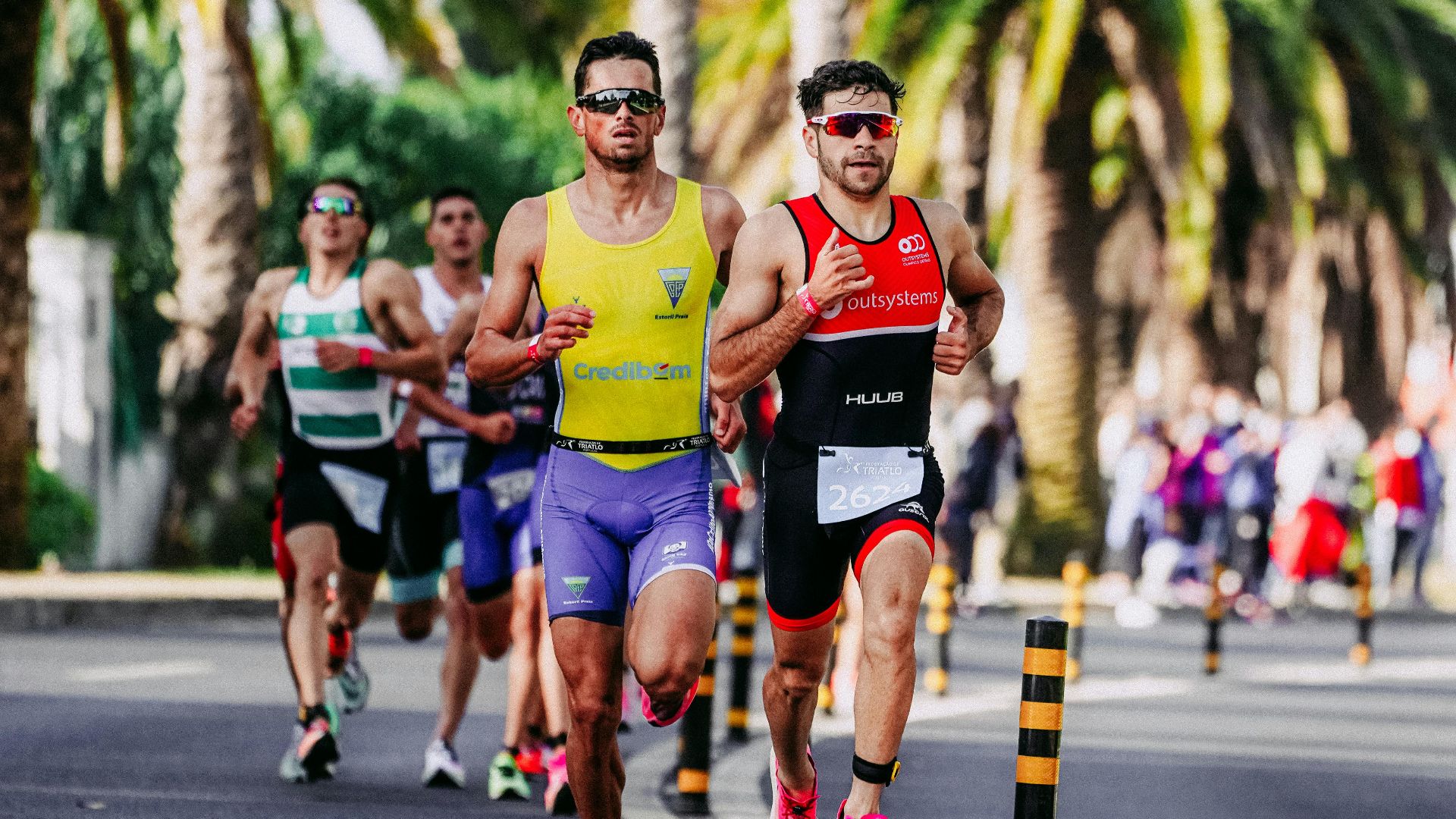
11. Rest Days
Scheduled rest days allow the body to fully recover from training stress. Without adequate rest, performance can decline over time. These breaks are essential for preventing overtraining and also support long-term progress.

12. Breathing Techniques
Controlled breathing can help activate the body’s relaxation response. This reduces stress and supports recovery. Techniques such as diaphragmatic breathing improve oxygen delivery. They also aid in mental recovery.

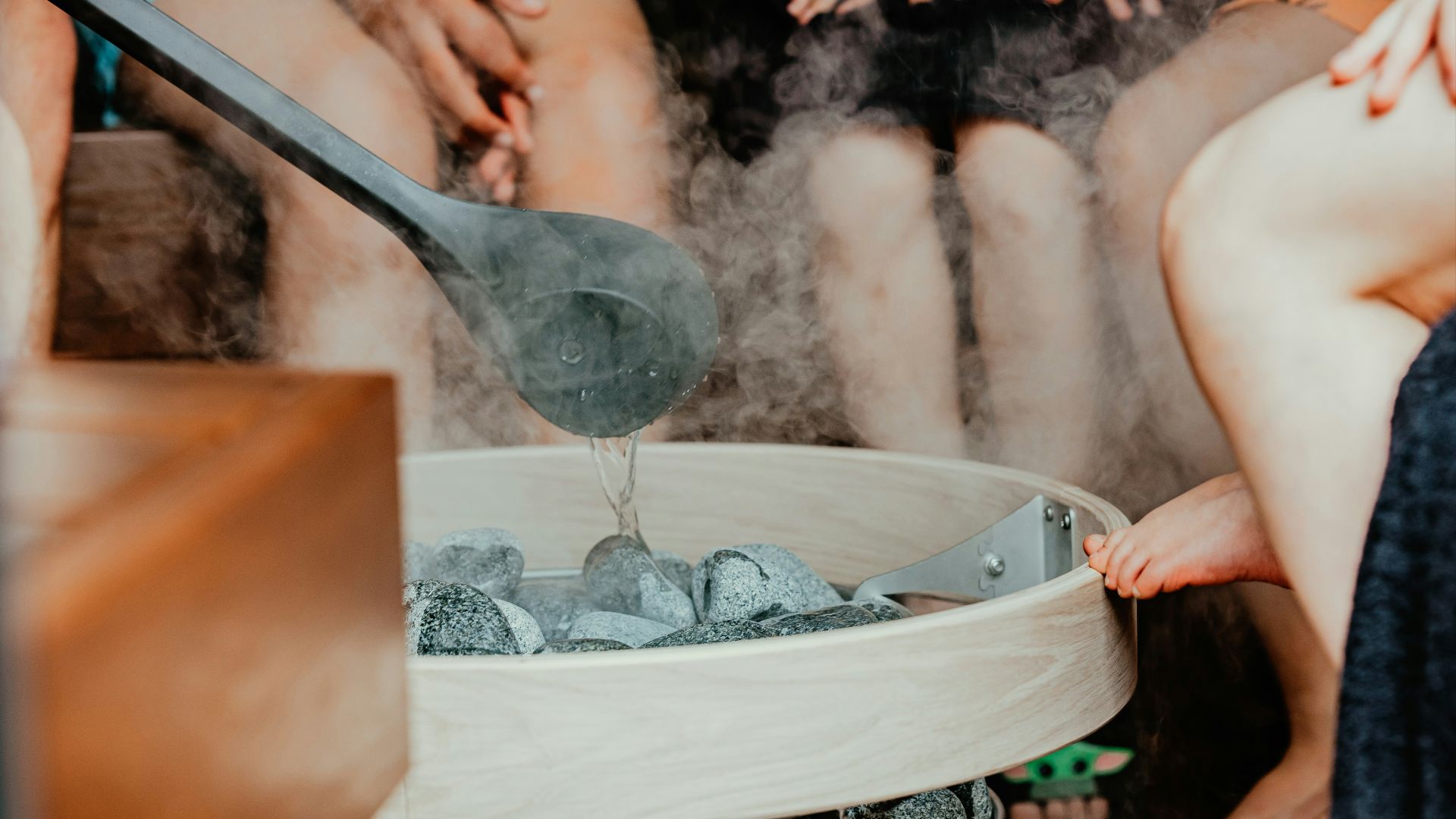
13. Sauna Use
Heat exposure from saunas can promote relaxation and improve circulation. It may also help reduce muscle stiffness. Some studies suggest it supports cardiovascular health. Many athletes use it as part of their recovery routine. Regular sessions should be balanced with proper hydration to avoid dehydration.
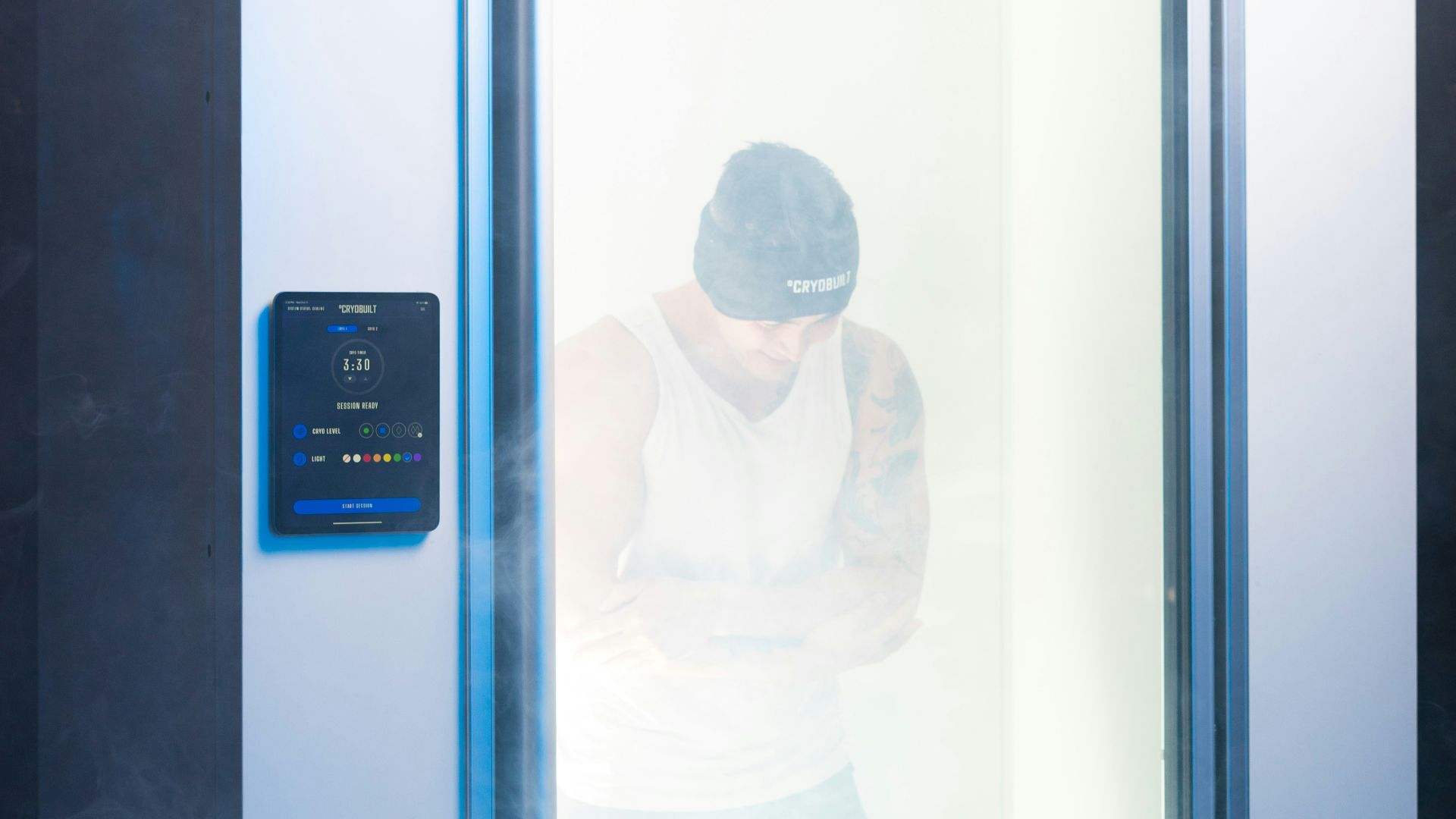
14. Cryotherapy
Whole-body cryotherapy involves short exposure to extremely cold temperatures. It’s used to reduce inflammation and soreness. Sessions are brief but can be intense. Some athletes report feeling refreshed afterward. It’s typically used as a supplement rather than a replacement for other recovery methods.
15. Proper Warm-Down Routines
Cooling down after exercise helps gradually lower the heart rate and prevent stiffness. It often includes light movement and stretching. This transition supports the body’s recovery process. Skipping it can lead to increased soreness. A consistent routine helps signal to the body that training has ended.

16. Mental Recovery Practices
Recovery isn’t only physical, as mental rest is equally important. Activities like meditation or mindfulness can reduce stress. A relaxed mind supports better sleep and focus. This helps athletes stay consistent over time. Taking intentional breaks from competition or training environments can also improve mental clarity.

17. Injury Prevention Exercises
Targeted exercises strengthen smaller stabilizing muscles. This reduces the risk of common injuries. These routines are often sport-specific. Preventing injury is a key part of staying in peak form. Consistency in these exercises is more effective than occasional effort.
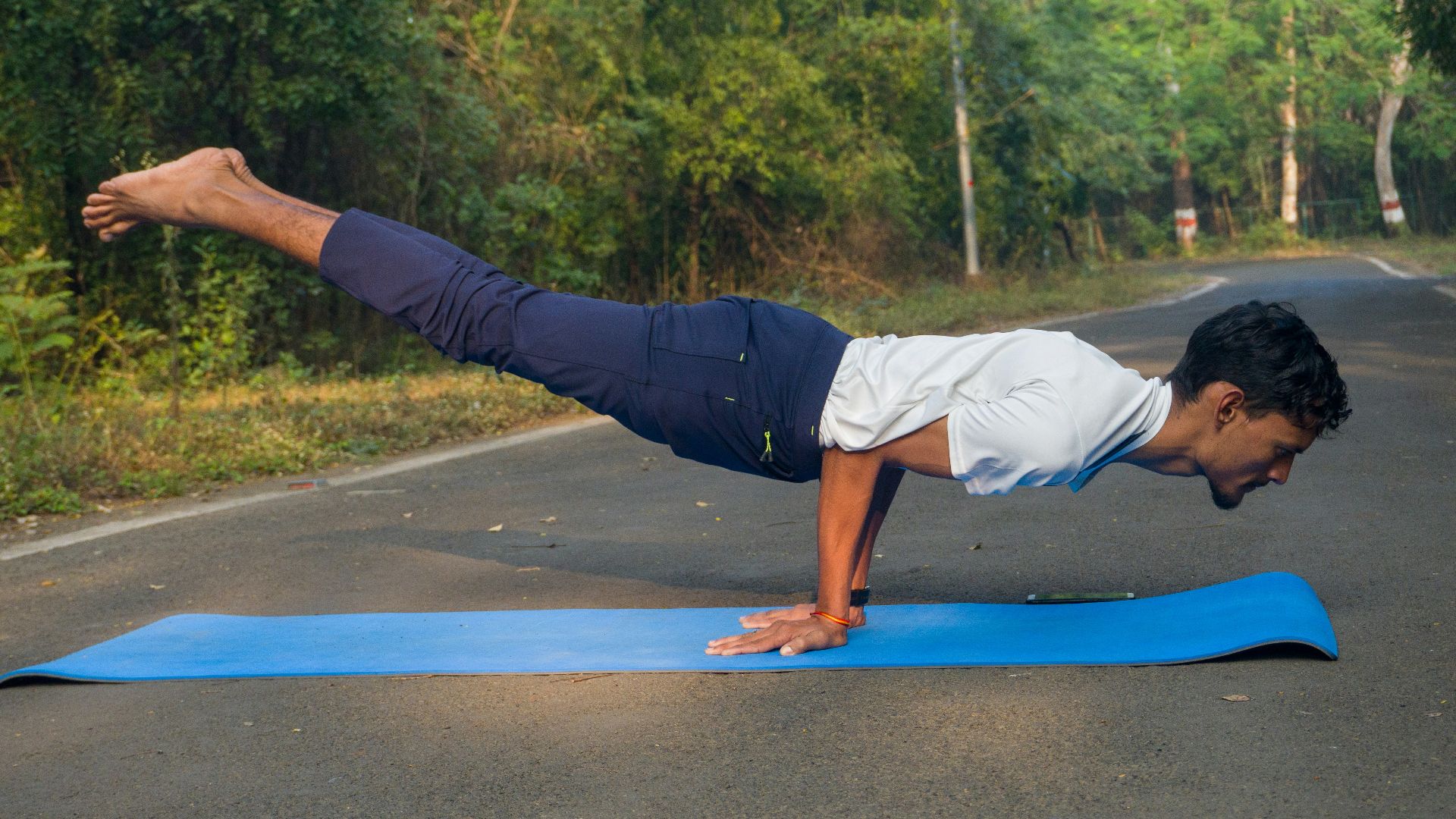
18. Periodization in Training
Structured variation in training intensity allows for planned recovery. Athletes cycle between hard and lighter phases. This prevents burnout and overtraining, and ensures steady progress without excessive strain. Coaches often design these cycles to align with competition schedules.

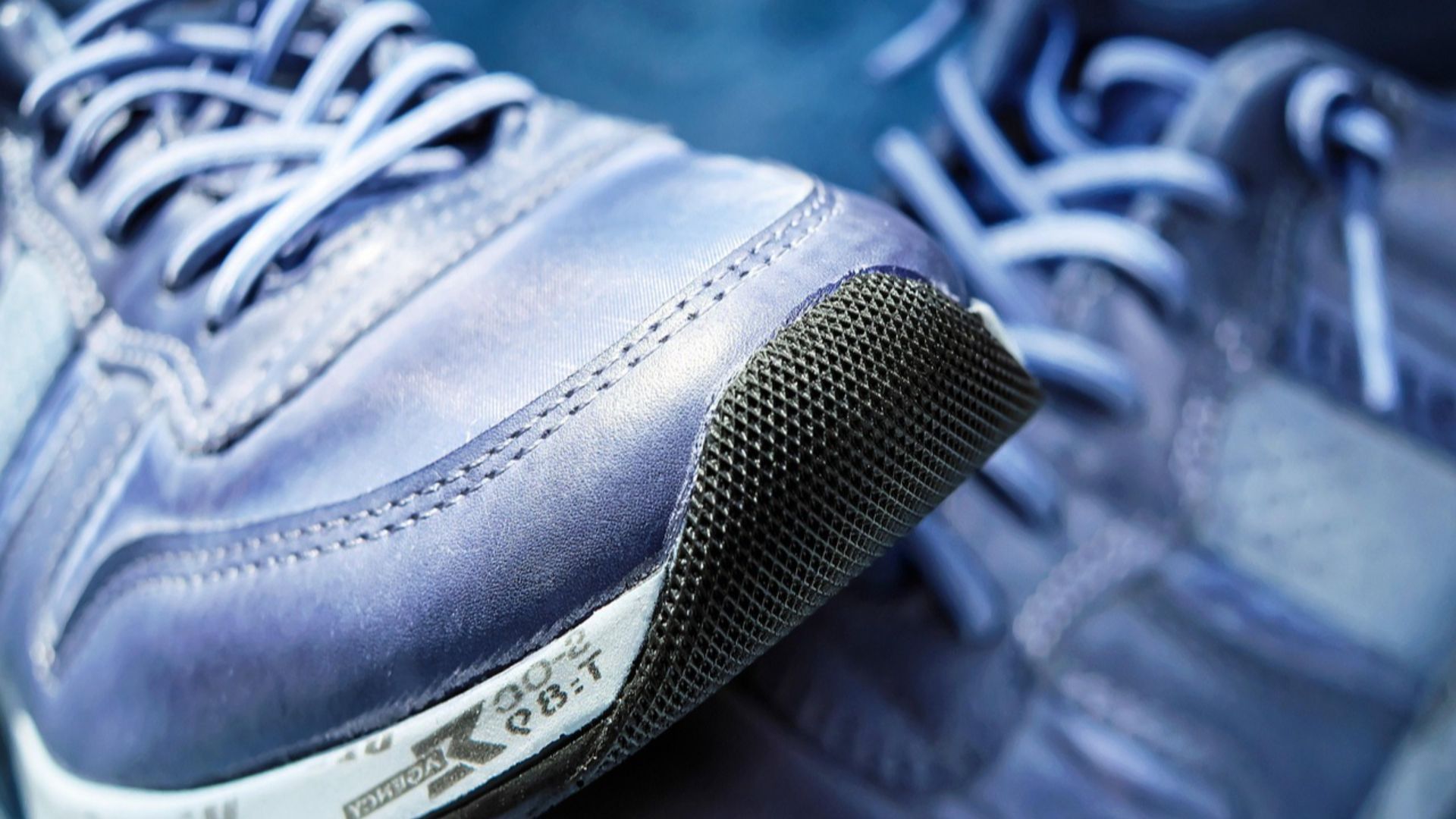
19. Proper Footwear and Equipment
Using the right gear reduces unnecessary stress on the body. Poor equipment can lead to discomfort or injury, whereas proper support helps maintain alignment and efficiency. This indirectly supports recovery by preventing strain. Regularly replacing worn-out gear is also important for maintaining effectiveness.
20. Monitoring Workload and Recovery
Tracking training intensity and recovery metrics helps athletes avoid overexertion. Tools like heart rate variability can provide useful insights, and adjusting workloads based on feedback improves outcomes. This approach keeps performance sustainable over time. Consistent tracking allows for more informed training decisions.

KEEP ON READING


20 Anti-Inflammatory Snacks for Aching Joints