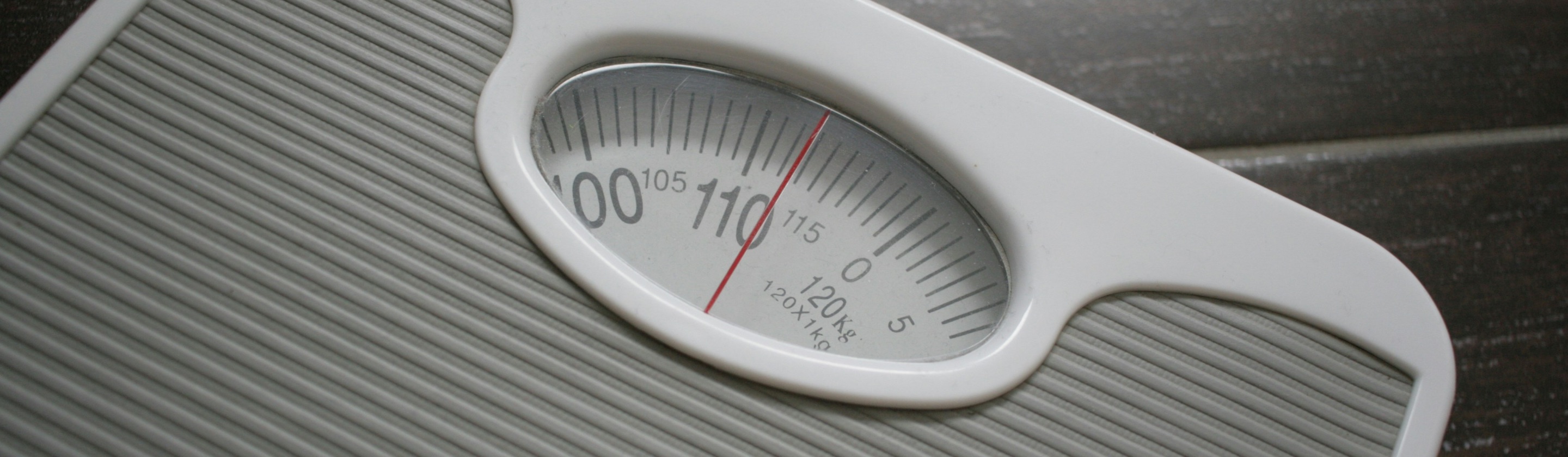
Don't Trust the Number on the Scale
If you've ever stepped on the scale in the morning and felt either thrilled or annoyed before your day even started, you're not alone. The number that stares back at you can seem unforgiving, but it often leaves out the bigger picture of what's really going on behind the scenes, such as what your body is doing, how your habits are changing, and whether your progress is actually moving in the right direction. Weight loss, after all, is rarely a straight line, so it helps to understand why the scale can sometimes be misleading. Here are 10 ways the digits you see aren't telling you the real story, and 10 better ways to measure your progress.
1. Water Retention Can Change Everything
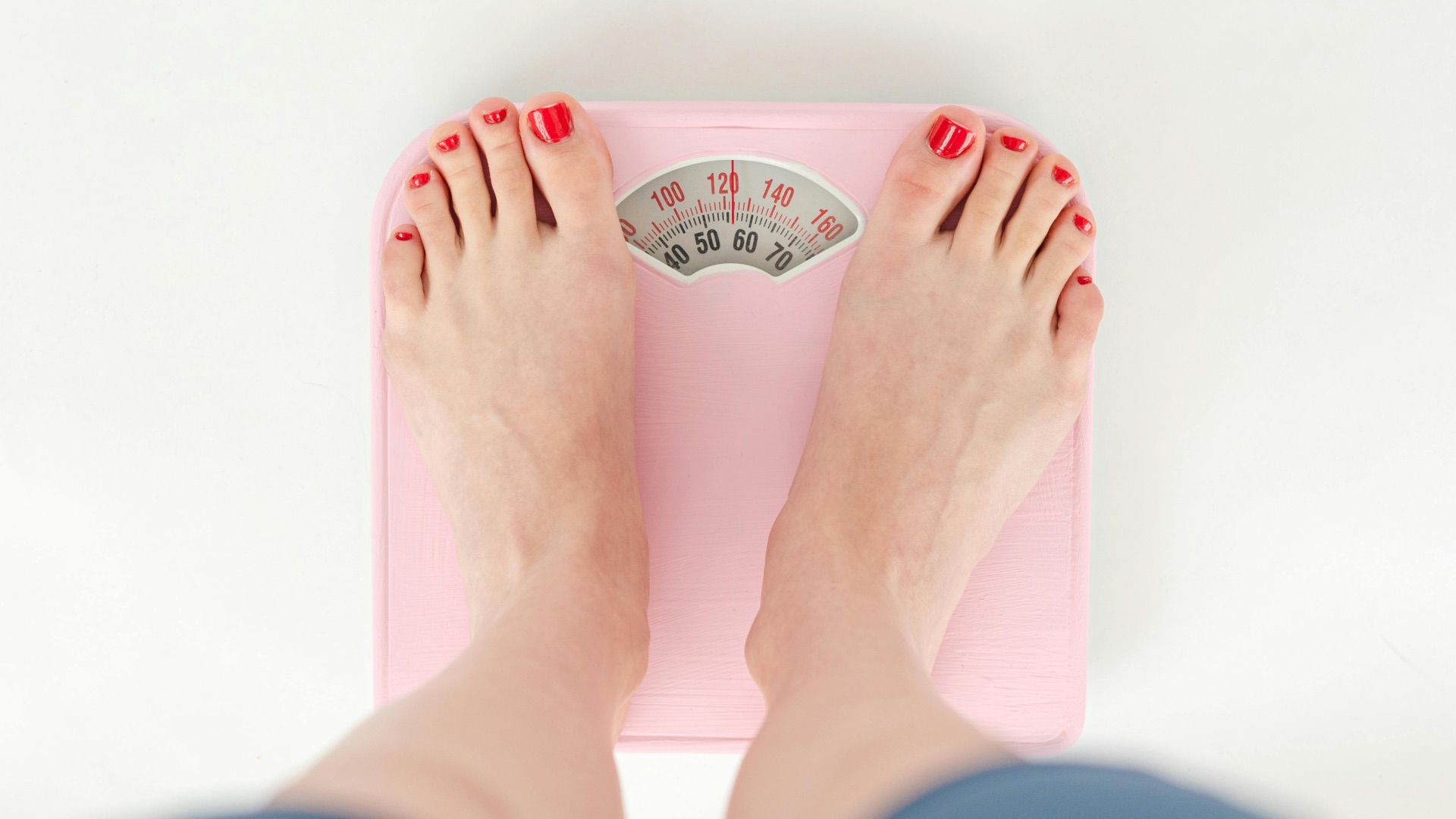
The scale can jump up overnight because your body is holding extra water, not because you've gained fat. Saltier meals, stress, hormones, and even a hard workout can all shift your water balance. That means a higher number may reflect temporary fluid changes rather than any real setback.

2. Timing Affects the Reading
Your weight can look different depending on when you weigh yourself, which makes a single reading easy to misread. Food, drinks, digestion, and even the clothes you're wearing can all nudge the number up or down. If you're comparing random weigh-ins, you're not really comparing the same conditions.
3. Muscle Gain Can Mask Fat Loss
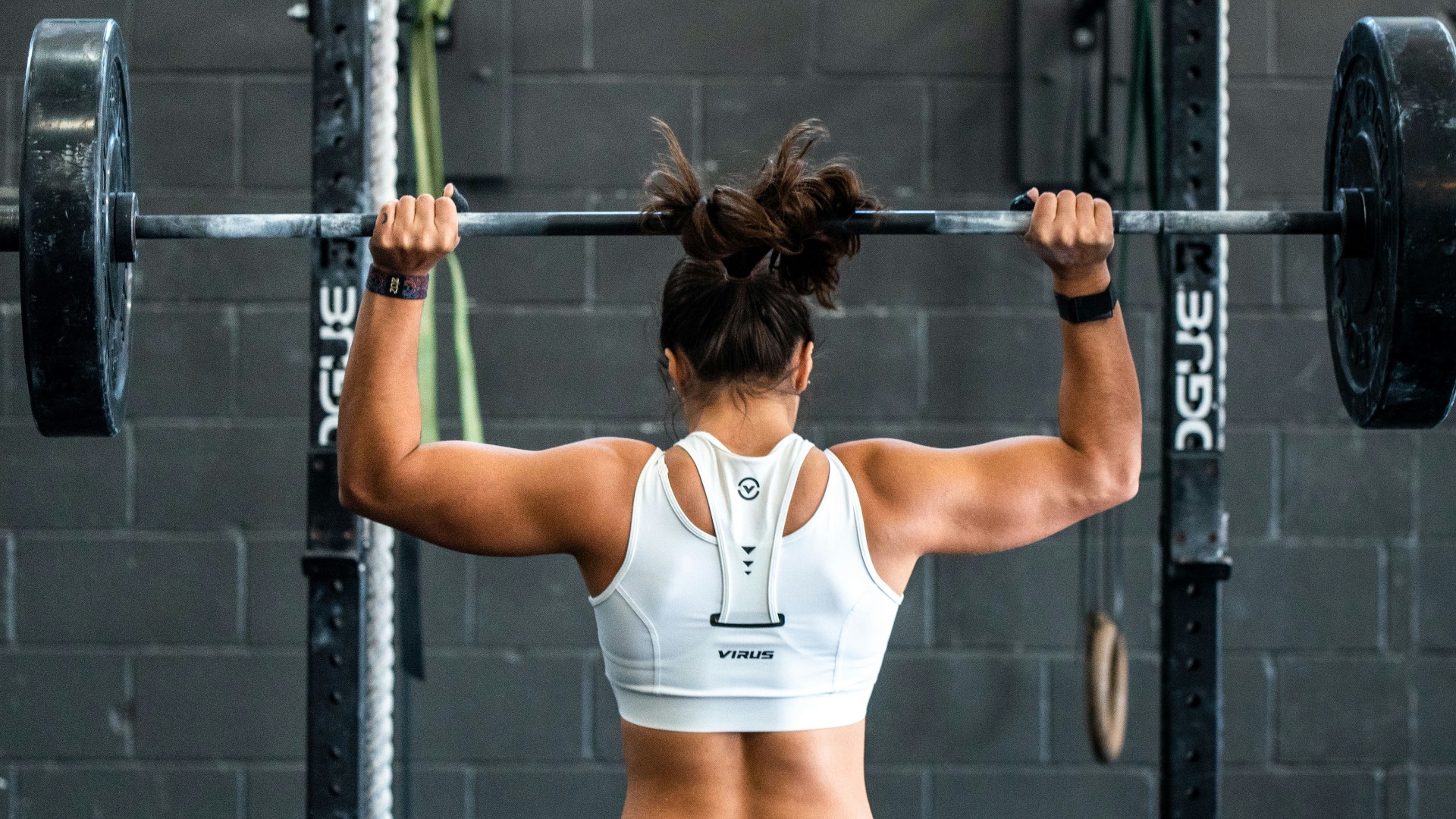
If you're exercising regularly, especially with strength training, you may be losing fat while adding lean muscle at the same time. Because muscle has weight too, the scale might stay the same even when your body composition is improving. That's one reason people can look leaner and feel stronger without seeing much movement in pounds.
4. Hormones Can Cause Temporary Swings
Hormonal changes can influence appetite, digestion, water retention, and body weight in ways that have nothing to do with long-term progress. Many people notice this around their menstrual cycle, but stress hormones and sleep disruption can also play a role. A short-term increase doesn't always mean your routine has stopped working.
5. Digestion Plays a Bigger Role Than You Think
What's in your digestive system at the moment can affect the number you see. If you've eaten recently or your body hasn't fully processed meals yet, your weight may appear higher for reasons that are completely normal. The scale doesn't separate body fat from yesterday's lunch.

6. One Number Doesn't Show Body Composition
The scale tells you total body weight, but it doesn't explain what that weight consists of. It can't distinguish between fat, muscle, water, and other tissues, so it leaves out the details that actually matter. Two people can weigh the same and have very different levels of fitness and health.

7. Normal Fluctuations Can Look Dramatic
Daily body-weight changes are common, even when you're doing everything right. A difference of a few pounds from one day to the next can happen without any meaningful fat gain at all. When you expect perfect consistency, normal variation can feel more alarming than it really is.

8. Stress Can Distort the Picture
Stress doesn't just affect your mood, because it can also influence your sleep, cravings, water retention, and recovery. As a result, the scale may reflect the effects of a rough week rather than the quality of your long-term habits. While that's frustrating, it also means the number isn't always telling the full truth.
 Antoni Shkraba Studio on Pexels
9. Routine Changes Can Skew the Number
Your weight can shift when your schedule changes, even if your overall habits haven't. Travel, eating later than usual, changes in meal timing, and disrupted sleep can all affect digestion, hydration, and temporary water retention. In those moments, the scale may reflect a change in routine rather than a change in your body or weight.

10. It Ignores Improvements You Can Feel and See
The number on the scale won't tell you if your clothes fit better, your energy is higher, or your workouts feel easier. It also won't reflect better sleep, improved endurance, or a stronger daily routine. When you focus only on weight, you can miss progress that's already happening right in front of you.
The scale can still be a helpful tool, but it works best when it isn't treated like the final verdict. Once you stop giving it all the power, it's much easier to notice the signs of progress that are often more meaningful and more accurate.

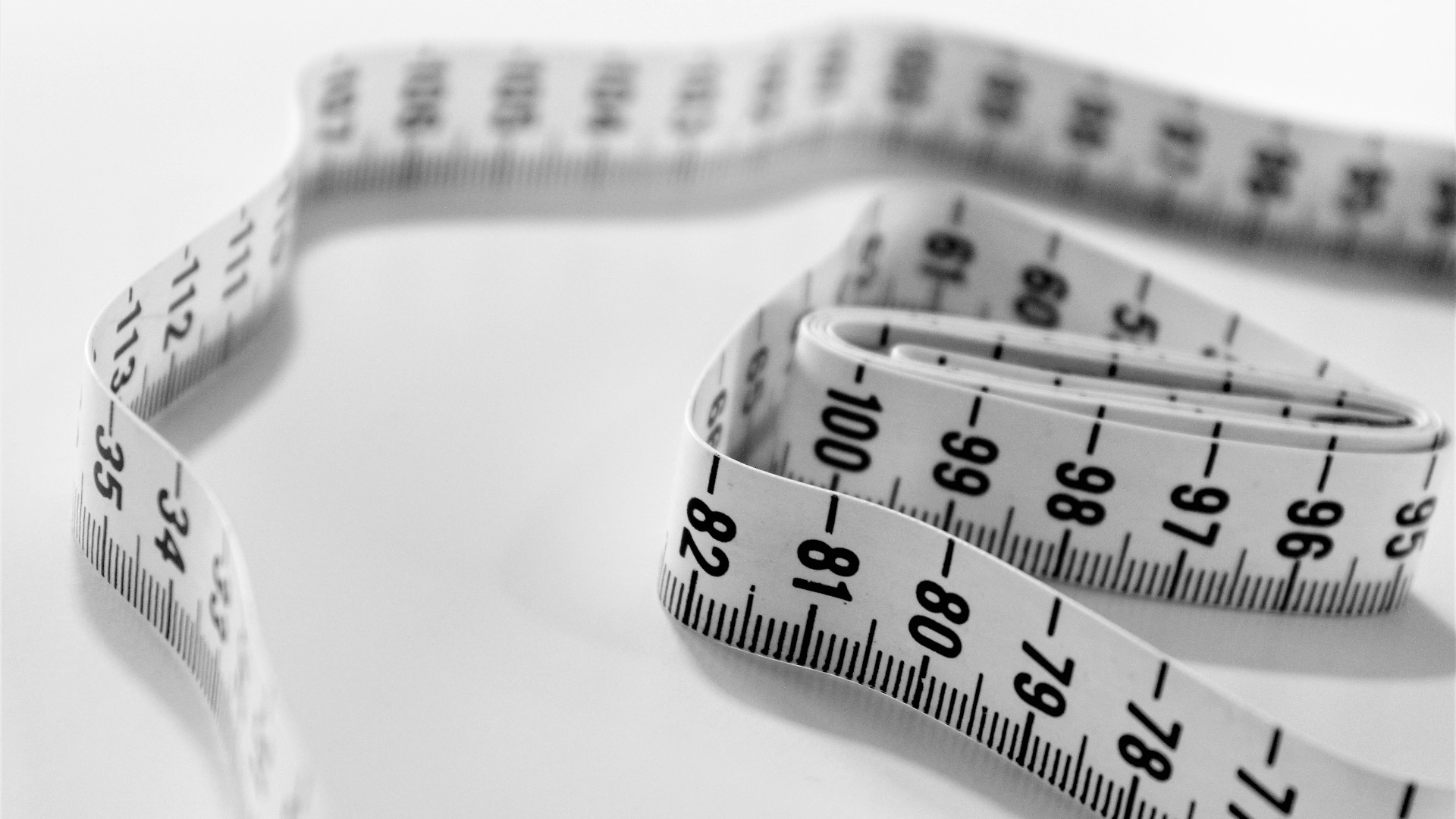
1. Track Your Measurements
Body measurements can reveal changes that the scale completely misses. Measuring areas like your waist, hips, thighs, and arms over time gives you a clearer sense of how your body is changing. Even if your weight stays steady, shrinking measurements can show that fat loss is happening.
2. Pay Attention to How Your Clothes Fit
Your wardrobe can tell you a lot before the scale ever does. Pants that slip on or button more easily or tops that feel less snug often reflect real physical progress. Measuring your progress in this way is especially helpful because it connects weight loss to daily life instead of reducing it to a number.

3. Take Progress Photos
Photos let you compare changes in posture, shape, and overall appearance with more accuracy than memory alone. Since we see ourselves every day, gradual progress can be easy to overlook in the mirror. Looking at photos taken under similar lighting and clothing conditions can make those differences much easier to spot.

4. Notice Changes in Strength
If you're lifting more weight, doing more reps, or recovering better between workouts, your body is adapting in a positive way. Improved strength often shows that you're building or maintaining muscle while losing fat, and that's a valuable sign of progress, even when the scale doesn't seem to reflect your efforts.

5. Monitor Your Energy Levels
Better energy throughout the day can signal that your habits are sustainably supporting your health. When you're eating well, moving consistently, and sleeping enough, you often feel more capable and less drained. That shift matters because progress should improve your quality of life, not just your body weight.

6. Look at Your Endurance
Cardio improvements can say a lot about how your fitness is changing. Maybe you're walking farther, climbing stairs without getting winded, or finishing workouts with more ease than before. Those gains show that your body is becoming more efficient and resilient, which is worth paying attention to.

7. Evaluate Your Daily Habits
Consistent habits are often a better predictor of long-term success than fast changes on the scale. If you're cooking at home more often, hitting your workouts, drinking enough water, and staying on track most days, that's real progress. Results tend to follow routines that are steady enough to last.

8. Check In with Your Sleep
Sleep quality can improve when your overall health habits are moving in the right direction. You may fall asleep faster, wake up less often, or feel more rested in the morning. Remember: those changes support weight loss, too, so they're not just side benefits.

9. Consider How You Feel Mentally
Your mindset around food, exercise, and your body can improve as your routine becomes more balanced. Feeling less obsessive, less discouraged, or less reactive to minor fluctuations is a meaningful form of progress. A healthier relationship with the process makes it much easier to stay consistent.

10. Follow Trends, Not Single Moments
If you do use the scale, it's smarter to watch the broader trend over time instead of reacting to one random reading. Weekly averages or patterns across several weeks can give you a more realistic view of what's happening. That approach helps you stay grounded and keeps temporary fluctuations from stealing your motivation.

KEEP ON READING


20 Natural Ways You Can Boost Your Immune System

20 Ways To De-stress & Relax After Work

The 10 Most Common Diseases & The 10 Most Rare