
What Actually Matters, and What People Just Love Correcting
Somewhere along the line, technique got turned into a mix of real coaching, recycled half-truths, and overly confident corrections that make lifting sound more fragile than it is. A lot of lifters end up thinking every rep has to look identical, every back angle has to stay fixed, and every small deviation means something is wrong. But bodies are not built to move like diagrams, and good technique is not the same thing as perfect-looking technique. Here are 10 “bad form” myths, and 10 real technique dealbreakers.
1. Knees Past Toes
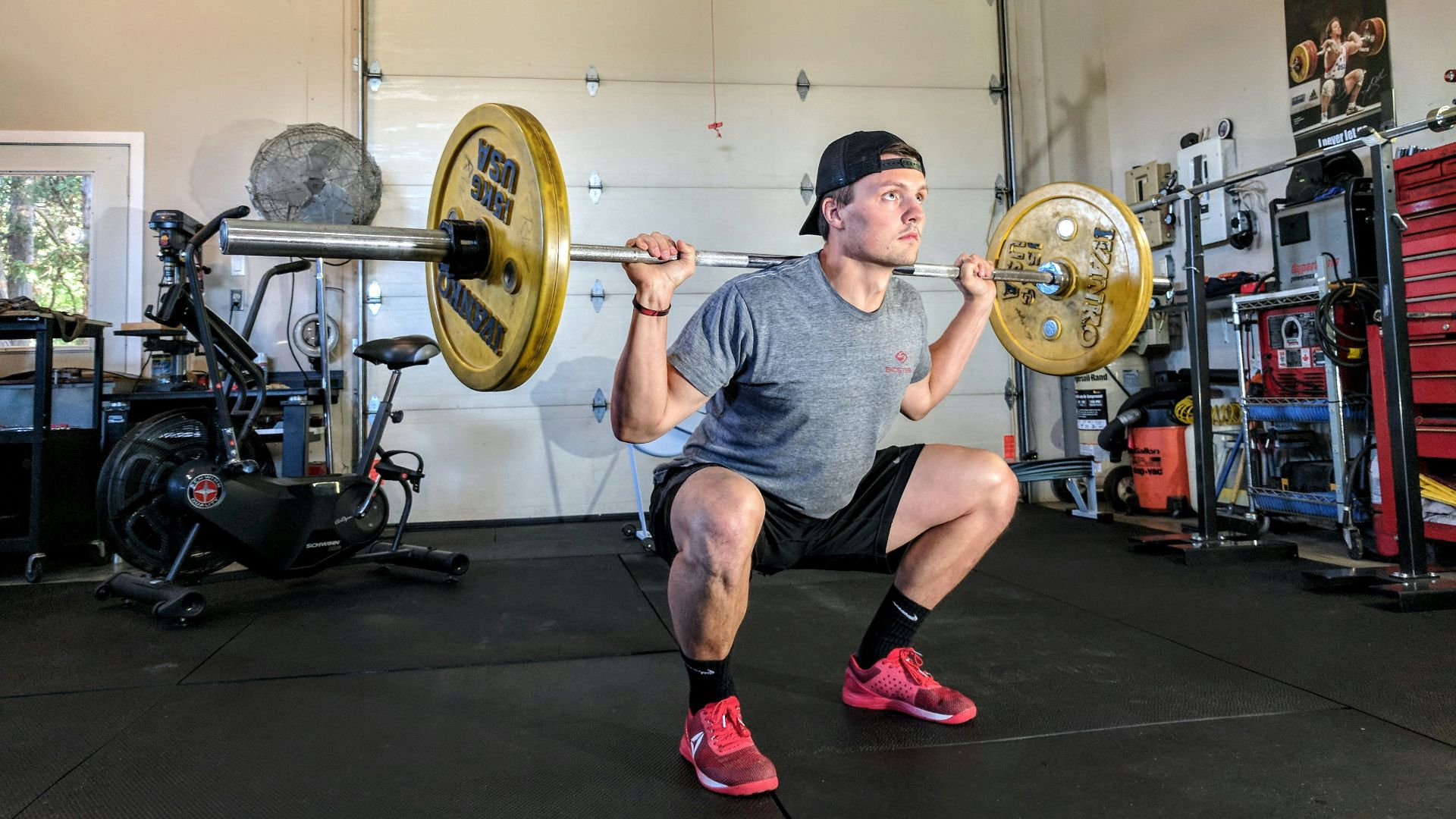
This is one of the oldest myths in the gym. In reality, knees often go past the toes in perfectly solid squats and lunges. Treating that as automatically wrong confuses one visual cue with an actual problem.

2. Totally Upright Squats
People love turning “stay tall” into “never lean forward at all.” But some forward torso angle is completely normal, and often necessary, depending on your build and the lift. A little lean is not the same thing as losing position.

3. Zero Knee Cave
A tiny amount of inward knee movement gets treated like a full emergency online. In real lifting, mild knee cave can show up on hard reps without meaning the lift is unsafe. The issue is whether you are consistently losing force and control.
4. Perfect Deadlifts Only
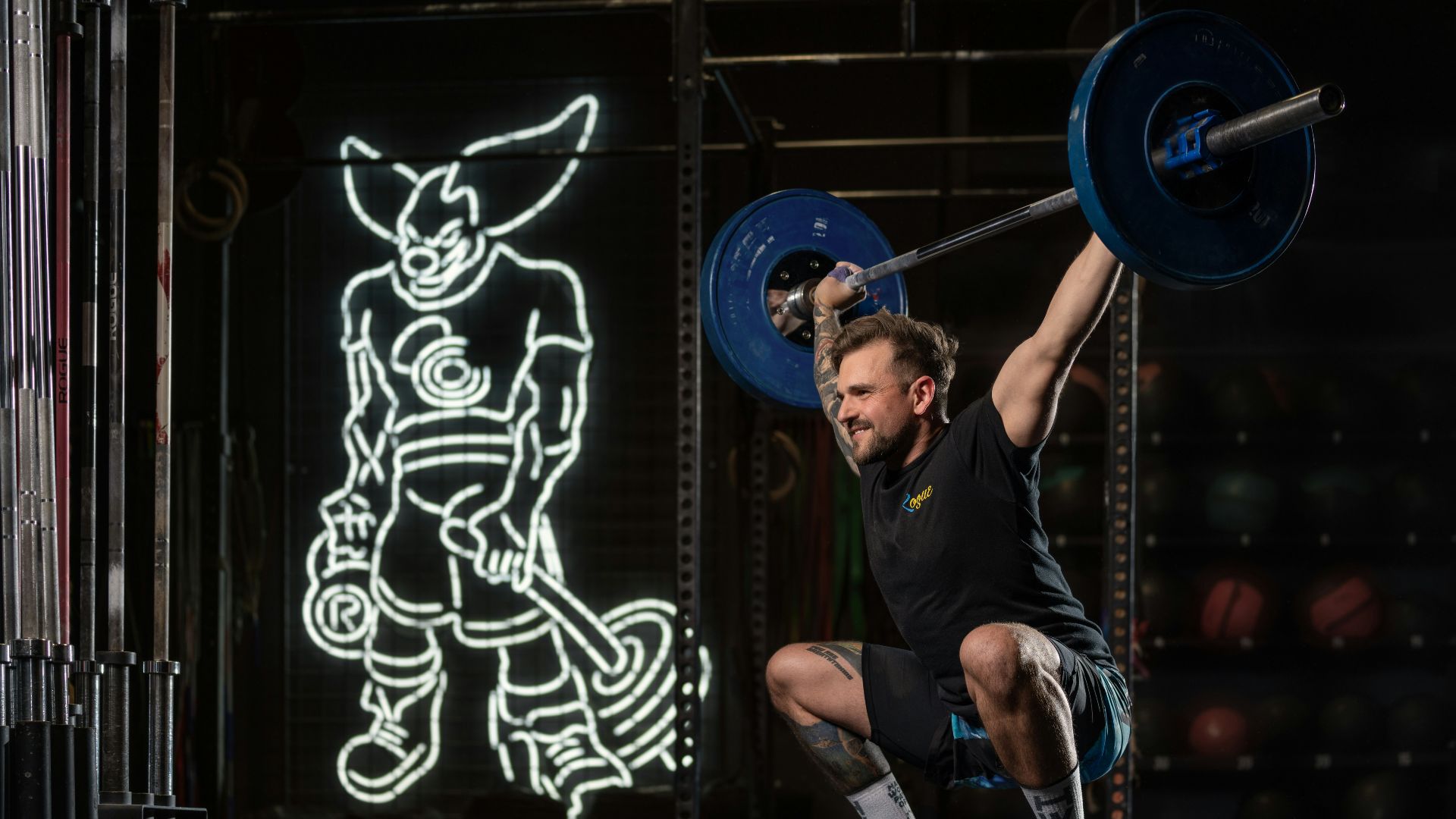
People talk about the deadlift like any hard-looking rep does not count. But heavy deadlifts are supposed to look hard. A rep can be gritty and still be technically sound.

5. Heels Glued Down
Foot pressure matters, but people often take that too far. A slight pressure shift does not automatically mean the rep is bad. What matters is whether you stayed balanced and controlled.

6. Same Exact Rep Every Time
Consistency matters, but not down to the millimeter. Small variations in bar path or rhythm happen naturally, especially as effort rises. Chasing robotic sameness can make people worse, not better.

7. Any Back Rounding
This one gets repeated so often people start treating the spine like glass. But not all back rounding is automatically dangerous. The real question is whether the position is controlled and appropriate for the load.

8. Deep Squats Are Bad
Deep squats still get blamed for knee problems they did not create. For most people, squatting deep within their own range is not inherently harmful. The fear around it has lasted longer than the logic behind it.

9. Belts Fix Technique
Belts are useful, but they do not magically correct bad lifting. They help with bracing if you already know how to brace. Poor mechanics in a belt are still poor mechanics.

10. Good Form Looks Smooth
Some of the best reps you will ever see are slow and ugly because heavy lifting is hard. A rep can grind and still be technically strong. Smoothness is nice, but it is not the same thing as quality.
And now, here are 10 technique dealbreakers that actually matter.
1. Losing Brace
This is one of the real big ones. If you cannot create and hold enough trunk tension, the whole lift gets less predictable fast. The problem is not that the rep looked messy, but that the structure underneath it stopped doing its job.

2. No Bottom Control
The bottom position exposes a lot. If you are crashing into the bottom of a squat or dive-bombing a bench, you are not really controlling the movement. That is where technique stops being style and starts becoming a real problem.

3. Wandering Bar Path
Not every rep needs a perfect line, but a bar path that keeps drifting badly out of place is a real issue. Once the bar moves away from the strongest position, leverage gets worse and the lift gets harder for bad reasons. Repeating that is not grit, it is bad mechanics.

4. Load in the Wrong Place
You can usually feel this one before anyone points it out. If a lift keeps dumping stress into your wrists, elbows, low back, knees, or shoulders in a way that feels sharp or unstable, the technique is probably off. Hard work should still feel like it is landing in the right places.

5. Speed Covering Slop
Some people move fast because they are explosive. Other people move fast because momentum lets them skip positions they cannot control. If speed is covering bad mechanics, the rep is less solid than it looks.
6. Different Setup Every Set
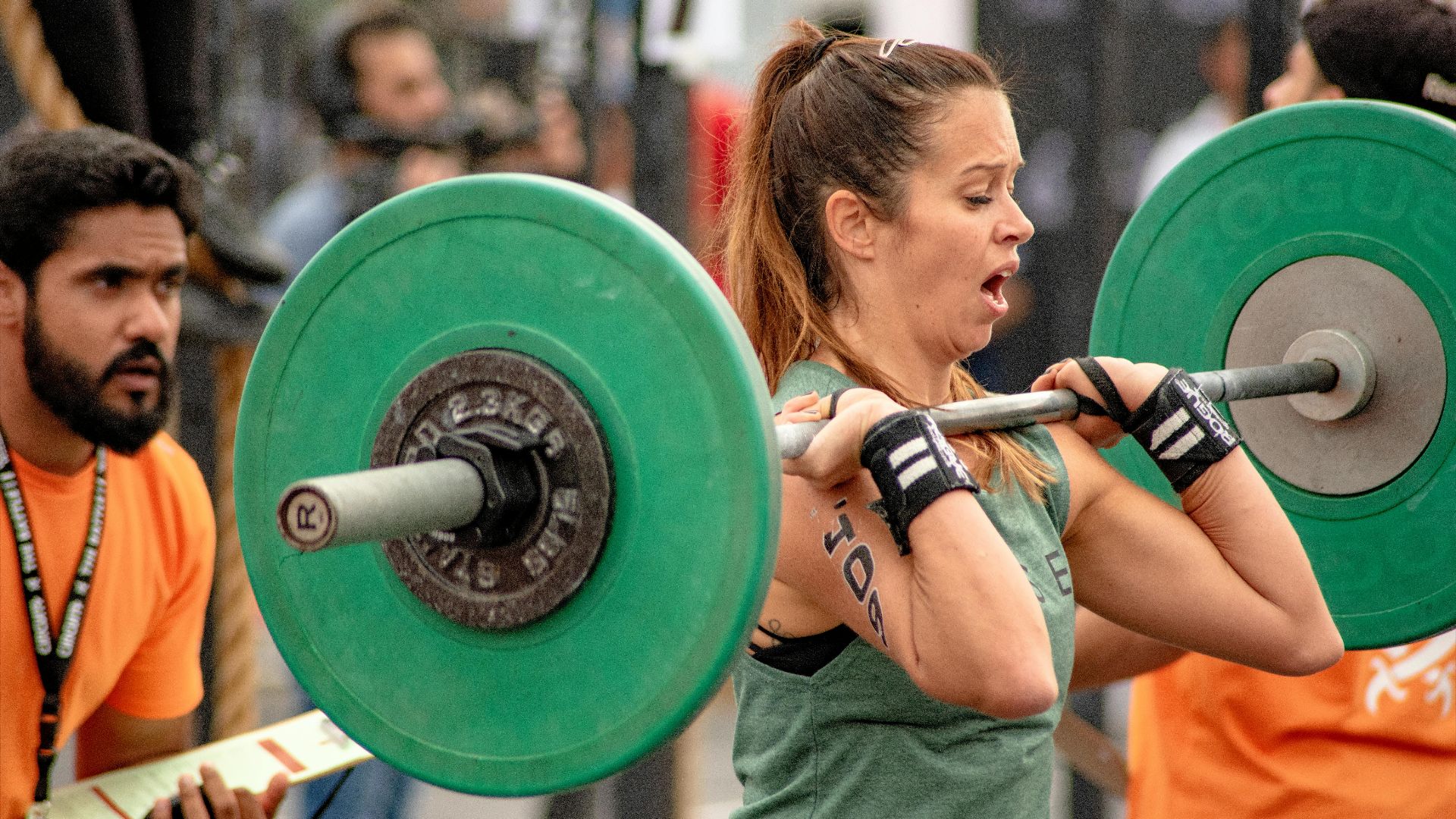
You do not need to look like someone else, but you do need a repeatable start. If your setup changes constantly without reason, technique becomes hard to trust and progress becomes hard to track. A stable setup gives the rest of the lift something to build from.
7. Pain You Keep Ignoring
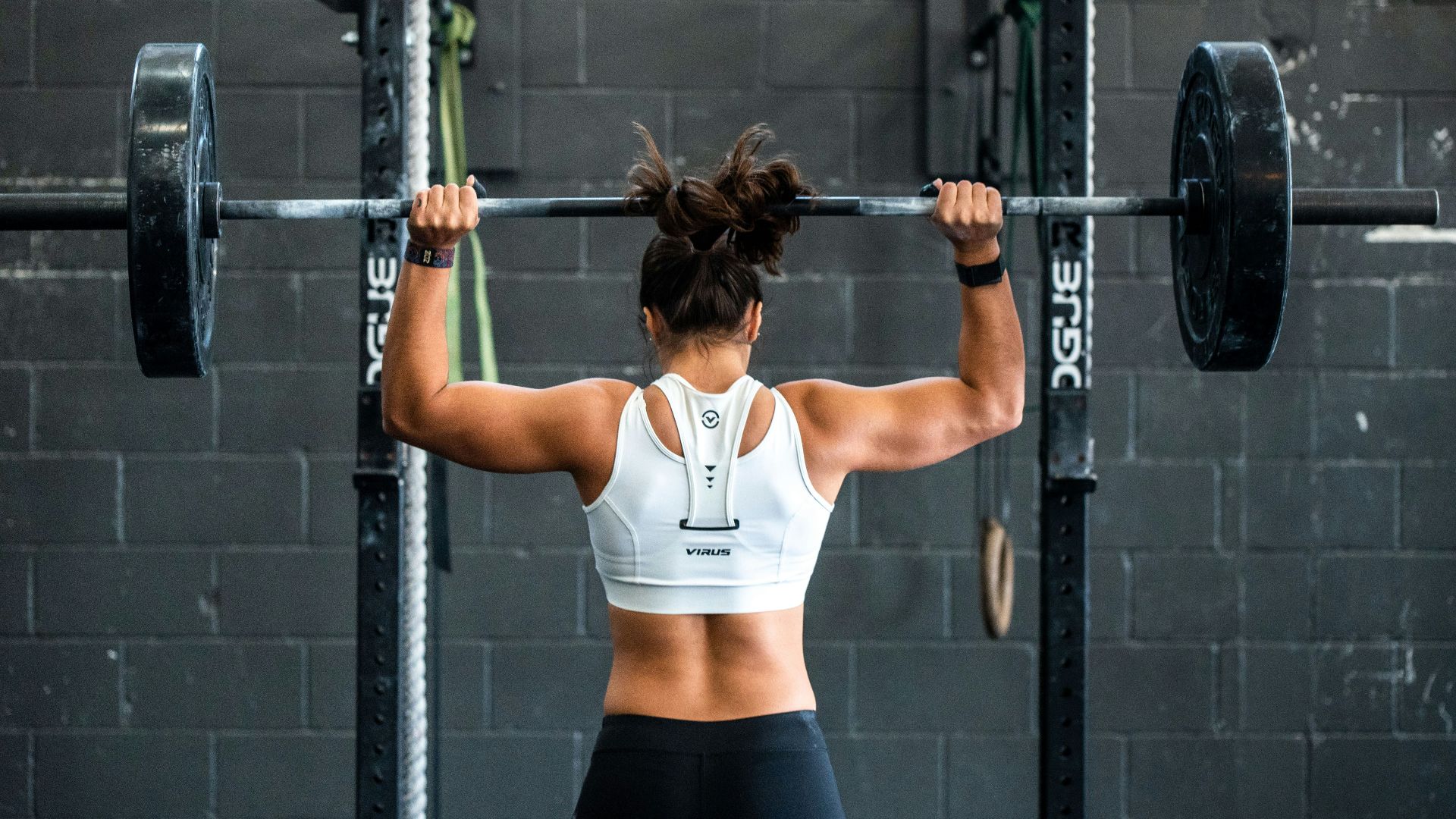
Effort and fatigue are part of training. Sharp pain, pinching, or the same joint irritation showing up every session is something else. Once a movement keeps producing the same bad signal, technique is no longer just a matter of preference.
8. Range You Cannot Control
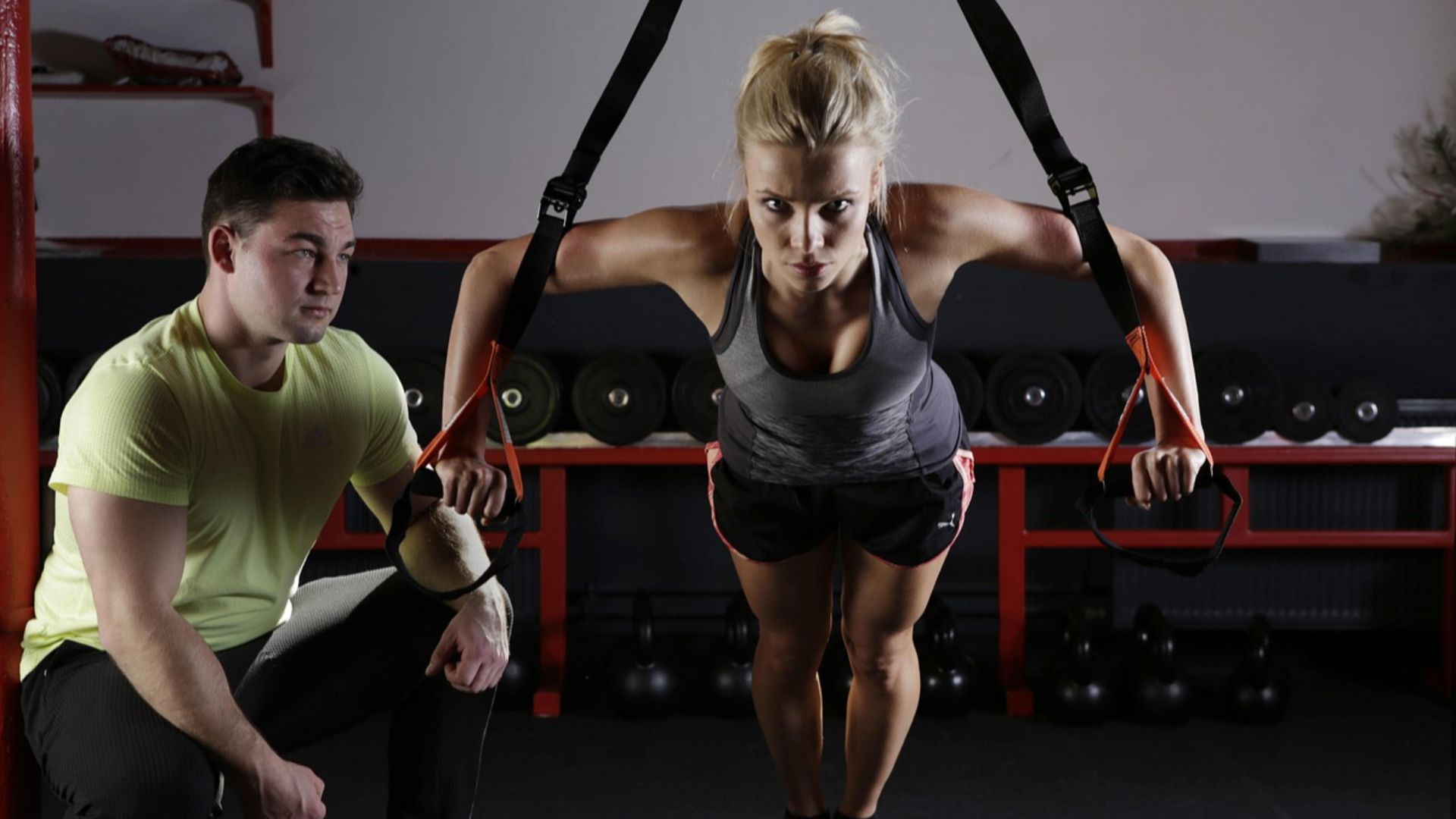
Using less range on purpose is one thing. Dropping into positions you cannot stabilize, or forcing range you do not have, is something else. If you cannot own the range you are using, the technique is not really there yet.
9. Form That Collapses Under Load
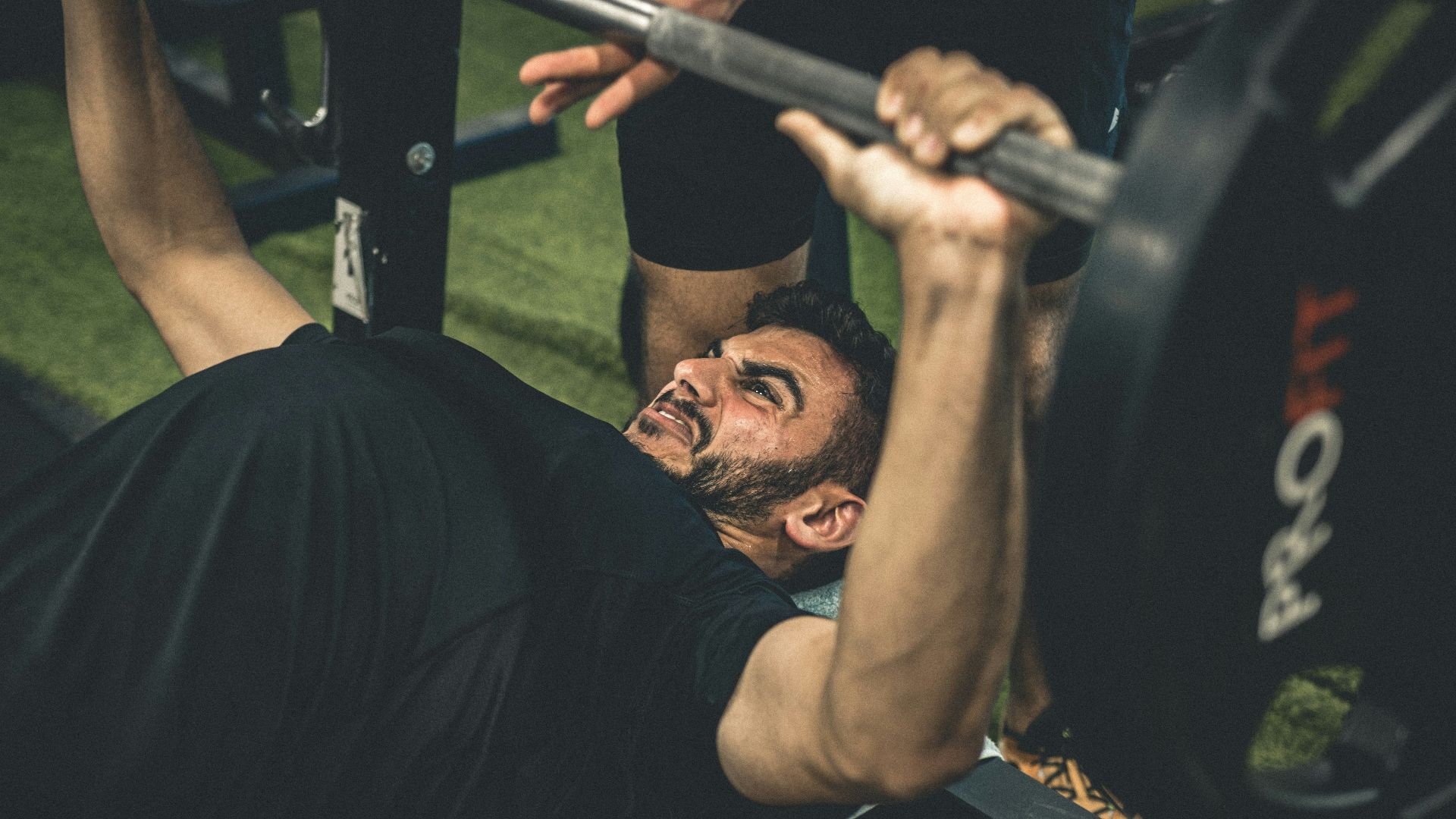
Everyone’s reps change a little when things get heavy. The real issue is when the lift turns into something completely different the second the weight goes up. Technique that only exists when the bar is light is not much of a technique.
10. Ignoring the Lift’s Goal
This is the kind of mistake that throws off a lot of training without people realizing it. If a set is supposed to be controlled and focused on muscle-building, but you turn it into a messy near-max effort just to squeeze out more reps, the technique is no longer matching the goal. The same goes for strength work—if the point is to practice a stable, repeatable lift, but every rep turns into improvisation, something has already gone off track.
KEEP ON READING